Yoga guide

Yoga for sciatica: what helps, which poses to change, and when to get help

Yoga can be a good way to keep moving with sciatica, which is what the NHS and NICE (the National Institute for Health and Care Excellence) advise, but it hasn't been properly tested. NICE found no trials of mind-body exercise, such as yoga, in sciatica, the big yoga back pain trials left most people with sciatica out, and three small trials in disc problems were encouraging but weak. Most sciatica gets better in a few weeks to a few months.

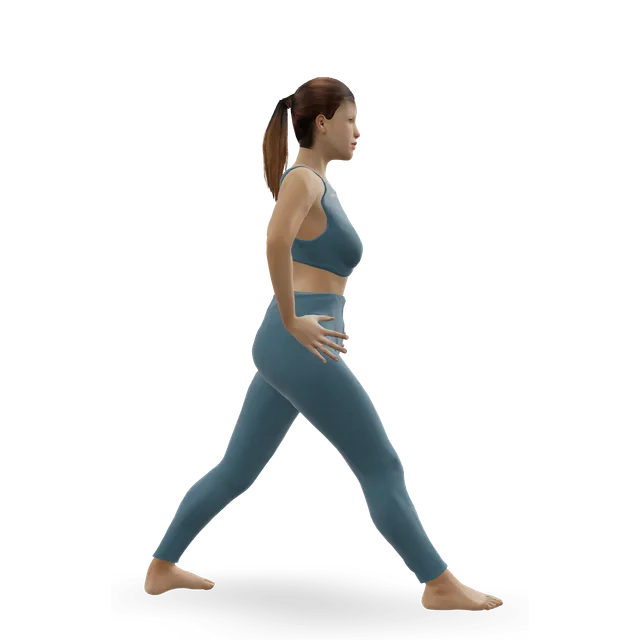
This guide covers what the evidence shows, how to let your leg guide which poses you do, the folds and positions to change while leg pain is bad, gentle nerve glides, pigeon pose and piriformis syndrome, and the warning signs that need 999. To start today, follow our 25-minute yoga for sciatica sequence. If you have numbness around your genitals or bottom, or new trouble peeing or pooing, go straight to the warning signs.

The short version

Keep moving: the best-supported advice

The NHS says sciatica usually gets better in a few weeks to a few months, and that even if moving hurts, it's not harmful. NICE advises carrying on with normal activities and suggests a group exercise programme, which can be mind-body exercise such as yoga.

Sources 1, 2

Yoga hasn't been properly tested in sciatica

NICE's evidence review found no trials of mind-body exercise in people with sciatica. Three small trials in disc problems were encouraging, but they were small, and one had no group that didn't do yoga.

Sources 3, 4, 5, 6

Let your leg guide you

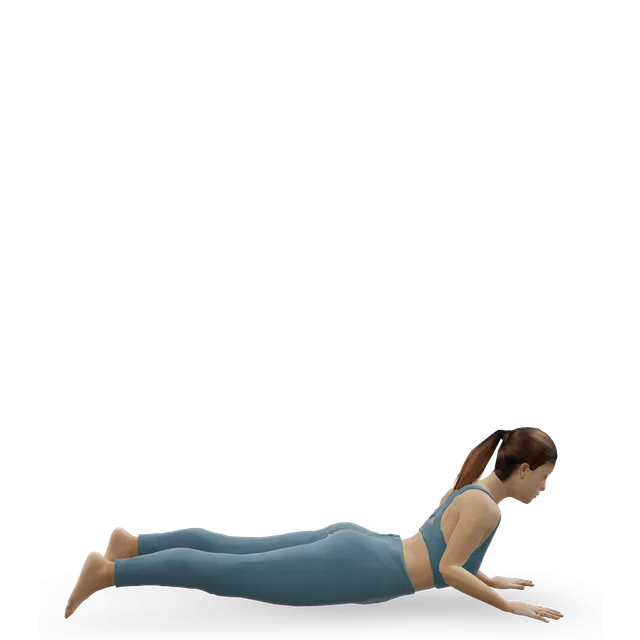
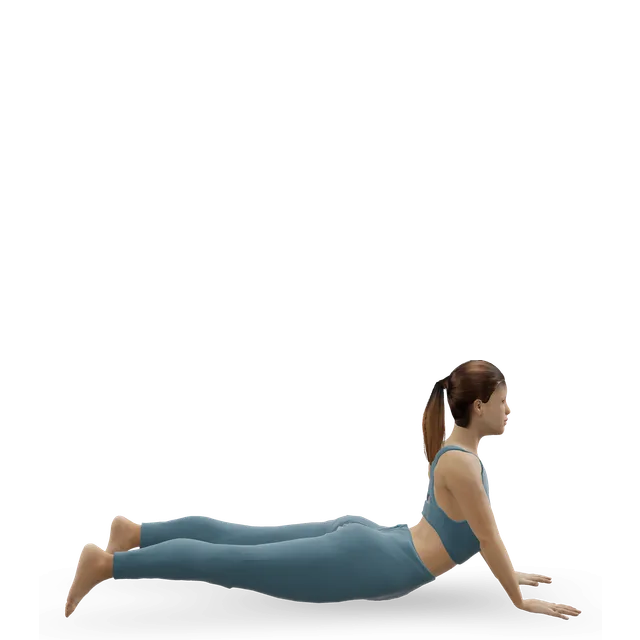
A pose is fine if it doesn't push pain further down your leg or bring on more numbness or weakness. If it does, make it smaller or swap it. Some people's leg eases with bending forward, and some with arching back.

Sources 7, 8

Change folds over straight legs while leg pain is bad

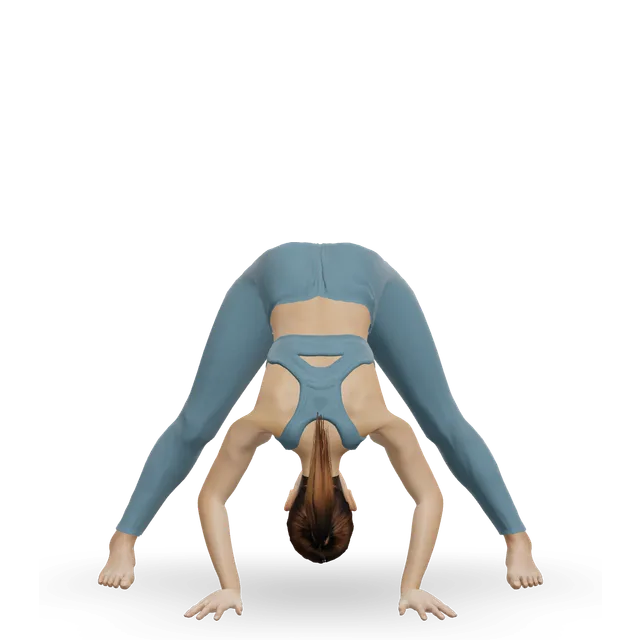
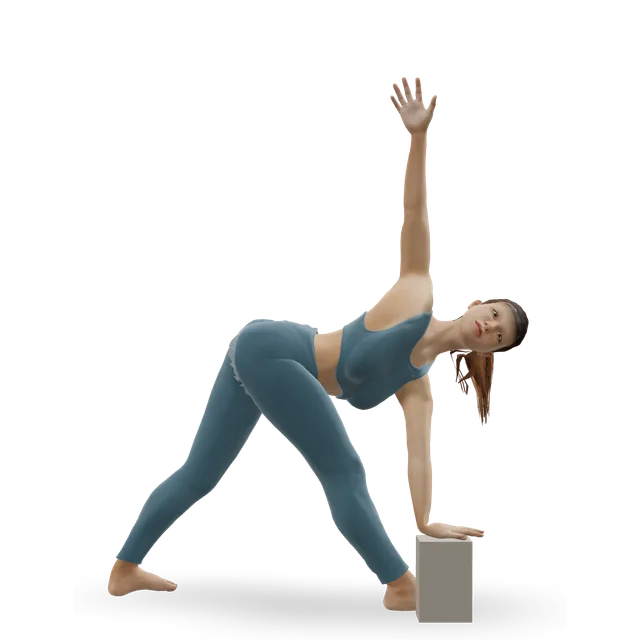
Doctors test for an irritated nerve root by lifting the straight leg, and folds over straight legs do much the same. Our inference, as on our Pilates for sciatica guide, is to bend your knees in folds while your leg is bad. No trial has tested this.

Source 9

Glide the nerve, don't stretch it hard

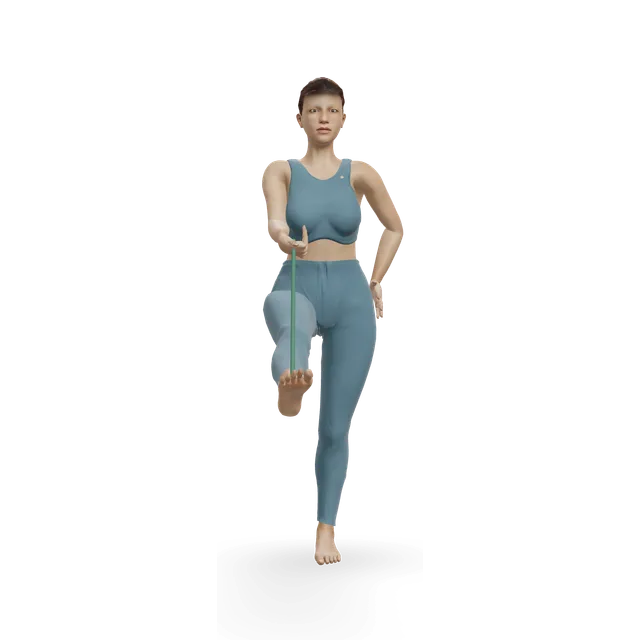
Nerve glides slide the nerve gently with little strain. Do them slowly, never hold the end position, and keep them only if they ease your leg.

Sources 10, 11

Know the 999 signs

Sciatica in both legs, numbness around your genitals or bottom, or new trouble peeing or pooing can be cauda equina syndrome: call 999 or go to accident and emergency (A&E), and don't drive yourself.

Source 1

Sciatica, and how yoga can press on a sore nerve

What sciatica is

Sciatica happens when something presses or rubs on the sciatic nerve, which runs from your lower back to your feet. The NHS describes pain, tingling, numbness or weakness in your bottom and the back of one leg, often down to the foot, usually worse than any back pain: "You probably do not have sciatica if you only have back pain."

A slipped disc is the most common cause, and spinal stenosis, spondylolisthesis (a vertebra that has slipped forward) and back injuries are others. Sciatica usually gets better in a few weeks to a few months, and it can come back.

Source 1

Spinal stenosis is a different pattern

With narrowing in the lower spine (lumbar spinal stenosis), the buttocks, thighs or calves ache or cramp on standing and walking and ease when you sit or bend forward, as our sciatica guide explains. Arching back often brings the leg symptoms on, so backbends may not suit you. We found no yoga trial in spinal stenosis.

Sources 1, 12

Why some poses provoke it

Doctors test for an irritated nerve root by lifting your straight leg, or with you sitting slumped. In studies of people having surgery, the straight-leg raise was positive in 92% of those with a slipped disc. A fold over straight legs bends the hip with the knee straight in the same way, so it can pull on a sore nerve; bending the knees takes the pull off. That is our inference, the same as our Pilates for sciatica guide's: we found no study of nerve load in yoga poses.

Source 9

Long, still positions

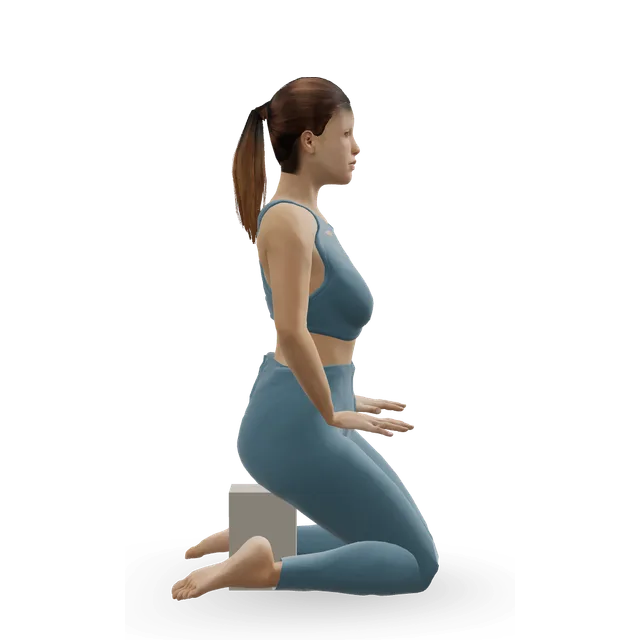
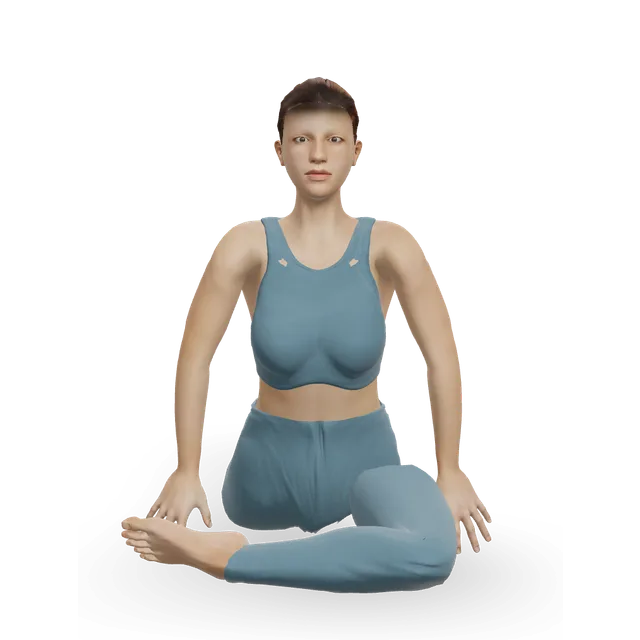
Rare case reports describe nerve damage after long spells kneeling or sitting in lotus, after falling asleep for 4 hours in a seated forward bend while taking sedating medicines, and in a woman with very flexible joints who lost her balance with both feet behind her neck. Come out of kneeling or cross-legged sitting before a foot goes numb.

Sources 13, 14

What scans show

Disc bulges are common in people without pain. In 18 long-term yoga teachers, MRI (magnetic resonance imaging) scans showed less disc wear than in 18 people who didn't do yoga, though a small study like this can't show that yoga caused the difference.

Source 15

What the evidence says

No trials of yoga in sciatica itselfStrong evidence

NICE counts yoga as mind-body exercise. Reviewing the trials for its back pain and sciatica guideline, it found "No evidence ... for the use of mind-body exercise in the sciatica population". A title search in October 2026 found only two yoga trials in sciatica or disc herniation.

Sources 3, 16

The big back pain trials left sciatica outStrong evidence

The two large US yoga trials excluded people with sciatica, or with sciatica pain as bad as or worse than their back pain, and the Cochrane review of yoga for back pain covered back pain without a clear cause. Their modest benefits can't be assumed for leg pain.

Sources 17, 18, 19

Two small trials in disc problemsEmerging evidence

In 61 adults with disc bulges or extrusions (62% with sciatica), a 3-month course of yoga classes and home practice designed to be safe for disc problems improved back-related disability by about 3 points on a 24-point scale more than usual medical care at 3 months. Nothing else differed, and no side effects were reported.

In 48 people with nerve pain from a slipped disc, an hour of stretch and strength-based yoga twice a week for 12 weeks, plus education, eased nerve pain and back pain and improved disability and function more than education alone, with moderate differences at 6 months. Both trials were small.

Sources 4, 5

A study with no comparison groupMixed evidence

In 60 people with sciatica, both groups did cobra and locust for 20 minutes a day for 4 weeks, one with oil massage too, and both improved. With no group that didn't do yoga, and everyone told to rest on a hard bed, it can't show the poses helped.

Source 6

Exercise helps leg pain a little, at firstEmerging evidence

Across 5 trials, structured exercise eased leg pain by about 11 points on a 0 to 100 scale more than advice to stay active in the short term (low-quality evidence), with no difference in disability, and no difference later on (moderate quality). A 2025 review of exercise for disc herniation included yoga among 12 trials but didn't pool the results.

Sources 20, 21

Every treatment is uncertainStrong evidence

Physiotherapy for sciatica (18 trials, 2,699 people) showed no clear difference from control treatments, and two 2025 network analyses of non-surgical treatments (40 and 50 trials) rated all their findings very low confidence. Staying active with exercise you can keep doing is the practical answer, and yoga is one way to do it.

Sources 22, 23, 24

Nerve glides: promising, not provenEmerging evidence

In 20 trials (877 people) with nerve root pain from the lower back, nerve mobilisation reduced pain and disability, but the trials varied a lot and may overstate the effect. In the lab, glides that slide the nerve moved it more, with far less strain, than pulling it tight at both ends.

Sources 11, 25, 10, 26

Yoga's safetyEmerging evidence

In 94 trials, side effects were no more common with yoga than with usual care or other exercise. Of 89 people injured by yoga at one US clinic, 5 had nerve root pain, mostly from poses that bent the spine forward or back to its extremes.

Sources 27, 28

How the trials ran, and how often to practise

The yoga trials

A 3-month course of group classes and home practice; 1-hour classes twice a week for 12 weeks; and two poses repeated four times with guided breathing and relaxation, 20 minutes a day for 4 weeks.

Sources 4, 5, 6

NICE's group exercise

NICE suggests considering a group exercise programme for a flare-up of back pain with or without sciatica, taking your needs, preferences and capabilities into account. Mind-body exercise is one of its options.

Source 2

The NHS on slipped discs

The NHS says you'll get better more quickly if you gradually start gentle exercise "such as walking, swimming and yoga" as soon as you can, and that "The type of exercise is not important as long as it does not cause pain or make your back pain worse."

Source 29

Our editorial starting point

A short, gentle session most days while sciatica is active, alongside walking, and getting up to move between long spells of sitting. Add strength poses as your leg settles, and build up over weeks.

Source 1

Let your leg guide you

Moving may hurt; it should not spread

The NHS says that even if moving hurts, it's not harmful. A pose is fine if it doesn't push pain further down your leg and doesn't bring on more numbness or weakness. If it does, make it smaller, swap it, or come back to it later. This is the rule our sciatica guide uses.

Source 1

Find the direction that eases itEmerging evidence

About 40% of people with back pain find a movement that draws pain up out of the leg, and about two thirds find a direction that helps; both point to a better outlook. In 181 people with severe sciatica, exercises chosen by how their symptoms responded did better than sham exercises.

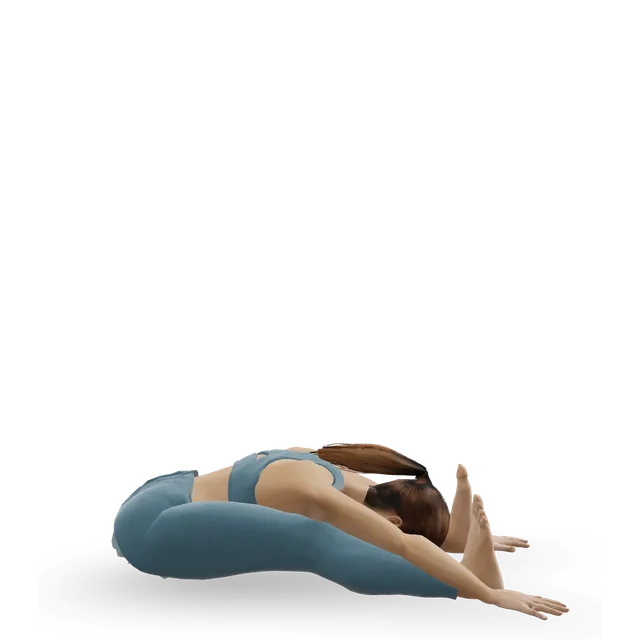
If bending forward eases your leg, favour knees to chest and child's pose. If arching eases it, favour sphinx and a low cobra. It's a temporary guide, not a lifelong rule.

Sources 8, 7

Folds over straight legs: our inferenceMixed evidence

While leg pain is bad, swap folds over straight legs for knees-bent versions, and bring them back one at a time later. This follows from how doctors test for an irritated nerve root, as on our Pilates for sciatica guide. No trial has tested it, and no trial shows that any pose harms sciatica.

Source 9

Twists, kneeling and lotus

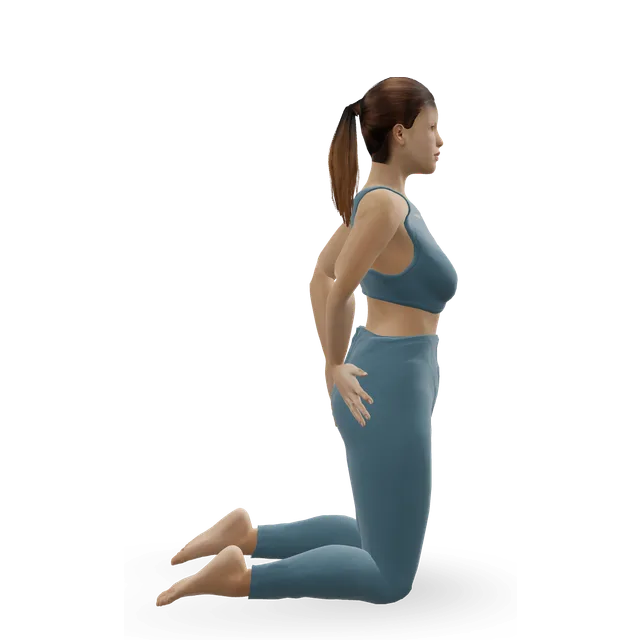
Go gently into twists, and stop if one brings on leg symptoms, as the poses' own pages advise. In an Australian survey, lotus and half lotus were among the practices most often linked to injuries, and long kneeling has squeezed nerves in case reports.

Sources 30, 13

Tell the teacher

Tell the teacher you have sciatica and which way your leg likes to move. NCCIH (the US National Center for Complementary and Integrative Health) advises people with health conditions, including lumbar spine disease, to talk with their health care provider and the yoga teacher about changing poses.

Source 31

A gentle nerve glide, lying down

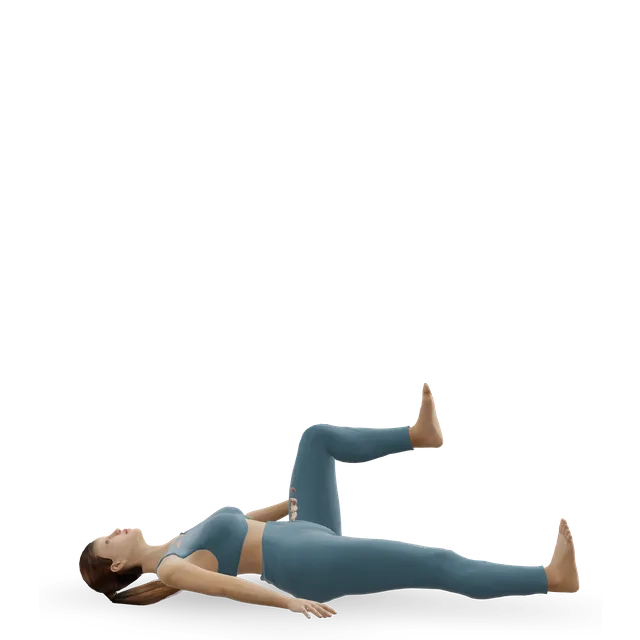
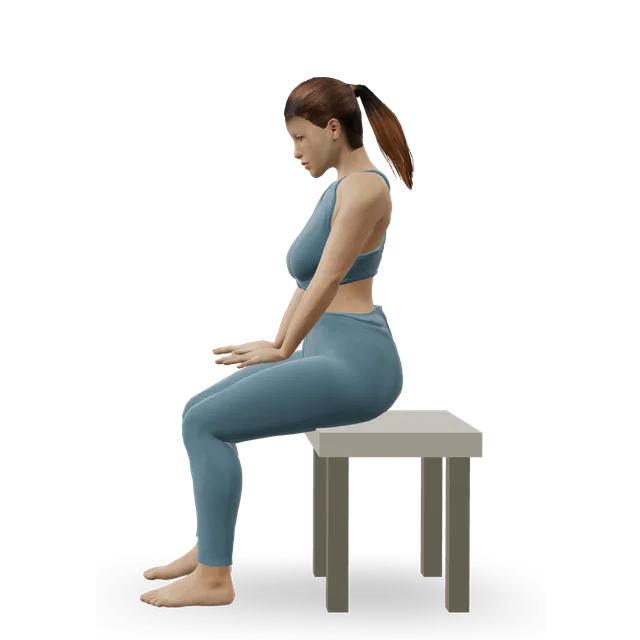
Steps from the move's page. Its dose, 10 repetitions with a 1-second pause, 2 to 3 times a day, is an NHS musculoskeletal service's; try it for two weeks and keep it only if it eases your leg. The seated version suits a chair or a desk.

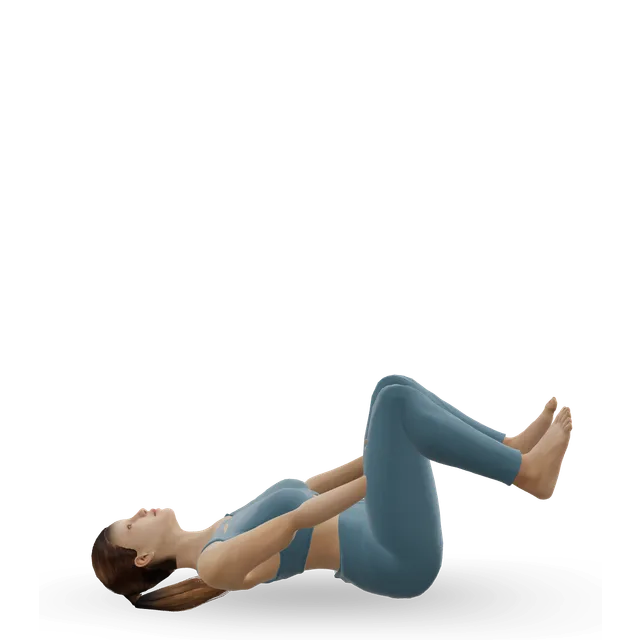
  1. Lie on your back with both knees bent and your feet flat.
  2. Lift the knee on your sore side towards your chest and hold behind your thigh with both hands, as far as is comfortable.
  3. Gently straighten the knee towards the ceiling until you feel a mild pull at the back of the leg.
  4. Bend it back down to the start. Pause for a second at most: it's a glide, not a held stretch.
  5. To make it gentler, point your toes away as the knee straightens. Keep breathing, and move slowly and rhythmically.
  6. A pull is fine; pain is not. Stop if it sends pain, tingling or numbness further down your leg.

See the movement on the 3D figure: Lying sciatic nerve slider (nerve glide)

Poses to start with: settle, then find your direction

Keep the ones that ease your leg. The knee-to-chest stretches use their pages' dose (holds of 20 to 30 seconds, 2 to 4 times), the nerve glides theirs (10 repetitions, 2 to 3 times a day) and cat-cow 8 slow waves; sphinx and the figure four, 2 to 3 holds of 30 seconds, as in our sciatica guide.

As your leg settles: build strength

Our sciatica guide's second stage: bird dog, bridges and a knee side plank (it builds to 3 sets), with standing poses held for 3 to 5 breaths (our editorial starting point). Keep a hand on a wall in tree pose if a foot is numb.

Poses to change or leave out while leg pain is bad

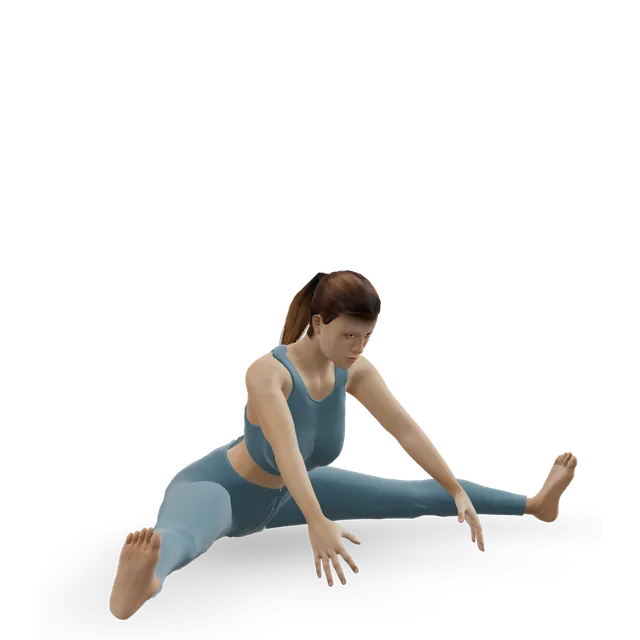
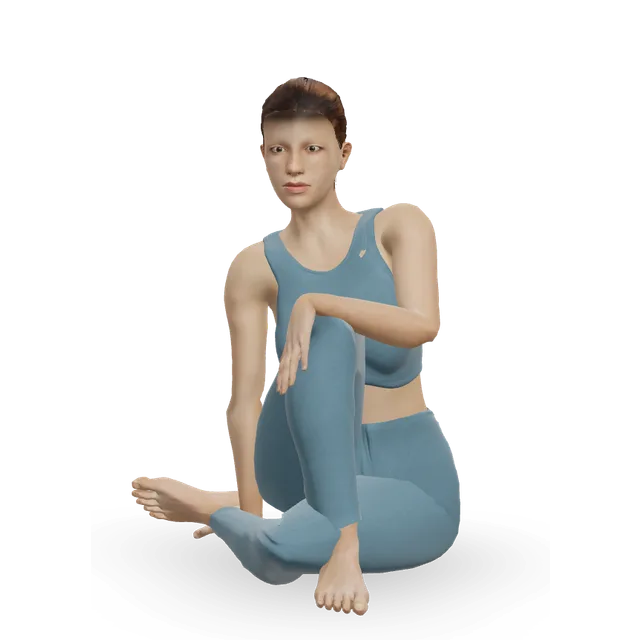
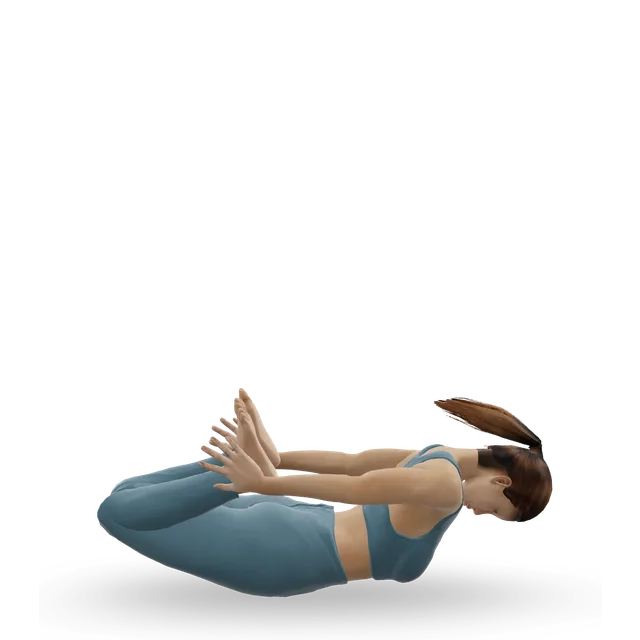
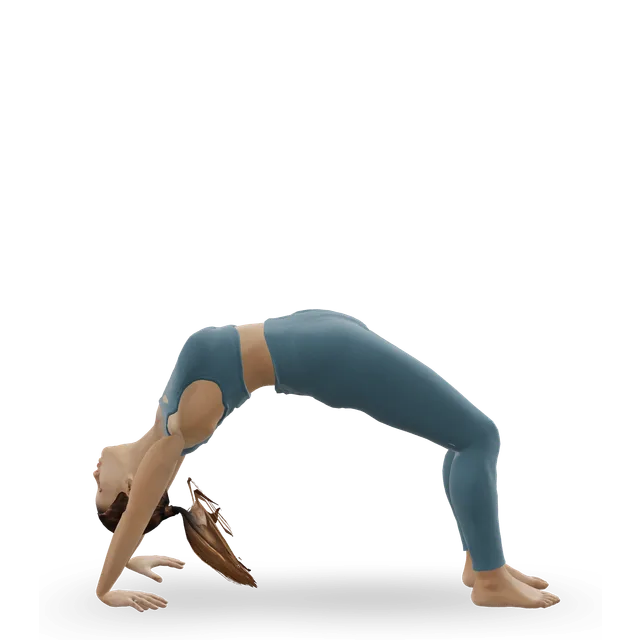
Bend your knees in folds over straight legs or leave them for now (our inference), keep twists small and stop if they bring on leg symptoms, come out of kneeling and lotus before a foot goes numb, and swap deep backbends and loaded rounding for sphinx, a low cobra or bird dog. None is banned for good: try each one again later.

Pigeon pose and piriformis syndrome

Pigeon doesn't treat sciatica

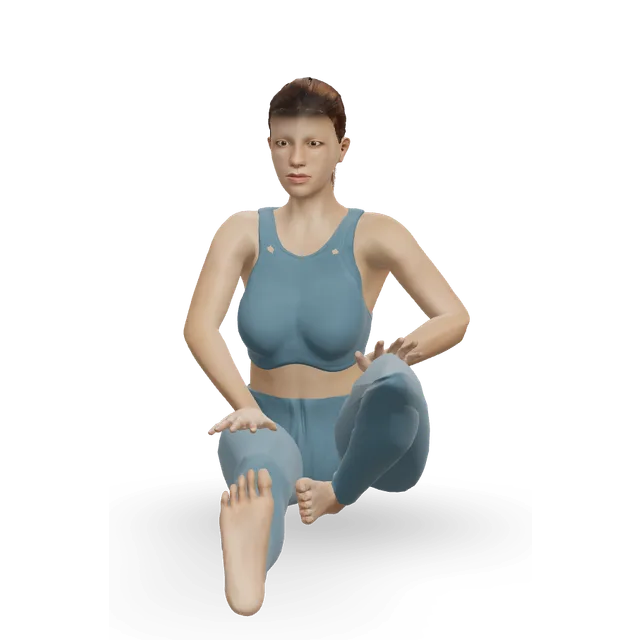
It may feel good for a stiff hip, but no trial shows it treats sciatica, and true sciatica usually comes from the back, as our piriformis syndrome guide says. If pigeon brings on leg symptoms, stop; the reclined figure four is gentler.

Piriformis syndrome

Sciatic-type pain from the nerve being squeezed in the buttock is less common, and our piriformis syndrome guide covers it. One case report describes a 60-year-old who developed severe piriformis syndrome after yoga and Pilates classes.

Source 32

Workouts to follow

Start with the 25-minute yoga for sciatica sequence most days. Once your leg has settled, the yoga for back pain workout is the next step (keep its cobra only if arching eases you); the flare-up routine suits bad days, and chair yoga suits days when the floor is hard.

When to call 999 or see a GP

Call 999 or go to A&E

These are the same warning signs as our sciatica and Pilates for sciatica guides. In the US, call 911 for 999, and use your doctor's urgent line or urgent care for NHS 111.

  • Leg pain with numbness around the genitals or bottom, new trouble starting or controlling peeing, not knowing when you need to poo or losing control of it, sciatica in both legs, or weakness or numbness in both legs that is severe or getting worse. These can be signs of cauda equina syndrome, which needs treating in hospital as soon as possible.
  • Back pain or sciatica with changes in how your penis or vagina feels during sex, not being able to get or keep an erection, or not being able to orgasm.
  • "Do not drive to A&E. Ask someone to drive you or call 999 and ask for an ambulance."

Sources 1, 33

Get help the same day

From our sciatica guide:

  • Same day (urgent GP appointment or NHS 111): new difficulty lifting the front of your foot or toes (foot drop), or a foot that slaps down or catches as you walk, especially if it is getting worse. Weakness in both legs, or with numbness around the genitals or bottom or bladder or bowel changes, is the 999 emergency above.
  • Same day: leg weakness that is getting worse; new leg pain with a history of cancer, HIV, TB or inflammatory arthritis; or leg pain with a fever, feeling unwell, loss of appetite, unexplained weight loss or night sweats.
  • Same day (GP or NHS 111): throbbing pain in one leg, usually the calf or thigh; swelling in one leg; red, blue or darkened skin; or swollen veins. This can be a deep vein thrombosis (DVT).

Get an urgent GP appointment or call NHS 111

If you have back pain and feel hot, cold, shivery or generally unwell, or the pain is severe and started suddenly or is getting worse quickly.

Source 33

See a GP

If your sciatica hasn't improved after a few weeks of looking after it at home, is getting worse, or is stopping you doing your normal activities. Leg pain on standing and walking that eases when you sit or bend forward can be lumbar spinal stenosis, which needs assessing. In many areas you can refer yourself to NHS physiotherapy.

Source 1

Stop or change the pose

Ease off any pose that spreads pain further down your leg or brings on numbness, pins and needles or weakness. The NHS exercise videos say to stop "if you feel any pain or become unwell" and to get help from NHS 111 if symptoms don't go away; our rule is that some discomfort is fine as long as the leg symptoms don't spread.

Source 34

In pregnancy, and after back surgery

Sciatica-type pain in pregnancy is covered by our pregnancy yoga and pelvic girdle pain guides. After back surgery, your surgical team's plan comes first.

Myths

"Yoga cures sciatica"Mixed evidence

NICE found no mind-body exercise trials in sciatica, and the trials in disc problems were small. Most sciatica improves in weeks to months whatever you do; yoga is a good way to keep moving while it does.

Sources 3, 4, 5, 1

"You have to stretch the sciatic nerve hard to free it"Mixed evidence

Pulling a nerve tight at both ends strains it far more than sliding it. Nerve glides are done gently, pausing for a second at most: a pull is fine, pain is not.

Sources 10, 26

"Pigeon pose fixes sciatica"Mixed evidence

No trial shows it treats sciatica, which usually comes from the back. Stop it if it brings on leg symptoms.

Source 16

"Rest until the pain goes"Strong evidence

The NHS says not to sit or lie down for long periods, because even if moving hurts, it's not harmful and can help you get better faster. NICE advises carrying on with normal activities.

Sources 1, 2

"Forward bends are always bad for sciatica"Mixed evidence

No trial shows harm, and people whose leg eases with bending forward, often with stenosis, may find them helpful. Folds over straight legs are the ones to change while leg pain is bad (our inference), because they mimic the straight-leg raise test.

Sources 9, 8

"Cobra and locust are proven to treat sciatica"Mixed evidence

That claim comes from a 60-person study in which both groups did the poses and were told to rest on a hard bed, with no group that didn't do yoga. It can't show the poses helped.

Source 6

Questions people ask

Is yoga good for sciatica?

It can be a good way to stay active, which is what the NHS and NICE advise, but it hasn't been properly tested in sciatica. NICE found no trials of mind-body exercise in sciatica, and three small trials in disc problems were encouraging but weak. Choose poses that don't spread your leg pain.

Can yoga make sciatica worse?

Some poses can flare it for a while, especially folds over straight legs, deep twists and long spells kneeling or sitting cross-legged. No trial shows yoga harms sciatica, and the NHS says moving isn't harmful even when it hurts. If a pose pushes pain further down your leg or brings on numbness or weakness, make it smaller or skip it.

Which yoga poses should I avoid with sciatica?

While leg pain is bad, change forward folds over straight legs (bend your knees or sit on a block), and go gently with deep twists, kneeling, lotus and deep backbends. None is banned for good: try each one again later and keep it if your leg doesn't mind.

What are the best yoga poses for sciatica?

No pose is proven best. Start with what eases your leg: knees to chest and child's pose if bending forward helps, sphinx and a low cobra if arching helps. Add cat-cow, a gentle nerve glide, bridges and standing poses as it settles.

Is pigeon pose good for sciatica?

It may feel good for a stiff hip, but no trial shows it treats sciatica, and true sciatica usually comes from the back. If pigeon brings on leg symptoms, stop. The reclined figure four is a gentler option.

Is downward dog good for sciatica?

It combines a hip bend with straight legs, the position doctors use to test for an irritated nerve root, so it can pull on a sore nerve. Bend your knees well and lift your heels, or use cat-cow and child's pose until your leg settles.

Should I stretch my sciatic nerve?

Not hard. Nerve glides that slide the nerve gently, pausing for a second at most, are the safer way: a pull is fine, pain isn't. Reviews of nerve mobilisation are positive but low quality.

How often should I do yoga with sciatica?

A short, gentle session most days, alongside walking and everyday activity, is a sensible start (our suggestion). The trials used anything from twice-weekly classes to daily practice, for 4 to 12 weeks.

Is yoga or Pilates better for sciatica?

Neither has been shown to be better. NICE counts both as kinds of exercise to consider, so choose the one you enjoy and will keep doing.

Is chair yoga good for sciatica?

It can be, if sitting doesn't make your leg worse. Get up and move between seated poses, try the seated nerve glide, and skip seated folds over straight legs while leg pain is bad.

Can I do yoga for sciatica in pregnancy?

Usually, with changes: after the first trimester keep time on your back short, twist gently away from the bump, and skip hot yoga. Our pregnancy yoga guide covers the details, and severe pain or any warning sign needs checking.

When should I see a doctor about sciatica?

Call 999 or go to A&E for sciatica in both legs, numbness around your genitals or bottom, or new trouble peeing or pooing, and don't drive yourself. Get a same-day appointment for foot drop or a leg that is getting weaker, and see a GP if it isn't improving after a few weeks.


Sources

  1. NHS · Sciatica (last reviewed December 2024)
  2. NICE NG59 · Low back pain and sciatica in over 16s: assessment and management (recommendations, last updated July 2026)
  3. NICE NG59 · Full guideline: assessment and non-invasive treatments, chapter 9 on exercise (National Guideline Centre, 2016)
  4. Monro 2015 · Yoga therapy for disc bulges and extrusions: 61 adults, 62% with sciatica (exploratory randomised trial, J Back Musculoskelet Rehabil)
  5. Yildirim 2022 · Stretch and strength-based yoga for nerve pain from a lumbar disc herniation: 48 people (randomised trial, Spine)
  6. Singh 2013 · Cobra and locust poses, with or without oil massage: 60 people with sciatica (controlled study, Int J Yoga)
  7. Albert 2012 · Symptom-guided or sham exercise for severe sciatica: 181 people (randomised trial, Spine)
  8. May 2018 · Centralisation and directional preference in back pain (systematic review, Musculoskelet Sci Pract)
  9. van der Windt 2010 · Physical examination for nerve root pain from a disc herniation (Cochrane diagnostic review)
  10. Coppieters 2008 · Sliders and tensioners: nerve movement and strain in nerve gliding exercises (cadaver study, Man Ther)
  11. Lin 2023 · Nerve mobilisation for lumbar radiculopathy: 20 trials, 877 people (systematic review and meta-analysis, Life)
  12. Europe PMC · Search for yoga trials in spinal stenosis: 0 records (24 October 2026)
  13. Cramer 2013 · Adverse events with yoga: 76 published cases (systematic review of case reports, PLoS One)
  14. Dacci 2013 · Damage to both sciatic nerves during yoga (case report, Neurol Sci)
  15. Jeng 2011 · Disc degeneration on MRI in 18 long-term yoga teachers and 18 controls (case-control study, Eur Spine J)
  16. Europe PMC · Search for yoga trials in sciatica or disc herniation (titles): 4 records, 2 of them trials (24 October 2026)
  17. Sherman 2010 · Yoga or stretching for chronic low back pain: the YES trial protocol (Trials)
  18. Saper 2014 · Yoga, physical therapy or education for chronic low back pain: trial protocol (Trials)
  19. Wieland 2022 · Yoga for chronic non-specific low back pain (Cochrane review)
  20. Fernandez 2015 · Advice to stay active or structured exercise for sciatica: 5 trials (systematic review and meta-analysis, Spine)
  21. Arslan 2025 · Exercise for lumbar disc herniation: 12 randomised trials (systematic review, Acta Neurol Belg)
  22. Dove 2023 · Physiotherapy for sciatica: 18 trials, 2,699 people (systematic review and meta-analysis, Eur Spine J)
  23. Zhu 2025 · Non-surgical treatments for acute and subacute sciatica: 40 trials (network meta-analysis, J Orthop Sports Phys Ther)
  24. Zhu 2025 · Non-surgical treatments for chronic sciatica: 50 trials (network meta-analysis, J Pain)
  25. Basson 2017 · Nerve mobilisation for musculoskeletal conditions: 40 studies (systematic review and meta-analysis, J Orthop Sports Phys Ther)
  26. Ellis 2012 · Sciatic nerve movement in four nerve gliding exercises: 31 healthy people (ultrasound study, J Orthop Sports Phys Ther)
  27. Cramer 2015 · The safety of yoga: 94 randomised trials, 8,430 people (systematic review and meta-analysis, Am J Epidemiol)
  28. Lee 2019 · Soft tissue and bone injuries caused by yoga: 89 patients at a US clinic (case series, Mayo Clin Proc)
  29. NHS · Slipped disc
  30. Penman 2012 · Yoga in Australia: results of a national survey (Int J Yoga)
  31. NCCIH 2023 · Yoga: effectiveness and safety (US National Center for Complementary and Integrative Health)
  32. Ibrahim 2025 · Severe piriformis syndrome after yoga and Pilates (case report, Cureus)
  33. NHS · Back pain (last reviewed March 2026)
  34. NHS · Exercises for sciatica problems

Exercise education, not a personal prescription, and clinical review of these guides is pending. If you are pregnant, have a health condition such as glaucoma, high blood pressure or osteoporosis, or have had recent surgery, check with a doctor, midwife or physiotherapist before starting, and stop for sharp or increasing pain. Health disclaimer.