Breathing & recovery
Chronic pain flare-up routine: gentle movement for a bad day
For a flare-up of long-term pain, when your usual exercise is too much. Arthritis UK's physiotherapists advise slow, gentle movement during a flare rather than stopping altogether: a few minutes of simple moves, then rest, and repeat. Everything here is small and slow, and you can do the first two blocks in bed. Stay in a comfortable range and never force a movement into pain. A flare usually settles, and more pain doesn't necessarily mean more damage. New symptoms, pain in a new place, or pain with a fever or feeling unwell aren't a usual flare: see the warning signs in our chronic pain guide. The doses are our editorial starting point.
Settle
- Beginner · 3D demoLying or sitting. In through your nose for about 4, out for about 6Easier: Breath reachHarder: Crocodile breathing (prone diaphragmatic breathing)

Move gently, lying down
- Supine heel slide5 each legBeginner · Hip flexors, Hamstrings, Quads · 3D demoSlide your heel towards you and away again, slowlyHarder: Hip windshield wipers
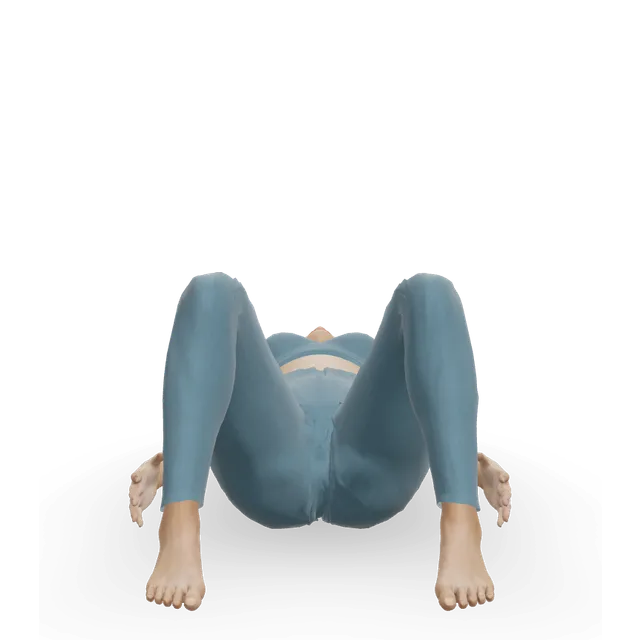
- Hip windshield wipers5 slow passesBeginner · Glutes, Adductors · 3D demoKnees together: rock them a little way to each sideHarder: 90/90 switch
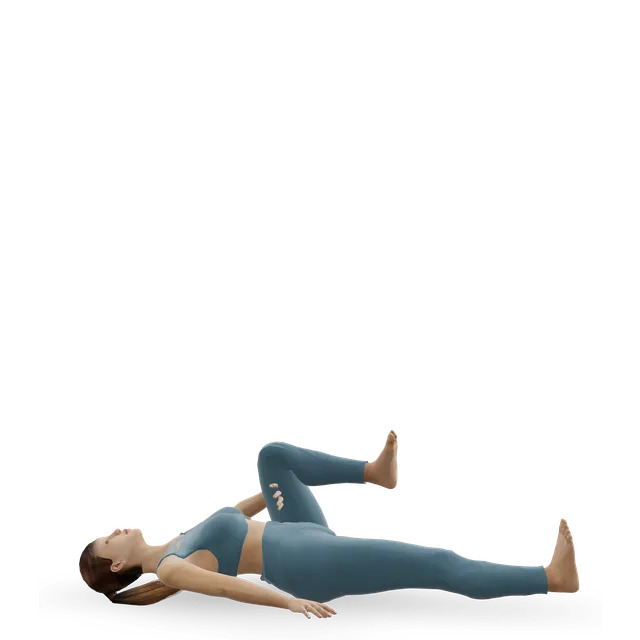
- Single knee-to-chest stretch2 holds of 10 s each legBeginner · Glutes, Back, Hip flexors · 3D demoHug one knee gently. Leave it out if it sends pain down your legHarder: 90/90 hip lift-off
- Supine isometric hip abduction (belt press)3 holds of 5 sBeginner · Hip abductors, Glutes, Abs · 3D demoA belt or band round your knees: press out gentlyHarder: Lateral band walk


Move gently, sitting
- Ankle circles5 each way, each footBeginner · Calves, Shins · 3D demoHarder: Ankle CARs (controlled articular rotations)
- Shoulder rolls5 each wayBeginner · Shoulders, Back, Neck · 3D demoHarder: Shoulder CARs (controlled articular rotations)
- Seated march1 minBeginner · Hip flexors, Quads, Abs · 3D demoSmall, easy liftsHarder: Standing march



If you can: a short stroll
- Treadmill walking2 to 5 minBeginner · Quads, Calves, Glutes · 3D demoSlowly, on the flat; indoors is fine. Skip it today if it's too muchHarder: Treadmill jogging

Rest

Tips
- Repeat it 2 or 3 times through the day, with rest in between, rather than doing one longer session.
- As the flare settles, go back to your usual exercise at an easier level for a few days, with shorter walks and lighter loads, then build up again more slowly. Cut the load before you cut the number of sets.
- A heat or cold pack before or after can ease sore joints and muscles: use what you know helps.
- Keep taking your usual medicines as prescribed, and talk to your GP or pharmacist before changing them.
- See a GP if a flare brings new symptoms or pain in a new place, or doesn't settle the way your flares usually do.
- Ask for an urgent GP appointment or call NHS 111 for pain with a fever or feeling unwell, or a hot, swollen joint. Call 999 (911 in the US) for weakness or numbness in both legs, loss of feeling around your genitals or bottom, or new problems peeing or pooing.
- If you're struggling to cope, talk to someone. If you are thinking about suicide or can't keep yourself safe, call 999 or go to A&E. For urgent help, call Samaritans free on 116 123, any time, or in England call 111 and select the mental health option. In the US, call or text 988.
The doses are suggested starting points, not a prescription. Choose a range you can control and stop for sharp or increasing pain, numbness or tingling. Get individual advice after an injury or surgery, or if you are pregnant or managing a health condition.
Guides that recommend it
Find more moves like these
More breathing & recovery




Bedtime stretch routine
A slow, 10-minute floor routine to unwind before sleep: child's pose, twists, happy baby and slow breathing.
10 minBeginner7 movesFirm cushion, A wall


Breathing exercises to relax
A 6-minute breathing routine: slow breathing, crocodile breathing, alternate nostril breathing, box breathing and 4-7-8 breathing.
6 minBeginner5 movesNo equipment



Postnatal exercises
A gentle 25-minute routine for the first weeks after birth: pelvic floor, breathing, tummy and hip exercises on the floor, sit-to-stands and a walk.
25 minBeginner12 movesA bench or box, Cardio machineQuestions people ask
How long does the chronic pain flare-up routine: gentle movement for a bad day take?
About 10 minutes, including any warm-up and cool-down listed. Shorten it by doing fewer rounds; lengthen it by adding one.
What equipment do I need?
You need: A band, A bench or box, Cardio machine. Each move links to its guide, where you can find an alternative if you are missing something.
Is it suitable for beginners?
It is written for beginners. 1 of its 10 moves have an easier option listed beside them if you need one.
How do I make it easier or harder?
Use the easier or harder option listed under each move, change the number of rounds, or adjust the rest. Progress one change at a time.