Wheel pose (Urdhva Dhanurasana)
Lying on your back with your feet flat by your buttocks and your palms beside your ears, you press through hands and feet until your arms straighten and your body lifts into a full arch, the pelvis highest and the head hanging between the arms. Unlike bow pose, the arms are overhead, so it needs open shoulders, long hip flexors and strong legs together. Yoga Journal places it at the end of class, after gentler backbends such as bridge, cobra and bow.
Movement guide
Wheel pose (Urdhva Dhanurasana)
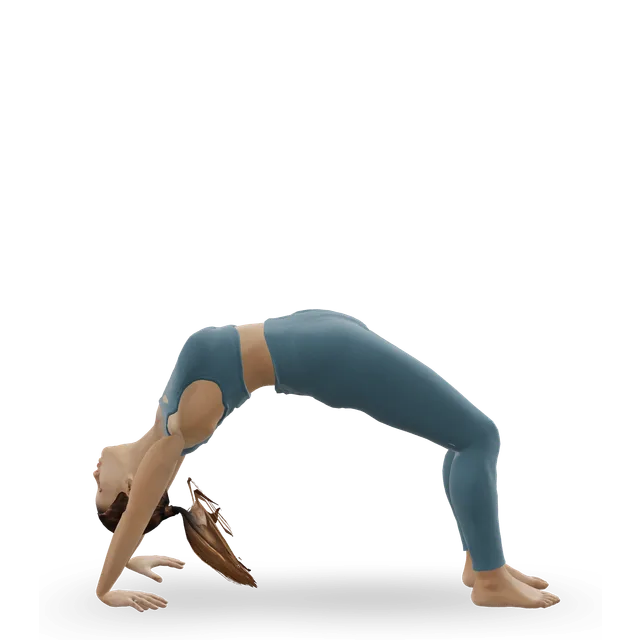
Loading the 3D figure…
Make it easier or harder
Choose a version that fits your control and comfort.
Easier option
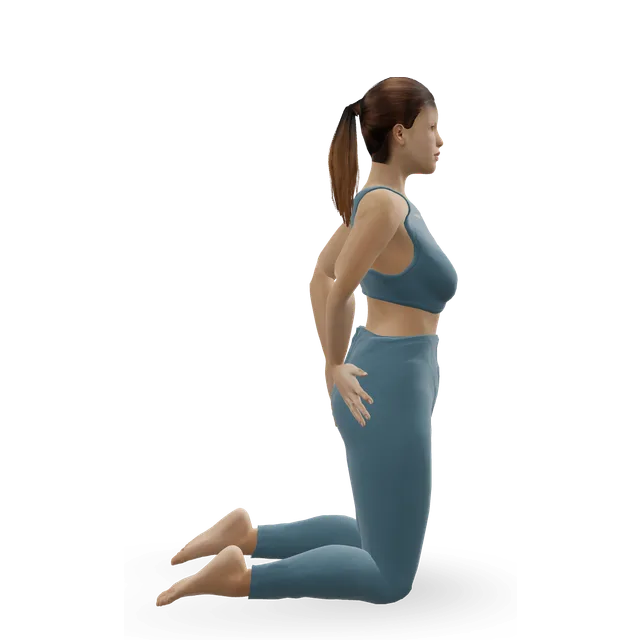 3D demoCamel pose (Ustrasana)Intermediate · No equipment
Suggested next step, intermediate grade.
Harder option
Keep a comfortable range and follow any technique and timing given in the guide. A deeper stretch or more complex pose is optional, not a required next step. Ingram 2025 review of stretching and range of motion
Source-researched guide.
How to move
- Lie on your back with your knees bent and your feet flat, hip-width apart and close to your buttocks.
- Place your palms flat on the floor beside your ears, fingers pointing toward your shoulders and elbows pointing up.
- Press evenly through your hands and feet to lift your hips, chest and head, straightening your arms into a full arch with the pelvis at the top.
- Let your head hang between your arms, keep your knees and feet from splaying, and hold.
- To come down, bend your elbows, tuck your chin and lower your back slowly to the floor, then rest on your back with your knees bent.
Form cues
- Spread the arch through the upper back and shoulders, not just the low back.
- Keep your feet parallel and your knees in line with them.
- Avoid: resting weight on your head on the way up or down.
Practice and cautions
Hold 3 to 5 slow breaths, 2 or 3 times, resting fully in between (our editorial starting point).
Dizziness, blurred vision or a sudden headache with your head hanging back mean come down at once: case reports link yoga poses that bend the neck far back with reduced blood flow to the back of the brain. Repeatedly arching the low back to its limit is a recognised risk factor for stress fractures in the lower vertebrae of young athletes, so low back pain that lingers after backbends needs checking. With a history of shoulder dislocation, choose bridge pose instead. Skip with shoulder impingement, wrist injury, uncontrolled high blood pressure, or low back pain that has not been assessed. Never force it by hinging only at the low back. This is movement education, not an assessment or treatment prescription. Stop for sharp or increasing pain, dizziness, numbness or tingling; seek individual guidance for symptoms, injury or restrictions.
Sources and review status
Sources support the educational description; they do not establish that this exercise is suitable for you.
- Yoga Journal · Wheel pose (how-to: palms beside the ears, fingers toward the shoulders, no weight on the head; gentler backbends first) ↗
- Yoga Journal · Counterposes for intense backbends (rest on your back with the knees bent before folding forward) ↗
- Shenouda 2026 · Dizziness and blurred vision in yoga backbends with the neck bent back, in a woman with an artery disease; Doppler showed less blood flow to the back of the brain in camel pose (case report, Case Rep Ophthalmol) ↗
- Debnath 2021 · Lumbar spondylolysis, a stress fracture of the vertebra, is linked to repeated hyperextension, mostly at L5 and in young athletes (review, J Clin Orthop Trauma) ↗
No variation is labeled clinically validated.
What it works
Muscles
Main: Back, Shoulders. Also: Glutes, Triceps, Hip flexors, Chest.
Anatomy: Latissimus dorsi, Teres major, Trapezius, Rhomboids, Erector spinae, Multifidus.
Equipment
None: body weight and floor space.
Level
Advanced. See the easier and harder options above.
Workouts that use it
Pain guides that use it
Part of a staged plan, with when to get help first.
Guides that use it
- Vinyasa yoga guide
- Ashtanga yoga guide
- Power yoga guide
- Yoga for neck pain guide
- Yoga for headaches and migraine guide
- Yoga for kids guide
- Yoga for high blood pressure guide
- Yoga for sciatica guide
Show all 48 guidesShow fewer guides
- Yoga for scoliosis guide
- Yoga for shoulder pain guide
- Yoga for arthritis guide
- Yoga for menopause guide
- Yoga for thyroid problems guide
- Yoga for posture guide
- Yoga for upper back pain guide
- Yoga for height guide
- Yoga for kyphosis guide
- Yoga for a herniated disc guide
- Yoga for spinal stenosis guide
- Yoga for the rotator cuff guide
- Yoga for surfers guide
- Yoga for baseball players guide
- Yoga for spondylolisthesis guide
- Yoga for degenerative disc disease guide
- Yoga for cervical spondylosis guide
- Yoga for whiplash guide
- Yoga for hip flexors guide
- Yoga for shoulder impingement guide
- Yoga for a hernia guide
- Yoga for horse riders guide
- Yoga for cricketers guide
- Yoga for hockey players guide
- Yoga for figure skaters guide
- Yoga for gymnasts guide
- Yoga for CrossFit guide
- Yoga for wrestlers guide
- Yoga for sprinters guide
- Yoga after spinal fusion guide
- Yoga for teens guide
- Yoga for atrial fibrillation guide
- Yoga for breast cancer guide
- Yoga for prostate cancer guide
- Yoga for diastasis recti guide
- Yoga for anterior pelvic tilt guide
- Yoga for rounded shoulders guide
- Yoga for chronic pain guide
- Yoga for opening the chest guide
- Back bridge guide
Similar moves
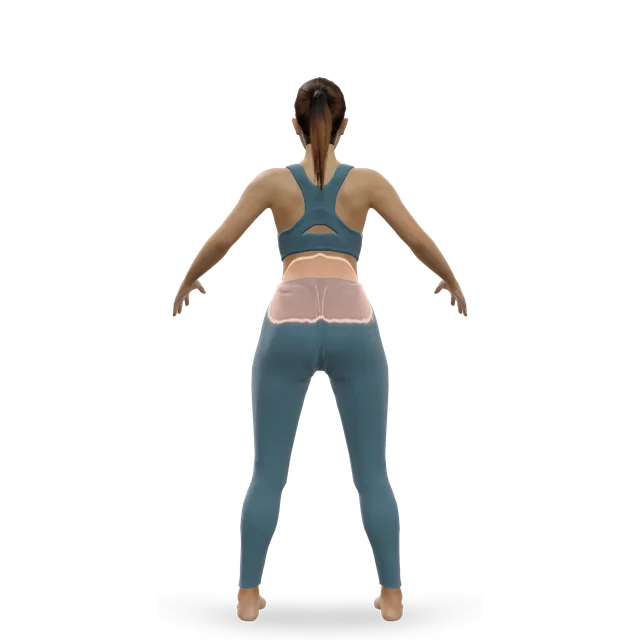 Drop-back to wheel (Urdhva Dhanurasana from standing)Expert · A wall
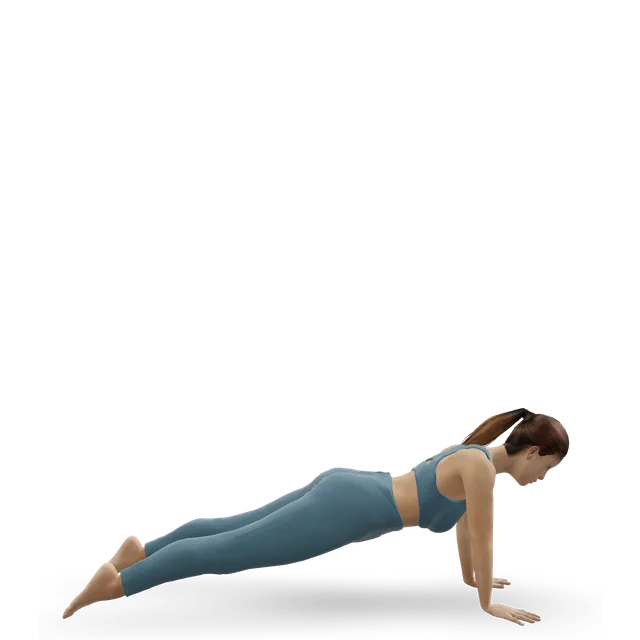 3D demoUpward-facing dog (Urdhva Mukha Svanasana)Intermediate · No equipment
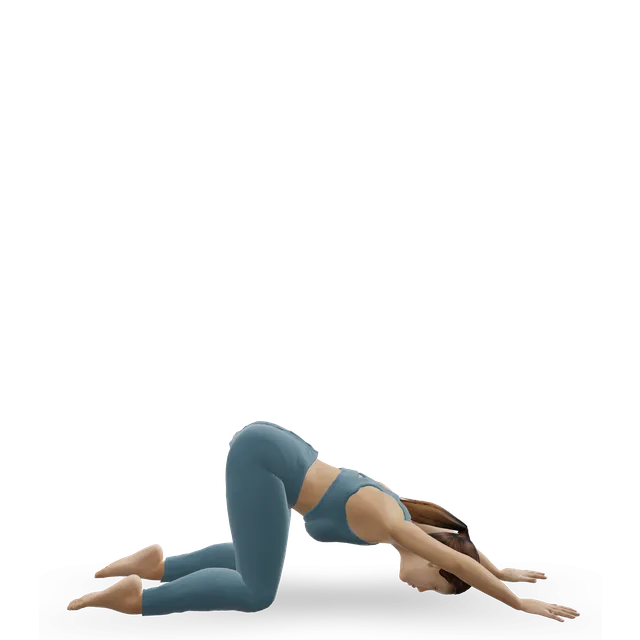 3D demoExtended puppy pose (Uttana Shishosana)Beginner · No equipment
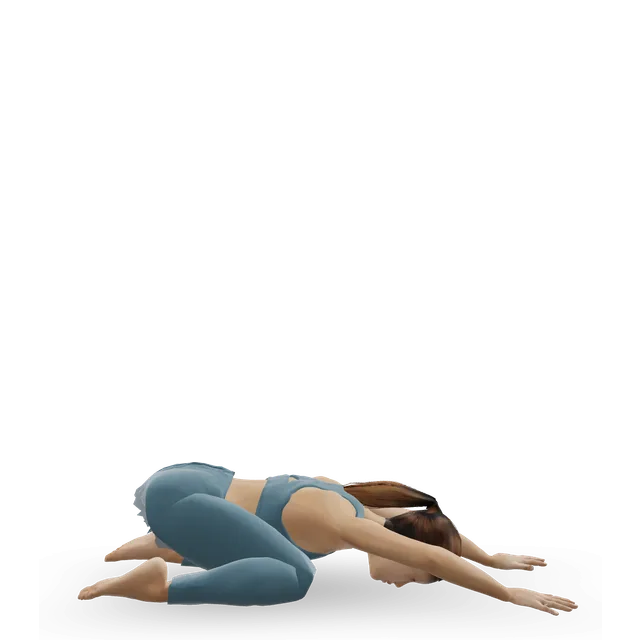 3D demoChild's Pose (Balasana)Beginner · No equipment
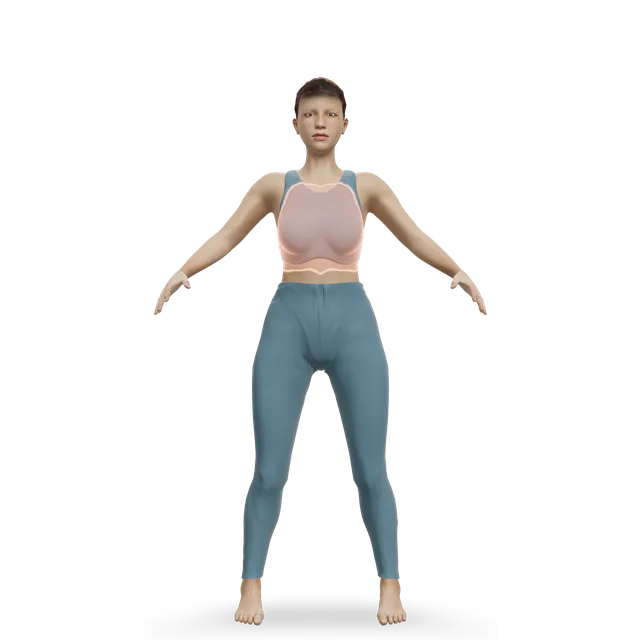 King dancer pose (full Natarajasana, both hands overhead)Expert · No equipment
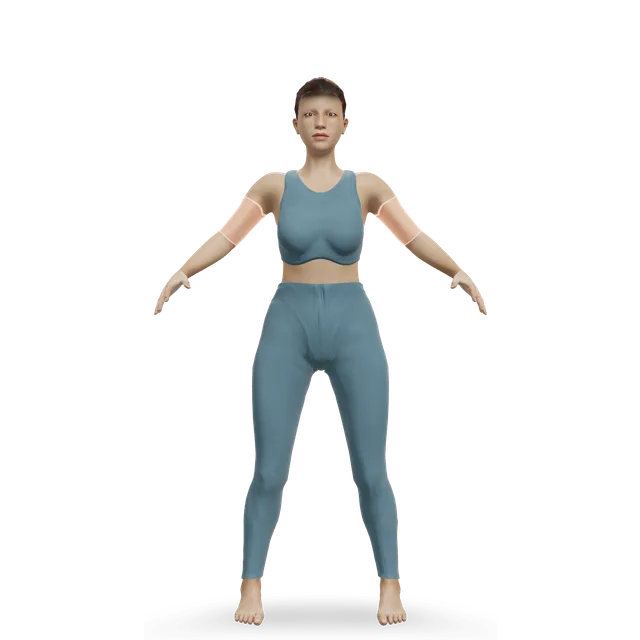 Peacock pose (Mayurasana)Expert · No equipment
Browse more
Questions people ask
What muscles does the Wheel pose (Urdhva Dhanurasana) work?
Mainly the back and shoulders, with help from the glutes, triceps, hip flexors and chest.
What equipment do I need for the Wheel pose (Urdhva Dhanurasana)?
No equipment: your body weight and a little floor space.
Is the Wheel pose (Urdhva Dhanurasana) good for beginners?
It is an advanced move. Build up to it with the Camel pose (Ustrasana) first.
What is an easier alternative to the Wheel pose (Urdhva Dhanurasana)?
Try the Camel pose (Ustrasana) or the Bow pose (Dhanurasana). It is the suggested step down from this move.