Yoga guide

Yoga for a hernia: inguinal, umbilical and hiatus hernias, poses to change, and after surgery

A hernia is a gap or weak spot in the muscle wall that part of the bowel or fatty tissue pushes through, most often in the groin, at the belly button or through an old scar; a hiatus hernia is part of the stomach moving up into the chest. No yoga pose closes the gap or pushes it back for good: only surgery repairs it, and no trial has tested yoga for a hernia. But most people can keep practising, and staying fit helps before and after surgery.

Looking for a herniated disc? That's a back problem, with its own guide: yoga for a herniated disc.

This guide covers what to change in a class (breathing out instead of holding your breath, leaving out forceful breathing and tummy pumping, and the floor poses that make a hernia bulge), the types of hernia and why a femoral hernia needs prompt repair, hiatus hernia and reflux, getting back to yoga after a repair, and the warning signs that need 999 or NHS 111.

The short version

Only surgery closes a hernia

The NHS (National Health Service): "A hernia is where part of an internal organ, such as your bowel, pushes through a gap or weak area in the muscle that keeps your organs in place." The British Hernia Society: "The only way to repair a hernia and close the hole is through surgery. However, hernias are usually not harmful. In many cases, there is no urgent need for surgery." No pose pushes a hernia back for good.

Sources 1, 2

You can usually keep doing yoga

The British Hernia Society says staying as fit as possible while you wait for surgery helps, and "If a movement causes pain, stop and try again another time." No trial has tested yoga for a hernia: the only study is 19 men with no comparison group, which can't show that yoga treats one.

Sources 2, 3, 4

Breathe out on the effort

Coughing and jumping raised the pressure inside the tummy far more than lifting a light weight, and no Pilates exercise raised it more on average than standing up from a chair. European surgeons advise avoiding straining with the breath held for 4 weeks after a scar repair. Our suggestion: breathe out on every effort, never hold your breath and bear down, and leave out forceful breathing such as kapalbhati and tummy pumping. No study has measured tummy pressure in yoga, and one case report links kapalbhati to a groin hernia.

Sources 5, 6, 7, 8

Waiting is often safe, but not for every hernia

For men with a painless or barely painful groin hernia, watchful waiting is safe, though about two-thirds have surgery within 10 years, mostly for pain. Women with groin hernias and anyone with a femoral hernia need prompt repair: about 17% of women with groin hernias need emergency repair.

Sources 9, 10, 11

A hiatus hernia is about reflux

It's "very common if you're over 50" and "does not normally need treatment if it's not causing you problems" (the NHS). Bending over and lying flat after meals can bring reflux on, so upright poses suit it best.

Sources 12, 13, 14

Know the emergency signs

Call 999 or go to A&E now if you have a femoral hernia and very bad tummy pain, you feel sick or are being sick, you cannot fart or poo, you have a high temperature or feel hot, cold or shivery, or you've suddenly become confused. With an umbilical hernia, call 999 for very bad tummy pain that does not go away, feeling or being sick or not being able to keep any food down, a hernia that is more swollen than usual with the skin around it changed colour, or not being able to fart or poo. A trapped (strangulated) hernia is an emergency.

Sources 15, 16

Hernias in brief

What you notice

Usually "a bulge or lump where the hernia is, such as where your legs join your abdomen (groin), upper thigh or tummy, the lump may get bigger when you cough, sneeze or cry, and get smaller when you lie down" (the NHS). Pain is more common with smaller hernias, and can be a sign of strangulation, when the blood supply to trapped tissue is cut off.

Sources 1, 2

The types

  • Inguinal (groin): the commonest. 27% to 43% of men and 3% to 6% of women have a groin hernia in their lifetime. "An inguinal hernia may not need treatment if it's not causing symptoms."
  • Femoral: a small lump at the top of the thigh, mainly in women over 50. "Most femoral hernias become tightly squeezed (strangulated) which can affect the blood supply." It needs treatment in hospital.
  • Umbilical: at the belly button. In adults it's usually painless, and surgery is usually recommended because it's unlikely to get better by itself.
  • Incisional (scar): through the scar of an earlier operation, including the belly-button cut after keyhole surgery.
  • Hiatus: part of the stomach moves up into the chest. It matters through reflux.

Sources 11, 17, 16, 15, 7, 12

What raises the risk

The British Hernia Society: "These include age, smoking, obesity, repeated straining, chronic coughing or sneezing, and frequent heavy lifting." The NHS adds straining to poo, pregnancy and losing weight very quickly. The society's older page says "There is no good evidence that occasional heavy lifting is a risk factor for developing a hernia."

Sources 2, 16, 18

Pressure inside the tummy

Straining pushes on the weak spot, so this is the part of yoga that matters. In 20 healthy adults, coughing and jumping gave the highest pressures (107.6 and 171 mmHg), while lifting 10-pound weights gave at most 25.5 on average. In 30 women, crunches, climbing stairs and brisk walking raised it no more than getting out of a chair. Breath-held heavy squats went over 200. No study has measured yoga poses or breathing practices; in Pilates, 6% to 25% of 20 women went above their own sit-to-stand peak in some exercises, most often roll-ups. None of these studies was in people with hernias.

Sources 5, 19, 20, 6, 21

Not a hernia

A herniated (slipped) disc is a back problem. A sports hernia is groin pain without a lump. Diastasis recti is a widened gap between the tummy muscles, wider than 2 cm, with no hole in it. Each has its own guide: see the links at the end.

Source 22

What the evidence says

No trial has tested yoga, or any exercise programme, as treatment for a hernia. Surgery repairs a hernia; the advice on staying active is expert opinion.

No controlled yoga trialStrong evidence

Our PubMed search found 20 records on yoga, pranayama, kapalbhati, agnisar or nauli with hernias, most about disc herniation, and no controlled trial. The one study of yoga for a groin hernia followed 19 men doing an hour of poses a day for 3 months, with no comparison group, a questionnaire made up for the study and no examination of the hernias, in a journal outside MEDLINE. Even its authors write: "When it is irreducible and large, yoga cannot help."

Sources 3, 4

Case reportsMixed evidence

A 72-year-old man on peritoneal dialysis, which itself raises the risk of hernia, developed a groin hernia while practising kapalbhati. A man with a large hiatus hernia improved on high-dose medicine plus kapalbhati and agnisar, but the hernia was still there. A bleed into the tummy wall muscle after strenuous yoga is a third report. Single cases can't show cause.

Sources 8, 23, 24

Staying active with a herniaEmerging evidence

The British Hernia Society: "You can still exercise while preparing for surgery. In fact, staying as fit and healthy as possible will be beneficial." It suggests lighter weights with more repetitions, stopping a movement that hurts, and walking. This is expert advice: no trial has tested it.

Source 2

Lifting and strainingMixed evidence

A review of 23 studies found too little evidence to say heavy work causes groin hernias. In 17,967 Danish men, one type of groin hernia was linked with standing or walking 6 hours a day or more (hazard ratio 1.45), the other with no work loads, and exercise outside work with neither. The international guideline says heavy lifting "may predispose" to a groin hernia.

Sources 25, 26, 11

Watchful waitingStrong evidence

In a trial of 720 men with few symptoms, pain and activity at 2 years were similar with waiting and with surgery, and a hernia became stuck in about 1.8 men per 1,000 a year. By 10 years about 68% of those waiting had chosen surgery, mostly for pain. Across 9 studies of 858 men, emergency operations were uncommon (2% to 3%). A UK trial in 160 men aged 55 and over had 3 serious hernia problems with waiting and none with surgery. These are men only.

Sources 9, 27, 10, 28

Women and femoral herniasStrong evidence

About 17% of women with groin hernias need emergency repair, against about 5% of men, and 36.5% of femoral hernias were repaired as emergencies against 5.1% of inguinal hernias. The international guideline recommends timely repair for women and for any femoral hernia.

Sources 11, 16

After a repair, the advice conflictsMixed evidence

After a groin repair, the NHS says "do not do any heavy lifting or strenuous activity for at least 4 to 6 weeks", while the international guideline says "A period of rest or a lifting restriction is not necessary after an IH operation" and that no study shows early activity makes a hernia come back; its 2023 update didn't change this. After a scar repair, European surgeons advise avoiding heavy lifting or straining for 4 weeks, while saying the evidence is lacking. The only trial of 3 against 6 weeks of limits has published only its plan.

Sources 17, 11, 29, 7, 30

Exercise around surgeryMixed evidence

In one hospital, tummy wall exercises before and after open groin repair shortened time off work (about 9 against 13 days, 194 people), but the groups weren't alike at the start. A 30-person pilot found a rehabilitation programme workable, and a 30-person trial of supervised exercise from week 3 after a scar repair saw no rise in complications. None tested yoga, and all are small.

Sources 31, 32, 33

What to change or leave out

With a hernia that hasn't been repaired, and in the first weeks after a repair. No study has tested yoga poses with a hernia, so these are our suggestions, from the pressure studies, the case reports and surgeons' advice.

Holding your breath and bearing down

Breathe out on every effort, in chair pose, a bridge or getting up from the floor, and never hold your breath and push down (our suggestion). European surgeons advise avoiding exercise "where they have to Valsalva" (strain with the breath held) for 4 weeks after a scar repair.

Sources 7, 5, 34

Forceful breathing and tummy pumping

Leave out kapalbhati, bhastrika (bellows breath), agnisar kriya, uddiyana bandha and nauli, which pump or hold the tummy hard (our suggestion). No study supports them for a hernia, and one case report describes a groin hernia in a man practising kapalbhati.

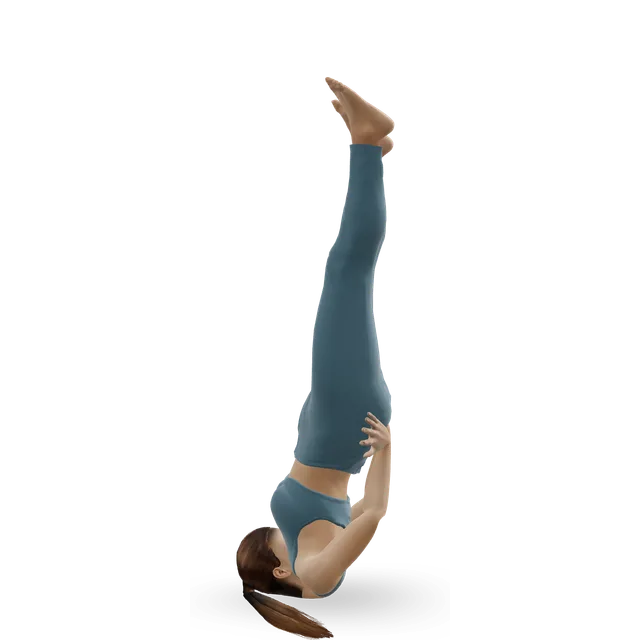
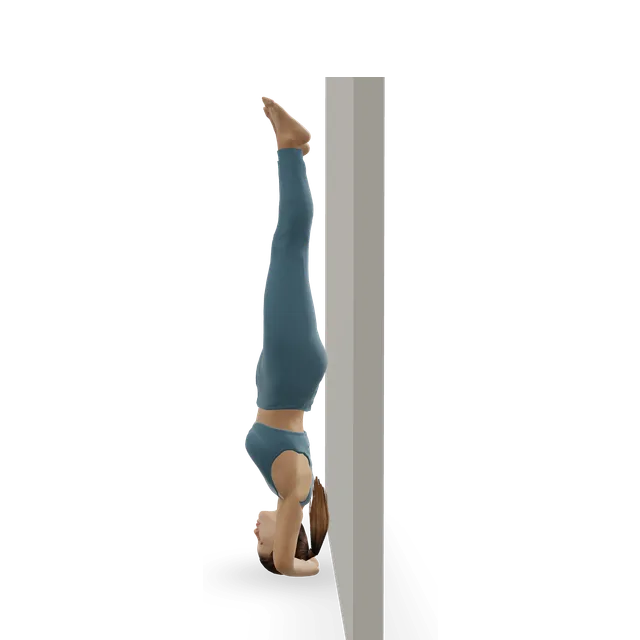
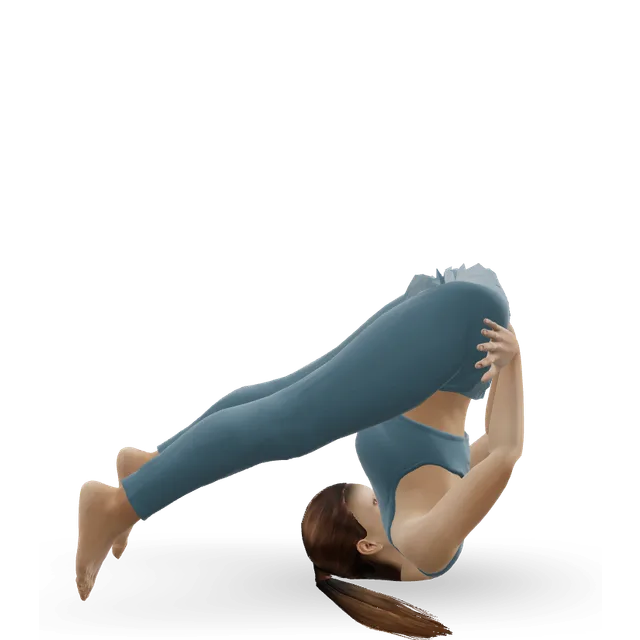
With glaucoma, or high blood pressure that isn't under control, skip headstands, shoulder stands and long head-down holds. With osteoporosis, swap deep forward folds for a flat-back hinge from the hips, and twist smoothly. In pregnancy, our yoga in pregnancy guide covers the changes. NCCIH advises beginners to avoid headstands, shoulder stands, the lotus position and forceful breathing.

Sources 8, 23

The hardest floor poses

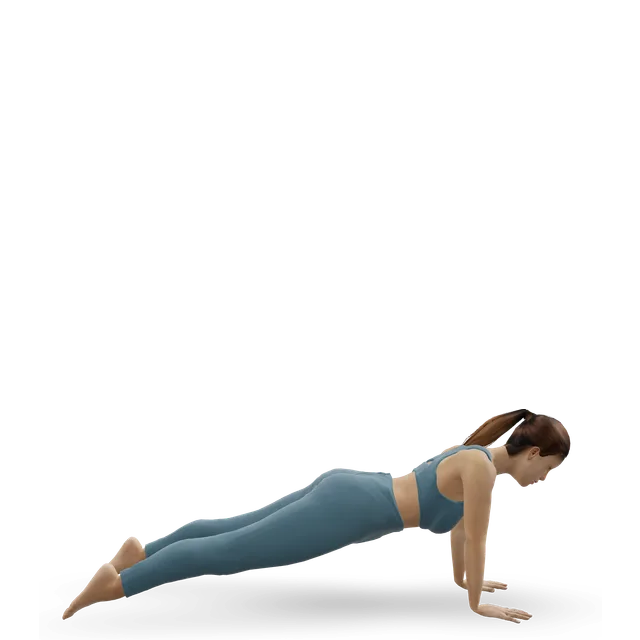
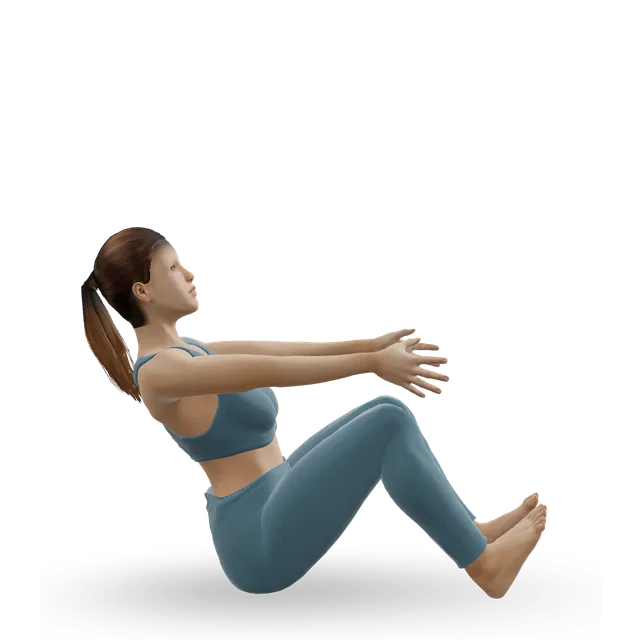
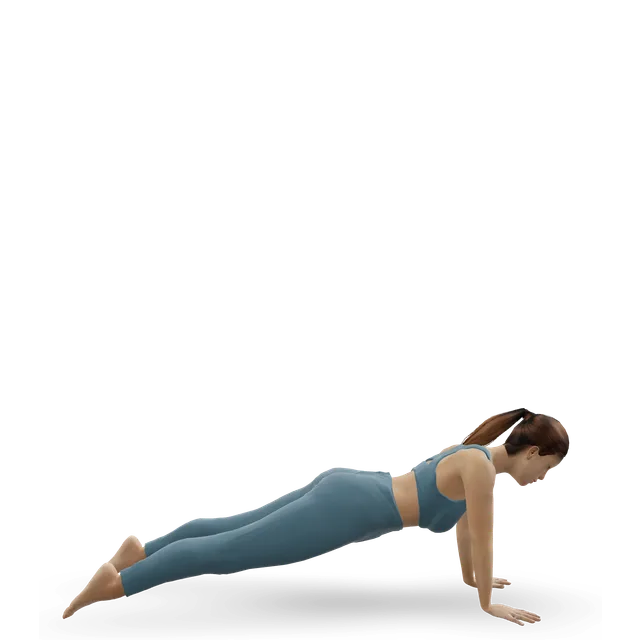
Boat pose, double leg raises, full plank, chaturanga and side plank: with a hernia that hasn't been repaired, try them only if they don't make it bulge or ache; after a tummy repair, leave them for the first weeks (our suggestion). The exercise guide's rule:

Stop any move that hurts, makes the hernia pop out or grow, or leaves it aching more afterwards, and try an easier version another time. If the hernia gets more painful over time, see a GP.

Sources 2, 6, 7

Deep backbends and lying face down

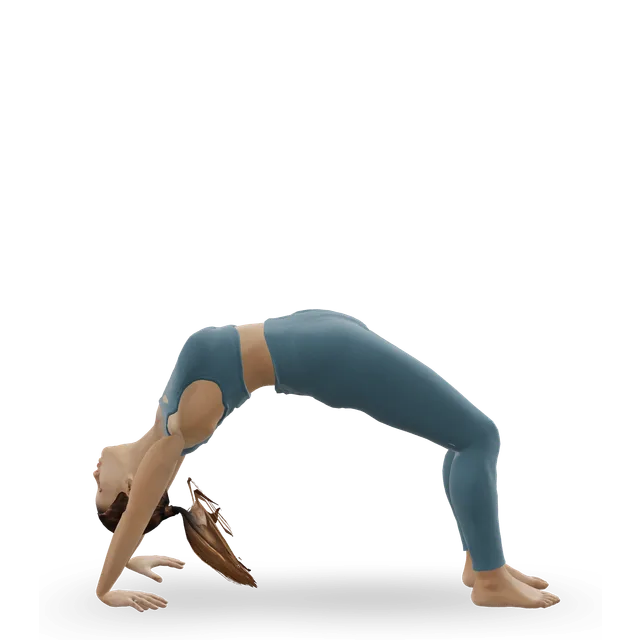
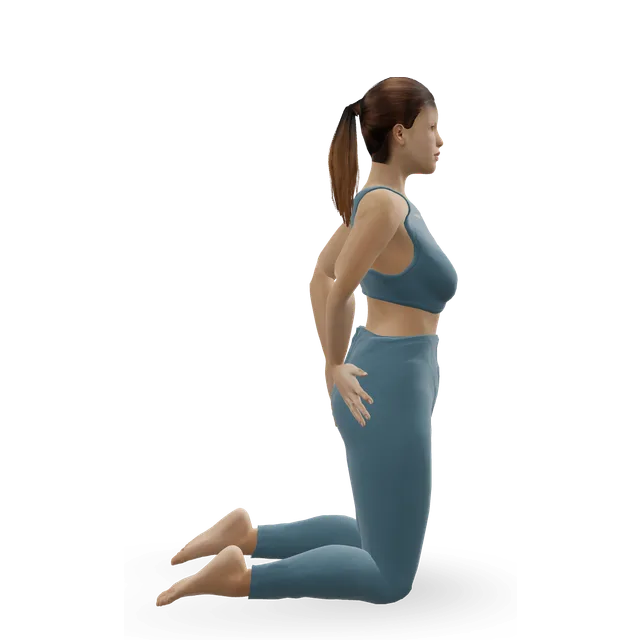
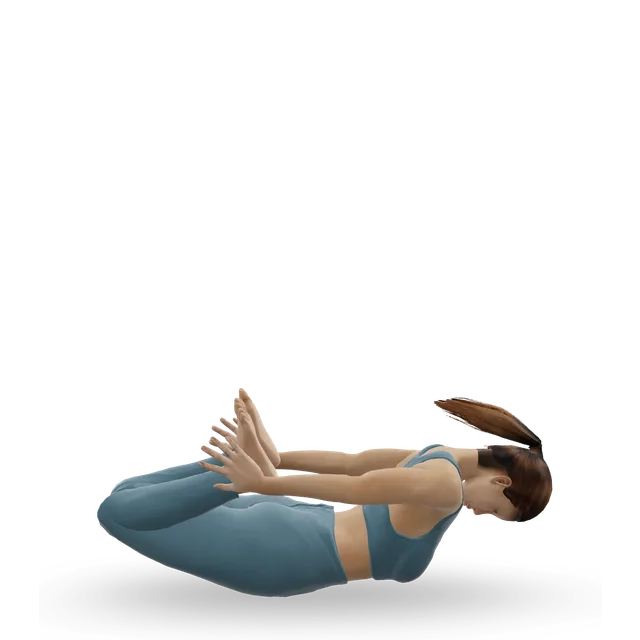
After an umbilical or scar repair, leave wheel, camel, bow and upward dog, which stretch the front of the tummy wall, until your surgical team's limits are over. With an umbilical hernia, if lying face down presses on the lump, use all-fours versions such as bird dog instead (both our suggestions).

Upside-down poses

No study shows that shoulder stands or headstands take pressure off a hernia, though some pages say so. With a hiatus hernia they can bring on reflux. See the head-down line above.

Sources 4, 14

Tummy massage

The site's tummy massage page says don't use tummy massage if you "have any hernia in your tummy, have had recent tummy surgery or have recent scars".

Forward folds and twists with osteoporosis

Modify or avoid exercises that round your back deeply or repeatedly, especially with a weight: sit-ups, toe touches, Pilates roll-downs and curl-ups, and extreme yoga forward folds. Bend from the hips instead. You do not need to avoid bending, twisting or lifting altogether: move smoothly and keep your upper back straight.

Twisting should be safe if you do it smoothly and comfortably. Slow down and shorten fast or forceful twists, and leave out the added weight.

The poses to change

Change these, or leave them out, while they make a hernia bulge or ache, and for the first weeks after a tummy repair (our suggestion).

Breathe without straining

Slow breathing: 2 minutes, in for about 4 and out for about 6, with no holds (our gentle yoga for beginners class); for a daily practice, at least 5 minutes, done regularly as part of your daily routine (from the move page's dose). Lateral breathing: 5 to 8 breaths at the start of every session (the move page's dose), breathing out as you gently draw in your lower tummy. Breath reach: 5 breaths, exhale longer than inhale (the move page's dose).

Upright strength, breathing out on the effort

Mountain pose: 5 slow breaths; chair pose: 2 holds of 3 to 5 breaths, breathing out as you sit back; warrior II: 3 to 5 breaths each side; tree pose: 2 holds of 20 to 30 seconds each side, fingertips on a wall (all from our gentle yoga for beginners class). Hip hinge fold: 5 slow folds, 3 breaths at the bottom (the move page's dose), in place of a deep forward fold. Wall push-up: 10, breathing out as you push away (our yoga for acid reflux class), in place of a full plank.

Gentle core that doesn't bulge

Side-lying tummy draw-in: hold for up to 10 seconds, up to 10 times (from the move page's dose), gently. Dead bug heel taps and bird dog: 2 sets of 6 to 8 slow reps to start (our hernia exercise guide's editorial starting point); bird dog one limb at a time first if the full version makes the hernia push out. Glute bridge: 6 to 8 slow lifts (our gentle yoga for beginners class). Cat-cow: 8 waves, slower than feels natural (the move page's dose). Stop any rep that makes the hernia bulge or ache.

Rest, and getting up

Supine twist: 45 seconds each side, with a cushion under the top knee (our gentle yoga for beginners class). Corpse pose: lie still for at least 5 minutes, up to 10 (the move page's dose). To come up, roll to your side and pause rather than sitting straight up like a sit-up (our suggestion, as in our restorative class). With a hiatus hernia, rest propped up on a slope or on your left side.

Hiatus hernia and reflux

Our yoga for acid reflux guide covers reflux in depth: timing after meals, belly breathing, raising the bed and medicines.

Self-help first

The NHS suggests raising the head of your bed by 10 to 20 cm, losing weight if you're overweight, finding ways to relax, not eating within 3 or 4 hours of bed and not wearing clothes that are tight around your waist. NHS inform adds "avoiding bending over or stooping, particularly after eating or drinking".

Sources 12, 13

Bending, straining and head-down posesEmerging evidence

In 25 people with reflux disease, a toe-touching routine brought on reflux, though only 2 felt symptoms. In healthy volunteers who had just eaten, a 20-degree head-down tilt made no difference. Straining with the breath held set off reflux in 65% of people with daytime reflux. No study has measured reflux during yoga inversions. As our acid reflux guide puts it, change these for now if they bring on symptoms:

Head-down poses, lying flat, face-down poses that press on a full tummy, deep folds and twists, and fast, forceful breathing, especially in the 2 hours after a main meal. Upright and standing poses and sitting are fine. This is our suggestion, as on our exercise guide: no guideline gives a figure.

Sources 14, 35, 34

Belly breathing may help a littleEmerging evidence

Across 10 small trials (476 people), slow belly breathing modestly improved reflux symptoms, with very mixed results and no clear change in quality of life. One small trial left out people with a large hiatus hernia, so it tells us little about large ones.

Sources 36, 37

Medicines and surgery

A pharmacist can suggest medicines, and a GP (general practitioner) can help if symptoms don't settle. Surgery is usually only for very bad symptoms that other treatments haven't helped. The NHS: "do not stop taking any prescribed medicine without speaking to a doctor first".

Source 12

Back to yoga after a repair

Guidance conflicts and rests mostly on expert opinion. Your own surgical team's advice comes first.

Groin (inguinal) repairMixed evidence

The NHS: "keep moving and do gentle exercise such as walking, slowly increase your activity as you recover" and "do not do any heavy lifting or strenuous activity for at least 4 to 6 weeks". The international guideline: "Patients are recommended to resume normal activities without restrictions as soon as they feel comfortable"; with that advice, people took 1 to 3 weeks off sport.

Sources 17, 11

Femoral and umbilical repairs

The NHS says recovery from a femoral repair takes around 4 to 6 weeks, avoiding heavy lifting in that time, and full recovery from an umbilical repair can take up to 4 to 6 weeks.

Sources 16, 15

Scar (incisional) repair

European surgeons: move about and do what you feel able to from the start, and "avoid heavy lifting/exercise (where they have to Valsalva) for 4 weeks (time for mesh ingrowth)", while saying there's a lack of evidence behind the advice.

Source 7

Our suggestion, in stages

Walk from the first days. After a groin repair, come back to a gentle class (standing poses, slow breathing, no strong core work) once you're comfortable and the wound has healed. After a tummy repair, keep to breathing, the first moves below and standing poses for the first 4 weeks, and avoid any pose that makes you strain. Bring back boat pose, planks, deep backbends, inversions and forceful breathing last, after your team's limits are over (the NHS's 4 to 6 weeks for a groin repair). This is our suggestion: the NHS and the international guideline disagree, and your surgical team comes first.

Sources 17, 11, 7

First moves after a tummy repair

In this order over the first weeks, as our hernia exercise guide sets them out: ankle circles, 30 seconds each foot every hour while you're resting a lot (our class for after gallbladder or appendix removal); lateral breathing, 5 breaths; tummy draw-in, 3 to 5 holds of 5 to 10 seconds; pelvic tilt (tilt only, no bridge yet), 3 to 5 reps; heel slides, bent-knee fall-outs and knee folds, 3 to 5 each side; walking, 5 to 10 minutes, adding a little each day (all from our core exercises after bowel surgery class).

Classes to follow

No class treats a hernia. Gentle yoga for beginners is the main class: breathe out on every effort, roll to your side to come up, and with an umbilical hernia take child's pose with wide knees. The chair classes have no floor work, for the first weeks after a repair or if getting down is hard. Yoga for acid reflux is the class for a hiatus hernia. After a tummy repair, the core exercises after bowel surgery routine follows the same order as our hernia exercise guide (it was written for stoma surgery; skip its stoma tips). In the breathing routine, the box and 4-7-8 holds are optional, and do the crocodile breathing sitting up with a hiatus hernia or a sore umbilical hernia.

Follow a plan

The walking plan builds towards 150 minutes a week, before surgery or after it.

Warning signs: when to get help

These are the warning signs from our hernia exercise guide and our yoga guides, word for word, apart from the lines marked as our suggestion. This is general information, not a diagnosis. A&E means accident and emergency; in the US, call 911 for 999.

Call 999 (911 in the US)

Call 999 or go to A&E now, and don't drive yourself to A&E (accident and emergency), if you have a femoral hernia (a small lump at the top of your thigh, in your groin) and any of the signs below.

With an umbilical hernia (at the belly button), call 999 if you get very bad tummy pain that does not go away, you feel sick, are being sick or can't keep any food down, your hernia is more swollen than usual and the skin around it has changed colour, or you can't fart or poo.

  • You have very bad tummy pain.
  • You feel sick or you're being sick.
  • You cannot fart or poo.
  • You have a high temperature, or you feel hot, cold or shivery.
  • You've suddenly become confused.

Sources 15, 16

Get help from NHS 111

If you have a hernia and:

  • You have pain in or around it, or a bloated tummy.
  • You feel sick or are being sick, or you're vomiting blood or your vomit looks like coffee grounds.
  • You're constipated.
  • You have a high temperature, or feel hot, cold or shivery.
  • You've suddenly become confused.

Source 1

See a GP

  • You think you have a hernia.
  • You have a lump that's painful, hard or doesn't move, or that's getting bigger or won't go away.
  • You have a small lump at the top of your thigh: a femoral hernia needs treatment in hospital.
  • You're a woman with a lump in your groin: prompt repair is recommended.
  • Your hernia is getting more painful or stopping you doing things.

Sources 1, 15, 16, 11

After a hernia repair: get help from NHS 111 if

  • Your wound has pus coming out of it, or is painful, swollen, warm or red (redness may be harder to see on brown or black skin).
  • You have a high temperature, or feel hot, cold or shivery.
  • Your tummy is swollen or painful and getting worse, or a lot of blood is coming from your wound.
  • You're still feeling or being sick 24 hours after the operation.
  • You have a throbbing or cramping pain in your leg, you're more breathless than usual, or you've coughed up a few small spots or streaks of blood.

Source 17

After a hernia repair: call 999 if

These can mean a blood clot in the lungs. Don't drive yourself to A&E.

  • You have severe difficulty breathing.
  • You have pain in your chest or upper back.
  • You're coughing up more than a few spots or streaks of blood.
  • Your heart is racing, beating very slowly or skipping beats.

Source 17

Reflux: get an urgent GP appointment or call 111

If you have heartburn or reflux and:

  • You've lost weight without trying.
  • Swallowing has become difficult.
  • You're being sick often, or there's blood in your sick.
  • You have pain in your upper tummy.

Source 12

During or after exercise

Stop and get advice if a hernia hurts, won't go back in when you lie down, or grows or aches more after exercise. If it stays out with severe pain, sickness or no wind, call 999 (our reading of the society's and the NHS's advice).

Sources 2, 15, 16

Chest pain or collapse: call 999

Call 999 if:

  • You get sudden pain or discomfort in your chest that doesn't go away; it can feel like squeezing or pressure, burning or indigestion.
  • The pain spreads to your left or right arm, or your neck, jaw, stomach or back.
  • You have chest pain and feel sweaty, sick, light-headed or short of breath.
  • Someone faints while exercising, can't be woken within 1 minute, or has chest pain or a pounding, fluttering or irregular heartbeat.

Sources 38, 39

Breathlessness

Call 999 or go to A&E (accident and emergency) straight away for severe difficulty breathing (gasping, choking or not able to get words out), a chest that feels tight or heavy, pain that spreads to your arms, back, neck and jaw, lips or skin turning very pale, blue or grey, or sudden confusion. If you're more short of breath than usual, or your heart is racing, fluttering or skipping beats, contact NHS 111.

Source 40

During yoga

A joint pain that is sharp, gets worse during a session, lingers into the next day or changes how you move is a reason to use an easier version, and to see a GP or physiotherapist if it keeps happening (the rule in our plans). Muscle soreness for a day or two after something new is normal. In a hot class, stop if you feel dizzy, sick or unwell; our hot yoga guide lists the signs of heat illness.

You can say no to any hands-on adjustment, and a teacher registered with Yoga Alliance must get your explicit consent each time.

Before you start

The NHS advises getting advice from a healthcare professional first if you have a health problem, an injury or symptoms, or have recently had a heart attack or an operation.

Myths

"Yoga can push a hernia back for good"Strong evidence

"The only way to repair a hernia and close the hole is through surgery." A hernia that slips back when you lie down comes out again; only surgery closes the gap.

Sources 2, 18

"Yoga cures a hernia without surgery"Strong evidence

The only study claiming benefit had 19 men, no comparison group and a questionnaire made up for the study, and even it says yoga can't help a large hernia that won't go back in.

Sources 4, 3

"A strong core prevents all hernias"Emerging evidence

No study shows core training prevents hernias. The main risks are age, being male, family history, smoking, a long-term cough and straining, and in 17,967 men exercise outside work wasn't linked with groin hernia repairs either way.

Sources 11, 2, 26

"Kapalbhati and agnisar strengthen the tummy and heal a hernia"Mixed evidence

No study supports either. One case report describes a groin hernia in a man practising kapalbhati, and in the only hiatus hernia report the hernia was still there after 6 months.

Sources 8, 23

"Shoulder stands take the pressure off a hernia"Mixed evidence

No study has measured it, inversions bring their own cautions, and with a hiatus hernia they can bring on reflux.

Sources 4, 14

"Stop all exercise if you have a hernia"Emerging evidence

The British Hernia Society: "You can still exercise while preparing for surgery." Stop a movement that hurts, and try again another time.

Source 2

"Any core work will make a hernia worse"Emerging evidence

In 30 women, crunches raised tummy pressure no more than getting out of a chair, and in 20 women no Pilates exercise did on average. The rule is personal: stop a move that makes your hernia bulge or ache.

Sources 19, 6

"After a repair, you can never lift or stretch fully again"Mixed evidence

Even the NHS's more cautious advice is no heavy lifting or strenuous activity for at least 4 to 6 weeks after a groin repair, and the international guideline sees no need for limits. Build back up gradually.

Sources 17, 11

"A hiatus hernia means no yoga"Emerging evidence

It's very common over 50 and usually needs no treatment. Upright poses and slow breathing suit it, with head-down poses and deep folds kept for an emptier stomach.

Sources 12, 13

Questions people ask

Can I do yoga with a hernia?

Usually, yes. The British Hernia Society says staying as fit as possible while you wait for surgery helps, and to stop any movement that causes pain and try again another time. Breathe out on every effort, and leave out anything that makes the hernia bulge or ache.

Can yoga cure a hernia?

No. Only surgery closes the gap in the muscle, and the one study claiming yoga helped had 19 men, no comparison group and a questionnaire made up for the study. Many hernias don't need urgent surgery, so yoga can be part of staying active while you wait.

Which yoga poses should I avoid with a hernia?

Forceful breathing such as kapalbhati, tummy pumping, holding your breath on an effort and, if they make the hernia bulge or ache, boat pose, full planks and deep backbends. With a hiatus hernia, keep head-down poses and deep folds for an emptier stomach. These are our suggestions: no study has tested individual poses.

Which yoga poses are good for a hernia?

None treats a hernia, but standing poses such as mountain, chair, warrior II and tree, slow breathing, and gentle core work such as a dead bug, bird dog and bridge keep you strong without straining. Roll to your side to get up from the floor.

Is kapalbhati safe with a hernia?

We'd leave it out. It's forceful breathing driven by the tummy muscles, no study supports it for a hernia, and one case report describes a groin hernia in a man who practised it, though a single case can't prove the cause. US health advice tells beginners to avoid forceful breathing.

Is yoga good for an inguinal hernia?

It can keep you active, with the changes above, but it won't close the gap. For men with a painless or barely painful groin hernia, waiting is safe, though about two-thirds have surgery within 10 years. Women with a lump in the groin should see a GP, because prompt repair is recommended.

Can I do yoga with an umbilical hernia?

Usually, if a pose doesn't make the lump bulge or hurt. Swap lying face down for all-fours versions if it presses on the lump. The NHS says adults usually need surgery for an umbilical hernia, because it's unlikely to get better by itself.

Is yoga good for a hiatus hernia?

Upright poses, slow belly breathing and a propped-up rest suit it. Keep head-down poses, deep folds and lying flat for an emptier stomach if they bring on reflux. Our yoga for acid reflux guide has the swaps.

When can I do yoga after hernia surgery?

Walk from the start. After a groin repair, the NHS says no heavy lifting or strenuous activity for at least 4 to 6 weeks, while the international guideline says you can go back to normal activities when you're comfortable. A gentle class without strong core work usually fits in between; your surgical team's advice comes first.

When can I do core work, planks or inversions after a repair?

Last, after your team's limits are over, building up from breathing and gentle core work over the weeks (our suggestion). Stop if your scar bulges or pulls.

Can yoga cause a hernia?

No study shows that yoga causes hernias. The known risks are age, smoking, obesity, repeated straining, a long-term cough and heavy lifting. One case report links forceful kapalbhati breathing to a groin hernia in a man on peritoneal dialysis.

When is a hernia an emergency?

Call 999 if you have a femoral hernia (a small lump at the top of the thigh) with very bad tummy pain, being sick, not being able to fart or poo, a high temperature or sudden confusion, or an umbilical hernia with very bad pain that doesn't go away, swelling with changed skin colour, or not being able to fart or poo. Get help from NHS 111 for pain in or around any other hernia, a bloated tummy, being sick or constipation.
Sources

  1. NHS · Hernia
  2. British Hernia Society · Living with a hernia: FAQ guide for patients (2025; read in full)
  3. PubMed · Search for yoga, asanas, pranayama, kapalbhati, agnisar or nauli with hernia or herniation: 20 records, none a controlled trial in a hernia of the tummy or groin (1 November 2026)
  4. Alagesan 2012 · Yoga for a groin hernia: 19 men, no comparison group (uncontrolled study, Int J Yoga; read in full)
  5. Cobb 2005 · Pressure inside the tummy during everyday tasks: 20 healthy adults (lab study, J Surg Res)
  6. Coleman 2015 · Pressure inside the tummy during Pilates: 20 women (lab study, Int Urogynecol J; read in full)
  7. Sanders 2023 · European Hernia Society guidelines on midline incisional hernia (guideline, Br J Surg; read in full)
  8. Chaurasia 2013 · A groin hernia in a man on peritoneal dialysis who practised kapalbhati (case report, J Nepal Health Res Counc)
  9. Fitzgibbons 2006 · Watchful waiting or repair for groin hernias with few symptoms: 720 men (randomised trial, JAMA)
  10. Reistrup 2021 · Watchful waiting or repair for groin hernias with few symptoms: 9 studies, 858 men (systematic review, Hernia)
  11. HerniaSurge Group 2018 · International guidelines for groin hernia management (guideline, Hernia; chapters read in full)
  12. NHS · Hiatus hernia
  13. NHS inform · Hiatus hernia
  14. Sodhi 2008 · Bending exercise and reflux: 25 people with reflux disease (lab study, Indian J Gastroenterol)
  15. NHS · Umbilical hernia
  16. NHS · Femoral hernia
  17. NHS · Inguinal hernia repair
  18. British Hernia Society · Groin hernia and you (2021)
  19. Weir 2006 · Pressure inside the tummy during everyday activities: 30 women (lab study, Obstet Gynecol)
  20. Blazek 2019 · Tummy and chest pressures with breath-held heavy lifting: 16 studies (systematic review, Biol Sport)
  21. Europe PMC · Search for tummy pressure studies of yoga, Pilates or core exercise, by title: 10 records, none measuring yoga poses or breathing (1 November 2026)
  22. Hernández-Granados 2021 · European Hernia Society guidelines on rectus diastasis (guideline, Br J Surg)
  23. Kaswala 2013 · Kapalbhati and agnisar alongside medicine in a man with a large hiatus hernia (case report, Int J Yoga; read in full)
  24. Choi 2009 · Bleeding into the tummy wall muscle after strenuous yoga (case report, Am J Emerg Med)
  25. Svendsen 2013 · Physical work and groin hernia: 23 studies (systematic review, Scand J Work Environ Health)
  26. Vad 2017 · Work loads, lifestyle and groin hernia repairs in 17,967 Danish men (cohort study, Occup Environ Med)
  27. Fitzgibbons 2013 · Watchful waiting for groin hernias: results up to 11.5 years (long-term follow-up of a randomised trial, Ann Surg)
  28. O'Dwyer 2006 · Observation or operation for groin hernias without symptoms: 160 men aged 55 and over (randomised trial, Ann Surg)
  29. Stabilini 2023 · Update of the international groin hernia guidelines (guideline update, BJS Open; read in full)
  30. Boettge 2020 · Three or six weeks of activity limits after a scar hernia repair (trial protocol, Int J Surg Protoc)
  31. Trisca 2026 · Tummy wall exercises around open groin hernia repair: 194 people (randomised study, Hernia)
  32. Shologan 2025 · Rehabilitation around groin hernia repair: 30 people (pilot randomised trial, PLoS One)
  33. Pažusis 2026 · Supervised exercise after a scar hernia repair: 30 people (randomised trial, Hernia)
  34. Halland 2021 · Belly breathing after meals, and straining, in upright reflux: 33 people (randomised trial, Am J Gastroenterol)
  35. Jeske 2005 · A head-down tilt and reflux after eating in healthy volunteers (lab study, Anesth Analg)
  36. Abureesh 2026 · Belly breathing for reflux: 10 trials, 476 people (systematic review and meta-analysis, J Clin Med)
  37. Eherer 2012 · Belly breathing training for reflux: 19 people (randomised trial, Am J Gastroenterol)
  38. NHS · Chest pain (past its review date: reviewed August 2023, review due August 2026)
  39. NHS · Heart attack
  40. NHS · Shortness of breath

Exercise education, not a personal prescription, and clinical review of these guides is pending. If you are pregnant, have a health condition such as glaucoma, high blood pressure or osteoporosis, or have had recent surgery, check with a doctor, midwife or physiotherapist before starting, and stop for sharp or increasing pain. Health disclaimer.