Yoga guide

Yoga for acid reflux and heartburn: the poses that help, the ones to avoid, and breathing for GERD

Yoga won't cure acid reflux, and no trial has tested it. But some poses can bring heartburn on, especially soon after a meal: bending over and lying flat let stomach acid run the wrong way. Upright poses, slow belly breathing and relaxation fit well alongside the changes that help most.

Those changes are losing weight if you need to, finishing meals 3 or 4 hours before bed, raising the head of your bed and taking your medicines. Our exercise with acid reflux guide covers running, lifting and workouts; this guide covers which poses to change and when, belly breathing, vajrasana and kapalabhati, stress, silent reflux in the throat, pregnancy, and the signs that heartburn needs a GP or 999.

The short version

Reflux is common and usually manageable

Guts UK says heartburn affects up to 1 in 4 adults in the UK. The NHS says symptoms are often worse after eating, when lying down and when bending over. Silent reflux reaches the throat and voice box, often without heartburn.

Sources 1, 2, 3

No trial has tested yoga for reflux

The only report is a single case, and our exercise with acid reflux guide found no trials either. Yoga isn't a treatment for reflux.

Sources 4, 5

The changes that help most aren't poses

If you're overweight, losing weight helps most. Raising the head of your bed and lying on your left side improved reflux in small trials, and the NHS says don't eat within 3 or 4 hours of bed.

Sources 6, 7, 2, 8, 9

Some positions bring reflux on

Bending over is a classic trigger, a toe-touching routine brought on reflux in people with reflux disease, and straining with a held breath set off reflux in 65% of people with daytime reflux. In healthy people who'd just eaten, a head-down tilt made no difference, so it depends on the person.

Sources 2, 10, 11, 12

So change these for now if they bring on symptoms

Head-down poses, lying flat, face-down poses that press on a full tummy, deep folds and twists, and fast, forceful breathing, especially in the 2 hours after a main meal. Upright and standing poses and sitting are fine. This is our suggestion, as on our exercise guide: no guideline gives a figure.

Source 2

Belly breathing may help a little

Across 10 small trials, slow belly breathing modestly eased reflux symptoms, with very mixed results. It adds to medicines and lifestyle changes rather than replacing them.

Sources 13, 14

Stress makes heartburn feel worse

People under more stress report more reflux symptoms. The NHS says try to find ways to relax, and yoga is one way to do that.

Sources 2, 15, 16

Heartburn can be your heart

A heart attack can feel like indigestion. Chest pain that feels tight or spreads to your arms, neck or jaw is a 999 call, and chest discomfort on exertion is never something to put down to reflux.

Sources 17, 18

What reflux is

Heartburn, reflux and GORD

The NHS describes heartburn as a burning feeling in the chest caused by stomach acid travelling up towards the throat; if it keeps happening, it may be called gastro-oesophageal reflux disease, GORD (GERD in the US). It usually comes from the ring of muscle at the bottom of the gullet (the oesophagus) weakening. The barrier against reflux is that ring of muscle plus the part of the diaphragm that wraps around it, which is why breathing training has been tested.

Sources 2, 15, 6

Symptoms

Heartburn and a sour taste, a cough or hiccups that keep coming back, a hoarse voice, bad breath, bloating and feeling sick. Many people call it acidity. Silent reflux (laryngopharyngeal reflux) reaches the throat and voice box: hoarseness, throat clearing, a dry cough or a feeling of a lump in the throat, often without heartburn.

Sources 2, 3

Why positions matter

Lying down and bending forward let stomach contents run uphill, and pressure on the tummy from a full meal, a tight waistband or straining pushes them up. Guts UK says to avoid bending forward or wearing tight clothes, as this puts extra pressure on your tummy. Lying on your right side leaves the top of the stomach below the pool of its contents, which is why the left side is better.

Sources 2, 1, 6, 9

Causes, and how it's treated

The NHS lists some foods and drinks, being overweight, smoking, pregnancy, stress and anxiety, some medicines and a hiatus hernia, which is very common over 50. A pharmacist can suggest antacids or alginates for the short term; a GP may prescribe acid-reducing medicine (a proton pump inhibitor, PPI) for 4 or 8 weeks, and refer you for tests if medicines don't help or symptoms are severe.

Sources 2, 19

What the evidence says

No trial of yoga for refluxMixed evidence

We searched for trials of yoga, pranayama, poses, vajrasana or kapalabhati in reflux and heartburn and found none. The only report describes one person with a hiatus hernia who added kapalabhati and agnisar kriya (tummy pumping) to medicine. A review found no yoga trials in indigestion either, apart from one in children.

Sources 4, 5, 20

Bending brought reflux on in people with reflux diseaseEmerging evidence

In 25 people with reflux disease, a 30-minute routine of toe-touching from lying, sitting and standing brought on reflux, mainly in people who also had reflux lying down, though only 2 felt symptoms. The NHS says symptoms are often worse when bending over, and Guts UK lists stooping or bending forwards as a risk factor.

Sources 10, 2, 1

Head-down positions: the findings differMixed evidence

The bending routine above provoked reflux in people with reflux disease. But in healthy volunteers who had just eaten, a 20-degree head-down tilt didn't change reflux or the pressure of the barrier. So head-down poses may matter more if you have reflux disease than if you don't, and neither study tested yoga. Our suggestion: if downward dog, folds or inversions bring on your symptoms, change them for now.

Sources 10, 12

Straining with a held breathEmerging evidence

Straining against a held breath set off reflux in 65% of 23 people with daytime reflux, and in 44% of people without reflux. Breathe out on the effort in holds and strength poses.

Source 11

Hard exercise soon after eatingEmerging evidence

In laboratory studies, running and weights tripled acid in the gullet in people with and without reflux disease, and weightlifters had the most reflux and cyclists the least. No study has measured yoga this way; our suggestion is to treat vigorous flows like other hard exercise and do them on an emptier stomach.

Sources 21, 22

Stress and heartburnEmerging evidence

In 1,200 Sri Lankan adults, moderate to high stress went with about double the odds of reflux symptoms, and in 60 people with heartburn, a severe, lasting life stress predicted worse symptoms over the next 4 months. NHS inform says stress can make heartburn and GORD worse, so learning relaxation techniques may help, and US gastroenterologists include relaxation in their advice. No trial has tested yoga for this in reflux.

Sources 16, 23, 2, 15, 24

Poses to change for now

Not a list of banned poses: change them while reflux is bothering you, or if they bring on your symptoms, and do them on an emptier stomach. No trial has tested individual poses in reflux, so the swaps are our suggestions, as on our exercise with acid reflux guide.

Head-down poses

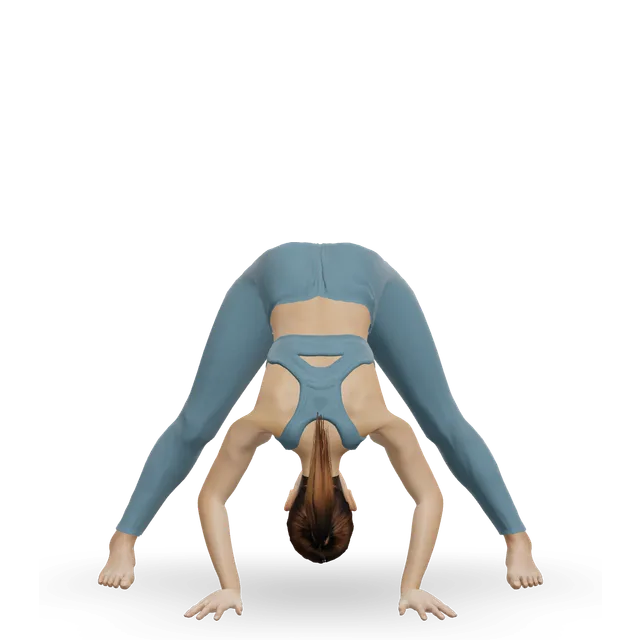
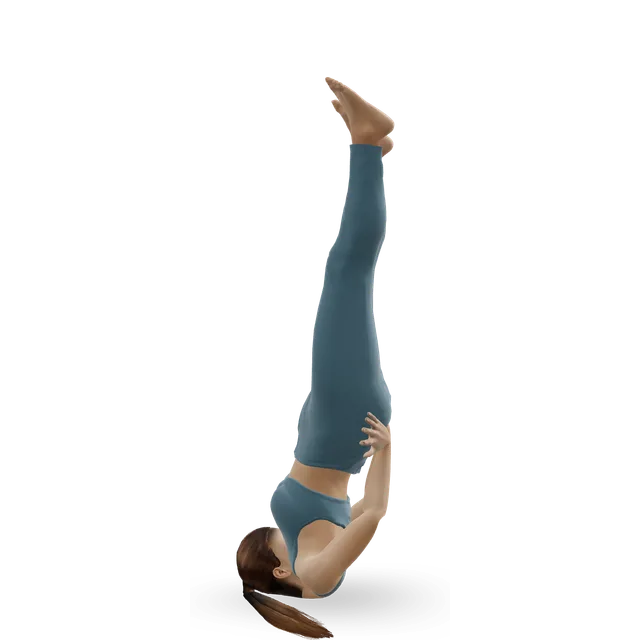
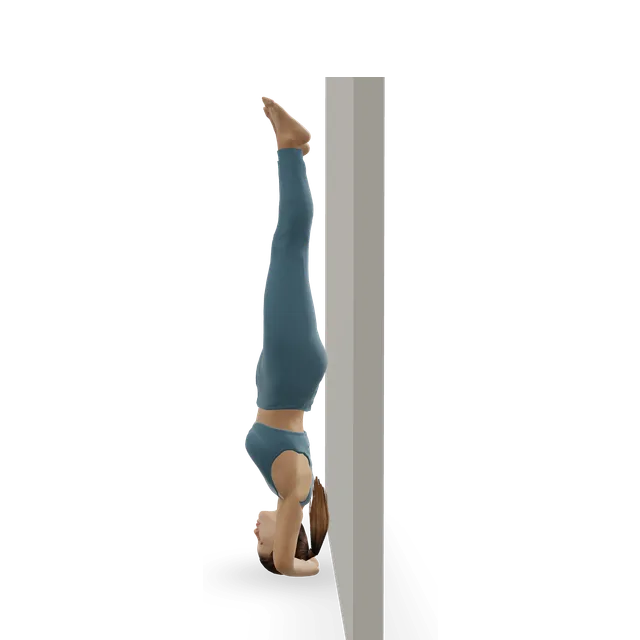
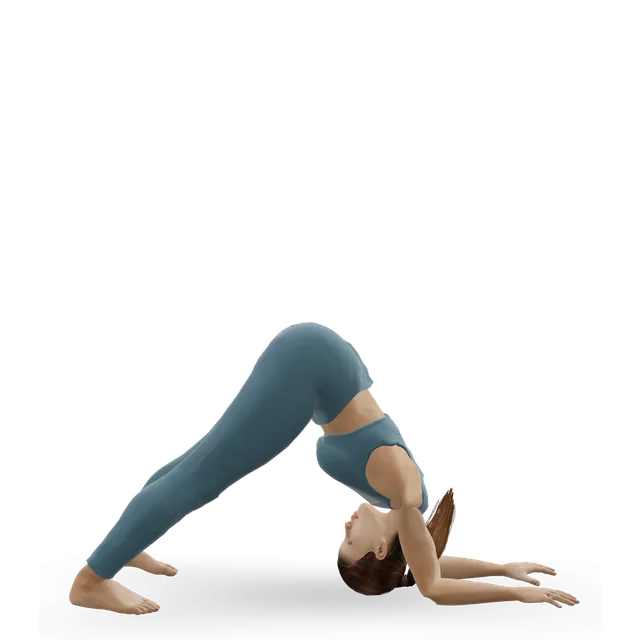
Downward dog, dolphin, standing and wide-legged forward folds, sun salutations, the plough, shoulder stands and headstands. Do them later, keep them brief, or use upright versions: downward dog with your hands on a wall or chair seat, or a hip hinge to a flat back with your hands on your thighs.

Sources 2, 10

Lying flat soon after eating

Relaxation lying on your back, reclining twists, legs up the wall and floor core work. Relax propped up on a slope or on your left side, and twist sitting up.

Sources 2, 6

Lying face down

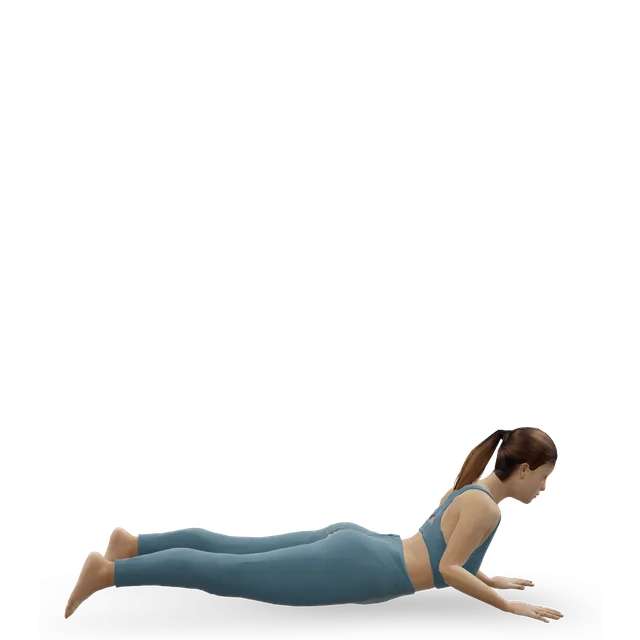
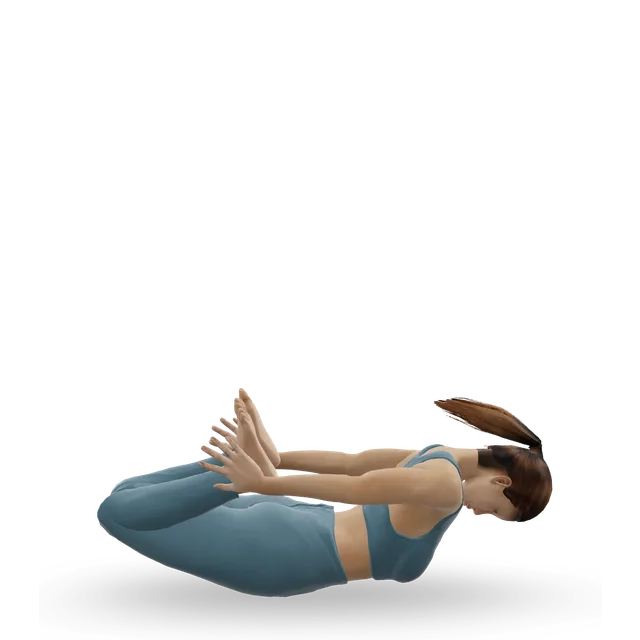
Cobra, sphinx, locust, bow and crocodile breathing press on a full tummy; our crocodile breathing page already says to skip it with active reflux. Do the breathing sitting upright instead.

Source 2

Deep folds, twists and child's pose

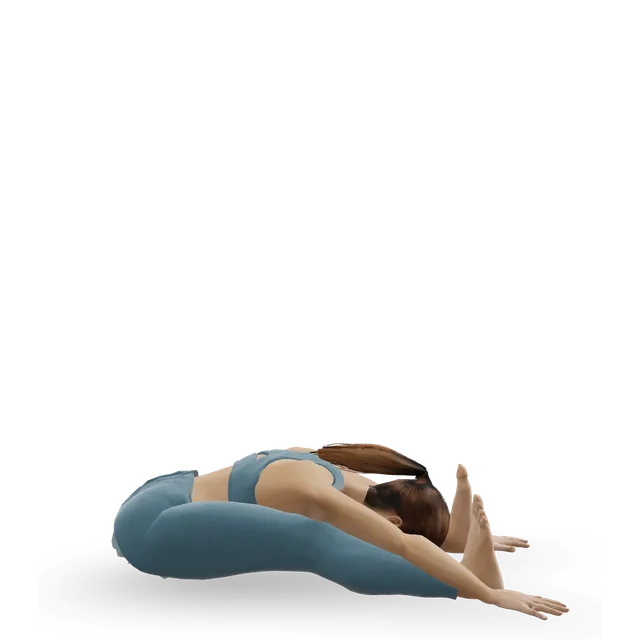
Seated forward folds, deep twists and child's pose squeeze the tummy. Hinge only part way with a long back, keep twists gentle and seated, turning from the ribs with your hips facing forward, and try child's pose with wide knees and your chest on a bolster, or leave it for later.

Sources 1, 10

Fast breathing and breath-holding

Leave out kapalabhati, bhastrika (bellows breath) and agnisar kriya, which pump the tummy hard (our reasoning), and don't hold your breath and brace in holds. Fast, forceful breathing caused more side effects than slow breathing in trials.

Sources 25, 11

The poses to change

Head-down and face-down poses, deep folds and lying flat: for an emptier stomach, or swapped for the upright versions above, while reflux is bothering you (our suggestion).

Poses that suit: upright and standing

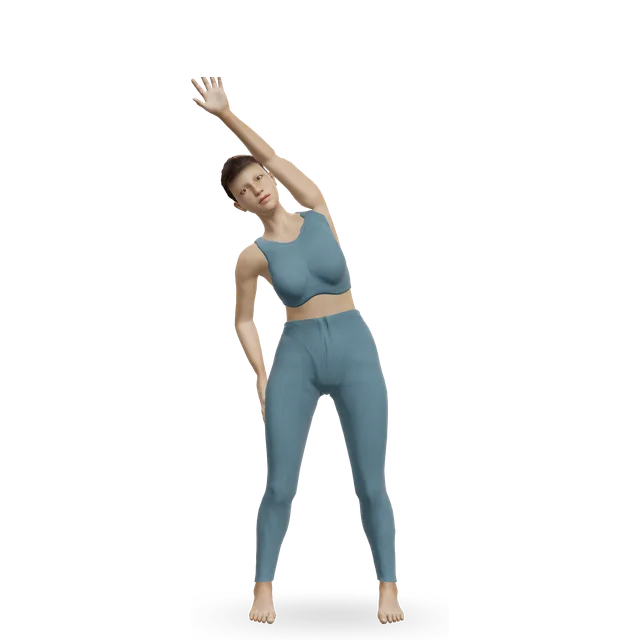
Easy pose: 1 minute, on a folded blanket or a chair; standing march: 60 seconds; chair pose: 3 holds of 5 breaths; warrior II and high lunge: 5 breaths each side; wall push-up: 10; sit to stand: 8 to 10 slow stands (our yoga for diabetes class). Tree pose: 3 to 5 breaths each side, fingertips on a wall (our yoga for stress class). Mountain pose: 5 to 10 slow breaths, 2 or 3 times; breath reach: 5 breaths, breathing out for longer than in; overhead side bend: 3 slow bends each side, breathing out into each (the moves' pages). Breathe out on the effort and never hold your breath. None of these has been tested for reflux.

Sitting tall: gentle mobility

Thoracic rotation: 6 rotations each side, moving with the breath, a gentle turn from the ribs with your hips facing forward; seated upper-back lift: 3 to 5 reps, each held 3 to 5 seconds (the moves' pages). Seated overhead side bend: hold 10 to 20 seconds, 2 or 3 times each side (the move's page, which calls it an editorial starting point). Sitting tall rather than slumping after meals is the point.

Belly breathing for reflux

The steps from our exercise with acid reflux guide: its starting point, built from the trials' routines, which ran from 5 minutes several times a day to 30 minutes a day, for 2 to 8 weeks. The slow breathing page's dose is at least 5 minutes, done regularly as part of your daily routine. If you feel light-headed, make the breaths smaller (our suggestion).

  1. Sit upright with your back supported, and loosen anything tight around your waist. Don't do this lying face down if you have reflux.
  2. Rest one hand on your belly and one on your lower ribs.
  3. Breathe in slowly through your nose for a count of 4, letting your belly and lower ribs widen while your chest stays quiet.
  4. Breathe out slowly for a count of 6. That's about 6 breaths a minute.
  5. Keep going for 5 to 10 minutes, once or twice a day. If reflux comes on when you're up and about after meals, do 10 to 15 minutes sitting upright after eating.
  6. Give it about 4 weeks, alongside your other changes, before you judge it.

See the movement on the 3D figure: Slow breathing (6 breaths a minute)

What the breathing trials found

Belly breathing: a modest, inconsistent effectEmerging evidence

Across 10 small trials (476 people), belly breathing for about 20 minutes a session over about 5 weeks improved reflux symptom scores by a moderate amount, with very mixed results between trials and no clear change in quality of life. The authors say the evidence isn't enough for firm recommendations, and a 2026 review of 7 trials reached the same view.

Sources 13, 26

Two small trialsMixed evidence

In 19 people, 4 weeks of breathing training cut the time acid spent in the gullet from 9.1% to 4.7% in the 10 who trained, with no change in the 9 who didn't; at 9 months, those who kept training used less acid-reducing medicine. In people with daytime reflux, slow belly breathing after a meal cut reflux episodes, though total acid over the day didn't differ from a sham.

Sources 14, 11

Slow, not fastEmerging evidence

The breathing in the reflux trials is slow belly breathing, not fast yogic breathing, and fast techniques caused more side effects than slow ones in trials for mental health conditions.

Sources 13, 25

Breathing moves

Sitting upright. Slow breathing: at least 5 minutes, regularly, as part of your daily routine; lateral breathing: 5 to 8 breaths at the start of a session (the moves' pages). Alternate nostril breathing: 3 to 5 minutes of slow rounds with no holds, once or twice a day (the move's page, which calls it an editorial starting point).

Relax propped up

Reclining bound angle: 2 to 5 minutes (the move's page, which calls it an editorial starting point), on a sloping bolster or stacked firm cushions so your chest and head are well above your waist, with a cushion under each thigh. Corpse pose: at least 5 minutes, up to 10 (the move's page), done propped up on a slope or lying on your left side rather than flat, especially after eating (our suggestion).

Timing: meals, classes and bedtime

About 2 hours after a main meal

Gentle upright poses and a walk are fine soon after eating. Leave head-down poses, lying flat and floor core work for about 2 hours after a main meal. That's our suggestion, as on our exercise with acid reflux guide: no guideline gives a figure, but in laboratory studies exercise brought on more reflux after eating. Some yoga schools ask students not to eat for 2 hours before class, as our yoga for beginners guide explains.

Sources 2, 21

In the evening

The NHS says don't eat within 3 or 4 hours of bed, the ACG (American College of Gastroenterology) suggests avoiding meals 2 to 3 hours before lying down, and Guts UK says eat your main evening meal at least 3 hours before bed. If you practise in the evening, finish with the relaxation propped up.

Sources 2, 6, 1

Vajrasana, kapalabhati and twists

Vajrasana after mealsMixed evidence

No study has tested kneeling on your heels (vajrasana, thunderbolt pose) for reflux. Sitting upright after a meal is sound advice: the NHS pregnancy page says sit up straight when you eat and just after, which takes the pressure off your stomach. A chair does the same job. Published reports of harm from yoga include a case of damage to the nerves that lift the feet after kneeling in vajrasana, so come up at once if your feet tingle or go numb.

Sources 4, 27, 6, 28

Kapalabhati and agnisar kriyaMixed evidence

Their only support is the single case report, where they were added to medicine. Fast, forceful breathing causes more side effects than slow breathing, and both practices pump the tummy hard (our reasoning). The breathing with trial evidence in reflux is slow belly breathing.

Sources 5, 25, 13

Twists that "wring out" the stomachMixed evidence

No study has tested twists for reflux or digestion. Deep twists squeeze a full tummy; a gentle seated twist from the ribs is fine.

Sources 4, 2

What helps most

Our exercise with acid reflux guide covers these in detail.

Losing weight, if you're overweightStrong evidence

The ACG strongly recommends it, on moderate-quality evidence. In 29,610 Norwegians, the more weight people lost, the more their reflux eased. A review of 100 studies found that weight loss, raising the head of the bed and lying on the left side improved reflux measures, with no good evidence for stopping smoking, alcohol or particular foods, though the NHS still advises avoiding the foods and drinks that trigger your symptoms.

Sources 6, 7, 29

Raising the head of the bedEmerging evidence

Raise the head of your bed by 10 to 20 cm with wood, bricks or books, so your chest and head are above your waist; the NHS says don't use extra pillows, which can increase pressure on your belly. Across 5 small trials at high risk of bias, raising the head of the bed helped.

Sources 2, 8, 6

Lying on your left sideEmerging evidence

In 20 people after a high-fat meal, reflux lasted 231 minutes lying on the right side against 117 on the left, and a device that discouraged right-side sleeping helped 44% of people against 24% with a sham. Guts UK says sleeping on your left side can help.

Sources 9, 30, 1, 6

MedicinesStrong evidence

Antacids and alginates from a pharmacist help in the short term, and a GP can prescribe stronger medicine. The NHS says do not stop taking any prescribed medicine without speaking to a doctor first.

Source 2

Staying activeEmerging evidence

Across 33 studies of 242,850 people, active people had about 20% less reflux disease, mostly in snapshot studies. Brisk walking, cycling and swimming count towards the 150 minutes a week the NHS recommends; yoga adds upright strength, breathing and relaxation.

Sources 31, 32

Silent reflux in the throat

What it is

Reflux that reaches the throat and voice box, causing hoarseness, throat clearing, a dry cough or a lump feeling, often without heartburn. The ACG says these throat symptoms are often not caused by reflux, and reflux is hard to prove as the cause.

Sources 3, 6

The same position changes

An NHS hospital leaflet advises bending at the knees rather than the waist, not lying down, bending over or slumping just after eating, minimising stress and not exercising immediately after a meal, and says throat and voice symptoms take 6 months or longer to improve with treatment. No study has tested yoga for silent reflux.

Source 3

A hoarse voice that lasts

See a GP if a hoarse voice hasn't improved after 2 weeks. NICE asks GPs to consider a suspected cancer referral for people aged 45 and over with persistent, unexplained hoarseness or an unexplained lump in the neck.

Sources 33, 34

Pregnancy and hiatus hernia

Pregnancy

Heartburn is common in pregnancy. The NHS suggests small meals often, not eating within 3 hours of bed, sitting up straight when you eat and just after, propping your head and shoulders up in bed, and sleeping on your left side. Upright poses and a propped-up rest suit; our yoga in pregnancy guide covers which poses to change as the bump grows. Heartburn that doesn't go away with heartburn medicines can be a sign of pre-eclampsia: see the warning signs below.

Sources 27, 35

Hiatus hernia

A hiatus hernia, where part of your stomach moves up into your chest, is very common over 50 and doesn't normally need treatment if it isn't causing problems. Gentle, upright yoga with the same changes as for reflux is usually fine (our suggestion). Our exercise with a hernia guide covers hiatus hernia, lifting and recovery after surgery.

Source 19

Free classes

The yoga for acid reflux class is built for reflux: 20 minutes, upright throughout, with belly breathing and a propped-up rest. The strength workout for acid reflux is upright, with no head-down moves or breath-holding, and the walk after meals is gentle enough for straight after eating. Seated chair yoga stays upright. The yoga for diabetes class keeps the head up, but its bridge, reclining bound angle and corpse pose lie flat, so prop up or save it for an emptier stomach. In the breathing workout, do the crocodile breathing sitting up. The yoga for stress class has sun salutations, child's pose and lying poses: do it on an emptier stomach.

Yoga for acid reflux: a 20-minute head-up class with belly breathing

Twenty minutes of yoga that keeps your head above your heart: belly breathing sitting up, seated mobility, standing poses and a propped-up rest, nothing head-down.

20 minBeginner15 movesA bench or box, A wall

Strength workout for acid reflux: upright moves, no head-down poses

A 25-minute upright strength workout for people with reflux: no lying flat, no head-down moves and no breath-holding, done about 2 hours after a main meal.

25 minBeginner12 movesA bench or box, A wall

10-minute walk and move after meals

A 10-minute routine for straight after a meal: an easy walk, a few simple standing moves from blood sugar trials, then a short walk to finish.

10 minBeginner6 movesCardio machine, A bench or box

Seated chair yoga: 15 minutes, no standing

A 15-minute chair yoga routine done entirely sitting: slow breathing, neck, shoulder and wrist stretches, seated twists and side bends, and a calm finish.

15 minBeginner16 movesA bench or box

Yoga for diabetes: a 35-minute head-up practice

A 35-minute yoga practice for diabetes that keeps your head up: slow breathing, standing strength, balance at a wall and a calm finish, with no breath holds.

35 minBeginner17 movesA bench or box, A wall

Breathing exercises to relax

A 6-minute breathing routine: slow breathing, crocodile breathing, alternate nostril breathing, box breathing and 4-7-8 breathing.

6 minBeginner5 movesNo equipment

Yoga for stress relief: a 20-minute class to breathe, loosen, move and slow down

Twenty minutes of yoga for stressful days: the NHS breathing exercise, neck, shoulder and spine moves, standing poses that warm you up, then a slow wind-down.

20 minBeginner13 movesA wall

Follow a plan

The walking plan builds to 150 minutes a week. The weight loss plan combines strength and cardio, if you're losing weight to ease your reflux.

When to see a GP, and when to get help fast

These follow our exercise with acid reflux guide. This is general information, not a diagnosis. In the US, call 911 where this page says 999.

Call 999: heartburn, or your heart?

A heart attack can feel like indigestion, with a burning feeling in your chest, and NICE asks doctors to think about the heart when someone has indigestion. Stop exercising and call 999 if:

  • you have chest pain that feels tight or like squeezing on your chest
  • you have chest pain that spreads to your arms, neck or jaw
  • you're having severe difficulty breathing: you're gasping, choking or not able to get words out
  • your lips or skin are pale, blue or grey (on brown or black skin, this may be easier to see on the palms of the hands)
  • someone has passed out and is not responding normally
  • you have sudden chest pain or discomfort that doesn't go away, or chest pain with sweating, feeling sick, light-headedness or shortness of breath

Sources 17, 18, 36

New chest discomfort on exertion

Chest discomfort that comes on with exercise needs a doctor, not an antacid (our suggestion). Don't drive yourself to accident and emergency (A&E). If you have chest pain with feeling sick, or a racing, slow, skipping or fluttering heartbeat, or you're suddenly more short of breath than usual, the NHS says call NHS 111 if it isn't a 999 emergency.

Source 17

Also call 999

The NHS says call 999 or go to A&E if you have a stomach ache and you're vomiting blood, your vomit looks like ground coffee, or your poo is black and sticky.

Source 37

Ask for an urgent GP appointment or call NHS 111

If you have indigestion or reflux and:

  • you've lost weight without trying
  • swallowing becomes difficult
  • you're being sick often, or there's blood in your sick
  • you have pain in your upper tummy

Source 19

See a GP

The NHS says see a GP if you have heartburn most days, if lifestyle changes and pharmacy medicines aren't helping, or if you also have symptoms like food getting stuck in your throat, being sick often or losing weight for no reason. Guts UK says always see your GP if you've had heartburn most days for 3 weeks or more. NICE asks GPs to refer anyone with difficulty swallowing, and anyone aged 55 or over with weight loss and reflux or tummy pain, for tests quickly.

Sources 2, 1, 34

In pregnancy

Heartburn that doesn't go away with heartburn medicines can be a sign of pre-eclampsia, especially with a severe headache, problems with your vision, pain just below your ribs, or sudden swelling of your face, hands or feet. Call your maternity unit, or NHS 111 if you can't. See your midwife or GP for heartburn with difficulty swallowing, a hoarse voice, a cough that keeps coming back, weight loss, or pain or swelling in your stomach.

Sources 35, 27

During practice

Stop a pose that brings on heartburn and sit upright. Never put chest pain on exertion down to reflux: use the 999 lines above. Keep taking your medicines: yoga goes alongside them.

Source 2

Myths

"Yoga cures acid reflux"Emerging evidence

We found no trial of yoga for reflux, only one case report, and head-down poses can bring it on. Weight loss, meal timing, raising the bed and medicines are what work; gentle, upright yoga and its breathing may help you relax.

Sources 4, 5, 6, 7

"Vajrasana after meals cures heartburn"Mixed evidence

No study has tested it. Sitting upright after a meal is sensible, and a chair does that as well as kneeling on your heels, which has been linked with nerve damage in the feet in a case report.

Sources 4, 27, 28

"Kapalabhati and agnisar kriya strengthen the valve"Mixed evidence

One case report, with medicine. The breathing with trial evidence is slow belly breathing, and fast breathing has more side effects.

Sources 5, 13, 25

"Head-down poses and twists wring out the stomach and aid digestion"Mixed evidence

Bending brought reflux on in people with reflux disease, and the NHS says symptoms are worse bending over. No study has tested twists for reflux.

Sources 10, 2, 4

"Relaxing in corpse pose straight after eating helps digestion"Strong evidence

With reflux, lying flat after eating makes symptoms worse, as the NHS says. Relax propped up, or on your left side.

Sources 2, 9

"Breathing exercises can replace reflux medicines"Strong evidence

The effect of belly breathing was modest and inconsistent, and the NHS says don't stop prescribed medicines without speaking to a doctor.

Sources 13, 2

"Heartburn during exercise is always reflux"Strong evidence

A heart attack can feel like indigestion. Chest pain or discomfort on exertion needs 999 or a doctor, not an antacid.

Sources 17, 36

"Exercise makes reflux worse, so avoid it"Emerging evidence

Active people have less reflux disease. Hard exercise straight after a meal is the problem, not exercise itself.

Sources 31, 21

Questions people ask

Is yoga good for acid reflux?

It can fit around the treatments that work, but no trial has tested yoga for reflux; there's one case report. Upright poses, belly breathing and relaxation are the useful parts, and some poses can bring heartburn on.

Which yoga poses should I avoid with acid reflux?

Change head-down poses (downward dog, forward folds, shoulder stand, headstand), lying flat, face-down poses and deep folds or twists for now if they bring on symptoms, especially in the 2 hours after a main meal (our suggestion; no guideline gives a figure). The NHS says symptoms are worse lying down and bending over.

Which yoga poses are good for acid reflux?

Upright ones: mountain, chair, warrior II, high lunge, tree, and seated side bends and gentle twists, with belly breathing sitting up. Our 20-minute class puts them together. None of them has been tested for reflux.

Does vajrasana help acid reflux?

No study has tested it. Sitting upright after a meal is good advice, but a chair does that too, and come up from kneeling at once if your feet tingle or go numb.

Is kapalabhati good for acid reflux?

There's no good evidence: one case report used it alongside medicine. Fast, forceful breathing causes more side effects than slow breathing, so slow belly breathing is the better choice.

Do breathing exercises help acid reflux?

A little: across 10 small trials, belly breathing modestly improved reflux symptoms, with very mixed results. Try 5 to 10 minutes sitting upright once or twice a day for about 4 weeks (our exercise guide's starting point), alongside your other changes.

How long after eating can I do yoga?

Gentle upright poses and a walk are fine soon after eating. Leave about 2 hours after a main meal before head-down poses, lying flat or floor core work (our suggestion, as on our exercise with acid reflux guide). The NHS advises not eating within 3 or 4 hours of bed.

Can yoga help silent reflux in the throat?

No study has tested it. The same position changes apply, and an NHS hospital leaflet advises bending at the knees, not slumping after meals and reducing stress. A hoarse voice that hasn't improved after 2 weeks needs a GP.

Can stress cause acid reflux?

Stress is on the NHS list of causes, and people under more stress report more reflux symptoms. NHS inform says learning relaxation techniques may help, and yoga is one way to relax.

Is yoga safe with a hiatus hernia?

Gentle, upright yoga is usually fine, with the same changes as for reflux (our suggestion). A hiatus hernia is very common over 50. Our exercise with a hernia guide covers the rest.

What helps reflux more than yoga?

Losing weight if you're overweight, not eating within 3 or 4 hours of bed, raising the head of your bed by 10 to 20 cm, lying on your left side, and medicines from a pharmacist or GP.

When should I see a GP about heartburn?

If you have heartburn most days, or pharmacy medicines and lifestyle changes aren't helping; urgently if you have difficulty swallowing, weight loss without trying, frequent vomiting or blood in your sick. Call 999 for chest pain that feels tight or spreads to your arms, neck or jaw, or for vomiting blood or black, sticky poo.

Sources

  1. Guts UK 2025 · Heartburn and acid reflux

  2. NHS · Heartburn and acid reflux (last reviewed November 2023)
  3. University Hospitals Coventry and Warwickshire NHS Trust · Laryngopharyngeal (silent) reflux (patient leaflet, updated October 2022; its review was due October 2024)
  4. PubMed · Search for yoga, pranayama, asana, vajrasana or kapalabhati with reflux, heartburn or dyspepsia: 19 records, no trial of yoga for reflux (28 October 2026)
  5. Kaswala 2013 · Can yoga be used to treat reflux disease? One patient (case report, Int J Yoga)
  6. Katz 2022 · Diagnosis and management of gastro-oesophageal reflux disease (American College of Gastroenterology guideline, Am J Gastroenterol; full text read)
  7. Ness-Jensen 2013 · Weight loss and reflux in 29,610 people: the HUNT study (cohort study, Am J Gastroenterol)
  8. Albarqouni 2021 · Raising the head of the bed for reflux: 5 trials (systematic review, BMC Fam Pract)
  9. Katz 1994 · Lying on the right or left side after a high-fat meal: 20 people (randomised study, J Clin Gastroenterol)
  10. Sodhi 2008 · Bending exercises and reflux in 25 people with reflux disease (laboratory study, Indian J Gastroenterol)
  11. Halland 2021 · Diaphragmatic breathing after meals for upright reflux: 23 people with reflux and 10 without (randomised trial, Am J Gastroenterol)
  12. Jeske 2005 · Head-up, flat and head-down positions and reflux in healthy volunteers who had eaten (randomised study, Anesth Analg)
  13. Abureesh 2026 · Diaphragmatic breathing exercises for reflux: 10 trials, 476 people (systematic review and meta-analysis, J Clin Med)
  14. Eherer 2012 · Breathing training for reflux in 19 people (randomised trial, Am J Gastroenterol)
  15. NHS inform · Gastro-oesophageal reflux disease (GORD) (updated July 2026)
  16. Wickramasinghe 2023 · Reflux symptoms and perceived stress in 1,200 Sri Lankan adults (cross-sectional study, PLoS One)
  17. NHS · Heart attack (last reviewed March 2026)
  18. NHS · Chest pain (past its review date: reviewed August 2023, review due August 2026)
  19. NHS · Hiatus hernia (last reviewed May 2024)
  20. Setia 2023 · Yoga therapy in functional dyspepsia (narrative review, J Gastrointestin Liver Dis)
  21. Pandolfino 2004 · Running, weights and reflux in 20 people with and without reflux disease (laboratory study, Am J Gastroenterol)
  22. Collings 2003 · Reflux in 30 runners, cyclists and weightlifters (laboratory study, Med Sci Sports Exerc)
  23. Naliboff 2004 · Life stress and heartburn symptoms over 4 months: 60 people (cohort study, Psychosom Med)
  24. Yadlapati 2022 · A personalised approach to reflux disease (American Gastroenterological Association expert review, Clin Gastroenterol Hepatol)
  25. Mütze 2025 · Yogic breathing (pranayama) for mental disorders: 6 trials (systematic review and meta-analysis, Front Psychiatry)
  26. Semwal 2026 · Diaphragmatic breathing for reflux: 7 trials (narrative review, Adv Mind Body Med)
  27. NHS · Indigestion and heartburn in pregnancy (last reviewed November 2023)
  28. Cramer 2013 · Adverse events linked with yoga in 76 published cases (systematic review of case reports, PLoS One; full text read)
  29. Kaltenbach 2006 · Are lifestyle measures effective for reflux? 100 studies (evidence review, Arch Intern Med)
  30. Schuitenmaker 2022 · A device that discourages right-side sleeping in 100 people with night-time reflux (sham-controlled randomised trial, Clin Gastroenterol Hepatol)
  31. Yu 2024 · Physical activity and the risk of reflux disease: 33 studies, 242,850 people (systematic review and meta-analysis, J Sport Health Sci)
  32. NHS · Physical activity guidelines for adults aged 19 to 64 (last reviewed May 2024)
  33. NHS · Laryngitis (last reviewed January 2024)
  34. NICE NG12 · Suspected cancer: recognition and referral (updated April 2026)
  35. NHS · Pre-eclampsia (last reviewed March 2026)
  36. NICE CG184 · Gastro-oesophageal reflux disease and dyspepsia in adults: investigation and management (2014, updated 2019)
  37. NHS · Stomach ache (last reviewed October 2026)

Exercise education, not a personal prescription, and clinical review of these guides is pending. If you are pregnant, have a health condition such as glaucoma, high blood pressure or osteoporosis, or have had recent surgery, check with a doctor, midwife or physiotherapist before starting, and stop for sharp or increasing pain. Health disclaimer.