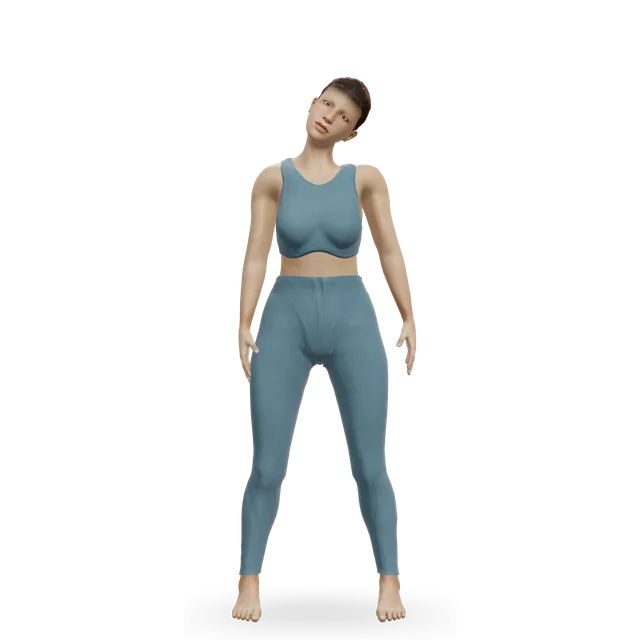
Yoga for stress relief: what the trials show, the best poses and breathing, and a 20-minute class
Yoga can take the edge off stress. In trials of stressed adults, it lowered how stressed people felt by a moderate amount in the short term, more in people who were more stressed, though most studies were small and the certainty is low. Slow breathing, a little effort and a calm wind-down are the parts that matter, and a short session counts.
It won't remove what's causing the stress, and it isn't a treatment for anxiety or depression. If you are thinking about suicide or can't keep yourself safe, call 999 or go to A&E. For urgent help, call Samaritans free on 116 123, any time, or in England call 111 and select the mental health option. In the US, call or text 988.
This guide covers what the trials show, short practices and the National Health Service (NHS) breathing exercise, yoga at work, how yoga compares with other exercise and mindfulness, the cortisol and nervous system claims, and when stress needs more help, with a free 20-minute class with a 3D demo of every pose. For anxiety, panic and sleep, see our yoga for anxiety and sleep guide.
The NHS says a mental health emergency should be taken as seriously as a physical one, and that you will not be wasting anyone's time.
Call 999 or go to A&E if your life is at risk: for example, you have seriously harmed yourself or taken an overdose, or you feel you can't keep yourself safe.
For urgent help in England, call 111 and select the mental health option, or use 111 online.
Call Samaritans on 116 123. It is free, any time, day or night.
In the US, call or text 988, the 988 Suicide and Crisis Lifeline, any time.
In trials of stressed adults, yoga lowered how stressed people felt in the short term compared with doing nothing, on low-certainty evidence, and more in people who were more stressed.
A single session of yoga, breathing or meditation took the edge off stress in most studies, and 15 minutes of chair yoga at a desk helped office workers.
The NHS breathing exercise: in for a count of up to 5, out for up to 5, for at least 5 minutes, every day. Breathing exercises lowered stress by a small amount in trials.
At work, yoga helps you cope; it doesn't fix the job
Workplace yoga lowered stress in small studies, and NICE (the National Institute for Health and Care Excellence) asks employers to offer mindfulness, yoga or meditation, but not instead of tackling what causes stress at work.
Pilates did about as well as yoga in one small trial, group stretching beat restorative yoga in another, and meditation did no better than exercise. Choose what you'll keep doing.
See a GP (general practitioner) if you're struggling to cope or self-help isn't working; you can also refer yourself to NHS talking therapies. In anxiety disorder, yoga helped, but less than cognitive behavioural therapy (CBT).
The NHS: "Stress is usually a reaction to mental or emotional pressure. It's often related to feeling like you're losing control over something, but sometimes there's no obvious cause." Stress hormones such as adrenaline and cortisol can help you get things done, but "If you're stressed all the time, it can become a problem." The World Health Organization (WHO) calls stress "a natural human response".
In your body: headaches or dizziness, muscle tension or pain, stomach problems, chest pain or a faster heartbeat, and sexual problems.
In your mind: difficulty concentrating, struggling to make decisions, feeling overwhelmed, constantly worrying and being forgetful.
In what you do: being irritable and snappy, sleeping or eating too much or too little, avoiding certain places or people, and drinking or smoking more.
The Health and Safety Executive (HSE) names six areas that lead to work-related stress if they aren't managed: "demands, control, support, relationships, role and change". In 2024/25, 964,000 workers in Great Britain had stress, depression or anxiety caused or made worse by work, and 22.1 million working days were lost.
If you feel anxious most of the time and it affects your daily life, it may be an anxiety disorder; low mood most days may be depression; and burnout is long-term work stress that hasn't been managed. Our exercise for stress, yoga for anxiety and sleep, and yoga for depression guides cover these.
What the evidence says
Effect sizes put different questionnaires on one scale: about 0.2 is small, 0.5 moderate and 0.8 large. Most yoga trials are small and unblinded, and compare yoga with doing nothing.
Stressed adults: a modest short-term dropEmerging evidence
In 13 trials of stressed adults from the general population (1,026 people), yoga lowered perceived stress in the short term compared with doing nothing (an effect size of 0.69), on low-certainty evidence. In the longer term, other active treatments did slightly better than yoga (0.23 in their favour), also low certainty. Quality of life improved, and the three trials that reported safety found no harms.
Bigger effects in more stressed peopleEmerging evidence
Across 36 studies using the same stress questionnaire, the effect was moderate (0.48). Most of the differences between studies came from how they were run; the only thing that predicted a bigger effect was how stressed people were at the start. Breathwork, relaxation, more hours of practice and studies run in India didn't.
In 30 trials of 2,288 people aged 13 to 82, yoga lowered stress, anxiety and depression by similar moderate amounts (effect sizes about 0.5), all on low-certainty evidence, with larger effects on stress in older people.
Heart rate variability and cortisolEmerging evidence
In 17 trials, tai chi and yoga lowered stress and improved heart rate variability, the small beat-to-beat changes in heart rate that rise when the body's calming side is active. Across 42 trials, practices that included yoga poses lowered waking and evening cortisol, blood pressure and resting heart rate a little compared with other activities, though the programmes varied a lot. Slow breathing on its own raised heart rate variability across 223 studies. These are real but modest changes in the body.
The NHS says exercise "will not make your stress disappear, but it can reduce some of the emotional intensity that you're feeling, clearing your thoughts and letting you deal with your problems more calmly", and that it's best to tackle the cause of your stress.
A 2024 review of 28 trials (2,574 people) of a single session found that 21 reduced how strongly people reacted to stress. Most tested meditation; 5 tested yoga and 4 breathing.
In 20 office workers, 15 minutes of chair-based yoga poses in the office lowered perceived stress compared with normal work, and slowed their breathing. Our 10-minute desk yoga routine is built for this.
In 84 students, breathing at 6 breaths a minute raised heart rate variability more than box (square) or 4-7-8 breathing, but caused mild over-breathing, and no pattern changed mood in a single session. Box and 4-7-8 breathing use holds that the NHS exercise doesn't need.
Over a month, 5 minutes a day of cyclic sighing (a double breath in through the nose, then a long breath out) lifted mood and slowed breathing more than mindfulness meditation in 108 people. It's one trial.
In trials of yogic breathing (pranayama) for mental health conditions, fast techniques brought more side effects than slow ones, and the reviewers say it should not replace standard treatment.
The NHS breathing exercise for stress, step by step
From the NHS breathing exercise for stress. If you feel light-headed, make the breaths smaller or go back to normal breathing (our suggestion).
Sit in a chair that supports your back, stand, or lie on a bed or mat, with your feet roughly hip-width apart. Loosen any clothes that restrict your breathing.
Let your breath flow as deep down into your belly as is comfortable, without forcing it.
Try breathing in through your nose and out through your mouth.
Breathe in gently and regularly. Counting steadily from 1 to 5 can help, though you may not reach 5 at first.
Let the breath flow out gently, counting from 1 to 5 again if that helps. There's no need to hold your breath.
Keep going for at least 5 minutes. You'll get the most benefit if you do it regularly, as part of your daily routine.
In 6 workplace studies (266 people doing yoga, 221 without), yoga lowered perceived stress by a moderate amount (0.67), with some concerns about how the studies were run. A review of 13 workplace trials found the benefits were mainly on stress, with no harms reported. In 74 staff of a British local council, one 50-minute Dru yoga class a week for 8 weeks, with a 20-minute DVD for home, lowered stress and back pain compared with no programme.
In 3 trials in nurses, yoga eased emotional exhaustion, and a review of 21 studies of yoga, mindfulness and acupuncture found benefits for burnout, but there are too few yoga trials to be sure.
NICE asks employers to "Offer all employees (or help them to access) mindfulness, yoga or meditation on an ongoing basis", and says: "Do not use individual-level approaches to replace organisational strategies for reducing work stressors". The HSE's six areas are where those strategies start. If work is the cause, talk to your manager, human resources (HR) or occupational health.
In 24 adults with moderate stress, an hour of Pilates or yoga twice a week for 8 weeks lowered stress, anxiety and depression scores about equally. There was no group that did neither.
In 171 adults with metabolic syndrome, a year of group stretching classes lowered cortisol, long-term stress and perceived stress more than restorative yoga. The authors credit the support of the group in the interactive stretching classes. It's one trial, but a reminder that gentle and restful isn't automatically best.
In 63 stressed, inactive adults offered 3 to 5 Bikram classes a week for 16 weeks (they managed 27 classes on average), perceived stress fell compared with no classes. Our hot yoga guide covers the heat risks.
Across 47 trials, meditation programmes eased anxiety and low mood a little, with low-quality evidence for stress itself, and there was "no evidence that meditation programs were better than any active treatment (ie, drugs, exercise, and other behavioral therapies)". In 362 adults, listening to an online yoga nidra recording, ideally daily for 2 months, had small effects on wellbeing.
In 226 adults with generalised anxiety disorder, Kundalini yoga helped more people (54%) than stress education (33%), but fewer than CBT (71%), and the researchers say CBT should stay the first treatment. Our yoga for anxiety and sleep guide covers this trial.
The NHS breathing exercise every day, for at least 5 minutes. A yoga class or home session 2 or 3 times a week for 8 to 12 weeks, mixing some effort with calm, as on our yoga for anxiety and sleep guide. And a 10 to 20 minute practice on stressful days.
A gentle, hatha or beginners' class suits most people, with some poses that warm you up and a calm finish (our suggestion). Keep vigorous or hot yoga for earlier in the day if stress is spoiling your sleep, and choose a trauma-informed class if you've experienced trauma, as our yoga for anxiety and sleep guide explains.
Breathe
Slow breathing: at least 5 minutes, regularly; breath reach: 5 breaths, breathing out for longer than in (the moves' pages). Alternate nostril breathing: 3 to 5 minutes of slow rounds (the move page's editorial starting point). Box breathing is optional: leave out the holds if they make you feel short of air.
Cat-cow: 8 slow waves; thoracic rotation: 6 each side, moving with the breath; upper trap release: 2 slow holds of 30 seconds each side (the moves' pages). Side neck stretch: 2 holds of 10 seconds each side (our desk yoga routine).
Sun salutation A: 3 slow rounds, stepping rather than jumping (our editorial starting point); chair pose: 2 holds of 5 breaths (our desk yoga routine); warrior II: 5 breaths each side (our beginner yoga flow); tree: 3 to 5 breaths each side, a hand near a wall (our yoga for posture class).
Child's pose: 1 to 3 minutes; corpse pose: at least 5 minutes, up to 10 (the moves' pages). Supine twist: 45 seconds each side; legs up the wall: 2 minutes (our bedtime stretch routine). Reclining bound angle: 2 to 5 minutes (the move page's editorial starting point). If lying still with your eyes closed brings up distress, open your eyes and sit up.
Start with the 20-minute yoga for stress class 2 or 3 times a week. On busy days, the 12-minute stress relief workout or the 10-minute desk yoga routine; for winding down, the bedtime or restorative sessions. In the breathing and bedtime routines, leave out the holds if they make you feel short of air.
These follow our exercise for stress guide word for word. A&E means accident and emergency.
Call 999 (911 in the US) or go to A&E now
Call 999 or go to A&E if:
Your life is at risk: for example, you have seriously harmed yourself or taken an overdose.
You feel you may be about to harm yourself, or you can't keep yourself or someone else safe.
You have chest pain that feels tight or like squeezing, or spreads to your arms, neck or jaw, or severe difficulty breathing, or someone passes out and isn't responding normally. Stress can cause chest pain, but if you're not sure, treat it as your heart.
You have palpitations that don't go away, or come with chest pain, shortness of breath, or feeling faint or fainting.
You're struggling to cope with stress, things you're trying yourself are not helping, or you would prefer to get a referral from a GP.
Physical symptoms worry you, or you feel your stress is severe.
You feel anxious most of the time and it affects your everyday life.
Palpitations keep coming back, happen more often or last longer than a few minutes, or you have a heart condition or a family history of heart problems.
You're using alcohol, cigarettes, gambling or drugs to cope: the NHS says these can all contribute to poor mental health.
If you're 18 or over (or 16 or over in some areas), you can refer yourself to NHS talking therapies without seeing a GP. If work is the cause, talk to your manager, human resources (HR) or occupational health: NICE says employers should tackle the causes and offer support.
If slow breathing makes you dizzy, light-headed or tingly, make the breaths smaller or breathe normally. If lying still with your eyes closed brings up distressing memories or panic, open your eyes and sit up. Stop for chest pain, severe breathlessness, feeling faint, or palpitations that don't settle as you slow down.
Myths
"Yoga cures stress"Mixed evidence
Yoga lowered perceived stress by a moderate amount in the short term, on low-certainty evidence. The NHS says exercise won't make stress disappear, and to tackle the cause.
Programmes with yoga poses lowered waking and evening cortisol a little against other activities, but group stretching lowered it more than restorative yoga in one trial. Our exercise for stress guide explains why cortisol isn't a simple stress gauge.
"Yoga is better than other exercise for stress"Emerging evidence
Pilates matched yoga in a small trial, meditation did no better than exercise, and in the longer term other active treatments did slightly better than yoga.
"Hold your breath in your belly to calm down" or "box breathing is best"Emerging evidence
The NHS exercise has no holds, and 6 breaths a minute raised heart rate variability more than box or 4-7-8 breathing. Leave out holds if they make you feel short of air.
"Office yoga sorts out work stress"Strong evidence
NICE says individual approaches shouldn't replace organisational strategies for reducing work stressors, and the HSE's six areas are the employer's job.
Yes, by a modest amount. In trials of stressed adults, yoga lowered how stressed people felt in the short term compared with doing nothing, on low-certainty evidence, and the effect was larger in more stressed people.
What is the best yoga for stress relief?
No style has been shown to be best. A mix of slow breathing, some poses that warm you up and a calm wind-down suits most people, and in one trial group stretching beat restorative yoga.
How long does yoga take to reduce stress?
A single session can take the edge off, and 15 minutes at a desk helped office workers in a small trial. The trials that measured lasting change ran for 8 weeks or more.
How often should I do yoga for stress?
A good start is the NHS breathing exercise every day, and a class or home session 2 or 3 times a week. On stressful days, 10 to 20 minutes is worth doing.
Which breathing is best for stress?
Slow breathing with no holds: in for a count of up to 5 and out for up to 5, for at least 5 minutes, as the NHS teaches. Six breaths a minute raised heart rate variability more than box or 4-7-8 breathing. Skip fast, forceful breathing.
Does yoga lower cortisol?
A little, in some studies: programmes with yoga poses lowered waking and evening cortisol compared with other activities, but the trials varied a lot. In one trial, group stretching lowered cortisol more than restorative yoga.
Is yoga better than other exercise for stress?
It hasn't been shown to be. Pilates did as well as yoga in a small trial, and meditation programmes did no better than exercise, so choose what you'll keep doing.
Can I do yoga at work for stress?
Yes: short desk sessions eased stress in small trials, and NICE asks employers to offer mindfulness, yoga or meditation to staff. NICE also says these shouldn't replace changes to the causes of stress at work.
Is yoga or mindfulness better for stress?
Neither has been shown to be clearly better. Meditation programmes eased anxiety and low mood a little and did no better than exercise, and many yoga classes include both.
Can yoga help burnout?
Small studies suggest it may ease exhaustion, but there are only a few trials. Burnout comes from work stress that hasn't been managed, so talk to your GP and, if you can, your manager or occupational health.
Is it stress or anxiety?
Stress is usually a reaction to pressure. If you feel anxious most of the time and it affects your everyday life, see a GP or refer yourself to NHS talking therapies, and read our yoga for anxiety and sleep guide.
Where can I get help right now?
If your life is at risk or you can't keep yourself safe, call 999 or go to A&E. In England, call 111 and select the mental health option, or call Samaritans free on 116 123, any time. In the US, call or text 988.
Exercise education, not a personal prescription, and clinical review of these guides is pending. If you are pregnant, have a health condition such as glaucoma, high blood pressure or osteoporosis, or have had recent surgery, check with a doctor, midwife or physiotherapist before starting, and stop for sharp or increasing pain. Health disclaimer.