Yoga flows
Trauma-sensitive yoga: a gentle practice where you choose
This is our session, not a copy of any named programme. It follows the principles that trials of trauma-sensitive yoga describe, such as invitational language, choice and no pressure, and adds a predictable order and no hands-on adjustments, in line with the UK's trauma-informed principles of safety, trust and choice. You're in charge: change, skip or stop anything, practise somewhere you feel safe, and keep your eyes open. It isn't a treatment for post-traumatic stress disorder (PTSD) on its own: use it alongside trauma-focused therapy.
Arrive (sitting on a chair)
- Beginner · 3D demoFeet on the floor and eyes open; counting is optionalEasier: Breath reachHarder: Crocodile breathing (prone diaphragmatic breathing)

Warm up (seated or standing)
- Seated march1 minBeginner · Hip flexors, Quads, Abs · 3D demoAt whatever pace feels rightHarder: Standing march
- Breath reach5 breathsBeginner · 3D demoSeated or standing: arms rise as you breathe in and lower as you breathe out
- Seated overhead side bend2 each side, 10 to 20 s holdsBeginner · Back, Abs · 3D demoSeated: reach one arm up and over, both sitting bones staying on the chairHarder: Overhead lat stretch at a bench (elbows on the bench)
- Thoracic rotation5 each sideBeginner · 3D demoSeated, arms crossed, turning smoothlyEasier: Side-lying open bookHarder: World's greatest stretch




Standing (chair beside you)
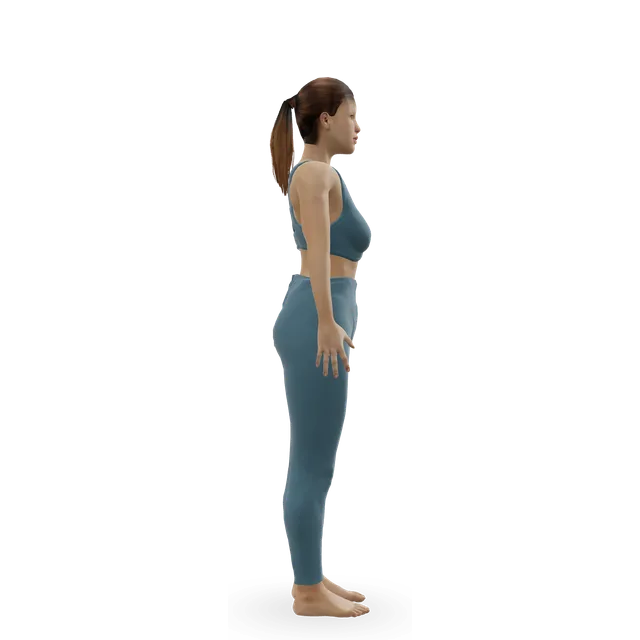
- Mountain pose (Tadasana)5 breathsBeginner · Calves, Back, Abs · 3D demoNotice your feet on the floor, with a hand on the chair if you likeHarder: Tree pose (Vrksasana)
- Chair pose (Utkatasana)2 holds of 3 to 5 breathsBeginner · Quads, Glutes, Shoulders · 3D demoA shallow bend is fineHarder: Revolved chair pose (Parivrtta Utkatasana)
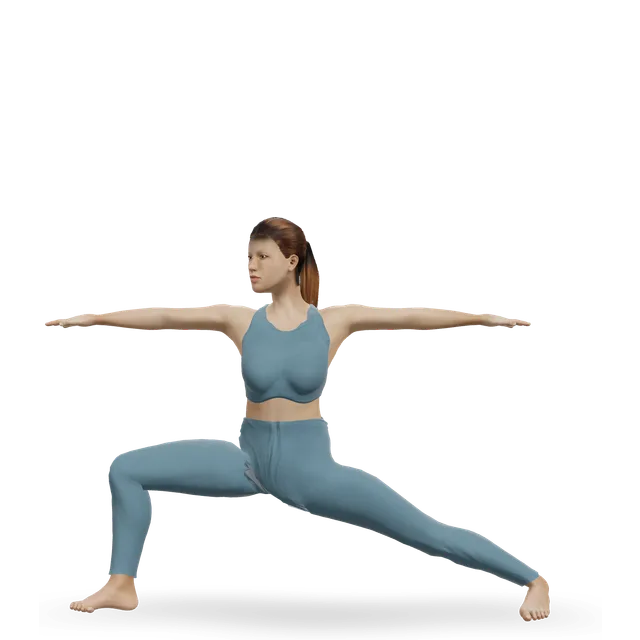
- Warrior II (Virabhadrasana II)5 breaths each sideIntermediate · Quads, Glutes, Adductors · 3D demoAs deep or as shallow as you likeEasier: Chair pose (Utkatasana)Harder: Extended side angle (Utthita Parsvakonasana)
- Tree pose (Vrksasana)5 breaths each sideBeginner · Glutes, Hip abductors, Calves · 3D demoHand on the chair; keeping your toes on the floor is fineHarder: Standing hand-to-big-toe pose (Utthita Hasta Padangusthasana)




Optional
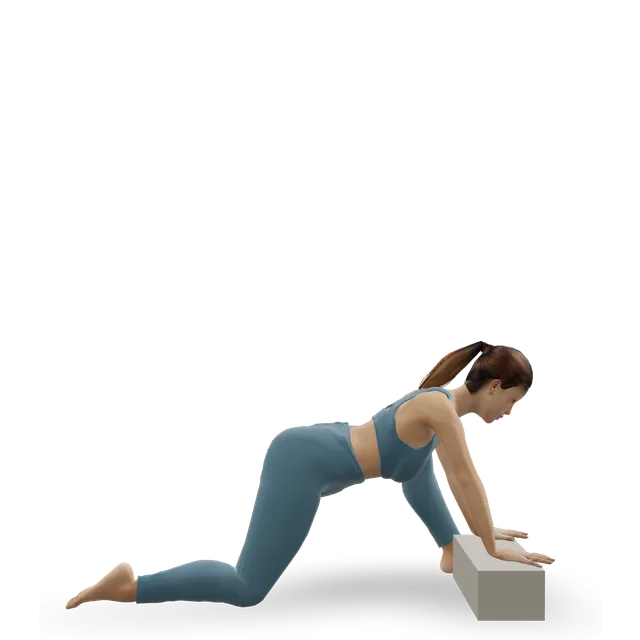
- Cat-cow6 roundsBeginner · Back, Abs · 3D demoOn hands and knees, or seated with your hands on your knees. Skip it if being on all fours doesn't feel rightHarder: Half lord of the fishes (Ardha Matsyendrasana)

Finish (sitting up)
- Beginner · Hip flexors, Back · 3D demoOr sit on the chair. Eyes open: let your gaze rest on something in the room before you get upHarder: Pigeon preparation (Eka Pada Rajakapotasana prep)

Tips
- There's no right way to feel. If a pose or a memory feels like too much, stop, put your feet on the floor and look around the room.
- Every pose is optional. Keep your eyes open and stay upright if lying down or closing your eyes brings up distress.
- In a class, you can ask the teacher not to touch or adjust you, and sit near the door.
- It isn't a treatment for PTSD on its own. Use it alongside trauma-focused therapy, and tell your therapist if a practice brings things up.
- In trials, trauma-sensitive yoga classes ran for an hour once a week for 10 weeks. This shorter session is our starting point.
The doses are suggested starting points, not a prescription. Choose a range you can control and stop for sharp or increasing pain, numbness or tingling. Get individual advice after an injury or surgery, or if you are pregnant or managing a health condition.
Guides that recommend it
Find more moves like these
More yoga flows
Beginner yoga flow
A 20-minute beginner yoga sequence: mountain, chair, warrior II, triangle, tree, down dog, cobra and child's pose.
20 minBeginner11 movesA step

Sun salutation flow
A 20-minute flow built on sun salutations A and B, with warrior poses and a short cool-down.
20 minIntermediate8 movesNo equipment
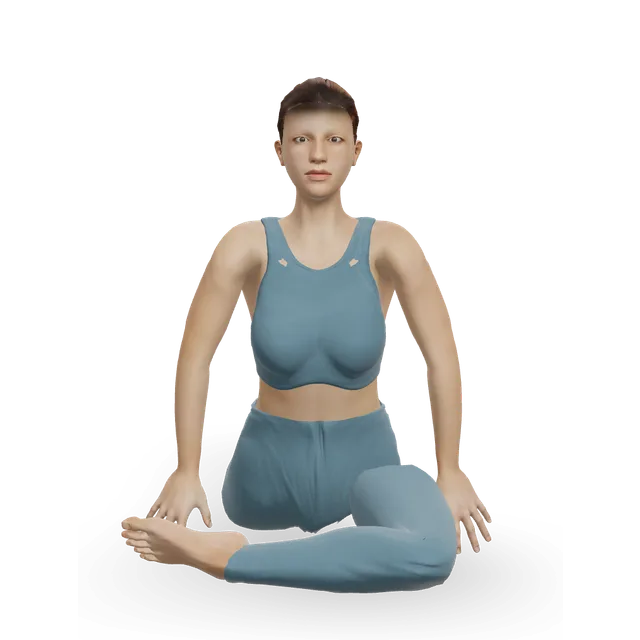
Yoga for tight hips
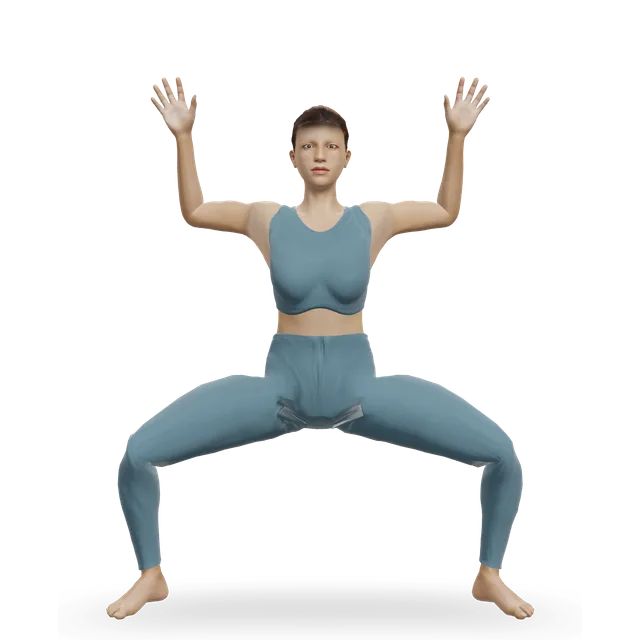
A hip-opening yoga sequence: low lunge, lizard, goddess, pigeon, bound angle and happy baby.
20 minBeginner7 movesNo equipmentQuestions people ask
How long does the trauma-sensitive yoga: a gentle practice where you choose take?
About 20 minutes, including any warm-up and cool-down listed. Shorten it by doing fewer rounds; lengthen it by adding one.
What equipment do I need?
You need: A bench or box. Each move links to its guide, where you can find an alternative if you are missing something.
Is it suitable for beginners?
It is written for beginners. 3 of its 11 moves have an easier option listed beside them if you need one.
How do I make it easier or harder?
Use the easier or harder option listed under each move, change the number of rounds, or adjust the rest. Progress one change at a time.