Does exercise help PTSD?
It can help a little, alongside treatment. Added to usual care, exercise improved sleep and eased PTSD symptoms a little in small trials, but the evidence on symptoms is mixed and two larger trials found no added benefit. NICE and the US VA/DoD guideline made no recommendation for or against exercise.
Can exercise replace therapy or medication for PTSD?
No. Trauma-focused therapies such as trauma-focused CBT and EMDR are the main treatments, and in one trial 80% to 83% of people no longer had PTSD after intensive therapy, with or without added exercise. Don't stop PTSD medicine unless a doctor tells you to, even if you feel better.
What is the best exercise for PTSD?
No type is clearly best. Yoga and strength training ranked highly in one review, and programmes that mix types may help most, but the comparisons are uncertain. Choose something you can do regularly in a setting where you feel safe.
Is running good for PTSD?
It can be. Aerobic exercise is part of most trial programmes, and in one trial a 10-minute bout after each therapy session improved results 6 months later. Some people find a racing heart too close to how trauma felt, so build up from walking and keep the pace steady at first.
Can exercise trigger PTSD symptoms or flashbacks?
For some people, the sensations of hard exercise or certain settings can bring up anxiety or memories. In trials, symptoms and the fear of body sensations fell with regular cycling sessions, and no harms linked to exercise were reported in the largest trial. Build up gradually, choose where and how you exercise, and tell your therapist if something sets you off.
Is yoga good for PTSD? What is trauma-sensitive yoga?
Trauma-sensitive yoga is taught with choice, invitational language and no pressure. In one trial it did about as well as group therapy on most measures, and in another, half the women no longer met PTSD criteria after 10 weekly classes. Pooled trials show benefits mainly on self-rated symptoms, and NICE didn't recommend it, so treat it as an addition to therapy.
How much exercise helps PTSD?
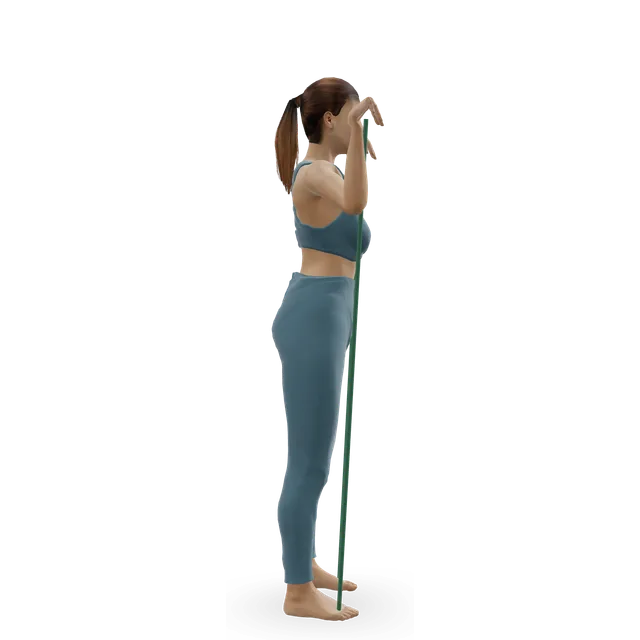
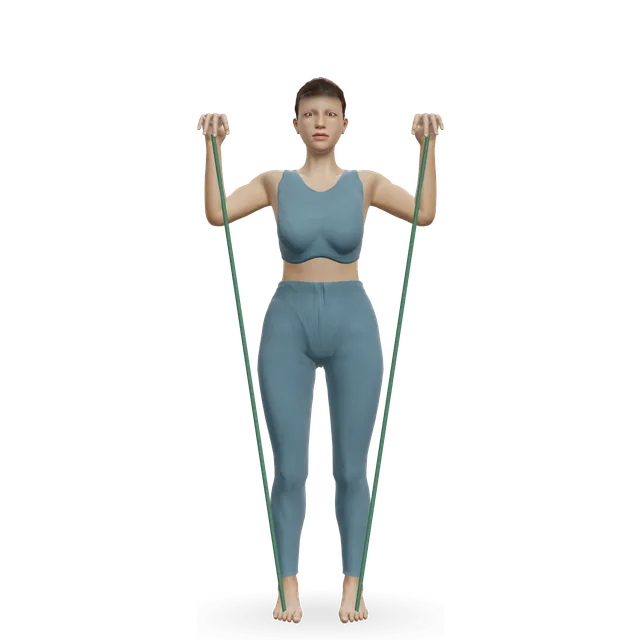
In one review, programmes of about 3 sessions a week, 30 to 60 minutes each, for around 12 weeks looked best, and the best-known trial used resistance bands 3 times a week plus walking. For general health, aim for the NHS amount of 150 minutes a week plus strength on 2 days, building up gradually.
Does lifting weights help PTSD?
It may. In a trial of 81 inpatients, 12 weeks of resistance-band training plus walking reduced PTSD symptoms and waist size more than usual care alone. Strength training ranked among the more effective types in one review.
Do trauma release exercises (TRE) or somatic exercises work?
The evidence is weak: studies of trauma releasing exercises weren't consistently rigorous, somatic experiencing has only preliminary evidence, and the US guideline found too little evidence to recommend it. If you find them calming, that's fine, but they don't replace trauma-focused therapy.
Can exercise help me sleep with PTSD?
It may help a little: exercise improved sleep quality in pooled trials of people with PTSD. Exercise in the day rather than late in the evening. If sleep problems remain after trauma-focused therapy, NICE suggests considering CBT aimed at sleep.
Can exercise prevent PTSD after a traumatic event?
There's no good evidence that it does: mind-body exercise soon after a trauma didn't clearly prevent PTSD in 6 studies. Most people who go through a trauma don't develop PTSD. If you have symptoms that worry you, see a GP: treatment can start within the first month.
Is it OK to exercise with complex PTSD?
Yes, and the same principles apply: build up gradually, choose safe settings, and keep control of what you do. Complex PTSD often needs longer, more tailored therapy, and NICE asks services to build in extra time to develop trust. Exercise sits alongside that, not instead of it.