Alternate nostril breathing (Nadi Shodhana)
Sitting upright, you close one nostril at a time with the thumb and ring finger, breathing in through one side and out through the other, with no holds in the basic version. Across 6 trials it lowered blood pressure by about 7/5 mmHg, but results varied widely and few were blinded; in 34 students, 10 minutes of it changed heart rate variability no more than resting. The idea that it balances the body's two sides is traditional and untested.
Movement guide
Alternate nostril breathing (Nadi Shodhana)
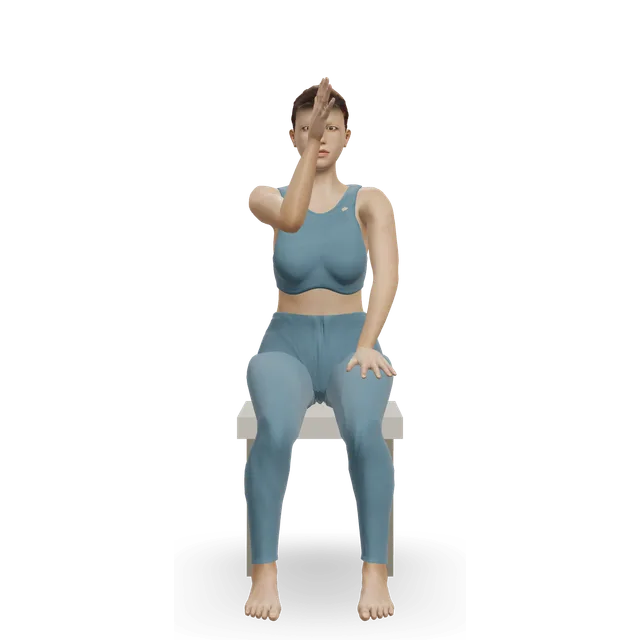
Loading the 3D figure…
Make it easier or harder
Choose a version that fits your control and comfort.
Easier option
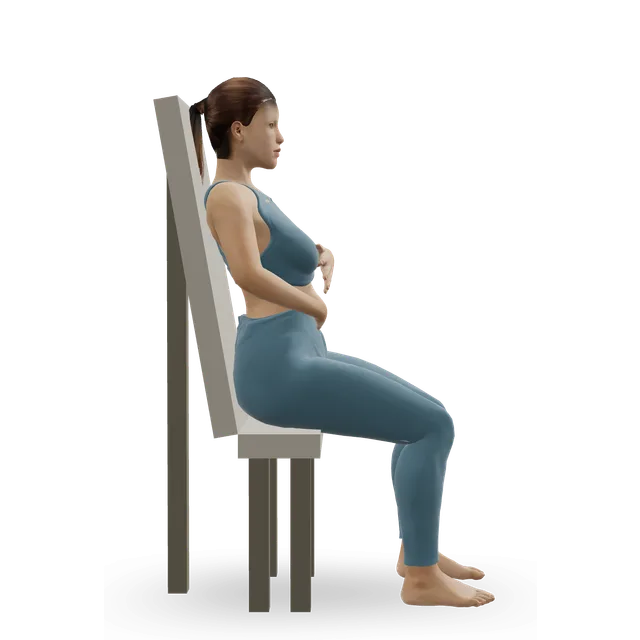 3D demoSlow breathing (6 breaths a minute)Beginner · No equipment
Suggested next step, beginner grade.
Harder option
Choose a comfortable position and breathe without forcing it. Longer breath holds are not a harder tier. NHS comfortable, unforced breathing
Source-researched guide.
How to move
- Sit upright on a chair with your left hand resting on your thigh. Raise your right hand so the thumb can close the right nostril and the ring finger the left, pressing lightly just below the bony part of the nose.
- Close the right nostril with your thumb and breathe in slowly through the left.
- Close the left nostril with your ring finger, lift the thumb and breathe out through the right.
- Breathe in through the right, switch fingers and breathe out through the left. That is one round.
- Carry on with slow, smooth, even breaths and no holds, then lower your hand and breathe normally.
Form cues
- Press lightly: the nose shouldn't bend or the head tip.
- Keep the breaths quiet and equal in length.
- Avoid: pausing to hold the breath between sides.
Practice and cautions
3 to 5 minutes of slow rounds, once or twice a day (our editorial starting point). In a migraine trial, people practised it three times a day for 3 months and had fewer attacks and less disability than with usual care, though severity fell as much in both groups.
Never force air through a blocked nostril; skip it with a heavy cold and just breathe slowly instead. Stop and breathe normally if you feel dizzy, and leave out breath holds; the basic version does not need them. This is movement education, not an assessment or treatment prescription. Stop for sharp or increasing pain, dizziness, numbness or tingling; seek individual guidance for symptoms, injury or restrictions.
Sources and review status
Sources support the educational description; they do not establish that this exercise is suitable for you.
- Yoga International · Breathe for balance: the practice of channel purification (the thumb closes the right nostril and the ring finger the left, pressing lightly; smooth, even breaths with no holds) ↗
- Nam 2024 · Alternate nostril breathing and blood pressure: about 7/5 mmHg lower than control across 6 trials, with very mixed results and little blinding (systematic review and meta-analysis, Complementary Medicine Research) ↗
- Çöme 2025 · Alternate nostril breathing three times a day for 3 months: fewer migraine attacks and less disability than usual care; severity fell in both groups alike (open-label RCT of 86 patients, Prim Health Care Res Dev) ↗
- Avcık 2026 · Ten minutes of 4-7-8 or alternate nostril breathing changed heart rate variability no more than resting; mood effects differed between women and men (randomised crossover study of 34 students, Applied Psychophysiology and Biofeedback) ↗
No variation is labeled clinically validated.
What it works
Muscles
Works the whole body. Individual muscles are not yet classified.
Equipment
None: body weight and floor space.
Level
Beginner. See the easier and harder options above.
Workouts that use it
- Breathing exercises to relax · 6 min
- Chair yoga for seniors · 20 min
- Seated chair yoga: 15 minutes, no standing · 15 min
- Yoga for headaches and migraine: a 20-minute calm practice · 20 min
- Yoga for high blood pressure: a 40-minute balanced practice · 40 min
- Yoga for digestion: a 25-minute routine for bloating and IBS · 25 min
- Yoga for thyroid problems: a 30-minute gentle practice, no shoulder stand needed · 30 min
- Yoga for diabetes: a 35-minute head-up practice · 35 min
Show all 16 workoutsShow fewer workouts
- Chair yoga for MS: a 25-minute class you can do sitting, with an optional standing block · 25 min
- Yoga for heart health: a 35-minute gentle class with no breath holds · 35 min
- Yoga for Parkinson's: a 30-minute class at a counter, sitting then standing · 30 min
- Chair yoga after a stroke: a 25-minute class, sitting, with an optional standing block · 25 min
- Yoga for neuropathy: a 25-minute class in shoes, sitting then at a counter · 25 min
- Breathe, move and rest: a 30-minute gentle yoga class for rheumatoid arthritis, mostly in a chair, with a flare-day version · 30 min
- Yoga for epilepsy: a 30-minute seated and lying practice with slow breathing, in the order a trial used · 30 min
- Chair yoga for knee arthritis: a 30-minute class sitting, then standing at a chair, with no kneeling and no floor work · 30 min
Guides that use it
- Yoga guide
- Yoga for beginners guide
- Yoga for anxiety and sleep guide
- Yoga for seniors guide
- Chair yoga guide
- Restorative yoga guide
- Hatha yoga guide
- Kundalini yoga guide
Show all 54 guidesShow fewer guides
- Yoga for headaches and migraine guide
- Yoga for high blood pressure guide
- Yoga for digestion guide
- Yoga for menopause guide
- Yoga for PCOS (PMOS) guide
- Yoga for thyroid problems guide
- Yoga for depression guide
- Yoga for energy guide
- Yoga for diabetes guide
- Yoga for cancer guide
- Yoga for asthma guide
- Yoga for fertility guide
- Yoga for lungs and COPD guide
- Yoga for IBS guide
- Yoga for MS guide
- Yoga for heart health guide
- Yoga for Parkinson's guide
- Yoga for ADHD guide
- Yoga for eyes guide
- Yoga for stress relief guide
- Yoga for memory and concentration guide
- Yoga for acid reflux guide
- Yoga for anger guide
- Yoga for kidney health guide
- Yoga for addiction recovery guide
- Yoga for sinus problems guide
- Yoga for martial arts guide
- Yoga for rheumatoid arthritis guide
- Yoga for lupus guide
- Yoga for gout guide
- Yoga for high cholesterol guide
- Yoga for snoring and sleep apnoea guide
- Yoga for allergies and hay fever guide
- Yoga for epilepsy guide
- Yoga for bipolar disorder guide
- Yoga after a spinal cord injury guide
- Yoga for CrossFit guide
- Yoga for Crohn's and colitis guide
- Yoga for atrial fibrillation guide
- Yoga for insomnia guide
- Yoga for the vagus nerve guide
- Yoga for detox guide
- Exercise for anxiety and panic attacks
- Exercise for IBS
- Exercise for stress relief
- Exercise with glaucoma
Similar moves
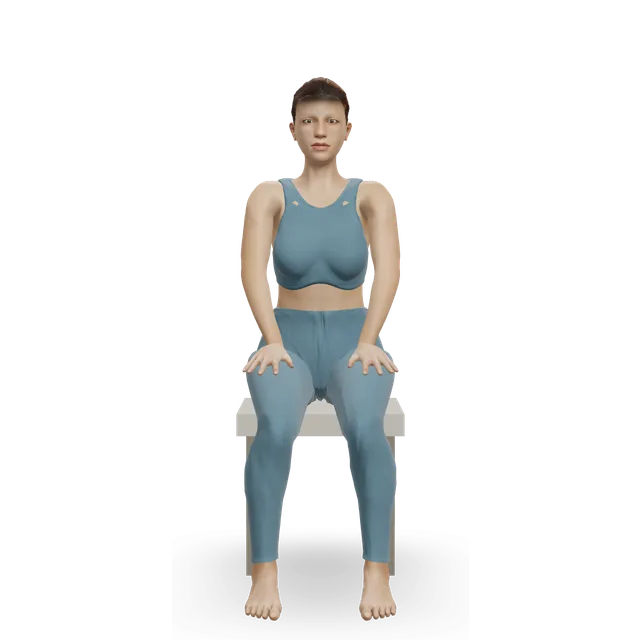
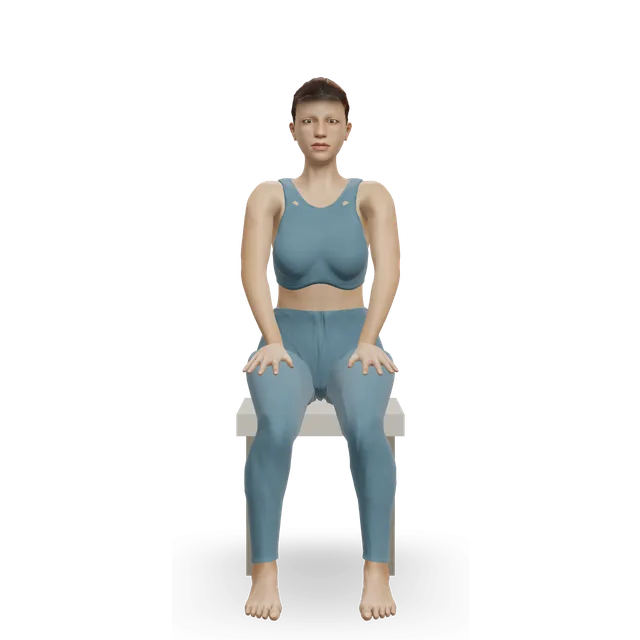
Browse more
Questions people ask
What muscles does the Alternate nostril breathing (Nadi Shodhana) work?
It works the whole body.
What equipment do I need for the Alternate nostril breathing (Nadi Shodhana)?
No equipment: your body weight and a little floor space.
Is the Alternate nostril breathing (Nadi Shodhana) good for beginners?
It is graded beginner, so it suits most people starting out.
What is an easier alternative to the Alternate nostril breathing (Nadi Shodhana)?
Try the Slow breathing (6 breaths a minute). It is the suggested step down from this move.