Yoga guide

Yoga for MS: what it does for fatigue and balance, chair yoga, keeping cool and starting safely

Yoga is safe with multiple sclerosis (MS) and can ease fatigue about as much as other exercise. NICE (the National Institute for Health and Care Excellence) says aerobic, resistive and balance exercise, including yoga and Pilates, may help MS fatigue, and in trials yoga also helped mood and balance. It hasn't been shown to improve walking or slow MS, and it goes alongside your treatment, not instead of it.

This guide covers what the trials show, how to keep cool if heat brings on your symptoms, chair and adapted yoga, stiffness and spasms, balance and falls, pacing, and the relapse and stroke signs. It ends with a free 25-minute chair class with an optional standing block.

The short version

Exercise is safe with MS, and yoga is one option

NICE says regular exercise "may have beneficial effects on their MS and does not have any harmful effects on their MS". In 40 trials (1,780 people), relapses were no more common with exercise, and the yoga trials reported no serious side effects.

Sources 1, 2, 3

Fatigue is the best-supported reason

NICE says aerobic, resistive and balance exercises, "including yoga and pilates, may be helpful in treating MS-related fatigue". Compared with usual care, yoga eased fatigue and low mood in reviews of 7 and 10 trials, but it did no better than other exercise, and the first review found the effect wasn't robust to bias.

Sources 1, 3, 4

Balance, possibly; walking, not shown

Yoga ranked first for a balance test in a comparison of 31 trials. But adapted yoga didn't improve walking against a waiting list, and yoga classes didn't improve walking where physiotherapist-led and fitness classes did.

Sources 5, 6, 7

Keep cool

Around 6 in 10 people with MS report heat sensitivity. Symptoms settle within a few hours of cooling down and are "not usually due to new MS damage". No study has tested hot yoga in MS. With MS, we'd avoid hot yoga and other heated classes (our suggestion), because heat can bring on your symptoms for a while; if you want to try one, ask your MS team first.

Sources 8, 9

Chair yoga counts, and balance poses go near support

"You can try seated versions from a wheelchair or a firm chair with a solid back", the MS Society says. Falls are common with MS, so do standing poses holding a counter or a sturdy chair.

Sources 10, 11

Yoga doesn't slow MS, and relapses need your team

The yoga trials measured symptoms, not the disease, and disease-modifying treatments are what reduce relapses. New symptoms, or old ones getting worse, that last more than 24 hours may be a relapse: contact your MS team.

Sources 3, 12, 1

MS, and where yoga fits

MS, in plain words

MS is "a condition that affects the brain and spinal cord. It cannot currently be cured, but treatment can often help manage it." Common symptoms include extreme tiredness, vision problems, numbness or tingling, feeling off balance, dizzy or clumsy, muscle cramps, spasms and stiffness, bladder problems, and problems with memory or concentration. Symptoms may come and go (relapses and remissions) or slowly get worse.

Source 12

Treatment

Disease-modifying treatments (DMTs) "reduce how many relapses you have and how serious they are"; other medicines and therapies treat symptoms such as spasms, fatigue and walking problems. Exercise is one of those symptom treatments, and NICE says to encourage everyone with MS to exercise.

Sources 12, 1

MS fatigue

NICE says MS fatigue "may be brought on by heat or biological, physical and emotional stress", and suggests a personal fatigue plan that can include exercise, mindfulness and CBT (cognitive behavioural therapy) techniques.

Source 1

What MS yoga looked like in trials

Weekly Iyengar classes with practice at home for 6 months; 10 weekly community classes; classes of relaxation, meditation, breathing and stretching for people who needed support on both sides to walk; adapted yoga three times a week for 12 weeks; and online yoga 3 times a week for 8 weeks. The MS Society's own videos are a breathing and relaxation session, a 7-minute chair flow and a 14-minute floor flow.

Sources 13, 7, 14, 6, 15, 10

Who this guide is for

Adults with any type of MS, at any level of disability: standing classes if you walk without help, chair classes if you use a stick, frame or wheelchair. "Ask for help when you're unable to move through a yoga pose on your own", the MS Society says.

Source 10

What the evidence says

SafetyStrong evidence

NICE says exercise "does not have any harmful effects" on MS. In 40 trials (1,780 people), exercise didn't raise the risk of relapse, side effects or serious side effects, and Cochrane says exercise "can be prescribed in people with MS without harm". The yoga trials reported no serious side effects, and the MS Trust calls yoga "a popular and safe activity for people with MS".

Sources 1, 2, 16, 3, 17

Fatigue: eased about as much as other exerciseEmerging evidence

Against usual care, yoga eased fatigue in a review of 7 trials (670 people) and another of 10 trials (693 people), but not more than other exercise, and the first review warned the effect wasn't robust to bias. Cochrane's review of exercise for MS fatigue counts yoga among the "other" training that helped.

In 69 people, weekly Iyengar classes and weekly cycling classes both eased fatigue against a waiting list, and in community classes for people with mild MS, yoga eased fatigue as much as exercise classes. The US National Center for Complementary and Integrative Health (NCCIH) sums up two reviews: one found a benefit only for fatigue, comparable to other exercise, and the other found none for quality of life.

Sources 1, 3, 4, 16, 13, 7, 18

BalanceEmerging evidence

In a network analysis of 31 trials (904 people), yoga ranked first for the Berg balance test, mostly from indirect comparisons. An overview of mind-body movement found balance gains at low to very low certainty. In people who needed support on both sides to walk, every class, yoga included, improved balance more than the control group did, in a small trial where some groups weren't randomised. Better balance hasn't been shown to prevent falls.

Sources 5, 19, 14, 11

Walking: not shownMixed evidence

In a trial of 81 people, adapted yoga three times a week for 12 weeks didn't improve walking or balance tests against a waiting list, while movement to music did. In community classes, yoga didn't improve the 6-minute walk where physiotherapist-led and fitness classes did. One online trial in 45 women found faster walking. If walking is your goal, add walking practice, strength work or physiotherapy.

Sources 6, 7, 15

Mood and quality of lifeMixed evidence

Mood improved against usual care in one review, and online yoga improved low mood and quality of life in two trials. But quality of life didn't change clearly with yoga in two other reviews, and a review of yoga in brain and nerve conditions called the MS evidence "still insufficient".

Sources 3, 15, 20, 4, 21, 22

Against other exercise: neither clearly betterMixed evidence

Yoga ranked first for one balance test and water exercise for another; Pilates did better for walking speed in a small study that wasn't randomised; online yoga and online Pilates helped about equally in two trials; and Baduanjin, a Chinese movement practice, beat yoga for balance and mood in 80 people. In a 2026 comparison in women, yoga ranked first for fatigue, but the differences between exercise types were minimal. Choose what you'll keep doing.

Sources 5, 23, 15, 20, 24, 25

Humming breathMixed evidence

One trial of 78 people reported very large effects of humming breath (bhramari), 20 minutes twice a day for 4 weeks, on fatigue and low mood, larger than any exercise review has found. Until another trial confirms it, treat it as unconfirmed (our reading). Slow breathing is a pleasant way to cool down.

Source 26

Yoga doesn't slow MSStrong evidence

The yoga trials measured fatigue, mood, balance and quality of life, not relapses or how disability changes over time, and disease-modifying treatments are what reduce relapses. The MS Trust notes that some benefits "may come from having a supportive mentor, a sociable group or be general benefits that could be gained from any form of exercise".

Sources 3, 16, 12, 17

Heat, hot yoga and keeping cool

About 6 in 10 people with MS are sensitive to heatStrong evidence

"Around 6 in 10 people with MS report experiencing heat sensitivity" (Uhthoff's phenomenon): a rise in body temperature slows signals along nerves already affected by MS, so symptoms such as fatigue, blurred vision, numbness or weakness get worse for a while. Triggers include warm, humid weather, overheated or crowded rooms, saunas and steam rooms, exercise, stress and fever. During exercise, 29% to 80% of people with MS report it.

Sources 8, 27

It settles, and it isn't new damageStrong evidence

Symptoms "should improve within a few hours once you cool down", and they're "not usually due to new MS damage". "Don't be tempted to push through": stop, rest and cool down.

Source 8

Hot yoga: not studied, and we'd avoid itMixed evidence

No study has tested hot yoga, or heat in a yoga class, in people with MS, and MS exercise experts note that exercise "may temporarily worsen symptoms in patients who are heat-sensitive". With MS, we'd avoid hot yoga and other heated classes (our suggestion), because heat can bring on your symptoms for a while; if you want to try one, ask your MS team first.

Sources 9, 28, 29

Keeping cool in a classEmerging evidence

Choose a cool, ventilated room with a fan, take cold water, and stand near a fan or an open window. Shorter sessions with breaks help, and the MS Society suggests a bit more strength and balance work instead of endurance if heat is a problem. Cooling before or during exercise reduces heat sensitivity, and cooling garments such as vests improved walking and mobility in 13 studies (384 people), without harm. Take care with ice on your skin, because MS can change how you feel temperature.

Sources 30, 31, 8, 32, 27

Iced drinks and your bladder

The MS Trust suggests iced water to pre-cool "as long as you're not worried about any bladder issues or access to toilets". If you have bladder symptoms, plan a toilet break and know where the toilets are (our suggestion).

Source 8

Stiffness and spasms

Physiotherapy first, with yoga alongside

The MS Society says physiotherapy, with stretching and range-of-motion work, is "a key part" of managing muscle spasms and stiffness, and "Yoga could also improve your flexibility and reduce muscle stiffness". Medicines can treat spasms too, so talk to your MS team if stiffness gets in the way.

Sources 30, 12

Exercise and spasticityEmerging evidence

A 2026 review of 13 trials found exercise eased spasticity (stiff, tight muscles) in people who walk without a stick or other aid, most consistently with flexibility and range-of-motion work. Cochrane rated the earlier evidence for physical activity low-level, from 9 trials all at high risk of bias.

Sources 33, 34

How to stretch

MS exercise experts suggest stretching every day, 2 to 3 times each, holding for 30 to 60 seconds, with yoga and stretching among the ways to do it. Move into each stretch slowly, and never bounce (our suggestion).

Source 29

Chair yoga, balance and falls

Seated versions countStrong evidence

"Start with easy poses and slowly try more challenging ones. You can try seated versions from a wheelchair or a firm chair with a solid back. Ask for help when you're unable to move through a yoga pose on your own", the MS Society says. MS exercise experts list "Seated dancing, yoga, boxing" for people who use a wheelchair most of the time.

Sources 10, 29

The only trial of adapted yogaMixed evidence

In the trial of 81 people, adapted yoga didn't differ from a waiting list on walking, balance, fatigue or pain. Its summary doesn't say whether the yoga was done in chairs, so it doesn't tell us much about chair yoga in particular.

Source 6

Falls are commonMixed evidence

Fall rates of 56% have been reported in MS, and in one study half of the people who used a walking aid fell within 3 months. In a Cochrane review, exercise improved balance, but whether it prevents falls is uncertain (very low-quality evidence).

Sources 11, 35

If you can stand, add a standing block

Seated yoga doesn't train standing balance, so if you can stand, add a few standing poses holding a sturdy chair or a worktop, with your feet a little wider (our suggestion). If your standing balance is poor or you've fallen, ask about physiotherapy or vestibular rehabilitation, which NICE suggests for limited standing balance.

Sources 1, 11

Starting, pacing and relapses

Start easy, and practise often

"It helps most when you practice often, and over a longer period of time", the MS Society says of yoga. Start with easy poses and add harder ones slowly.

Source 10

Pace it

Stop before you're tired, and on a high-fatigue day do only the seated part. If your symptoms rise, "don't be tempted to push through". NICE says to choose exercise you enjoy and can keep doing, and to get support to keep exercising.

Sources 8, 1

How much

In trials: weekly Iyengar classes with practice at home for 6 months; 10 weekly classes; three 60-minute sessions a week for 12 weeks; online sessions 3 times a week for 8 weeks. MS exercise experts suggest balance and coordination work, which can include yoga, 3 to 6 times a week for 20 to 60 minutes, and stretching every day.

Our editorial starting point: our 25-minute chair class 2 or 3 times a week, adding the standing block when you can, alongside the aerobic and strength exercise in our exercise and MS guide. On high-fatigue days, do the seated blocks only, and build up a few minutes at a time.

Sources 13, 7, 6, 15, 29

With a teacher

"Supervised training generally provides better results than non-supervised training", MS exercise experts say. Tell your teacher about your MS and your heat sensitivity, and ask whether they've taught people with MS before (our suggestion).

Source 29

After a relapse

Rest as much as you need at first, then build back up: recovery "might include some gentle exercise if you're able to do it safely", the MS Trust says. Ask your MS team when to go back to a class (our suggestion).

Source 36

Settle and loosen, sitting

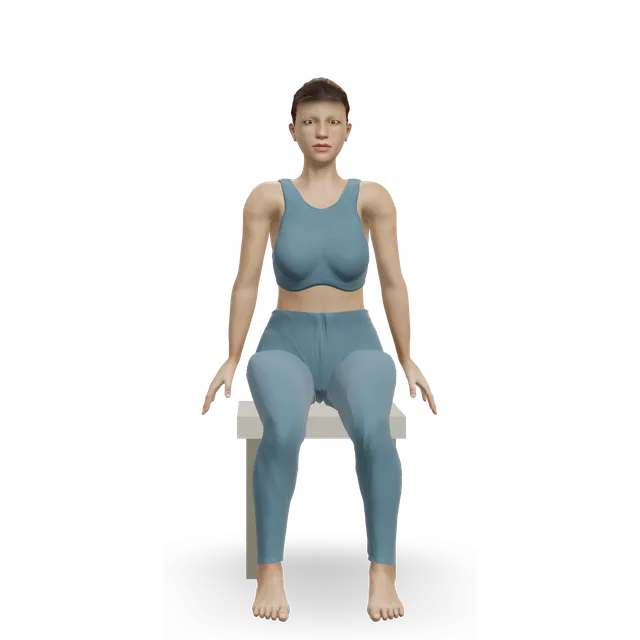
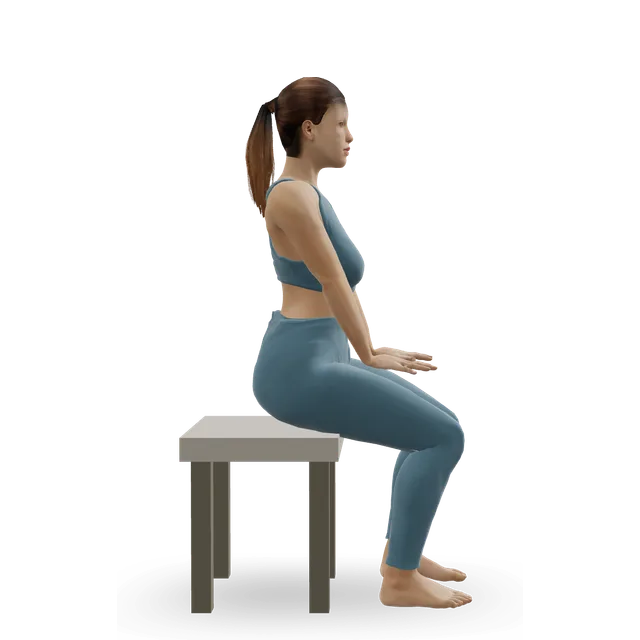
Seated upper back lift: 3 holds of 5 seconds; slow breathing: 2 minutes; alternate nostril breathing: 1 to 2 minutes of slow rounds with no holds; breath reach: 5 breaths; shoulder circles: 10 each way; cat-cow: 8 slow waves, sitting; seated side bend: 2 each side, 10 to 20-second holds; seated twist: 5 each side, 5-second holds; seated march: 1 minute, moving your arms instead if your legs don't move (our seated chair yoga). On its own, slow breathing is at least 5 minutes (the move's page).

Legs, stiffness and strength

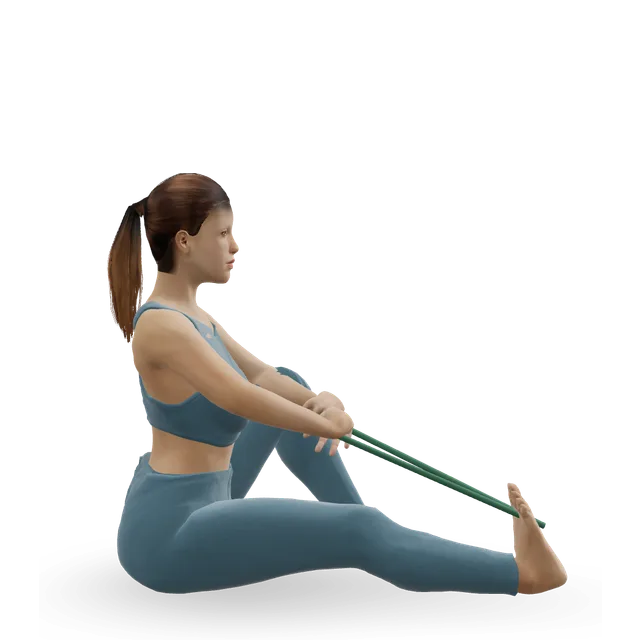
Leg extended stretch: 5 each leg; seated knee extension: up to 10 each leg, up for a slow count of 3, down for 5 (our chair yoga class); ankle circles: 10 each way, each foot (our seated chair yoga); seated calf stretch: 30 to 60 seconds each leg (our range of movement routine for motor neurone disease); lying hamstring stretch with a strap: 2 holds of 30 seconds each leg (our Pilates for MS).

Standing at a counter or chair

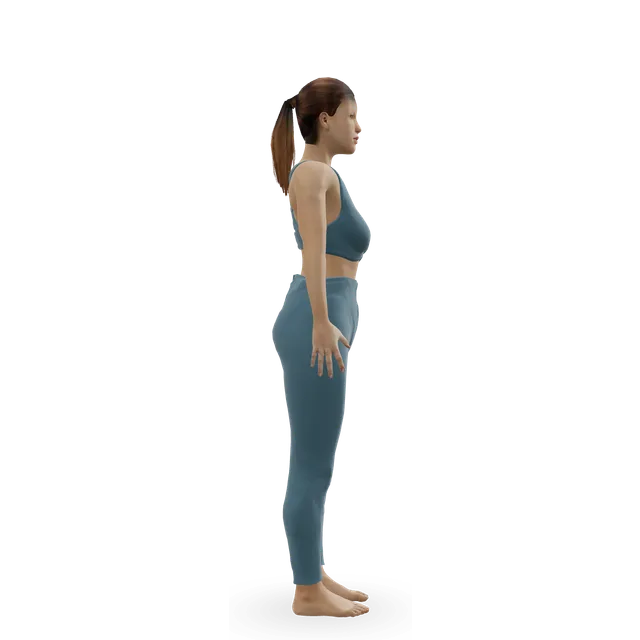
Only if you can stand, with a sturdy chair or worktop to hold. Sit-to-stand pushing on your thighs: 5 to 8; mountain pose: 5 breaths; warrior II: 3 breaths each side, short stance; tree pose: 3 breaths each side, heel against your ankle (our chair yoga class); semi-tandem stance: 2 or 3 holds of 10 to 30 seconds, each foot forward (our Pilates for MS); side-stepping: 10 steps each way, next to a counter (the move's page).

On the floor, if you can get down and up

Getting down to the floor and up again: 5 to 8 slow cycles (the move's page, an editorial starting point), with someone there the first few times. Child's pose: 30 to 60 seconds; lying twist: 45 seconds each side; corpse pose: 3 to 4 minutes (our gentle yoga for beginners).

Change or leave out

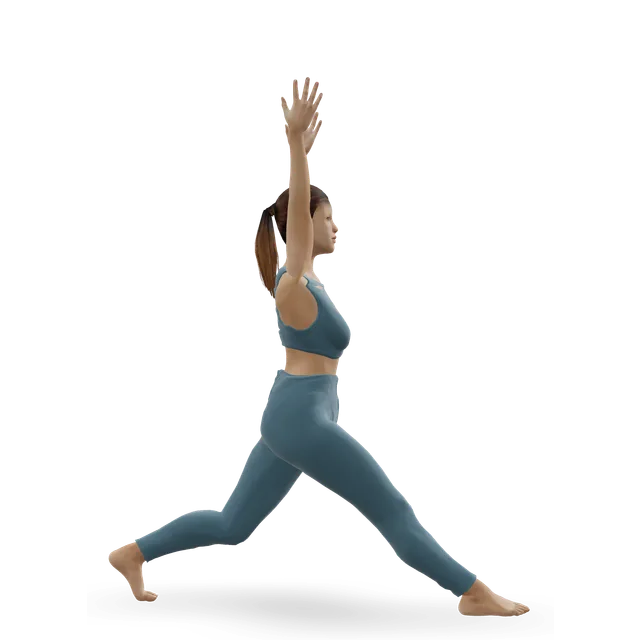
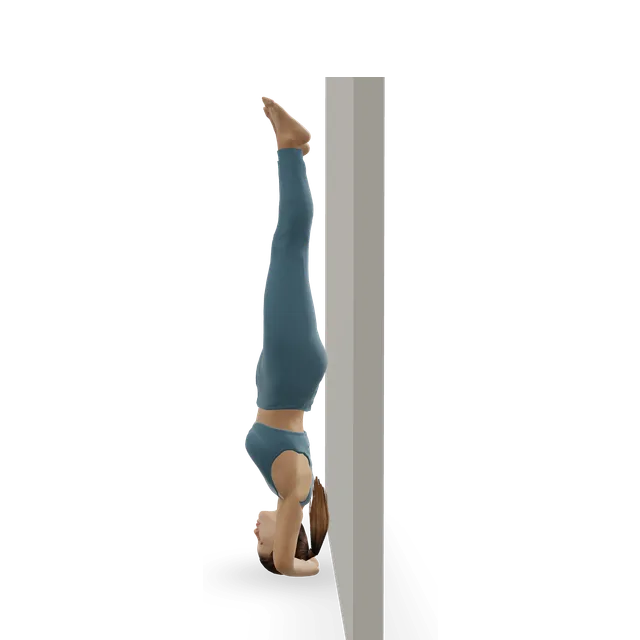
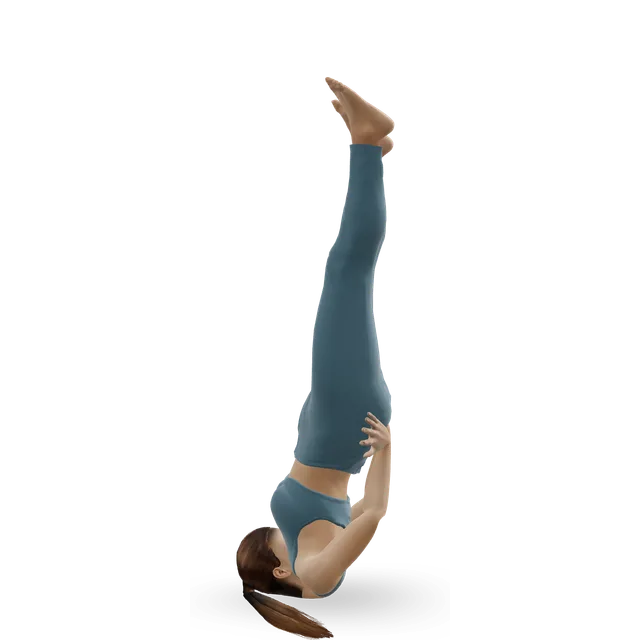
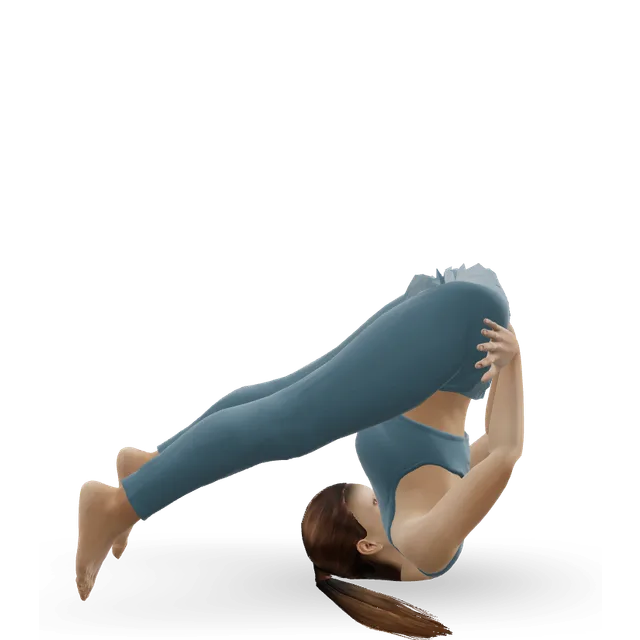
Do one-leg balances and lunges only with a hand on a counter or chair; slow down or leave out sun salutations and fast flows, which warm you up quickly; and leave out headstands, shoulder stands and plough if your balance, vision or neck is affected (our suggestions). Skip bouncing stretches and fast, forceful breathing such as kapalabhati.

Free classes

Start with our 25-minute chair class for MS, which keeps you cool and paced and has an optional standing block. The seated chair yoga suits high-fatigue days; the seated MS workout and the balance routines add the aerobic, strength and balance work NICE recommends.

Chair yoga for MS: a 25-minute class you can do sitting, with an optional standing block

A 25-minute chair yoga class for MS: seated breathing and loosening, longer leg stretches, an optional standing balance block at the chair, and a calm finish.

25 minBeginner18 movesA bench or box, Something with weight

Seated chair yoga: 15 minutes, no standing

A 15-minute chair yoga routine done entirely sitting: slow breathing, neck, shoulder and wrist stretches, seated twists and side bends, and a calm finish.

15 minBeginner16 movesA bench or box

Chair yoga for seniors

A free 20-minute chair yoga class for older adults: slow breathing, gentle seated stretches and twists, standing poses holding the chair, and a calm finish.

20 minBeginner18 movesA bench or box, Something with weight

Seated workout for MS: cardio, strength and stretches from a chair or wheelchair

A 25-minute workout done sitting, in a chair or wheelchair: seated cardio intervals, light strength work, posture and stretches, with pacing and cooling built in.

25 minBeginner14 movesA bench or box, A dumbbell

Pilates for MS: seated, standing and mat options

A 25-minute Pilates workout for multiple sclerosis (MS): seated, standing and mat parts, balance next to support, and gentle strength that builds slowly.

25 minBeginner14 movesA bench or box, A wall

Balance exercises routine

Balance practice in 10 minutes: tandem stance, single-leg stands, marches, heel walks, tree pose and floor transfers.

10 minBeginner7 movesA wall, A bench or box

Strength and balance exercises for seniors

A 40-minute strength and balance session for over-65s, built from the Otago home programme and NHS exercises, using a chair, a counter and a step.

40 minBeginner18 movesA bench or box, Something with weight

Wheelchair workout: seated cardio and shoulder-protecting strength

A 30-minute workout in your wheelchair: a warm-up, seated cardio, four shoulder exercises from a trial programme, and stretches for the front of the shoulders.

30 minBeginner14 movesA bench or box, A band

Relapse, your MS team and 999 signs

These follow the NHS, NICE, the MS Trust and our exercise and MS guide. A&E means accident and emergency.

Call 999 or go to A&E

Call 999 (911 in the US) or go to A&E if you have sudden weakness or numbness in one arm, sudden loss or blurring of vision, or sudden problems with balance and coordination: these could be signs of a stroke. Call 999 too for chest pain that feels tight or spreads to your arms, neck or jaw, or severe difficulty breathing.

Sources 12, 37

Get advice from your MS team quickly

Contact your MS team quickly (or NHS 111 or A&E if symptoms are very severe and come on extremely fast) if you have:

  • A sudden loss of, or significant change in, your vision.
  • Weakness that is affecting your mobility.
  • Problems with speech or swallowing.
  • Sudden loss of bladder or bowel control.
  • Confusion or drowsiness.

Source 36

Contact your MS team or GP

  • New symptoms, or old ones getting clearly worse, that last more than 24 hours: this may be a relapse. Check for an infection first, and contact the team if things haven't improved after 24 to 48 hours.
  • Symptoms that get worse in the heat and are new or much worse, last longer than usual, don't improve after cooling, or come with a fever or other signs of infection.
  • Falls, or difficulty with balance: ask about physiotherapy.
  • Fatigue or low mood that is hard to manage.

Sources 1, 36, 8

Stop and cool down

If heat brings on blurred vision, numbness, weakness or extra tiredness during yoga, stop, rest, cool off and drink cold water. Heat-related symptoms should settle within a few hours. Leave a hot room rather than push through.

Source 8

Balance poses

Do them next to a counter or a sturdy chair. If your feet or legs are numb, keep a hand on the support throughout, and if you fall or nearly fall, tell your MS team (our suggestions).

Source 1

Support

MS Society helpline: 0808 800 8000.

Source 12

Myths

"Yoga can reverse or cure MS"Strong evidence

MS "cannot currently be cured". The yoga trials measured fatigue, mood, balance and quality of life, not the disease itself.

Sources 12, 3, 16

"Yoga slows MS down"Mixed evidence

No yoga trial has measured relapses or how disability changes over time. Disease-modifying treatments do that job; yoga goes alongside them.

Sources 3, 16, 12

"Exercise or yoga brings on relapses"Strong evidence

In 40 trials, relapses were no more common with exercise, and NICE says exercise "does not have any harmful effects" on MS.

Sources 2, 1

"If heat makes my symptoms flare in class, the yoga is damaging my nerves"Strong evidence

Heat-related symptoms are "not usually due to new MS damage" and settle within a few hours of cooling down. Cool off, and keep exercising in a cooler room.

Source 8

"Hot yoga is good for MS stiffness"Mixed evidence

No study has tested hot yoga in MS, about 6 in 10 people with MS are sensitive to heat, and MS experts note exercise may temporarily worsen symptoms in heat-sensitive people.

Sources 9, 8, 29

"Yoga will improve my walking"Mixed evidence

Adapted yoga didn't improve walking against a waiting list, and yoga classes didn't improve the 6-minute walk where exercise classes did; one online trial found faster walking. Add walking practice or physiotherapy if walking is your goal.

Sources 6, 7, 15

"Yoga beats other exercise for MS fatigue"Emerging evidence

Yoga eased fatigue against usual care but not against other exercise, and in a comparison in women the differences between exercise types were minimal.

Sources 3, 4, 25

"Rest is the answer to MS fatigue"Emerging evidence

Exercise, including yoga, eased fatigue compared with no exercise, and NICE names yoga among exercise that may help. Pacing still matters: don't push through.

Sources 16, 1, 8

"If you use a wheelchair, yoga isn't for you"Strong evidence

The MS Society suggests seated versions "from a wheelchair or a firm chair with a solid back", and MS experts list seated yoga for people who use a wheelchair most of the time.

Sources 10, 29

"Yoga prevents falls in MS"Mixed evidence

Exercise improved balance in MS, but its effect on falls is uncertain, on very low-quality evidence. Keep a hand on support for balance poses.

Source 11

"Humming breath cures MS fatigue"Mixed evidence

One trial reported implausibly large effects, and we found no other trial confirming them.

Sources 26, 38

Questions people ask

Is yoga good for MS?

Yes, as one way to exercise. NICE says aerobic, resistive and balance exercise, including yoga and Pilates, may help MS fatigue, and in trials yoga eased fatigue and low mood compared with usual care. It hasn't been shown to beat other exercise.

Does yoga help MS fatigue?

It can, about as much as other exercise: two reviews found less fatigue than with usual care, and no difference from other exercise. Pace yourself and stop before you're tired, because heat and stress can bring fatigue on.

Can yoga help balance and walking with MS?

Balance, possibly: yoga ranked first for a balance test in one analysis. Walking, not shown: in trials, yoga didn't improve walking where other exercise did. Add walking practice, strength work or physiotherapy if walking is your goal.

Is chair yoga good for MS?

Yes. The MS Society suggests seated versions from a wheelchair or a firm chair with a solid back, and MS experts list seated yoga for people who use a wheelchair. If you can stand, add some standing poses holding a chair, because seated work doesn't train standing balance.

Can yoga help MS stiffness or spasticity?

It may help flexibility: the MS Society says yoga could improve flexibility and reduce muscle stiffness, with physiotherapy as the key treatment. Hold stretches slowly for 30 to 60 seconds and never bounce. The trial evidence for exercise and spasticity is low-level.

Is hot yoga safe with MS?

With MS, we'd avoid hot yoga and other heated classes (our suggestion), because heat can bring on your symptoms for a while; if you want to try one, ask your MS team first. About 6 in 10 people with MS are sensitive to heat, and no study has tested hot yoga in MS. In any class, take cold water and stand near a fan or open window.

Can yoga cause an MS relapse?

There's no sign that exercise does: in 40 trials, relapses were no more common, and NICE says exercise doesn't harm MS. Symptoms that flare with heat or tiredness usually settle with rest and cooling.

What if my symptoms get worse during or after yoga?

Stop, rest, cool down and drink something cold: heat-related symptoms should settle within a few hours. If new or worse symptoms last more than 24 hours with no infection or other cause, contact your MS team. Sudden weakness in one arm, loss of vision or balance problems need 999.

Is yoga or Pilates better for MS?

Neither is clearly better: online yoga and online Pilates helped about equally, Pilates did better for walking speed in one small study, and yoga ranked first for balance in one analysis. Choose the one you'll keep doing, which is also NICE's advice.

How often should I do yoga with MS?

Trials ran once to three times a week for 8 weeks to 6 months. The MS Society says yoga helps most when you practise often and over a longer time; 2 or 3 short sessions a week is a good start, alongside aerobic and strength exercise.

Can yoga slow or reverse MS?

No study shows that. Yoga trials measured symptoms such as fatigue and balance, not the disease, and disease-modifying treatments reduce relapses. Yoga goes alongside your treatment.

When should I get urgent help with MS?

Call 999 for sudden weakness or numbness in one arm, sudden loss or blurring of vision, or sudden problems with balance and coordination. Contact your MS team quickly for a sudden change in vision, weakness affecting your mobility, problems with speech or swallowing, sudden loss of bladder or bowel control, or confusion.

Sources

  1. NICE NG220 · Multiple sclerosis in adults: management (updated August 2026)
  2. Learmonth 2023 · Safety of exercise training in MS: 40 trials, 1,780 people (systematic review and meta-analysis, Mult Scler)
  3. Cramer 2014 · Yoga for MS: 7 trials, 670 people (systematic review and meta-analysis, PLoS One)
  4. Shohani 2020 · Yoga for quality of life and fatigue in MS: 10 trials, 693 people (systematic review and meta-analysis, Complement Ther Clin Pract)
  5. Hao 2022 · Exercise types for balance and walking in MS: 31 trials, 904 people (network meta-analysis, Int J Environ Res Public Health)
  6. Young 2019 · Movement to music or adapted yoga for MS: 81 people (randomised trial, Arch Phys Med Rehabil)
  7. Garrett 2013 · Community exercise classes, including yoga, for people with mild MS (randomised trial, Mult Scler)
  8. MS Trust · Heat sensitivity and MS (Uhthoff's phenomenon) (updated July 2026)
  9. PubMed · Search for hot, Bikram or heated yoga and fibromyalgia, IBS, MS or the heart: 19 records, none in fibromyalgia, IBS or MS (26 October 2026)
  10. MS Society · Yoga videos for MS
  11. Hayes 2019 · Preventing falls in people with MS (Cochrane review, Cochrane Database Syst Rev)
  12. NHS · Multiple sclerosis (last reviewed August 2024)
  13. Oken 2004 · Yoga or cycling classes for MS: 69 people (randomised trial, Neurology)
  14. Hogan 2014 · Community exercise, including yoga, for people with MS who need support on both sides to walk (randomised trial, Mult Scler Int; full text read)
  15. Najafi 2023 · Online Pilates or online yoga for women with MS: 45 women (randomised trial, J Clin Med)
  16. Heine 2015 · Exercise therapy for fatigue in MS: 45 trials, 2,250 people (Cochrane review, Cochrane Database Syst Rev)
  17. MS Trust · Yoga (last updated July 2018)
  18. NCCIH 2023 · Yoga: effectiveness and safety (US National Center for Complementary and Integrative Health)
  19. Buttolph 2026 · Mind-body movement for MS symptoms (overview of reviews, Curr Neurol Neurosci Rep)
  20. Najafi 2023 · Online exercise of different types for MS: 82 people (randomised trial, Mult Scler Relat Disord)
  21. Alphonsus 2019 · Exercise, yoga and physiotherapy for quality of life in MS: 18 studies (systematic review and meta-analysis, Complement Ther Med)
  22. Lenoir Dit Caron 2021 · Yoga and quality of life in brain and nerve conditions (systematic review, Clin Rehabil)
  23. Abasıyanık 2021 · Yoga against clinical Pilates in MS: 28 people (non-randomised study, Mult Scler Relat Disord)
  24. Pan 2022 · Baduanjin against yoga for MS: 80 people (randomised trial, Complement Ther Med)
  25. Wang 2026 · Exercise types for women with MS compared (network meta-analysis, Mult Scler Relat Disord)
  26. Sadr 2025 · Humming breath (bhramari) for fatigue and low mood in MS: 78 people (randomised trial, Int J Yoga; abstract read)
  27. Šilarová 2024 · Heat sensitivity during exercise in MS (scoping review, Mult Scler Relat Disord)
  28. PubMed · Search for yoga, MS and heat or cooling: 5 records, none testing heat in a yoga class (26 October 2026)
  29. Kalb 2020 · Exercise and physical activity recommendations for people with MS (expert consensus, Mult Scler; full text read)
  30. MS Society · MS and exercise (last reviewed October 2024)
  31. MS Society · Effects of temperature on MS (last reviewed October 2025)
  32. Stevens 2023 · Cooling garments for physical function in MS: 13 studies, 384 people (systematic review and meta-analysis, Mult Scler Relat Disord)
  33. González-Mingorance 2026 · Exercise for spasticity in MS: 13 trials (systematic review, Physiotherapy)
  34. Amatya 2013 · Non-drug treatments for spasticity in MS (Cochrane review, Cochrane Database Syst Rev)
  35. Coote 2013 · Falls in people with MS who use a walking aid: 111 people (analysis of trial data, Arch Phys Med Rehabil)
  36. MS Trust · MS relapses and their management (updated August 2026)
  37. NHS · Heart attack (last reviewed March 2026)
  38. PubMed · Search for yoga, pranayama or asanas and multiple sclerosis: 120 records, only one trial of humming breath (26 October 2026)

Exercise education, not a personal prescription, and clinical review of these guides is pending. If you are pregnant, have a health condition such as glaucoma, high blood pressure or osteoporosis, or have had recent surgery, check with a doctor, midwife or physiotherapist before starting, and stop for sharp or increasing pain. Health disclaimer.