Exercise is safe with MS
NICE says regular exercise "does not have any harmful effects" on MS, and in 40 trials, exercise didn't raise the risk of a relapse.
Pilates guide
Exercise is safe and recommended with multiple sclerosis (MS), and the National Institute for Health and Care Excellence (NICE) names Pilates, alongside yoga and aerobic, strength and balance exercise, as something that may help MS fatigue. In more than 20 small trials, Pilates improved balance and everyday mobility compared with usual care or no extra exercise, at low certainty.
It hasn't been shown to beat other exercise: in the largest UK trial, Pilates did no better than relaxation for walking speed. So choose it because you enjoy it and can keep it up, alongside walking or cycling and strength work.
This guide covers what the trials found for balance, walking, falls, fatigue and mood, how to adapt Pilates for heat, fatigue and balance, how to tell a relapse from a heat flare, and a free 25-minute workout with seated, standing and mat parts that builds up slowly.
NICE says regular exercise "does not have any harmful effects" on MS, and in 40 trials, exercise didn't raise the risk of a relapse.
NICE says aerobic, strength and balance exercise, "including yoga and pilates, may be helpful in treating MS-related fatigue". The MS Society says Pilates "helps most when you practice often and over a longer period of time".
In a 2026 analysis of 22 small trials (901 people), Pilates improved the Timed Up and Go test by about 5 seconds and a balance score by about 8.6 points compared with control groups, at low certainty. No result in the analysis reached high certainty.
Source 4
In the largest UK trial, of 100 people, Pilates did no better than relaxation for walking speed. It matched physiotherapy in another trial, and a review found it no more effective than other therapies.
A home Pilates trial started with 4 repetitions of each move and added 2 every fortnight, up to 10, twice a week. International recommendations say supervised training generally works better than training on your own.
Heat can bring on symptoms for a few hours, "not usually due to new MS damage". Keep the room cool, take breaks, and stop before you're exhausted.
"Multiple sclerosis (MS) is a condition that affects the brain and spinal cord", the NHS says. Common symptoms include extreme tiredness (fatigue), vision problems, numbness or tingling, "feeling off balance, dizzy or clumsy", muscle stiffness and spasms, bladder problems and problems with memory or concentration. In relapsing remitting MS, symptoms flare up and then ease; in progressive MS, they slowly get worse.
Source 13
Trials describe people by a disability score from 0 to 10 (the Expanded Disability Status Scale). The Pilates trials mostly included people who could walk, with or without an aid, at scores up to 6.5: from few symptoms to walking short distances with a stick or walker.
NICE says MS fatigue "may be brought on by heat or biological, physical and emotional stress". The MS Trust says "it is not a good idea to 'work through' fatigue": you may end up feeling worse, often for days afterwards.
About 6 in 10 people with MS report symptoms that get worse when their body temperature rises, from hot weather, hot baths, saunas, exercise or a fever. The symptoms "should improve within a few hours once you cool down", and the increase "is not usually due to new MS damage", the MS Trust says.
Source 10
Trials used physiotherapist-led Pilates, Pilates-based core training, mat and reformer classes, home programmes on DVD and live video classes. The MS Society has free Pilates videos for "all levels of mobility": a floor-to-standing session, a seated one and a seated-and-standing one. The MS Trust says "An experienced yoga or Pilates class leader should be able to adjust the class to take your physical needs into account".
"Encourage people with MS to exercise. Advise them that regular exercise may have beneficial effects on their MS and does not have any harmful effects on their MS." For fatigue, NICE says aerobic, strength and balance exercises, including yoga and Pilates, may help. For mobility problems or fatigue, it suggests supervised programmes of moderate progressive strength training and aerobic exercise, choosing the option you prefer and can keep doing, and help to keep exercising, such as referral to a physiotherapist with MS expertise or an exercise referral scheme.
Source 1
"Research tells us practicing Pilates can help you to manage your MS. It helps most when you practice often and over a longer period of time. Even doing little or few exercises regularly can make you feel better." The society lists symptoms Pilates can help with, including balance and fatigue. For exercise in general, it suggests starting slowly, warming up and cooling down, and asking about your local exercise referral scheme.
"The attitude of 'no pain, no gain' does not apply in MS": stop before your body tells you you've reached your limit. If fatigue is a problem, the trust suggests focusing on strengthening exercise. It also suggests standing for some exercises when you can, to keep the muscles you use for standing strong.
Recommendations from an international expert panel encourage at least 150 minutes a week of exercise or everyday activity. For people with mild disability, they suggest aerobic exercise 2 to 3 times a week, strength exercise 2 to 3 times a week (1 to 3 sets of 8 to 15 repetitions), daily stretching, and balance and coordination work 3 to 6 times a week for 20 to 60 minutes, which might include Pilates, yoga, dance or tai chi. The same applies, with adaptations, to people who walk with an aid.
Source 9
In a 2026 network meta-analysis of 22 trials (901 people in Turkey, Iran, Ireland, Canada, the UK and Israel), Pilates improved the Timed Up and Go test (standing up from a chair, walking 3 metres, turning, walking back and sitting down) by about 5 seconds, and the Berg balance score by about 8.6 points out of 56, compared with control groups, at low certainty. No result in the analysis reached high certainty, most comparisons were only against control groups, and 10 of the 22 trials were at high risk of bias. The authors say routine use "should await adequately powered trials".
Earlier reviews of 8 and 20 trials also found better balance, and a 2026 overview found mind-body exercise improved balance, at low to very low certainty.
In the 2026 analysis, Pilates added about 5 metres to a 6-minute walk, and no Pilates programme improved the 10-metre walk. In 30 people, twice-weekly group Pilates plus massage added about 52 metres to the 6-minute walk, against 15 metres with massage alone.
In the largest UK trial, of 100 people with moderate MS, 12 weeks of Pilates did no better than relaxation for walking speed; a set of standard exercises did a little better than relaxation. In 42 people, weekly Pilates plus home exercise didn't improve walking speed more than home exercise, though it did improve walking endurance and balance.
None of the Pilates trials we reviewed counted falls. In a Cochrane review of 13 trials of falls prevention in MS, exercise may reduce the rate of falls, but the evidence was very low certainty. Pilates improves balance tests; it hasn't been shown to prevent falls.
Source 20
Pilates was no better than relaxation for walking speed in the largest trial, and no better than standard physiotherapy for walking and balance in 45 people. A 2019 review found it "not more effective than other therapies" for mobility, fitness, fatigue or quality of life. In a network analysis of 7 kinds of exercise, yoga ranked best for balance and water exercise for the Timed Up and Go; Pilates didn't rank first for either.
In 28 people in a study that wasn't randomised, Pilates improved walking speed more than yoga, and online Pilates and online yoga gave similar gains in two trials.
In 38 people, mat and reformer Pilates twice a week gave similar gains, with a little more trunk strength from the reformer.
Source 25
In 15 wheelchair users with MS, 12 weeks of Pilates improved sitting balance, posture and shoulder and back pain, though there was no comparison group. In a pilot of 22 people with mild to severe MS (16 finished), online seated Pilates twice a week for 12 weeks improved a balance score by about 10%.
Across 40 trials, exercise didn't raise the risk of relapse or of serious side effects. Pilates trials reported few side effects and good attendance, though a 2026 review notes that safety wasn't always reported. In the UK Pilates trial, 6 of 100 people had a relapse during the study and dropped out; the summary doesn't say which groups they were in.
In a Cochrane review of 45 trials, exercise reduced fatigue compared with no exercise (moderate-quality evidence), and the authors say exercise "can be prescribed in people with MS without harm". NICE names yoga and Pilates among the exercise that may help.
In 80 people with mild MS who had never done Pilates, 8 weeks of home Pilates on DVD, twice a week, reduced fatigue against a waiting list, with no side effects or relapses. Pilates by video call 3 times a week reduced fatigue in 30 people. But results differ between fatigue questionnaires in the 2026 analysis, and reviews disagree: one found Pilates might help fatigue, another found no clear improvement.
The home Pilates trial also eased depression and anxiety. Online Pilates and online yoga 3 times a week for 8 weeks improved depression and quality of life in 45 women with relapsing MS, and in 82 people with relapsing or secondary progressive MS, with similar benefits in both types.
In 46 people, 6 weeks of online Pilates improved thinking and doing two things at once. In 45 people, back pain eased about equally with individual Pilates, strength training or online Pilates.
Twice a week was the most common schedule in the trials, usually for 8 to 12 weeks. The international recommendations suggest balance and coordination work, which can include Pilates, 3 to 6 times a week, alongside aerobic and strength exercise.
In the home trial, people did 4 repetitions of each exercise for the first 2 weeks, then added 2 every 2 weeks, reaching 10 in the last 2 weeks, with sessions about 2 days apart. Participants described it as safe and at the right intensity, and said doing it at home removed some of the barriers to exercise.
In 50 people, supervised Pilates-based core training twice a week did better than the same programme at home for strength, balance and fatigue, though both improved, and the authors suggest home training for people who can't get to sessions. The international recommendations also say supervised training generally works better. Live video classes helped in small trials.
The MS Society and the MS Trust suggest:
Stop before you're exhausted. The MS Trust says that if you spend more time recovering from an activity than doing it, you may not have the balance quite right, so do a little less next time.
Source 12
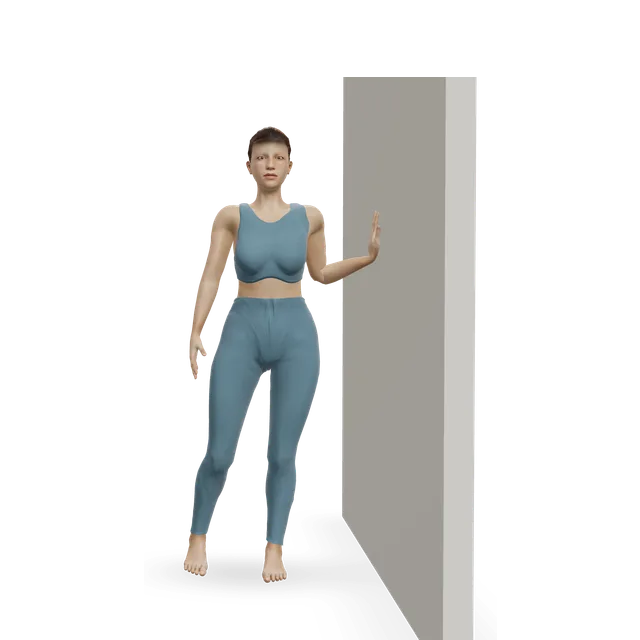
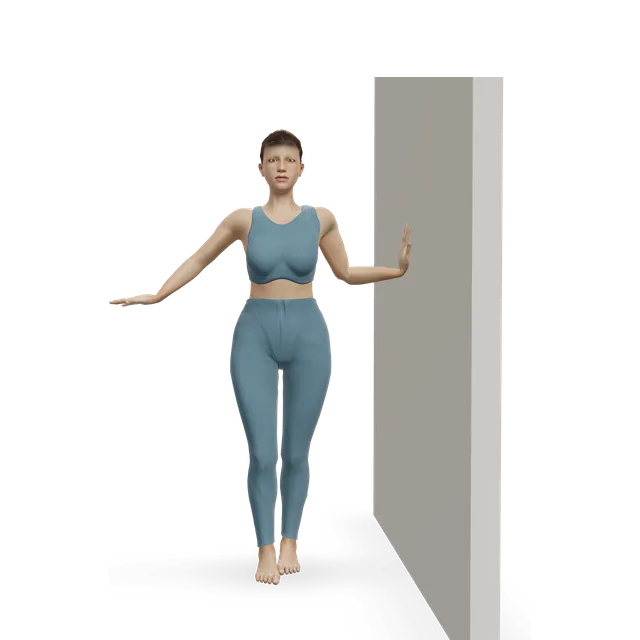
Choose the level that suits you that day: the MS Society's free Pilates videos include seated, seated-and-standing and floor-to-standing sessions, and the MS Trust suggests standing for some exercises when you can. When balance is affected, the international recommendations suggest adapting the exercise or the environment. Our suggestion: do standing balance work next to a wall, worktop or sturdy chair.
Pilates adds balance and control. For fatigue and mobility, NICE names aerobic and progressive strength exercise as well, so keep walking or cycling and strength work in your week.
Start here, or stay seated for the whole session on a day when standing is hard. Start with about 4 repetitions of each move and build up slowly; the workout below gives doses.
 3D demoLateral breathing (Pilates breathing)Beginner · No equipment
 3D demoSeated marchBeginner · A bench or box
 3D demoSeated upper-back lift (sit tall, shoulders back)Beginner · A bench or box
 3D demoThoracic rotationBeginner · No equipment
 3D demoSeated overhead side bendBeginner · A bench or box
 3D demoSeated knee extension (chair)Beginner · A bench or box + Something with weight
Keep a hand on a wall, worktop or sturdy chair for every balance move. Our editorial starting point for the balance holds is 2 or 3 holds of 10 to 30 seconds.
Only if you can get down to the floor and up again safely; practise that with someone nearby if your balance is poor. Start with 4 repetitions of each move and add 2 every fortnight, up to 10, as in the home Pilates trial.
 3D demoPelvic tilt into bridgeBeginner · No equipment
 3D demoDead bug heel tapsBeginner · No equipment
 3D demoKnee foldBeginner · No equipment
 3D demoSide kick (Pilates side kick series)Beginner · No equipment
 3D demoClamshellBeginner · No equipment
 3D demoBird dog, one limb at a timeBeginner · No equipment
 3D demoBird dogBeginner · No equipment
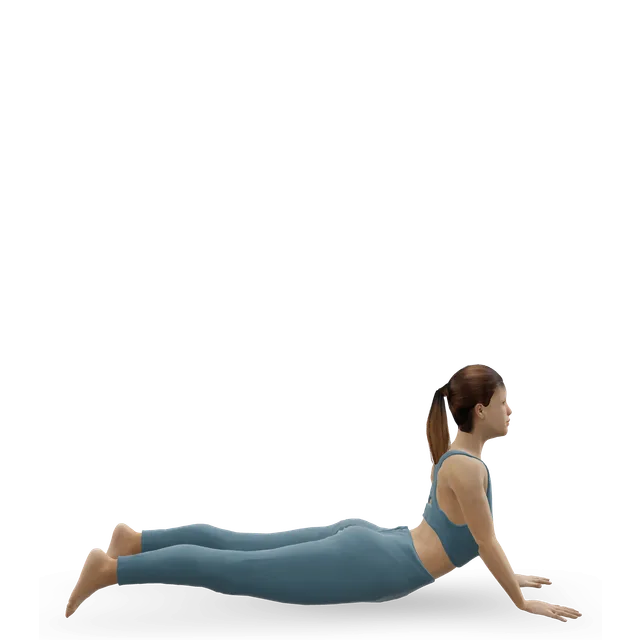 3D demoSwan (Pilates swan dive)Intermediate · No equipment
 3D demoSupine hamstring stretch with a strapBeginner · No equipment
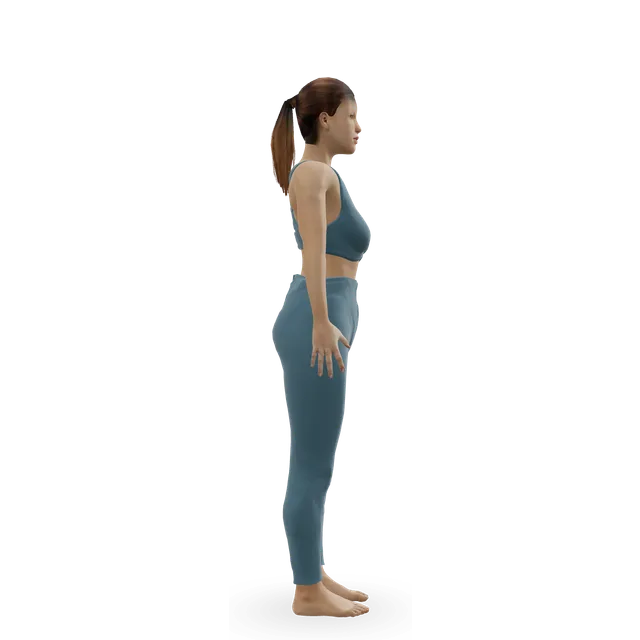 3D demoGet up and down from the floorBeginner · No equipment
The Pilates for MS workout has seated, standing and mat parts that you can mix to suit the day. The seated MS workout adds cardio and strength from a chair.
A 25-minute Pilates workout for multiple sclerosis (MS): seated, standing and mat parts, balance next to support, and gentle strength that builds slowly.
25 minBeginner14 movesA bench or box, A wallA 25-minute workout done sitting, in a chair or wheelchair: seated cardio intervals, light strength work, posture and stretches, with pacing and cooling built in.
25 minBeginner14 movesA bench or box, A dumbbellA 20-minute chair Pilates workout for beginners and older adults: breathing, sitting tall, gentle spine and leg moves, and a standing finish at the chair.
20 minBeginner14 movesA bench or box, Something with weightA 20-minute beginner mat Pilates session for over-50s with no deep or repeated rounding of the spine, plus back strengthening and standing balance.
20 minBeginner13 movesA wallBalance practice in 10 minutes: tandem stance, single-leg stands, marches, heel walks, tree pose and floor transfers.
10 minBeginner7 movesA wall, A bench or boxA 40-minute strength and balance session for over-65s, built from the Otago home programme and NHS exercises, using a chair, a counter and a step.
40 minBeginner18 movesA bench or box, Something with weightOnce the MS workout feels easy, this plan gives three short sessions a week (two on the mat, one at a wall) with easy walks in between. On harder days, swap in the seated or standing parts of the MS workout.
A relapse is new symptoms, or old ones getting worse, that last more than 24 hours, after at least a month of stable symptoms, with no infection or other cause. Contact your MS team if you think you're having one.
Heat, an infection such as a urine infection, stress or tiredness can make symptoms worse for a while (sometimes called a pseudo relapse). Symptoms brought on by heat should improve within a few hours once you cool down. If they don't settle, contact your MS team; your GP can check for an infection.
Our suggestion: rest from your Pilates programme, ask your MS team when to restart, then build up gently from a lower level.
Source 36
The NHS says to call 999 (911 in the US) or go to A&E if you suddenly get any of these, as they could be signs of a stroke. Don't drive yourself.
Source 13
The MS Trust suggests getting advice more urgently for:
Source 36
If severe symptoms come on extremely fast, use NHS 111 or go to A&E.
Source 36
The MS Society's helpline is 0808 800 8000.
Source 3
NICE says regular exercise doesn't harm MS, and in 40 trials exercise didn't raise the risk of a relapse.
Heat-related symptoms are "not usually due to new MS damage" and settle within a few hours of cooling down.
Source 10
In the largest trial, Pilates was no better than relaxation for walking speed, a review found it no better than other therapies, and yoga and water exercise ranked higher for balance and walking in one analysis.
The MS Trust says that attitude "does not apply in MS", and that it's not a good idea to work through fatigue.
Source 12
It improves balance tests, but none of the Pilates trials we reviewed counted falls, and the evidence that exercise prevents falls in MS is very low certainty.
Seated Pilates improved sitting balance and posture in wheelchair users with MS, and the MS Society has a free seated Pilates video.
Yes, as one good option. NICE says exercise including yoga and Pilates may help MS fatigue, and a 2026 analysis of 22 small trials found better balance and everyday mobility than in control groups, though at low certainty. It hasn't been shown to be better than other exercise.
It may. Home Pilates on DVD reduced fatigue in 80 people with mild MS, and NICE names Pilates for fatigue, but results vary between trials. Stop before you're exhausted: the MS Trust says it's not a good idea to work through fatigue.
Balance, mostly yes: Pilates improved balance and the Timed Up and Go test in reviews of small trials. Walking speed didn't improve more than with relaxation in the largest trial, and none of the Pilates trials we reviewed counted falls.
Neither is clearly better: one study favoured Pilates for walking speed, an analysis ranked yoga first for balance, and online versions of both helped about equally. Choose the one you enjoy and can keep doing, which is also NICE's advice.
In a trial of 38 people, mat and reformer Pilates gave similar gains, with a little more trunk strength from the reformer. Choose whichever you can get to; getting on and off a reformer takes some balance, so ask for help at first.
Yes. Seated Pilates improved sitting balance, posture and pain in wheelchair users with MS, and the MS Society has free seated and seated-and-standing Pilates videos. The MS Trust suggests standing when you can, to keep your standing muscles strong.
We'd avoid it: about 6 in 10 people with MS are sensitive to heat, which can bring on symptoms for a few hours. In any class, take cold water and stand near a fan or open window.
Twice a week was the most common schedule in the trials, usually for 8 to 12 weeks. Start with about 4 repetitions of each move and add 2 every fortnight, up to 10, and keep up aerobic and strength exercise too.
There's no sign that it does: in 40 trials, exercise didn't raise the risk of a relapse, and NICE says regular exercise doesn't harm MS. Symptoms that flare with heat or tiredness usually settle with rest and cooling down.
Stop, rest and cool down: symptoms brought on by heat should improve within a few hours. If new or worse symptoms last more than 24 hours with no infection or other cause, contact your MS team. Sudden weakness in one arm, loss of vision or problems with balance need 999.
Supervised Pilates gave bigger gains than the same programme at home in one trial, but home Pilates still helped, and online classes helped in small trials. A neuro-physiotherapist or a teacher who adapts the class for you is ideal.
The MS Society lists bladder symptoms among those Pilates can help with, but we found no MS trial that tested it. For bladder control, ask a continence adviser, MS nurse or physiotherapist about pelvic floor exercises; our pelvic floor Pilates guide shows how to add them.
Exercise education, not a personal prescription, and clinical review of these guides is pending. If you are pregnant, have a health condition or have had recent surgery, check with a doctor, midwife or physiotherapist before starting, and stop for sharp or increasing pain. Health disclaimer.