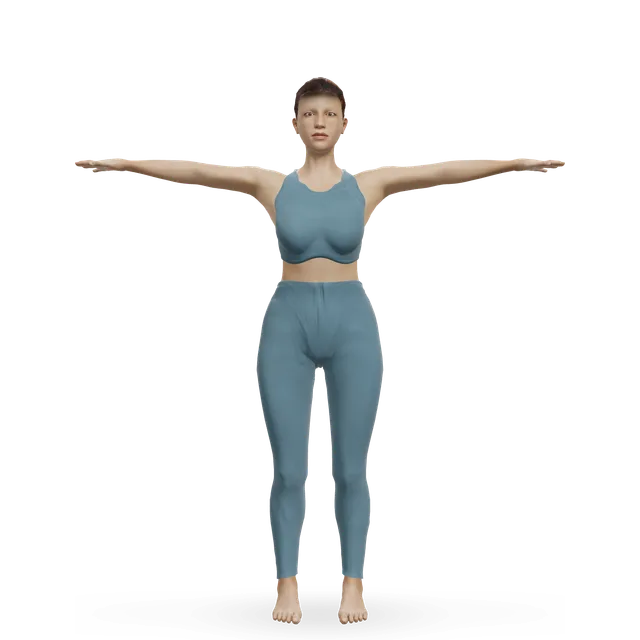
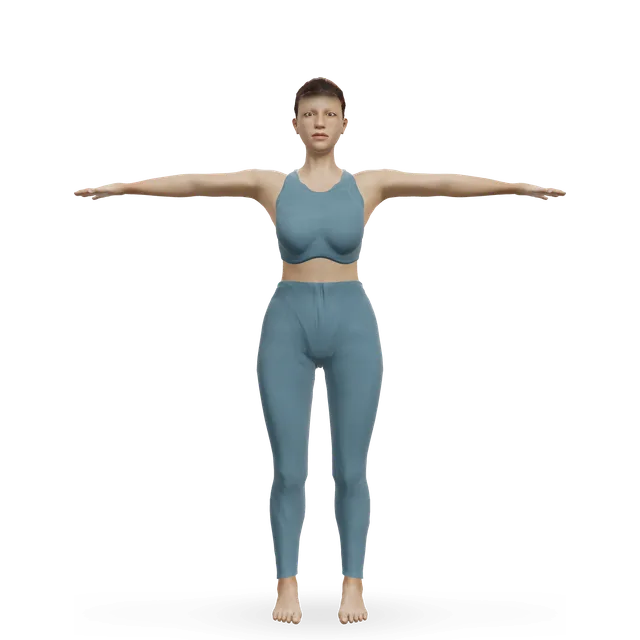
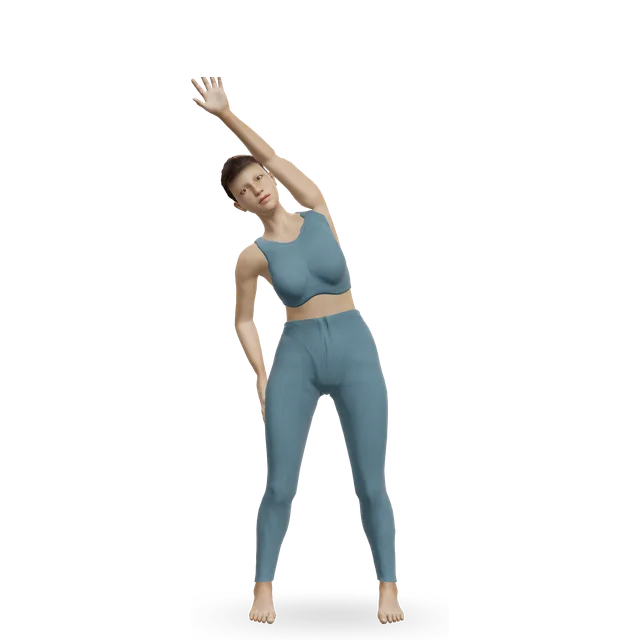
Yoga with a chair for support
You sit on a solid chair without wheels, or stand holding its back. In the UK's Gentle Years Yoga programme, everything can be done seated if you need to.
Yoga guide
Chair yoga is yoga done sitting on a chair, or standing with the chair for support: breathing, gentle stretches and twists, and relaxation. It suits anyone who finds standing or the floor hard, people with arthritis, multiple sclerosis (MS), Parkinson's or a spinal cord injury, and anyone at a desk. In the UK's chair yoga programme for older adults, everything can be done seated.
In trials it was safe, eased arthritis pain, lifted mood or quality of life in some groups and lowered stress at work. But seated yoga doesn't train balance, hasn't been shown to prevent falls and burns few calories.
This guide covers who it suits, what the trials found, choosing a chair, wheelchair and desk versions, warning signs and how much to do, with every move shown in 3D and a 15-minute seated routine.
You sit on a solid chair without wheels, or stand holding its back. In the UK's Gentle Years Yoga programme, everything can be done seated if you need to.
It eased how much arthritis pain got in the way of daily life and improved quality of life in a small dementia trial. In the largest trial, a 12-week course for older adults didn't improve quality of life overall, though it was safe and probably good value.
Fifteen minutes of seated yoga lowered office workers' stress, and workplace yoga programmes lowered perceived stress in a review of studies.
In a small trial in people with spinal cord injury, 6 weeks of seated yoga lowered depression scores. Guidelines also ask for aerobic and strength exercise, which chair yoga alone doesn't give you.
Seated exercise had no effect on balance or mobility across 14 trials. Experts advise using chair exercise as a starting point toward standing exercise.
Chair yoga measured at a light intensity in older adults, below chair aerobics, and no trial has tested it for weight loss.
Source 11
The British Wheel of Yoga's Gentle Years Yoga was designed for older adults, including people with arthritis, high blood pressure and memory problems. Its trial report says chairs are used for seated exercise and for support when standing, and that all of the yoga can be done seated. A 75-minute class ran: 5 minutes of housekeeping, 5 of breathing and focus, 30 to 35 of warm-up and mobility, 10 to 15 of focused poses and rest, 5 to 10 of breathing, and 5 to 10 of relaxation.
Trials have included older adults with several long-term conditions, people with hip or knee arthritis who couldn't do standing exercise, people with dementia, Parkinson's, MS or spinal cord injury, psychiatric inpatients and office workers. The NHS sitting exercises suit people who have not done much exercise for a while. It isn't only for older people.
The NHS suggests a solid, stable chair that doesn't have wheels, without arms so you can move freely, with your feet flat on the floor and your knees at right angles. Wear loose clothes and keep water nearby. After a hip replacement, use a chair with arms while you recover, as our seniors guide explains. In a wheelchair, put the brakes on.
Source 2
The trial's teachers recommend a one-to-one chat before the first class, small classes, simple and repetitive moves, breath awareness throughout, plenty of demonstration and plain, inclusive language. They suggest guiding how a pose should feel rather than how it should look. Online classes worked well, and some people preferred them.
In 29 adults aged 62 to 87, chair yoga, chair tai chi and a seated ball class ran at a light intensity, while seated and standing aerobics reached moderate intensity. The Older Adult Compendium of Physical Activities rates chair yoga at 2.8 and chair-based conditioning classes at 3.8 on its scale for people over 60, where 3 and above counts as moderate.
In the Gentle Years Yoga trial, 454 adults aged 65 and over (average age 73.5, 61% women) with two or more long-term conditions were offered 12 weekly 75-minute classes or usual care. Over 12 months, quality of life, anxiety, low mood and loneliness didn't differ, and there were no fewer falls. There were no serious related side effects, and 7 people had new or worse muscle or joint pain. It cost about £4,546 per quality-adjusted life year (a measure of years lived in good health), with a 79% chance of counting as good value at the £20,000 threshold the NHS usually uses. An earlier pilot in 52 inactive older adults had found better health status and well-being at 3 months.
In 131 older adults with hip or knee arthritis who couldn't do standing exercise, chair yoga twice a week for 8 weeks eased how much pain got in the way of daily life more than health education did, still 3 months later. It also eased pain and tiredness and improved walking speed during the programme, gains that didn't last, and had no effect on balance. Frailer people gained more pain relief. In a small pilot, chair yoga and chair exercise improved function about equally.
A review of 10 studies in people with mild cognitive impairment or dementia, 4 of them chair yoga, found most reported benefits, but every study was at high risk of bias. In a trial across 3 community sites with 31 people, most with moderate to severe dementia, chair yoga improved quality of life more than music, with no differences in physical function or behaviour. Nine people with moderate to severe Alzheimer's disease completed an 8-week programme, in a study without a control group, and an online, remotely supervised version was feasible for 10 people.
In 16 people with Parkinson's, 8 weeks of online chair yoga twice a week was followed by small improvements in movement, mood and quality of life scores, but there was no control group and several changes were below what counts as clinically meaningful. Across 14 trials, yoga in general was safe in mild to moderate Parkinson's, and in the 5 that could be pooled it helped movement symptoms more than no treatment. In 138 people who could stand unaided, mindfulness yoga matched stretching and strength training for movement and eased anxiety and low mood more.
In 56 psychiatric inpatients, 20-minute chair yoga sessions twice a week for 12 weeks improved flexibility, grip, leg endurance and confidence about not falling, still 6 weeks later. In 35 care-home residents, 14 weeks of chair yoga didn't improve fitness. In 16 people around 88 years old who had fallen before, modified chair yoga was safe and eased fear of falling, in a study without a control group.
Across 14 trials of seated exercise in older adults with health conditions, it improved thinking skills a lot and strength, mood and quality of life a little, but had no effect on balance or mobility. Chair yoga had no effect on balance in the arthritis trial. Experts agreed that, where possible, chair-based exercise should be a starting point toward standing programmes.
Yoga, mostly standing, improved balance a little in people aged 60 and over. But in a trial of 700 older adults, a year of Iyengar yoga classes, mostly online, led to more falls than seated relaxation, and the Gentle Years Yoga trial didn't reduce falls either.
If you can stand, hold the back of the chair for mountain, chair pose, warrior II and tree pose, as our chair yoga for seniors workout does, and add standing balance exercise. Keep seated-only yoga for days when standing isn't possible or for a desk break.
In 23 people with spinal cord injury, 6 weeks of seated Iyengar yoga, two 50 to 60 minute classes a week, lowered depression and raised self-compassion compared with a waiting list, with no reported side effects. Classes included arm work, arms overhead, a gentle twist each way and neck stretches, then breathing and concentration.
Other studies are small or untested. In 48 people in rehabilitation, yoga with naturopathy improved function, but so did routine care. A wheelchair yoga module passed an expert review but hasn't been trialled, and people with spinal cord injury describe cost, transport and teachers who don't understand their injury as barriers.
In 81 people with MS, three 60-minute sessions a week for 12 weeks of movement to music improved walking tests, while adapted yoga didn't differ from a waiting list. Our exercise with MS guide and its seated workout cover more.
Source 34
World Health Organization guidance for people living with disability says the health benefits of physical activity generally outweigh the risks. Adults with spinal cord injury are advised to do at least 20 minutes of moderate to vigorous aerobic exercise twice a week and strength exercises for each working muscle group twice a week. Chair yoga is light, so it adds flexibility, breathing and calm alongside those, not instead.
Put the brakes on, shift your weight every 10 to 15 minutes if pressure sores are a concern, and if your shoulders hurt, keep arm reaches at or below shoulder height, as our wheelchair users guide advises. With a spinal cord injury at the sixth thoracic level (T6) or above, empty your bladder first and watch for autonomic dysreflexia, a sudden rise in blood pressure with a pounding headache and sweating or skin changes above the injury: the warning signs below say what to do.
Source 36
In 20 office workers, 15 minutes of chair-based yoga at the desk lowered stress compared with normal work. In 94 home workers, in a study that wasn't randomised, 10 minutes of yoga a day for a month eased aches in the neck, back, wrists and hips and lifted mood. Across 6 workplace studies, yoga lowered perceived stress compared with no programme, with some concerns about bias, and a review of 13 workplace trials reported no harms.
In 150 office workers with mild to moderate neck and shoulder pain, a weekly 30-minute hatha class for 4 weeks, with practice at home, did about as well as stretching. Muscle aches were the commonest side effect.
Source 39
As our sitting guide explains, the UK's Health and Safety Executive says short, frequent breaks are better than long, rare ones; the guide covers how often to get up and move. Our desk stretches and desk movement break are standing options.
Sessions lasted 10 to 75 minutes, usually twice a week, for 6 to 12 weeks: 75 minutes weekly for 12 weeks for older adults; 45 minutes twice a week for 8 to 12 weeks in arthritis and dementia; 50 to 60 minutes twice a week in Parkinson's and spinal cord injury; 20 minutes twice a week in psychiatric care; and 10 minutes a day for home workers.
Our editorial starting point is 15 to 20 minutes, at least twice a week as the NHS suggests for its sitting exercises, or a 5 to 10 minute seated break once or twice a working day. Over 65, it counts toward the advice to do strength, balance and flexibility activities on at least 2 days a week, but seated work doesn't train balance, so include standing work when you can. Everyone should still aim for 150 minutes of moderate activity a week, as able.
Sit on a solid chair, or in your wheelchair with the brakes on, and do breath reach and chin tuck sitting even though their demos stand; if your shoulders hurt, keep every reach at or below shoulder height.
 3D demoSlow breathing (6 breaths a minute)Beginner · No equipment
 3D demoBreath reachBeginner · No equipment
 3D demoAlternate nostril breathing (Nadi Shodhana)Beginner · No equipment
 3D demoSeated upper-back lift (sit tall, shoulders back)Beginner · A bench or box
 3D demoChin tuckBeginner · No equipment
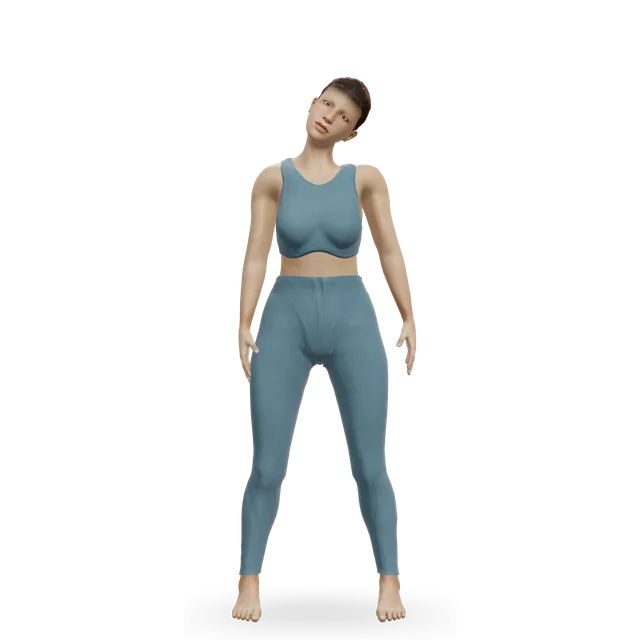 3D demoSide neck stretchBeginner · No equipment
 3D demoUpper trap releaseBeginner · No equipment
 3D demoShoulder rollsBeginner · No equipment
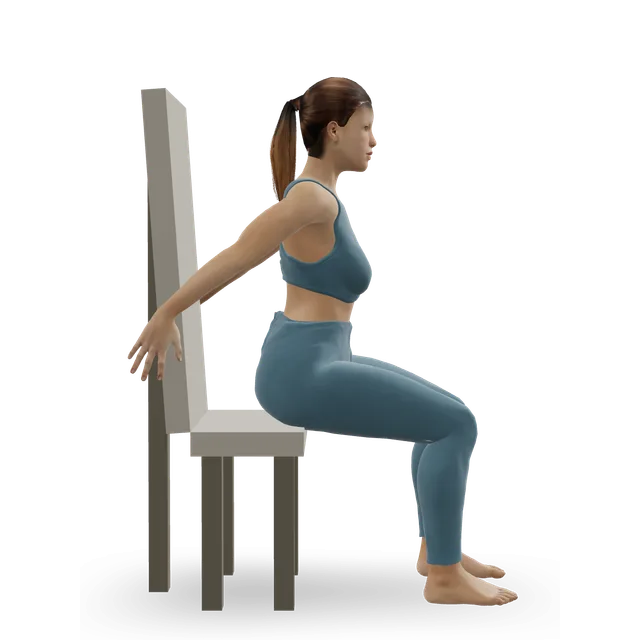 3D demoChair chest and shoulder stretchBeginner · A bench or box
 3D demoCross-body shoulder stretchBeginner · No equipment
Do cat-cow and the twist sitting, though their demos show other positions, keep any rounding small and hinge from your hips if you have osteoporosis, and ask a physiotherapist before wrist stretches if your grip is weak.
 3D demoCat-cowBeginner · No equipment
 3D demoSeated overhead side bendBeginner · A bench or box
 3D demoThoracic rotationBeginner · No equipment
 3D demoTable slide (seated forward reach)Beginner · A bench or box
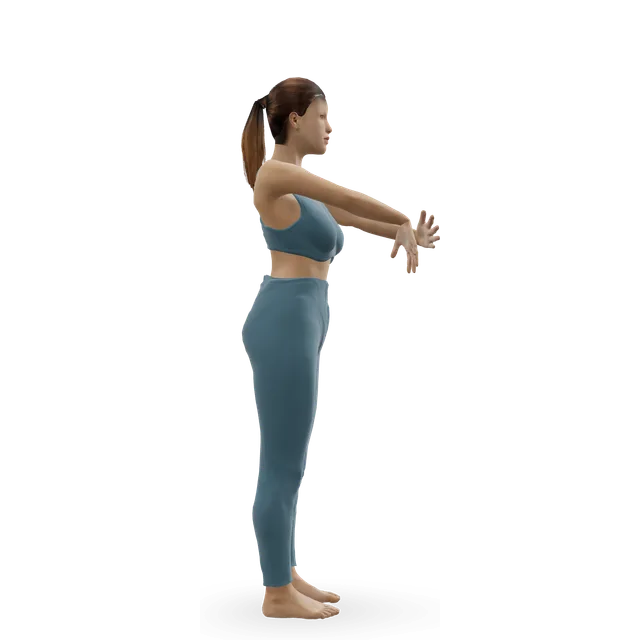 3D demoWrist extensor stretch (tennis elbow stretch)Beginner · No equipment
 3D demoSeated marchBeginner · A bench or box
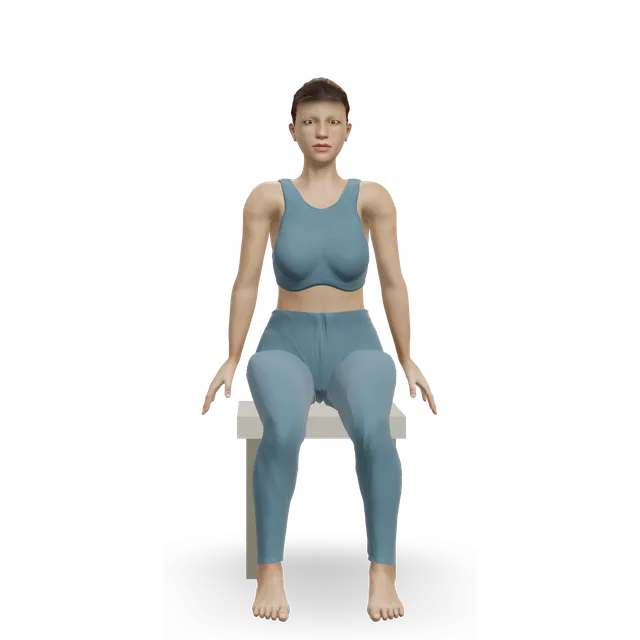 3D demoChair leg extension and sweepBeginner · A bench or box
 3D demoSeated knee extension (chair)Beginner · A bench or box + Something with weight
 3D demoAnkle circlesBeginner · No equipment
This is the part that trains balance: hold the back of a stable chair and follow the doses in our chair yoga for seniors workout, which keeps the tree pose foot at your ankle at first.
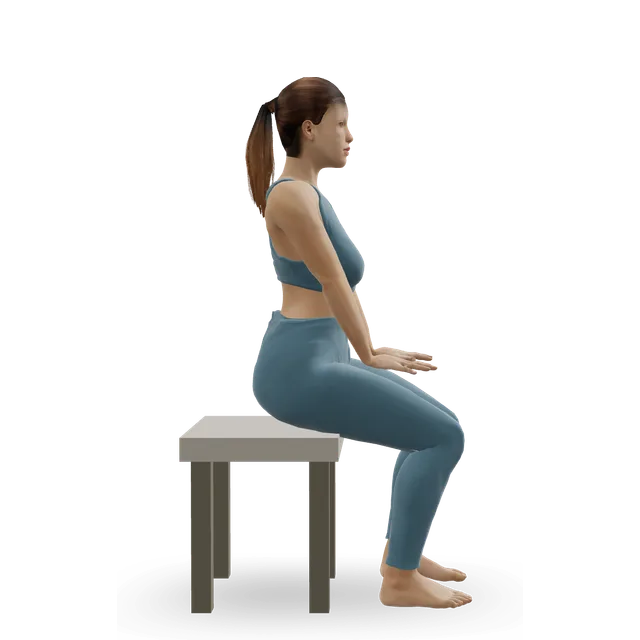 3D demoSit to stand, pushing on the thighsBeginner · A bench or box
 3D demoMountain pose (Tadasana)Beginner · No equipment
 3D demoChair pose (Utkatasana)Beginner · No equipment
 3D demoWarrior II (Virabhadrasana II)Intermediate · No equipment
 3D demoTree pose (Vrksasana)Beginner · No equipment
 3D demoSlow calf raiseBeginner · A wall
The 15-minute seated routine is done entirely sitting, for a desk, a wheelchair or days when you can't stand. The 20-minute chair yoga for seniors adds a standing block at the chair. The others are chair-based strength, Pilates, wheelchair and desk sessions.
A 15-minute chair yoga routine done entirely sitting: slow breathing, neck, shoulder and wrist stretches, seated twists and side bends, and a calm finish.
15 minBeginner16 movesA bench or boxA free 20-minute chair yoga class for older adults: slow breathing, gentle seated stretches and twists, standing poses holding the chair, and a calm finish.
20 minBeginner18 movesA bench or box, Something with weightA 20-minute seated workout for older adults who cannot stand for long: marching, leg and arm strength, posture, and sit-to-stands that lead back to standing.
20 minBeginner11 movesA bench or box, Something with weightA 20-minute chair Pilates workout for beginners and older adults: breathing, sitting tall, gentle spine and leg moves, and a standing finish at the chair.
20 minBeginner14 movesA bench or box, Something with weightA 30-minute workout in your wheelchair: a warm-up, seated cardio, four shoulder exercises from a trial programme, and stretches for the front of the shoulders.
30 minBeginner14 movesA bench or box, A bandA 25-minute workout done sitting, in a chair or wheelchair: seated cardio intervals, light strength work, posture and stretches, with pacing and cooling built in.
25 minBeginner14 movesA bench or box, A dumbbellA quick stretch break you can do beside your desk: neck, back, chest, wrists, hips and quads.
5 minBeginner7 movesA wallA 3-minute standing break to repeat every 30 to 60 minutes at your desk: sit-to-stands, calf raises, marching, an upper-back turn and chin tucks.
3 minBeginner5 movesA bench or box, A wallFor chest pain or tightness that spreads to your arms, neck or jaw or doesn't settle with rest, signs of a stroke, or a fall in which you may have hurt your head, neck, back or hip, or can't get up. Our older adults guide has the full list.
It can affect people with a spinal cord injury above T6. The signs are a sudden, severe rise in blood pressure with a pounding headache, a darker, blotchy skin tone and heavy sweating above the injury, pale skin below it, a stuffy nose, blurred vision, a tight chest, or a very slow or fast heartbeat. A full bladder, a blocked bowel or damaged skin are common causes. Sit up and lower your legs, loosen anything tight, and look for the cause: your bladder first, then your bowel, then your skin. Call 999 (911 in the US) if you can't find it or the symptoms don't settle.
Source 36
Dizzy, faint, unusually breathless, or sharp or increasing pain. Sit until it passes, and see a GP if you keep getting dizzy or faint when you stand up.
If you're unsure the exercises suit you, check with a GP or a health professional involved with your care, as the NHS advises. Start with a trained teacher or physiotherapist if you're frail, have moderate to severe dementia, have had a spinal fracture or fall regularly.
Source 2
Ask your GP about a falls assessment. The NHS says that if you've fallen or are worried about falling, strength, balance and flexibility exercise will help make you stronger and more confident on your feet. Chair yoga alone won't train balance, so add standing work at the chair when you can.
Our suggestions, following the UK osteoporosis consensus, the American Academy of Ophthalmology and our seniors guide:
Trials included office and home workers, people with spinal cord injury and psychiatric inpatients in their 50s, and the NHS sitting exercises suit anyone who hasn't exercised for a while.
Seated exercise had no effect on balance or mobility across 14 trials, and chair yoga had no effect on balance in arthritis.
No chair yoga trial has measured weight, chair yoga is light activity, and exercise can't burn fat from one spot, as our yoga for weight loss guide explains.
Source 11
It's a real, safe practice with modest benefits in trials, such as less arthritis pain getting in the way and better quality of life in some groups. What gets oversold is weight loss, balance and falls.
The largest trial found no fewer falls. Preventing falls needs balance-challenging standing exercise.
It counts as activity, and for over-65s it counts toward strength, balance and flexibility, especially with the standing part. It's light, so add brisker activity for your 150 minutes a week.
Yoga done sitting on a chair, or standing with the chair for support, with breathing and relaxation. Everything can be done seated if you need to.
Anyone who finds standing or the floor hard: older adults, people with arthritis, MS, Parkinson's or a spinal cord injury, and people at a desk. It isn't only for seniors.
For specific things, modestly. In trials it eased how much arthritis pain got in the way and lifted mood or quality of life in some groups. In the largest trial, a 12-week course didn't improve older people's quality of life overall, though it was safe and probably good value.
Seated work doesn't: seated exercise had no effect on balance or mobility across 14 trials. For balance, add standing poses holding the chair.
Unlikely. It's light activity and no trial has measured weight loss; chair aerobics burns more, and our yoga for weight loss guide covers what helps.
A solid, stable chair without wheels, ideally without arms, where your feet rest flat with your knees at right angles. A wheelchair with the brakes on works too.
Twice a week matches most trials and the NHS sitting exercises. At a desk, our editorial suggestion is a 5 to 10 minute session once or twice a working day.
Yes. In a small trial in people with spinal cord injury, 6 weeks of seated yoga lowered depression scores. Shift your weight regularly, protect your shoulders, and know the signs of autonomic dysreflexia if your injury is at T6 or above.
For hip and knee arthritis, one trial found pain got in the way less for at least 3 months. For back pain and sciatica, our yoga for back pain guide covers the evidence; stop for pain that spreads down a leg.
Yes. Fifteen minutes of seated yoga lowered stress in office workers, and 10 minutes a day eased aches in home workers. Our seated routine works at a desk.
No trial has compared them directly. Chair yoga and chair tai chi are similarly light, while brisk walking is moderate exercise and counts toward your 150 minutes a week.
Generally yes, with care. Hinge from your hips rather than rounding your back, and ask your GP about a falls assessment after a fall. Our seniors guide covers both.
Exercise education, not a personal prescription, and clinical review of these guides is pending. If you are pregnant, have a health condition such as glaucoma, high blood pressure or osteoporosis, or have had recent surgery, check with a doctor, midwife or physiotherapist before starting, and stop for sharp or increasing pain. Health disclaimer.