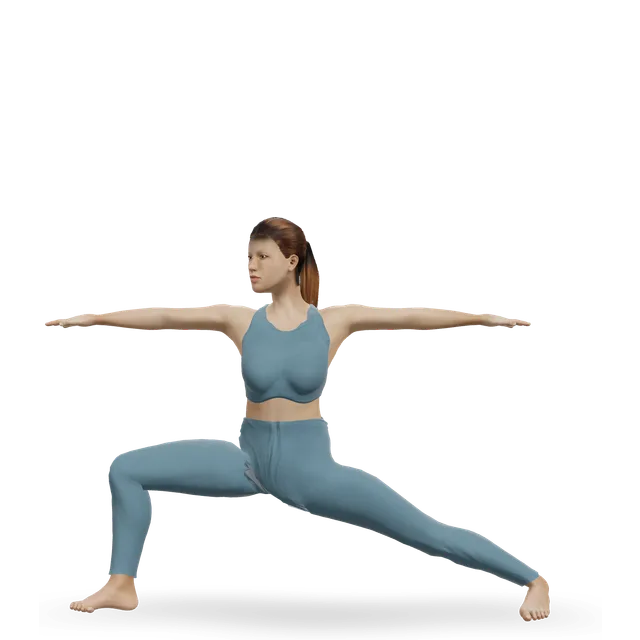
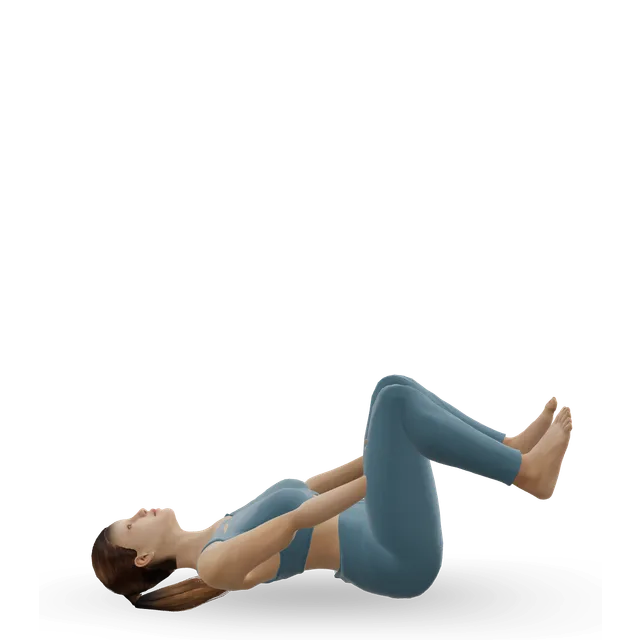
Fewer men do yoga
In the US in 2022, 10.3% of men practised yoga against 23.3% of women, and 87% of UK practitioners in one survey were women.
Yoga guide
Only about 1 in 10 US men does yoga, against nearly 1 in 4 women, and most of the yoga research we read was in women. But trials that recruited mostly men, from military veterans with back pain to heart attack survivors and athletes, found less back pain, better recovery and gains in flexibility and fitness.
Yoga complements strength training rather than replacing it, and the claims about testosterone and sexual health rest on little evidence.
This guide covers what the trials in men show, flexibility for stiff beginners, how yoga fits with lifting and sport, sexual health and the prostate, and how to start, with every pose shown in 3D and routines to follow.
In the US in 2022, 10.3% of men practised yoga against 23.3% of women, and 87% of UK practitioners in one survey were women.
In a 73-study review of yoga nidra, 68% of participants whose sex was reported were women, and most people in the main review of yoga for back pain were women in their 40s or 50s. Some trials were mostly men, and they're the focus here.
In 150 military veterans, three-quarters of them men, yoga improved back-related disability and pain. In 3,959 heart attack survivors, mostly men, yoga-based cardiac rehabilitation improved self-rated health and return to normal activities.
After 12 weekly hatha classes, men's sit-and-reach improved about 6 cm and their push-ups and fitness rose too. Whether men gain more or less range than women is unsettled.
Strength training improves range of motion about as much as stretching, and yoga alone builds little upper-body strength. Keep lifting, and save long holds for after training or rest days.
Studies of erectile dysfunction and premature ejaculation are small and mixed, and we found no randomised trial of yoga and testosterone in healthy men. Erection problems that keep happening need a GP.
In the US in 2022, 16.9% of adults practised yoga: 23.3% of women and 10.3% of men. Men who did were more likely to use it to treat or manage pain (31.8% against 27.5%). In a UK survey of 2,434 practitioners, 87% were women, and in Australia 2.0% of men and 10.9% of women do yoga, as a 2024 study reports.
We found no count of men across yoga trials, but the studies we read lean heavily female. The US National Center for Complementary and Integrative Health (NCCIH) says yoga research has been done mostly in predominantly female, well-educated people. In a 73-study review of yoga nidra, 68% of participants whose sex was reported were women. In the trials behind our other new yoga guides, men made up 19% to 39% of participants, and one yin study included no men at all.
Some trials were mostly men: a veterans' back pain trial (74% men), a trial of yoga-based cardiac rehabilitation (86%), a yoga nidra trial in heart disease (89%) and a chair yoga trial in psychiatric inpatients (36 of 56). Men were nearly half of a Parkinson's trial (47%), and smaller trials recruited only men, from athletes to men with prostate cancer.
In focus groups, men described yoga as stereotyped as a feminine flexibility exercise and said that encouragement from people they trust, more visible male role models and welcoming teachers helped them start. In a survey of 546 practitioners, men were more motivated than women by yoga as a supplement to other training and by competition.
It's unsettled. NCCIH notes preliminary evidence that women might benefit more than men from yoga for chronic back pain. In a review of exercise for depression, yoga looked more effective in men, but the authors warn that comparisons between studies may be confounded. For flexibility, a large stretching review found bigger gains in women and a small yoga study bigger gains in men, and mind-body programmes had smaller effects in men with cancer than in mixed groups.
In 150 military veterans with long-term low back pain (74% men, average age 53), twice-weekly hatha classes for 12 weeks, with home practice, improved back-related disability more than waiting for yoga did at 6 months, though not at 12 weeks, and pain more at 12 weeks and 6 months, though the pain change was small. Fatigue, quality of life and confidence improved too, and at about $4,488 per quality-adjusted life year (a measure of years lived in good health) it was good value. In 68 service members, individual yoga sessions eased pain. In 159 people with back or neck pain at work, yoga or strength training didn't cut sickness absence more than advice, except in people who did either at least twice a week. Our yoga for back pain guide has the full evidence.
In 3,959 people after a heart attack in India (86% men), yoga-based cardiac rehabilitation improved self-rated health and return to normal activities compared with advice. Serious heart events, such as further heart attacks, strokes and deaths, weren't significantly fewer, though the trial was too small to show a difference reliably. In 144 people with heart disease (89% men), yoga nidra improved sleep. After a heart attack, follow your cardiac rehabilitation team.
Across 218 trials of exercise for depression, yoga eased symptoms more than control treatments, at very low certainty, and was among the best tolerated types of exercise. In 50 men aged 40 to 60, mindfulness yoga twice a week for 12 weeks lowered depression and raised self-esteem compared with a control group.
Across 17 trials in 666 men with cancer, mindfulness and movement programmes, including yoga, helped psychological well-being a little compared with usual care, but not compared with other active programmes. In 68 men having radiotherapy for prostate cancer, twice-weekly yoga reduced fatigue and sexual problems more than no yoga; urinary symptoms improved in both groups, with no clear difference between them. In 29 men before prostate surgery, 6 weeks of yoga improved sexual function and fatigue scores. Our exercise with prostate cancer guide covers more.
In a Hong Kong trial that wasn't randomised, men who did 12 weekly hatha classes, with practice at home, improved their sit-and-reach by about 6 cm, against almost no change in men who didn't do yoga, and their push-ups and fitness rose too. The men in the yoga group started much stiffer than those in the comparison group.
Source 8
In 26 male college athletes, twice-weekly yoga for 10 weeks improved flexibility and a one-leg balance test. In 31 rugby players, yoga twice a week during the season kept hamstring flexibility steady while the others lost about 15%, with no clear effect on sprint speed. In 82 cricketers, 6 weeks of yoga improved core stability, flexibility and balance.
Our flexibility guide explains that people who start least flexible gain the most from stretching, and in the Hong Kong trial the men who did yoga started much stiffer than the comparison group and still improved. Use blocks and straps, bend your knees in forward folds, and hold each stretch for 30 to 60 seconds, the flexibility guide's starting point.
Source 8
In 11 trials, strength training through a full range improved range of motion about as much as stretching, so lifting well builds some mobility too. Yoga's standing poses load the legs, and hatha classes raised push-ups in mostly inactive men, but 24 weeks of yin didn't raise upper-body strength. Our exercise for men guide asks for strength training on 2 to 3 days a week.
In a review of studies, static stretching for 60 seconds or more per muscle just before power work cut performance by 4.6%. Warm up with dynamic moves before heavy or explosive lifting, and do long yoga holds after training or on rest days.
Source 13
In 20 male athletes, 15 minutes of yoga after high-intensity interval training (2 minutes of breathing, six poses held for 50 seconds twice, and 3 minutes of rest lying down) slowed breathing faster and raised heart rate variability more in the first 10 to 15 minutes than 15 minutes of static stretching. It's a small, short-term finding and doesn't show better strength gains.
Source 41
Our editorial suggestion: strength training on 2 to 3 days, 1 or 2 yoga sessions of 20 to 60 minutes after lifting or on other days, and brisk walking or other cardio toward 150 minutes a week. Our flexibility routine and cool-down routine are good places to start.
Source 13
A scoping review found 10 small studies and concluded yoga may help, more so with premature ejaculation, calling for better research. A meta-analysis pooled 3 small studies of premature ejaculation, with results that varied a lot between studies. In 65 men at a 12-week yoga camp, sexual function scores improved, with no comparison group.
The NHS says occasional erection problems are usually caused by stress, tiredness or drinking too much alcohol. If they keep happening, see a GP or a sexual health clinic, because this might be a sign of a health condition that can be treated. Our exercise for erectile dysfunction guide covers what exercise can do.
Source 17
A search of a large research database found 9 records on yoga and testosterone in men, none of them a randomised trial in healthy men. There's no good evidence either way; our exercise and testosterone guide covers what affects it.
Source 16
We found no trials of yoga for male fertility or for the male pelvic floor. Our guides to exercise when trying to conceive, pelvic floor exercises and exercise with prostate cancer cover those, and our Pilates for men guide covers pelvic floor training after prostate surgery.
A beginners', gentle or hatha class is a good start, or our beginner yoga flow at home. Tell the teacher about any injuries, and if you'd feel more comfortable, go with someone you know: men in one study said encouragement from people they trusted helped them start.
Our suggestion: put blocks under your hands in lunges and forward folds, loop a strap around your foot for the hamstrings, and bend your knees as much as you need. Swap pigeon for the reclined figure four if your knees complain, and keep downward dog short, with your knees bent.
NCCIH advises beginners to avoid extreme practices such as headstands, shoulder stands, the lotus position and forceful breathing. In 76 published case reports of harm from yoga, headstand was by far the most often cited pose.
Trials in men mostly used two classes a week for 8 to 12 weeks, with practice at home; the veterans' back pain trial used 60-minute classes. In the Hong Kong trial, one 60-minute class a week plus practice at home improved men's flexibility and fitness. Our editorial starting point is 1 or 2 sessions a week alongside strength training, building up as it suits you.
In 80 men with obesity, an intensive yoga programme of 90 minutes, 5 days a week for 14 weeks, reduced weight and improved sleep quality. That's a big time commitment, and our yoga for weight loss guide covers what yoga can and can't do.
Source 44
Hold each for 30 to 60 seconds, two rounds, with props as you need them (our editorial starting point, in line with our flexibility guide), except the 90/90 switch: 10 slow switches, the move page's dose.
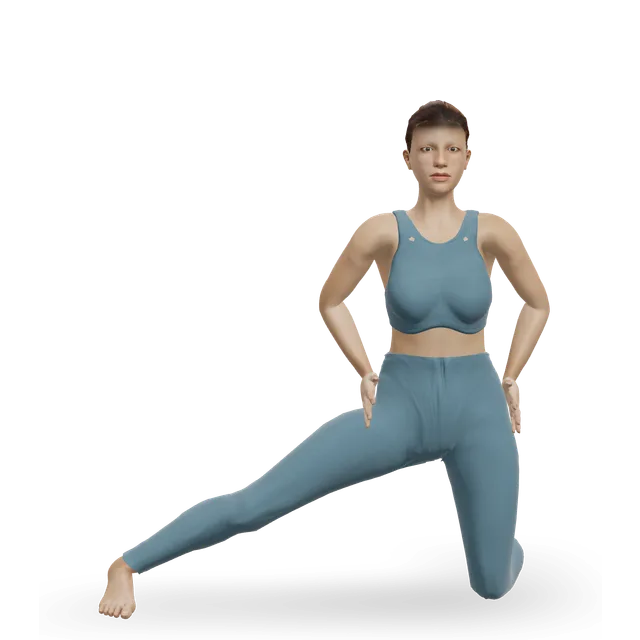
 3D demoLow lunge (Anjaneyasana)Beginner · No equipment
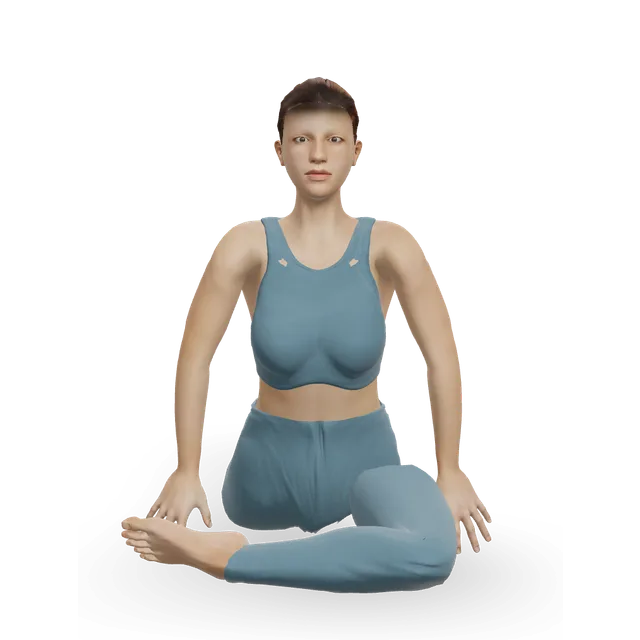 3D demoPigeon preparation (Eka Pada Rajakapotasana prep)Intermediate · No equipment
 3D demoReclined figure four (eye of the needle, Sucirandhrasana)Beginner · No equipment
 3D demo90/90 switchIntermediate · No equipment
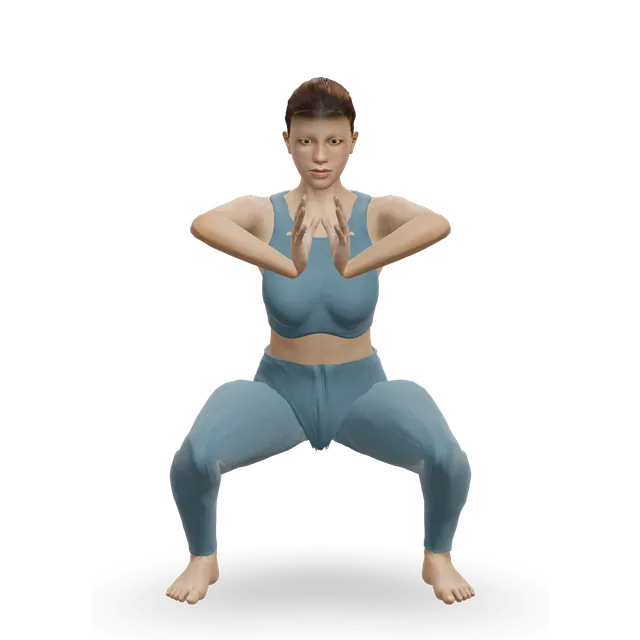 3D demoDeep squat holdIntermediate · No equipment
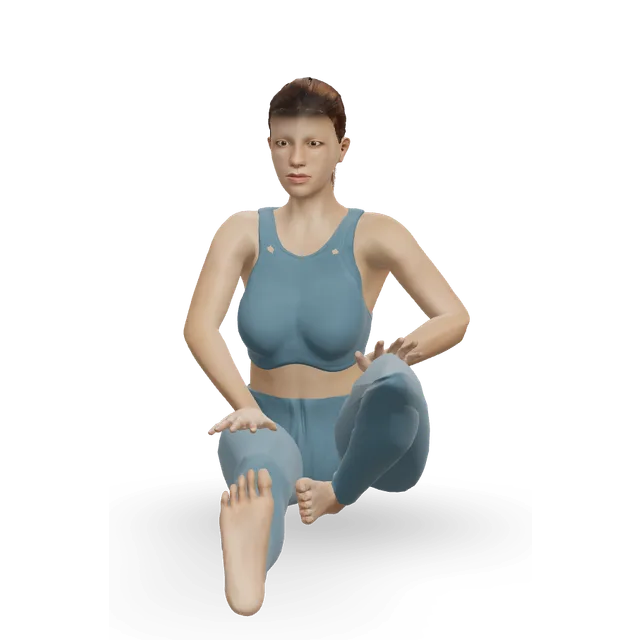 3D demoHead-to-knee pose (Janu Sirsasana)Beginner · No equipment
 3D demoSupine hamstring stretch with a strapBeginner · No equipment
 3D demoDownward-facing dog (Adho Mukha Svanasana)Beginner · No equipment
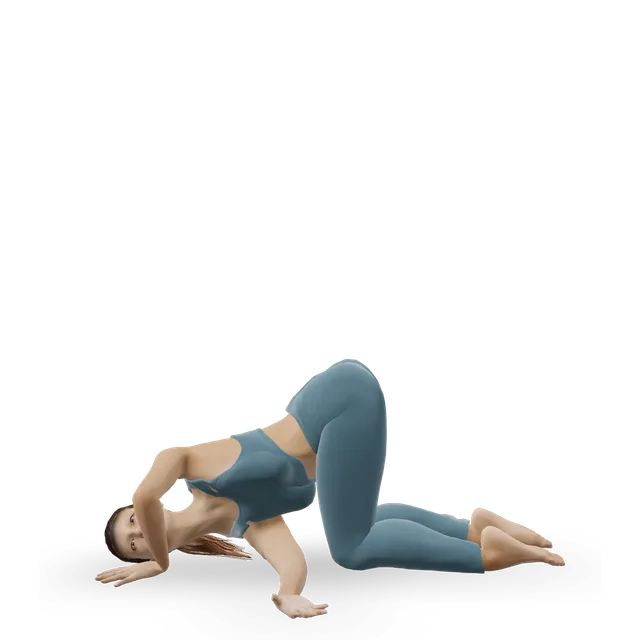
Move slowly through cat-cow, rest in child's pose, and hold thread the needle and gate pose for 30 to 60 seconds each side, 2 rounds, the move pages' dose.
Hold each for 3 to 5 breaths, 2 or 3 times (our editorial starting point), keeping your back long and knees bent in boat pose if you have osteoporosis: they add to a beginner's strength work but don't replace lifting.
 3D demoChair pose (Utkatasana)Beginner · No equipment
 3D demoWarrior I (Virabhadrasana I)Intermediate · No equipment
 3D demoWarrior II (Virabhadrasana II)Intermediate · No equipment
 3D demoHigh lunge (crescent lunge, Ashta Chandrasana)Intermediate · No equipment
 3D demoWarrior III (Virabhadrasana III)Advanced · No equipment
 3D demoLocust pose (Salabhasana)Beginner · No equipment
 3D demoSide plankIntermediate · No equipment
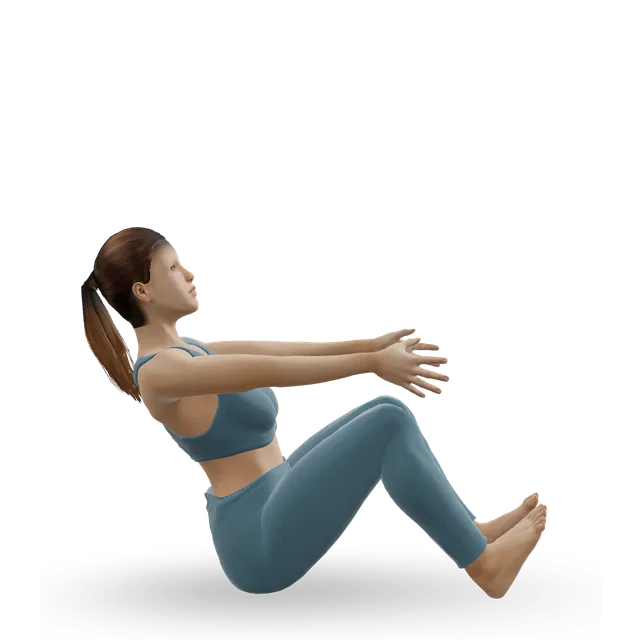 3D demoBoat pose (Navasana)Intermediate · No equipment
Start with 2 minutes of slow breathing, as in the trial of yoga after hard training, and finish in corpse pose for at least 5 minutes, up to 10, the move page's dose.
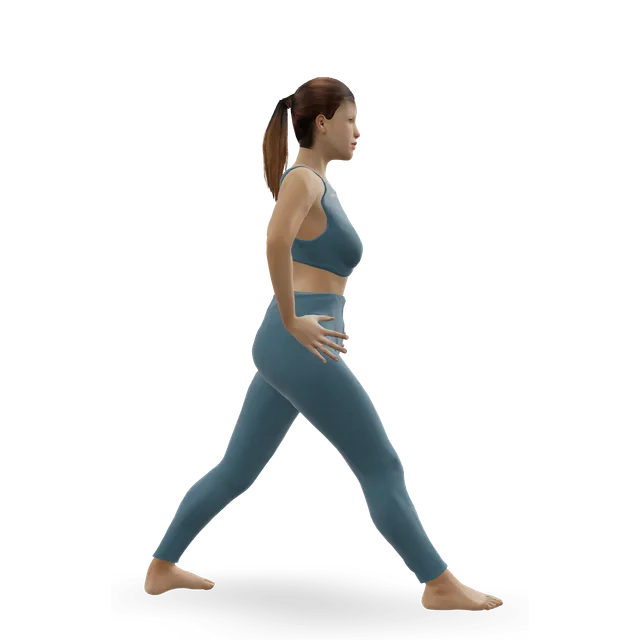
Start with the beginner yoga flow. After lifting or on a rest day, use the flexibility session or the cool-down routine; the walk and yoga workout and the sun salutation flow are the more active options.
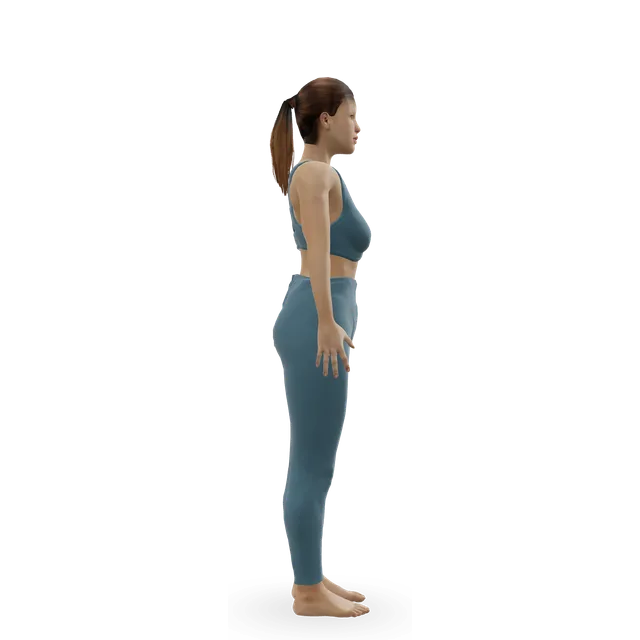
A 20-minute beginner yoga sequence: mountain, chair, warrior II, triangle, tree, down dog, cobra and child's pose.
20 minBeginner11 movesA stepA 25-minute yoga sequence for the hamstrings, hips, inner thighs, spine and shoulders, holding each pose for 30 to 60 seconds, as in the stretching trials.
25 minBeginner12 movesNo equipmentA 10-minute cool-down for after a run, a class or a gym session: a few minutes of easy movement, stretches for the muscles you used, then slow breathing.
10 minBeginner9 movesCardio machine, A wallA 45-minute session for weight loss and health: a 20-minute brisk walk, which does more for the scales, then a standing yoga flow for strength and balance.
45 minBeginner12 movesCardio machineA 20-minute flow built on sun salutations A and B, with warrior poses and a short cool-down.
20 minIntermediate8 movesNo equipmentA gentle 20-minute yoga sequence for back pain, based on the first weeks of a 12-week trial programme: lying, all-fours and standing poses, then rest.
20 minBeginner12 movesFirm cushionA 15-minute hip opener: 90/90 switches, windshield wipers, CARs, Cossack squats, frog and pigeon.
15 minIntermediate8 movesA wallAdd one yoga session on a rest day (our suggestion).
A 4-day gym workout routine for men: upper and lower days, each muscle trained twice a week, with sets, reps, progression and the evidence.
4 training days50 minIntermediate3 days a weekA 3-day strength plan for men over 40 with power and bone work, two cardio days and mobility, built on research on ageing muscle.
3 training days45 minBeginnerYou have heart disease, get chest pain, breathlessness or dizziness on effort, or are having treatment for prostate cancer, as our exercise for men guide advises. After a heart attack, follow your cardiac rehabilitation team.
Call 999 or go to A&E for numbness around your genitals or bottom, new trouble peeing or pooing, or pain, tingling, weakness or numbness in both legs. See a GP if back pain isn't improving after a few weeks. Our yoga for back pain guide has the full list.
With glaucoma or high blood pressure that isn't under control, skip headstands, shoulder stands and plough, keep downward dog brief or put your hands on a chair seat, and don't hold your breath or restrict your out-breath. Head-down poses raise eye pressure within a minute.
A pose pinches a joint, or you feel tingling or numbness in a long hold. Ease off or come out, and get it checked if it doesn't settle. Hot yoga brings a risk of heat illness: our hot yoga guide has the warning signs.
Source 43
Fewer men practise, but trials in veterans, heart attack survivors and athletes were mostly or all men, and yoga improved back pain in veterans.
Our flexibility guide explains that the least flexible gain the most from stretching, and in one trial, men who started much stiffer than the comparison group improved by about 6 cm in a sit-and-reach test in 12 weeks.
Source 8
Yoga poses load your muscles, but in 24 weeks yin didn't raise upper-body strength while impact and resistance training did. Keep 2 to 3 strength days a week.
Source 12
Static stretching had no clear effect on injuries in a review of studies, and long holds just before power work cut performance. Warm up dynamically and stretch afterwards.
Source 13
We found no randomised trial of yoga and testosterone in healthy men.
Source 16
The evidence is a scoping review and small, varied studies. Erection problems that keep happening need a GP, because they might be a sign of a health condition that can be treated.
Yes. Trials that were mostly men found less back pain, better self-rated health after a heart attack, and better flexibility and fitness. It complements strength training rather than replacing it.
About 1 in 10 US men practise, against nearly 1 in 4 women. Men say yoga's feminine image puts them off, and that encouragement from people they trust and male role models help.
Yes. You don't need flexibility to start, and the stiffest people gain the most from stretching. Use blocks and straps, and bend your knees in forward folds.
Standing poses load your legs and planks work your core, so it helps beginners, but it won't build muscle like progressive lifting. Lift on 2 to 3 days a week and add yoga on others.
It can help recovery and mobility: in one small trial in male athletes, yoga after hard training slowed breathing faster and raised heart rate variability more than stretching. Do long holds after lifting, not before, because they can sap power.
Yes. The trials in men mostly had average ages of 50 to 55. Over 65, choose classes that include standing balance work, and see our chair yoga and seniors guides if getting down to the floor is hard.
In 150 veterans, mostly men, 12 weeks of yoga reduced back-related disability at 6 months and pain more than waiting. Our yoga for back pain guide has the details and the warning signs.
The studies are small and mixed. Erection problems that keep happening need a GP, because they can be a sign of a treatable condition.
There's no good evidence: we found no randomised trial in healthy men. Our exercise and testosterone guide covers what affects it.
During prostate radiotherapy, yoga reduced fatigue and sexual problems in one trial. For pelvic floor training, see our pelvic floor exercises and Pilates for men guides.
A beginners', gentle or hatha class, or our beginner yoga flow, with no headstands, shoulder stands, lotus or forceful breathing at first. Tell the teacher about any injuries.
On its own, slowly: one trial in men with obesity used 90 minutes, 5 days a week. Our yoga for weight loss guide covers what yoga can and can't do.
Exercise education, not a personal prescription, and clinical review of these guides is pending. If you are pregnant, have a health condition such as glaucoma, high blood pressure or osteoporosis, or have had recent surgery, check with a doctor, midwife or physiotherapist before starting, and stop for sharp or increasing pain. Health disclaimer.