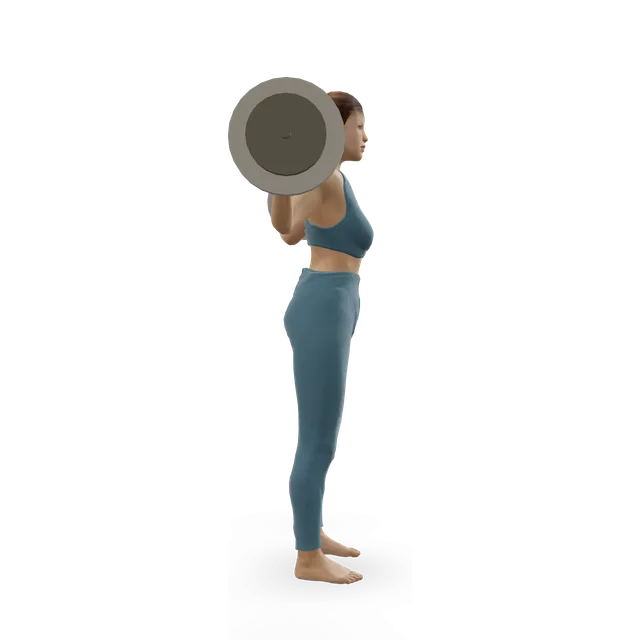
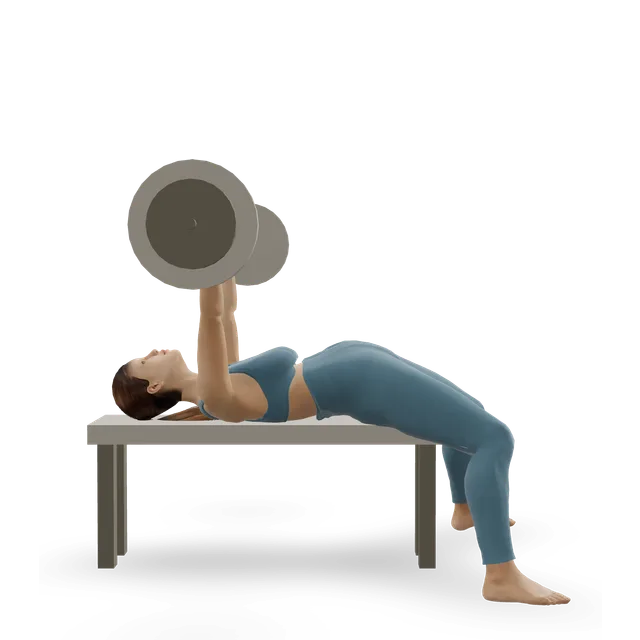
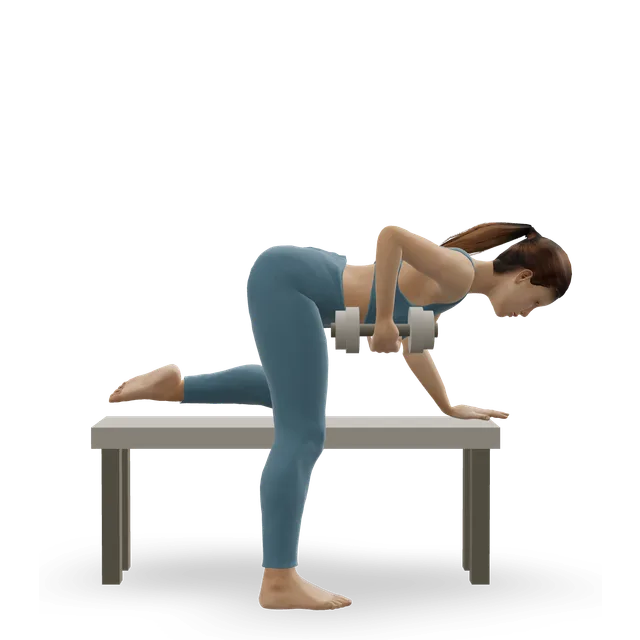
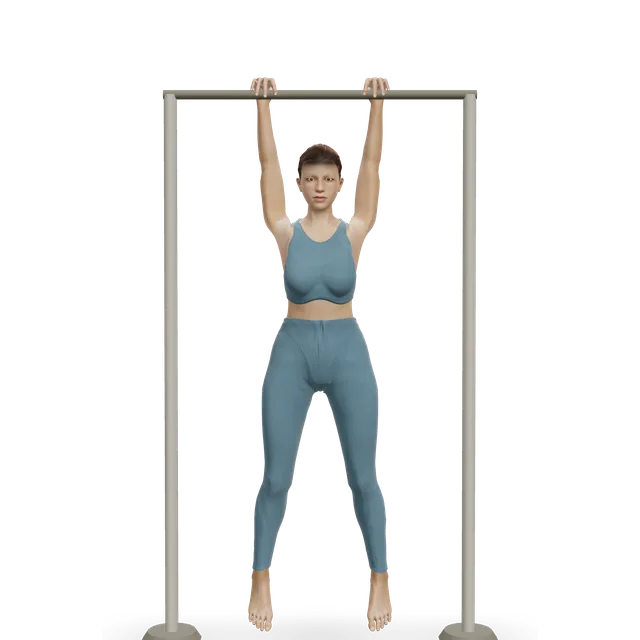
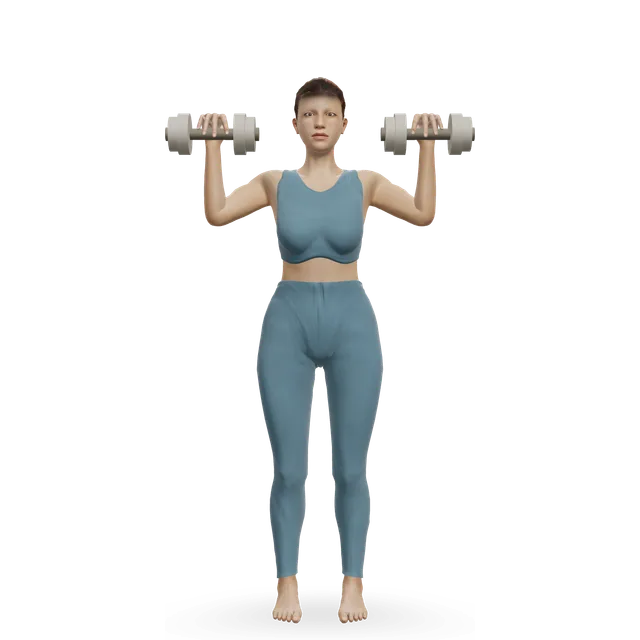
Does exercise increase testosterone?
Yes, but only for a short time. Moderate and hard exercise raise testosterone, and it is back to normal within about 30 minutes; gentle exercise doesn't raise it. Over months, training doesn't change resting levels in healthy men.
Does lifting weights increase testosterone long term?
No. In trials of inactive men aged 19 to 75, weeks to months of training didn't change resting testosterone, whatever the type of training. In men over 60, strength training didn't change it either.
What is the best exercise to increase testosterone?
There isn't one: no exercise raises resting testosterone in healthy men. If you carry excess weight, the exercise that helps you lose it is your best bet, because weight loss raises low testosterone. Otherwise, train for muscle and fitness.
Does HIIT boost testosterone?
Hard intervals raise testosterone briefly, like any hard exercise. Small studies in older men found slight rises in resting levels after interval training, but they were few and often had no comparison group. Do intervals for fitness, not hormones.
Does running or cardio lower testosterone?
Normal amounts don't: a year of more than 6 hours a week of aerobic exercise left testosterone unchanged in men aged 40 to 75. Some men with years of very high-volume endurance training have lower levels, and eating too little for your training lowers it too. If that's you and you feel run down, see a GP.
Can overtraining lower testosterone?
It can, especially if you also eat too little for your training. The signs are falling performance despite training, persistent fatigue, low mood and a low sex drive. Resting hormone levels are often normal in overtraining, so rest, eat enough, and see a GP if it doesn't lift.
Does exercise increase testosterone in men over 50?
Not much. Strength training didn't change resting testosterone in men over 60, and endurance and interval training produced only small rises in a few weak studies. Losing excess weight helps more, and training still matters for keeping muscle, strength and power as you age.
Do the hormone spikes after a workout build muscle?
No. In trials, the size of the rise after a workout didn't predict muscle or strength gains, and arms trained with a hormone-raising leg session grew no more than arms trained without it. What builds muscle is the training itself, enough weekly sets and enough protein.
How can I increase testosterone naturally?
If you carry excess weight, losing it raises testosterone, and the more weight lost, the bigger the rise. Exercise is part of that. The NHS also points to stress, poor sleep, a poor diet, alcohol and inactivity as causes of the same symptoms, so if they persist, see your GP rather than buying boosters.
What are the signs of low testosterone, and when should I see a GP?
The symptoms most linked to low testosterone are poor morning erections, a low sex drive and erection problems. The NHS also lists mood swings, loss of muscle, low energy, poor sleep and poor concentration. If you have any of these, see your GP: they'll look for other causes and may order a blood test, taken in the morning and repeated to confirm.
Do testosterone boosters work?
Mostly not as claimed. In a review of 50 products, only about a quarter had evidence that they raise testosterone, and about 1 in 10 had ingredients linked with lowering it. Some exceeded safe limits for zinc, vitamin B3 or magnesium. If you're worried your testosterone is low, see your GP.
Should men over 50 take testosterone?
Only if blood tests confirm a deficiency and a specialist advises it, after talking through the benefits and risks. Testosterone falls slowly with age, which is unlikely to cause problems on its own, and low testosterone is diagnosed only when symptoms go with consistently low morning blood tests. Testosterone isn't a way to build muscle if your levels are normal.