Exercise guide

Exercise for erectile dysfunction: what works, how much, and why to see a GP

Erectile dysfunction (ED) means not being able to get or keep an erection firm enough for sex. It's very common, especially after 40, and regular exercise helps, though modestly. In trials, aerobic exercise such as brisk walking, jogging or cycling improved erections a little, losing weight and getting more active restored normal erections in about 1 in 3 men with obesity, and pelvic floor exercises helped in one small trial.

Start with a GP, though, not the gym. Erection problems that keep happening can be an early sign of heart disease, high blood pressure, high cholesterol or diabetes, often years before other symptoms, and erection tablets are the main treatment. Exercise works alongside them.

This guide gives the amount of exercise used in the trials and a week that matches it, how to do pelvic floor exercises, what the evidence says about cycling, sex and your heart, and the warning signs that need urgent help.

The short version

See a GP first

Most men sometimes fail to get or keep an erection, usually because of stress, tiredness or alcohol. If it keeps happening, see a GP or a sexual health clinic: it can be a sign of a treatable condition such as high blood pressure, high cholesterol or diabetes. Across 12 studies following 36,744 men, those with erection problems had about 1.5 times the risk of heart disease, and the problems often start 2 to 5 years before heart symptoms.

Sources 1, 2, 3

Exercise helps, modestly

In 11 trials, aerobic exercise raised scores on a standard erection questionnaire (scored from 6 to 30) by 2.8 points on average, and by more in men whose problems were worse to start with. Reviews that also included pelvic floor or diet programmes found average gains of about 2.4 to 3.9 points, but they pooled different versions of the questionnaire, so the numbers aren't directly comparable. It helps, but it isn't a cure.

Sources 4, 5, 6

The trial dose: about 160 minutes a week

A review of 10 studies recommends about 40 minutes of moderate to vigorous aerobic exercise 4 times a week, roughly 160 minutes a week, for 6 months. That's a little more than the NHS minimum of 150 minutes of moderate activity a week, plus strength exercises on 2 days.

Sources 7, 8

Weight loss and pelvic floor exercises can add to it

In a 2-year trial of 110 men with obesity, losing weight and getting more active gave normal erections to 17 of the 55 men in the programme, against 3 of 55 given general advice. Pelvic floor (Kegel) exercises improved erections in one UK trial of 55 men, and a review of small trials was encouraging, though the evidence is low to moderate quality.

Sources 9, 10, 11

Tablets are the main treatment; exercise works alongside

European urologists recommend starting lifestyle changes before or alongside treatment, and erection tablets such as sildenafil (Viagra) as the first treatment to try. In a small trial, men who added at least 3 hours a week of aerobic exercise to their tablets regained normal erections more often after 3 months (78% against 39%). Never take these tablets with nitrates such as a glyceryl trinitrate (GTN) spray, or with poppers.

Sources 12, 1, 13, 14, 15

Cycling: the evidence is mixed

In a survey of 3,932 men, cyclists' sexual function was no worse than swimmers' or runners', but a review of 6 studies found higher odds of erection problems in cyclists once age and illness were allowed for. Standing up on the pedals from time to time and a saddle that takes pressure off the area between your legs are sensible, and if numbness or erection problems start, see a GP (our suggestion).

Sources 16, 17, 18

Why to see a GP first

An early warning signStrong evidence

Across 12 cohort studies following 36,744 men, those with erection problems had 1.48 times the risk of heart and circulation disease, 1.46 times the risk of coronary heart disease and 1.35 times the risk of stroke, and the link held after allowing for the usual risk factors. An expert panel (the Princeton III consensus) puts the gap between erection problems starting and a heart attack or similar event at 2 to 5 years. The NHS lists high blood pressure, high cholesterol, diabetes, depression or anxiety, and hormone problems among the causes when it happens often.

Sources 2, 3, 1

Why erections show it firstEmerging evidence

Furring of the arteries happens throughout the body, but the arteries to the penis are narrower than those to the heart, so the same build-up causes symptoms sooner. In 300 men with chest pain and narrowed heart arteries seen on an X-ray of the heart (an angiogram), 49% had erection problems, and in 67% of those the problems had started first, on average 38.8 months earlier.

Sources 19, 20

A stronger warning in younger menEmerging evidence

Erection problems aren't only an older man's problem: in one study of men seeking help for new erection problems, 1 in 4 was under 40, and almost half of them had severe problems. In a study from Western Australia cited by the Princeton III panel, heart and circulation events were more than 7 times as common in men under 40 with erection problems as in men generally.

Sources 21, 3

DiabetesStrong evidence

Across 145 studies of 88,577 men with diabetes, 52.5% had erection problems (37.5% with type 1 and 66.3% with type 2), about 3.5 times the odds of men without diabetes. See a GP if you also feel very tired, pee more than usual, feel thirsty all the time, lose weight without trying, or have itching around your penis or repeated thrush.

Sources 22, 23

What the GP does

The GP or nurse may ask about your lifestyle and relationships, check your blood pressure and examine your genitals, and your prostate if you have urinary symptoms such as needing to pee more often. Blood tests usually check your blood sugar, cholesterol and hormones, including a morning testosterone level. An expert panel (the Princeton IV consensus) advises treating men with erection problems as at risk of heart problems until proven otherwise.

Sources 1, 15, 12, 24

The NHS Health Check

If you're 40 to 74 and haven't been diagnosed with heart disease, diabetes, kidney disease, high blood pressure or a similar condition, you should be invited for a free NHS Health Check every 5 years. It checks your risk of heart disease, diabetes, kidney disease and stroke. If you haven't been invited, contact your GP practice.

Source 25

What erectile dysfunction is

What it means

Erectile dysfunction is being unable to get an erection, or to keep one long enough to have sex. Depending on the cause, you may still get erections at other times, such as when you wake up, and you may also have a low sex drive. Failing to get or keep an erection now and then is common and usually nothing to worry about.

Sources 1, 12

How common it is

The NHS calls it very common, particularly in men over 40. In a US study of men aged 40 to 70, 52% had some degree of it (17.2% minimal, 25.2% moderate and 9.6% complete), and in a German study of men aged 30 to 80 it rose from 2.3% of the youngest to 53.4% of the oldest. The British Association of Urological Surgeons (BAUS) puts it at 50% to 55% of men aged 40 to 70.

Sources 1, 21, 15

What causes it

Usually more than one thing. Causes include narrowed blood vessels (linked with smoking, inactivity, obesity, diabetes, high blood pressure and high cholesterol), nerve damage, hormone problems such as low testosterone, some medicines, heavy drinking, recreational drugs and anabolic steroids, and stress, anxiety or relationship worries. BAUS says 9 in 10 men have at least one physical cause, though a psychological part, such as performance anxiety, is common. Weak or tight pelvic floor muscles can play a part too.

If you think a medicine is the cause, don't stop it: talk to your GP, who may be able to switch it.

Sources 12, 15, 1, 26, 27

How erections work, and why exercise helps

An erection depends on blood flow: the arteries to the penis widen and fill its spongy tissue, helped by nitric oxide released by the lining of the blood vessels. Regular aerobic exercise improves how that lining works, which is one reason it's the most studied type of exercise for erections. Small pelvic floor muscles at the base of the penis help too: the bulbocavernosus presses on a vein to keep blood in the penis, and the ischiocavernosus muscles support it like guy ropes.

Sources 7, 10, 26

What the evidence says

Aerobic exercise improves erections a littleStrong evidence

In 11 randomised trials, aerobic exercise raised scores on the erectile function part of a standard questionnaire (scored from 6 to 30) by 2.8 points on average compared with no exercise. Men whose erections were worse to start with gained more: 2.3 points with mild, 3.3 with moderate and 4.9 with severe erectile dysfunction. In another review of 7 trials with 478 men, exercise, mostly aerobic, raised scores by 3.85 points, though the trials were at moderate to high risk of bias, mainly because the men knew which group they were in. European urologists say regular exercise and a lower body mass index (BMI) can improve erections.

Sources 4, 5, 12

Diet and exercise programmesStrong evidence

Across 16 randomised trials with 1,477 men, programmes of diet, exercise or both raised erectile function scores by 2.35 points on average, and the reviewers rated the evidence moderate certainty. Diet alone, exercise alone and both together all helped, with no clear winner. An older review of 4 lifestyle trials (597 men) found a similar gain of 2.4 points on a shorter, 5-question version of the questionnaire. The trials used different versions, so treat these averages as a rough guide rather than exact figures.

Sources 6, 28, 12

Exercise alongside tabletsEmerging evidence

In 60 men taking erection tablets, adding at least 3 hours a week of aerobic exercise (they averaged 3.4 hours) restored normal erections in 77.8% after 3 months, against 39.3% on tablets alone. The trial was small and the men knew which group they were in. A review of 7 trials found exercise helped whether it was done alone or on top of usual care.

Sources 13, 5

Losing weightEmerging evidence

In 110 men aged 35 to 55 with obesity and erection problems but no diabetes, high blood pressure or high cholesterol, a 2-year programme of eating less and moving more brought BMI down from 36.9 to 31.2 and raised activity from 48 to 195 minutes a week. Their erection questionnaire scores rose from 13.9 to 17, and 17 men reached normal function, against 3 in the comparison group. In 306 overweight men with type 2 diabetes in the Look AHEAD trial, losing about 10% of their weight helped a little: fewer men's erections got worse over a year (8% against 20%).

Sources 9, 29

Staying active over the yearsEmerging evidence

In 31,742 US men aged 53 to 90, the most active had about 30% lower risk of erection problems than the least active, and obesity raised the risk. In 593 men followed for about 9 years, those who stayed inactive had the highest risk of developing erection problems, and those who stayed active or became active in midlife the lowest. These studies show links, not proof that activity prevents it.

Sources 30, 31

Strength trainingMixed evidence

No trial has tested strength training on its own for erection problems. In 4 of the 10 studies in one review, strength work was added to aerobic exercise, and in another review the aerobic-plus-strength group showed no clear effect, from few trials. Strength training is still recommended for everyone on at least 2 days a week.

Sources 7, 32, 8

YogaMixed evidence

A review of 10 small studies reported benefits for erection problems and especially premature ejaculation, but called for proper trials. Yoga counts as activity; brisk aerobic exercise has far more evidence.

Source 33

Where medicines carry the evidenceStrong evidence

Erection tablets have much stronger evidence than exercise: European urologists rate them the first treatment to try (a strong recommendation), with no difference in effect between the types. Exercise and weight loss work more slowly and their average effect is modest, but they also lower the heart and circulation risks behind many cases. Lifestyle changes and tablets are partners, not rivals.

Sources 12, 1, 3

How much exercise, and how long

The dose in the trials

A review of 10 studies (7 of them randomised) in men aged 41 to 62 with erection problems and inactivity, obesity, high blood pressure, metabolic syndrome or heart disease found that every programme was aerobic and at least moderate in intensity, and half added harder intervals. Sessions lasted 30 to 60 minutes (40 on average), 3 to 7 times a week (4 on average), for 1 to 24 months (about 6 on average), and almost all were supervised. The authors recommend 40 minutes of moderate to vigorous aerobic exercise 4 times a week, about 160 minutes a week, for 6 months.

Source 7

How hard: the talk test

Moderate activity raises your heart rate and breathing so you can still talk, but not sing. Vigorous activity means you can't say more than a few words without pausing for breath. The NHS minimum for adults is 150 minutes of moderate or 75 minutes of vigorous activity a week, spread over 4 to 5 days or more, plus strength exercises on at least 2 days. The trial dose is a little more than that.

Source 8

A week that matches the trials: our editorial plan

Built on the trial dose and the NHS guidelines:

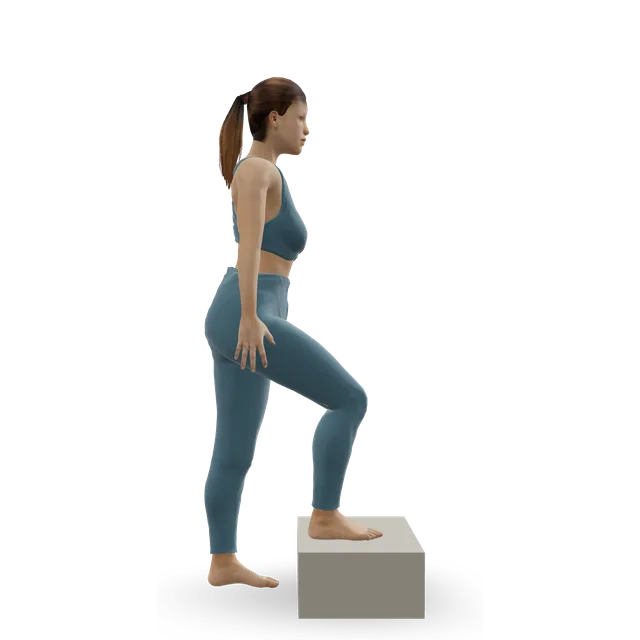
  • 4 sessions of about 40 minutes of aerobic exercise: 2 or 3 at a brisk, talk-but-not-sing pace, such as the easy cardio workout, and 1 with harder intervals once that feels comfortable.
  • Strength exercises on 2 days, such as the 20-minute strength workout.
  • Pelvic floor exercises every day (see below).
  • Starting from little or nothing: begin with 20 minutes, or less, and add about 5 minutes a session.

Sources 7, 8, 34

How long until it works

Programmes in the trials ran for 1 to 24 months, most for about 6, and the trial of tablets plus exercise saw a difference at 3 months. For pelvic floor exercises, Pelvic, Obstetric and Gynaecological Physiotherapy (POGP), the UK's pelvic health physiotherapists, says to expect an improvement in 3 to 6 months: they aren't a quick fix. Give regular exercise 3 to 6 months, and keep seeing your GP and using any treatment they offer meanwhile (our suggestion).

Sources 7, 13, 34

If you have heart disease

Speak to your GP before starting if you haven't exercised for some time or have a medical condition. The Princeton III panel puts men whose heart disease is stable and well treated in a low-risk group who can generally manage exercise of modest intensity without symptoms. Follow your cardiac team's advice on harder efforts, and see our heart disease guide.

Sources 8, 3

Cardio for erections

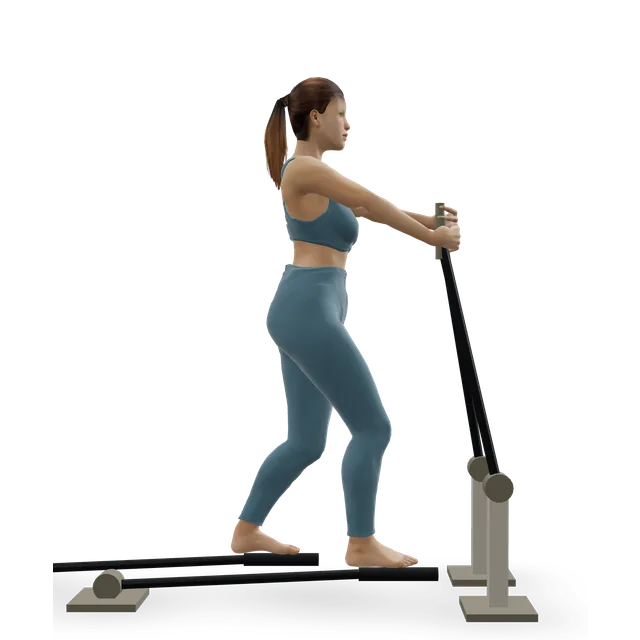
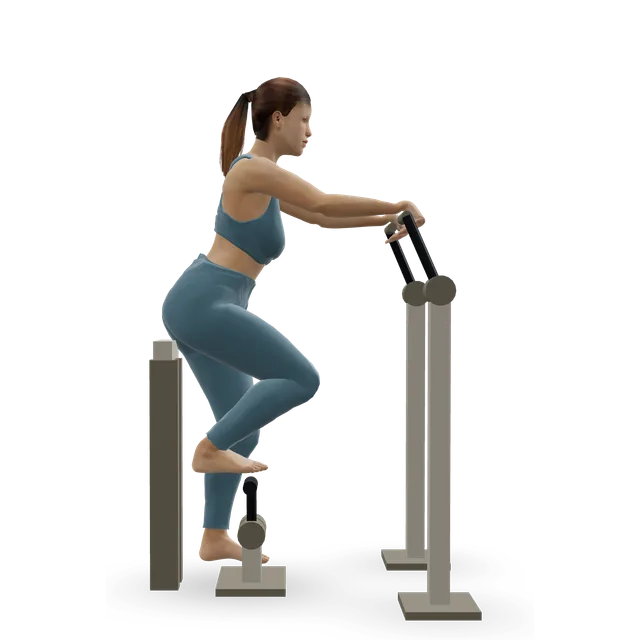
Build towards about 40 minutes, 4 times a week, at a talk-but-not-sing pace, adding harder efforts once you're fitter (the trial dose). A recumbent bike takes pressure off the area between your legs.

Cardio workouts to follow

Start with the easy cardio workout, about 40 minutes like the trial sessions, 3 or 4 times a week. Once it feels comfortable, swap one session for intervals. If you have heart disease, start with the cardiac rehab-style workout and follow your cardiac team's advice on harder efforts.

Pelvic floor exercises for erections

What the trial foundEmerging evidence

In a UK trial, 55 men who had had erection problems for at least 6 months had five weekly sessions with a physiotherapist, using biofeedback (a sensor that shows how hard the muscles squeeze), plus daily exercises at home. At 3 months their erection scores had risen 6.7 points more than in men given lifestyle advice only. The comparison group then did the exercises too, so the 6-month figures aren't a controlled comparison: by then, 40.0% of all the men had normal erections, 34.5% had improved and 25.5% hadn't. 22 men (40%) left the trial early, 13 of them because their erections had improved.

Source 10

What reviews sayMixed evidence

A review of 10 trials found pelvic floor training improved erections in all of them, with no best routine, but the trials were small and of low to moderate quality. A meta-analysis of men not taking tablets found no clear effect from pelvic floor training, from few trials. So it's a reasonable, low-risk extra rather than a cure.

Sources 11, 32

What the professional bodies say

POGP says pelvic floor exercises are evidenced to help erection problems with no obvious physical cause, and that good pelvic floor muscles help maintain an erection. The NHS erectile dysfunction page doesn't mention them, and the European urology guideline mentions pelvic floor training only for erections after prostate surgery.

Sources 26, 34, 1, 12

The extras from the trial

On top of their daily squeezes, men in the trial did 3 strong squeezes lying, 3 sitting and 3 standing, morning and evening; lifted the pelvic floor to about half strength while walking; squeezed strongly after peeing to stop the after-dribble; and tightened the muscles rhythmically during sex to help keep the erection firm. POGP gives the same advice for sex: tighten your pelvic floor muscles during intercourse to maintain the quality of your erection.

Sources 10, 34

When squeezing is the wrong answer

POGP lists tight pelvic floor muscles, as well as weak ones, among the causes, and says physiotherapy for tight muscles aims to help them relax instead. If you have pain in your penis, testicles or bottom, or pain when you pee or ejaculate, see a GP: it can be prostatitis. Meanwhile, don't add more squeezes; the pelvic floor relaxation routine may help (our suggestion).

Sources 26, 35

After prostate cancer treatmentMixed evidence

Erection problems are common after the prostate is removed, and erection tablets are the first treatment after surgery that spares the nerves, started as early as possible. Pelvic floor training for erections after surgery has mixed results: in 12 trials, 4 found a benefit and 7 found no difference, and another review found mostly positive but weak studies. Prostate Cancer UK says some men find the exercises help. Our pelvic floor guide covers leaking after surgery.

Sources 12, 36, 37, 38

Who can help

A men's health (pelvic health) physiotherapist can check you're squeezing the right muscles and tailor the exercises. Ask your GP for a referral; in some areas you can refer yourself.

Sources 26, 34

How to do pelvic floor exercises (men)

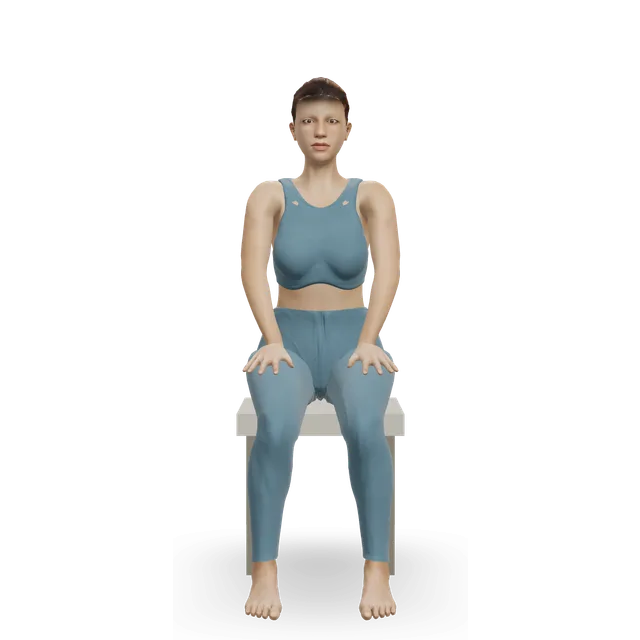
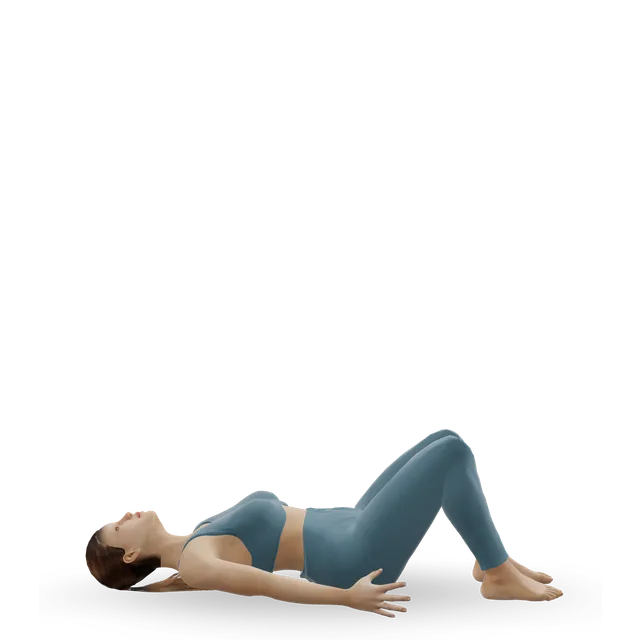
From POGP's booklet for men and Prostate Cancer UK. The figure shows the sitting position only; it can't show the squeeze.

  1. Sit comfortably with your thighs, buttocks and tummy relaxed.
  2. Squeeze and lift at the front as if stopping yourself peeing, or drawing your penis up and in. Then lift at the back as if stopping wind. Then do both together.
  3. Check it: in a mirror, the base of your penis should draw in and your testicles lift. Or put your fingers on the skin just behind your scrotum: it should lift up and away from them. If the muscles push down instead, ease off and try again.
  4. Breathe normally: lifting as you breathe out is easier. A little tightening of your buttocks or lower tummy is normal, but don't clench them.
  5. Find your starting point: how many seconds you can hold (for example 5) and how many times (for example 6), resting at least 5 seconds between. Then count how many quick squeezes you can do (for example 8).
  6. Do your slow holds and quick squeezes at least 3 times a day, sitting or lying at first and later standing. Let the muscles relax fully after each one.
  7. Over a few weeks, build towards up to 10 slow squeezes held for up to 10 seconds and up to 10 quick squeezes.
  8. Don't practise by stopping your pee mid-flow. Trying it once or twice to find the muscles is fine, but doing it often could stop your bladder emptying properly.

See the movement on the 3D figure: Pelvic floor exercise (Kegel)

Pelvic floor and breathing

Squeezes every day. The relaxation and slow breathing are for a tight or painful pelvic floor, or for stress. The figures show positions only.

Pelvic floor routines

The daily workout covers the squeezes; add the trial's extras above if you like. Use the relaxation routine instead if your pelvic floor feels tight or painful, and see a GP or physiotherapist.

Strength, 2 days a week

2 to 3 sets of 8 to 12 of each, stopping a couple of reps before you couldn't do another (our editorial starting point). Breathe out as you lift rather than holding your breath.

Strength workouts

Any of these on 2 days a week, with a day between.

Plans with cardio and strength

Weekly plans that mix cardio and strength. Add pelvic floor exercises every day.

Cycling and erections

What the studies showMixed evidence

An older US study suggested that men who rode for longer each week might be more likely to have erection problems, while shorter riding wasn't linked. Newer studies disagree. In a 2018 survey of 3,932 men, cyclists' sexual function was no worse than swimmers' or runners', though narrowing of the urethra was more common. A review of 6 studies found no difference at first, but about twice the odds of erection problems in cyclists once age and other illnesses were allowed for, and called the evidence limited.

Sources 39, 16, 17

Taking pressure offEmerging evidence

No-nose saddles and recumbent bikes lowered pressure on the area between the legs (the perineum) in studies of healthy men, and standing up on the pedals every 10 minutes or so has indirect support. Men who stood for more than a fifth of their ride, and those with handlebars level with or above the saddle, had less genital numbness. POGP suggests tipping the nose of the saddle down slightly, lifting yourself off the saddle regularly, padded shorts, and a saddle designed to reduce pressure.

Sources 18, 16, 26, 34

Our reading

Cycling is good aerobic exercise, and the trial programmes that improved erections included it. Use a saddle that fits you and takes pressure off, stand up on the pedals from time to time, and if you notice numbness between your legs or erection problems, see a GP. A recumbent exercise bike avoids saddle pressure altogether. This is our editorial reading of mixed evidence; our cycling guide covers bike fit.

Sources 7, 18

Sex, your heart and erection tablets

Sex is moderate exerciseStrong evidence

Sex between partners in a long-term relationship takes about as much effort as walking a mile on the flat in 20 minutes or briskly climbing two flights of stairs in 10 seconds. In a review cited by the Princeton III panel, the small rise in heart events during exertion or sex was smaller in people who were regularly active.

Source 3

If you have heart disease

Men whose heart disease is stable and well treated are usually at low risk during sex, but men with unstable or severe heart problems need treatment and assessment first. Ask your cardiac team when it's safe, and see our heart disease guide for cardiac rehabilitation.

Sources 3, 12

Erection tablets and your heartStrong evidence

No randomised or open-label study has shown more heart attacks in men taking erection tablets, and BAUS says there's no evidence they're dangerous with heart disease. The danger is mixing them with nitrates, such as GTN spray or isosorbide for angina, or with poppers: together they can cause a sudden, dangerous drop in blood pressure. The NHS says sildenafil may not be suitable if you've recently had a heart attack or stroke, or have low or uncontrolled high blood pressure.

Sources 12, 15, 14

Treatments, and where exercise fits

Tablets firstStrong evidence

Sildenafil (Viagra), tadalafil (Cialis), vardenafil and avanafil increase blood flow to the penis and work only with sexual stimulation; sildenafil is usually taken about an hour before sex. You can buy sildenafil from a pharmacy after speaking with a pharmacist. If you do, the NHS advises a check-up with your doctor within 6 months, because erection problems can be a sign of diabetes or heart problems.

Sources 12, 1, 14, 15

Other treatments

Vacuum pumps work for most men. Injections into the penis, a small pellet placed in the tip of the penis, and implants are options when tablets don't work or aren't suitable. Treating a cause helps too: your doctor may switch a medicine that's causing the problem, or treat high blood pressure, high cholesterol or a hormone problem. Testosterone treatment is only for men whose levels are low.

Sources 1, 12, 15

Stress, mood and talking therapies

Anxiety about performance is common, and depression and anxiety can cause erection problems. European urologists recommend cognitive behavioural therapy (CBT), including your partner, alongside medical treatment. The NHS lists counselling and sex therapy, through your GP or privately (look for the College of Sexual and Relationship Therapists, the Institute of Psychosexual Medicine or Relate). Our guides to exercise for depression and anxiety cover the exercise side.

Sources 1, 12, 15

Supplements and buying online

European urologists give only a weak recommendation for L-arginine or ginseng, and only for men with mild erection problems who decline medicines, warning that any improvement may be mild. An expert panel has flagged dietary supplements spiked with the drugs in erection tablets, and the NHS warns that many websites sell fake medicines. If you buy online, use a pharmacy registered with the General Pharmaceutical Council.

Sources 12, 40, 1

How exercise compares

Tablets act quickly and have the strongest evidence; exercise works over months and its average effect is modest. But exercise and weight loss also lower the heart and circulation risks behind many cases, and in one small trial the two worked better together. Never stop or change a medicine without talking to your doctor.

Sources 12, 4, 13, 3

Warning signs: when to get help

Call 999 (911 in the US)

Call 999, and don't drive yourself to A&E, if, during exercise, sex or at any other time:

  • You have chest pain that feels tight or like squeezing on your chest, or that spreads to your arms, neck or jaw.
  • You're having severe difficulty breathing: gasping, choking or not able to get words out.
  • Your lips or skin are pale, blue or grey.
  • Someone has passed out and is not responding normally.

Source 41

If you've taken an erection tablet

Call 999 if you might be having a severe allergic reaction, a heart attack or a seizure. In an emergency, tell the call handler and the paramedics what you took and when (our advice): these tablets must not be combined with nitrates such as GTN. Call NHS 111 for other serious side effects, such as fainting, a fast or irregular heartbeat, or blistering skin with flu-like symptoms. If you feel dizzy or have blurred vision, don't drive or cycle.

Sources 14, 12, 15

Call 999 or go to A&E: an erection that won't go down

An erection that lasts more than 3 to 4 hours, or a painful erection lasting more than 1 hour if you have sickle cell disease, needs hospital treatment as soon as possible to avoid permanent damage. Some treatments for erection problems can cause it. Don't drive yourself.

Source 42

If you feel low or might harm yourself

Erection problems can go with low mood. If you might harm yourself, call 999 or go to A&E. For support now, call Samaritans free on 116 123, call NHS 111, or text SHOUT to 85258. In the US, call or text 988.

Sources 43, 44

See a GP or a sexual health clinic

  • Erection problems keep happening. Many sexual health clinics offer a walk-in service.
  • You bought sildenafil without a prescription: see a doctor within 6 months of starting it.
  • You have signs of type 2 diabetes: feeling very tired, peeing more than usual, feeling thirsty all the time, losing weight without trying, blurred vision, cuts that heal slowly, or itching around the penis or repeated thrush.
  • You have pain when peeing, pain in your penis, testicles or bottom, or pain when you ejaculate. If you can't pee at all, ask for an urgent appointment or contact NHS 111.
  • You also have a low sex drive, tiredness or loss of muscle: the GP may check your testosterone.
  • Your penis is curved or bent in a way that makes erections painful or difficult.
  • You're 40 to 74, don't already have heart disease, diabetes, kidney disease or high blood pressure, and haven't had an NHS Health Check in the last 5 years: ask your GP practice about one.

Sources 1, 14, 23, 35, 12, 25

Before you start exercising

Speak to your GP first if you haven't exercised for some time, or you have a medical condition or concerns. With known heart disease, follow your cardiac team's advice.

Source 8

Myths

"Kegels cure erectile dysfunction"Mixed evidence

One small UK trial was positive and a review of 10 small trials was encouraging, but the evidence is low to moderate quality and one meta-analysis found no clear effect. The NHS's main treatments are lifestyle changes and tablets. Pelvic floor exercises are a low-risk extra; see a GP as well.

Sources 10, 11, 32, 1

"If I exercise, I don't need to see a GP"Strong evidence

Erection problems can be the first sign of heart disease or diabetes, often 2 to 5 years before heart symptoms, and an expert panel advises treating men with erection problems as at risk of heart problems until proven otherwise. Exercise is part of the answer, not a reason to skip the check.

Sources 3, 2, 24, 1

"Erection tablets are bad for your heart"Strong evidence

No randomised or open-label study has shown more heart attacks with them, and BAUS says there's no evidence they're dangerous with heart disease. The real danger is taking them with nitrates such as GTN, or with poppers.

Sources 12, 15

"If you have erection problems, cycling has to stop for good"Mixed evidence

The evidence linking cycling with erection problems is mixed: a large survey found cyclists' sexual function no worse than runners' or swimmers', while a review found higher odds once age and illness were allowed for. Better saddles and standing up regularly take pressure off. If you have numbness or erection problems, see a GP; a break from long rides while you're checked is reasonable (our suggestion).

Sources 16, 17, 18

"Squats and heavy lifting boost erections"Mixed evidence

No trial has tested strength training on its own for erection problems: the trials were aerobic, a few with strength work added. Strength training is still worth doing on 2 days a week for your health.

Sources 7, 32, 8

"Only older men get it"Emerging evidence

It's more common with age, but in one study a quarter of men seeking help for new erection problems were under 40, and almost half of them had severe problems. In younger men it's an even stronger warning sign for heart disease.

Sources 21, 3

"It's all in the mind"Strong evidence

Anxiety often plays a part, but BAUS says only about 1 in 10 cases is purely psychological. Both sides deserve attention: a medical check and, where it helps, talking therapy alongside treatment.

Sources 15, 12

"Natural supplements are a safe fix"Mixed evidence

European urologists give only a weak recommendation for L-arginine or ginseng in mild erection problems, warning the benefit may be mild. Some supplements have been found to contain hidden prescription drugs, and many websites sell fake medicines.

Sources 12, 40, 1

Questions people ask

Can exercise help erectile dysfunction?

Yes, modestly. In trials of men with erectile dysfunction, regular aerobic exercise such as brisk walking, jogging or cycling raised scores on erection questionnaires by a few points on average, and by more in men whose problems were worse to start with. It works best alongside a check-up and any treatment your GP offers, not instead of them.

What is the best exercise for erectile dysfunction?

Aerobic exercise has the most evidence: brisk walking, jogging, cycling, rowing or swimming at a pace where you can talk but not sing, adding some harder efforts once you're fitter. Pelvic floor exercises may add a little. Strength training on 2 days a week is good for your health, though no trial has tested it on its own for erections.

How much exercise do I need, and how long until it works?

The trials averaged about 40 minutes, 4 times a week, roughly 160 minutes a week, for about 6 months. That's a little more than the NHS minimum of 150 minutes of moderate activity a week. Expect months rather than weeks: in a trial that added exercise to tablets, the difference showed at 3 months.

Do Kegel exercises help erectile dysfunction?

They may. In a UK trial of 55 men, pelvic floor exercises taught by a physiotherapist improved erections more than lifestyle advice alone at 3 months. Reviews call the trials small and of low to moderate quality, and one found no clear effect, so treat them as a low-risk extra rather than a cure.

How do men do pelvic floor exercises?

Sit comfortably and squeeze as if stopping yourself peeing and passing wind at the same time; in a mirror, the base of your penis should draw in and your testicles lift. Do slow holds and quick squeezes at least 3 times a day, building towards 10 holds of up to 10 seconds and 10 quick squeezes. Don't practise by stopping your pee mid-flow.

How long do Kegels take to work for ED?

Pelvic health physiotherapists say to expect an improvement in 3 to 6 months, and to keep going even if they don't seem to help at first. In the UK trial, the difference showed at 3 months. After that, keep them up as part of your routine.

Does cycling cause erectile dysfunction?

The evidence is mixed. A survey of nearly 4,000 men found cyclists' sexual function no worse than runners' or swimmers', while a review found higher odds of erection problems in cyclists once age and illness were allowed for. A saddle that takes pressure off, standing up on the pedals from time to time and higher handlebars may all help, and if you notice numbness or erection problems, see a GP.

Is erectile dysfunction a sign of heart disease?

It can be. The arteries to the penis are narrower than those to the heart, so narrowing often shows there first, usually 2 to 5 years before heart symptoms, and men with erection problems have about 1.5 times the risk of heart disease. That's why the NHS says to see a GP if erection problems keep happening: they may check your blood pressure, blood sugar and cholesterol.

Is sex safe if I have heart disease?

Sex takes about as much effort as briskly climbing two flights of stairs, and men whose heart disease is stable and well treated are usually at low risk, but check with your cardiac team first. Stop and call 999 for chest pain that feels tight or spreads to your arms, neck or jaw, and tell the ambulance crew if you've taken an erection tablet.

Can I exercise while taking Viagra (sildenafil)?

Yes, and the two may work better together: in a small trial, men who added at least 3 hours a week of aerobic exercise to their tablets regained normal erections more often after 3 months (78% against 39%). European urologists recommend lifestyle changes before or alongside tablets. If you feel dizzy or have blurred vision after a tablet, don't drive or cycle, and never stop or change a medicine without talking to your doctor.

Does losing weight help erectile dysfunction?

It can. In a 2-year trial of 110 men with obesity, losing weight and getting more active restored normal erections in about 1 in 3. In men with type 2 diabetes, losing weight helped a little, and fewer men's erections got worse. Our weight loss guide covers how.

Can you fix erectile dysfunction naturally?

Sometimes lifestyle changes are enough to improve erections: exercise, losing weight, stopping smoking, drinking less and managing stress can all help. But erection problems can also be a sign of a health problem that needs treating, and tablets are the treatment with the strongest evidence. See a GP rather than relying on supplements, which have weak evidence and can contain hidden drugs.


Sources

  1. NHS · Erectile dysfunction (impotence)
  2. Dong 2011 · Erectile dysfunction and the risk of heart and circulation disease: 12 cohort studies (meta-analysis, Journal of the American College of Cardiology)
  3. Nehra 2012 · The Princeton III consensus on erectile dysfunction and heart disease (expert consensus, Mayo Clinic Proceedings)
  4. Khera 2023 · Aerobic exercise and erectile function: 11 trials (meta-analysis, Journal of Sexual Medicine)
  5. Silva 2017 · Physical activity and exercise for erectile dysfunction: 7 trials, 478 men (meta-analysis, British Journal of Sports Medicine)
  6. Li 2026 · Diet and exercise programmes for erectile dysfunction: 16 trials, 1,477 men (meta-analysis, Journal of Sexual Medicine)
  7. Gerbild 2018 · Physical activity to improve erectile function: 10 studies (systematic review, Sexual Medicine)
  8. NHS · Physical activity guidelines for adults aged 19 to 64
  9. Esposito 2004 · Lifestyle changes for erectile dysfunction in 110 men with obesity (RCT, JAMA)
  10. Dorey 2004 · Pelvic floor exercises and biofeedback for erectile dysfunction in 55 men (RCT, British Journal of General Practice)
  11. Myers 2019 · Pelvic floor muscle training for erectile dysfunction and premature ejaculation: 10 trials (systematic review, Physiotherapy)
  12. European Association of Urology 2026 · Guidelines on sexual and reproductive health: management of erectile dysfunction
  13. Maio 2010 · Aerobic exercise added to erection tablets in 60 men (RCT, Journal of Sexual Medicine)
  14. NHS · Sildenafil (Viagra)
  15. British Association of Urological Surgeons (BAUS) 2024 · Erectile dysfunction (impotence)
  16. Awad 2018 · Cycling and sexual and urinary function in 3,932 men (cross-sectional survey, Journal of Urology)
  17. Gan 2021 · Cycling and erectile dysfunction: 6 studies (meta-analysis, Sexual Medicine Reviews)
  18. Litwinowicz 2021 · Ways to reduce saddle pressure on the perineum in healthy men: 22 studies (systematic review and meta-analysis, Sports Medicine)
  19. Montorsi 2005 · The artery size hypothesis linking erectile dysfunction and coronary artery disease (review, American Journal of Cardiology)
  20. Montorsi 2003 · When erectile dysfunction started in 300 men with coronary artery disease (cross-sectional study, European Urology)
  21. European Association of Urology 2026 · Guidelines on sexual and reproductive health: how common erectile dysfunction is
  22. Kouidrat 2017 · Erectile dysfunction in diabetes: 145 studies (meta-analysis, Diabetic Medicine)
  23. NHS · Symptoms of type 2 diabetes and how it's diagnosed
  24. Köhler 2024 · The Princeton IV consensus on erectile dysfunction and heart disease (expert consensus, Mayo Clinic Proceedings)
  25. NHS · NHS Health Check
  26. Pelvic, Obstetric and Gynaecological Physiotherapy (POGP) · Erectile dysfunction (patient information)
  27. NHS · Anabolic steroid misuse
  28. Gupta 2011 · Lifestyle change and heart risk treatment for erectile dysfunction: 6 trials (meta-analysis, Archives of Internal Medicine)
  29. Wing 2010 · Weight loss and erections in 306 men with type 2 diabetes: the Look AHEAD trial (RCT, Journal of Sexual Medicine)
  30. Bacon 2003 · Sexual function in 31,742 US men over 50 (cohort study, Annals of Internal Medicine)
  31. Derby 2000 · Lifestyle changes in midlife and erectile dysfunction in 593 men (cohort study, Urology)
  32. Chen 2024 · Types of exercise for erectile dysfunction in men not taking erection tablets: 7 trials (meta-analysis, Andrology)
  33. Bhat 2024 · Yoga for erectile dysfunction and premature ejaculation: 10 studies (scoping review, Cureus)
  34. POGP 2021 · Pelvic floor muscle exercises and advice for men (physiotherapy booklet)
  35. NHS · Prostatitis
  36. Akdagcik 2026 · Pelvic floor muscle training for erections after prostate removal: 12 trials (systematic review, World Journal of Urology)
  37. Wong 2020 · Pelvic floor muscle training for erectile dysfunction after prostate removal: 9 studies (systematic review, Journal of Sexual Medicine)
  38. Prostate Cancer UK 2025 · Pelvic floor muscle exercises
  39. Marceau 2001 · Cycling and erectile dysfunction in the Massachusetts Male Aging Study (cohort analysis, International Journal of Impotence Research)
  40. Kloner 2024 · Princeton IV consensus on erection tablets (PDE5 inhibitors) and heart health (expert consensus, Journal of Sexual Medicine)
  41. NHS · Heart attack
  42. NHS · Priapism (painful erections)
  43. NHS · Help for suicidal thoughts
  44. 988 Suicide and Crisis Lifeline (US) · Call, text or chat 988

Exercise education, not a diagnosis or treatment plan, and clinical review of these guides is pending. Stop and get advice for chest pain, unusual breathlessness, dizziness or fainting, or new pain, and check with your doctor or midwife first if they have told you to limit activity. Health disclaimer.