Exercise guide

Exercise for high cholesterol: what it does to LDL, HDL and triglycerides, and how much to do

High cholesterol means too much of a fatty substance called cholesterol in your blood. It causes no symptoms, but it makes heart attacks and strokes more likely. Regular exercise improves it, but only a little: across 148 trials, exercise lowered low-density lipoprotein (LDL, or "bad") cholesterol by about 6% on average and raised high-density lipoprotein (HDL, or "good") cholesterol a little, and most of those trials were small and of low quality. Its bigger payoff is for your heart and circulation as a whole.

This guide explains what exercise does to each number on your cholesterol test, how much to do and which kinds work best, how long it takes, why medicines do most of the work on LDL, how to keep exercising on a statin, inherited high cholesterol, and the warning signs that need help.

The short version

Exercise helps, but by small amounts

Across 148 trials with 8,673 people, exercise training lowered LDL cholesterol by 0.19 mmol/L (about 7 mg/dL) and triglycerides by 0.09 mmol/L, and raised HDL cholesterol by 0.05 mmol/L. Most of the trials were small and of low quality, and the changes are modest next to a statin: about 6% off LDL, against about 43% for a common statin dose (atorvastatin 20 mg).

Sources 1, 2

Cardio, or cardio plus weights, does most

Aerobic exercise (cardio) and combined cardio and strength training improved every blood fat measured, while strength training on its own mainly raised HDL. Guidelines ask for both: cardio on most days and strength work on at least 2 days a week.

Sources 1, 3, 4

How much: at least 150 minutes a week

The NHS advises at least 150 minutes of moderate activity or 75 minutes of vigorous activity a week, plus strength work on 2 days. More helps: HDL rose only above about 120 minutes a week, and in an 8-month trial the biggest amount of exercise improved blood fats the most.

Sources 5, 4, 6, 7

Your heart gains more than your numbers show

The British Heart Foundation says being active can reduce the risk of heart and circulatory disease by up to 35%. The European cholesterol guideline says the heart benefits of exercise probably come largely through other risk factors, especially blood pressure and diabetes. In 10,043 US veterans with high cholesterol, fitness and statins were each linked with lower death rates.

Sources 8, 9, 10

Medicines do most of the work on LDL

The National Institute for Health and Care Excellence (NICE) asks doctors to discuss lifestyle changes first, then offer a statin if they aren't enough and your risk of a heart attack or stroke in the next 10 years is 10% or more. Exercise works alongside a statin, not instead of it, and the NHS says to talk to a doctor or pharmacist before stopping one.

Sources 3, 11

On a statin? Keep exercising

In 19 trials with 123,940 people, muscle pain or weakness was reported by 27.1% of people taking a statin and 26.6% taking a placebo (dummy pill), so over 90% of these aches weren't caused by the statin. Heart UK, the cholesterol charity, encourages people on statins to be more active. If your muscles ache for no clear reason, tell your GP rather than stopping the statin yourself.

Sources 12, 2, 3

Cholesterol, LDL, HDL and triglycerides

What cholesterol is

Cholesterol is a fatty substance, made mainly in the liver, that your cells need. It travels in the blood in packages called lipoproteins. HDL carries cholesterol you don't need back to the liver to be broken down. Non-HDL cholesterol, mostly LDL, can build up in the walls of your arteries and narrow them, making a heart attack or stroke more likely. Triglycerides are blood fats used for energy: too much raises heart risk, and very high levels can inflame the pancreas (pancreatitis).

Sources 13, 14, 15

Healthy levels

The NHS gives these levels for healthy adults: total cholesterol below 5 mmol/L; HDL above 1.0 mmol/L for men or 1.2 for women; non-HDL below 4. Heart UK suggests triglycerides below 2.0 mmol/L, or 1.7 if you've fasted. Eating before the test makes little difference. After a heart attack or stroke, NICE aims lower: LDL of 2.0 mmol/L or less, or non-HDL of 2.6 or less.

In US units (our conversion), 5 mmol/L of total cholesterol is about 193 mg/dL, 4 mmol/L of non-HDL about 155 mg/dL, HDL of 1.0 and 1.2 mmol/L about 39 and 46 mg/dL, and 2.0 mmol/L of triglycerides about 177 mg/dL.

Sources 16, 15, 3

Your risk score

Your GP combines your cholesterol with your age, blood pressure and other factors in a QRISK score: your chance of a heart attack or stroke in the next 10 years. NICE uses QRISK3 for people aged 25 to 84 without heart disease, but not for people who are already at high risk, such as those with familial hypercholesterolaemia (FH), type 1 diabetes or chronic kidney disease.

Sources 16, 3

How common it is

The British Heart Foundation estimates that about half of UK adults have total cholesterol above 5 mmol/L, and that high LDL cholesterol is linked with about 1 in 5 deaths from heart and circulatory disease in the UK.

Source 8

Who's more likely to have it

The NHS lists being over 50, being a man, having been through the menopause, being of South Asian or sub-Saharan African origin and a family history, as well as fatty food, not exercising enough, being overweight, smoking and drinking alcohol. Being born male raises the risk from a younger age, and in women the risk rises during and after the menopause. Kidney disease, liver disease, type 2 diabetes and an underactive thyroid can raise it too.

Sources 14, 13, 17

Get tested: there are no symptoms

High cholesterol doesn't usually cause symptoms; only a blood test shows it. Ask your GP surgery for a test if you're over 40 and have never had one, you're overweight, or high cholesterol or heart problems run in your family. Most people don't need to fast. Adults aged 40 to 74 without a heart, kidney or diabetes condition, and not already on a statin, should be invited for a free NHS Health Check every 5 years, which includes a cholesterol test.

Sources 14, 18, 19

Differences between people

Exercise changes blood fats more in some people than others: in about a quarter to a third of comparable studies, it may make little or no difference to a given number. HDL rose more in people with a body mass index (BMI) under 28 and higher total cholesterol. We found no evidence that the exercise advice should differ for women and men.

Sources 1, 6

What the evidence says

Overall: small but consistentEmerging evidence

A 2025 analysis of 148 randomised trials (8,673 adults without known heart disease) found exercise training lowered total cholesterol by 0.15 mmol/L, LDL by 0.19 mmol/L (about 7 mg/dL) and triglycerides by 0.09 mmol/L (about 8 mg/dL), and raised HDL by 0.05 mmol/L (about 2 mg/dL): improvements of 3.5% to 11.7%. But 78% of the trials were of low quality, only 4 had more than 100 people in each group, and in about a quarter to a third of comparable studies exercise may make little or no difference. The effects are modest next to a statin's (see below).

Source 1

Cardio, combined and strength trainingEmerging evidence

In the same analysis, aerobic and combined (aerobic plus strength) training improved every blood fat measured. Combined training gave the biggest fall in total cholesterol, though not significantly more than aerobic training alone, and the authors call it the best option. Strength training on its own improved only HDL, and only in the lower-quality studies.

Source 1

Strength training on its ownMixed evidence

An earlier analysis of 29 strength training trials (1,329 people) found LDL about 0.16 mmol/L (6 mg/dL) lower and triglycerides a little lower, with no change in HDL. A second look at the same data found the likely range of effects for every measure included no change at all, so the authors urged caution.

Sources 20, 21

HDL needs timeEmerging evidence

Across 25 studies of aerobic exercise, HDL rose by 0.065 mmol/L (2.5 mg/dL). The minimum that raised it was about 120 minutes a week, and each extra 10 minutes per session added a little more; how often or how hard people exercised made no clear difference.

Source 6

WalkingEmerging evidence

In 25 trials of walking programmes (1,176 people), LDL fell by about 5% (0.14 mmol/L), with no significant change in body composition. Total cholesterol, HDL and triglycerides moved in the right direction, but not by significant amounts.

Source 22

Amount or intensity?Mixed evidence

In an 8-month US trial (84 people analysed, with weight held steady), the biggest amount of exercise, the equivalent of jogging about 32 km a week, improved 10 of 11 blood fat measures more than smaller amounts, and the gains followed the amount rather than the intensity. But in a trial of 64 men burning the same energy, only the high-intensity group lowered LDL, and across 25 studies HDL rose with longer sessions but not harder ones.

Sources 7, 23, 6

With metabolic syndromeEmerging evidence

In sedentary adults with 3 or more features of metabolic syndrome (a cluster that includes a large waist, high blood pressure and raised blood sugar), aerobic training for at least 12 weeks lowered triglycerides by about 0.17 mmol/L and LDL by 0.12 to 0.20 mmol/L, and raised HDL by 0.05 to 0.10 mmol/L (48 datasets, 2,990 people). A second analysis of 57 trials found small improvements in newer blood markers of heart risk, such as apolipoproteins.

Sources 24, 25

Medicines carry the LDL evidenceStrong evidence

Atorvastatin 20 mg lowers LDL by about 43%, against about 6% for exercise (the 2025 authors' estimate from a typical starting level of 3.0 mmol/L), and in the big statin trials each 1 mmol/L fall in LDL cut major events such as heart attacks and strokes by about 21%. No trial has tested directly whether exercise adds to a statin's effect.

Sources 2, 1

The heart benefitEmerging evidence

The British Heart Foundation says being active can reduce the risk of heart and circulatory disease by up to 35%. In 10,043 US veterans with high cholesterol followed for about 10 years, fitness and statins were each linked with lower death rates, and the fittest people on statins had 70% lower risk than the least fit people on statins. These are observational findings, which can't prove cause.

Sources 8, 10

How much, and how to start

The guideline amount

The NHS advises at least 150 minutes of moderate activity or 75 minutes of vigorous activity a week, spread over 4 to 5 days or every day, with strength work on at least 2 days. NICE asks people at higher risk of heart disease to follow these guidelines, and anyone who can't manage moderate activity to exercise at their "maximum safe capacity".

Sources 5, 4, 3

The European guideline

The European guideline (from the European Society of Cardiology and the European Atherosclerosis Society) says it's always appropriate to advise people with abnormal blood fats to do at least 30 minutes a day of moderate exercise, even if they aren't overweight. It gives 25 to 30 km of brisk walking a week as an example that may raise HDL by 0.08 to 0.15 mmol/L.

Source 9

How hard

Moderate activity means you can talk but not sing. Heart UK describes it as getting your heart rate up and breathing harder, but not being out of breath, and the NHS suggests walking fast enough that your heart starts beating faster. Vigorous activity means you can only say a few words.

Sources 4, 26, 5

More helps, mainly by going for longer

The biggest changes came with the most exercise. Each extra weekly session of aerobic exercise lowered total cholesterol by a further 0.20 mmol/L, sessions over 30 minutes raised HDL where shorter ones didn't, and each extra 10 minutes per session added a little more HDL.

Sources 7, 1, 6

Strength

Work all the major muscles on at least 2 days a week. Our translation, the same as in our weight loss guide: 6 to 8 moves for the whole body, 2 to 3 sets of 8 to 15 reps, stopping each set with 2 to 3 reps in reserve, and breathing out on each effort.

Sources 4, 3

Starting from nothing: our editorial starting point

Heart UK says to start slowly and build up. Our suggestion: in week 1, a 10-minute brisk walk on most days and two short strength sessions. Add about 5 minutes to each walk every week until most days have 30 minutes, then add a third strength session or a longer walk or ride at the weekend.

Source 26

How long until it shows

The European guideline says the response to medicines can be checked after 6 to 8 weeks, but the response to lifestyle changes may take longer, and the trials that showed changes ran for at least 12 weeks. Our suggestion: give regular exercise about 3 months, then ask your GP or practice nurse whether a repeat test makes sense. NICE offers people a repeat risk assessment after they've tried changing their lifestyle.

Sources 9, 24, 3

Move more through the day

Heart UK suggests getting off the bus a stop early, taking the stairs, walking at lunchtime, parking further away and gardening. The NHS also advises breaking up long spells of sitting.

Sources 26, 4

Cardio: most days

Build to 30 minutes on 5 days at a pace where your heart beats faster but you can still talk (NHS), starting with 10 minutes if you're new to it (our editorial starting point). Jogging and air bike intervals are optional, once 150 minutes a week feels comfortable.

Strength: 2 to 3 days a week

Pick 6 to 8 moves for the whole body: 2 to 3 sets of 8 to 15 reps, stopping with 2 to 3 reps in reserve (our translation of the NHS's 2 days a week), on days that aren't back to back if you can. Breathe out on each effort, and on a statin add weight gradually.

Exercise or statins?

What statins do

Statins lower the amount of cholesterol your body makes, and you usually need to take them for life. Heart UK gives typical LDL falls for atorvastatin of about 37% at 10 mg, 43% at 20 mg, 49% at 40 mg and 55% at 80 mg.

Sources 11, 27, 2

When a statin is offered

To prevent a first heart attack or stroke, NICE asks doctors to discuss lifestyle changes before a statin, including referral to an exercise or weight management scheme, and to reassess your risk afterwards. If lifestyle change isn't enough or isn't appropriate, it recommends atorvastatin 20 mg when your 10-year risk is 10% or more. After a heart attack or stroke, a statin shouldn't be delayed, but lifestyle changes are discussed at the same time.

Source 3

Other medicines

If statins don't work or you can't take them, other options include ezetimibe, sometimes with bempedoic acid, and injections such as alirocumab, evolocumab and inclisiran.

Sources 27, 2

Don't stop or change a medicine yourself

The NHS says: "If you stop taking statins your cholesterol levels may be affected. Talk to a doctor or pharmacist before stopping." Exercise doesn't replace a statin your doctor recommends; it works alongside it.

Source 11

Exercising on a statin

Most muscle aches aren't caused by the statinStrong evidence

In 19 placebo-controlled trials (123,940 people, followed for a median of 4.3 years), 27.1% of people on a statin and 26.6% on a placebo reported muscle pain or weakness. The small excess was only in the first year, and over 90% of the reports from people on statins weren't caused by the statin. NICE says that about 16% of people on high-intensity statins report muscle pain, but in only about 1 in 12 of them is the statin likely to be the cause.

Sources 12, 3

Even in people who had given up statinsStrong evidence

Two trials gave people who had stopped statins because of side effects months of atorvastatin 20 mg and months of a placebo, without knowing which was which. In the UK StatinWISE trial (200 people) muscle symptoms didn't differ, and in SAMSON (60 people) symptoms were as bad on the placebo as on the statin. Afterwards, half of the SAMSON group and two-thirds of those who finished StatinWISE went back on statins.

Sources 28, 29

Serious muscle damage is very rareStrong evidence

The American Heart Association puts serious statin muscle injury, including muscle breakdown (rhabdomyolysis), at under 0.1%, and the European guideline at 1 to 3 cases per 100,000 people a year. The European guideline also says true statin intolerance is rare.

Sources 30, 9

Heavy exercise and side effects

Heart UK lists heavy exercise among the things that make statin side effects more likely, along with older age, other medicines, other medical conditions and drinking more alcohol. The US cholesterol guideline (from the American Heart Association and American College of Cardiology, AHA/ACC) lists high levels of physical activity among the factors that make statin muscle symptoms more likely. This is advice based on observational data, not on trials of exercise in people taking statins.

Sources 2, 31

Strength and fitness on a statinMixed evidence

In a trial of 420 healthy adults, 6 months of atorvastatin 80 mg didn't reduce muscle strength or exercise capacity, and a review of 16 trials found no effect of statins on fitness, though the data were limited. One small trial (37 people) found simvastatin 40 mg blunted the fitness gained from 12 weeks of training (1.5%, against 10% without it).

Sources 32, 33, 34

What statin aches feel like

Heart UK describes statin aches as "typically a generalised muscle discomfort lasting more than a couple of days, similar to the muscle aches caused by the flu. It is usually all over the body and does not just affect one part. It is not joint pain or localised cramp." Ordinary soreness after new or harder exercise is in the muscles you worked, peaks a day or two later and fades within about a week (our muscle soreness guide explains it).

Source 2

Our suggested plan (editorial)

Don't stop your statin, and talk to your GP if your muscles ache. Our editorial plan, built on Heart UK, NICE and NHS advice:

  • Build up gradually, and avoid sudden big jumps in how much you do or a new, very hard or very long session.
  • Keep a symptom diary, as Heart UK suggests, so you can describe any aches clearly.
  • Tell your GP about unexplained muscle pain, tenderness or weakness. NICE asks GPs to check a blood test for creatine kinase (CK), a muscle enzyme, and to look for other causes. Mention any recent hard exercise, because CK can rise naturally when you exercise.
  • Keep taking the statin until you've spoken to your doctor, who may suggest a short break, a lower dose or a different statin.
  • Call NHS 111 for muscle cramps, severe pain and weakness, which may come with a high temperature and red or brown pee.

Sources 2, 3, 35

Grapefruit and other medicines

On atorvastatin, the NHS advises no more than 1 or 2 small glasses of grapefruit juice a day, and telling your doctor about any other medicines, herbal remedies, vitamins or supplements you take.

Source 35

Inherited high cholesterol (FH)

What FH is

Familial hypercholesterolaemia is an inherited condition that causes high cholesterol from birth. It affects about 1 in 250 people (around 270,000 in the UK), many of whom don't know, and each child of a parent with FH has a 1 in 2 chance of inheriting it. Untreated, heart disease typically starts before 55 in men and 60 in women, but early treatment cuts the risk dramatically.

Sources 36, 9

Signs to look for

Visible signs are rare, but they include lumps on the knuckles, knees or the back of the ankle (Achilles tendon), a pale white ring around the coloured part of the eye, and small yellow lumps around the eyes. NICE asks doctors to suspect FH if total cholesterol is above 7.5 mmol/L, or if you or a parent, brother, sister or child had heart disease before 60.

Sources 36, 37

Exercise helps, but isn't the treatment

NICE says lifestyle advice is "a component of medical management, and not as a substitute for lipid-modifying drug therapy". Adults are offered a high-intensity statin aiming to cut LDL by more than half, and children statins by the age of 10. The British Heart Foundation says FH "cannot be treated through diet alone but eating well and staying active still play an important part in your treatment", and that with treatment you can expect to live a normal, healthy life.

Sources 37, 36

How to exercise with FH

NICE advises people with FH to be active in line with the guidelines for everyone, with activities that fit into everyday life such as brisk walking, using stairs and cycling. Our suggestion: if you want to take up hard training or competitive sport, mention it at your lipid clinic or GP review, especially if anyone in your family had a heart attack young.

Source 37

Triglycerides, HDL and lipoprotein(a)

Triglycerides and exercise

Heart UK says regular activity, especially aerobic exercise such as walking, jogging, swimming, cycling and dancing, helps lower triglycerides, and that losing excess weight together with regular exercise can often lower them significantly. The European guideline says exercise lowers triglycerides over and above the effect of weight loss, and that alcohol has a major effect on them.

Sources 15, 9

Very high triglycerides

NICE asks for an urgent specialist review if triglycerides are above 20 mmol/L and not caused by alcohol or poorly controlled diabetes, and a repeat fasting test at 10 to 20 mmol/L. Very high triglycerides can cause pancreatitis, so follow your specialist's plan and know the warning signs below.

Sources 3, 15

HDL is a marker, not a target

Higher HDL goes with lower heart risk, but there's no evidence from randomised trials that raising HDL with medicines prevents heart attacks or strokes, and the European guideline sets no HDL target. Exercise nudges HDL up a little; it's worth doing for your heart whatever your HDL does.

Sources 9, 1

Lipoprotein(a)

Lipoprotein(a), or Lp(a), is a particle similar to LDL. About 90% of a person's level is inherited, so it's largely set by your genes. The European guideline suggests measuring it at least once in a lifetime; ask your GP whether that's useful for you.

Source 9

Food, weight, alcohol and smoking

Food matters more for LDL

Saturated fat is the part of your diet with the biggest effect on LDL. NICE advises keeping total fat to 30% or less of your energy and saturated fat to 7% or less, swapping saturated fats for unsaturated ones. For most people, cholesterol in foods such as eggs and prawns doesn't have much effect. The NHS has tips on eating less saturated fat.

Sources 9, 3, 13, 5

Weight

If you're overweight, losing 5% to 10% of your weight improves blood fats, ideally through diet and exercise together. LDL falls by about 0.2 mmol/L for every 10 kg lost, and the European guideline says exercise lowers it even less. Our weight loss guide covers how much exercise helps.

Source 9

Alcohol

The NHS advises no more than 14 units a week, spread over 3 or more days with several drink-free days. Alcohol raises triglycerides, and some people are very sensitive to it.

Sources 5, 15

Smoking

The NHS says smoking can raise your cholesterol, and it advises stopping.

Source 5

Workouts to follow

Three to five cardio sessions a week reach the guideline amount; add 2 strength sessions. The walk after meals counts towards your weekly minutes, though it was tested for blood sugar rather than cholesterol. The intervals workout is optional, once 150 minutes a week feels comfortable; with heart disease, follow our heart disease guide instead.

Easy cardio workout

A steady 30 to 45 minute cardio session at talk-but-not-sing pace: walk, cycle, row or cross-train, counting toward weekly activity guidelines.

40 minBeginner3 movesCardio machine, A wall

Low-impact cardio workout (no jumping)

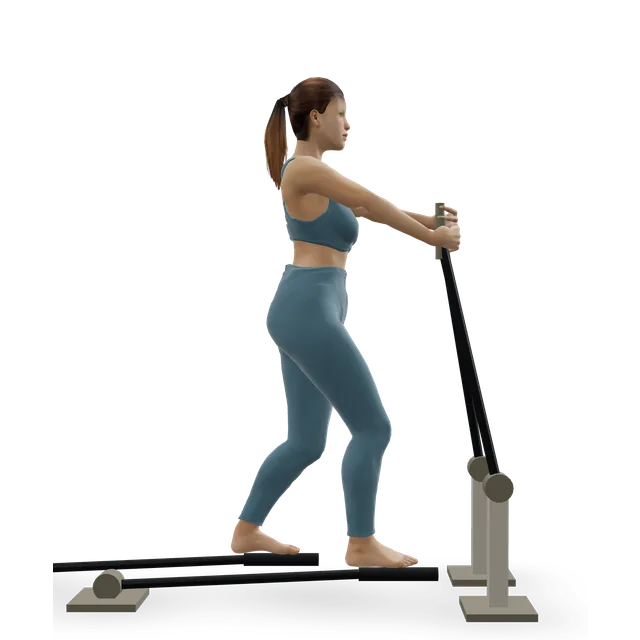
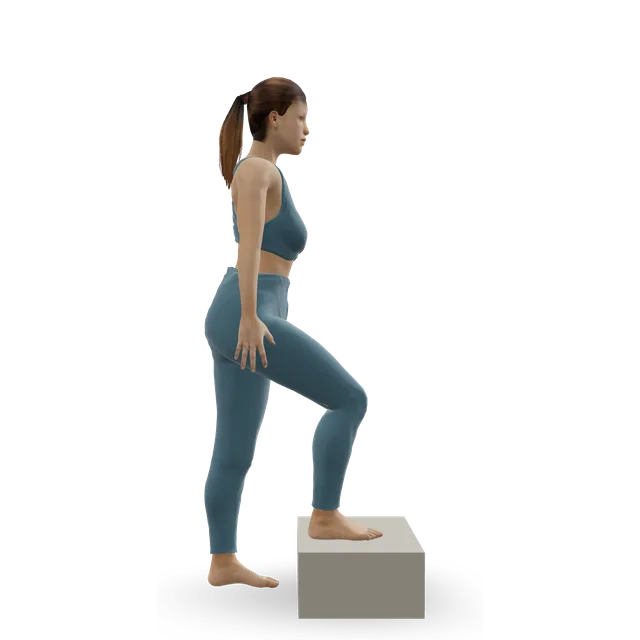
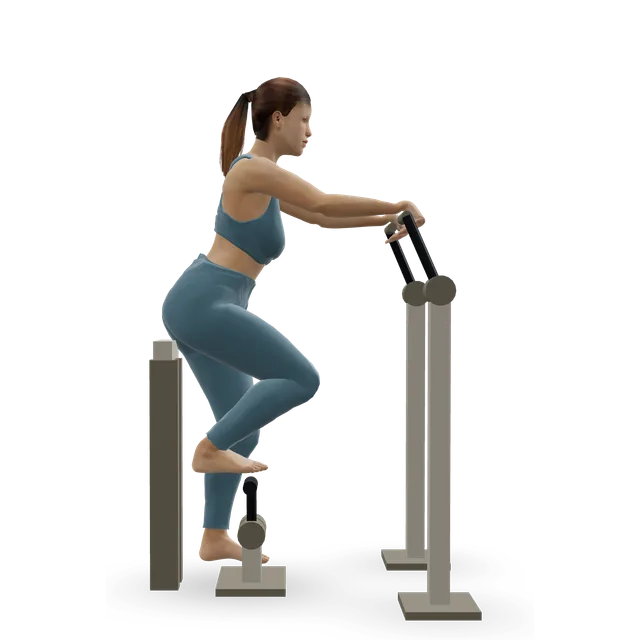
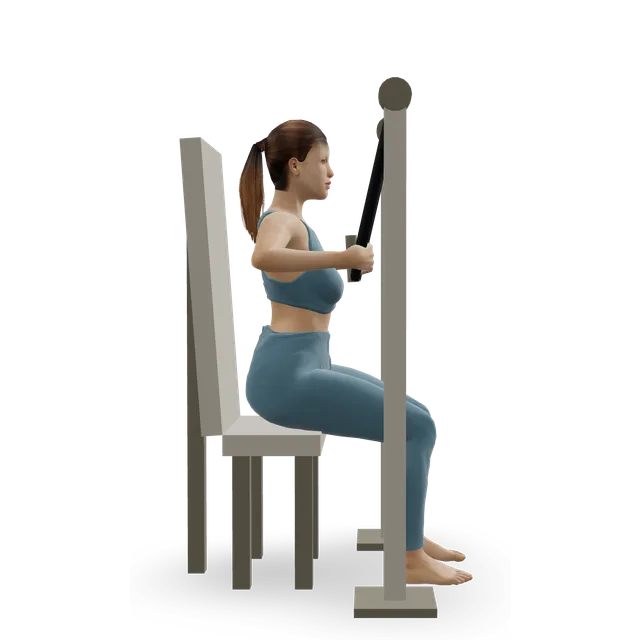
A 25-minute standing cardio circuit with no jumping: marching, step jacks, sit-to-stands, punches, step-ups and wall push-ups, with a seated option for most moves.

25 minBeginner9 movesA bench or box, A step

Build-up interval walk

A 25-minute walk with short faster bouts: notice your heart and breathing speed up, then settle. A gentle way to get used to the feelings of effort.

25 minBeginner5 movesCardio machine, A wall

10-minute walk and move after meals

A 10-minute routine for straight after a meal: an easy walk, a few simple standing moves from blood sugar trials, then a short walk to finish.

10 minBeginner6 movesCardio machine, A bench or box

Beginner home workout

A gentle 20-minute beginner home workout with a chair, a wall and a band: sit-to-stands, wall push-ups, band rows, step-ups and dead bugs.

20 minBeginner11 movesA bench or box, A wall

20-minute full-body strength workout

A 20-minute full-body dumbbell workout: two supersets of squats, rows, Romanian deadlifts and push-ups. Twice a week covers the minimum dose.

20 minBeginner8 movesA dumbbell, A bench or box

Full-body dumbbell workout

A 35-minute full-body strength workout with dumbbells: goblet squats, presses, rows, Romanian deadlifts and carries.

35 minIntermediate9 movesA band, A dumbbell

Full-body gym workout A

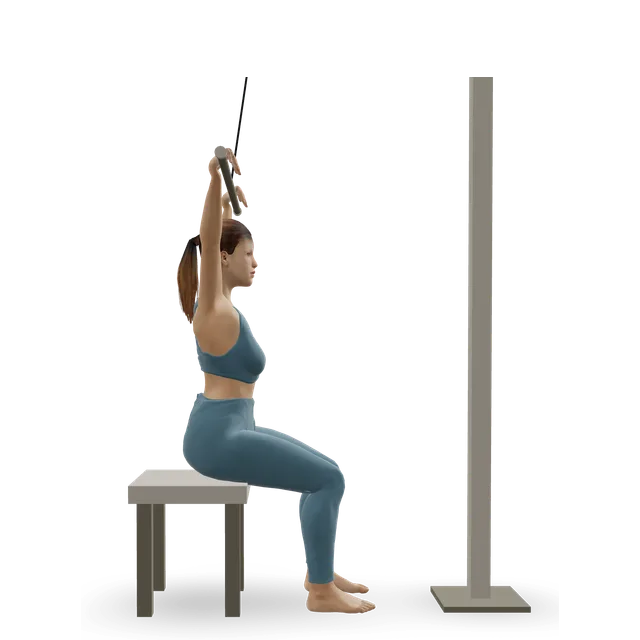
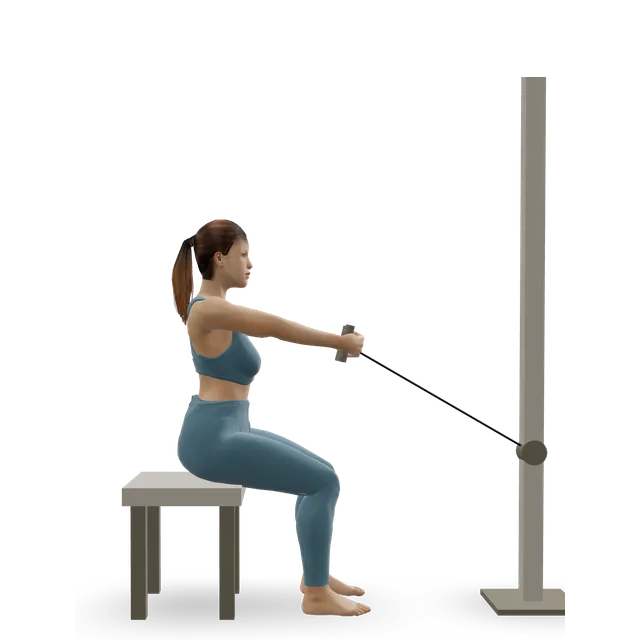
A beginner full-body gym workout: goblet squats, dumbbell bench press, lat pulldowns, Romanian deadlifts and dead bugs, with sets, reps and rest.

45 minBeginner12 movesCardio machine, A band

Resistance band workout

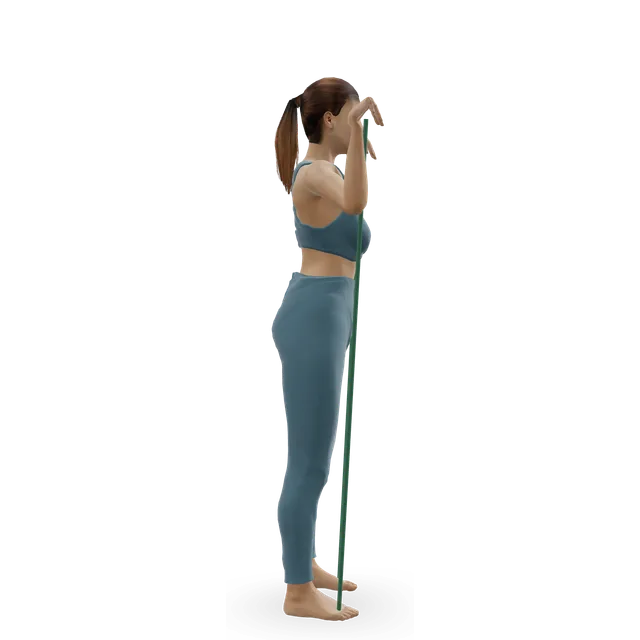
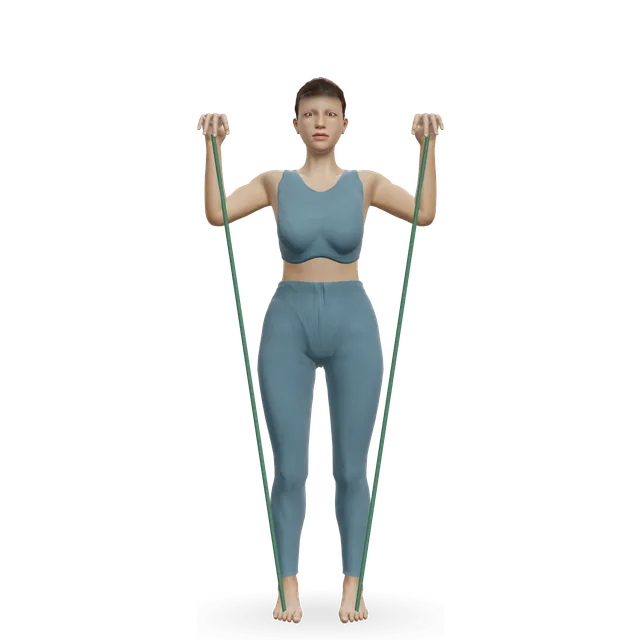
A full-body resistance band workout: squats, presses, pull-aparts, band walks, good mornings and flyes.

25 minBeginner7 movesA band, An anchor point

Strength and balance workout

Strength and balance in one session: squats, Romanian deadlifts, push-ups, rows, step-ups, back extensions, carries and single-leg balance.

45 minBeginner14 movesA wall, A dumbbell

Cardio intervals workout

A 25-minute interval session on a bike or rower: one-minute hard efforts with two minutes easy, building from 4 to 8 rounds.

25 minIntermediate1 movesCardio machine

3-minute desk movement break

A 3-minute standing break to repeat every 30 to 60 minutes at your desk: sit-to-stands, calf raises, marching, an upper-back turn and chin tucks.

3 minBeginner5 movesA bench or box, A wall

Follow a plan

The 7-day plan mixes 3 strength days with cardio and meets the guidelines for both. The weight loss plan suits you if you're also losing weight.

Warning signs: when to get help

Call 999 (911 in the US)

Call 999 for any of these, and don't drive yourself to A&E:

  • Chest pain that feels tight or like squeezing, or spreads to your arms, neck or jaw.
  • Severe difficulty breathing: gasping, choking or not able to get words out.
  • Lips or skin that turn pale, blue or grey, or someone who collapses and isn't responding normally.
  • Signs of a stroke: the face drooping on one side, weakness in one arm, or speech problems, even if they go away.
  • Sudden, severe tummy pain that spreads to your back, or comes with bloating that doesn't go away or keeps coming back, a fast heartbeat or difficulty breathing, or blue or bruised-looking skin around the belly button, waist or upper outer thigh (possible pancreatitis).

Sources 38, 39, 40

Call NHS 111

  • You're suddenly more short of breath than usual.
  • Chest pain with feeling sick, or with a heartbeat that races, goes too slowly, skips or flutters.
  • You take a statin and think you might have a serious side effect. For atorvastatin, the NHS lists muscle cramps, severe pain and weakness (perhaps with a high temperature and red or brown pee), yellowing of the skin or the whites of the eyes, and severe stomach pain.
  • Sudden, severe tummy pain that doesn't go away or keeps coming back, or comes with a high temperature or feeling hot, cold or shivery (or ask for an urgent GP appointment).

Sources 38, 11, 35, 40

See a GP

  • You're over 40 and have never had a cholesterol test, you're overweight, or high cholesterol or heart problems run in your family.
  • Possible signs of FH: lumps on your knuckles, knees or Achilles tendons, a pale ring around the coloured part of your eye or yellow lumps around your eyes, or a close relative who had heart disease before 60.
  • You've been told your total cholesterol is above 7.5 mmol/L.
  • You take a statin and have unexplained muscle pain, tenderness or weakness, especially a flu-like ache all over that lasts more than a couple of days. Keep taking the statin until you've spoken to your doctor.
  • You take a statin and are planning a pregnancy.

Sources 18, 36, 37, 3, 2, 35

Do you need a check first?Strong evidence

Cholesterol on its own is not one of the things the American College of Sports Medicine (ACSM) uses to decide who needs a medical check before exercise. What counts is how active you are now, symptoms such as chest pain on exertion, known heart, kidney or metabolic disease such as diabetes, and how hard you plan to exercise. With any of those, get advice before you start, especially before vigorous exercise. The NHS also advises speaking to a GP first if you haven't exercised for some time or have a medical condition.

If you already have heart disease, such as angina, a past heart attack or a stent, follow our heart disease guide.

Sources 41, 4

Stop and rest

Stop exercising if you get chest pain, unusual breathlessness, dizziness or palpitations, and use the 999 and 111 advice above (our suggestion, as in our other heart guides).

Myths

"Exercise can replace statins"Strong evidence

Exercise lowers LDL by about 6% on average; atorvastatin 20 mg lowers it by about 43%, and each 1 mmol/L fall in LDL cuts major heart and stroke events by about a fifth. NICE offers a statin when your 10-year risk is 10% or more and lifestyle change hasn't been enough, and it says lifestyle advice for FH is no substitute for medicines. Exercise is still worth doing for your heart.

Sources 1, 2, 3, 37

"If you're fit and slim, your cholesterol will be fine"Strong evidence

High cholesterol can be inherited: FH affects about 1 in 250 people from birth, and about 90% of a person's Lp(a) level is inherited. Only a blood test shows your cholesterol.

Sources 36, 9, 14

"You can't exercise on a statin"Emerging evidence

Atorvastatin 80 mg didn't reduce strength or exercise capacity over 6 months, a review of 16 trials found no effect on fitness, and Heart UK encourages people on statins to be more active. Heart UK flags heavy exercise, and the AHA/ACC high levels of physical activity, as things that make side effects more likely, and one small trial suggested simvastatin can blunt fitness gains, so build up gradually.

Sources 32, 33, 2, 31, 34

"Muscle aches on a statin are always the statin"Strong evidence

In placebo-controlled trials, over 90% of muscle complaints in people on statins weren't caused by the statin, and people who had given up statins felt as bad on a placebo. Tell your GP, who can check a blood test and look for other causes, rather than stopping yourself.

Sources 12, 28, 29, 3

"The aim is to raise your good HDL"Strong evidence

Exercise raises HDL only a little (about 0.05 mmol/L), and raising HDL with medicines hasn't been shown to prevent heart attacks. The heart benefits of being active go well beyond any single number.

Sources 1, 9, 8

"Only hard exercise lowers cholesterol"Mixed evidence

In an 8-month trial, the amount of exercise mattered more than how hard it was, and HDL rose with longer sessions rather than harder ones. One trial found harder sessions lowered LDL more. Brisk walking counts.

Sources 7, 6, 23

"Lifting weights is the best way to lower cholesterol"Emerging evidence

On its own, strength training mainly raised HDL in the largest analysis, and an older analysis's small fall in LDL came with wide uncertainty. Cardio, or cardio plus weights, does more.

Sources 1, 20, 21

"You'll see a difference in a couple of weeks"Emerging evidence

The trials ran for 12 weeks or more, and the European guideline notes that the response to lifestyle changes may take longer than the 6 to 8 weeks after which medicines can be checked.

Sources 24, 9

"It's genetic, so there's no point"Strong evidence

Inherited high cholesterol is very treatable, and with treatment people with FH can expect a normal, healthy life. Staying active is part of the treatment, alongside medicines.

Sources 36, 37

Questions people ask

Does exercise lower cholesterol?

Yes, a little. Across 148 trials, regular exercise lowered LDL ("bad") cholesterol by about 0.19 mmol/L (7 mg/dL) and triglycerides slightly, and raised HDL ("good") cholesterol by about 0.05 mmol/L, though most of the trials were small and of low quality. Its bigger benefit is to your heart overall: the British Heart Foundation says being active can cut the risk of heart and circulatory disease by up to 35%.

What is the best exercise to lower cholesterol?

Aerobic exercise such as brisk walking, cycling, swimming or rowing, ideally combined with strength training on 2 or 3 days a week: in trials, cardio and combined training improved every blood fat, while strength training alone mainly raised HDL. Interval training is an option once you're fit, but the total amount of exercise seems to matter more than how hard it is. The best exercise is the one you'll keep doing.

How much exercise do I need to lower cholesterol?

At least 150 minutes a week of moderate activity, such as 30 minutes on 5 days, plus strength exercises on 2 days; the European guideline says at least 30 minutes a day. HDL rose only above about 120 minutes a week, and more exercise brought bigger changes. Start with what you can manage and build up.

How long does it take for exercise to lower cholesterol?

Expect about 3 months: the trials that showed changes lasted 12 weeks or more, and the European guideline says the response to lifestyle changes may take longer than the 6 to 8 weeks after which medicines can be checked. Ask your GP whether a repeat test makes sense after a few months of regular exercise.

Can exercise lower triglycerides?

Yes. Regular exercise, especially aerobic exercise, lowers triglycerides beyond any effect of weight loss, and combining exercise with weight loss can often lower them significantly. Alcohol raises triglycerides, so cutting down helps too, and very high levels need a doctor's care.

Is weight training good for cholesterol?

It helps, but less than cardio: in the largest analysis, strength training on its own mainly raised HDL, while cardio and cardio plus weights lowered LDL and triglycerides too. Do both, because strength training on at least 2 days a week is recommended for your health anyway. If you take a statin, build up the weights gradually.

Can I lower my cholesterol with exercise instead of statins?

Usually not by enough if your doctor has recommended a statin: exercise lowers LDL by about 6% on average, while atorvastatin 20 mg lowers it by about 43%. For people who haven't had a heart attack or stroke, NICE recommends discussing lifestyle changes first, and a statin if your 10-year risk is 10% or more and those changes aren't enough. Exercise and statins work well together, and you should talk to your doctor or pharmacist before stopping a statin.

Can I exercise on statins? What about muscle aches?

Yes, and Heart UK encourages it. Muscle aches are common, but in placebo-controlled trials over 90% of them weren't caused by the statin; Heart UK lists heavy exercise as one thing that can make side effects more likely, so build up gradually. Tell your GP about unexplained muscle pain, especially a flu-like ache all over lasting more than a couple of days, and call NHS 111 for muscle cramps, severe pain and weakness, which may come with a high temperature and red or brown pee.

Why is my cholesterol high when I'm fit and slim?

Cholesterol depends a lot on your genes and diet, not just your weight or fitness. About 1 in 250 people have familial hypercholesterolaemia, an inherited condition present from birth that exercise alone can't fix. See your GP, especially if close relatives had heart disease before 60.

Does walking lower cholesterol?

Yes, modestly: walking programmes lowered LDL by about 5%, and the European guideline gives 25 to 30 km of brisk walking a week as an example that may raise HDL. Walk fast enough that your heart beats faster, and build towards at least 150 minutes a week.

Should I avoid exercise before a cholesterol test?

The NHS page on cholesterol tests doesn't mention exercise, and most people don't need to fast. Our suggestion is to keep to your usual routine and avoid an unusually long or hard session the day before, so the result reflects a normal week. Follow any instructions from your GP surgery.

What exercise can I do with familial hypercholesterolaemia?

The same as anyone else: at least 150 minutes a week of activity such as brisk walking, cycling and taking the stairs, plus strength exercises. Exercise doesn't replace treatment, though: NICE says lifestyle advice is part of care, not a substitute for medicines. If you plan hard training or competitive sport, mention it at your lipid clinic or GP review (our suggestion).


Sources

  1. Smart 2025 · Exercise training and blood lipids: 148 trials, 8,673 people (systematic review and meta-analysis, Sports Medicine)
  2. Heart UK · Questions about statins (archived copy, 12 October 2026)
  3. NICE NG238 · Cardiovascular disease: risk assessment and reduction, including lipid modification
  4. NHS · Physical activity guidelines for adults aged 19 to 64
  5. NHS · How to lower your cholesterol
  6. Kodama 2007 · Aerobic exercise training and HDL cholesterol: 25 studies (meta-analysis, Archives of Internal Medicine)
  7. Kraus 2002 · The amount and intensity of exercise and blood lipoproteins: the STRRIDE trial (RCT, New England Journal of Medicine)
  8. British Heart Foundation 2026 · UK cardiovascular disease factsheet, July 2026
  9. Mach 2019 · ESC/EAS guidelines for the management of dyslipidaemias (European Heart Journal)
  10. Kokkinos 2013 · Fitness, statins and death rates in 10,043 veterans with high cholesterol (cohort study, Lancet)
  11. NHS · Statins
  12. Cholesterol Treatment Trialists' Collaboration 2022 · Statins and muscle symptoms: 19 placebo-controlled trials, 123,940 people (individual participant data meta-analysis, Lancet)
  13. British Heart Foundation · High cholesterol: symptoms, causes and levels
  14. NHS · High cholesterol
  15. Heart UK · What are triglycerides? (archived copy, 8 September 2026)
  16. NHS · High cholesterol: cholesterol levels
  17. El Khoudary 2020 · Menopause transition and cardiovascular disease risk (AHA scientific statement, Circulation)
  18. NHS · High cholesterol: getting tested
  19. NHS · NHS Health Check
  20. Kelley 2009 · Progressive resistance training and blood lipids: 29 trials (meta-analysis, Preventive Medicine)
  21. Kelley 2009 · Resistance training and blood lipids: another look using prediction intervals (Preventive Medicine)
  22. Kelley 2004 · Walking and blood lipids: 25 trials (meta-analysis, Preventive Medicine)
  23. Mann 2014 · Aerobic, resistance and combined exercise and the lipid profile (review, Sports Medicine)
  24. Wood 2021 · Aerobic training and blood lipids in sedentary adults with metabolic syndrome factors: 48 datasets (meta-analysis, British Journal of Sports Medicine)
  25. Wood 2023 · Aerobic training and newer blood lipid markers: 57 trials (multivariate meta-analysis, Sports Medicine)
  26. Heart UK · Exercise (archived copy, 6 April 2026)
  27. NHS · Medicines for high cholesterol
  28. Howard 2021 · Statin, placebo and no tablet in 60 people who had stopped statins: the SAMSON trial (n-of-1 RCT, Journal of the American College of Cardiology)
  29. Herrett 2021 · Statins and muscle symptoms in 200 people: the StatinWISE trial (n-of-1 RCTs, BMJ)
  30. Newman 2019 · Statin safety and associated adverse events (AHA scientific statement, Arteriosclerosis, Thrombosis, and Vascular Biology)
  31. Grundy 2018 · AHA/ACC guideline on the management of blood cholesterol (Circulation)
  32. Parker 2013 · Atorvastatin and muscle strength and exercise capacity in 420 healthy adults: the STOMP trial (RCT, Circulation)
  33. Gadowski 2019 · Statins and physical activity or fitness: 16 trials (systematic review and meta-analysis, Journal of Aging and Physical Activity)
  34. Mikus 2013 · Simvastatin and the fitness gained from 12 weeks of training in 37 adults (RCT, Journal of the American College of Cardiology)
  35. NHS · Atorvastatin
  36. British Heart Foundation · Familial hypercholesterolaemia (FH)
  37. NICE CG71 · Familial hypercholesterolaemia: identification and management
  38. NHS · Heart attack
  39. NHS · Symptoms of a stroke
  40. NHS · Acute pancreatitis
  41. Riebe 2015 · Updating ACSM's recommendations for exercise preparticipation health screening (MSSE)

Exercise education, not a diagnosis or treatment plan, and clinical review of these guides is pending. Stop and get advice for chest pain, unusual breathlessness, dizziness or fainting, or new pain, and check with your doctor or midwife first if they have told you to limit activity. Health disclaimer.