What is the best exercise for fatty liver?
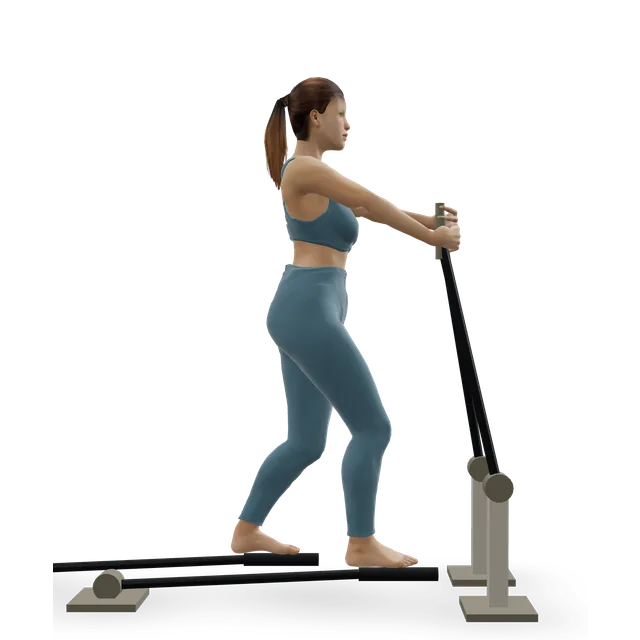
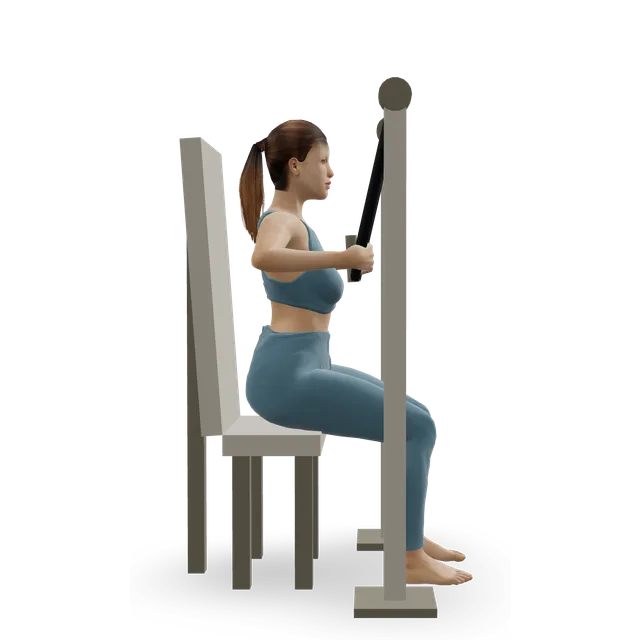
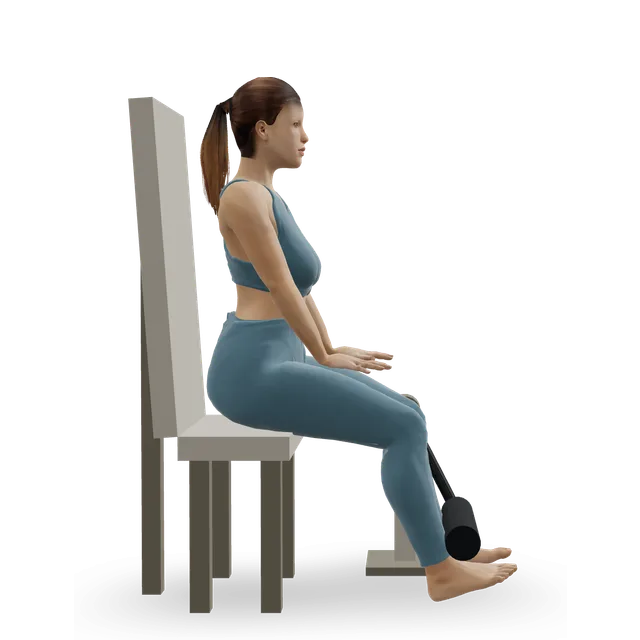
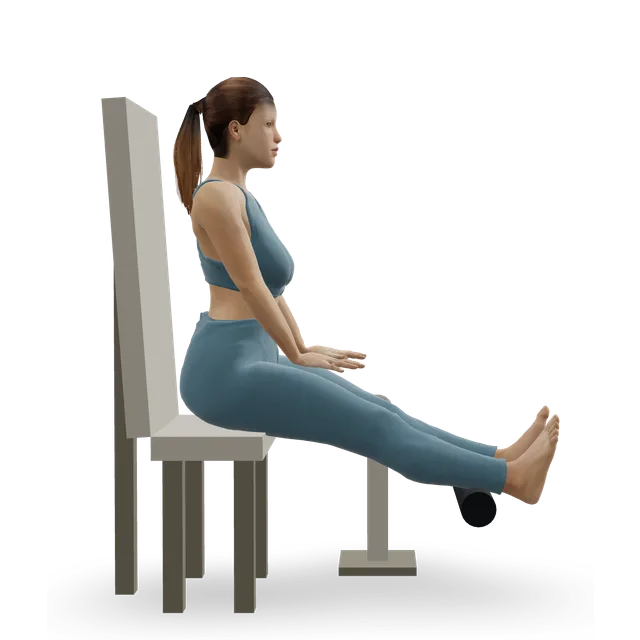
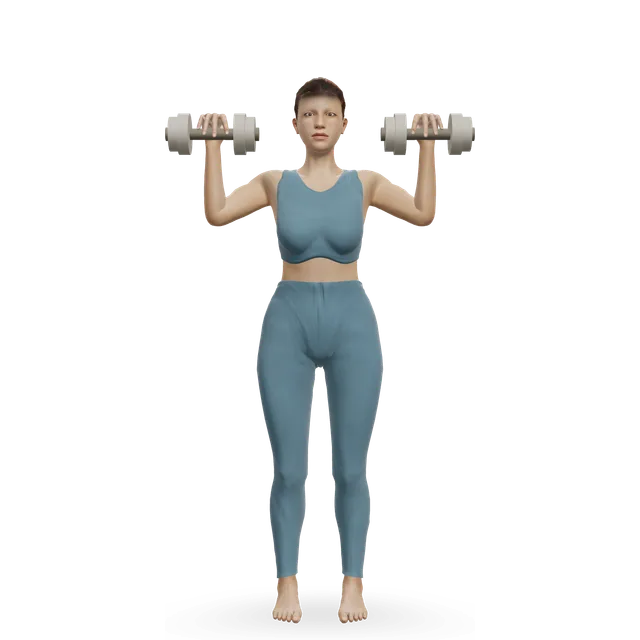
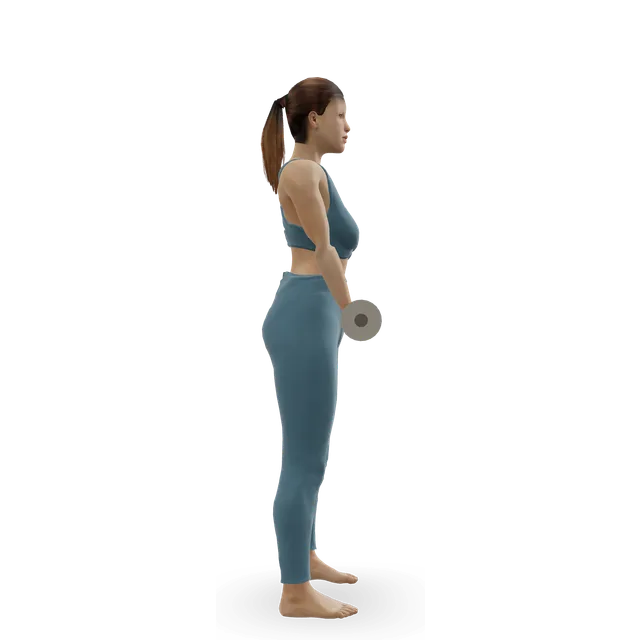
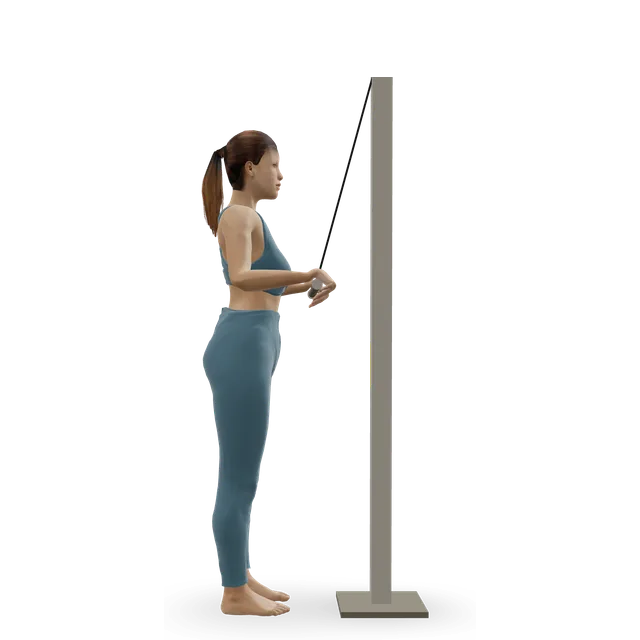
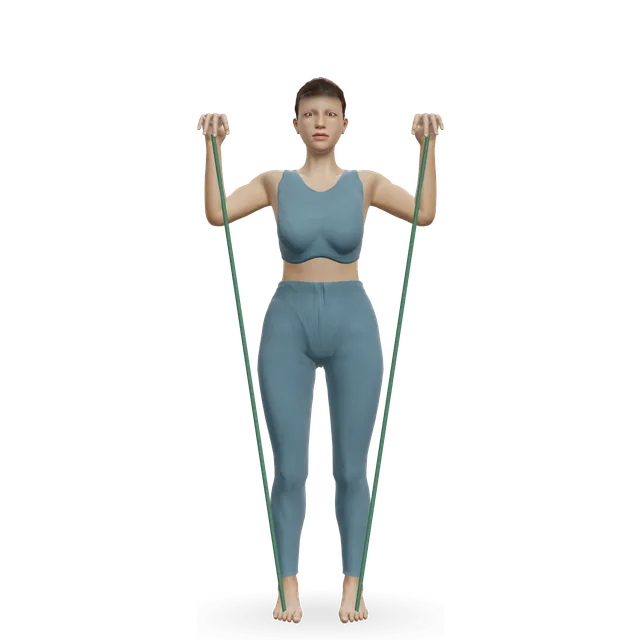
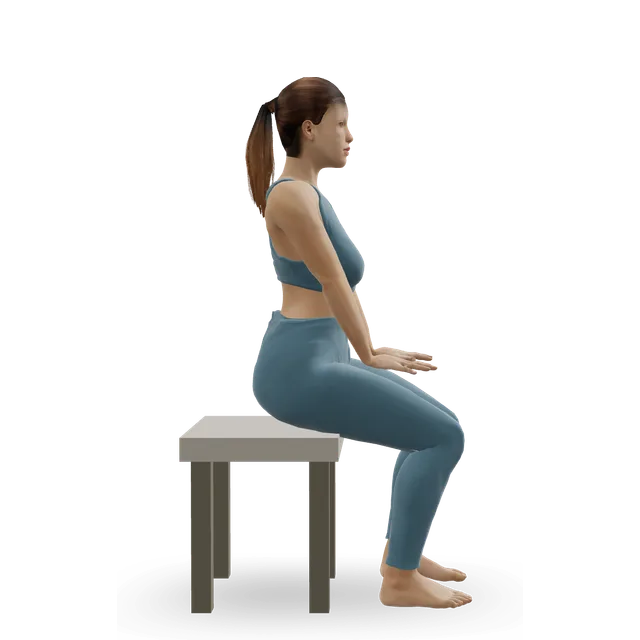
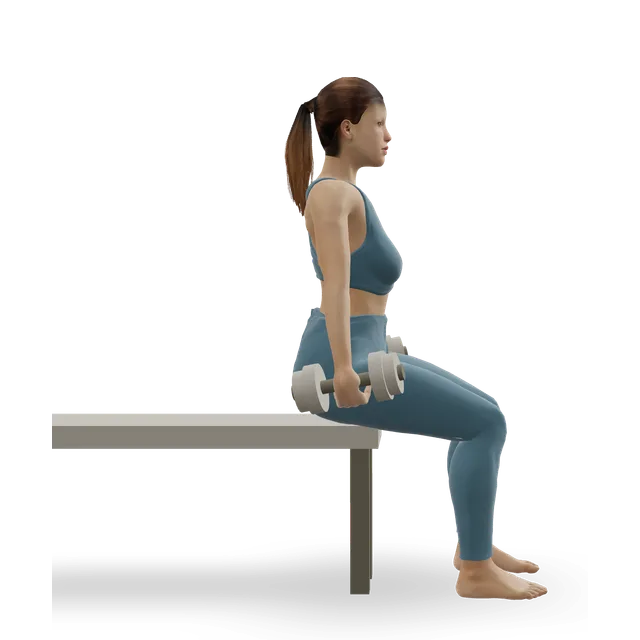
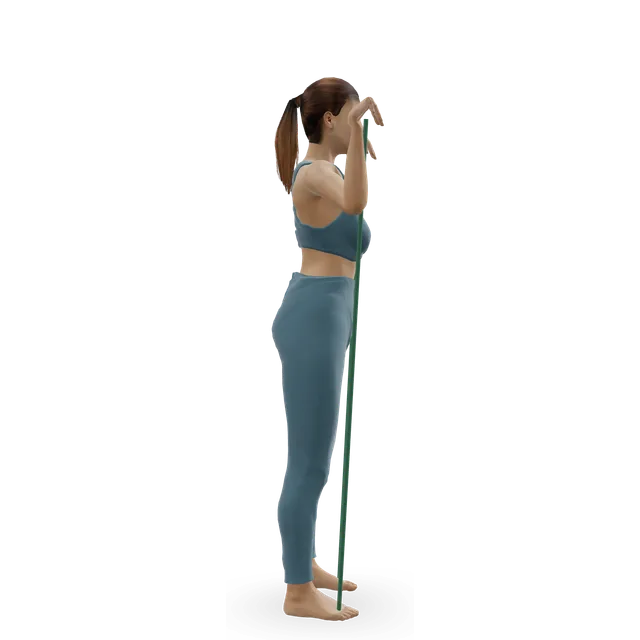
The one you'll keep doing: brisk walking, cycling, swimming, strength training and interval training all reduce liver fat by similar amounts. Guidelines prefer aerobic exercise plus strength training at least twice a week. Strength training is a good start if you find cardio hard, because it takes less effort.
How much exercise should I do for fatty liver?
At least 150 minutes a week of moderate activity such as brisk walking, or 75 minutes of vigorous activity, plus strength exercises at least twice a week. A 2023 analysis suggested about 150 minutes a week of moderate exercise made a meaningful drop in liver fat more likely. Ten-minute bouts count, and more is better.
Can exercise reverse fatty liver disease?
Exercise reliably reduces the fat in your liver and improves your fitness and heart health. Whether exercise alone reverses inflammation or scarring isn't proven yet; losing weight, if you're overweight, is what has been shown to help: 7% to 10% for inflammation and 10% or more for scarring. Liver UK says losing 5% to 10% may reverse some liver damage.
Does exercise help fatty liver if I don't lose weight?
Yes. In trials, liver fat fell with "minimal or no weight loss", and people who exercised were 3.5 times as likely to cut their liver fat by 30% or more whether or not they lost more than 5% of their weight. Exercise also reduced deep belly fat in some trials, and it improves your fitness.
How much weight do I need to lose to reverse fatty liver?
If you're overweight, guidelines suggest losing at least 5% of your weight to reduce liver fat, 7% to 10% to improve inflammation, and 10% or more to improve scarring. For someone weighing 90 kg, 5% is 4.5 kg and 10% is 9 kg. If you're a healthy weight, aim not to gain weight and stay active.
Is walking good for fatty liver?
Yes: in a 2023 analysis, about 150 minutes of brisk walking a week was the amount at which exercise made a meaningful fall in liver fat more likely. Brisk means you feel warmer and slightly out of breath. Split it into walks of 10 minutes or more if that's easier.
Is weight training or HIIT good for fatty liver?
Both work. Strength training reduced liver fat about as well as aerobic exercise while using less energy, and in one trial a circuit 3 times a week cut liver fat by 13% in 8 weeks without weight loss. HIIT lowered liver fat as much as steady cardio, often in less time; check with your GP first if you have heart disease.
How long does it take for exercise to reduce liver fat?
Weeks rather than years: in small trials, liver fat fell after 4 weeks of cycling and 8 weeks of strength training, and most effective programmes ran for about 12 weeks. Changes in inflammation and scarring take longer and come mainly with weight loss. The benefits fade if you stop, so keep going.
What's the difference between NAFLD, MASLD and MASH?
They're names for the same condition: in 2023, non-alcoholic fatty liver disease (NAFLD) was renamed metabolic dysfunction-associated steatotic liver disease (MASLD), and NASH, the inflamed form, became MASH. MASLD means fat in the liver plus at least one risk factor such as a larger waist, raised blood sugar, blood pressure or blood fats. Nearly everyone with NAFLD meets the new definition, so the research still applies.
Can slim people get fatty liver?
Yes. MASLD can happen at a healthy weight, in about 4% of people in the US and up to 19% in Asia. Diet and exercise still help reduce liver fat whatever you weigh.
Can I drink alcohol if I have fatty liver?
If you drink, keep within 14 units a week, spread over 3 or more days, with alcohol-free days and not too much in one go. The European guideline discourages alcohol in fatty liver disease and says to stop completely if you have advanced scarring or cirrhosis. Regularly drinking about 17 to 44 units a week (women) or 26 to 52 (men) alongside metabolic risk factors is classed as MetALD, which carries more risk, and more than that as alcohol-related liver disease.
Is fatty liver serious, and what do grade 1 and grade 2 mean?
Most people with fatty liver only ever have fat in the liver without damage, but some develop inflammation and scarring, which can lead to cirrhosis. Scan reports often grade the amount of fat; what matters more is whether there's scarring, which a blood test such as ELF or a FibroScan can check. MASLD also raises the risk of heart disease, which is one reason exercise matters.