Exercise guide

Exercise for PCOS (now called PMOS): what helps, how much, and which type

Exercise is recommended for everyone with polycystic ovary syndrome (PCOS), whatever your weight. It reliably improves fitness and trims the waist a little, may improve insulin resistance, cholesterol and mood, and brings benefits even when the scales don't move. The evidence for periods and fertility is thin. In 2026, PCOS was renamed polyendocrine metabolic ovarian syndrome (PMOS); the exercise advice is the same.

The international guideline's amounts are the same as for everyone: 150 to 300 minutes of moderate activity or 75 to 150 minutes of vigorous activity a week, plus strength training on 2 days. No type of exercise is proven best, high-intensity interval training (HIIT) isn't harmful, and cardio isn't off-limits.

This guide gives you the guideline's amounts and how strong the evidence is, what exercise does and doesn't change, moves and workouts to follow, a weight-inclusive approach, and when to see a GP.

The short version

Exercise helps, whatever your weight

The 2023 international guideline strongly recommends exercise, alone or with healthy eating, for everyone with PCOS, to improve heart and metabolic health. It rates the evidence as very low certainty, and says a healthy lifestyle brings benefits even without weight loss.

Source 1

How much

The same as for other adults: 150 to 300 minutes of moderate activity a week, or 75 to 150 minutes of vigorous activity, plus strength training on 2 non-consecutive days, and less time sitting. Any amount counts, and short bouts count too.

Sources 1, 2

What it changes

Fitness improves consistently and the waist shrinks a little, by about 1.5 to 2.6 cm. Insulin resistance and cholesterol improved in some reviews but not in another. Weight falls only slightly, by about 1.7 kg with lifestyle programmes.

Sources 3, 4, 5, 6

Periods and fertility: the evidence is thin

No trial in the Cochrane review reported regular periods or live births, and the largest trial of interval training found no change in how often periods came over a year. Smaller studies are more hopeful. A medicine, letrozole, is the first treatment to help you ovulate.

Sources 6, 7, 8, 1

No type is best, and HIIT is fine

The guideline found no type or intensity of exercise better than another, and trials comparing interval training with steady exercise found no clear winner. The claim that HIIT raises cortisol and worsens PCOS has no trial behind it. Choose what you'll keep doing.

Sources 1, 9, 10, 11

Your goals, not just the scales

The guideline asks health professionals to recognise weight stigma, ask before weighing you, and offer care aimed at weight loss or care aimed at healthy habits without a weight-loss goal, as you prefer. Fitness, strength, mood and blood sugar are worth tracking as well as weight.

Sources 1, 12

What PCOS is, and its new name

The new name: PMOS

In 2026 a global consensus of 56 organisations, with 14,360 survey responses, renamed PCOS polyendocrine metabolic ovarian syndrome (PMOS). The old name wrongly suggested cysts and hid the condition's effects on hormones and metabolism: the ovaries hold many follicles that have stopped developing, not cysts. The NHS now uses the new name. The way it is diagnosed hasn't changed, and neither has the exercise advice.

Sources 13, 14, 15

What it is and who gets it

It is a lifelong hormone condition that affects about 10% to 13% of women of reproductive age worldwide, about one in eight, and it can affect anyone who has ovaries. Doctors diagnose it when 2 of these 3 are present and other causes are ruled out: irregular periods or not ovulating; signs of high levels of male-type hormones (androgens), such as extra hair growth, or high levels on a blood test; and many follicles on an ultrasound scan, or a high level of anti-Müllerian hormone (AMH) in adults. In teenagers, both of the first two are needed.

The NHS lists irregular periods or long gaps between them, extra hair growth or hair loss, weight gain or difficulty losing weight, difficulty getting pregnant, depression or anxiety, oily skin and acne, tiredness, and dark, thick patches of skin on the neck or armpits.

Sources 1, 13, 15

Insulin resistance is built in

In 28 studies using the most accurate test, the body responded to insulin 27% less well in women with PCOS than in women without it, whatever their weight; a higher weight lowered it further. In one study, insulin resistance was found in 75% of lean women and 95% of women at a higher weight with PCOS. High insulin can lead to weight gain, irregular periods, fertility problems and higher testosterone. The guideline doesn't recommend insulin blood tests in routine care because they are inaccurate: blood sugar tests are what matter.

Sources 16, 17, 18, 1

Long-term health

PCOS roughly triples the odds of type 2 diabetes, at any age or weight, and raises the risk of serious heart and circulation problems, with the difference showing from about age 35. Sleep apnoea (breathing that stops and starts in sleep), high blood pressure and fatty liver are more common, and the risk of womb cancer is higher, though still low. These are the main reasons exercise matters in PCOS.

Sources 19, 1, 18, 15

Mood, body image and eating

Depression and anxiety are more common, and the guideline asks for everyone with PCOS to be screened for them. PCOS can affect body image, and eating disorders are more common, at any weight. The weight section below covers how this shapes exercise advice.

Source 1

What the evidence says

The trials in PCOS are small, so most of the evidence is low or very low certainty. Here is what is consistent and what isn't.

Fitness improvesStrong evidence

Two reviews, each of 18 trials, found that exercise raised aerobic fitness (the most oxygen your body can use) by about 4 mL per kg of body weight a minute, against no exercise programme. The biggest gains came with supervised aerobic exercise and in women at a higher weight.

Sources 3, 4

The waist shrinks a littleEmerging evidence

Waist size fell by 2.6 cm in one review and 1.5 cm in the other, and body fat by about 1.4 percentage points. The effects are consistent but small, and the evidence is low certainty.

Sources 3, 4

Insulin resistance: probably helps, but reviews disagreeMixed evidence

Insulin resistance scores fell in two reviews, one of them of 25 studies and 1,107 women, but not in a third of 18 trials. In a small trial of 31 women, 10 weeks of interval training lowered insulin resistance by 17% without any weight loss. Blood pressure didn't change in the reviews.

Sources 3, 5, 4, 20

Cholesterol: mixedMixed evidence

Total cholesterol, LDL ("bad") cholesterol and triglycerides fell a little in two reviews but not in a third.

Sources 3, 5, 4

Weight falls only a littleEmerging evidence

In the Cochrane review, lifestyle programmes took off about 1.7 kg on average (9 trials, 353 women, low-quality evidence). Exercise does more for fitness and waist size than for weight.

Sources 6, 3

Hormones change a littleEmerging evidence

Lifestyle programmes slightly lowered the free androgen index, a measure of active male-type hormone (6 trials, 204 women, low quality). Small strength-training studies also found lower testosterone or AMH.

Sources 6, 21, 20

Mood and quality of lifeEmerging evidence

Exercise reduced symptoms of depression across 7 trials, and quality of life improved in all 11 trials in another review. In 3 trials of aerobic exercise, depression and anxiety scores fell. The trials are few and small.

Sources 22, 23, 24

How much exercise

These are the 2023 international guideline's amounts, which match the general adult guidelines. Treat them as targets to build towards.

Aerobic activity: 150 to 300 minutes a weekStrong evidence

150 to 300 minutes a week of moderate activity, or 75 to 150 minutes of vigorous activity, or a mix, spread through the week. Moderate means you can talk but not sing; vigorous means you can't say more than a few words without pausing for breath. Exercise and Sports Science Australia's 2024 statement gives the same amounts.

Sources 1, 25, 26

For weight loss: at least 250 minutesStrong evidence

For modest weight loss, or to stop weight coming back, the guideline suggests at least 250 minutes a week of moderate activity, or 150 minutes of vigorous activity, or a mix.

Source 1

Strength training: 2 days a weekStrong evidence

Muscle-strengthening exercise on 2 non-consecutive days a week, working all the major muscle groups.

Sources 1, 26

Sit less, and short bouts countStrong evidence

The guideline recommends limiting time spent sitting: swapping sitting for any activity, even light, helps. It suggests bouts of at least 10 minutes, but the World Health Organization (WHO) dropped that rule in 2020, so activity of any length counts.

Sources 1, 2

Teenagers

At least 60 minutes a day of moderate to vigorous activity, with muscle and bone strengthening at least 3 times a week.

Source 1

A starting week

Our suggestion if you're new to exercise: three brisk 30-minute walks or rides and two full-body strength sessions a week, adding about 5 minutes a session until you reach 150 minutes or more. WHO's advice is to start small and build up how often, how hard and how long you exercise. If you enjoy harder efforts, swap one walk for an interval session once the routine feels comfortable.

Sources 2, 1

Which exercise is best? HIIT, cardio and strength

No type has been shown to be bestStrong evidence

The guideline found no evidence that any one type or intensity of exercise is better for weight, metabolic health, hormones, fertility or mood, and advises activity that suits your own preferences and goals. Its own review of interval training against steady exercise (5 studies, 216 women) found no clear differences.

Sources 1, 9, 25

Interval training and steady exercise do about as wellEmerging evidence

Another review of 6 trials lasting at least 12 weeks found interval training no better than steady moderate exercise for body measures, fitness, blood sugar, cholesterol or hormones. A third found steady exercise improved fitness while the few interval studies didn't, and neither changed insulin resistance. The certainty is low or very low throughout.

Sources 10, 27, 9

Harder effort may do a little moreEmerging evidence

In a 2020 analysis that included some non-randomised studies, vigorous exercise brought the biggest gains in fitness, insulin resistance and waist size, and the authors suggest at least 120 minutes of vigorous exercise a week. This fits the guideline's amounts; it doesn't mean gentle exercise is wasted.

Source 28

Rankings disagreeMixed evidence

Three 2026 analyses ranked exercise types and came out differently. One ranked aerobic exercise and HIIT best for blood sugar and combined aerobic and strength training best for cholesterol, another found HIIT raised fitness most, and a third ranked mind-body exercise such as yoga best for blood sugar. All were low or very low certainty. Taken together, they support the guideline: no type is proven best.

Sources 5, 29, 30

Strength training builds muscleEmerging evidence

In 10 trials of 382 women, strength training increased lean mass and reduced body fat, with little effect on hormones, while aerobic exercise did more for insulin and cholesterol. In a small study of 45 women, 4 months of strength training reduced testosterone and waist size. Doing both covers the most ground.

Sources 31, 21

Example sessions from the trials

These are what trials used, not prescriptions. Intervals: 10 bursts of 30 seconds hard with 90 seconds easy, or 10 bursts of 1 minute, or 4 bursts of 4 minutes, 3 times a week. Steady: 40 minutes at a moderate effort, or 30 to 45 minutes of cycling, 3 times a week. Build up to intervals once regular activity feels comfortable.

Sources 32, 7, 8

Cardio

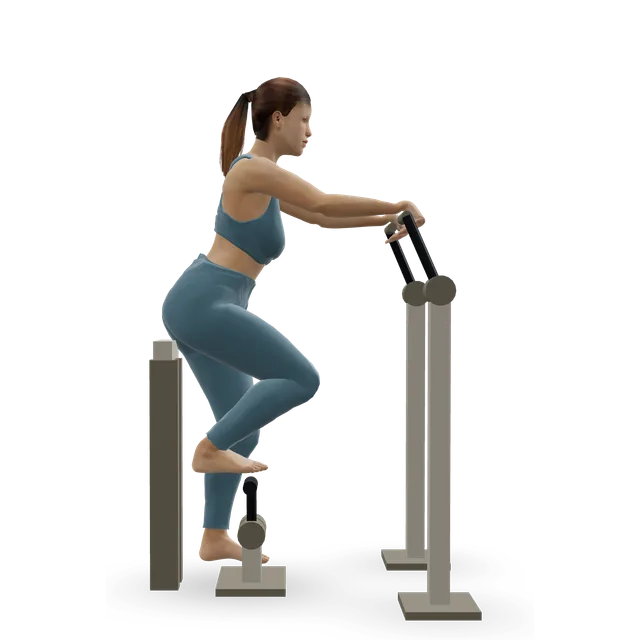
Most days, at a pace where you can talk but not sing, building towards 150 to 300 minutes a week, with air bike intervals (6 to 8 bursts of 20 to 30 seconds) once that feels comfortable.

Strength, 2 days a week

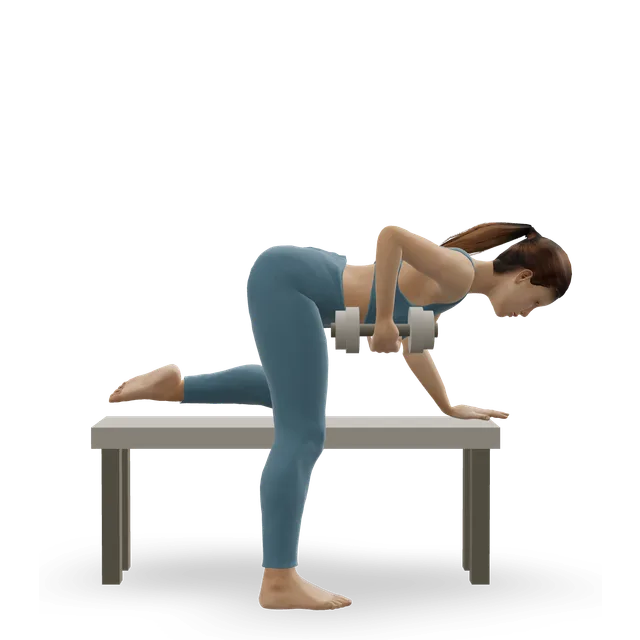
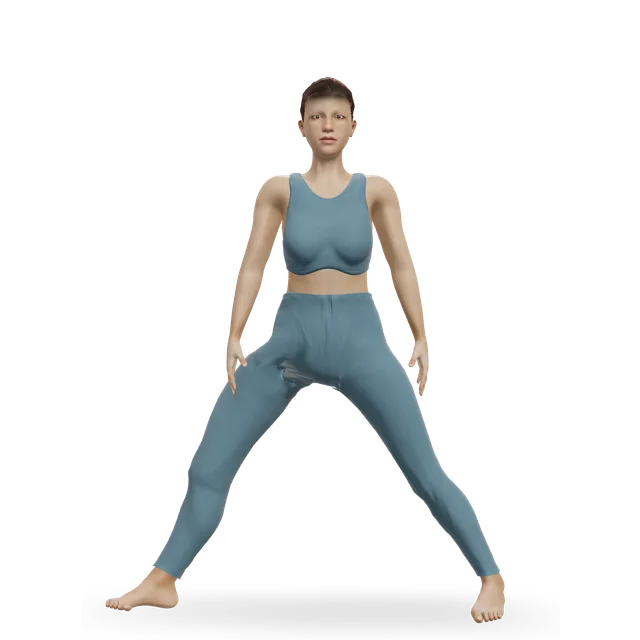
On 2 non-consecutive days, do 2 to 3 sets of 8 to 12 of each, stopping with 2 to 3 reps to spare (our suggestion); sit-to-stands come before goblet squats, and the band row is the home version of the dumbbell row.

Workouts to follow

Two strength sessions a week, walking or cycling on most other days, and intervals or yoga if you enjoy them; the low-impact cardio workout has no jumping.

Follow a plan

Any plan that combines strength and cardio fits the guideline. New to exercise? Start with the beginner plan.

Periods, ovulation and fertility

If your periods stop while you train hard or after losing weight quickly, the cause may not be PCOS: our guide to exercise and the menstrual cycle covers this.

Regular periods: the evidence is mixedMixed evidence

The Cochrane review found no trial that reported how regular periods were. A 2026 review of 10 small studies (290 women) reported more regular cycles with exercise, mostly 3 sessions a week for 3 months or more. But in the largest trial, IMPROV-IT, with 64 women, 16 weeks of interval training made no difference to how often periods came, measured up to a year later: periods became more frequent in every group, including the women who didn't exercise.

Sources 6, 8, 7

OvulationMixed evidence

Small studies suggest exercise, with or without changes to eating, can restart ovulation in women with PCOS at a higher weight. In an Italian study of 40 women, 24 weeks of structured exercise led to more regular periods and ovulation than a low-calorie diet, though pregnancy rates didn't differ. Very heavy exercise, over an hour a day, has been linked with not ovulating.

Sources 33, 34

Getting pregnantMixed evidence

No lifestyle trial in the Cochrane review reported live births. In the OWL-PCOS trial of 149 women trying to conceive, a 16-week programme of eating less, weight-loss medicine and more activity, with about 6% weight loss, raised ovulation rates compared with the contraceptive pill alone, but live births didn't differ significantly. The guideline recommends a healthy lifestyle, including exercise, before pregnancy, and letrozole as the first medicine to help you ovulate.

Sources 6, 35, 1

Protecting the womb liningStrong evidence

With fewer than three periods a year, the womb lining can thicken, which raises the risk of womb cancer, though the risk stays low. The Royal College of Obstetricians and Gynaecologists (RCOG) suggests aiming for a period at least every 3 to 4 months, and seeing your doctor if you haven't had one for over 4 months: you may need hormone treatment. Exercise doesn't replace this.

Sources 18, 1

Weight, body image and weight stigma

What exercise does for weightEmerging evidence

On its own, not much: lifestyle programmes took off about 1.7 kg on average. The guideline says healthy habits bring benefits even without weight loss, and that at a higher weight, preventing further gain and improving waist size and metabolic health count too. Our weight-loss guide covers how much weight exercise takes off and what helps keep it off.

Sources 6, 3, 1

Weight gain is not a personal failingMixed evidence

On average, women with PCOS eat a similar amount to other women and are only slightly less active, with big differences between studies. The guideline says many women with PCOS have underlying reasons for gaining more weight over time, which can make weight harder to manage, while RCOG's leaflet says there is no strong evidence that PCOS itself causes weight gain. Either way, the guideline says lifestyle programmes with ongoing support work as well in PCOS as for anyone else.

Sources 36, 1, 18

Your goals, your choiceStrong evidence

The guideline says many women with PCOS face weight stigma in healthcare and elsewhere, and that it causes harm. It asks professionals to treat weight as only one sign of health, ask permission before weighing you and explain why, and offer either care aimed at weight loss or care aimed at healthy habits without a weight-loss goal.

In a 2026 Australian survey of 151 women, exercise advice for women with PMOS was mostly about weight, and women with PMOS or endometriosis were less satisfied with the advice, and less confident about exercising afterwards, than women without these conditions. Goals for fitness, strength, energy, mood and blood sugar are just as valid.

Sources 1, 25, 12

Body image and eating

PCOS can affect how you feel about your body, and the guideline lists body image worries, fear of injury and fear of failure among the barriers to exercise worth talking through. Eating disorders are more common in PCOS at any weight. If you're exercising to make up for eating, or worrying a lot about food, weight or shape, see a GP or call the Beat helpline on 0808 801 0677.

Sources 1, 37

Medicines alongside exercise

The guideline says metformin and an active lifestyle work about equally well, and that weight-loss medicines can be considered alongside lifestyle change, as for other people. Talk these through with your doctor; exercise still matters for fitness and heart health either way.

Source 1

Blood sugar and heart health

Diabetes risk, and the tests to ask forStrong evidence

PCOS roughly triples the odds of type 2 diabetes, whatever your age or weight. The guideline recommends checking blood sugar at diagnosis, ideally with an oral glucose tolerance test, and every 1 to 3 years after that, plus cholesterol at diagnosis and blood pressure every year.

Sources 19, 1

Where exercise fits

Exercise improves fitness and, in some reviews, insulin resistance and cholesterol, which is part of why it is recommended for everyone with PCOS. Our type 2 diabetes guide covers walking after meals and the advice for prediabetes, though the after-meal walk hasn't been tested in PCOS itself. Our high blood pressure guide covers the heart side.

Sources 1, 3, 5

When to see a GP, and warning signs

Call 999 now

Stop exercising and call 999 for:

  • Chest pain that feels tight or like squeezing, or spreads to the arms, neck or jaw.
  • Severe difficulty breathing, pale, blue or grey lips or skin, or collapse.

Source 38

Call NHS 111 the same day

  • Being suddenly more short of breath than usual.
  • Chest pain with feeling sick, or a racing, skipping or fluttering heartbeat.

Source 38

If you're struggling with your mental health

If you have seriously harmed yourself or feel you may be about to, call 999 or go to A&E. For support now, call Samaritans free on 116 123, call NHS 111, or text SHOUT to 85258. In the US, call or text 988.

Sources 39, 40

See a GP

  • You think you might have PCOS (PMOS), or your symptoms are affecting your everyday life, work or relationships.
  • You've missed 3 periods in a row, your periods haven't started by 15, or they've become irregular.
  • You haven't had a period for more than 4 months: you may need treatment to protect your womb lining.
  • Hair growth on your face or body has started suddenly, is severe, or is getting worse quickly.
  • Signs of diabetes: feeling very tired, peeing more than usual, feeling thirsty all the time, losing weight without trying, blurred vision, slow-healing cuts, or itching around the vagina or repeated thrush.
  • Your breathing stops and starts while you sleep, you make gasping or choking noises, or you always feel very tired in the day.
  • You feel low or anxious most of the time, or you worry a lot about food, weight or exercise.
  • Your periods stop while you're training hard or after losing weight quickly.

Sources 15, 41, 18, 1, 42, 43, 37, 33

Before you start

The NHS suggests speaking to a GP first if you haven't exercised for some time or have a medical condition or concerns. Our view: most people with PCOS can start walking and strength training straight away, building up gradually.

Sources 26, 2

Myths

"HIIT spikes cortisol and makes PCOS worse"Emerging evidence

This popular claim has no trial behind it. Hard exercise raises cortisol for a short time in everyone, as it should: in a small study of 12 men, cortisol rose about 40% after 30 minutes at a moderate effort and 83% at a hard one, while light exercise didn't raise it. A short rise is not the same as cortisol that stays high. In PCOS trials, interval training did about as well as steady exercise, raised fitness the most in one analysis, and lowered insulin resistance without weight loss in a small trial. The guideline doesn't limit intensity. What is true: very heavy training has been linked with periods stopping, so build up gradually and keep some easier days.

Sources 11, 9, 10, 29, 20, 1, 33

"Avoid cardio with PCOS: only weights work"Strong evidence

Aerobic exercise is the most studied type in PCOS. It improves fitness and waist size and, in some reviews, insulin resistance and cholesterol. Strength training helps body composition. The guideline recommends both.

Sources 3, 4, 5, 31, 1

"There's a special PCOS workout"Strong evidence

The guideline found no type or intensity better than another and recommends the general activity guidelines, and Exercise and Sports Science Australia agrees. So a workout sold as a PCOS workout has no proven advantage over a good general programme.

Sources 1, 25

"If you're not losing weight, exercise isn't working"Emerging evidence

The guideline says the benefits come even without weight loss. Fitness and waist size improve, and insulin resistance fell without any change in weight in a small interval-training trial.

Sources 1, 3, 4, 20

"With PCOS you can't lose weight"Mixed evidence

Weight can be harder to manage for many women with PCOS, but the guideline says lifestyle programmes with ongoing support work as well as for anyone else, and RCOG says there is no strong evidence that PCOS by itself makes losing weight difficult. Medicines can help alongside lifestyle change.

Sources 1, 18

"Women with PCOS gain weight because they eat too much or don't move"Emerging evidence

On average, women with PCOS eat a similar amount to other women and are only slightly less active, with big differences between studies, and insulin resistance is built in. Blaming people is weight stigma, which the guideline asks professionals to recognise and reduce.

Sources 36, 16, 1

"You need insulin tests to see if exercise is working"Strong evidence

The guideline says the insulin tests available in clinics are inaccurate and not for routine care. A glucose tolerance test, blood pressure, cholesterol, waist size and fitness are better guides.

Source 1

"Yoga balances your hormones and cures PCOS"Mixed evidence

There is no cure for PCOS. Yoga counts as activity, and one analysis ranked mind-body exercise well for blood sugar, at low or very low certainty. Enjoy it if it suits you, but don't rely on it to treat symptoms.

Sources 15, 30

Questions people ask

What is the best exercise for PCOS?

No single type has been shown to be best: the international guideline says any activity that meets the general guidelines helps, so choose what you enjoy and will keep doing. A good mix is brisk aerobic activity on most days plus strength training on 2 days a week. Trials comparing interval training with steady exercise found they worked about equally well.

How much exercise should I do with PCOS?

The same as other adults: 150 to 300 minutes a week of moderate activity, or 75 to 150 minutes of vigorous activity, plus muscle strengthening on 2 non-consecutive days. For modest weight loss, or to stop weight coming back, the guideline suggests at least 250 minutes of moderate or 150 minutes of vigorous activity a week. Short bouts count, and sitting less helps too.

Is HIIT bad for PCOS because of cortisol?

There's no good evidence that it is. Hard exercise raises cortisol briefly in everyone, which is normal, but no trial has shown that interval training raises cortisol long term or makes PCOS worse. In PCOS trials, HIIT improved fitness and insulin resistance about as well as steady exercise. If you enjoy it, build up gradually and balance it with easier days.

Should I avoid cardio if I have PCOS?

No. Aerobic exercise is the most studied type in PCOS: it improves fitness and waist size and, in some reviews, insulin resistance and cholesterol. The guideline recommends aerobic activity and strength training together.

Will exercise help me lose weight with PCOS?

A little on its own: lifestyle programmes took off about 1.7 kg on average in trials. Exercise does more for fitness, waist size and health than for the scales, and the guideline says the benefits come even without weight loss. For weight loss, combining activity with changes to eating works better; our weight-loss guide has the detail.

Can exercise make my periods regular or help me get pregnant?

It might, but the evidence is thin. Some small studies found more regular cycles and ovulation with exercise, but the largest trial of interval training found no change in how often periods came over a year. If you're trying to conceive, the guideline recommends a healthy lifestyle before pregnancy and letrozole as the first medicine to help you ovulate. See a GP if you haven't had a period for more than 4 months.

Does exercise help insulin resistance in PCOS?

Probably, though the reviews disagree: two found exercise lowered insulin resistance scores and a third found no clear change. Insulin resistance in PCOS is partly built in, whatever your weight, which is one more reason to stay active. To check your diabetes risk, the guideline recommends a glucose tolerance test, not an insulin test.

Is walking enough for PCOS?

Brisk walking counts towards your 150 minutes a week and is a good base. On its own it does little for strength, so add strength training on 2 days a week, and harder efforts such as hills or intervals if you enjoy them.

Should I do strength training with PCOS?

Yes, on 2 non-consecutive days a week, as for all adults. In trials it built lean muscle and reduced body fat in women with PCOS, though its effect on blood sugar on its own was small. Combining strength and aerobic exercise covers the most ground.

Is yoga good for PCOS?

Yoga counts towards your activity and is worth doing if you enjoy it. One analysis ranked mind-body exercise highly for blood sugar, but the evidence was low or very low certainty. It won't cure PCOS or rebalance your hormones on its own.

PCOS has been renamed PMOS. Does that change the advice?

No. In 2026 an international consensus renamed it polyendocrine metabolic ovarian syndrome, to reflect its effects on hormones and metabolism and drop the misleading idea of cysts. The way it is diagnosed and the exercise advice are unchanged.

When should I see a GP about PCOS?

See a GP if you think you might have PCOS, if your periods are irregular or you've missed 3 in a row, or if hair growth on your face or body has come on quickly. Also see a GP about signs of diabetes, such as thirst, peeing a lot or tiredness, loud snoring with daytime sleepiness, or low mood or worries about food, weight or exercise.


Sources

  1. Teede 2023 · Recommendations from the 2023 international evidence-based guideline for PCOS (guideline, Journal of Clinical Endocrinology and Metabolism)
  2. Bull 2020 · World Health Organization 2020 guidelines on physical activity and sedentary behaviour (BJSM)
  3. Kite 2019 · Exercise, or exercise and diet, for PCOS (systematic review and meta-analysis, Systematic Reviews)
  4. Breyley-Smith 2022 · Exercise and heart and metabolic risk factors in PCOS: 18 trials (systematic review and meta-analysis, IJERPH)
  5. Khalafi 2026 · Exercise types compared for heart and metabolic health in PCOS (network meta-analysis, BMC Women's Health)
  6. Lim 2019 · Lifestyle changes in women with PCOS: 15 trials (Cochrane review)
  7. Kiel 2022 · High-intensity interval training in 64 women with PCOS: the IMPROV-IT trial (RCT, MSSE)
  8. Molinaro 2026 · Exercise and menstrual symptoms in PCOS: 10 studies (systematic review, Journal of Endocrinological Investigation)
  9. Colombo 2023 · Interval, continuous and strength training compared in PCOS, for the guideline (systematic review and meta-analysis, JSAMS Plus)
  10. Zhao 2025 · Interval training vs moderate continuous training in PCOS: 6 trials (meta-analysis, Frontiers in Endocrinology)
  11. Hill 2008 · Exercise and cortisol: the intensity threshold effect (study of 12 men, Journal of Endocrinological Investigation)
  12. Celani 2026 · Exercise advice for women with PMOS and endometriosis in Australia (survey, Research Quarterly for Exercise and Sport)
  13. Teede 2026 · Polyendocrine metabolic ovarian syndrome, the new name for PCOS (global consensus, Lancet)
  14. Bahri-Khomami 2026 · From PCOS to PMOS: what obstetricians and gynaecologists need to know (review, American Journal of Obstetrics and Gynecology)
  15. NHS · Polyendocrine metabolic ovarian syndrome (PMOS)
  16. Cassar 2016 · Insulin resistance in PCOS measured with the gold-standard clamp: 28 studies (systematic review and meta-analysis, Human Reproduction)
  17. Stepto 2013 · Women with PCOS have built-in insulin resistance (clamp study, Human Reproduction)
  18. RCOG 2022 · Polycystic ovary syndrome: what it means for your long-term health (patient information, Royal College of Obstetricians and Gynaecologists)
  19. Forslund 2026 · PMOS: hormone and metabolic problems and heart risk (review, Journal of Internal Medicine)
  20. Almenning 2015 · Interval training and strength training in 31 women with PCOS (pilot RCT, PLoS One)
  21. Kogure 2016 · Resistance exercise and lean muscle mass in 45 women with PCOS (non-randomised trial, MSSE)
  22. Zheng 2026 · Exercise for depression in women with PCOS: 7 trials (systematic review and meta-analysis, Frontiers in Public Health)
  23. Patten 2021 · Exercise, mental health and quality of life in PCOS: 11 trials (systematic review, BMC Public Health)
  24. Mansell 2026 · Aerobic exercise for depression and anxiety in PCOS (systematic review, BMJ Open Sport and Exercise Medicine)
  25. Sabag 2024 · Exercise in the management of PCOS (Exercise and Sports Science Australia position statement, JSAMS)
  26. NHS · Physical activity guidelines for adults aged 19 to 64
  27. Richards 2021 · High- vs moderate-intensity exercise in PCOS (systematic review and meta-analysis, Frontiers in Physiology)
  28. Patten 2020 · Exercise interventions in PCOS (systematic review and meta-analysis, Frontiers in Physiology)
  29. Sámano Sánchez 2026 · High, moderate and low intensity exercise in PCOS (network meta-analysis of RCTs, BMC Women's Health)
  30. Hu 2026 · Ranking exercise types for PCOS (network meta-analysis, Reproductive Biology and Endocrinology)
  31. Cavalcante 2025 · Physical activity in women with PCOS (systematic review and meta-analysis, Revista Brasileira de Ginecologia e Obstetrícia)
  32. Benham 2021 · Exercise training and reproductive outcomes in 47 women with PCOS (pilot RCT, Clinical Endocrinology)
  33. Hakimi 2017 · The effect of exercise on ovulation (systematic review, Sports Medicine)
  34. Palomba 2008 · Structured exercise vs a low-calorie diet in 40 women with PCOS who weren't ovulating (pilot study, Human Reproduction)
  35. Legro 2015 · Lifestyle change before fertility treatment in 149 women with PCOS: the OWL-PCOS trial (RCT, Journal of Clinical Endocrinology and Metabolism)
  36. Kazemi 2022 · Eating and physical activity in women with and without PCOS: 39,471 women (systematic review and meta-analysis, Human Reproduction Update)
  37. NHS · Eating disorders: overview
  38. NHS · Heart attack
  39. NHS · Help for suicidal thoughts
  40. 988 Suicide and Crisis Lifeline (US)
  41. NHS · Missed or late periods
  42. NHS · Symptoms of type 2 diabetes and how it's diagnosed
  43. NHS · Sleep apnoea

Exercise education, not a diagnosis or treatment plan, and clinical review of these guides is pending. Stop and get advice for chest pain, unusual breathlessness, dizziness or fainting, or new pain, and check with your doctor or midwife first if they have told you to limit activity. Health disclaimer.