Is it safe to exercise with prostate cancer?
Yes, it's usually safe at every stage, including during treatment. Speak to your GP, nurse or hospital doctor before you start, especially if you're on hormone therapy, the cancer has spread to your bones, or you have joint problems.
How much exercise should I do with prostate cancer?
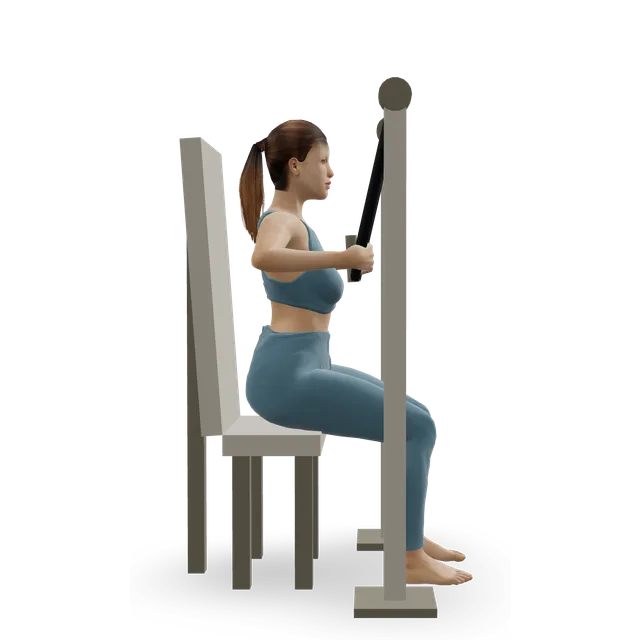
Prostate Cancer UK suggests starting with 10 to 15 minutes and building to 30 minutes of moderate exercise on 3 to 5 days a week, plus muscle-strengthening exercises. If you're on hormone therapy, NICE recommends that you're offered supervised strength and aerobic exercise at least twice a week for 12 weeks.
What's the best exercise on hormone therapy?
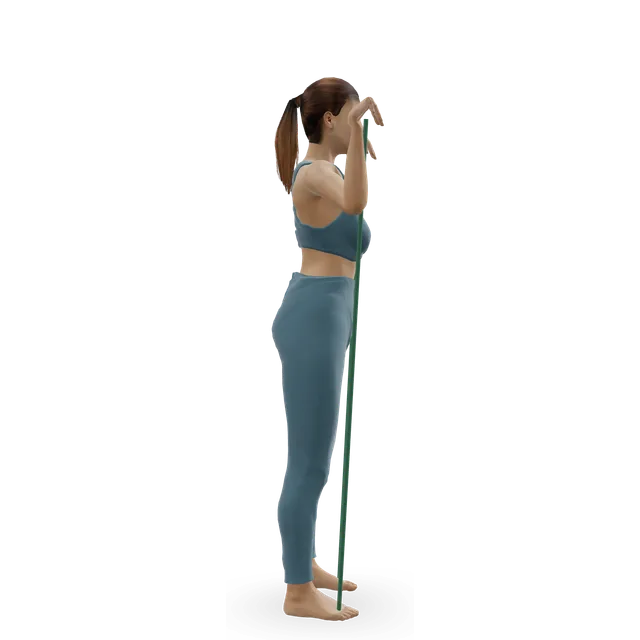
A mix of strength training and aerobic exercise. In trials it built muscle, limited fat gain, eased tiredness and improved quality of life. Light weights and resistance bands are a good place to start.
Can exercise stop my bones thinning on hormone therapy?
It isn't known yet. Two trials found strength and impact training slowed bone loss in the spine, but Prostate Cancer UK says it isn't yet known whether exercise protects bones; staying strong and steady may help prevent the falls that break bones. Check with your doctor before high-impact exercise, and ask about bone checks.
Will exercise raise my PSA or interfere with treatment?
No: in 8 trials, exercise didn't change PSA or testosterone levels. It works alongside your treatment, not instead of it. Our guide to exercise for men covers how to prepare for a PSA test.
Can exercise cure or slow prostate cancer?
No trial has shown that it does. A large trial set up to test survival closed early, so the answer isn't known. What exercise does reliably is help you feel less tired, stay stronger and cope better with treatment.
When can I exercise after a prostatectomy?
Short walks from the day after surgery, and light activity for the first couple of weeks. Prostate Cancer UK says avoid heavy exercise for 4 to 6 weeks and heavy lifting or manual work for 8 weeks; East Kent's hospital leaflet says no heavy lifting for 4 weeks. Your own surgical team's advice comes first.
When should I start pelvic floor exercises?
Ideally 4 to 6 weeks before surgery, so you know how to do them. Afterwards, Prostate Cancer UK says start once the catheter is out; East Kent's hospital leaflet says you can carry on with it in if they're comfortable. Keep going for at least 3 months.
How do I do pelvic floor exercises after a prostatectomy?
Tighten the muscles you'd use to stop wind and to stop the flow of urine, so the base of your penis dips and your scrotum lifts. Do up to 10 slow lifts held for up to 10 seconds, then up to 10 quick lifts, about 3 times a day, standing when you can. Only stop your flow once or twice to find the muscles.
How long will leaking last after prostate surgery?
Most men see an improvement within 1 to 6 months, though some leak for a year or more. In a large trial, 13 in 100 men offered surgery still had moderate to severe leaking at 6 years. If it isn't improving, ask for a continence adviser or a men's health physiotherapist.
Can I cycle after prostate surgery?
None of the guidance we checked gives a time, so ask your surgical team first. When they agree, our suggestion is to start on a padded saddle or a recumbent bike, and stop if it hurts between your legs or your leaking gets worse.
Can I exercise if prostate cancer has spread to my bones?
Yes, with the right support. In a trial of 57 men with cancer in their bones, exercise planned around the affected bones improved strength and physical function with no fractures. Get specialist guidance first, avoid high-impact exercise and contact sport unless your doctor agrees, and report any new bone pain.