Yoga for balance: the best poses, how to progress them, and what yoga does for falls
Yoga can improve your balance: in trials of people aged 60 and over, yoga classes improved balance tests by a small to moderate amount, about as much as other exercise that challenges balance. Strong standing poses build the leg strength that steadies you, and one-leg poses practise the balance itself.
Yoga hasn't been shown to prevent falls, though. A UK trial of chair yoga found no fewer falls, and falls guidelines name tai chi, not yoga. If falls are your worry, balance-challenging exercise or tai chi comes first, and yoga can be part of it.
This guide covers what yoga does for balance and falls, the best poses and how to make them harder safely, how yoga compares with tai chi, a free 30-minute class that adds stepping and reaching, and the warning signs after a fall or with sudden unsteadiness.
Yoga improves balance tests, a little to moderately
In people aged 60 and over, yoga improved balance tests by a small to moderate amount compared with doing nothing, in reviews of 6 to 15 trials. Certainty is low: in the newest review, of 21 studies, the gain in balance while moving was no longer clear once the analysis allowed for small studies that may be missing.
Against other exercise such as walking, tai chi or balance training, the difference in balance wasn't clear. In 39 older adults who had fallen, a balance yoga programme did as well as tai chi and standard balance training.
No trial has shown that yoga prevents falls. A UK trial of chair yoga in 454 people aged 65 and over found no fewer falls, a small trial in residential care found no difference, and in surveys, people who practise yoga fall about as often as people who don't.
Across 108 trials, exercise cut falls by 23%, and balance and functional exercise by 24%. Tai chi has falls trials too, and falls guidelines name tai chi, not yoga. If falls are your worry, choose balance-challenging exercise or tai chi, and add yoga if you enjoy it.
In a lab study of seniors, crescent lunge, chair, warrior II and one-leg balance made the biggest demands on the legs, and tree worked the muscles at the side of the hip most. Supported versions weren't always easier in the way teachers assume.
Practise 2 or 3 times a week for at least 12 weeks and make one thing harder at a time. Falls guidance asks for balance that is challenged, functional and made harder over time, so our free 30-minute class adds stepping, reaching and sit-to-stands to the poses.
Balance is keeping your body over your feet, standing still or moving. It uses your eyes, your inner ear and the sensors in your feet and joints, with leg and trunk strength to correct a sway. The NHS lists weaker muscles, conditions such as arthritis, stroke and Parkinson's, low blood pressure, some medicines, and eyesight or hearing problems among the causes of falls.
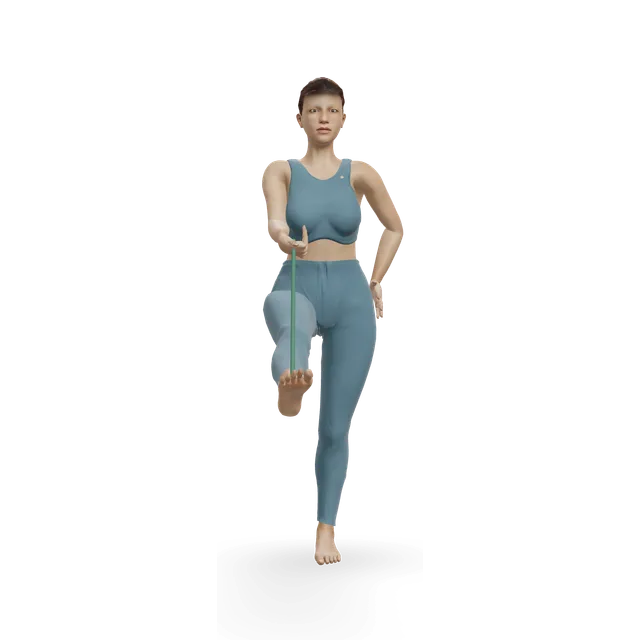
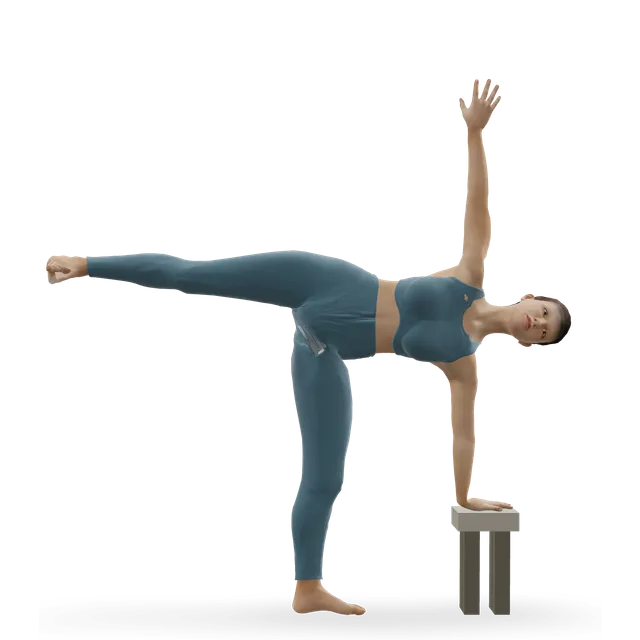
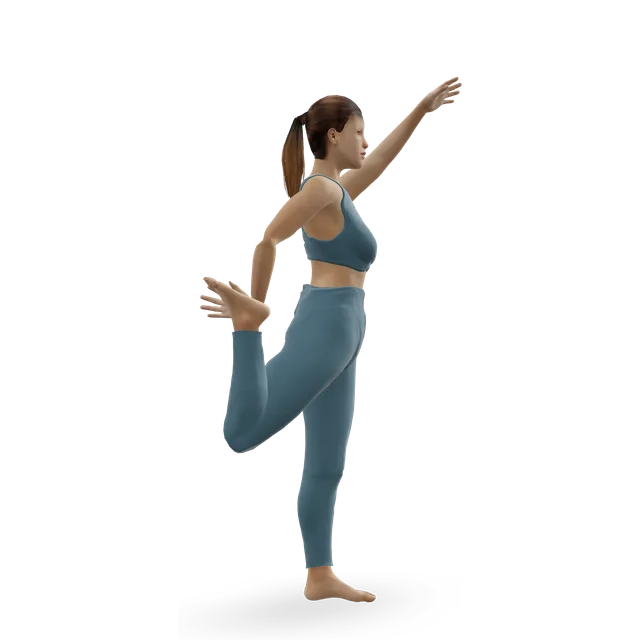
Standing poses on two feet (mountain, chair, warrior II, crescent lunge) mainly build leg strength. One-leg poses (tree, warrior III, half moon, dancer, standing hand to big toe) train standing balance. Moving between poses adds balance while moving, and most yoga classes hold poses more than they move.
What the trial classes looked like
Mostly Iyengar or hatha classes 2 or 3 times a week for 8 to 12 weeks: a programme "focused on standing postures", a specially designed balance yoga programme for people who had fallen, Thai yoga, and hatha yoga. The UK trial that counted falls used chair-based yoga.
A balance test can improve while falls don't. Falls also depend on strength, eyesight, medicines, blood pressure and your surroundings, and the exercise that prevents them challenges balance while you move, and gets harder over time.
The reviews: small to moderate gainsEmerging evidence
In people aged 60 and over, yoga improved balance tests by a small amount across 6 trials (307 people), and by a moderate amount against no exercise across 7 trials (265 people) and across 15 trials of older people living at home. A review of 33 trials in people aged 65 and over rated the evidence for balance as low certainty.
No clear gain over other exerciseEmerging evidence
Against active comparison groups such as walking, chair aerobics, tai chi or balance training, the difference in balance wasn't clear (5 trials, 264 people), and the frailty review concluded that yoga may not offer benefit over active interventions such as exercise. In 118 sedentary adults averaging 62, 8 weeks of hatha yoga 3 times a week improved balance, strength, flexibility and mobility tests as much as stretching and strengthening exercises did.
In a 2026 review of 21 studies (1,471 older adults), the gain in balance while moving was no longer clear once the analysis allowed for small studies that may be missing, and there was no clear gain in balance while standing still. A 2025 review in older women found yoga's effects on balance, walking and leg strength inconsistent. A review of trials in healthy people reported a very large effect on standing balance from 4 trials so different from each other that the size is hard to trust.
In 54 people averaging 68, 12 weeks of Iyengar classes twice a week, focused on standing poses, improved a standing balance test by about 1.5 seconds and one-leg standing with eyes closed by about 1.9 seconds, made a timed sit-to-stand test about 3.4 seconds faster and a 4-metre walk about half a second faster, compared with a falls education booklet. People came to 83% of classes, and there were no serious side effects.
Small trials in people with poor balanceMixed evidence
In 40 people aged 60 to 74 with poor balance, 8 weeks of yoga twice a week raised a 56-point balance scale by about 10 points and reduced fear of falling, against no exercise. In 39 older adults who had fallen, a balance yoga programme improved walking, reaching and one-leg standing tests as much as tai chi and standard balance training. Both trials are small.
What standing poses ask of the legsEmerging evidence
In a lab study of 20 seniors averaging 71, crescent lunge, chair, warrior II and one-leg balance made the biggest demands on the legs; tree worked the muscles at the side of the hip most, warrior II the inner thigh, and one-leg balance the ankle. Supported versions weren't always easier: holding a support in tree didn't change the demands on the hip and knee, and the supported one-leg balance worked the hip and knee in the opposite direction to the full pose.
After 32 weeks of twice-weekly classes, the same seniors were faster at chair stands and the up-and-go test and had stronger calves and hamstrings, but their balance and flexibility tests didn't change. There was no comparison group.
In 32 young adults, tree pose raised activity in a brain area that plans movement, and raised sway, compared with ordinary one-leg standing. Regular practitioners swayed less than non-practitioners in tree, but not in dancer. These are small lab studies.
No trial has shown yoga prevents fallsMixed evidence
In a UK trial of 454 people aged 65 and over with two or more long-term conditions, 12 weeks of chair-based Gentle Years Yoga, in person or online, didn't reduce falls, or improve quality of life, mood or loneliness, compared with usual care, though it was safe and well liked. A small trial of tai chi and yoga in residential care found no difference in falls between the groups. In surveys, people who practise yoga fall, and are injured in falls, about as often as people who don't.
Across 108 trials of 23,407 people averaging 76, exercise cut the rate of falls by 23% (high certainty), balance and functional exercise by 24% (high certainty), and programmes mixing several types, mostly balance and strength, by about a third (moderate certainty). Tai chi cut the rate of falls by 19% (low certainty) and the number of people who fell by 20% (high certainty).
In 670 people aged 70 and over at high risk of falling, a balance-focused tai chi programme twice a week for 24 weeks led to 58% fewer falls than stretching, and across 10 trials, tai chi cut short-term falls by 43%.
The World Falls Guidelines recommend balance-challenging and functional exercise, such as sit-to-stands and stepping, 3 or more times a week for at least 12 weeks, made harder over time, with tai chi or strength training where possible. They mention yoga only as one of the exercises that most reduced concerns about falling.
The UK Chief Medical Officers ask older adults for strength, balance and flexibility work on at least 2 days a week, and name tai chi and dance among activities that help, not yoga. NICE (the National Institute for Health and Care Excellence) asks for progressive, tailored programmes focused on balance, coordination, strength and power, and names neither. The World Health Organization asks older adults for varied activity that emphasises functional balance and strength training on 3 or more days a week.
Some UK advice counts yoga as strength and balance workEmerging evidence
The NHS lists yoga, with tai chi and dance, among exercises that improve leg strength, balance and co-ordination and can help people avoid falls as they get older. The UK osteoporosis consensus lists yoga among balance and strength activities to do at least twice a week to reduce the risk of falls, on lower-grade evidence. That fits yoga's effect on balance and leg strength; it isn't the same as a trial showing fewer falls.
Most yoga poses are held still, while falls happen as you move. The World Falls Guidelines name sit-to-stands and stepping, the UK guidelines name standing on one leg, walking backwards and movement in every direction, the NHS balance exercises include sideways walking and a heel-to-toe walk, and NICE asks for coordination and power as well as balance and strength. Our reading of this guidance is that a yoga class for balance should add stepping, reaching and sit-to-stands to the poses, as our 30-minute class does. No trial has tested that class.
On balance tests, yoga does about as well as tai chiEmerging evidence
In 39 older adults who had fallen, 12 weeks of a balance yoga programme, tai chi or standard balance training improved the balance tests, with no differences between them. In 39 sedentary adults aged about 68, Thai yoga twice a week improved chair stands, flexibility and a 6-minute walk more than tai chi did. A review of trials in healthy people found yoga no worse than active comparisons such as tai chi.
Tai chi has falls trials and yoga doesn't. Tai chi also keeps you moving, with weight shifts and steps in every direction, while most yoga poses are held.
No trial has compared yoga and Pilates for balance, and neither has falls trials like tai chi's. The World Falls Guidelines mention Pilates and yoga together, as exercise that eased concerns about falling. Our Pilates for seniors guide covers Pilates.
In reviews for the Canadian Task Force on Preventive Health Care, older adults preferred balance and strength programmes over tai chi, and slightly more so over other kinds of exercise such as yoga. The programme you'll keep going to matters.
If you can choose only one class to prevent falls, choose tai chi or a falls prevention programme. If you enjoy yoga, it improves balance and leg strength, and you can make it more useful for falls by adding stepping, reaching and sit-to-stands.
How to make any balance pose harder
The ladder from our balance guide, our editorial steps built on the falls trials' definition of challenging balance. Over 60, keep to eyes open unless one-leg standing is easy. With dizziness from an inner-ear problem, follow our vertigo guide's order instead, because head movement brings the dizziness on.
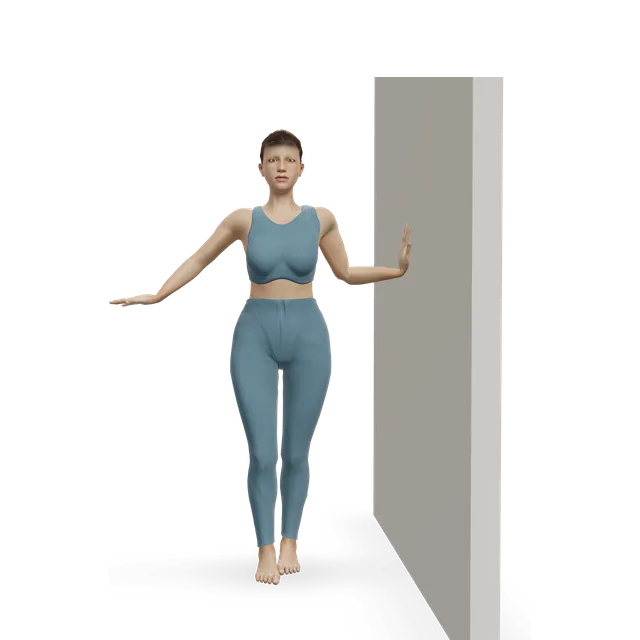
Stand next to a kitchen counter or a wall, on a clear floor, in flat shoes or barefoot.
Start with your fingertips on the support, and hold the position for up to 30 seconds.
When that's steady, touch with one finger, then let your hand hover, then let go.
Narrow your base: feet together, then one foot half a step ahead, then heel to toe, then one leg.
Turn your head slowly from side to side, then nod, while you hold.
Close your eyes, with your hand hovering over the counter.
Move: reach your free leg forward, sideways and behind, step sideways or backwards, or walk heel to toe. Then add a second task, such as counting back in threes.
Change one thing at a time, and step back a level if you can't recover without grabbing the support.
Slow breathing: 2 minutes to open the class (our editorial starting point; its page doses at least 5 minutes as a practice of its own). Standing march: 60 seconds, next to the counter (our balance training workout). Ankle circles: 10 slow circles each way with each foot (the move's page).
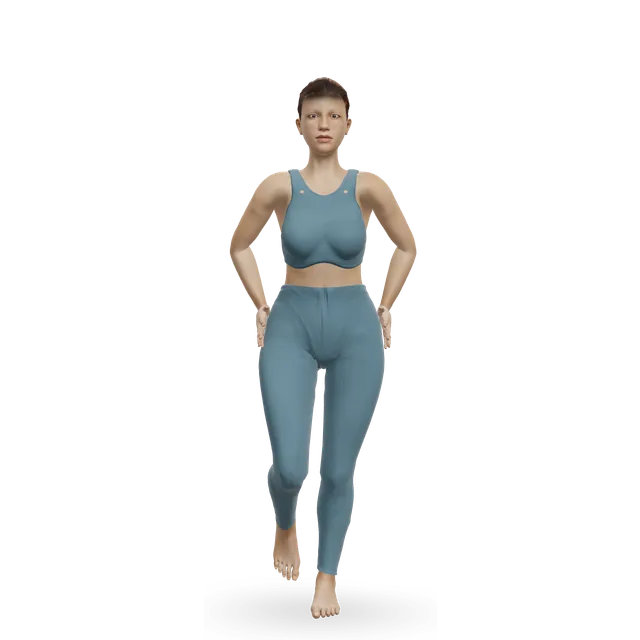
Mountain pose: 5 to 10 slow breaths, 2 or 3 times, adding a round with your eyes closed, within reach of a wall, once you feel steady (the move's page). Tandem stance: 2 holds of 30 seconds each way round, then 10 heel-to-toe steps (our balance training workout). Chair pose: 3 holds of 5 breaths; warrior II and high lunge: 5 breaths each side, with the back knee down in the lunge if you wobble (our editorial starting points).
Tree: 3 to 5 breaths each side, fingertips on a wall at first; standing hand to big toe: 3 breaths each side, holding the knee rather than the toe at first; warrior III: 3 breaths each side, twice, hands on a chair back; half moon: 3 breaths each side, back against a wall and a hand on a block or chair; dancer: 3 breaths each side, a hand on the wall (our editorial starting points). Single-leg stand: 2 holds of 30 seconds each leg (our balance training workout).
Side-stepping: 10 steps each way, next to a counter (the move's page, from the NHS balance exercises). Backward walking: 10 steps, 2 or 3 times, with a hand near the counter, and the reach matrix: 2 rounds of 5 reaches in each direction, each leg, building to the page's 3 rounds (our balance training workout). Sit to stand: 8 to 10 slow stands from a firm chair (our editorial starting point).
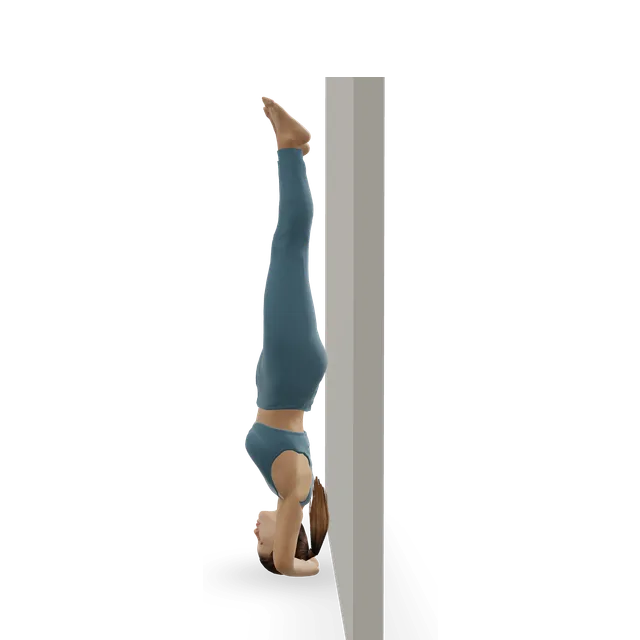
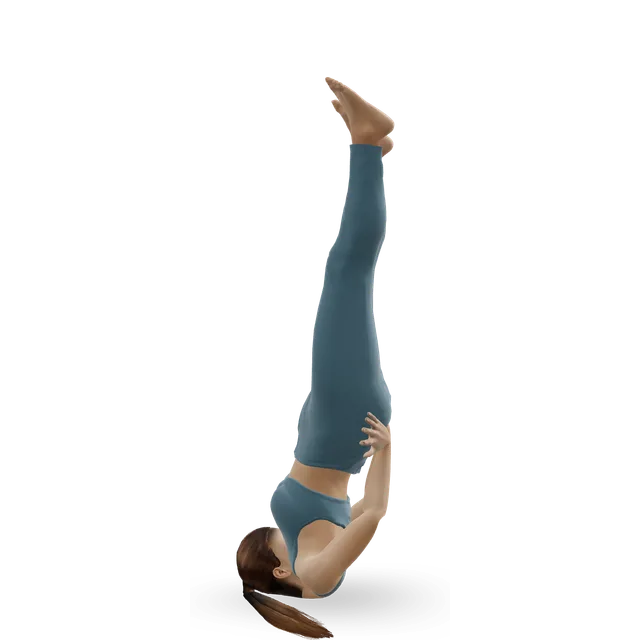
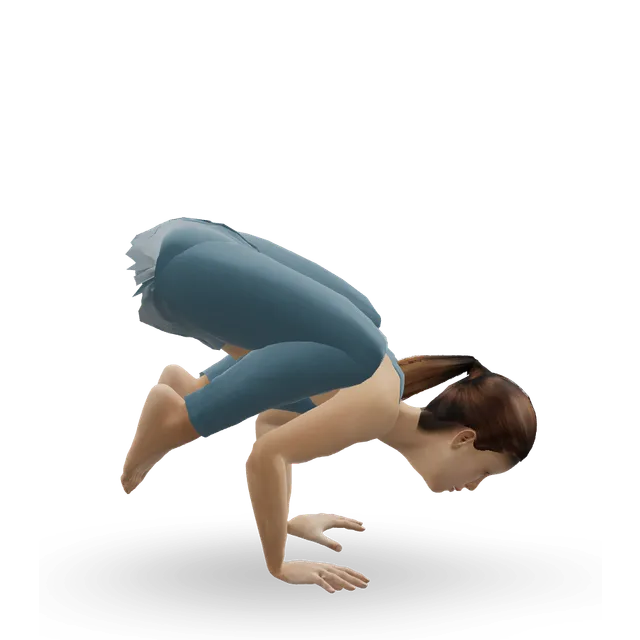
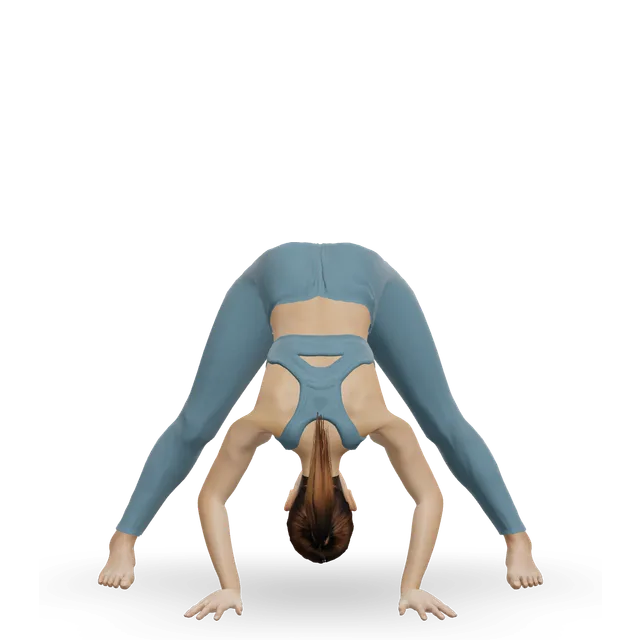
Headstands, shoulder stands and arm balances such as crow train a different skill, and their pages carry neck, eye and blood pressure cautions; the US National Center for Complementary and Integrative Health (NCCIH) advises newcomers to avoid headstands and shoulder stands. Come up slowly from head-down poses such as the wide-legged fold, and rest in mountain pose before a one-leg pose.
Yoga trials ran classes twice a week for 12 weeks, 3 times a week for 8 weeks, or 90 minutes twice a week for 12 weeks. In 23 trials of balance training in healthy people aged 65 and over, the biggest gains came with 11 to 12 weeks of training, 3 sessions a week of 31 to 45 minutes.
To prevent falls: balance-challenging exercise 3 or more times a week for at least 12 weeks, made harder over time. For older adults in general: strength and balance on at least 2 days a week. The NHS balance exercises: at least twice a week.
Our 30-minute yoga for balance class 2 or 3 times a week for at least 12 weeks, making one thing harder every week or two. If falls are a worry, add the exercises in our balance guide or a tai chi class on other days, so you reach 3 or more sessions a week.
Where to practise
Next to a kitchen counter or a wall, on a clear floor, barefoot or in flat shoes rather than socks on a smooth floor. Over 60, keep your eyes open in one-leg poses unless one-leg standing is easy (our balance guide). If you've fallen recently, have someone nearby for the hardest poses.
Chair yoga, dizziness and other conditions
Chair yogaEmerging evidence
Chair yoga suits people who can't stand safely for long, and builds strength and calm, but sitting doesn't challenge balance: across 14 trials, seated exercise had no effect on balance or mobility, and the UK chair yoga trial didn't reduce falls. As you get stronger, use the chair for support in standing poses, as our yoga for seniors guide suggests.
A Cochrane review found too little evidence to judge yoga for balance after a stroke (2 trials, 72 people, very low certainty). In a later trial of 36 people, a yoga programme was no worse than a standard fitness and mobility programme for balance, getting about and strength. Our exercise after a stroke guide covers where to start.
In 138 people with mild to moderate Parkinson's, 8 weeks of mindfulness yoga improved movement symptoms and mobility as much as stretching and resistance training, and eased anxiety and low mood more. In a review of 21 studies, tai chi, yoga and resistance training all improved balance in Parkinson's, tai chi the most. Practise when your medicines are working well (our suggestion).
With dizziness from an inner-ear problem, head movements bring it on, so follow our vertigo guide's order and leave out head turns and looking up until your physiotherapist adds them. If you feel dizzy when you stand up, the NHS says this can be a kind of low blood pressure: get up slowly, never suddenly, after sitting or lying, and see a GP if it keeps happening.
With numb feet from peripheral neuropathy, keep a hand on a counter or wall in every one-leg pose, as the move pages say. Our peripheral neuropathy guide has more.
Osteoporosis
A fall matters more when your bones are fragile, so practise next to a counter. The UK osteoporosis consensus recommends balance and strength exercise at least twice a week, and advises against loaded or end-of-range bending in exercise such as yoga, so keep forward folds gentle.
In US emergency departments, yoga injury rates were highest in people aged 65 and over, and NCCIH says older adults may need to be particularly cautious. Most of these injuries were sprains and strains. A wall, a chair and holds you can control make yoga safer.
Start with our 30-minute yoga for balance class 2 or 3 times a week (our editorial starting point). If you've fallen in the past year or feel unsteady, start with the strength and balance exercises for seniors and see a GP; for dizziness from the inner ear, use the vestibular routine.
These are the same warning signs as our balance and older adults guides; for vertigo, see our vertigo guide. A&E means accident and emergency. In the US, call 911 for 999, and contact your doctor or urgent care for NHS 111.
Call 999 (911 in the US)
If someone has fallen and may have hurt their head, neck, back or hip, or can't get up. For sudden unsteadiness with signs of a stroke: a face drooping on one side, weakness in one arm, or speech problems; also sudden blurred vision or loss of sight, feeling dizzy or falling over, or a severe headache. Call even if the signs stop.
Chest pain that feels tight or like squeezing, spreads to your arms, neck or jaw, or comes with sweating, feeling sick, light-headedness or breathlessness; severe difficulty breathing; or someone who has passed out and isn't responding normally.
If you've had a fall, or you're worried about your balance or getting about; you may be able to refer yourself to a local falls service. See a GP, too, for dizziness that won't go away or keeps coming back, or that comes with hearing loss or ringing in the ears, double or blurred vision, numbness or weakness, fainting or headaches. NICE says a full falls assessment should be offered if you've fallen in the past year and live with frailty, were injured and needed medical treatment, lost consciousness, couldn't get up on your own, or have fallen twice or more in that year.
Stop if you feel dizzy or light-headed. Keep a counter or wall within reach, and have someone nearby for the hardest moves if you've fallen recently (our suggestion, as in our older adults guide).
If you fall
Take your time and don't get up too quickly. If you feel able to get up, roll onto your side, push up onto your hands and knees, crawl to something stable such as a heavy chair, put one foot flat on the floor and stand up slowly, holding on, then sit and rest. If you can't get up, call for help, keep warm and keep moving gently while you wait.
No trial has shown it. A UK chair yoga trial of 454 older adults found no fewer falls, a small residential care trial found no difference, and people who practise yoga fall about as often as people who don't. Our older adults guide says the same.
"If yoga improves balance, it must reduce falls"Mixed evidence
Balance tests improve, but falls depend on more than a balance test, and the exercise that prevents them challenges balance while you move and gets harder over time.
"Balance can't improve once you're older"Strong evidence
Balance training improved balance in 23 trials of healthy people aged 65 and over, and yoga trials in people in their 60s to 80s improved balance tests.
"The supported version is always easier"Emerging evidence
In seniors, holding a support in tree didn't change the demands on the hip and knee, and the supported one-leg balance worked the hip and knee in the opposite direction to the full pose. Use the balance guide's steps to make a pose easier or harder instead.
"Closing your eyes is the best way to make balance harder"Mixed evidence
It's one step on the ladder, but over 60 our balance guide keeps your eyes open unless one-leg standing is easy, and falls guidance stresses balance while moving: stepping, reaching and getting up from a chair.
Yes, a little to moderately, mostly in trials of people aged 60 and over. It did about as well as other exercise that challenges balance, not better, and the certainty is low.
Does yoga prevent falls?
It hasn't been shown to. A UK trial of chair yoga in 454 people aged 65 and over found no fewer falls, and people who practise yoga fall about as often as people who don't. For falls, balance-challenging exercise and tai chi have the evidence.
What are the best yoga poses for balance?
Strong standing poses such as chair, warrior II and a high lunge for leg strength, one-leg poses such as tree, warrior III and standing hand to big toe for standing balance, and moving work such as side steps and reaches. Start every one-leg pose next to a wall.
Is yoga or tai chi better for balance?
On balance tests they did about as well as each other in small trials. For preventing falls, tai chi has the trials, with 19% fewer falls in a large review (low certainty), and yoga doesn't; falls guidelines name tai chi, not yoga.
Is yoga or Pilates better for balance?
No trial has compared them for balance, and neither has falls evidence like tai chi's. Choose the one you'll keep doing, and add balance and strength exercises if falls are a worry.
Is yoga good for balance over 60?
Yes, if it includes standing poses and you practise next to a wall: most yoga balance trials are in people over 60. Keep your eyes open in one-leg poses unless one-leg standing is easy, and add stepping and reaching.
Does chair yoga improve balance?
Not much on its own: seated exercise had no effect on balance across 14 trials, and a UK chair yoga trial didn't reduce falls. Chair yoga is still good for strength and calm, and you can use the chair for support in standing poses as you get stronger.
How often should I do yoga for balance?
Two or three times a week for at least 12 weeks, making one thing harder every week or two. Falls guidelines ask for balance-challenging exercise 3 or more times a week, so add balance exercises or tai chi on other days if falls are a worry.
How do I make yoga balance poses harder?
Change one thing at a time: less hand support, a narrower base, slow head turns, eyes closed, then moving or doing a second task such as counting backwards. Step back a level if you can't recover without grabbing the wall.
Can yoga help vertigo?
Yoga isn't a treatment for vertigo, and head movements in yoga can bring it on. For dizziness from the inner ear, our vertigo guide covers the exercises that help and the order to do them in.
Is it safe to do balance yoga if I've fallen?
See a GP first: you may be able to refer yourself to a falls service, which can tailor a strength and balance programme. Practise next to a counter, with someone nearby for the hardest poses.
Does yoga balance your hormones?
That's a different kind of balance, and the claims aren't supported. Our yoga for PCOS and yoga for menopause guides cover what yoga does and doesn't do for hormones.
Exercise education, not a personal prescription, and clinical review of these guides is pending. If you are pregnant, have a health condition such as glaucoma, high blood pressure or osteoporosis, or have had recent surgery, check with a doctor, midwife or physiotherapist before starting, and stop for sharp or increasing pain. Health disclaimer.