Exercise guide

Exercises after a stroke: walking, strength and balance at home

This guide is for after you leave hospital, once your stroke team has cleared you to exercise. Being active is safe for most people after a stroke and helps recovery: walking practice helps you walk further, strength exercises make your arms and legs stronger, and balance work may mean fewer falls. Exercise is recommended after a stroke, but the trials so far haven't shown that it prevents a second stroke.

Your arm and hand therapy, and anything specific to your stroke, comes from your stroke team, so keep doing what they've set. Short bursts of 2 to 10 minutes count. Plan around fatigue, which affects about half of people after a stroke, and check with your doctor first if your blood pressure is very high.

This guide covers who it's for, what the evidence shows, how much to do, walking, your arm and hand, balance, fatigue and blood pressure, moves with 3D demos, a home routine, and the FAST signs of a stroke.

The short version

For life at home, once you're cleared

NICE (the National Institute for Health and Care Excellence) says fitness and strength training after a stroke should be started by a physiotherapist, who then shows you how to carry on independently. Rehabilitation is led by your stroke team; this guide is for afterwards, once you're home.

Source 1

Being active is safe for most people

The Stroke Association says that, unless your doctor tells you otherwise, moving and being active is safe. US stroke experts recommend aerobic and strength exercise for stroke survivors, to improve fitness, everyday activities and quality of life.

Sources 2, 3

What exercise does

In the latest Cochrane reviews, aerobic training probably raises fitness and walking speed slightly; strength training probably makes the arms and legs stronger, but on its own does little for walking speed; and combined training may improve balance and everyday function slightly. No harm was found.

Sources 4, 5, 6

A second stroke

Exercise is recommended after a stroke, and the Stroke Association says being active can lower high blood pressure over time. But in the trials so far, exercise hasn't been shown to prevent a second stroke: there were no fewer strokes or heart problems, and the trials were too short to tell.

Sources 3, 2, 4, 6

Short bursts count

Start slowly. The Stroke Association says a short burst of activity several times a day, 2, 5 or 10 minutes at a time, can have the same benefit as a longer session.

Source 2

Know FAST

Face weakness, arm weakness, speech problems: time to call 999, even if the signs stop. In the US, call 911; the CDC (Centers for Disease Control and Prevention) uses BE FAST, adding balance and eyes.

Sources 7, 8

Who this guide is for

After hospital rehabilitation

Stroke rehabilitation is intensive and led by a team: NICE asks for at least 3 hours a day, on at least 5 days a week, for people who need it. US guidelines call rehabilitation with adequate resources, dose and duration an essential part of stroke care. This guide is for afterwards: when you're home, your team has cleared you to exercise, and you want to keep improving.

Sources 1, 9

Getting started

NICE says people who can walk and are medically stable should be assessed for fitness and strength training, started by a physiotherapist who shows you how to carry on independently. If you join a gym or class, your physiotherapist should pass on what the instructor needs to know to keep the programme safe and suited to you.

Source 1

Reviews, and getting back in touch

You should get a review about 6 months after your stroke, and then every year; if you don't get one, speak to your team. NICE says you can refer yourself back to the stroke service, usually with support from your GP or the service's named contact, if you need more help.

Sources 10, 1

What a stroke is

A stroke is when blood stops flowing to part of the brain. It can affect things like speech and movement, and take a long time to recover from. About 100,000 people have a stroke each year in the UK, and there are 1.4 million stroke survivors. After a stroke or a transient ischaemic attack (TIA, a mini-stroke), the risk of another stroke is higher.

Sources 11, 12, 13

What can make exercise harder

Weakness or paralysis down one side, stiff muscles (spasticity), balance problems, shoulder pain, vision problems, fatigue and changes in mood can all make activity harder. Fitness and strength are often low after a stroke, and muscle strength especially on the affected side.

Sources 2, 4, 5

What the evidence says

Aerobic trainingEmerging evidence

A 2026 Cochrane review of 53 studies (2,672 people, average age about 62) found that aerobic training probably raises fitness slightly and comfortable walking speed slightly, and may improve balance and everyday function, though the evidence for those is very uncertain. Longer programmes seemed to do better.

Source 4

Strength trainingStrong evidence

A 2025 Cochrane review of 27 studies (1,004 people) found that strength training probably increases strength in the arms and legs, and may improve balance slightly. It had little or no effect on walking speed, possibly because the exercises weren't specific enough to walking. People stuck with it well, and no harms were linked to it.

Source 5

Combined trainingEmerging evidence

Combining aerobic and strength training (30 studies, 1,519 people, 2 to 5 days a week for 4 weeks to a year) may slightly improve everyday function and balance; the effect on walking speed is very uncertain.

Source 6

Harder walking practiceEmerging evidence

In a trial of 55 people at least 6 months after a stroke (2.5 years on average), 12 weeks of supervised interval walking (30-second bursts at their fastest safe speed with rests, 45 minutes, 3 times a week) improved 6-minute walking distance by 71 metres, against 27 metres with steady walking, with no serious problems. It was supervised in rehabilitation laboratories, so build up harder walking gradually and agree it with your team.

Source 14

A second stroke and blood pressureMixed evidence

US stroke experts say exercise training reduces the risk of further heart and circulation problems, and the Stroke Association says being active can reduce the chance of another stroke. The trials so far haven't shown it: in the Cochrane reviews, exercise made no difference to further strokes or heart events by the end of the programmes, but the trials were short and these events infrequent. The effect on blood pressure after a stroke was very uncertain.

Sources 3, 2, 4, 6

FallsMixed evidence

Falls are reported in up to 73% of people in the first year after a stroke. In a Cochrane review, exercise may reduce how often people fall (8 studies, 765 people, low-quality evidence), but not the number of people who fall. The World Falls Guidelines suggest individual exercise for balance, strength and walking, with more supervision for people with more impairment.

Sources 15, 16

FatigueMixed evidence

About half of stroke survivors have fatigue. No treatment, with or without medicines, has been proven to fix it (12 trials, 703 people). People with more fatigue tend to be less fit, which suggests, but doesn't prove, that getting fitter might help.

Sources 17, 18, 19

How much exercise

Start with what your team has set, and build up gradually.

The general guideline

Work towards at least 150 minutes of moderate activity a week, such as brisk walking or cycling, and strength exercises on at least 2 days. Older adults should include activities that improve balance and flexibility on at least 2 days too.

Sources 20, 21

Short bursts count

The Stroke Association says a short burst of activity several times a day can have the same benefit as a longer session: 2, 5 or 10 minutes at a time. To make it harder, add an activity, go for longer or go faster.

Source 2

What NICE suggests

NICE gives no minutes, but suggests strength training through more sit-to-stand repetitions, weights or resistance on machines such as exercise bikes; walking training for people who can walk; and treadmill training or group circuit classes as options.

Source 1

A strength dose

In the Cochrane trials, strength training was usually done 2 to 3 days a week and progressed. Our editorial starting point: 1 to 3 sets of 8 to 12 repetitions, 2 to 3 days a week, breathing out on the effort and never holding your breath.

Source 5

A starting week

Our editorial starting point, for someone home and cleared to exercise who can walk with or without an aid: 2 to 4 short walks of 5 to 10 minutes on most days, at a pace where you can still talk, building the time first; the home exercises after a stroke, or the strength moves, on 2 to 3 days; 5 minutes of balance practice next to a counter on most days; the arm and hand exercises your therapist set, every day; and rest when you need to.

Walking again

Walking practice works best

NICE recommends walking training for people who can walk, with or without help, to build endurance and speed, and suggests treadmill training as an option. Strength training alone makes legs stronger but does little for walking speed, so walk as well.

Sources 1, 5

Walking faster

In one trial, short bursts of fast walking improved walking distance more than steady walking over 12 weeks. At home, build up any faster walking gradually, and agree it with your team (our suggestion).

Source 14

If you trip

If you trip because your foot doesn't clear the ground, NICE suggests your team consider an ankle-foot orthosis, a brace that supports the foot. Use your walking aid, and hold a rail, chair back or wall when you need to.

Sources 1, 2

Your arm and hand

This is specialist therapy. The moves below are for practising what your therapist has set, not a replacement for it.

What the stroke team offers

NICE recommends repetitive practice of everyday tasks such as reaching, grasping and handling objects, and suggests constraint-induced movement therapy for some people and mirror therapy started within 6 months. It doesn't recommend robot-assisted arm training. These come from your stroke team; if you haven't been offered them, ask.

Source 1

Practising at home

Do the arm and hand exercises your therapist set. The Stroke Association warns that using your unaffected side too much can sometimes cause problems with the affected side, so get a therapist's advice.

Source 2

Look after your shoulder

Support the weaker arm, and stop any arm exercise that causes shoulder pain. NICE asks teams to explain how to prevent shoulder pain and to assess it if it happens; options include changing position, taping, electrical stimulation, a steroid injection or a nerve block.

Source 1

Balance and falls

Practise with support

You can still be active with balance problems. Use a chair, a mat or gym machines; when standing, hold a chair back or lean against a wall; and ask your GP for a referral if you need help with balance.

Source 2

Falls

Falls guidelines suggest individual exercise for balance, strength and walking, with more supervision if you have more difficulties. NICE asks teams to give you the information you need to recognise complications such as frequent falls.

Sources 16, 1

Fatigue

What it's like

About half of people have fatigue after a stroke. It is different from normal tiredness, as it doesn't seem to get better with rest, and it can happen after any stroke, big or small.

Sources 22, 17

Managing it

Start slowly and build up over time, to avoid making the fatigue worse. Plan extra rest during and after activities, and plan the day around your energy. The Stroke Association says regular exercise can help give you more energy and better sleep.

Sources 2, 22

Medicines

Ask your GP or pharmacist whether a medicine, such as a beta blocker, an epilepsy medicine or an antidepressant, could be adding to your tiredness, and don't stop any medicine without advice.

Source 22

Ask for an assessment

NICE asks teams to consider checking for fatigue early in rehabilitation and at the 6-month review.

Source 1

Blood pressure and your heart

High blood pressure

Physical activity can help lower high blood pressure over time. Blood pressure rises during exercise and comes back down when you rest. If your blood pressure is very high, speak to your doctor before becoming more active, and ask your pharmacist whether your medicines could affect you during exercise.

Source 2

Atrial fibrillation and diabetes

If you have atrial fibrillation (an irregular heartbeat) or diabetes, speak to your GP before becoming more active.

Source 2

Keep taking your medicines

Preventing another stroke rests on medicines and a healthy lifestyle: keep taking medicines for conditions such as high blood pressure or diabetes, stop smoking, eat a balanced diet and cut down on alcohol.

Source 13

Breathe as you work

Breathe out on the effort, never hold your breath or strain, and warm up and cool down gradually (our suggestion, as in our heart disease guide). Our high blood pressure guide covers which exercises suit you.

Walking and cardio

Short walks several times a day, 2 to 10 minutes at a time, building up (Stroke Association). March on the spot holding a chair, or march your feet while you sit. Do step-ups on the bottom stair, holding the rail. Punches can be done seated, for wheelchair users.

Strength moves

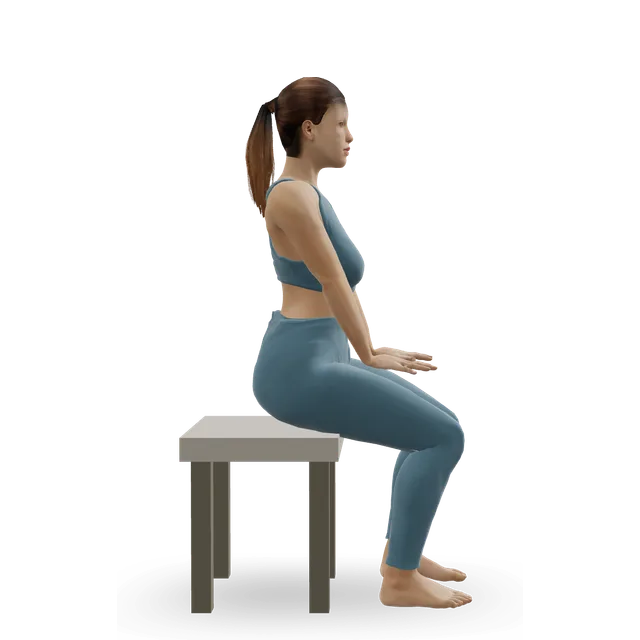
2 to 3 days a week, 1 to 3 sets of 8 to 12 (our editorial starting point, within the Cochrane trials). Stand up slowly and sit down slowly, and breathe out as you push.

On the bed

Lying with your knees bent, keep your feet and knees together and roll your knees slowly from side to side, a smaller version of the knee roll shown; then bend and straighten your legs along the bed (Stroke Association). 10 slow repetitions of each (our suggestion).

Balance moves

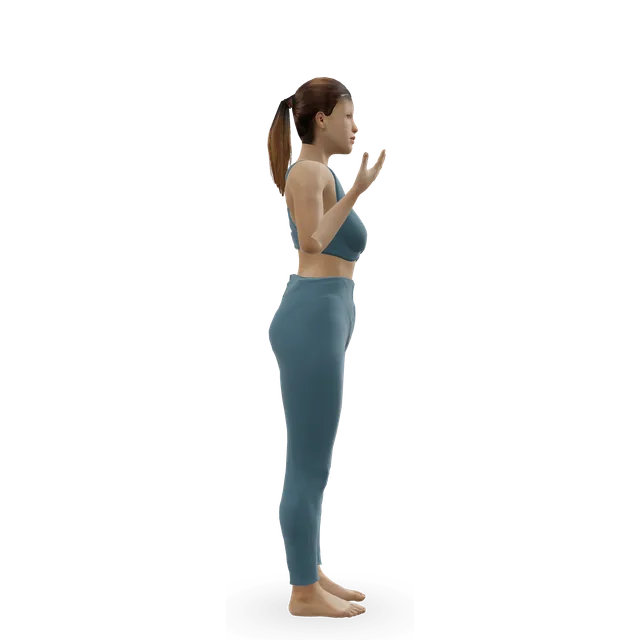
Always next to a counter or with a chair to hold. Start with 3 holds of 10 seconds (our suggestion), and move on to heel-to-toe only when the half step is steady.

Arm and hand (as your therapist has shown you)

Only the exercises your therapist has set or agreed. Support the weaker arm, and stop for shoulder pain.

Stretches

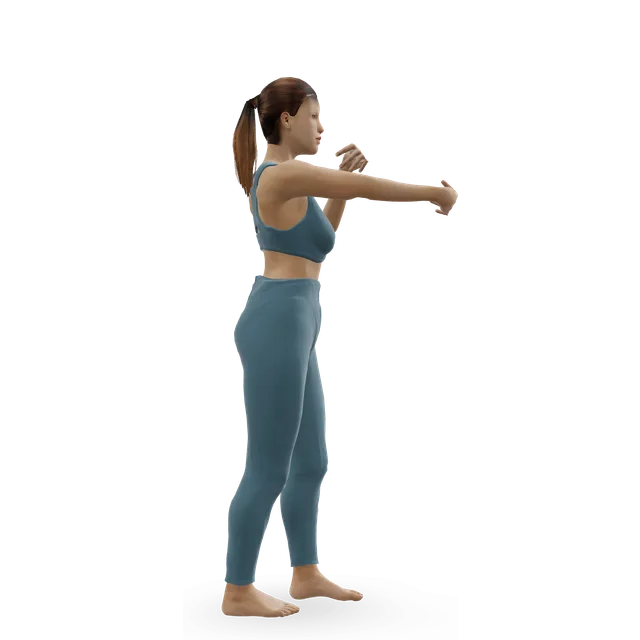
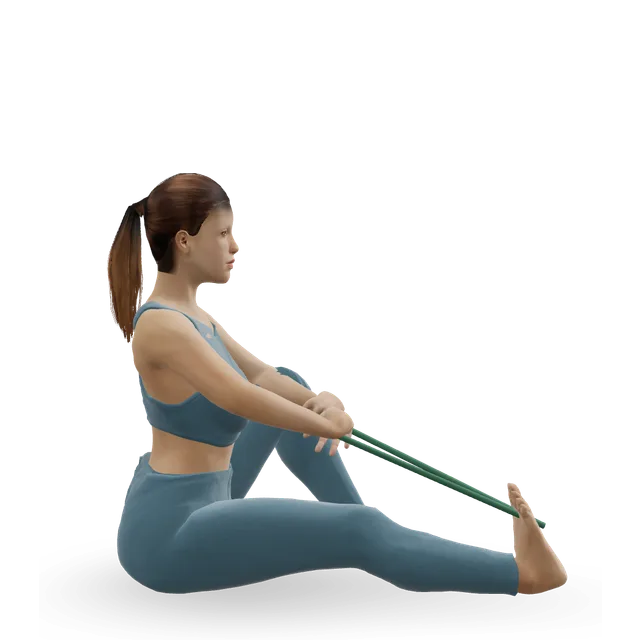
Hold each stretch for 30 seconds, 2 to 3 times (our suggestion). The Stroke Association includes a chest stretch; skip it on a painful or weak shoulder unless your therapist agrees.

Workouts to follow

Start with the home routine or the chair workout, and add the strength and balance workout once standing is steady. The seated workout, built for MS, suits wheelchair users too. In the leg workout, leave out the wall sit if your blood pressure is high or hasn't been checked.

Home exercises after a stroke: bed, chair and standing

A gentle 20-minute routine for home after a stroke: moves on the bed, in a chair and standing at a chair, then a short walk. Do the parts your team has agreed.

20 minBeginner12 movesA bench or box, Something with weight

Chair exercises for seniors: a seated workout

A 20-minute seated workout for older adults who cannot stand for long: marching, leg and arm strength, posture, and sit-to-stands that lead back to standing.

20 minBeginner11 movesA bench or box, Something with weight

Strength and balance exercises for seniors

A 40-minute strength and balance session for over-65s, built from the Otago home programme and NHS exercises, using a chair, a counter and a step.

40 minBeginner18 movesA bench or box, Something with weight

Easy cardio workout

A steady 30 to 45 minute cardio session at talk-but-not-sing pace: walk, cycle, row or cross-train, counting toward weekly activity guidelines.

40 minBeginner3 movesCardio machine, A wall

10-minute starter workout

A 10-minute session for low-energy days: marching, sit-to-stands, wall push-ups, step-ups and bridges, then a short walk. Doing a little counts.

10 minBeginner7 movesA bench or box, A wall

Low-impact cardio workout (no jumping)

A 25-minute standing cardio circuit with no jumping: marching, step jacks, sit-to-stands, punches, step-ups and wall push-ups, with a seated option for most moves.

25 minBeginner9 movesA bench or box, A step

Low-impact leg workout (no jumping)

A gentle leg strength routine with no jumping: sit-to-stands, step-ups, wall sits, bridges and calf raises.

20 minBeginner7 movesA bench or box, A step

Seated workout for MS: cardio, strength and stretches from a chair or wheelchair

A 25-minute workout done sitting, in a chair or wheelchair: seated cardio intervals, light strength work, posture and stretches, with pacing and cooling built in.

25 minBeginner14 movesA bench or box, A dumbbell

Follow a plan

For steady walkers: strength and balance 3 times a week plus walks.

FAST and warning signs

Call 999 now: FAST

Call 999 if you think you're having, or have had, a stroke, or you've had signs of a stroke in the last 24 hours, even if they've stopped. The NHS uses FAST:

  • Face: one side of your face may droop, and it might be hard to smile.
  • Arms: you may not be able to lift both arms and keep them there, because of weakness or numbness in one arm.
  • Speech: you may slur your words or sound confused.
  • Time: call 999.

Source 7

Other signs

Other signs include weakness or numbness down one side, blurred vision or loss of sight, difficulty speaking or finding words, confusion and memory loss, feeling dizzy or falling over, a severe headache, and feeling or being sick. Don't drive yourself to A&E. In the US, call 911: the CDC uses BE FAST, adding loss of balance and eye changes.

Sources 7, 8

Also call 999

For chest pain that feels tight or like squeezing, or spreads to your arms, neck or jaw; severe difficulty breathing; or someone passing out and not responding normally. Call 999 too after a fall if someone may have hurt their head, neck, back or hip, or can't get up.

Sources 23, 24

Call NHS 111

If you are suddenly more short of breath than usual, or have chest pain with feeling sick, or with a racing, slow or skipping heartbeat.

Source 23

See your GP or stroke team soon

  • Shoulder pain, especially in the weaker arm: it should be assessed to find the cause.
  • Frequent falls, new stiffness (spasticity) or continence problems.
  • Fatigue or low mood getting in the way of recovery, or a medicine you think is making you tired.
  • Very high blood pressure before you start, or atrial fibrillation or diabetes and you want to be more active.
  • No review about 6 months after your stroke, or you need more help: you can refer yourself back to the stroke service.

Sources 1, 22, 2, 10

Stop and check

Sore muscles are common when you start a new exercise, but if it's a sharp pain or you are worried, stop and check with your fitness instructor, GP or therapist. Stop, too, for chest pain, dizziness or unusual breathlessness (our suggestion).

Source 2

Support

Stroke Association helpline: 0303 3033 100.

Source 2

Myths

"Exercise could bring on another stroke"Strong evidence

The Stroke Association says the opposite is true, and that unless your doctor tells you otherwise, moving and being active is safe. Exercise trials found no increase in deaths, strokes or heart problems.

Sources 2, 4, 5, 6

"Exercise is proven to prevent a second stroke"Mixed evidence

Exercise is recommended after a stroke, and being active can lower high blood pressure over time. But trials so far haven't shown that it prevents a second stroke: the numbers of further strokes and heart events didn't differ, and the trials were too short to judge long-term protection. Medicines and a healthy lifestyle together are the plan.

Sources 3, 2, 4, 6, 13

"Recovery stops after 6 months"Emerging evidence

In a trial of people at least 6 months after a stroke, 2.5 years on average, 12 weeks of walking training improved how far they could walk. The Stroke Association says moving more can make a difference whether your stroke was recent or many years ago.

Sources 14, 2

"Strengthening my legs will fix my walking"

Strength training made legs stronger but did little for walking speed, possibly because it wasn't specific to walking. Practise walking itself, which NICE recommends.

Sources 5, 1

"Do everything with your good side"

The Stroke Association warns that using your unaffected side too much can sometimes cause problems with the affected side. The arm and hand therapies your team offers work by using the weaker side.

Sources 2, 1

"Fatigue means you need to push through"

Fatigue after a stroke doesn't seem to get better with rest, and building up too fast can make it worse. Start slowly, build up gradually and plan rests.

Sources 22, 2

Questions people ask

When can I start exercising after a stroke?

When your stroke team says you are ready. NICE says people who can walk and are medically stable should be assessed for fitness and strength training, started by a physiotherapist who then shows you how to carry on independently. If you have been discharged without a plan, ask your GP or stroke team: you can usually refer yourself back to the stroke service with their support.

What are the best exercises after a stroke?

Walking practice, strength exercises such as sit-to-stands, balance work next to a counter, and the arm and hand exercises your therapist sets. In trials, aerobic training slightly improved fitness and walking speed, strength training made the arms and legs stronger, and combined training may improve balance and everyday function.

How much exercise should I do after a stroke?

Work towards the general guideline of 150 minutes of moderate activity a week, with strength exercises on 2 days, starting with what your team has set. Short bursts count: the Stroke Association says 2, 5 or 10 minutes several times a day can be as good as one longer session.

Can exercise cause another stroke?

The Stroke Association says the opposite is true: unless your doctor tells you otherwise, being active is safe and helps you stay healthy. Exercise trials found no increase in deaths, strokes or heart problems. If your blood pressure is very high, speak to your doctor before you start.

Does exercise prevent another stroke?

Exercise is recommended after a stroke, and being active can help lower high blood pressure over time. But trials so far haven't shown that exercise prevents a second stroke, partly because they were short. Keep taking your medicines: medicines and a healthy lifestyle together are the plan.

Will exercise help me walk better after a stroke?

Yes, especially walking practice itself: NICE recommends walking training for people who can walk. In one trial, short bursts of fast walking improved walking distance more than steady walking over 12 weeks. Strength training on its own makes your legs stronger but does little for walking speed.

What exercises can I do in bed or in a chair after a stroke?

The Stroke Association suggests rolling your bent knees gently from side to side and bending and straightening your legs along the bed. In a chair, you can march your feet, lift one leg at a time, and practise standing up slowly and sitting down slowly. Wheelchair users can do seated workouts.

How can I get my arm and hand working again after a stroke?

Arm and hand therapy is specialist: NICE recommends repetitive practice of tasks such as reaching and grasping, and for some people constraint-induced movement therapy or mirror therapy, all through the stroke team. Do the exercises your therapist gives you, support your weaker arm, and don't let your stronger side do everything.

How do I improve my balance after a stroke?

Practise standing balance next to a counter or with a chair to hold, and build up slowly; a therapist can show you safe exercises. Exercise may reduce how often people fall after a stroke, though the evidence is low quality, and falls guidelines suggest individual balance, strength and walking exercise.

Why am I so tired after a stroke, and will exercise help?

About half of people have fatigue after a stroke, and it doesn't always get better with rest. No treatment has been proven to fix it, but the Stroke Association says regular activity, started slowly and built up with planned rests, can help your energy and sleep. Ask your GP whether a medicine could be adding to it.

Is it too late to improve years after a stroke?

No. In a trial of people who had their stroke at least 6 months earlier, 2.5 years on average, 12 weeks of walking training improved how far they could walk. The Stroke Association says moving more can make a difference whether your stroke was recent or many years ago.

What are the signs of a stroke?

Use FAST: face weakness, arm weakness, speech problems, time to call 999. Call 999 even if the signs go away. In the US, call 911; the CDC adds B and E (loss of balance and eye changes) to make BE FAST.


Sources

  1. NICE NG236 · Stroke rehabilitation in adults (2023)
  2. Stroke Association 2022 · Getting active after a stroke (guide)
  3. Billinger 2014 · Physical activity and exercise recommendations for stroke survivors (AHA/ASA scientific statement, Stroke; abstract)
  4. Kramer 2026 · Cardiorespiratory training for people with stroke: 53 studies (Cochrane review)
  5. Saunders 2025 · Resistance training for people with stroke: 27 studies (Cochrane review)
  6. Saunders 2025 · Combined cardiorespiratory and resistance training for people with stroke: 30 studies (Cochrane review)
  7. NHS · Symptoms of a stroke
  8. Centers for Disease Control and Prevention 2026 · Signs and symptoms of stroke (BE FAST)
  9. Winstein 2016 · Guidelines for adult stroke rehabilitation and recovery (AHA/ASA guideline, Stroke; abstract)
  10. NHS · Recovering from a stroke
  11. NHS · Stroke
  12. Stroke Association · Stroke statistics
  13. NHS · Causes of a stroke, and reducing the risk
  14. Boyne 2023 · Intensity and duration of walking training in chronic stroke: HIT-Stroke (RCT, JAMA Neurology)
  15. Denissen 2019 · Interventions for preventing falls in people after stroke (Cochrane review)
  16. Montero-Odasso 2022 · World guidelines for falls prevention and management for older adults (Age and Ageing)
  17. Cumming 2016 · The prevalence of fatigue after stroke (systematic review and meta-analysis, International Journal of Stroke)
  18. Wu 2015 · Interventions for post-stroke fatigue (Cochrane review)
  19. Larsson 2023 · Post-stroke fatigue, physical activity and physical fitness (systematic review and meta-analysis, International Journal of Stroke)
  20. NHS · Physical activity guidelines for adults aged 19 to 64
  21. NHS · Physical activity guidelines for older adults
  22. Stroke Association · Tiredness and fatigue after stroke
  23. NHS · Heart attack
  24. NHS · Falls

Exercise education, not a diagnosis or treatment plan, and clinical review of these guides is pending. Stop and get advice for chest pain, unusual breathlessness, dizziness or fainting, or new pain, and check with your doctor or midwife first if they have told you to limit activity. Health disclaimer.