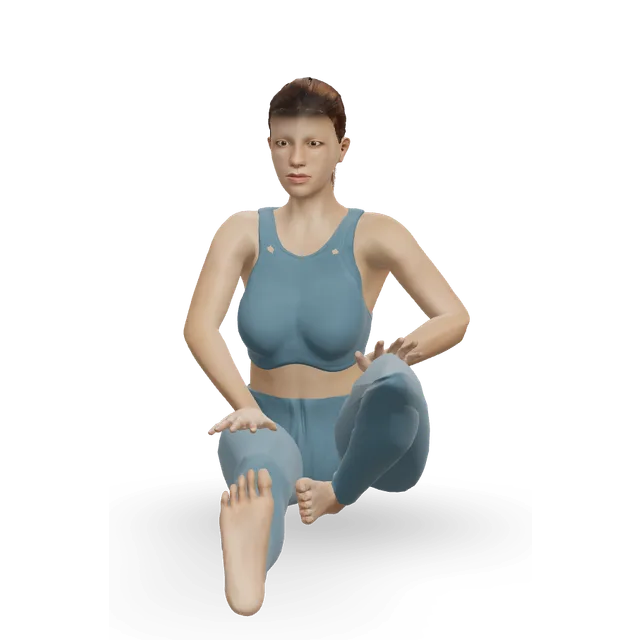
Yoga for mobility: how it differs from flexibility, what it improves, and a flow to follow
Yoga can help you move more freely. In trials of older adults, it improved flexibility, leg strength and walking tests about as much as other exercise, and in one large trial it improved shoulder movement after breast cancer surgery more than standard exercises did. The gains are moderate, and no trial has compared yoga with mobility drills.
Mobility isn't quite the same as flexibility: in fitness, it's the range you can reach and control yourself, and for older people it means getting about. This guide explains the difference, what yoga does for each, how it compares with mobility drills and stretching, which poses to use, a free 20-minute flow with a 3D demo of every move, and the joint warning signs that need a doctor.
Flexibility is how far a joint can move. In fitness, mobility is the part of that range you can reach and control yourself; in older people's health care, it means getting about. Yoga can train all three, depending on how you practise.
In trials of older adults, yoga improved lower-body flexibility and leg strength compared with no exercise, and a review of 33 trials found moderate-certainty evidence that it improved walking speed and leg strength compared with education or no activity.
Yoga matched stretching and strengthening exercises on balance, strength, flexibility and mobility tests in 118 sedentary adults averaging 62, and matched stretching classes for back function in 228 adults. Against other exercise, the difference in mobility tests wasn't clear.
In the largest trial, of 444 women, 12 weekly yoga classes improved shoulder rotation more than a DVD of standard exercises at every check for a year, and more than a relaxation class at 3 months only.
We found no trial comparing yoga with mobility drills such as controlled articular rotations (CARs). CARs have one single-session trial, in which slow hip circles raised hip rotation about as much as static stretching.
Strength training through a full range adds as much range as stretching, strength at the end of the range builds range you can use, and range gained by stretching didn't show up in movement on its own in a small trial. So mix flows and joint circles with strength at the end of the range.
Flexibility is the range a joint can move through, often measured with help from gravity, a partner or a strap. In fitness, mobility is the part of that range you can reach and control with your own muscles, which is smaller and depends on strength and control. In older people's health care, mobility means getting about: moving yourself around your community, on foot, with a walking aid or by transport.
The NHS describes flexibility exercises as ones that help a joint keep the movement you need for daily tasks and physical activity, and gives stretching, yoga, tai chi and Pilates as examples. Our mobility guide explains the terms in more detail.
Long, relaxed holds (yin, restorative poses and seated folds) are mostly flexibility work. Standing poses, flows and slow joint circles ask you to move through and hold range under your own power, which is mobility in the fitness sense. Standing strength poses, chair pose, the warriors and sun salutations build the leg strength that helps people get about.
What changes with age
Range falls a little with age at most joints, and hip extension (taking the thigh behind you) falls most. In a small lab study, healthy older adults walked using all the hip extension they had. Walking speed, chair stands and the timed up-and-go test are the usual mobility measures in yoga trials.
Controlled articular rotations (CARs) are slow circles of one joint at the edge of its range, from a commercial training system. Yoga flows overlap with mobility drills: cat-cow, lunges and the world's greatest stretch appear in both.
No. A typical class also includes standing strength poses, balance poses, breathing and relaxation, and in trials of older adults yoga improved leg strength as well as flexibility.
Older adults: flexibility, strength and walkingEmerging evidence
Against no exercise, yoga improved lower-body flexibility and leg strength by a moderate amount in trials of people over 60, though walking speed wasn't clearly better. A review of 33 trials in people aged 65 and over found moderate-certainty evidence that yoga improved walking speed and leg strength and endurance compared with education or no activity, and a review of 3 trials found a medium effect on physical mobility in people aged 60 and over.
Against other exercise: no clear differenceEmerging evidence
Against active comparison groups such as walking or chair aerobics, yoga improved leg strength and lower-body flexibility a little more, but the up-and-go test and walking speed didn't differ clearly. In 118 sedentary adults averaging 62, 8 weeks of hatha yoga 3 times a week matched stretching and strengthening exercises on walking speed, the up-and-go and flexibility tests. In 39 older adults, Thai yoga improved flexibility and the up-and-go against a control group.
Long-term classes without a comparison groupMixed evidence
After 32 weeks of twice-weekly hatha classes, 20 seniors were faster at chair stands and the up-and-go, but their flexibility and balance tests didn't change. With no comparison group, we can't say how much was the yoga.
Shoulders after breast cancer surgeryEmerging evidence
In 444 Chinese women who had finished treatment for early breast cancer, 12 weekly hour-long hatha classes, with a DVD for home practice, improved shoulder rotation flexibility more than a DVD of standard hospital exercises, at the end of the classes and at 3, 6 and 12 months. Against weekly classes of breathing exercises and relaxation, yoga was better at 3 months only. Quality of life, pain, tiredness and mood didn't differ between the groups. Our exercise and cancer guide covers shoulder exercises after surgery.
In 56 women aged 50 to 79, 20 weeks of weekly hatha classes increased spinal mobility, with no comparison group. In axial spondyloarthritis (ankylosing spondylitis), a 2024 review of 15 studies found that mind-body exercise improved a spinal mobility score (moderate to low certainty), and adding yoga to aerobic exercise helped spinal mobility in a 51-person trial. But a 2026 analysis of 59 trials (3,404 people) found that no type of exercise, yoga and mobility exercise included, clearly improved that score, though yoga eased pain.
In 117 people with knee osteoarthritis, yoga eased knee pain about as well as strengthening exercise over 12 weeks, and improved stiffness and function a little more over 24 weeks.
We found no trial comparing yoga with CARs or a branded mobility system; a search of the research found 4 records, none a direct comparison. CARs have one single-session trial: in 28 young adults with limited hip rotation, two 1-minute bouts of slow hip circles raised inward rotation about as much as static stretching, and the gain lasted 15 minutes. Our mobility guide says the same.
Yoga or stretching: equal in direct trialsEmerging evidence
In 228 adults with long-term back pain, 12 weekly yoga classes were no better than 12 weekly stretching classes at any point. In small trials of younger adults, yoga and a dynamic stretching workout improved flexibility and balance equally, and so did 8 weeks of yoga or Pilates. Yoga also matched stretching and strengthening exercises in older adults.
In 11 trials that compared them directly, strength training and stretching added the same range, and across 55 studies, resistance training improved range as much as stretching, though training with body weight alone wasn't clearly effective. Slow lowering (eccentric) training gave large gains in leg range. In 39 dance students, strengthening at the end of the range, or gentle stretching, improved the range they could lift the leg through more than harder stretching did.
Practise the range where you'll use itEmerging evidence
After 6 weeks of hip stretching, 24 young men had much more passive range but used no more of it in lunges, twists or on an elliptical trainer; the authors suggest practising new movement patterns. Flows, standing poses and slow joint circles practise range under control (our reading).
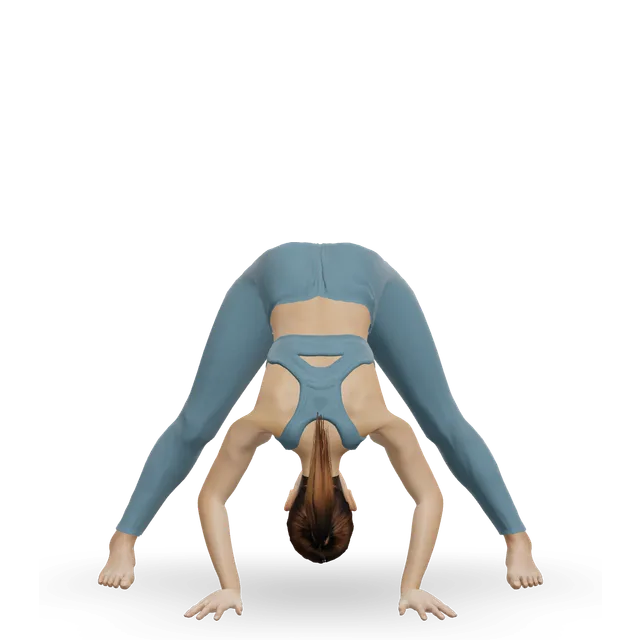
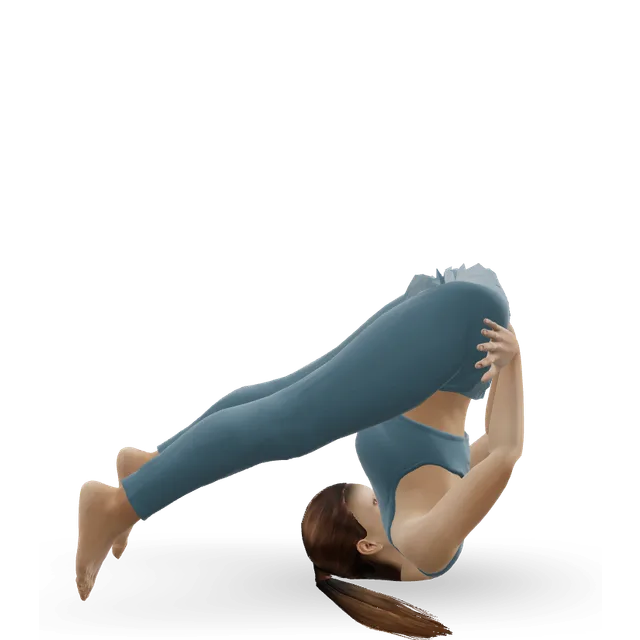
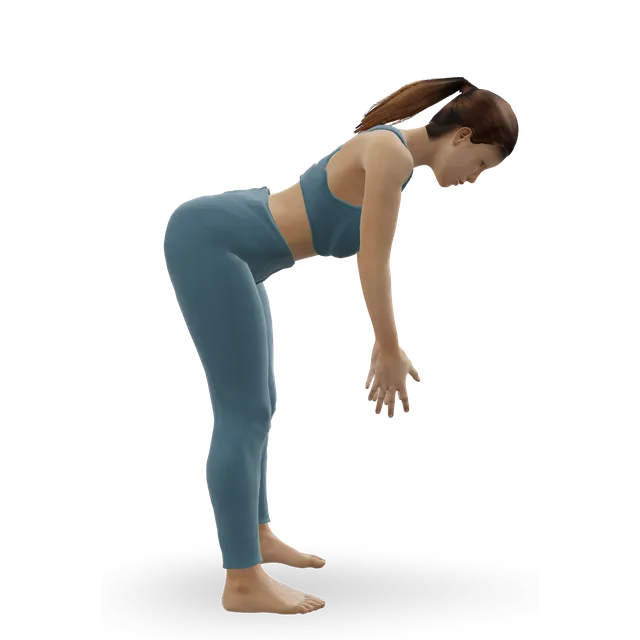
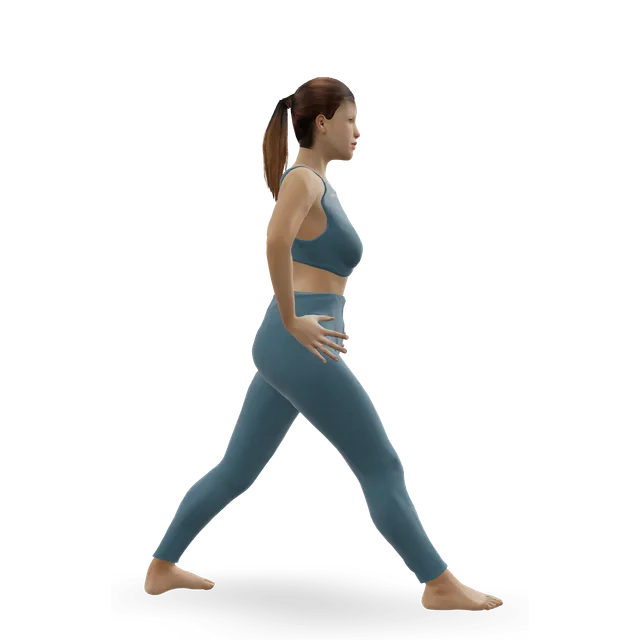
Yoga flows already contain mobility drills. Add slow joint circles and holds at the end of your range, such as the 90/90 lift-off, and you have both, which is what our yoga for mobility flow does.
Joint circles
Neck circles: 3 slow circles each way, once or twice a day; shoulder and hip circles: 3 slow circles each way with each arm or leg, 20 to 30 seconds a circle; ankle circles: 5 slow circles each way with each ankle (the moves' pages). Only the joint you're circling should move.
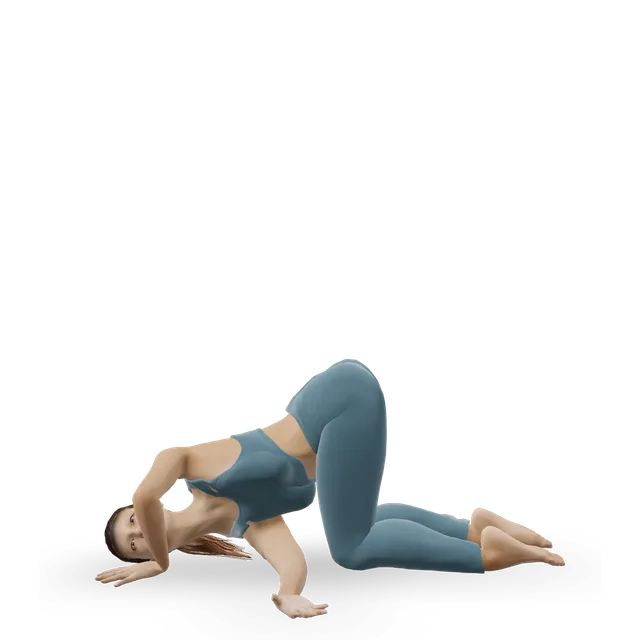
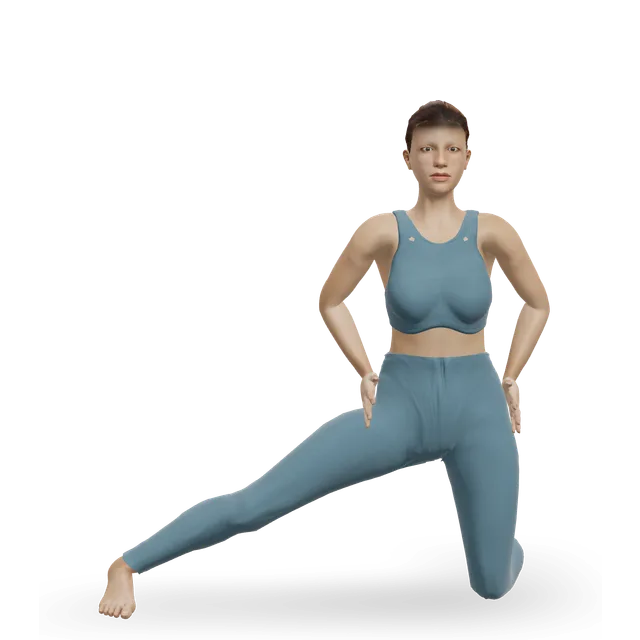
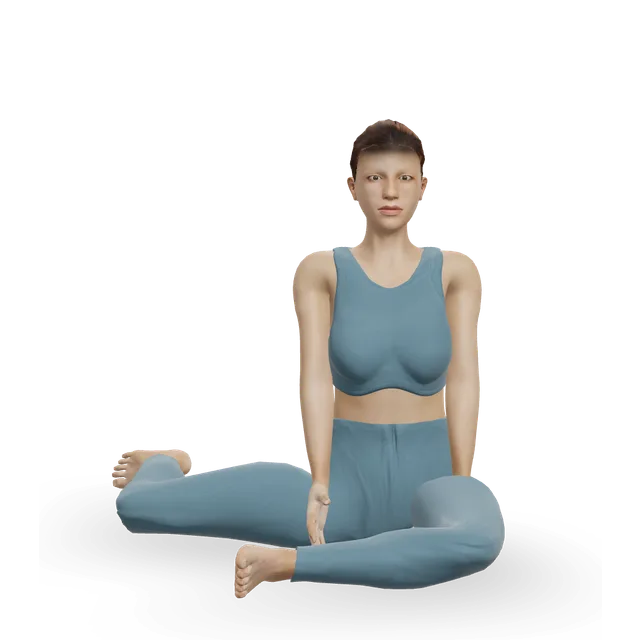
Cat-cow: 8 slow waves; thread the needle: 30 to 60 seconds, about 5 to 10 slow breaths, each side, 2 rounds; the side-lying open book: 8 to 10 slow openings each side, pausing 2 seconds at the end; gate pose: 30 to 60 seconds, about 5 to 10 slow breaths, each side, 2 rounds (the moves' pages). The lying twist: 45 to 60 seconds each side (our editorial starting point). With osteoporosis, keep the rounding in cat-cow small.
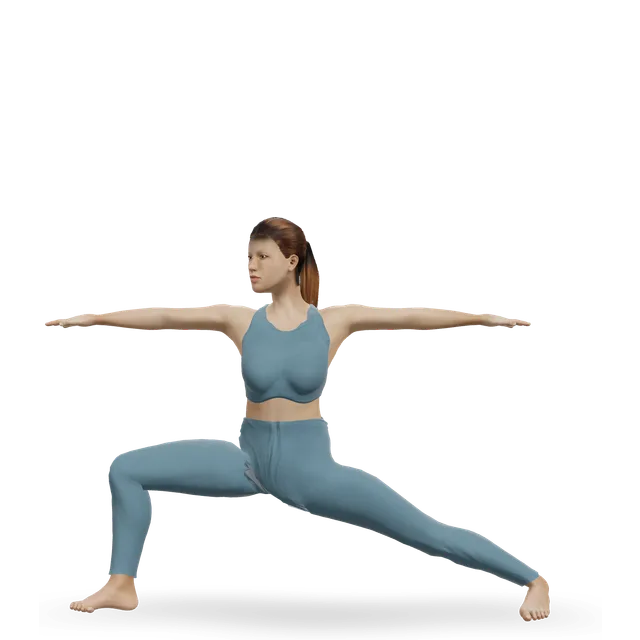
Downward dog: 5 breaths with your knees bent generously; warrior II, reverse warrior and triangle: 3 breaths each, flowing from one to the next; sun salutation A: 3 to 5 rounds (our editorial starting points). The world's greatest stretch: 4 slow reps each side (the move's page).
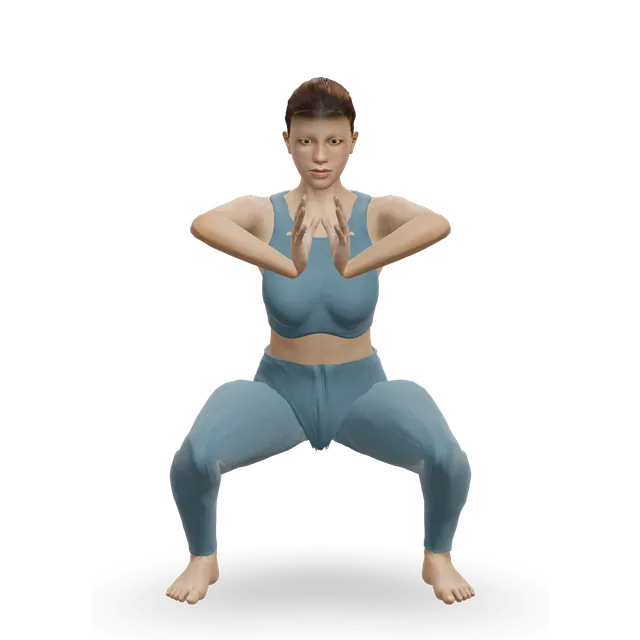
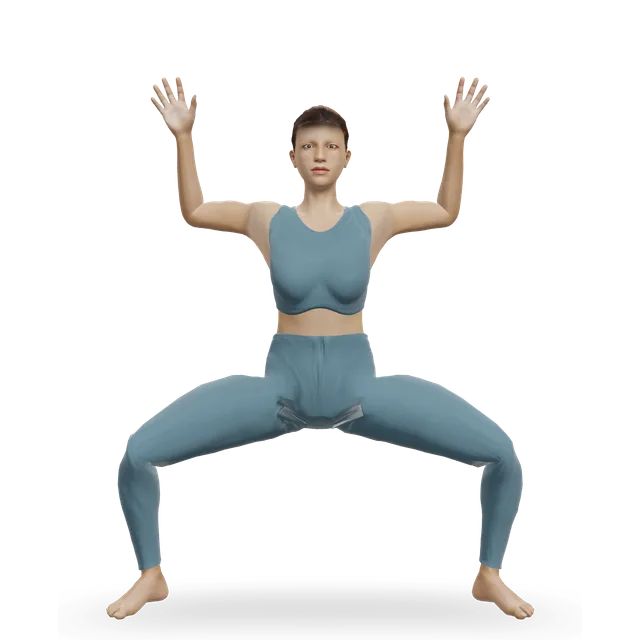
90/90 switches: 10 slow switches, pausing at the ends; 90/90 lift-offs: 3 holds of 5 to 8 seconds each way, each side (the moves' pages). Deep squat: 60 seconds, holding a support (our daily mobility routine). Goddess: 5 slow pulses, then 3 breaths; wall angels: 8 slow slides; locust: 3 holds of 3 breaths (our editorial starting points).
Three breaths in each pose, 3 rounds a side, is our editorial starting point and the dose in our yoga for mobility flow. Move only as far as you can control, and shorten your stance if your knee complains.
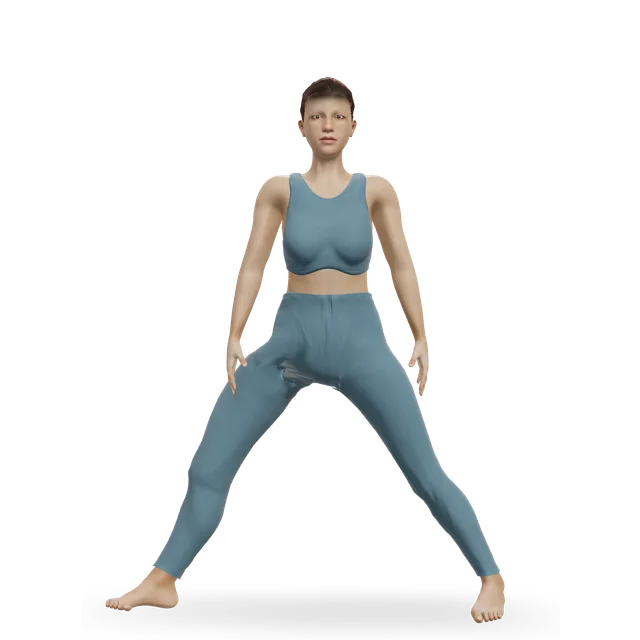
Stand with your feet wide, your right toes turned out and your left toes turned in a little.
Breathe in and lift your arms to shoulder height. Breathe out and bend your right knee over your right foot into warrior II. Stay for 3 breaths.
Breathe in and reach your right arm up and back into reverse warrior, sliding your left hand down your left leg. Stay for 3 breaths.
Straighten your right leg, reach forward over it and lower your right hand to a block or your shin for triangle, never onto the knee. Stay for 3 breaths.
Come back up on a breath in, and flow through warrior II, reverse warrior and triangle twice more, slowly.
Turn to face the other way and repeat on the left side.
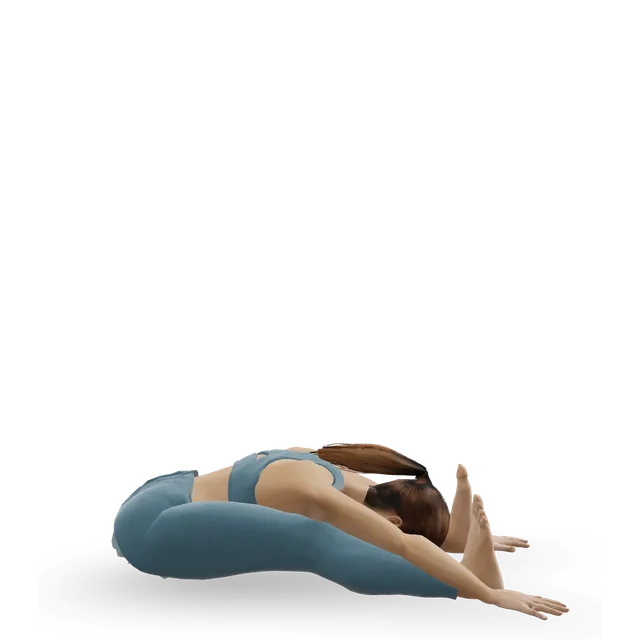
If you're hypermobile, stop short of your end range and favour strength at the end of the range. Before a workout, use a short dynamic warm-up rather than long holds. With osteoporosis, swap deep forward folds for the hip hinge fold (5 slow folds, 3 breaths at the bottom, the move's page). With glaucoma or uncontrolled high blood pressure, keep downward dog and other head-down poses brief.
Yoga trials ran 1 to 3 sessions a week, for 6 to 32 weeks: 3 hour-long classes a week for 8 weeks, twice-weekly classes for 32 weeks, weekly classes for 12 weeks, and 3 sessions a week for 6 weeks.
Across 189 studies, gains from stretching levelled off at about 10 minutes a week for each muscle group, and a second review found no clear effect of dose. The NHS suggests its flexibility exercises at least twice a week, and the UK guidelines ask older adults for strength, balance and flexibility work on at least 2 days a week.
Our 20-minute yoga for mobility flow 2 or 3 times a week, or our 12-minute daily mobility routine on most days if you enjoy it, with standing strength poses or strength training twice a week. Judge it after 6 to 8 weeks on how easily you move, not on how far you fold.
Not right before a workout
The looseness from a mobility session lasts under half an hour, and long static holds can slightly reduce performance soon after (our mobility guide has the trials), so use a short dynamic warm-up before training and do the flow on its own, on rest days or in the evening. Stretching researchers agree that stretching improves range but doesn't prevent injuries on its own.
In older adults, yoga improved walking speed and leg strength compared with education or no activity, and improved physical mobility by a medium amount in a review of 3 trials. Include standing poses, sun salutations and getting up and down from the floor if you can, and add balance and strength work (our older adults guide).
If you can't get down to the floor, chair yoga keeps joints moving and builds some strength; use the chair for support in standing poses as you get stronger (our chair yoga and yoga for seniors guides).
After a stroke or with Parkinson'sEmerging evidence
In 36 people after a stroke, a yoga programme was no worse than a standard fitness and mobility programme for balance, getting about and strength. In 138 people with Parkinson's, 8 weeks of mindfulness yoga improved mobility as much as stretching and resistance training. Our stroke and Parkinson's guides have the detail.
Start with our 20-minute yoga for mobility flow 2 or 3 times a week (our editorial starting point). The daily mobility routine is the drills-only version; the hip and spine routines go deeper on one area; the chair yoga class suits anyone who can't get down to the floor.
These are the same warning signs as our mobility guide, with the NHS signs for a stiff or swollen joint. A&E means accident and emergency. In the US, call 911 for 999, and use your doctor's urgent line or urgent care for NHS 111.
A hot, swollen joint
The NHS gives these signs for the hip: ask for an urgent GP appointment or get help from NHS 111 if your hip is swollen and feels hot, the skin around it has changed colour, or you have hip pain, feel generally unwell and have a high temperature (or feel hot, cold or shivery). A hot, swollen joint with a high temperature can be a joint infection, so treat any joint the same way (our suggestion).
The NHS hip pain advice: see a GP or physiotherapist for stiffness lasting more than 30 minutes after waking, or pain that stops normal activities or disturbs sleep, keeps getting worse, or hasn't improved after 2 weeks of looking after it at home. In many areas you can refer yourself to NHS physiotherapy.
Stop if neck circles bring on dizziness, light-headedness or tingling into an arm. Make the movement smaller, with separate turns and nods, and see a GP if it keeps happening. Our neck pain guide has more.
A shoulder that feels unstable
If a shoulder feels as if it slips during circles or hangs, leave out end-range shoulder work and see a physiotherapist. Our shoulder dislocation guide has the strengthening plan.
A pinch at the end of your range
A pinch at the front of the hip or ankle is the joint, not a stretch: stay just short of it, and see a GP or physiotherapist if it keeps happening (our suggestion).
Very flexible joints
If you're hypermobile, don't use mobility work to push further: the NHS says "do not overextend your joints just because you can". See a GP if you think you have joint hypermobility syndrome: for example, your joints keep dislocating, or you keep getting sprains, strains, pain or stiffness.
Eye pressure rose quickly in downward dog and other head-down poses in a lab study, so with glaucoma or uncontrolled high blood pressure, keep them brief or put your hands on a chair (our glaucoma and high blood pressure guides).
"Mobility and flexibility are the same thing"Strong evidence
Flexibility is the range a joint can move through. In fitness, mobility is the range you can reach and control yourself, and in older people's health care it means getting about. Our mobility guide says the same.
Yoga classes include standing strength poses, balance, flows and breathing. In older adults, yoga improved leg strength as well as flexibility, and it matched stretching and strengthening exercises across balance, strength, flexibility and mobility tests.
"You need mobility drills, not yoga" (or the reverse)Mixed evidence
No trial has compared them. Both move joints through their range, and strength through and at the end of the range is the best-supported way to build range you can use.
We found no study that measured joint fluid or cartilage after yoga. Moving feels good and eases stiffness for a while; that isn't evidence of lubrication.
No trial has shown that mobility routines prevent injuries, and stretching researchers agree that stretching isn't an all-round injury prevention strategy. Our mobility guide covers what does help.
"More range in a stretch means you'll move better"Emerging evidence
Extra passive range didn't show up in lunges, twists or on an elliptical trainer after 6 weeks of stretching. Practise range in the movements you want to do.
Yes, moderately. In older adults it improved flexibility, leg strength and walking tests compared with no exercise, and about matched other exercise.
What's the difference between mobility and flexibility?
Flexibility is how far a joint can move, often with help from gravity or a strap. Mobility, in fitness, is the range you can reach and control yourself; in older people's health care, it means getting about.
Is yoga mobility or flexibility training?
Both, depending on how you practise: long, relaxed holds are mostly flexibility work, while standing poses, flows and slow joint circles train range you control. Yoga also builds leg strength and balance.
Is yoga better than mobility training?
No trial has compared them. The best-supported ways to build range you can use are strength training through a full range and strength at the end of the range, and yoga can include both.
Is yoga just stretching?
No: a class usually includes standing strength poses, balance and breathing as well as stretches. In direct trials, yoga matched stretching classes for back pain and matched stretching and strengthening exercises for balance, strength and mobility.
Can yoga help stiff joints?
It can help everyday stiffness, and in knee arthritis yoga eased pain about as well as strengthening and helped stiffness and function a little more over 24 weeks. Stiffness lasting more than 30 minutes after waking, or a hot, swollen joint, needs a GP.
Is yoga good for mobility over 50 or in older age?
Yes: most of the trials are in people over 60, and yoga improved walking speed, leg strength and chair stands. Include standing poses and getting up and down from the floor if you can.
How often should I do yoga for mobility?
Two or three times a week is a good start, or a short daily routine if you enjoy it; judge it after 6 to 8 weeks. Range gains level off at about 10 minutes of stretching a week for each muscle group.
Does yoga improve shoulder mobility?
In the largest trial, 444 women recovering from breast cancer surgery gained more shoulder rotation with 12 weekly yoga classes than with a DVD of standard exercises, for up to a year. Shoulder circles, thread the needle and downward dog all work the shoulders.
Does yoga improve spinal mobility?
Possibly, a little. Uncontrolled studies and some trials in axial spondyloarthritis found gains, but a 2026 analysis of 59 trials found no type of exercise clearly improved spinal mobility in that condition. Moving your spine still feels good and is safe for most people.
Is yoga or Pilates better for mobility?
In one small trial, 8 weeks of either improved flexibility and balance about equally. Pick the one you enjoy.
Should I do mobility yoga before a workout?
A short dynamic warm-up does the job better: the looseness from a mobility session lasts under half an hour, and long static holds can slightly reduce performance soon after. Do the mobility flow on its own, on rest days or in the evening.
Exercise education, not a personal prescription, and clinical review of these guides is pending. If you are pregnant, have a health condition such as glaucoma, high blood pressure or osteoporosis, or have had recent surgery, check with a doctor, midwife or physiotherapist before starting, and stop for sharp or increasing pain. Health disclaimer.