Yoga flows
Yoga for mobility: a 20-minute flow for range you can control
A 20-minute yoga flow for mobility: slow joint circles, a standing flow that takes your hips, spine and shoulders through their range, and strength at the end of the range so you can use what you gain. Move only as far as you can control, and stop short of any pinch. Feeling looser afterwards is real but short-lived; lasting range comes from weeks of regular practice.
Settle
- Beginner · 3D demoStand tall. In through your nose for about 4, out for about 6Easier: Breath reachHarder: Crocodile breathing (prone diaphragmatic breathing)

Joint circles
- Neck CARs (controlled articular rotations)3 slow circles each wayBeginner · Neck · 3D demoOnly your head moves. Use separate nods, tilts and turns instead if your neck is sore, and stop if you feel dizzy or tingling in an armHarder: Rabbit pose (Sasangasana)
- Shoulder CARs (controlled articular rotations)3 slow circles each way with each armBeginner · Shoulders, Back · 3D demoKeep your ribs still, and make the circle smaller where it pinchesEasier: Arm circlesHarder: Sleeper stretch


Spine
- Cat-cow8 wavesBeginner · Back, Abs · 3D demoSlower than feels natural. With osteoporosis, keep the rounding smallHarder: Half lord of the fishes (Ardha Matsyendrasana)
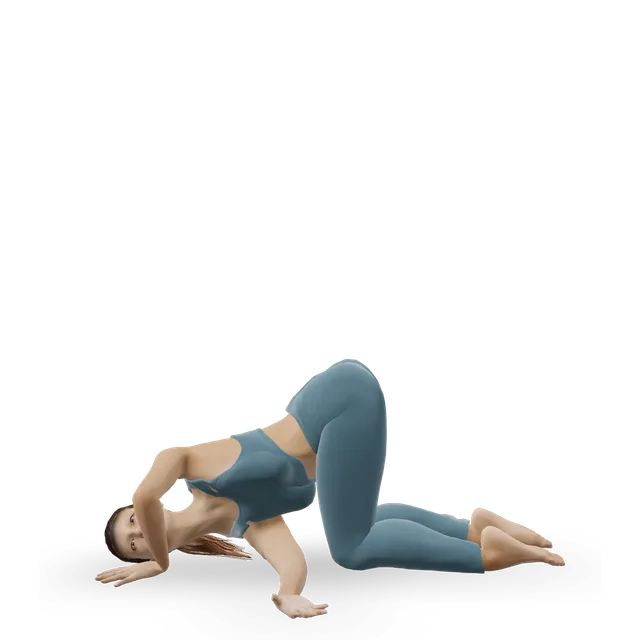
- Thread the needle (Parivrtta Balasana)30 s each sideBeginner · Back, Shoulders · 3D demoLet your upper back turn, with your hips over your kneesEasier: Side-lying open bookHarder: World's greatest stretch

Standing flow
- Beginner · Shoulders, Hamstrings, Calves · 3D demoBend your knees generously. With glaucoma or high blood pressure, keep it short or put your hands on a chairEasier: Extended puppy pose (Uttana Shishosana)Harder: Half handstand at the wall (Ardha Adho Mukha Vrksasana)
- World's greatest stretch4 slow reps each sideIntermediate · Hip flexors, Adductors, Glutes · 3D demoLunge, take your elbow towards the floor, then turn and reach up. Shorten the lunge if the front of the hip pinchesEasier: Low lunge (Anjaneyasana)Harder: Active pancake lift-off
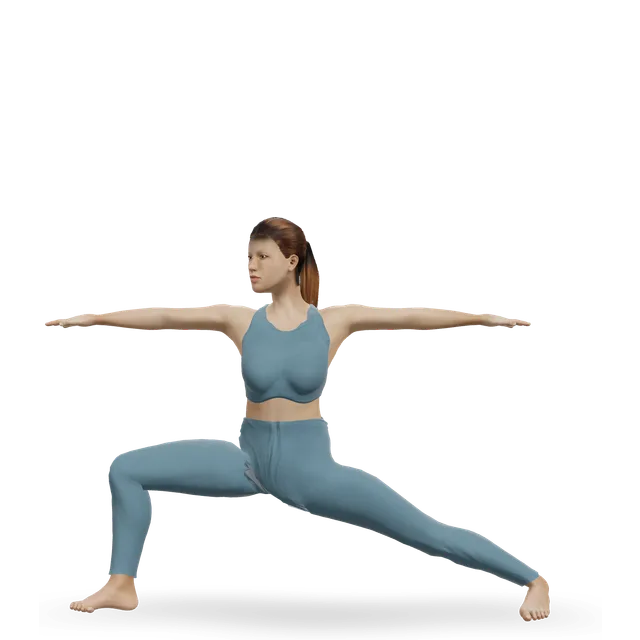
- Warrior II (Virabhadrasana II)3 breaths each sideIntermediate · Quads, Glutes, Adductors · 3D demoFlow on into reverse warrior and triangle, then back to warrior II, 3 times each sideEasier: Chair pose (Utkatasana)Harder: Extended side angle (Utthita Parsvakonasana)
- Reverse warrior (Viparita Virabhadrasana)3 breaths each sideIntermediate · Quads, Glutes, Abs · 3D demoSide bend over a strong front leg; don't drop your head backEasier: Warrior II (Virabhadrasana II)Harder: Warrior III (Virabhadrasana III)
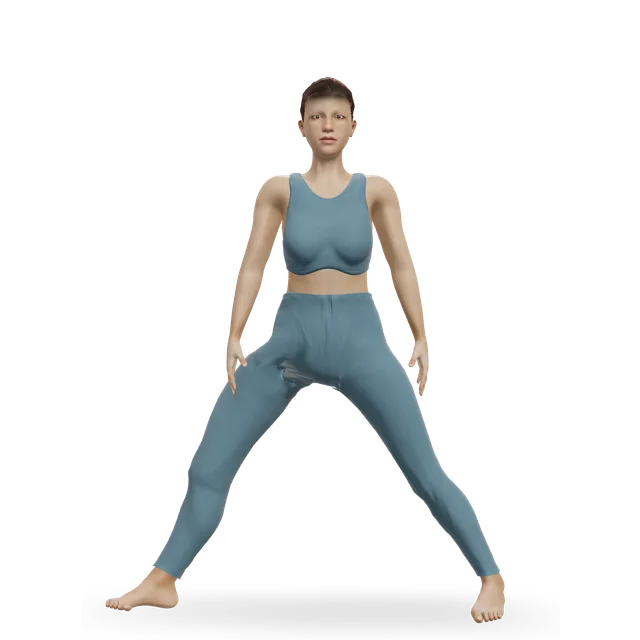
- Triangle pose (Utthita Trikonasana)3 breaths each sideIntermediate · Hamstrings, Adductors, Abs · 3D demoHand on a block or your shin, never on the kneeEasier: Wide-legged standing forward fold (Prasarita Padottanasana)Harder: Half moon pose (Ardha Chandrasana)



Hips and ankles
- Standing hip CARs3 slow circles each way with each legBeginner · Glutes, Hip flexors, Hip abductors · 3D demoHold a wall. Only the leg moves; stop at a pinchEasier: Hip circles on all foursHarder: 90/90 hip lift-off
- Ankle CARs (controlled articular rotations)5 slow circles each way with each ankleBeginner · Calves, Shins · 3D demoSitting, or standing with a hand on the wallEasier: Ankle circlesHarder: Toes-tucked kneeling (toe squat)


End of range
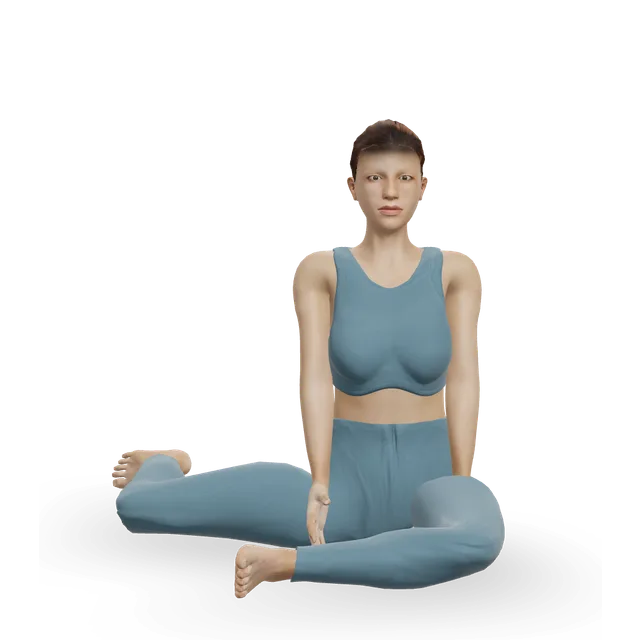
- 90/90 switch10 slow switchesIntermediate · 3D demoSitting, with your hands behind you; pause at each endEasier: Reclined figure four (eye of the needle, Sucirandhrasana)Harder: 90/90 hip lift-off
- 90/90 hip lift-off3 holds of 5 s each way, each sideIntermediate · Glutes, Hip abductors, Hip flexors · 3D demoLift the back shin, then the front knee. Cramp is common and harmless; sharp groin pain means stopEasier: 90/90 switchHarder: Active pancake lift-off
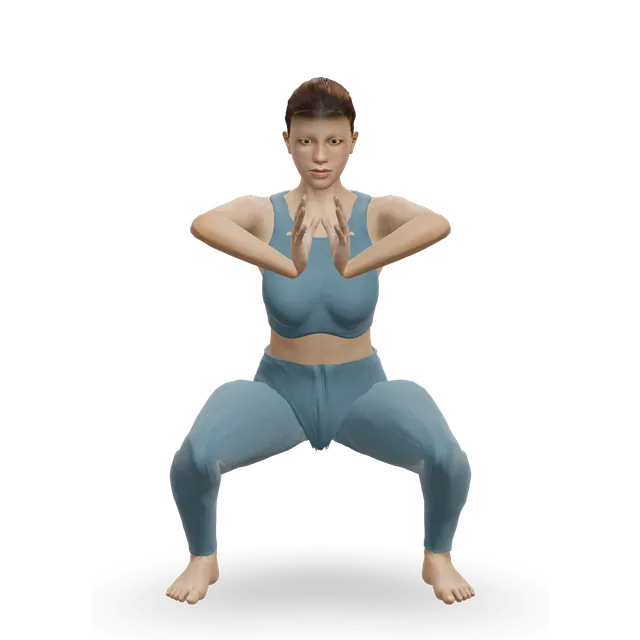
- Deep squat hold60 sIntermediate · Quads, Glutes, Adductors · 3D demoHold a door frame, and rest your heels on a folded mat if they liftEasier: Goddess pose (Utkata Konasana)Harder: Cossack squat

Finish
- Supine spinal twist (Supta Matsyendrasana)45 s each sideBeginner · Back, Glutes · 3D demoKnees on a cushion; let the twist be gentleHarder: Seated twist, bottom leg straight

Tips
- Do it 2 or 3 times a week, or on most days if you enjoy it, and judge it after 6 to 8 weeks on how easily you move, not on how far you fold.
- Practise new range where you'll use it: squat, lunge and reach in daily life and training, not only on the mat.
- Before a workout, use the 10-minute dynamic warm-up instead: the looseness from a mobility session lasts under half an hour.
- Very flexible already? Work at the end of your range with control, not beyond it: the NHS says not to overextend your joints just because you can.
- If neck circles make you dizzy or send tingling into an arm, make them smaller or stop, and see a GP if it keeps happening.
- Stiffness that lasts more than 30 minutes after waking, or a joint that is hot, swollen or locking, needs a GP or physiotherapist.
The doses are suggested starting points, not a prescription. Choose a range you can control and stop for sharp or increasing pain, numbness or tingling. Get individual advice after an injury or surgery, or if you are pregnant or managing a health condition.
Guides that recommend it
Find more moves like these
More yoga flows


Beginner yoga flow
A 20-minute beginner yoga sequence: mountain, chair, warrior II, triangle, tree, down dog, cobra and child's pose.
20 minBeginner11 movesA step

Sun salutation flow
A 20-minute flow built on sun salutations A and B, with warrior poses and a short cool-down.
20 minIntermediate8 movesNo equipment
Yoga for tight hips
A hip-opening yoga sequence: low lunge, lizard, goddess, pigeon, bound angle and happy baby.
25 minBeginner10 movesA wallQuestions people ask
How long does the yoga for mobility: a 20-minute flow for range you can control take?
About 20 minutes, including any warm-up and cool-down listed. Shorten it by doing fewer rounds; lengthen it by adding one.
What equipment do I need?
You need: A step, A wall. Each move links to its guide, where you can find an alternative if you are missing something.
Is it suitable for beginners?
It is written for beginners. 13 of its 16 moves have an easier option listed beside them if you need one.
How do I make it easier or harder?
Use the easier or harder option listed under each move, change the number of rounds, or adjust the rest. Progress one change at a time.