Where it hurts is a clue, not a diagnosis
The NHS lists the usual causes of arm and elbow pain apart from an injury: tennis elbow, tendonitis or bursitis, sprains and strains, frozen shoulder, arthritis and, rarely, a joint infection. It asks you not to self-diagnose, and to see a GP if you're worried. So the map above points to a likely cause and the guide that covers it; an examination decides.
Source 1
Most arm pain starts at the shoulderEmerging evidence
In a survey of 9,696 working-age adults in Britain, more than half of those who replied (3,152 of 6,038) had symptoms somewhere between the shoulder and the hand, and 44.8% of those with pain had a specific problem when examined. Shoulder problems were the commonest: shoulder tendinitis in 4.5% of men and 6.1% of women, and restricted shoulder movement recorded as frozen shoulder in 8.2% and 10.1%, against tennis elbow in about 1%.
In two Dutch general practices, 47% of new neck, shoulder or arm complaints were coded as a shoulder problem. Studies define arm pain so differently that their estimates of how common it is range from 1.6% to 53%, so these figures show the pattern rather than exact numbers. NHS inform adds that a shoulder problem can be felt down the arm, and that pain felt in the shoulder can come from the neck even when the neck doesn't hurt.
Sources 2, 3, 4, 5
The elbow, forearm and wristStrong evidence
Tennis elbow causes pain on the outside of the elbow, worse lifting or bending the arm, gripping or moving the wrist, and the NHS says it can cause pain in the forearm too; golfer's elbow, on the inside, has its own guide. Carpal tunnel syndrome, pressure on a nerve at the wrist, causes tingling, numbness and pain in the hand and fingers, usually worse at night, and an ache or pain that can reach the arm. NHS inform expects most new elbow problems to begin to settle within 6 weeks.
Sources 6, 7, 8
From the neck: a pinched nerveStrong evidence
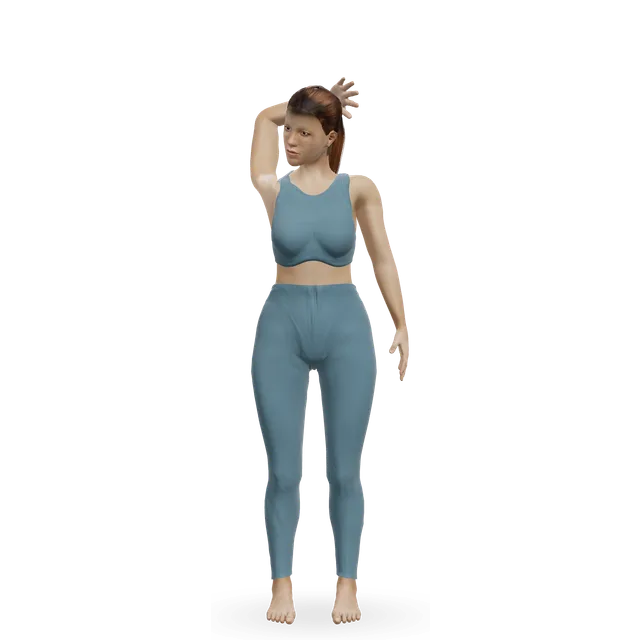
The American Academy of Orthopaedic Surgeons (AAOS) says a pinched nerve in the neck (cervical radiculopathy) usually causes a burning or sharp pain that starts at the neck and travels down the arm, with pins and needles, numbness or weakness, and some neck movements make it worse; some people find it eases with a hand resting on top of the head. In a Minnesota population it affected 83 people per 100,000 a year, most often at 50 to 54.
The AAOS lists the conditions that can mimic it, including arthritis of the joints at either end of the collarbone, thoracic outlet syndrome, nerves trapped at the elbow or wrist, and heart disease. NHS inform says numbness, pins and needles or weakness in one or both arms that is getting worse needs an urgent GP appointment.
Sources 9, 10, 5, 11
A sudden, severe pain, then weakness: neuralgic amyotrophyEmerging evidence
Neuralgic amyotrophy is an inflamed nerve to the shoulder and arm: a sudden, severe pain, often at night, followed by patchy weakness, such as a shoulder blade that sticks out. In one Dutch study in two general practices whose doctors had special training, about 1 in 1,000 people a year had it, far more than once thought. In 246 people seen at a Dutch hospital, the first severe pain lasted about 4 weeks on average, and about two-thirds of those followed for 3 years or more still had some pain or weakness. Our winged scapula guide covers it.
Sources 3, 12
The thoracic outletStrong evidence
The thoracic outlet is the space between the collarbone and the first rib, where nerves and blood vessels pass to the arm. When they are squashed, the NHS says it usually affects one arm and hand: pins and needles that can wake you at night, an arm that tires easily, pain and swelling, a cold hand and arm, or a hand that turns blue, grey or pale. The AAOS says overhead activities make it worse, and that treatment usually doesn't include surgery; physiotherapy comes first.
Sources 13, 14
After a fall: a breakStrong evidence
After an injury, a broken arm or wrist is painful, swollen, bruised and difficult to move, and may change colour or shape or feel numb, the NHS says; an X-ray shows whether it's broken and how badly. It usually takes around 6 to 12 weeks to recover.
Source 15
Jabs, blood tests, new workouts and statinsStrong evidence
Pain or soreness where a flu jab was given is its commonest side effect and gets better within 1 to 2 days, and bruising or swelling where blood was taken goes after a few days, the NHS says. Soreness a day or two after unfamiliar exercise, especially lowering work, is delayed onset muscle soreness, which fades over a few days. Muscle pain is a listed side effect of statins; the NHS asks you to talk to a doctor or pharmacist before stopping one.
Sources 16, 17, 18, 19
The heart, clots and other causesStrong evidence
The NHS says call 999 for arm pain that comes on suddenly with pressure, heaviness or squeezing across your chest. Its angina and chest pain pages say heart pain can spread to your left or right arm, or your neck, jaw, shoulder, stomach or back, and that angina is often brought on by exercise, stress, emotion or cold and eases within a few minutes of rest. In two reviews of people seen in emergency departments with chest pain, pain spreading to both arms was one of the strongest signs of a heart attack. Heart attacks without chest pain were more common in women (42% against 31% of men in a US registry of over a million people), and the British Heart Foundation (BHF) lists pain spreading to either arm.
A clot in an arm causes throbbing pain, swelling and red, blue or darker skin. Polymyalgia rheumatica causes morning stiffness of the shoulders lasting more than 45 minutes, mostly in people over 65 and very rarely under 50 (an NHS page past its review date). A swollen, heavy arm after treatment for breast cancer or to the lymph nodes can be lymphoedema, and red, hot, swollen skin can be cellulitis. Complex regional pain syndrome causes pain far worse and longer-lasting than the injury that set it off. Bone pain that is constant or worse at night, or a lump, needs a GP.
Sources 1, 20, 21, 22, 23, 24, 25, 26, 27, 28, 29, 30, 31, 32
When a scan or test helpsStrong evidence
Most arm pain is diagnosed from the story and an examination. After an injury, an X-ray shows a break. For a pinched nerve, the AAOS describes X-rays, a magnetic resonance imaging (MRI) scan and nerve tests when it doesn't settle or the cause is unclear, and says nearly half of middle-aged and older people have worn discs and pinched nerves that cause no symptoms. For a shoulder that isn't improving, the NHS says a health professional may arrange an X-ray to check the cause.
Suspected heart pain needs an electrocardiogram (ECG) and blood tests in hospital, and a suspected clot an ultrasound scan, which the NHS says should be within 24 hours.
Sources 15, 9, 33, 20, 27
How it usually goesEmerging evidence
NHS inform expects new shoulder and elbow problems to begin to settle within 6 weeks; the NHS says shoulder pain usually needs 2 weeks of looking after it yourself before it starts to ease, and can take 6 months or longer to recover (a page past its review date). Arm pain from a pinched nerve eased by about 3 points a week on a 100-point scale even with no treatment in a Dutch trial, and in a Minnesota population 90% were free of symptoms or only mildly limited about 5 years later, though about a third had another episode.
A broken arm usually takes around 6 to 12 weeks to recover, and neuralgic amyotrophy is slower. No one can promise a date.
Sources 5, 8, 33, 34, 10, 15, 12