Pain guide · Elbow pain

Broken arm: upper arm and forearm breaks, the nerve sign to report, and recovery

This guide covers breaks in the middle of the upper arm bone (the humerus) and of the forearm bones (the radius and ulna). Most upper arm breaks heal in a brace without an operation: in trials, surgery got some people moving sooner but didn't give a better arm at a year. Adults' forearm breaks usually need plates and screws, while children's are usually set and put in a cast, and children's bones reshape as they grow.

Your fracture clinic's plan comes first, and hospitals differ on how long the brace or cast stays on. This guide covers the warning signs, including the nerve sign to report the same day (a wrist and fingers that won't lift), living with a brace, and the usual stages from the first finger and elbow exercises to full strength, with a 3D demo of each move. Breaks next to the shoulder, at the elbow and at the wrist have their own guides.

When to get help first

Exercise is for pain that has been checked or is clearly mild and settling.

Get urgent medical help if

  • Call 999 or go to A&E after an injury (don't drive yourself) if the arm, wrist or hand is numb, tingling or has pins and needles; a bone is sticking out or a bad cut is bleeding heavily; or the arm or wrist has changed colour or shape, or is at an odd angle.
  • Same day (NHS 111): you've injured your arm and it's very painful, you can't use it because of the pain, or the pain is getting worse; there's a lot of swelling or bruising, or it's getting worse; it feels very stiff or is difficult to move; or you also have a very high temperature or feel hot, cold or shivery.
  • Call 999 or go to A&E: sudden, severe pain in a muscle of the forearm or hand, especially after an injury or when a cast or bandage feels too tight. It can be compartment syndrome.
  • Same day: after a break of the upper arm, you can't lift your wrist or straighten your fingers (a wrist drop), or the back of your hand has gone numb. Tell your fracture clinic the same day, or NHS 111 out of hours, and straight away if it starts or gets worse after the brace is fitted or after an operation. The radial nerve may be bruised: most recover, but the team needs to check and record it.
  • In a brace: contact the plaster room or fracture clinic straight away, or the emergency department out of hours, if your fingers go numb, get pins and needles, turn blue or white or are hard to move; the pain is severe or keeps increasing despite regular painkillers; the brace rubs, digs in or breaks the skin; or it becomes loose, wet or damaged, or there's a discharge or smell from under it.
  • While it heals, get help from NHS 111 the same day if the pain gets worse; your temperature is very high or you feel hot, cold or shivery; the cast or splint breaks or feels too tight or too loose; your fingers or hand feel numb, look swollen, or turn blue or white; or there is a bad smell or fluid coming from under the cast.
  • A child in a cast with severe pain, white or blue fingers, numbness or pins and needles, or fingers they can't move: raise the arm for 30 minutes, and if it isn't better, take them straight back to the emergency department. Pain that is getting worse and isn't controlled by painkillers needs advice the same day.
  • After an operation, oozing or pus from the wound: ask for an urgent GP appointment or get help from NHS 111. If you feel unwell or feverish and the wound looks infected, go to A&E.
  • Arm pain or swelling with breathlessness or chest pain: call 999 or go to A&E, and do not drive yourself. It can be a blood clot that has reached the lungs.
  • Throbbing pain and swelling in the arm, with red, blue or darker skin and swollen veins: ask for an urgent GP appointment or get help from NHS 111. It could be a blood clot.
  • Call 999: after a fall, you may have hurt your head, neck, back or hip, or you cannot get up.

See a doctor or physiotherapist if

  • Pain in the upper arm that is still there beyond about 3 months, difficulty lifting anything heavy with that arm, or a clicking at the break: contact your fracture clinic. The bone may not have joined, and an operation can fix it.
  • A wrist drop or numbness that isn't improving over the following weeks: make sure the fracture clinic is following it, and ask whether you need to see the nerve injury service. Most recover, but some take up to a year.
  • The shoulder or elbow is very stiff, or you're struggling to get back to your activities, once the brace or cast is off: ask for physiotherapy. UK standards say there should be a way back to the fracture service for advice at any point.
  • Pain that is getting worse instead of better or far worse than you'd expect, a cast that feels tight, swelling with fingers that are hard to bend, skin that is shiny, red or very sensitive to touch, or a hand that doesn't feel like yours: contact your fracture clinic or physiotherapist promptly. These can be early signs of complex regional pain syndrome (CRPS), and early treatment may help.
  • You're 50 or over and broke your arm in a fall from standing height or less: ask about a fracture liaison service or a bone health check, and about a falls assessment if you fell.
  • A child still in pain or stiff about 4 weeks after the cast comes off, or struggling to get back to sport 12 weeks after the injury: contact the fracture clinic. A new bend, lump or pain in the forearm after another fall in the months after the cast needs an X-ray the same day, because these breaks can happen again.

Understand it

What a broken arm is

The upper arm bone (the humerus) runs from the shoulder to the elbow. Below the elbow, two bones run to the wrist: the radius on the thumb side and the ulna on the little-finger side, and the radius turns around the ulna to turn your palm up and down. This guide covers breaks of the middle parts (the shafts) of these bones.

A break can be a crack or in several pieces, still lined up or out of place, and open, with a wound over it, which needs urgent treatment because of the risk of infection. Two forearm injuries combine a break with a dislocation: a Monteggia injury (the ulna broken and the top of the radius out of joint at the elbow) and a Galeazzi injury (the radius broken and the ulna out of joint at the wrist). Breaks at the top of the humerus, at the elbow and at the wrist end of the forearm have their own guides.

Sources 1, 2

Who breaks the middle of the armEmerging evidence

Breaks of the upper arm shaft are 1% to 3% of adult fractures. In Denmark, 23,718 were recorded over 23 years: about 25 for every 100,000 adults each year, 62% in women, 78% in people aged 50 or over, and 87% treated without surgery. In 936 breaks at one Finnish trauma centre, over 60% followed a simple fall, the commonest groups were older women and young men, 24% of people had another injury (most often to the radial nerve, in 10%), 3% of breaks were open, and 9.2% of people had died within a year, a sign of how frail many of them were.

In adults it takes a strong force to break the middle of the forearm, so both bones usually break: from a fall onto an outstretched arm in sport or from a height, or in a road crash. A single ulna usually breaks from a direct blow, such as an arm raised to protect yourself.

In children, forearm breaks are up to half of all fractures, mostly from falls in the playground or in sport, but 3 in 4 are at the wrist end, which our broken wrist guide covers. Children's bones are softer, so they often bend and crack on one side (a greenstick fracture) or buckle.

Sources 3, 4, 5, 1, 2

How it's recognised

The NHS says a broken arm is usually painful, swollen, bruised and difficult to move, and it may change colour, look bent or twisted, or feel numb. A broken forearm often looks bent and shorter, and you can't turn your palm up or down. You'll probably need an X-ray.

In hospital the team checks the skin, the pulse, the feeling and movement in the fingers, and the joints above and below the break, with X-rays of the elbow and wrist in children, because one fall can break more than one place. UK orthopaedic standards ask for the pulse, the blood supply to the fingers and each nerve to be checked and written down when you arrive, and again after the bones are set or a cast is put on.

Sources 6, 1, 2, 7, 8

The radial nerve and wrist drop

The radial nerve winds around the back of the upper arm bone on its way to the hand. If a break bruises or stretches it, the back of the hand can feel numb and the muscles that lift the wrist and fingers weaken, so you can't pick things up or carry them in that hand. The drooping wrist is called wrist drop.

It happens with about 1 in 10 breaks of the upper arm shaft: 10% in a review of 1,758 people and in the Finnish series, and 11.8% in an older review of 4,517 breaks. It's commoner with breaks in the middle and lower part of the shaft, and with breaks straight across or in a spiral. A new palsy after an operation is commoner than after bracing: 4% against 0.4% in one review, and 17.4% against 0.7% in pooled trials. In children with this break it's rare, at about 4%.

How often it recovers, and whether the nerve should be looked at in an operation, are covered in the evidence notes below: the figures and the advice differ.

Sources 9, 10, 11, 5, 12, 13

What the X-ray does and doesn't mean

A healed upper arm bone often keeps a slight bend on the X-ray, and that's usually fine. An Edinburgh NHS sheet says the humerus has a great ability to heal and does not need to be in a perfect position, and in a large US series of braced breaks, 87% of those X-rayed healed with less than 16 degrees of sideways bend, which the authors judged acceptable for use and appearance. Children's bones reshape as they grow, so a child's forearm can be accepted with more angle than an adult's.

What matters more than the picture is whether the bone joins. Pain in the arm that is still there beyond about 3 months, difficulty lifting anything heavy, and a clicking at the break can mean it hasn't, and need a review.

Sources 14, 15, 7

How it usually goesEmerging evidence

Upper arm, in a brace: the brace goes from the shoulder to the elbow and is worn day and night with a collar and cuff sling until the clinic says, usually 6 to 8 weeks for a simple break and sometimes up to 20. NHS leaflets say the bone takes 9 to 12 weeks to join, or 12 to 26. Physiotherapy often starts 6 to 12 weeks after the injury, and simple daily activities can take up to 4 months, longer with strenuous work. In a US trial of 58 people, a plaster splint for the first days was a little less painful than a brace straight away; an older US series used a splint for an average of 9 days first. UK practice varies.

In the Finnish FISH trial, two-thirds of the people treated in a brace healed and at 2 years scored as well on an arm disability questionnaire as those operated on straight away (6.0 and 6.8 out of 100, where 0 means no disability). The third whose bone didn't heal and needed a later operation scored 17.5.

Stiffness is the usual problem afterwards: the NHS says the arm may be stiff and weak for several months once the cast or brace is off. When the braces came off in the large US series, 98% of people had lost no more than 25 degrees of shoulder movement.

Forearm, adults: the bones take 3 to 6 months to heal fully, and some stiffness is common but doesn't usually affect daily life. Plates usually stay in. In 30 adults 5.4 years after plating both bones, the injured arm had 63% to 84% of the other side's strength; 21 years on, in 71 people, forearm turning was 91% and grip 94% of the other side, and 72% had no pain.

Sources 16, 17, 18, 19, 15, 20, 6, 1, 21, 22

Children's forearm breaks: how they healEmerging evidence

A greenstick break heals in about 3 to 6 weeks, and a break that had to be set over about 6 weeks. A stable buckle break needs 3 to 4 weeks in a cast or splint, and a Monteggia injury 6 to 10 weeks. After the cast, the wrist and elbow are often stiff for 2 to 3 weeks and loosen up without physiotherapy, and most children have their movement back within 2 to 4 weeks.

Children do well in the long run: 11 years after casting, 47 Finnish children had normal forearm turning and grip. Breaks through a growth plate may be followed for up to a year. Forearm shaft breaks can happen again: in 2% to 8% in earlier studies, and in 7% within a year in a Danish group of 837 children.

Sources 23, 24, 2, 25, 26, 27

Older adults: bones and falls

Most upper arm breaks in later life follow a simple fall. NICE (the National Institute for Health and Care Excellence) asks for a fracture risk assessment for people aged 50 or over who break a bone in a fall from standing height or less, and a falls assessment for people who have fallen. The NHS says a fracture liaison service can help if you're over 50. Weak bones don't slow healing, the Royal Osteoporosis Society says, and NICE advises against anti-inflammatory painkillers for frail or older people with fractures.

Sources 5, 28, 29, 6, 30, 31

What helps, and how strong the evidence is

A brace or surgery for the upper arm: the same at a yearStrong evidence

Four trials have compared a plate with a functional brace for breaks of the upper arm shaft. In the Finnish FISH trial (82 adults), arm disability at a year was 8.9 out of 100 after surgery and 12.0 with a brace, a difference too small to matter (10 points would). People treated with a plate were off work for less time (a median of 90 days against 129), so surgery came out cheaper for society, while bracing was cheaper for the health service.

In the Edinburgh HU-FIX trial (70 adults), surgery gave better function at 6 weeks and 3 months but not at 6 or 12 months, skin irritation under the brace affected 18% against 3%, and people were back at work a median of 7.3 weeks after surgery against 10 weeks with a brace. In a Brazilian trial (110 adults), a bridge plate gave a better disability score at 6 months only (10.9 against 16.9) and less bend on the X-ray, with no difference in quality of life, pain or shoulder scores. Pooled, the 4 trials (292 people) found better function with surgery at 6 months but not at a year.

Surgery has its own risks: a new, usually temporary radial nerve palsy in 17.4% of people operated on, against 0.7% with a brace, in the pooled trials, and 8% in the FISH trial. Your surgeon will explain which suits your break.

Sources 32, 3, 33, 34, 12

Bones that don't join in a brace: the figures differMixed evidence

In the small trials, more breaks failed to join with a brace than after surgery: 25% (11 of 44) in the FISH trial, 18% against 6% in HU-FIX (a difference that wasn't statistically clear), and 15% against none with a bridge plate. Pooled, it was 15.7% against 0.7% in the trials, or about 7 operations to prevent one bone not joining, and 15.3% against 6.4% when 10 cohort studies were added.

A large older US series found far fewer: under 2% of 465 closed breaks treated in a brace failed to join. But only two-thirds of the 922 people treated were followed up, so some problems may have been missed. A bone that doesn't join can be fixed with an operation, though recovery is then slower: in the FISH trial, those people's arm disability score at 2 years was 17.5 out of 100, against about 6 for everyone else.

Sources 32, 33, 34, 12, 35, 15, 20

A splint first, then the braceEmerging evidence

In a US trial of 58 people (the COBRAS trial), putting the brace on straight away gave about 1 point more pain out of 10 over the first 10 days, and more skin problems (33% against 7%), than a plaster splint first, with no gain in function or satisfaction. It is one small trial, and UK hospitals differ: some fit the brace at the first visit.

Sources 19, 15

The radial nerve: most recover, but the figures and the advice differMixed evidence

In reviews of people whose radial nerve was injured with the break, 71% recovered without an operation on the nerve in one (Shao, 581 people treated without surgery), 77% in an update of it (Ilyas), and 91% in another (Hendrickx, 40 studies). A Cambridge NHS leaflet tells patients that 90% recover completely within 3 to 4 months; that is a leaflet's figure, not a study's. Recovery can take up to a year.

The advice on exploring the nerve differs. Two reviews found no benefit from early surgery to look at it, but the Ilyas review found 90% recovered when the nerve was explored and the break fixed within 3 weeks, and favours earlier surgery for some people. UK standards ask for the nerve to be checked and written down at the first opportunity and after every treatment, and for advice from a nerve injury service within 24 hours if the break isn't going to be operated on.

Sources 11, 36, 10, 9, 8

Exercise after a broken upper arm: NHS practice, no trialsEmerging evidence

We found no randomised trial of exercises after a break of the upper arm shaft. NHS leaflets agree on the order: from the first days, fist and finger exercises, the wrist up and down, elbow bending and straightening with the arm supported, the palm up and down with the elbow at your side, shoulder blade squeezes and gentle supported swings (pendulums); from about 4 to 6 weeks, a forward slide on a table and an assisted lift; and physiotherapy from about 6 to 12 weeks, once the X-ray shows healing.

The doses differ a little: 5 to 10 of each, 3 times a day, holding stretches for about 5 seconds (Cambridge); 10 to 15 of each, 3 times a day, with pendulums for 1 to 2 minutes (East Sussex); a fist 20 times and the rest 10 to 15 times, 3 to 5 times a day (East Kent, past its review date); and at least twice a day, 5 slow repetitions (North Tees). All keep the brace on.

Sources 37, 16, 18, 17, 14

Adult forearm breaks: plates for mostStrong evidence

US orthopaedic surgeons (the American Academy of Orthopaedic Surgeons) say most adult forearm breaks need surgery, usually plates and screws, so the two bones heal in line, because a forearm that heals crooked loses its turning. Movement exercises for the forearm, elbow and wrist start soon after surgery. A single ulna broken by a blow and still in line may heal in a cast or brace: in a Cochrane review of 4 small, flawed trials (237 people), a below-elbow brace gave better satisfaction and an earlier return to work than a long cast, but no treatment was shown to be best.

In a review of 944 adults after plating both bones, 24% had a complication, 7% a nerve injury and 5% a bone that didn't join. In one group of 30 people, how much the arm held them back depended more on pain than on measured weakness or stiffness.

Sources 1, 38, 39, 21

Children's forearm breaks: a cast for most, and usually no physiotherapyStrong evidence

UK orthopaedic standards call casting the gold standard for most children's forearm breaks, because children's bones reshape as they heal. A break bent beyond what will reshape is best set early in the emergency department, with strong pain relief such as a nose spray and gas and air, avoiding an anaesthetic and an overnight stay where possible, with a fracture clinic visit within 7 days. Surgery is for open or unstable breaks, breaks that can't be set without an operation, or those already healing crooked.

In 24 studies (1,157 children) comparing surgery and casting for breaks of both forearm bones, function was the same and every break healed, but casts more often let the bones slip (26% against 3%) and led to more extra procedures (14% against 5%). These were observational studies, not trials. In a trial of 127 children, changing to a below-elbow cast at 3 weeks was as good as 6 weeks in an above-elbow cast, and more comfortable.

After the cast, NHS services say most children don't need physiotherapy: everyday use, swimming and simple exercises or games bring the movement back.

Sources 7, 2, 40, 41, 42, 25

Painkillers, smoking and foodStrong evidence

NICE recommends paracetamol for adults, adding codeine or a stronger painkiller for worse pain, and ibuprofen, paracetamol or both for children; it advises against anti-inflammatory painkillers such as ibuprofen for frail or older adults with fractures. US orthopaedic surgeons say anti-inflammatories may slow fracture healing, so ask your surgeon before taking them. An East Kent leaflet suggests taking painkillers regularly for at least 2 weeks, aiming to keep the pain at a bearable 2 to 3 out of 10.

Smoking slows healing and raises the risk of the bone not joining, NHS leaflets say. A healthy diet, plenty of fluids and less alcohol help healing.

Sources 31, 1, 18, 14, 17, 30

How much pain is OK while you exercise?

A mild to moderate stretch, never forced; up to about 5 out of 10 once you're strengtheningEmerging evidence

While the bone heals, NHS leaflets say move as far as you can without pain, feeling no more than a mild to moderate stretch; do the exercises only as your pain allows, and they shouldn't make your pain worse; and don't force the stretch. Take your painkillers regularly so you can move: one leaflet aims for a bearable 2 to 3 out of 10.

Once your fracture clinic says the bone has healed and you're strengthening, use the rule from our broken shoulder guide: pain up to about 5 out of 10 during the exercises, back to where it started by your next session. If it isn't, use a lighter band or a smaller range next time, not nothing. No trial has tested a pain rule after a broken arm, so this one is borrowed.

New or worsening numbness or weakness in the hand isn't a pain-rule question: tell your fracture clinic the same day. For children, an NHS leaflet says the exercises may feel difficult at first but shouldn't be painful; if one hurts, stop and try again later.

Sources 16, 18, 37, 43

The exercise plan: 4 stages

Start at the first stage. Each move opens a full guide with a 3D demo.

Stage 1

In the brace or cast: keep the hand, wrist, elbow and shoulder moving (from the first days, as your fracture clinic allows)

As your fracture clinic allows. Limit stiffness and swelling while the bone starts to join. In an upper arm brace, keep the brace on day and night and take the arm out of the sling, not the brace, for the exercises; keep the hand at or above the elbow in the sling, and let the arm hang rather than resting the elbow on anything. After an operation, or in a forearm cast, follow your team's sheet: the pendulums are for the shoulder after an upper arm break.

Tendon glides (hand tendon gliding exercises) demonstrated on the 3D figure3D demoTendon glides (hand tendon gliding exercises)Beginner · No equipment

Make a fist and straighten the fingers, 10 to 15 times, 3 times a day · An East Sussex NHS leaflet's dose. The move page's full set, 4 to 6 of each position held for 5 s, up to 4 times a day, suits too

Harder: Ball squeeze

Ball squeeze demonstrated on the 3D figure3D demoBall squeezeBeginner · Other / check instructions

After a few days: squeeze as hard as you can without pain, hold 5 s, 10 times, 3 times a day · An East Sussex NHS leaflet's dose. A soft ball or rolled-up socks

Easier: Tendon glides (hand tendon gliding exercises) · Harder: Band finger extension

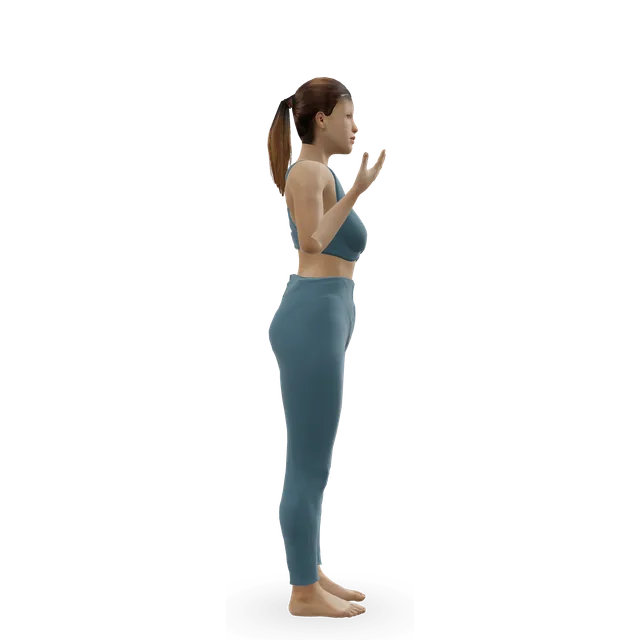
Wrist & forearm flow demonstrated on the 3D figure3D demoWrist & forearm flowBeginner · No equipment

The wrist up and down, then the palm up and down with the elbow at your side: 10 to 15 of each, 3 times a day · East Sussex and East Kent NHS leaflets' dose

Easier: Wrist circles · Harder: Wrist flexor stretch

Elbow bend and straighten (elbow range of motion) demonstrated on the 3D figure3D demoElbow bend and straighten (elbow range of motion)Beginner · No equipment

10 to 15 times, 3 times a day, with the upper arm relaxed and supported, to no more than a mild to moderate stretch · East Sussex and East Kent NHS leaflets' dose. The other hand can help; the brace stays on

Harder: Dumbbell biceps curl

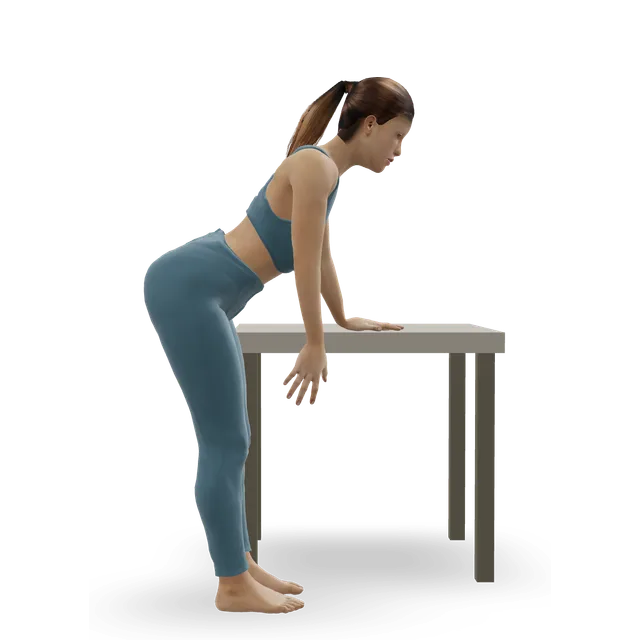
Pendulum exercise (Codman's pendulum) demonstrated on the 3D figure3D demoPendulum exercise (Codman's pendulum)Beginner · A bench or box

Forwards and back, then side to side, for 1 to 2 minutes in all, 3 times a day · An East Sussex NHS leaflet's dose. Support the arm and keep the swings small; some clinics start these after the first visit

Harder: Table slide (seated forward reach)

Seated upper-back lift (sit tall, shoulders back) demonstrated on the 3D figure3D demoSeated upper-back lift (sit tall, shoulders back)Beginner · A bench or box

Shoulders back and blades gently squeezed: hold 30 to 60 s, 5 times · An East Sussex NHS leaflet's dose

Easier: Elbows back · Harder: Prone Y-T-W raises

Move on when: The fracture clinic has checked the X-rays and says the shoulder can be helped through more movement, often from about 4 to 6 weeks.

Follow along: a timer, a cue and the next move, one step at a time.
Stage 2

Assisted movement: let a table and your other arm help (often from about 4 to 6 weeks, as your fracture clinic allows)

As your fracture clinic allows. More shoulder and elbow movement, without the arm lifting its own weight while the bone is still joining. The brace stays on until the clinic says. Add the assisted lift below.

Table slide (seated forward reach) demonstrated on the 3D figure3D demoTable slide (seated forward reach)Beginner · A bench or box

5 to 10 slow slides, 3 times a day · A Cambridge NHS leaflet's dose. A towel on a bin bag helps the arm slide; don't force it

Easier: Pendulum exercise (Codman's pendulum) · Harder: Overhead lat stretch at a bench (elbows on the bench)

Pendulum exercise (Codman's pendulum) demonstrated on the 3D figure3D demoPendulum exercise (Codman's pendulum)Beginner · A bench or box

1 to 2 minutes, forwards and back and side to side, 3 times a day · An East Sussex NHS leaflet's dose

Harder: Table slide (seated forward reach)

Elbow bend and straighten (elbow range of motion) demonstrated on the 3D figure3D demoElbow bend and straighten (elbow range of motion)Beginner · No equipment

5 to 10 times, holding each end for about 5 s, 3 times a day · A Cambridge NHS leaflet's dose

Harder: Dumbbell biceps curl

Wrist & forearm flow demonstrated on the 3D figure3D demoWrist & forearm flowBeginner · No equipment

The palm up and down, 10 to 15 times, 3 times a day · An East Sussex NHS leaflet's dose

Easier: Wrist circles · Harder: Wrist flexor stretch

Seated upper-back lift (sit tall, shoulders back) demonstrated on the 3D figure3D demoSeated upper-back lift (sit tall, shoulders back)Beginner · A bench or box

Hold 30 to 60 s, 5 times · An East Sussex NHS leaflet's dose

Easier: Elbows back · Harder: Prone Y-T-W raises

Move on when: The X-ray shows healing and the clinic takes the brace off, often between 6 and 12 weeks, sometimes later. Physiotherapy often starts then.

Follow along: a timer, a cue and the next move, one step at a time.
Stage 3

Brace off: active movement and light strength (often from about 6 to 12 weeks, as your fracture clinic allows)

As your fracture clinic allows. Lift the arm under its own control and start light strengthening. The arm may feel stiff, and an Edinburgh NHS sheet says this is expected.

Breath reach demonstrated on the 3D figure3D demoBreath reachBeginner · No equipment

5 slow breaths, lifting both arms only as high as is comfortable · The move page's dose

Harder: Slow breathing (6 breaths a minute)

Standing band external rotation demonstrated on the 3D figure3D demoStanding band external rotationBeginner · A band + An anchor point

Light band, elbow at your side: 2 sets of 10 to 15 · Editorial dose, as in our broken shoulder guide

Easier: Stick-assisted external rotation (lying) · Harder: Side-lying external rotation

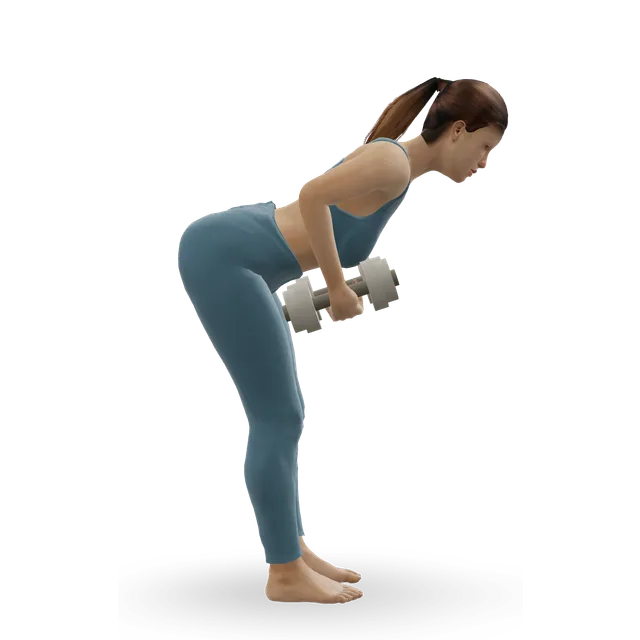
Band row demonstrated on the 3D figure3D demoBand rowBeginner · A band + An anchor point

Light band: 2 sets of 10 to 12, building to 3 sets of 10 to 15 · An editorial start, building to the move page's dose

Harder: Supported single-arm dumbbell row

Wall push-up demonstrated on the 3D figure3D demoWall push-upBeginner · A wall

2 sets of 8 to 10 · Editorial dose

Harder: Push-up

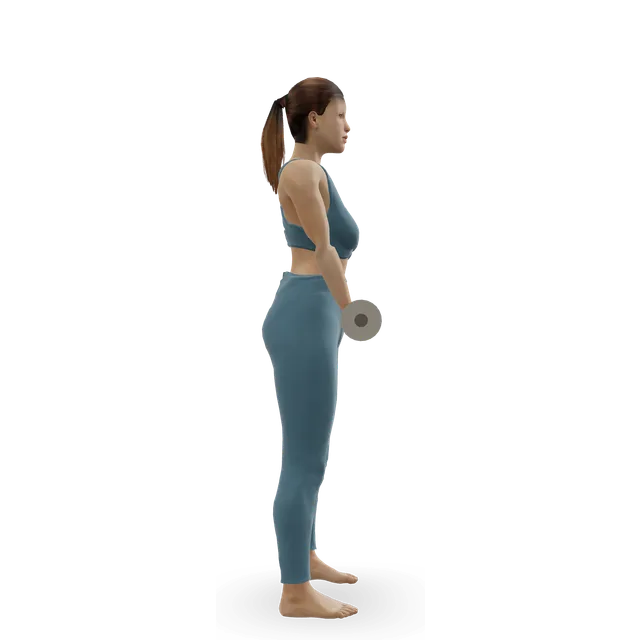
Dumbbell biceps curl demonstrated on the 3D figure3D demoDumbbell biceps curlBeginner · A dumbbell

0.5 to 2 kg, 2 sets of 10 to 15, slowly · Editorial dose, as in our broken elbow guide

Easier: Seated dumbbell curl · Harder: Incline inner biceps curl

Move on when: You can lift the arm overhead and bend and straighten the elbow fully or nearly, and everyday tasks are getting easier. Simple daily activities can take up to 4 months.

Follow along: a timer, a cue and the next move, one step at a time.
Stage 4

Strength for work, sport and play (from about 3 months, once healed, as your fracture clinic allows)

As your fracture clinic allows. Strength and stamina for heavier work, lifting and sport. Contact sport and heavy lifting wait until your fracture clinic says the bone has fully healed; no trial gives a time for adults.

Incline push-up demonstrated on the 3D figure3D demoIncline push-upBeginner · A bench or box

2 to 3 sets of 8 to 12 · Editorial dose; then the push-up progression

Easier: Wall push-up · Harder: Push-up

Dumbbell forearm rotation demonstrated on the 3D figure3D demoDumbbell forearm rotationBeginner · A dumbbell + A bench or box

A light hammer or a dumbbell held at one end: 2 to 3 sets of 10 to 15 · Editorial dose, as in our broken elbow guide

Easier: Wrist-extensor eccentrics · Harder: Plate pinch

Farmer's carry demonstrated on the 3D figure3D demoFarmer's carryBeginner · A dumbbell + A kettlebell

Light, 3 walks of 20 to 30 m · Editorial dose

Harder: Suitcase carry

Move on when: Lifting, carrying and pushing feel normal and the arm keeps up with the other side; then sport, starting with training before matches.

Follow along: a timer, a cue and the next move, one step at a time.

What to change for now

Living with an upper arm brace (written steps)

From NHS leaflets for humeral shaft braces.

  • 1. Keep the brace on day and night until the clinic says. Take the arm out of the sling, not the brace, to wash and exercise.
  • 2. To wash under the arm, lean slightly forward and to the side so the arm hangs away from your body. Use a face cloth, soap and water, and dry well. Don't try to lift the arm.
  • 3. No bath or shower while you're in the brace: you could fall, and a wet brace damages the skin. Don't put creams or tissue under it.
  • 4. Dress with the injured arm under your clothes, close to your body, not through a sleeve.
  • 5. Sleep propped up on pillows or in a reclining chair for the first weeks, and let the elbow hang with nothing under it. A T-shirt worn over the arm at night can stop it moving.
  • 6. If the brace rubs, pinches, slips or causes a rash, contact the plaster room.

Sources 18, 9, 44, 17, 14

The assisted lift up and back (written steps)

Cambridge's leaflet adds this from about 4 to 6 weeks. It has no 3D demo.

  • 1. Start only when your fracture clinic says, usually from about 4 to 6 weeks.
  • 2. Stand with the brace on, and hold the injured arm at the wrist or forearm with your other hand.
  • 3. Keep the injured arm relaxed: your other hand does the work.
  • 4. Gently help it move up and back behind you, as far as is comfortable, without forcing it.
  • 5. Return slowly. Do 5 to 10, 3 times a day.

Source 37

After a forearm break in an adult

After plates and screws, US orthopaedic surgeons say movement exercises for the forearm, elbow and wrist start soon after surgery, sometimes with a cast or brace for 2 to 6 weeks. Use the stages above without the pendulums, unless your shoulder has stiffened, and with more forearm turning and grip work; the wrist and forearm routine suits stage 3. Plates usually stay in: removing them, if you want it, waits 1 to 2 years and brings a risk of a new break. Some loss of grip and turning strength is common, and in one study pain mattered more than measured weakness.

Sources 1, 21

Children after the cast (written steps)

Most children don't need physiotherapy. Let your child use the arm for washing, dressing and eating, and swim if you can. A Kingston and Richmond NHS leaflet suggests the exercises below. If they're a struggle, games work too: throwing and catching, hand clapping, colouring, Play-Doh, baking, popping bubbles, bat and ball games and animal walks.

Back to play, as your fracture clinic allows: playground equipment such as monkey bars after 3 to 4 weeks (US orthopaedic surgeons); high-impact sport, physical education (PE) and trampolining 4 to 6 weeks after a greenstick cast (Leeds NHS); and contact sport typically 8 weeks after the cast, from a Kingston and Richmond leaflet that covers all children's limb fractures. Get in touch if pain or stiffness lasts beyond about 4 weeks after the cast.

  • 1. Do each exercise 10 times, then rest for a minute. Do this 3 times.
  • 2. Straighten and bend the arm.
  • 3. Reach for the stars: both arms up high.
  • 4. Hands behind the head, then hands behind the back.
  • 5. Palms up and palms down, with the elbows tucked in.
  • 6. A high five, then a low five.
  • 7. Jazz hands: spread the fingers wide, then make a fist.

Sources 25, 43, 2, 23

Sleeping, driving and work

With an upper arm brace, sleep propped up on pillows or in a reclining chair for the first weeks; a T-shirt over the arm at night can stop it moving. With a forearm cast, keep the hand above the elbow on a pillow. Don't drive in a brace or cast, or until you're told it's safe. Time off work depends on the job: in two trials, people were off for a median of 10 weeks with a brace against 7.3 after surgery, and 129 days against 90.

Sources 18, 14, 6, 9, 3

Positions to swap, and why

Habit or positionWhy it mattersInstead
Resting the elbow on an armrest, cushion or pillow in an upper arm braceIt pushes the bone ends together or bends the break; the arm should hang.Let it hang in the collar and cuff, and sleep propped up.
Taking the brace off to wash, sleep or exerciseIt holds the bone, and NHS leaflets say keep it on day and night until the clinic says.Take the arm out of the sling, not the brace, and wash leaning forward and to the side.
Putting the injured arm through a sleeveDressing with the arm under your clothes, close to your body, is less painful and supports the arm.Clothes over the top of the arm and brace.
A bath or shower in the braceYou could fall, and a wet brace damages the skin.A strip wash, leaning forward.
Driving in a brace or castThe NHS says don't drive until you've been told it's safe.Ask at your fracture clinic visit.
Lifting, carrying or pushing up from a chair with the injured armThe NHS says don't lift heavy things until you're told it's safe.Use the other arm. Carries come in the last stage.
Pendulums with a weight in the handThe move page says don't add a weight without advice, and the arm should hang relaxed.Small, relaxed swings, moving your body rather than the arm.
Stretching hard into painNHS leaflets ask for no more than a mild to moderate stretch.Slow, supported movement, such as a table slide.Try: Table slide (seated forward reach)
Anti-inflammatory painkillers without askingUS orthopaedic surgeons say they may slow fracture healing, and NICE advises against them for frail or older people with fractures.The painkillers your team advises.
SmokingIt slows healing and raises the risk of the bone not joining.NHS stop-smoking support.
Monkey bars or trampolines as soon as a child's cast is offThe bone is weaker for a while after the cast.Swimming and play first, then playground equipment when your fracture clinic allows.
Waiting to see if a wrist drop settles before telling anyoneUK standards ask for the nerve to be checked and recorded.Tell your fracture clinic the same day.

Routines to follow

More moves for this area

Questions people ask

How long does a broken arm take to heal?

The NHS says recovery usually takes 6 to 12 weeks, longer after a bad break, and the arm can stay stiff and weak for months. A break in the middle of the upper arm bone takes about 9 to 12 weeks to join, sometimes longer, and simple daily activities can take up to 4 months. Adult forearm bones take 3 to 6 months to heal fully.

Do I need surgery for a broken upper arm?

Usually not: most breaks of the upper arm shaft heal in a brace, and in trials surgery gave better function for the first months but not at a year. Surgery brings its own risks, including a temporary nerve problem. On the other hand, in the small trials 15% to 25% of braced breaks didn't join and needed an operation later, so your surgeon will talk through the options for your break.

Why have I got a brace and not a plaster cast?

A brace from the shoulder to the elbow, worn with a collar and cuff sling, holds the bone while the arm hangs, which helps keep it straight, and leaves the hand, wrist and elbow free to move. It's worn day and night, usually for 6 to 8 weeks or longer. Forearm breaks are treated in a cast or with plates instead.

How do I sleep with a broken arm?

With an upper arm brace, sleep propped up on pillows or in a reclining chair for the first weeks, keep the brace on, and let the elbow hang rather than resting it on a pillow. With a forearm cast, keep the hand above the elbow on a pillow. A T-shirt worn over the arm at night can stop it moving.

If I can move my fingers, is my arm not broken?

No: moving your fingers doesn't rule out a break. The NHS signs are pain, swelling, bruising and difficulty moving the arm, sometimes with a change of colour or shape, or numbness, and you'll probably need an X-ray.

What is wrist drop, and will it get better?

About 1 in 10 breaks of the upper arm shaft bruises the radial nerve, so the wrist and fingers can't lift and the back of the hand may feel numb. Most recover: in reviews, 71% to 91% recovered without an operation on the nerve, sometimes taking up to a year. Tell your fracture clinic the same day so it's checked and recorded, and ask what the plan is.

Is it normal to feel the bone move?

In a brace you may feel or hear the bone moving, and an NHS leaflet says this isn't unusual; letting the arm relax and hang from the shoulder can reduce it. The arm can also feel as if it's floating. Severe or increasing pain is different: see the warning signs.

When can I drive?

Not in the brace or a cast. The NHS says don't drive until you've been told it's safe, so ask at your fracture clinic visit.

When can I go back to work and sport?

It depends on the break and the job: simple daily activities can take up to 4 months after an upper arm break, longer for strenuous work. In two trials, people were off work for a median of 10 weeks with a brace against 7.3 after surgery, and 129 days against 90. Contact sport waits until your fracture clinic says the bone has healed.

Does my child need physiotherapy after a broken arm?

Usually not. NHS services say everyday use, swimming and simple exercises or games bring the movement back, usually over 2 to 4 weeks after the cast. Get in touch if pain or stiffness lasts beyond about 4 weeks.

Will my child's bent arm straighten as they grow?

Children's bones reshape as they grow, so some angle can be accepted, and a cast is the usual treatment. Breaks bent beyond what will reshape are set early, often in the emergency department. Breaks through a growth plate may be followed for up to a year.

I'm older and broke my arm in a fall. What else should I ask about?

Ask about a fracture liaison service and a bone health check, and a falls assessment if you fell. The NHS says a fracture liaison service can help prevent further broken bones, and weak bones don't slow healing.

Related exercise guides

Other pain guides

Sources

  1. AAOS OrthoInfo · Adult forearm fractures
  2. AAOS OrthoInfo · Forearm fractures in children
  3. Suter 2026 · Cost-effectiveness of surgery or a functional brace in the FISH trial (economic evaluation, J Bone Joint Surg Am)
  4. Karimi 2023 · 23,718 humeral shaft fractures in Denmark, 1996 to 2018 (national registry study, Acta Orthop)
  5. Mattila 2023 · Epidemiology of 936 humeral shaft fractures (single-centre series, J Shoulder Elbow Surg)
  6. NHS · Broken arm or wrist
  7. British Orthopaedic Association · BOAST: early management of the paediatric forearm fracture (standard, 2021)
  8. British Orthopaedic Association · BOAST: peripheral nerve injury (standard, 2021)
  9. Cambridge University Hospitals NHS · Humeral shaft fractures (patient information, 2026)
  10. Hendrickx 2021 · Radial nerve palsy with closed humeral shaft fractures (systematic review of 40 studies, Arch Orthop Trauma Surg)
  11. Shao 2005 · Radial nerve palsy with humeral shaft fractures (systematic review, J Bone Joint Surg Br)
  12. Oliver 2023 · Surgery or not for humeral shaft fractures (meta-analysis of 4 trials, J Am Acad Orthop Surg)
  13. Metivier 2026 · Radial nerve palsy after humeral shaft fractures in children (systematic review, J Pediatr Orthop B)
  14. Edinburgh Trauma and Orthopaedics, NHS Lothian · Humerus shaft fractures (temporary advice sheet from the COVID-19 pandemic, 2020)
  15. Sarmiento 2000 · Functional bracing for humeral shaft fractures (case series of 922, J Bone Joint Surg Am)
  16. East Sussex Healthcare NHS · Midshaft humerus fracture (emergency department shared care plan, 2025)
  17. North Tees and Hartlepool NHS · Humeral brace (patient leaflet)
  18. East Kent Hospitals NHS · Humeral fracture (patient leaflet, reviewed 2024, now past its review date)
  19. Kingery 2026 · Early bracing or a splint first for humeral shaft fractures: the COBRAS trial (RCT of 58, J Orthop Trauma)
  20. Rämö 2021 · The FISH trial at 2 years and the need for later surgery (secondary analysis, JAMA Surg)
  21. Droll 2007 · Outcomes after plate fixation of both forearm bones in adults (cohort of 30, J Bone Joint Surg Am)
  22. Bot 2011 · Long-term outcomes of both-bone forearm fractures (cohort of 71, J Bone Joint Surg Am)
  23. Leeds Teaching Hospitals NHS · Simple greenstick forearm fractures (leaflet for parents and carers, 2026)
  24. Worcestershire Acute Hospitals NHS · Paediatric forearm and wrist fracture manipulation (patient leaflet)
  25. Kingston and Richmond NHS · Limb fracture: recovery after cast removal (children's leaflet, 2026)
  26. Sinikumpu 2014 · Long-term recovery after children's forearm shaft fractures treated without surgery (cohort of 47, Acta Orthop)
  27. Husum 2025 · Refracture after children's forearm shaft fractures (cohort of 837, Acta Orthop)
  28. NICE NG259 · Osteoporosis: risk assessment (2026)
  29. NICE NG249 · Falls: assessment and prevention in older people and in people 50 and over at higher risk (2025)
  30. Royal Osteoporosis Society · Broken hips, wrists and other bones
  31. NICE NG38 · Fractures (non-complex): assessment and management (2016)
  32. Rämö 2020 · Surgery or a functional brace for displaced humeral shaft fractures: the FISH trial (RCT of 82, JAMA)
  33. Oliver 2025 · Surgery or not for humeral shaft fractures: the HU-FIX trial (RCT of 70, JAMA Surg)
  34. Matsunaga 2017 · A bridge plate or a functional brace for humeral shaft fractures (RCT of 110, J Bone Joint Surg Am)
  35. van de Wall 2020 · Brace or surgery for humeral shaft fractures (meta-analysis of 2 trials and 10 cohort studies, J Shoulder Elbow Surg)
  36. Ilyas 2020 · Radial nerve palsy recovery with humerus fractures (updated systematic review, J Am Acad Orthop Surg)
  37. Cambridge University Hospitals NHS · Exercises for humeral shaft fracture (physiotherapy leaflet, 2024)
  38. Handoll 2012 · Treatments for isolated fractures of the ulna shaft in adults (Cochrane review)
  39. Vasara 2024 · Plate fixation of both-bone forearm fractures in adults: complications and outcomes (systematic review of 944 people, JB JS Open Access)
  40. West Suffolk NHS · Forearm fractures and manipulation (leaflet for parents and carers, 2021, now past its review date)
  41. Sharma 2025 · Surgery or casting for children's both-bone forearm fractures (meta-analysis of 24 studies, J Pediatr Soc North Am)
  42. Colaris 2013 · A below-elbow cast after 3 weeks for children's forearm fractures (RCT of 127, Acta Orthop)
  43. NHS Lothian · Physiotherapy for upper limb fracture (leaflet for patients, parents and carers, 2021, now past its review date)
  44. James Paget University Hospitals NHS · Humeral brace (patient information, 2023, now past its review date)
  45. NHS · Compartment syndrome
  46. NHS · DVT (deep vein thrombosis)
  47. NHS · Complex regional pain syndrome
  48. NHS · Falls
  49. British Orthopaedic Association · Outpatient and on-call services for people with fractures or musculoskeletal injury (standard, 2026)

Exercise education, not a diagnosis or treatment plan. It is written from the guidelines and studies listed above; review by a clinician is pending. If your pain follows an injury, is severe, is getting worse, or comes with any warning sign listed on this page, get it assessed. Health disclaimer.