The HSE's desk set-up: for comfort, untested as a treatmentStrong evidence
The HSE's set-up: keyboard just below elbow height, forearms roughly level, "Try to keep wrists straight when keying", "a soft touch on the keys and not overstretching the fingers", and "A space in front of the keyboard can help you rest your hands and wrists when not keying". The mouse goes "in line with elbow", close enough to use with a straight wrist, with the forearm supported and a light grip. Its checklist adds that "Users of thick, raised keyboards may need a wrist rest", and that if someone has problems with a mouse, "try a different device".
Employers must assess the workstations of people who use screens daily for an hour or more at a time, at home too, and plan breaks or changes of activity. This set-up is regulator guidance for comfort and prevention; it hasn't been tested as a treatment for wrist pain.
Sources 19, 20, 21, 22, 23
Keyboards, mice, wrist rests and forearm supportsEmerging evidence
Ergonomic keyboards for carpal tunnel have been tested in only two small trials (105 people), with mixed results: "insufficient evidence" either way. In a Cochrane review of 15 workplace trials (2,165 office workers), an alternative mouse on its own didn't clearly reduce new arm or neck problems; an arm support with an alternative mouse cut neck and shoulder problems but not right arm problems. In 21 people with carpal tunnel syndrome, a vertical mouse straightened the wrist sideways and gel or gliding wrist supports reduced the backward bend, but none lowered the pressure in the carpal tunnel, so the choice comes down to comfort.
Forearm support has more behind it: a forearm support board reduced right arm discomfort over a year in 206 engineers, and a wide armboard with training reduced right arm pain in 182 call centre workers. No trial has tested a wrist rest for wrist pain or for preventing carpal tunnel; a review of workplace prevention strategies, wrist rests among them, found a "mixed level of evidence".
Sources 24, 25, 26, 27, 28, 29, 30, 21
Breaks: helpful for some, mixed overallMixed evidence
The HSE says short, frequent breaks are better than longer, less frequent ones ("5 to 10 minutes every hour is better than 20 minutes every 2 hours"), and "Change activity before users get tired, rather than to recover". In 42 data-entry workers, an extra 5-minute break each hour reduced discomfort and stopped forearm, wrist and hand discomfort building up over the week, without losing output, and short breaks every 20 minutes reduced discomfort in another trial.
But in a Cochrane review of 6 studies (373 healthy workers), extra breaks made little or no difference to pain or discomfort, on low-quality evidence, and the review of workplace interventions rated the evidence for extra breaks very low quality. In a lab study of 25 people, pauses reduced forearm muscle fatigue during an hour of typing; fatigue isn't pain, but it fits with short, frequent breaks.
Sources 31, 20, 32, 33, 34, 26, 35
Wrist position and carpal tunnel pressureEmerging evidence
The pressure in the carpal tunnel is lowest with the wrist close to straight. Bending the wrist back or towards the thumb while typing raised it, and typing itself raised it further, in 20 people. Dragging with a mouse raised it about 12 millimetres of mercury (mmHg) above resting the hand on the mouse, and the authors advise keeping the wrist from bending back, keeping long drags short and switching tasks often. These are small lab studies, mostly in people without symptoms.
Sources 36, 37, 38
Splints, injections and surgery for carpal tunnelEmerging evidence
The NHS suggests a splint that keeps the wrist straight at night, worn for up to 6 weeks before it starts to help; if it doesn't, a steroid injection may be offered (symptoms can come back), and surgery usually cures it. In a Cochrane review of 29 trials (1,937 adults), a splint gave little or no short-term benefit over no treatment (low certainty), though night-time splinting may help more in one trial of 80 people. The BSSH says early treatment can help prevent long-term nerve damage, and that you can usually keep working "with adjustments or splints".
For de Quervain's, a splint has to hold the thumb as well as the wrist, and a steroid injection relieves the pain in about 70% of cases. No trial has tested a splint or brace worn while typing.
Sources 14, 39, 13, 15
Exercise: keep it moving, then build strengthEmerging evidence
The NHS says there's "a small amount of evidence" that hand exercises ease carpal tunnel symptoms, and a Cochrane review of 16 small trials (741 people) found the evidence limited and of very low to low quality. With RSI, the NHS says keep active, and "do not rest the affected area for more than a few days", because resting too long makes it weaker and less flexible; a physiotherapist or occupational therapist can help if it doesn't settle.
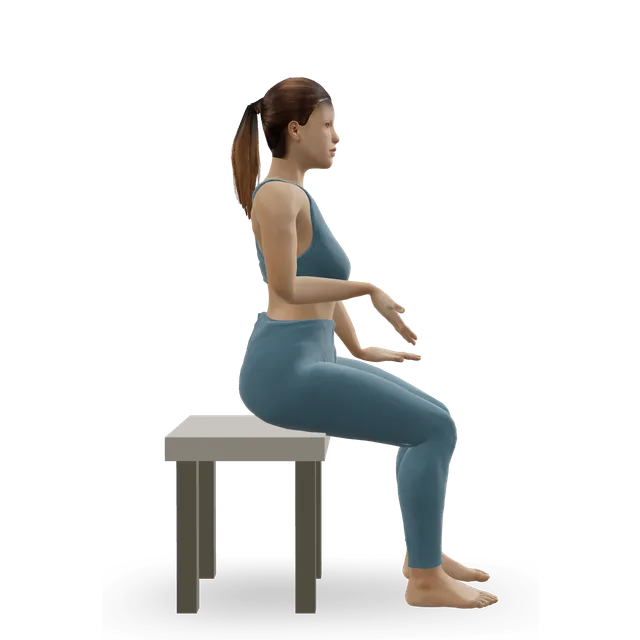
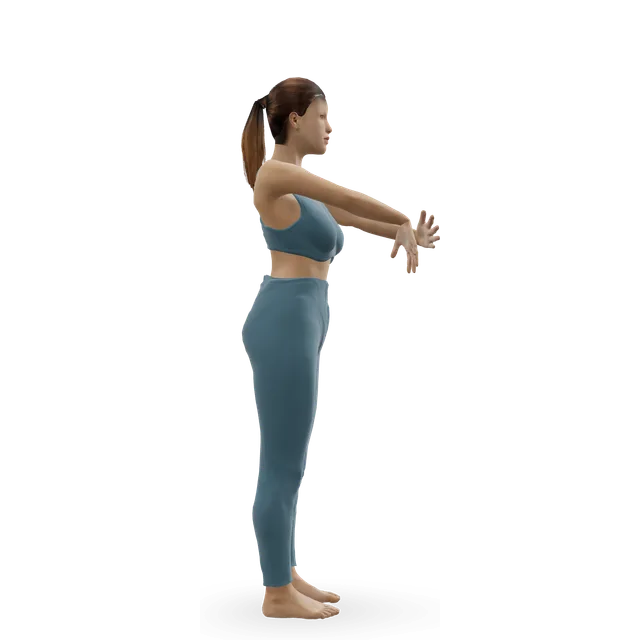
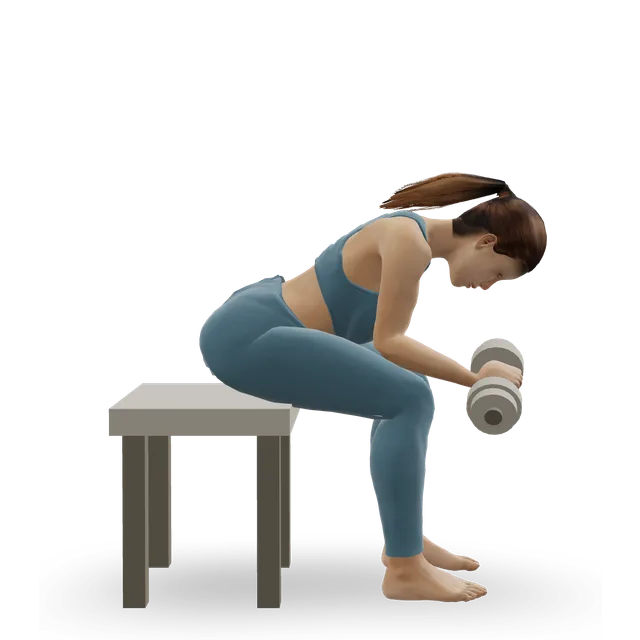
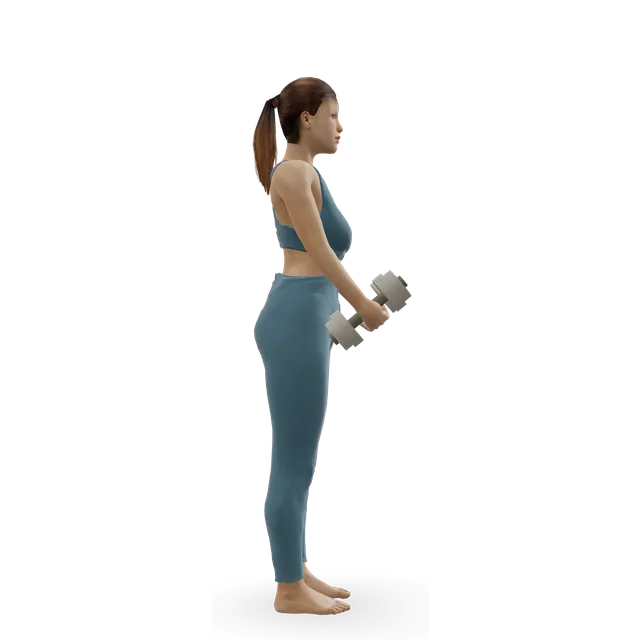
No trial has tested exercise for wrist pain from typing as such, so this plan follows the wrist hub's order: keep the hand and tendons moving from day one, then build grip and forearm strength over weeks.
Sources 14, 40, 1
Phones and tabletsEmerging evidence
In a review of 15 studies of phone and tablet users, aches were commonest in the neck, with some evidence linking them to texting, calls and gaming. Texting and gaming also went with de Quervain's in observational studies (about 1.5 to 2.6 times the odds), but these studies can't show that phones cause it.
Sources 41, 17