Yoga guide

Ashtanga yoga: the set series, Mysore-style practice, how hard it is and how to start

Ashtanga yoga is a flowing style with a fixed order: five rounds each of two sun salutations, a set of standing poses, a series of postures and a closing sequence, moving with the breath and holding most poses for five breaths. It was developed in 20th-century Mysore, India, and is taught in the tradition of K. Pattabhi Jois.

You can learn it in a led class, where a teacher counts everyone through together, or Mysore style, where you work at your own pace and the teacher adds poses one at a time. The only lab measurement, of a 56-minute beginners' video, found light exercise with harder spells in the sun salutations, and the trials are few and small.

This guide covers the series, the two kinds of class, how hard it is, what the trials and injury studies found, who should adapt it, and a 40-minute short form with every pose shown in 3D.

The short version

The same order every time

Every practice opens with 5 rounds each of sun salutations A and B, then a set of standing poses, a set series and a closing sequence, moving on the breath. The British Wheel of Yoga (BWY) calls Ashtanga a physically strong form of yoga made up of set sequences.

Sources 1, 2, 3, 4

Two ways to learn

In a Mysore-style class you practise at your own pace and the teacher adds poses one at a time; a first practice may last only 20 to 30 minutes. In a led class, the teacher counts the whole group through the series together.

Sources 5, 6

Light exercise, with harder spells

In the one lab study, a 56-minute beginners' Ashtanga video averaged 2.5 METs (metabolic equivalents: 1 is the energy you use sitting still), which is light, with the sun salutations close to moderate. A full practice by an experienced student hasn't been measured.

Sources 7, 8

Few trials, all small

Eight months of twice-weekly Ashtanga-based classes made women's legs stronger but didn't change their bone density or blood pressure. A 12-week trial in 18 air force pilots found a difference only in lung capacity.

Sources 9, 10, 11

Injuries happen, mostly sprains and strains

In a German survey, people reported 0.60 injuries per 1,000 hours of yoga, fewer than published rates for running. Headstand, shoulder stand and lotus are the poses most often linked to injuries.

Sources 12, 13, 14

Start small, with a teacher

Learn the sun salutations first, step back rather than jump, and leave lotus, headstand and shoulderstand until a teacher has taught you, as US health advice suggests for beginners.

Sources 15, 5

What Ashtanga yoga is

A set series, moved on the breath

AshtangaYoga.info, the site of an Ashtanga teacher-training school in Germany, describes "Ashtanga Yoga in the tradition of Sri K. Pattabhi Jois". Sun salutation A has 9 movements and B has 17, each done on one breath in or one breath out, and each is done five times at the start of every practice.

The BWY describes "a physically strong form of yoga made up of set sequences", with the victorious breath, ujjayi, "central to its practice".

Sources 1, 2, 3, 4

The practice, in order

Every practice follows the same order, as AshtangaYoga.info sets it out:

  • Opening: 5 rounds each of sun salutations A and B.
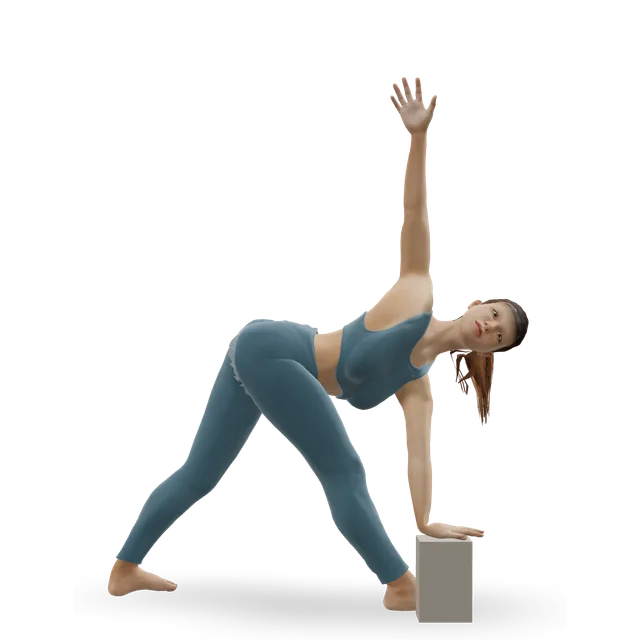
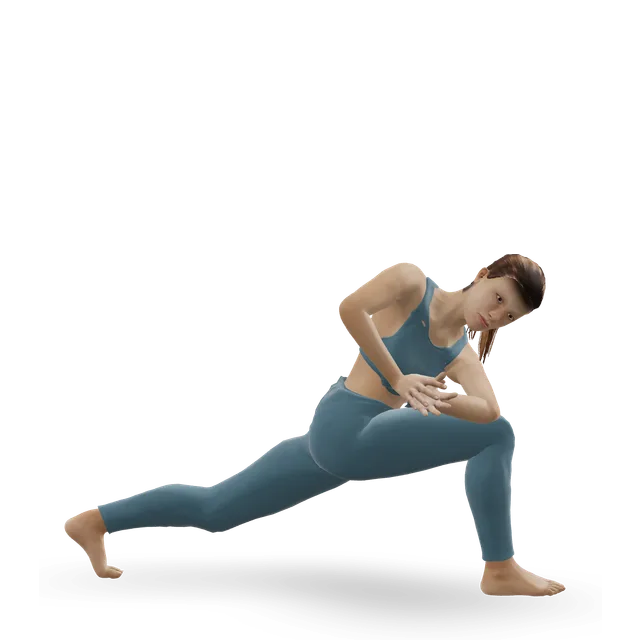
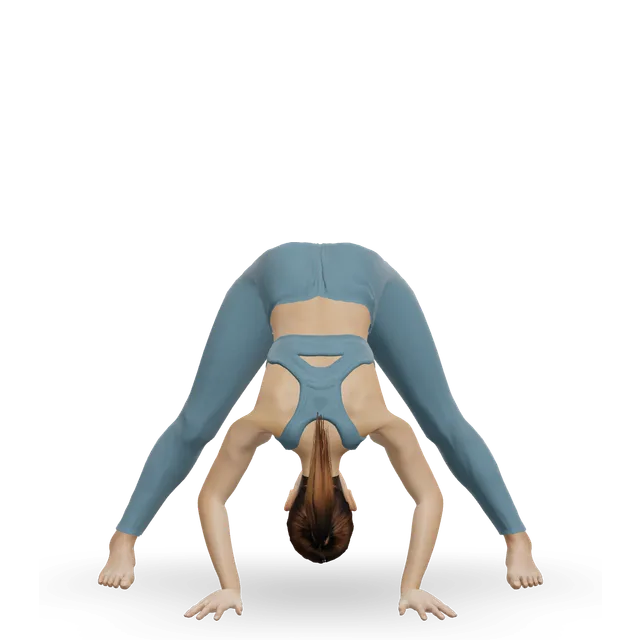
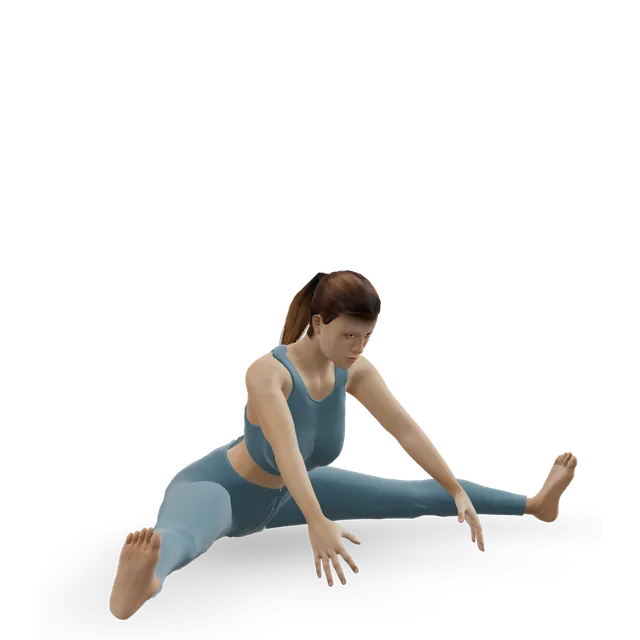
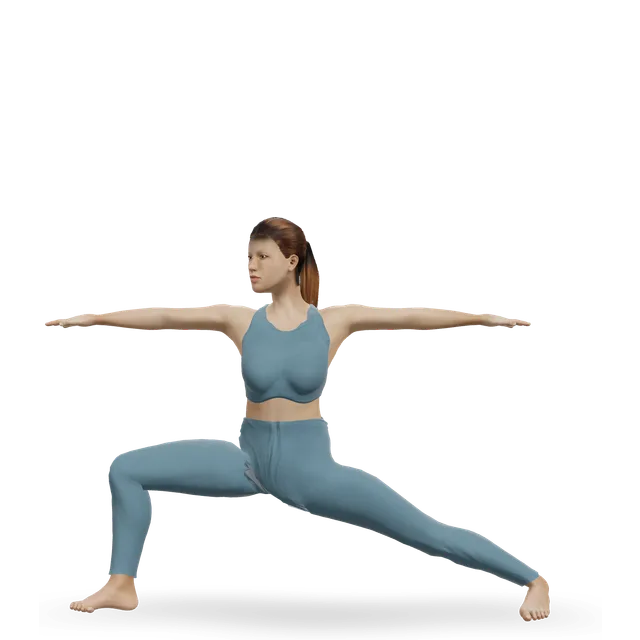
  • Standing fundamentals: the big-toe folds, triangle and revolved triangle, side angle and revolved side angle, the wide-legged forward folds and pyramid pose.
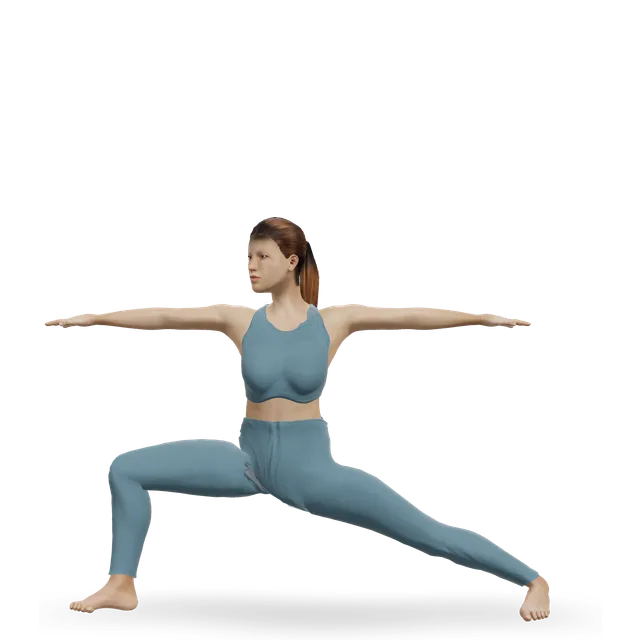
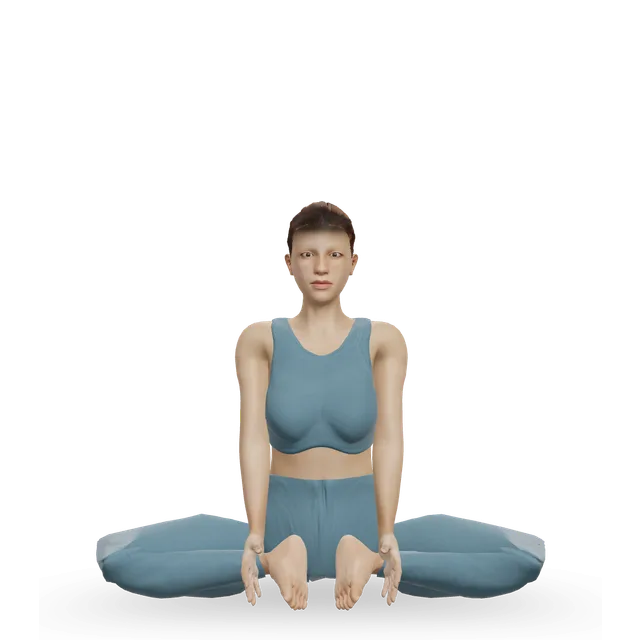
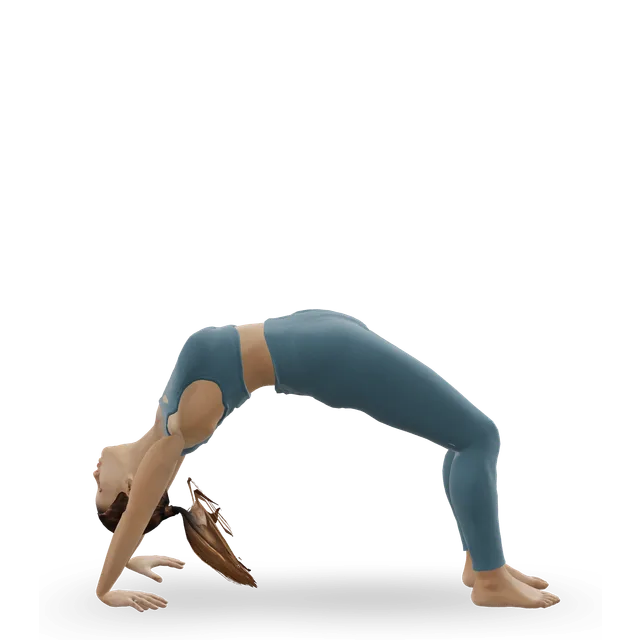
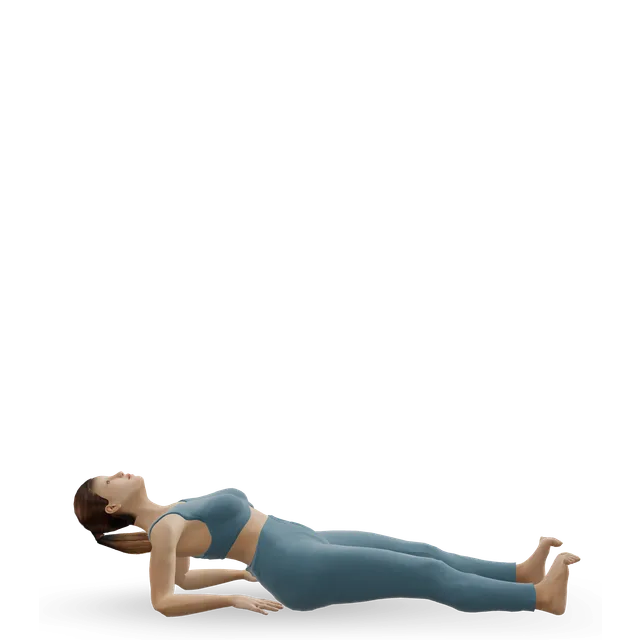
  • The primary series: about 40 poses and variations, from standing balances and warrior poses to seated forward bends, twists, boat pose, bound angle, a bridge and wheel.
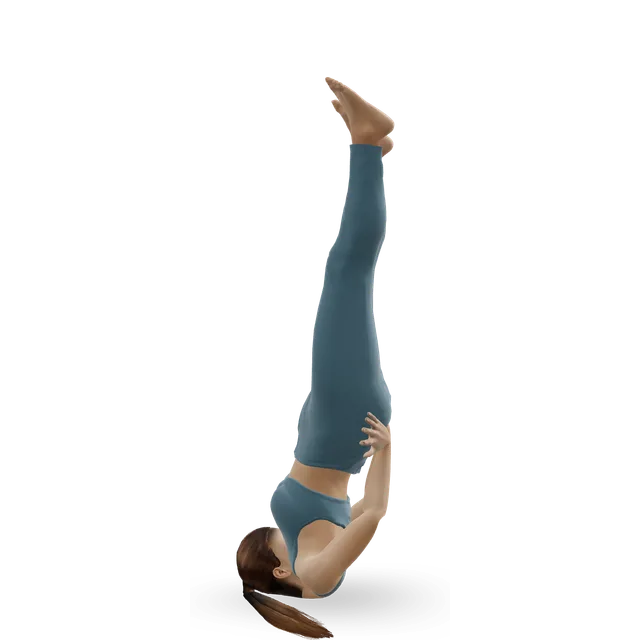
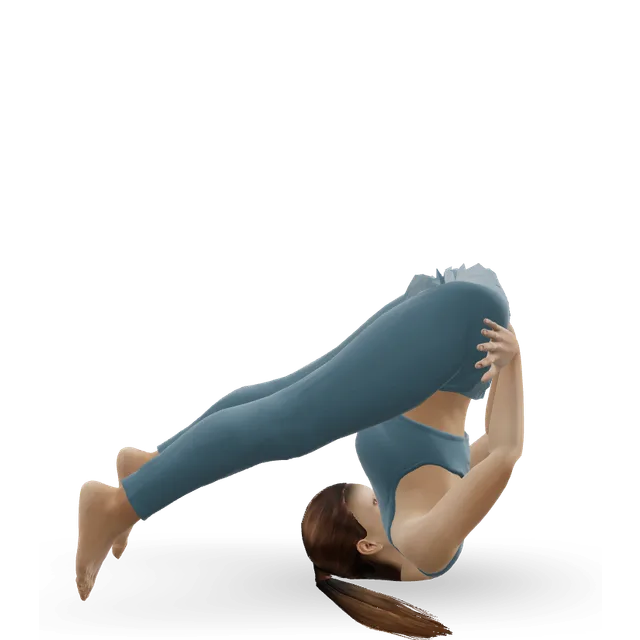
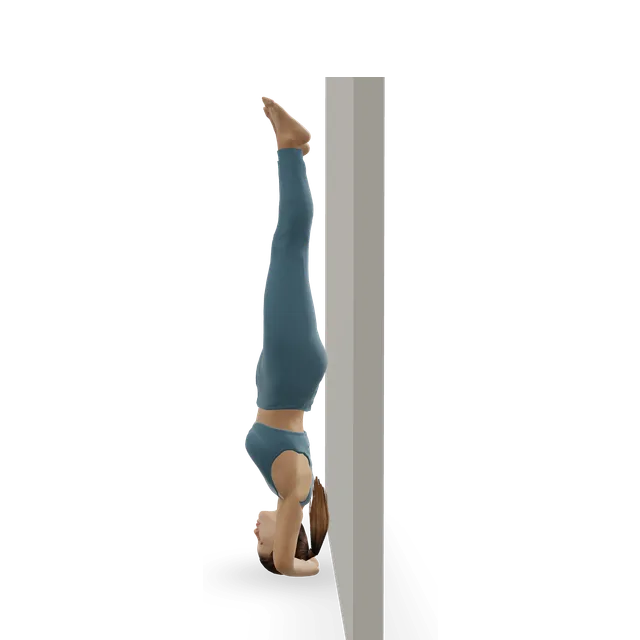
  • Closing poses: shoulderstand, plough, fish, headstand, lotus and a rest, held for longer than the rest of the practice.
  • Most poses are held for 5 breaths; boat pose is repeated 3 to 5 times, and shoulderstand and lotus are held for 10 breaths.

Sources 1, 16, 17, 18, 19, 20, 21, 22

Breath, locks and gaze

Ashtanga teachers speak of tristana: the union of breath-linked movement (vinyasa), the "locks" (bandhas) and a set point for your gaze (drishti), such as your thumbs, nose or navel. An Ashtanga school calls ujjayi, breathing through a slightly narrowed throat, "the foundation of vinyasa".

Sources 23, 2

Two meanings of ashtanga

Ashtanga means "eight limbs". In Patañjali's Yoga Sutras, the eight limbs of yoga run from abstentions and observances, through posture and breath control, to concentration, meditation and absorption. Ashtanga vinyasa yoga borrows the name for a posture practice developed in the 20th century; our yoga guide covers the eight limbs.

Sources 24, 25

Where it comes from

In the 1930s, T. Krishnamacharya taught yoga at the palace in Mysore, India, as postures joined by a repeating sequence based on sun salutations. His student K. Pattabhi Jois (1915 to 2009) built Ashtanga from three series of postures linked in a counted breath sequence.

Jois's grandson R. Sharath Jois led the school in Mysuru until his death in November 2024; it now runs as the Sharath Yoga Centre.

Sources 25, 26

Mysore-style and led classes

Mysore style

A university Ashtanga programme describes Mysore style as Ashtanga "in a self-practice setting with an experienced practitioner there to help". You don't need to know the sequence: the teacher starts you on the sun salutations and the opening and closing poses, then adds new poses one at a time when you're ready. Your first practice may be only 20 to 30 minutes, and practices lengthen over time.

Source 5

Led classes

In a led class, the teacher counts everyone through the series together. The school in Mysuru marks out an area for Mysore-style practice and also runs led classes, and the university programme recommends led classes for learning the breath and the count.

Sources 5, 6

How often

Ashtanga is traditionally practised six days a week, with one or two led classes. The same programme says that if daily practice isn't possible, "many benefits can still be found practicing a few times a week". No trial has compared how often to practise.

Source 5

Days off: moon days and periods

The school in Mysuru closes on Sundays and on "moon days" (two a month in its 2025 list), and the university programme notes that "traditionally, women rest for 3 days during menstruation". These are school customs. We found no study showing harm from practising, or from upside-down poses, during a period, and the NHS suggests gentle exercise such as yoga to ease period pain.

Sources 27, 5, 28, 29

Hands-on adjustments need your consent

Mysore teachers often help with a hands-on assist. Yoga Alliance's code of conduct says teachers must get "Explicit and Informed Consent before physically adjusting" a student, and that silence or not resisting isn't consent. At the school in Mysuru, injured or pregnant students who don't want assistance put a card in front of their mat. You can always say no.

Sources 6, 30

Beginners are welcome

The school in Mysuru says its regular classes are "open for students of all levels including absolute beginners".

Source 31

How hard Ashtanga is

The one measurementEmerging evidence

Twenty experienced practitioners followed a 56-minute beginners' Ashtanga video while their oxygen use was measured. The first 24 minutes were sun salutations, with the pose changing every 3 to 8 seconds, then came standing poses, then sitting and lying poses.

The whole session averaged 2.5 METs and 3.2 kcal (kilocalories) a minute, with heart rate at about half of predicted maximum: light exercise, no different from walking at 3.2 km an hour. The sun salutation part averaged 2.9 METs, close to the 3 where moderate activity starts. This was one beginners' video, not a full practice, so it tells you little about the primary series.

Source 7

No official value

The 2024 Compendium of Physical Activities lists hatha yoga at 2.3 METs, vinyasa at 2.7, sun salutations at 3.5 and power yoga at 4.0 (an estimate), but has no value for Ashtanga. The World Health Organization (WHO) counts 1.5 to under 3 METs as light activity, 3 to under 6 as moderate and 6 or more as vigorous.

Sources 8, 32

Faster flows are harderEmerging evidence

Ten minutes of fast sun salutations by yoga teachers averaged 8.7 METs, which is vigorous. Across 17 energy studies, yoga sessions were mostly light, with sun salutations the main exception. In yoga, heart rate rises more than energy use, so it makes a class look harder than it is.

Sources 33, 34, 35

Strength and range of movement

The NHS lists yoga among muscle-strengthening activities. In a motion-capture study of a 12-pose sun salutation (not the Ashtanga version), the spine moved from about 58 degrees of forward bend to 44 degrees of backbend, and the wrists bent back to about 85 degrees. That's why the folds need care with osteoporosis, and why wrists need building up (our reading).

Sources 36, 37

Does it count toward the guidelines?

The NHS asks adults for 150 minutes of moderate activity a week, plus strength work on 2 days. The US physical activity guidelines say yoga can include time at light or moderate intensity and can be both aerobic and muscle-strengthening, depending on the type and the poses.

Our reading: Ashtanga counts as strength work, its sun salutations give you some moderate minutes, and you still need brisk walking, cycling or something similar.

Sources 36, 38

What the evidence says

How much research there is

A large research database lists 13 papers with Ashtanga and yoga in the title, 4 of them randomised trials, all small. No review has pooled Ashtanga trials.

Source 39

Stronger legs, but not bone or blood pressureEmerging evidence

In 34 women aged 35 to 50, two 60-minute Ashtanga-based classes a week for 8 months raised leg-press strength by 11%, while it fell by 7% in women who didn't take part. Other strength tests, artery stiffness, blood pressure and bone density didn't change, though a blood marker of bone building held steady while it fell in the comparison group.

Sources 9, 10

Air force pilotsMixed evidence

In 18 pilots, 12 weeks of Ashtanga vinyasa classes improved general health, grip strength and lung function within the yoga group, but the only difference from the waiting-list group was in lung capacity.

Source 11

Balance in blind adultsMixed evidence

In 21 legally blind adults, 8 weeks of Ashtanga-based yoga therapy changed balance measures within the yoga group, but the pilot was too small to compare the groups.

Source 40

Irritable bowel syndromeMixed evidence

A 10-week group Ashtanga course was practical for 14 people with irritable bowel syndrome (10 finished), and their symptom scores fell from 272 to 177, but there was no comparison group.

Source 41

Mood: an association, not proofMixed evidence

In a survey of 667 Finnish adults, people who practised Ashtanga reported less anxiety, depression and stress than people who didn't do yoga. A survey can't show that Ashtanga caused the difference.

Source 42

Does the style matter?Emerging evidence

Across 306 randomised yoga trials, positive conclusions were as common for one style as another, so there's no evidence that Ashtanga does more for health than other yoga.

Source 43

Injuries, and who should adapt it

In trials, about as safe as other exerciseEmerging evidence

Across 94 yoga trials with 8,430 people that reported harms, serious and minor problems were no more common with yoga than with usual care or other exercise, though reporting was often poor.

Source 44

How common injuries areEmerging evidence

In a German survey of 1,702 practitioners (about 1 in 6 mainly did Ashtanga), people reported 0.60 sudden injuries per 1,000 hours of yoga, mostly sprains and strains, against published rates of about 2.5 for running and general fitness training. Practising only on your own, without ever learning from a teacher, was linked to more problems.

As reported in two reviews, 62% of 110 Finnish Ashtanga practitioners said they'd had at least one yoga-related musculoskeletal injury (to muscles, bones or joints), mainly sprains and strains, and about half recovered fully. One of the reviews notes that injury figures from surveys vary widely, from 2.4% to 62%, with how and over what time people were asked.

Sources 12, 14

The poses most often involvedEmerging evidence

In an Australian survey of 2,353 practitioners, 4.6% had been injured in the past year; headstands accounted for 7.4% of injuries, shoulder stands 6.3% and lotus and half lotus 5.3%, and people often blamed pushing too far. Reviews of published cases of harm name headstand, shoulder stand, lotus and forceful breathing most often, and one names Ashtanga among the styles most often involved.

Sources 13, 14, 45

KneesEmerging evidence

People who do yoga have more meniscus (knee cartilage) injuries than people who don't. Lotus, half-lotus binds and some of Marichi's twists load the knees: come out if your knee hurts, and use easy pose instead of lotus.

Source 46

GlaucomaEmerging evidence

The American Academy of Ophthalmology advises people with glaucoma to avoid headstand, shoulderstand and other strenuous inversions, and to breathe out gently without holding the breath or narrowing the throat as in ujjayi; a yoga teacher in the same article suggests a slower style with props. In a lab study, head-down poses raised eye pressure within a minute, most of all in downward dog. Use a wall or chair for downward dog and keep folds brief, with your head up.

Sources 47, 48, 49

OsteoporosisStrong evidence

The primary series is full of seated forward bends. The UK consensus on exercise for osteoporosis advises modifying sustained, repeated or end-range forward bending, so fold from your hips with a long back, or leave the deep folds out, and skip plough and shoulderstand.

Source 50

PregnancyStrong evidence

The NHS says it's not recommended to start a new vigorous activity in pregnancy, so this isn't the time to start Ashtanga. If you already practise, tell your teacher, step rather than jump, leave out the inversions and closed twists (the move pages' cautions), and avoid lying flat on your back for more than a few minutes in later pregnancy.

Sources 51, 6

Wrists and shoulders

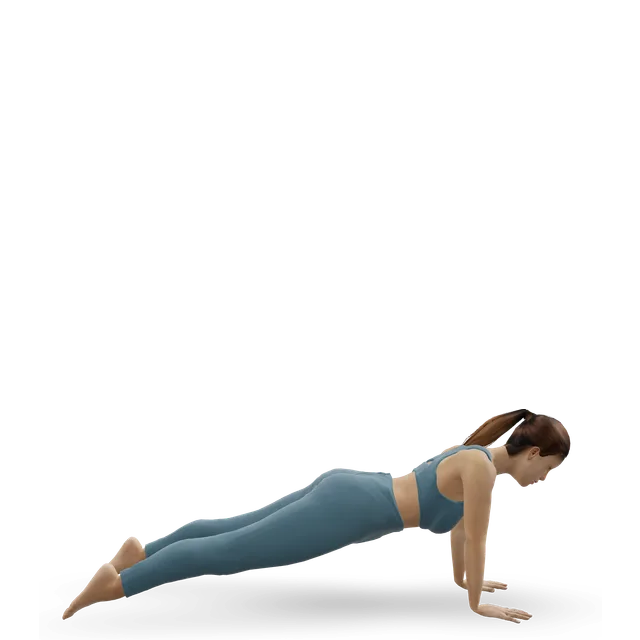
Every round lowers you to the floor and back up, with the wrists bent well back. Lower with your knees down until your arms are strong, and use fists or forearms if your wrists hurt (our suggestion).

Source 37

How to start safely

Your first few weeks

Our suggestions, drawing on the advice to learn sun salutations first, add poses one at a time and avoid extreme poses as a beginner:

  • Find a beginners' led course or a Mysore-style class with a teacher, or follow our 40-minute short form at home once you know the sun salutations.
  • Learn sun salutation A, then B, at one breath per movement: our sun salutation guide breaks them down.
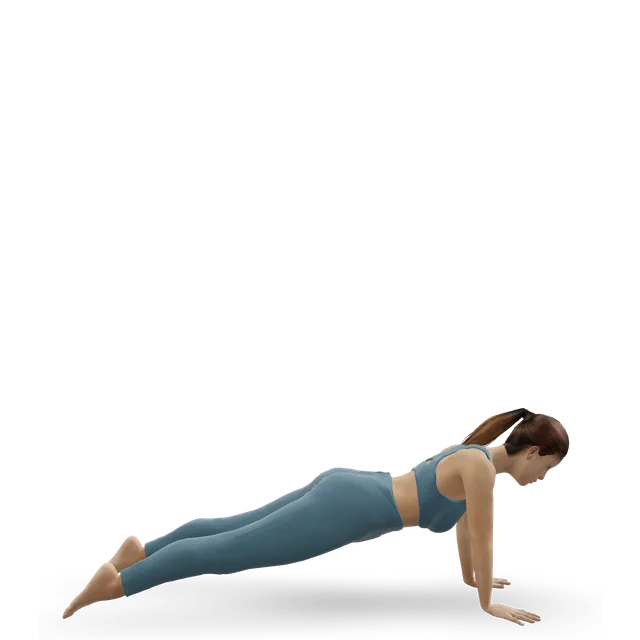
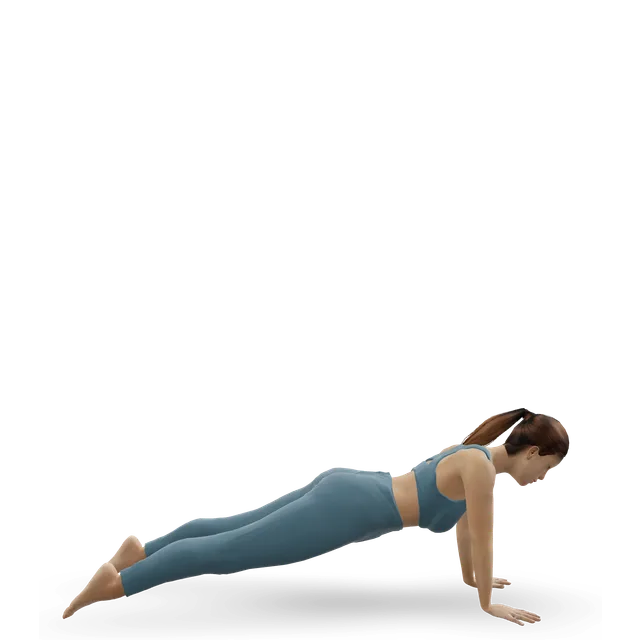
  • Step back rather than jumping, and lower with your knees down until a slow push-up is strong.
  • Bend your knees in forward folds, and rest your hand on a block in triangle.
  • Leave lotus, binds, headstand and shoulderstand until a teacher has taught you.
  • Rest in downward dog or child's pose whenever your breath runs ahead.

Sources 5, 15

How often

Two or three sessions a week is a sensible start (our editorial starting point): the trial that found stronger legs used two 60-minute sessions a week for 8 months. The tradition is six days a week, but the same school says a few times a week still helps. Add brisk walking or other aerobic activity on other days.

Sources 9, 5, 36

Rounds and breaths

In the tradition, each sun salutation is done 5 times, most poses are held for 5 breaths and boat pose is repeated 3 to 5 times. Beginners can start with 3 rounds of each sun salutation, as in our short form (our suggestion).

Sources 2, 3, 20

One round of sun salutation A, Ashtanga style

The nine counted movements, the breath for each and the 5 breaths in downward dog follow AshtangaYoga.info's vinyasa count for sun salutation A. Stepping, lowering with your knees down and low cobra are our suggestions for beginners.

  1. Stand with your feet together and your arms by your sides. Breathing in, reach your arms overhead and look up at your thumbs.
  2. Breathing out, fold forward from your hips, hands to the floor or your shins, bending your knees as much as you need.
  3. Breathing in, lift your chest halfway with a long, straight back.
  4. Breathing out, step or jump back and lower to the low push-up (chaturanga), knees down if you need.
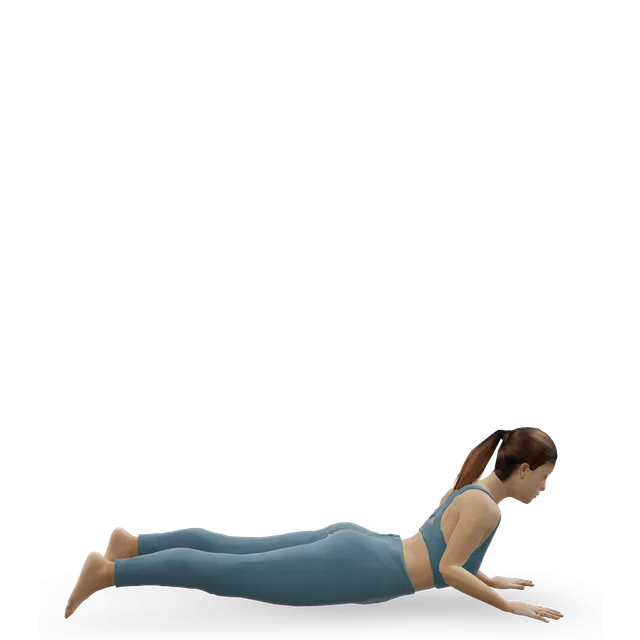
  5. Breathing in, lift your chest into upward dog, or into low cobra with your hips on the floor.
  6. Breathing out, lift your hips into downward dog, and stay for 5 breaths, looking towards your navel.
  7. Breathing in, step or jump your feet to your hands and lift your chest halfway.
  8. Breathing out, fold; breathing in, come all the way up with your arms overhead; breathing out, lower your arms to your sides.

See the movement on the 3D figure: Sun salutation A (Surya Namaskar A)

Sun salutations and their parts

Learn sun salutation A at one breath per movement, then add B; lower with your knees down and use low cobra until chaturanga and upward dog are comfortable.

The standing fundamentals

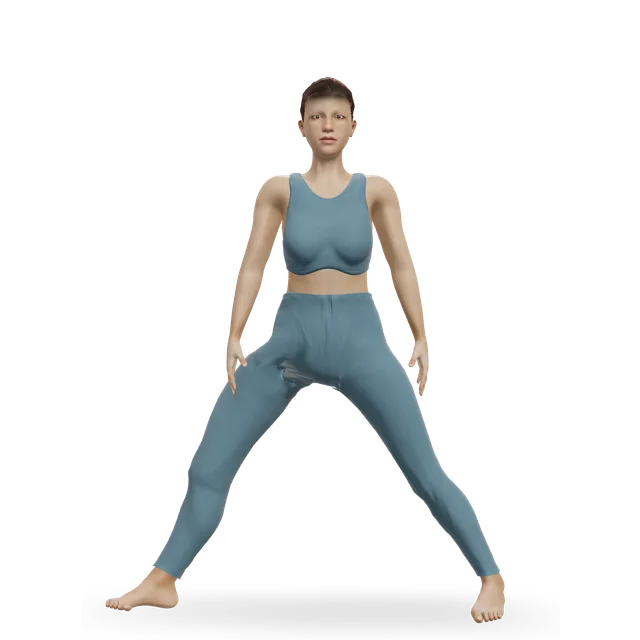
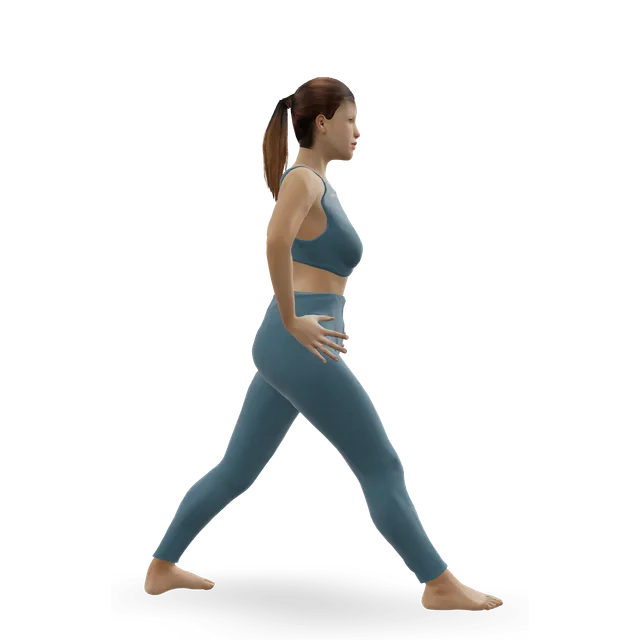
Hold each for 5 breaths a side, as Ashtanga does; the hip hinge fold stands in for the big-toe folds, and revolved side angle can wait until revolved triangle is easy.

The start of the primary series

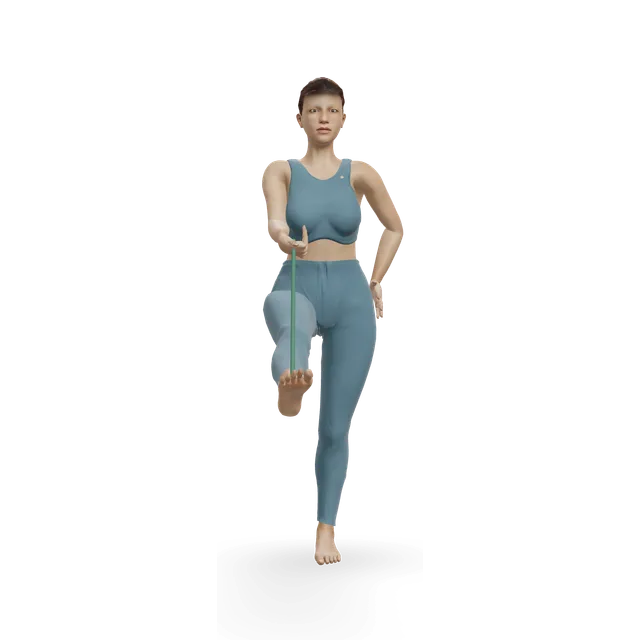
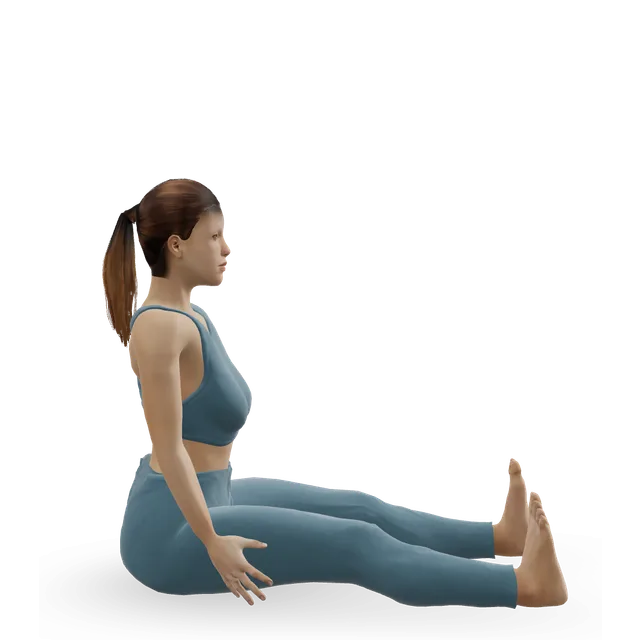
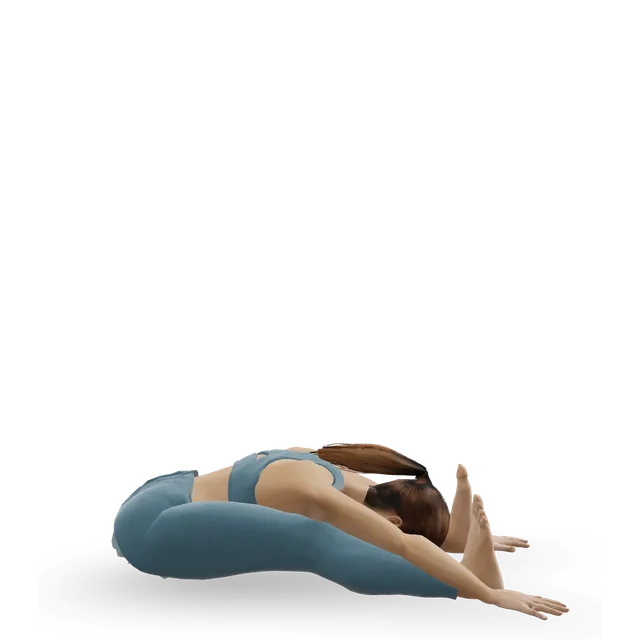
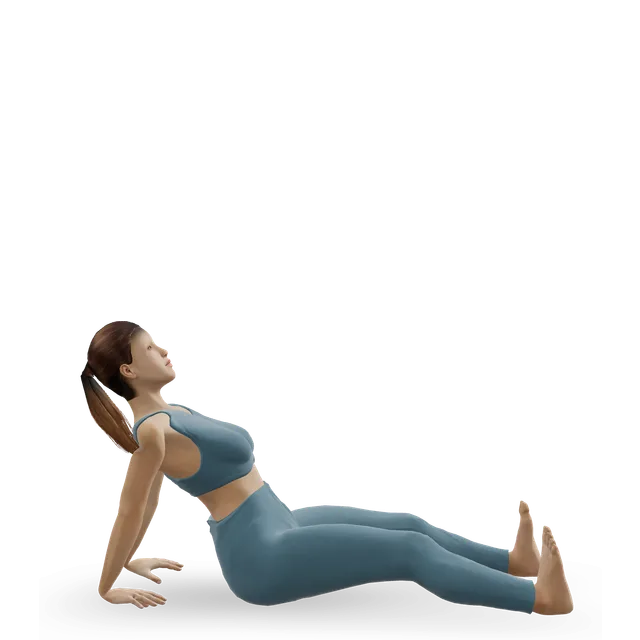
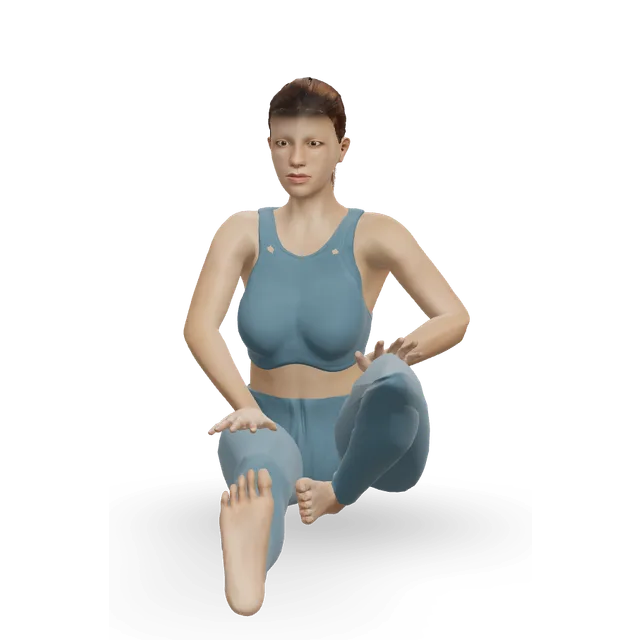
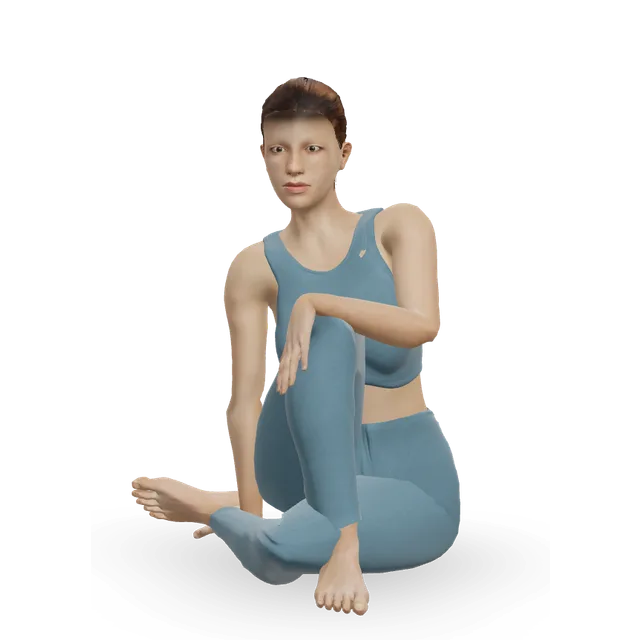
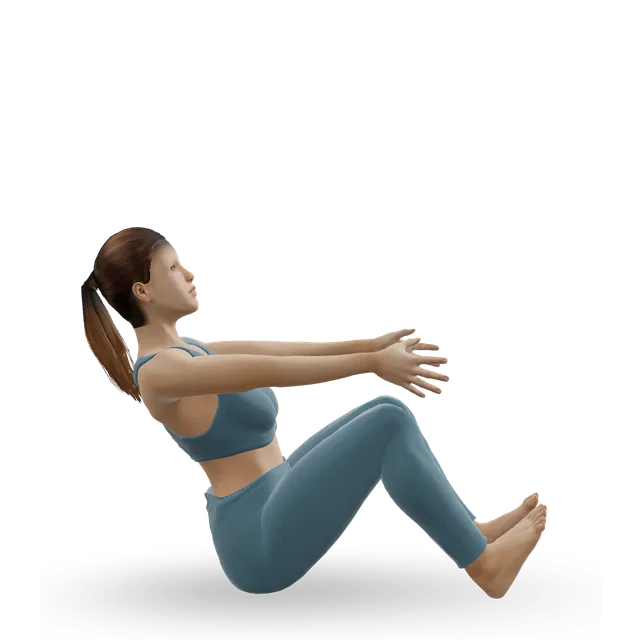
Five breaths each, with boat pose 3 to 5 times and your knees bent in the folds; the twist and the strap stretch stand in for Marichi's poses and the lying hand-to-toe pose.

A beginner's close

A bridge, then 10 breaths sitting in easy pose instead of lotus, then at least 5 minutes of corpse pose (that pose's page suggests at least 5, up to 10).

For later, with a teacher

Traditional closing and primary-series poses to learn in person; skip the inversions with glaucoma, neck problems or high blood pressure that isn't controlled.

Sessions to follow

Learn the sun salutations step by step first, then follow the 40-minute short form. The walk and yoga workout adds the brisk walking that yoga alone doesn't give you.

When to stop, and when to get help

Call 999

For chest pain that feels tight or like squeezing, or that spreads to your arms, neck or jaw, severe difficulty breathing, or if someone collapses. In the US, call 911.

Source 52

Call NHS 111

If you're suddenly more short of breath than usual, or have chest pain with feeling sick or a racing, slow or fluttering heartbeat.

Source 52

Stop the pose

The NHS says to stop exercising straight away if you feel any pain or become unwell. Come out at once for sharp or increasing pain, numbness or tingling in a leg or foot in lotus or kneeling poses, or dizziness, blurred vision or a sudden headache with your head back or upside down.

Source 53

See a GP or physiotherapist

For pain that hasn't eased after a few weeks, keeps coming back, or came with a pop, swelling or locking in a knee (our suggestion). In one study, more than a third of new pain caused by yoga lasted over 3 months or cost practice time.

Sources 54, 46

Check first

Get advice before starting if you have a health problem, an injury or symptoms, have had a recent heart attack or operation, or are pregnant or have recently given birth. Tell your teacher about any condition.

Sources 53, 15

Period pain

See a GP if period pain stops you doing your usual daily activities. Ask for an urgent GP appointment or call NHS 111 if it's severe or worse than usual and painkillers haven't helped.

Source 29

Myths

"Ashtanga detoxes you through sweat"Mixed evidence

We found no study measuring toxins leaving the body in sweat during Ashtanga. What you lose is fluid (about 0.28 kg in 45 minutes of power yoga) and salt, which the NHS says to replace after heavy sweating.

Sources 39, 55, 56

"Ashtanga is the original, ancient yoga"Strong evidence

It was developed in 20th-century Mysore from Krishnamacharya's teaching. In the Yoga Sutras, ashtanga means the eight limbs, which is a different thing.

Sources 25, 24

"You must practise six days a week, and never on moon days or your period"

These are school customs. The same university programme says a few times a week still brings benefits, and the NHS suggests gentle exercise such as yoga for period pain.

Sources 5, 29

"Ashtanga is only for the very fit"

Classes at the school in Mysuru are open to absolute beginners, and in Mysore style a first practice may be only 20 to 30 minutes, with new poses added one at a time.

Sources 31, 5

"You have to accept hands-on adjustments"

Teachers need your explicit consent to touch you, and you can decline at any time.

Sources 30, 6

"Most Ashtanga practitioners get injured"Emerging evidence

The often-quoted 62% comes from one small Finnish survey, as reported in two reviews. In a national survey, yoga caused fewer injuries per hour than running, and the riskiest parts (inversions, lotus, forced folds and practising alone too soon) can be avoided.

Sources 14, 12

"Ashtanga builds bone"Emerging evidence

Eight months of Ashtanga-based classes didn't change bone density, and across 11 studies of Pilates or yoga in women, bone density didn't change significantly. Our osteoporosis guide covers the exercise that does help bone.

Sources 10, 57

Questions people ask

What is Ashtanga yoga?

A flowing style in which you practise the same set sequence every time, moving on the breath and holding most poses for five breaths. It opens with sun salutations, moves through standing poses and a series, and ends with closing poses. It is taught in the tradition of K. Pattabhi Jois, who developed it in 20th-century Mysore.

What is the Ashtanga primary series?

The first of the set series: about 40 poses and variations, from standing balances and warrior poses through seated forward bends, twists and boat pose to a bridge and wheel. It comes after the sun salutations and standing poses and before the closing sequence. Most people practise it for years before learning the second series.

What is Mysore-style yoga?

Self-practice in a group room: each person works through the sequence at their own pace while the teacher helps people one at a time and adds new poses when you're ready. A first practice may last only 20 to 30 minutes. In a led class, by contrast, the teacher counts the whole group through the series together.

Is Ashtanga yoga good for beginners?

Yes, if you start small: Mysore-style classes teach the sun salutations first and add poses one at a time, and the school in Mysuru welcomes absolute beginners. Step back rather than jump, lower with your knees down, and leave headstand, shoulderstand and lotus until a teacher has taught you.

Is Ashtanga yoga hard?

A 56-minute beginners' practice measured as light exercise, similar to a slow walk, with the sun salutations close to moderate. Faster practice is harder: 10 minutes of vigorous sun salutations averaged 8.7 METs in yoga teachers, which is vigorous. A full primary series by an experienced student hasn't been measured.

How many calories does Ashtanga yoga burn?

In the one lab study, a 56-minute beginners' video used about 3.2 kcal a minute. A full practice by an experienced student hasn't been measured, so we can't give a reliable figure for that.

What are the benefits of Ashtanga yoga?

The trials are few and small: 8 months of twice-weekly classes made women's legs stronger but didn't change bone density or artery stiffness. Ashtanga practitioners report less anxiety and stress than people who don't do yoga, but a survey can't show that yoga caused it. Like other yoga, it counts as muscle-strengthening activity.

Is Ashtanga yoga dangerous?

Most injuries are sprains and strains, and yoga's injury rate per hour in a national survey was lower than running's. The poses most often involved are headstand, shoulder stand and lotus, so learn them slowly or skip them, and practise with a teacher rather than alone at first.

How often should I practise Ashtanga?

The tradition is six days a week, but the same school says a few times a week still brings benefits. Two or three sessions a week is a sensible start, with walking or other aerobic exercise on other days.

Why don't Ashtanga students practise on moon days or their period?

They are school customs: the school in Mysuru closes on Sundays and moon days, and women traditionally rest for 3 days of their period. No study shows harm from practising then, and the NHS suggests gentle exercise such as yoga for period pain.

What's the difference between Ashtanga and vinyasa yoga?

Ashtanga repeats the same set series with counted breaths, while vinyasa classes use the same breath-linked flow in sequences each teacher designs. Our types of yoga guide compares all the main styles.

Can I do Ashtanga with glaucoma, osteoporosis or in pregnancy?

With glaucoma, skip headstand and shoulderstand and keep head-down poses brief or head-up. With osteoporosis, swap the many deep forward folds for flat-back versions. In pregnancy, this isn't the time to start a demanding new practice; if you already practise, tell your teacher and midwife.


Sources

  1. AshtangaYoga.info · The traditional practice series (an Ashtanga teacher-training school in Ulm, Germany)

  2. AshtangaYoga.info · Surya Namaskara A: the vinyasa count
  3. AshtangaYoga.info · Surya Namaskara B: the vinyasa count
  4. British Wheel of Yoga · Finding your yoga
  5. University of Virginia Contemplative Sciences Center · Mysore class: frequently asked questions
  6. Sharath Yoga Centre, Mysuru · Etiquette and guidelines
  7. Hagins 2007 · Energy use and heart rate in a 56-minute beginners' Ashtanga video: 20 practitioners (lab study, BMC Complement Altern Med)
  8. Compendium of Physical Activities 2024 · Conditioning exercise: MET values (adult compendium)
  9. Kim 2012 · Eight months of yoga, artery stiffness and muscle strength in 34 premenopausal women (RCT, J Sports Sci Med)
  10. Kim 2015 · Eight months of Ashtanga-based yoga and bone metabolism in 34 premenopausal women (RCT, J Sports Sci Med)
  11. Santos 2026 · Ashtanga vinyasa yoga for health, strength and breathing in 18 air force pilots (RCT, Appl Psychophysiol Biofeedback)
  12. Cramer 2019 · Adverse effects of yoga, by style, in 1,702 German practitioners (national survey, BMC Complement Altern Med)
  13. Penman 2012 · Yoga in Australia: a national survey of practitioners, including injuries (Int J Yoga)
  14. Cramer 2013 · Adverse events with yoga: 76 published cases (systematic review of case reports and case series, PLoS One)
  15. NCCIH 2023 · Yoga: effectiveness and safety (US National Center for Complementary and Integrative Health)
  16. AshtangaYoga.info · Fundamentals: the six standing basic postures (in German)
  17. AshtangaYoga.info · Yoga Cikitsā: the first series, pose by pose
  18. AshtangaYoga.info · Finishing: the closing postures (in German)
  19. AshtangaYoga.info · Utthita Trikonasana: five breaths each side (in German)
  20. AshtangaYoga.info · Navasana: five breaths, three to five times
  21. AshtangaYoga.info · Salamba Sarvangasana: ten breaths in the closing sequence (in German)
  22. AshtangaYoga.info · Padmasana: ten breaths (in German)
  23. Steiner 1998 · Tristana: breath, bandha and gaze in Ashtanga yoga (AshtangaYoga.info)
  24. Bryant · The Yoga Sutras of Patanjali (Internet Encyclopedia of Philosophy)
  25. Kaplish 2018 · Yoga adapts to time and place (A history of modern yoga, part 6, Wellcome Collection)
  26. Sharath Yoga Centre, Mysuru · R. Sharath Jois (1971 to 2024)
  27. Sharath Yoga Centre, Mysuru · Holidays and moon days
  28. Europe PMC · Records on yoga inversions and menstruation: 175, none testing practice during a period (23 October 2026)
  29. NHS · Period pain
  30. Yoga Alliance · Code of conduct: consent-based touch
  31. Sharath Yoga Centre, Mysuru · Frequently asked questions (updated July 2025)
  32. Bull 2020 · World Health Organization 2020 guidelines on physical activity and sedentary behaviour (BJSM)
  33. Lee 2021 · Energy use in high-intensity hatha yoga (fast sun salutations): 20 yoga instructors (lab study, Front Physiol)
  34. Larson-Meyer 2016 · The energy cost and metabolic intensity of yoga (systematic review, Med Sci Sports Exerc)
  35. Forseth 2020 · The range of yoga intensities, from savasana to sweating (systematic review, J Phys Act Health)
  36. NHS · Physical activity guidelines for adults aged 19 to 64
  37. Mullerpatan 2019 · How the joints move in sun salutation: motion capture of 10 practitioners (lab study, Int J Yoga)
  38. US Department of Health and Human Services 2018 · Physical Activity Guidelines for Americans, 2nd edition
  39. Europe PMC · Records with Ashtanga and yoga in the title: 13, of which 4 are randomised trials (23 October 2026)
  40. Jeter 2015 · Ashtanga-based yoga therapy and balance in 21 legally blind adults (pilot RCT, PLoS One)
  41. Kern 2024 · Group Ashtanga yoga for 14 people with irritable bowel syndrome (feasibility study without a control group, Neurogastroenterol Motil)
  42. Lähteinen 2025 · Yoga practice and psychological well-being in 667 Finnish adults (cross-sectional survey, J Bodyw Mov Ther)
  43. Cramer 2016 · Is one yoga style better than another? 306 randomised trials (systematic review, Complement Ther Med)
  44. Cramer 2015 · The safety of yoga (systematic review and meta-analysis of 94 RCTs, Am J Epidemiol)
  45. Sharma 2026 · Yoga and its risks: adverse events in published case reports and case series (systematic review, J Integr Med)
  46. Cramer 2018 · Injuries and other adverse events with yoga: 9 observational studies (systematic review, J Sci Med Sport)
  47. Weiner 2019 · Glaucoma and exercise: what to tell your patients (American Academy of Ophthalmology, EyeNet)
  48. American Academy of Ophthalmology 2015 · Is it alright to do inverted yoga positions if you have glaucoma? (Ask an Ophthalmologist)
  49. Jasien 2015 · Eye pressure in four head-down yoga poses, in people with and without glaucoma (lab study, PLoS One)
  50. Brooke-Wavell 2022 · Strong, steady and straight: UK consensus statement on physical activity and exercise for osteoporosis (BJSM)
  51. NHS · Exercise in pregnancy
  52. NHS · Heart attack: symptoms
  53. NHS · Vinyasa flow yoga video, with its exercise safety advice
  54. Campo 2018 · Pain caused by yoga in 354 studio practitioners followed for a year (cohort study, J Bodyw Mov Ther)
  55. Schubert 2018 · Heart rate and thermal responses to power yoga in 27 adults (lab study, Complement Ther Clin Pract)
  56. NHS · Heat exhaustion and heatstroke
  57. Fernández-Rodríguez 2021 · Pilates and yoga for bone density in women: 11 studies (systematic review and meta-analysis, PLoS One)

Exercise education, not a personal prescription, and clinical review of these guides is pending. If you are pregnant, have a health condition such as glaucoma, high blood pressure or osteoporosis, or have had recent surgery, check with a doctor, midwife or physiotherapist before starting, and stop for sharp or increasing pain. Health disclaimer.