Revolved side angle (Parivrtta Parsvakonasana)
From a high lunge with the back heel lifted, you press your palms together at your chest, fold over the front thigh and turn toward it until the back of the opposite upper arm rests outside the front knee. The lunge holds the pelvis still, so the turn comes from the trunk, and later the lower hand can go to the floor outside the front foot. In a Cochrane review, yoga programmes for chronic back pain gave small gains, about the same as other back exercise; no study isolates this pose.
Movement guide
Revolved side angle (Parivrtta Parsvakonasana)
Loading the 3D figure…
Make it easier or harder
Choose a version that fits your control and comfort.
Easier option
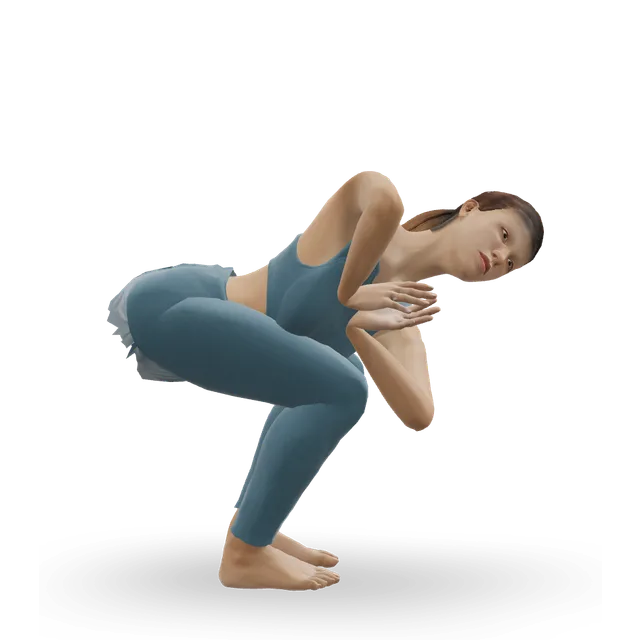 3D demoRevolved chair pose (Parivrtta Utkatasana)Intermediate · No equipment
Similar move, intermediate grade.
This move
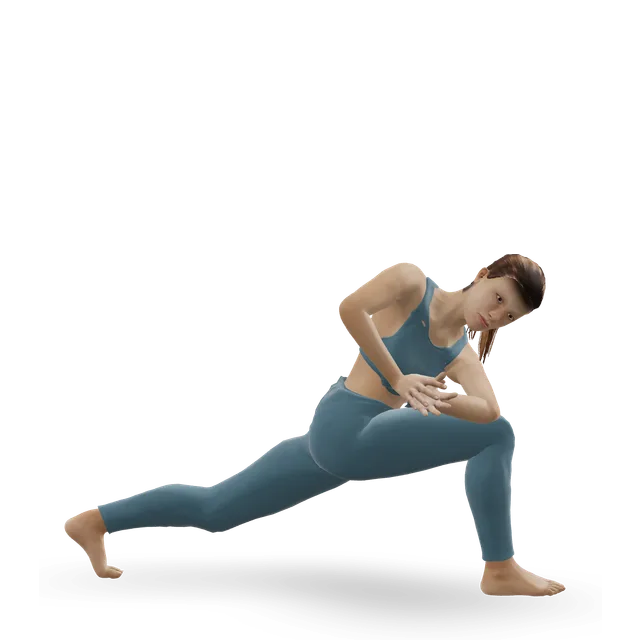 3D demoRevolved side angle (Parivrtta Parsvakonasana)Advanced · No equipment
Advanced grade.
Harder option
Keep a comfortable range and follow any technique and timing given in the guide. A deeper stretch or more complex pose is optional, not a required next step. Ingram 2025 review of stretching and range of motion
Source-researched guide.
How to move
- Step into a high lunge with your right foot forward, the right knee over the ankle and the back heel lifted.
- Press your palms together in front of your chest.
- Fold forward over your right thigh and turn your chest to the right until the back of your left upper arm rests against the outside of your right knee.
- Press your arm and knee gently into each other and turn your chest open to the side, both legs working. Hold.
- To come out, rise and turn back to the middle, step forward and change sides. Later, your left hand can go to the floor or a block outside your right foot, the right arm reaching up.
Form cues
- Lengthen on each in-breath and turn a little on each out-breath.
- Lower the back knee to the floor for a steadier version.
- Avoid: turning your head hard to look up; look ahead or down if your neck complains.
Practice and cautions
Hold 5 to 8 slow breaths each side, 1 to 3 times (our editorial starting point).
A strong twist compresses the abdomen, so avoid it in pregnancy and go gently with disc problems or a cranky lower back. Breathing gets shallow in deep twists; back off if you cannot breathe smoothly, and keep the front knee over the ankle. This is movement education, not an assessment or treatment prescription. Stop for sharp or increasing pain, dizziness, numbness or tingling; seek individual guidance for symptoms, injury or restrictions.
Sources and review status
Sources support the educational description; they do not establish that this exercise is suitable for you.
- Yoga Journal · Revolved side angle pose (how-to: palms together, the elbow outside the front knee; no research shows twists detoxify the liver) ↗
- Wieland 2022 · Yoga for chronic low back pain: small gains against no exercise, about the same as other back exercise (Cochrane review of 21 trials) ↗
- Fujimori 2012 · Where the chest turns: about 25 degrees each way from T1 to L1 at full trunk rotation, most of it between T6 and T11 (3D CT of 13 adults, Spine) ↗
No variation is labeled clinically validated.
What it works
Muscles
Main: Quads, Abs. Also: Glutes, Back, Hip flexors.
Anatomy: Sartorius, Quadriceps, Rectus femoris, Vastus medialis, Vastus lateralis, Rectus abdominis.
Equipment
None: body weight and floor space.
Level
Advanced. See the easier and harder options above.
Guides that use it
Similar moves
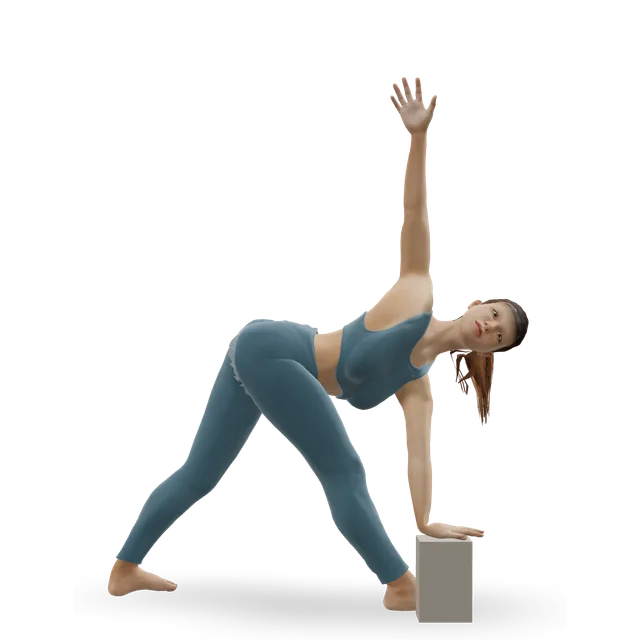 3D demoRevolved triangle pose (Parivrtta Trikonasana)Advanced · A step
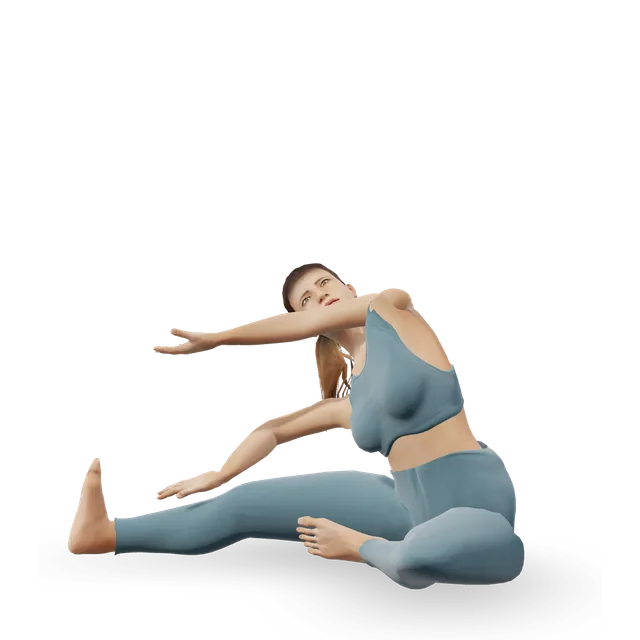 3D demoRevolved head-to-knee pose (Parivrtta Janu Sirsasana)Intermediate · No equipment
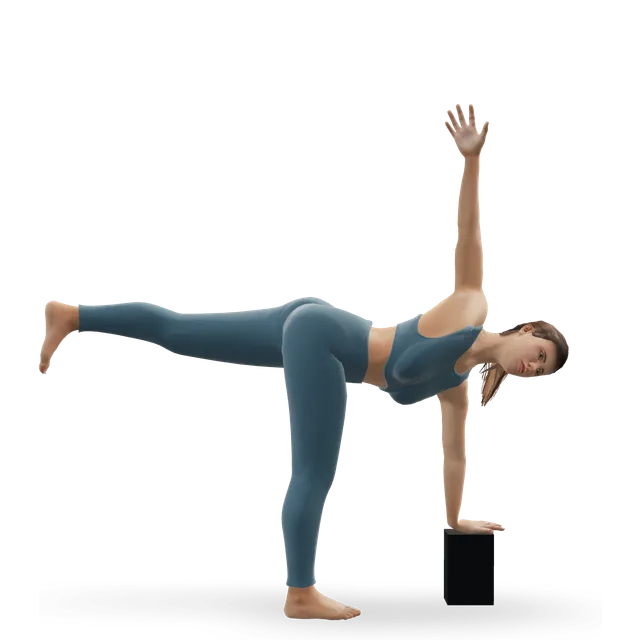 3D demoRevolved half moon pose (Parivrtta Ardha Chandrasana)Advanced · A step
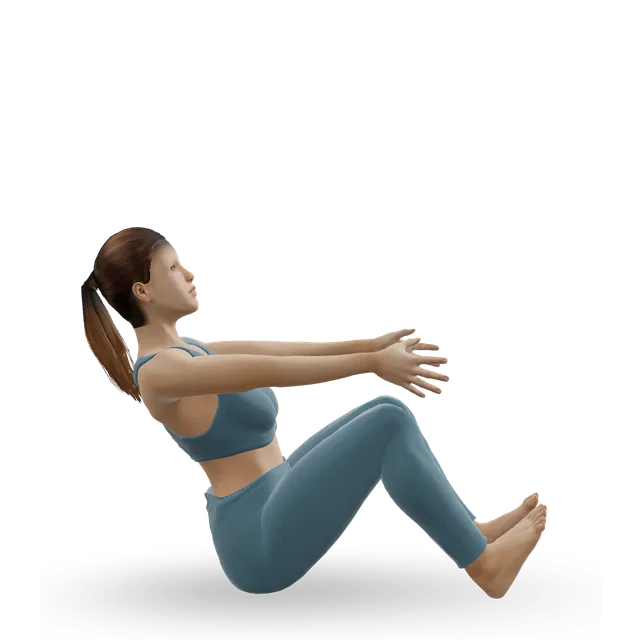 3D demoBoat pose (Navasana)Intermediate · No equipment
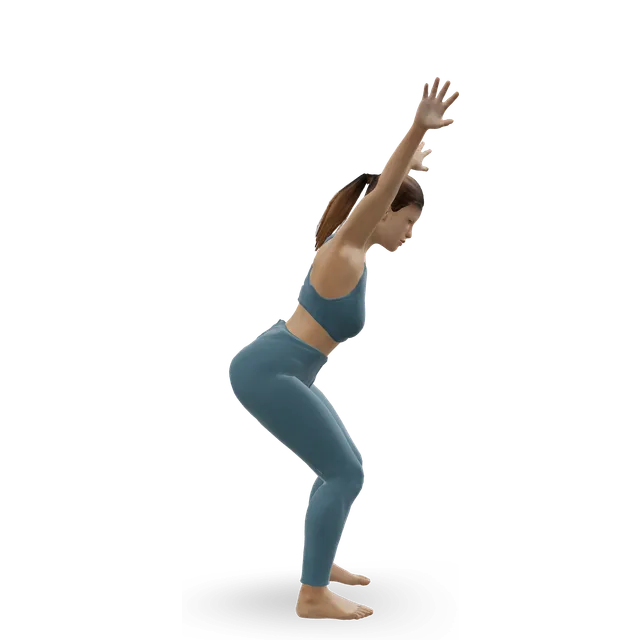 3D demoChair pose (Utkatasana)Beginner · No equipment
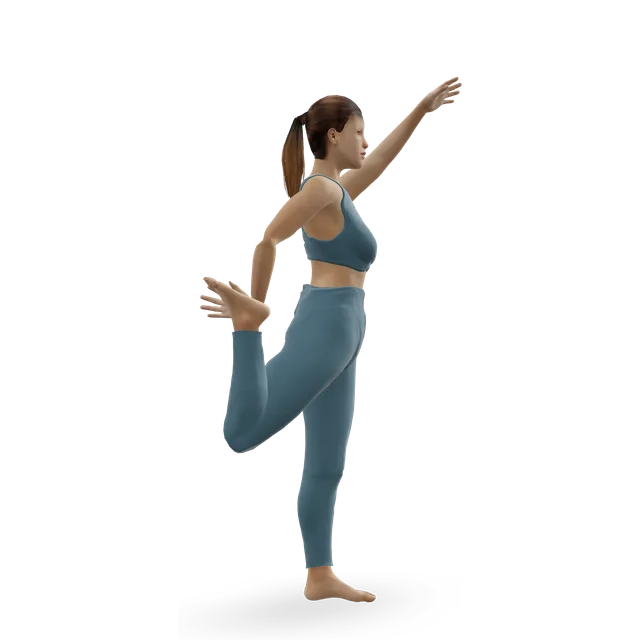 3D demoDancer pose (Natarajasana)Advanced · No equipment
Browse more
Questions people ask
What muscles does the Revolved side angle (Parivrtta Parsvakonasana) work?
Mainly the quads and abs, with help from the glutes, back and hip flexors.
What equipment do I need for the Revolved side angle (Parivrtta Parsvakonasana)?
No equipment: your body weight and a little floor space.
Is the Revolved side angle (Parivrtta Parsvakonasana) good for beginners?
It is an advanced move. Build up to it with the Revolved chair pose (Parivrtta Utkatasana) first.
What is an easier alternative to the Revolved side angle (Parivrtta Parsvakonasana)?
Try the Revolved chair pose (Parivrtta Utkatasana) or the Extended side angle (Utthita Parsvakonasana). It works similar muscles at a lower grade.