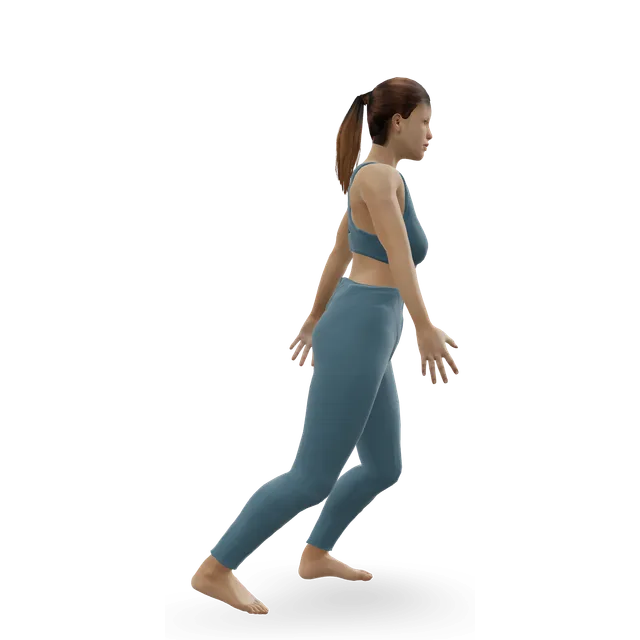
Yoga guide

Yoga for a meniscus tear: deep bending and twisting, kneeling and lotus, after surgery, the poses to avoid or change, and what the evidence shows

The menisci are two rubbery crescents of cartilage inside the knee that cushion and steady it; a tear is sometimes called torn knee cartilage. Tears are common, from a twist in sport when you're younger or gradually from your mid-30s onwards, and many found on scans cause no pain at all. For the commoner, gradual kind, exercise is the first treatment: in trials, about 12 weeks of supervised exercise did as well as keyhole surgery, and surgery did no better than a sham operation.

No trial has tested yoga for a meniscus tear, so this guide borrows from the exercise trials and from what's known about how yoga loads the knee. The changes are few: bend the knee only partly under your body weight at first, don't kneel or sit back on your heels while it's sore, don't twist on a bent knee, and leave out lotus and hero pose.

This guide covers the poses to start with and the ones to change, yoga after meniscus surgery, what the evidence shows and the classes to follow. If your knee is locked and won't straighten, or swelled up fast after an injury, start with the warning signs.

The short version

Common, and often painless

In 991 people aged 50 to 90 who weren't chosen for knee problems, MRI (magnetic resonance imaging) showed a tear in 19% of women in their 50s and up to 56% of men aged 70 to 90, and 61% of those with tears had had no knee pain, aching or stiffness in the previous month. A tear on a scan doesn't always explain the pain.

Sources 1, 2

Exercise first for the gradual kind

Supervised exercise did as well as keyhole surgery in trials of 351, 140 and 321 people, and removing part of the meniscus did no better than a sham operation in 146 people. A Cochrane review rates the evidence of little or no benefit from surgery as high certainty.

Sources 3, 4, 5, 6, 7

A home programme can be enough

In 879 people aged 45 to 85 with a gradual tear and knee osteoarthritis, a home programme of thigh and hip strengthening and leg stretches, 100 minutes a week, did as well as the same programme with in-clinic physiotherapy added.

Source 8

Catching is common; a locked knee needs checking

Removing the torn piece did no better than a sham operation for catching or occasional locking, but a knee that is truly locked and won't straighten needs prompt assessment.

Sources 9, 10, 11

No yoga trial

No trial has tested yoga for a meniscus tear. Yoga for knee osteoarthritis, where many gradual tears sit, eases pain a little on low-certainty evidence.

Sources 12, 13

Bend partly, and don't twist a bent knee

Deep bending shifts load onto the back of the menisci, years of kneeling at work go with more gradual tears, and cross-legged sitting already twists the bent knee a little. So bend the knee only partly under load, keep kneeling short, sit high, skip lotus and hero pose, and don't twist on a bent knee (our reading).

Sources 14, 15, 16

What a meniscus tear is

Two cushions of cartilage

The NHS: "A meniscus tear is a common type of damage to cartilage in the knee." The menisci sit between the thigh bone and the shin bone, cushioning and steadying the knee. Symptoms include pain or tenderness, stiffness or swelling, difficulty bending or straightening the knee, the knee giving way when you try to stand, and a crunching or clicking feeling.

Only the outer third of each meniscus has a good blood supply, which is why tears there may heal or can often be repaired; tears further in have a poor blood supply.

Sources 2, 17

Two kinds

Tears after an injury usually come from a twist in sport, in younger, active people. Gradual (degenerative) tears come with age: the US orthopaedic surgeons' patient page says an awkward twist when getting up from a chair may be enough to tear an older meniscus. The authors of a 2025 trial say meniscus tears are found in 30% to 40% of middle-aged people and about 80% of people with knee osteoarthritis.

Sources 17, 8

Tears on scans of knees that don't hurtStrong evidence

Tears on MRI become commoner with age in people without knee problems, and in athletes without knee pain, 3.9% had a tear and 27.2% had changes inside the meniscus. A guideline panel calls meniscus tears common, usually incidental findings, and unlikely to be the cause of knee pain, aching or stiffness.

Sources 1, 18, 19

What deep bending and kneeling doEmerging evidence

In MRI of 10 knees bent to about 139 degrees, both menisci slid back and carried a bigger share of the contact; the back of the meniscus is where gradual tears usually are. In healthy knees, though, the stress of deep bending stayed below what damages cartilage, so deep bending isn't harmful in itself.

Kneeling and squatting at work, for hours a day over years, went with about 3 to 4 times the odds of a gradual tear, and a review found strong evidence for both as risk factors. A yoga class is very different from that, so this is a reason to keep kneeling short, not to ban it (our reading).

Sources 14, 20, 21, 22, 15, 23

Standing poses, and moving between themMixed evidence

In 20 older adults, the warrior poses loaded the outer side of the knee and tree pose the inner side, and the researchers' unpublished pilot data suggested that loads can be greater moving between poses than holding them. So move slowly in and out of poses (our reading).

Source 24

What the evidence says

No trial has tested yoga for a meniscus tear, so this section gives the exercise and surgery trials, the borrowed evidence from knee osteoarthritis, and what's known about yoga and the meniscus.

Exercise did as well as keyhole surgery for gradual tearsStrong evidence

In METEOR (351 people aged 45 or over with a tear and mild to moderate osteoarthritis), function improved about as much with physical therapy as with surgery at 6 and 12 months, though 30% of the therapy group had surgery by 6 months. In a Norwegian trial (140 adults, average age 49.5), 12 weeks of progressive exercise did as well as surgery at 2 years and built more thigh strength. In ESCAPE (321 people aged 45 to 70 whose knees didn't lock), physical therapy was no worse than surgery at 2 years, and still at 5. A 2024 analysis of 10 trials found exercise better for pain and thigh strength at 3 months and no differences after.

Sources 3, 4, 5, 25, 26

Surgery was no better than a sham operationStrong evidence

In FIDELITY (146 people aged 35 to 65), removing part of a gradually torn meniscus did no better than a sham operation at 12 months, no subgroup did better at 2 years, and at 5 years surgery went with slightly more osteoarthritis on X-ray and no benefit. Pooled data from 605 people in 4 trials found a 2.5-point pain advantage for surgery on a 100-point scale at 2 years, too small to matter, and a Cochrane review rates the evidence of little or no difference against placebo surgery as high certainty.

Sources 6, 27, 28, 29, 7

What guidelines sayStrong evidence

A BMJ guideline panel makes a strong recommendation against keyhole surgery in nearly all people with degenerative knee disease, tears included, except a knee that is persistently and objectively locked. England's Evidence-Based Interventions programme says most people with a tear should be treated without surgery first, with exercise that combines local muscle strengthening and general fitness. British knee surgeons advise at least 3 months of non-surgical treatment first, and NICE (the National Institute for Health and Care Excellence) says not to offer keyhole washout to people with osteoarthritis.

Sources 19, 10, 11, 30

A home programme did as well as added physiotherapyEmerging evidence

In TeMPO (879 people aged 45 to 85 with a gradual tear and knee osteoarthritis), a home programme of stretches for the thigh and calf muscles and strengthening for the buttocks, hamstrings and thighs, 100 minutes a week, did as well as the same programme with in-clinic physiotherapy added: the pain difference was 2.5 points on a 100-point scale.

Source 8

Catching and lockingEmerging evidence

In FIDELITY, removing the torn piece did no better than a sham operation for catching or occasional locking. In young adults, early surgery eased self-reported catching and locking more than exercise first (35% against 69% still had them at a year), but not pain, function or quality of life.

Sources 9, 31

Younger people after a twistEmerging evidence

In 121 people aged 18 to 40, early surgery did no better than exercise and education with the option of surgery later, though a quarter of the exercise group later had surgery; results were similar at 2 years. In 100 people aged 18 to 45 with a tear from an injury, there was no difference at 2 years, but 41% of the physiotherapy group later had part of the meniscus removed.

European experts advise repairing a repairable tear after an injury as early as possible, and a US surgeons' guideline favours repair over removal for such tears. That is why a new tear after a twist, especially in a younger person, needs assessing before you plan any exercise.

Sources 32, 33, 34, 35, 36

No yoga trialStrong evidence

Our searches of PubMed and Europe PMC found no randomised or controlled trial of yoga in people with a meniscus tear.

Source 12

Yoga for knee osteoarthritis (borrowed)Mixed evidence

Many gradual tears sit in knees with osteoarthritis. Across 9 trials (640 people), the evidence that yoga eases knee osteoarthritis pain was very low quality, and newer reviews find small to moderate benefits on low-certainty evidence. One yoga strengthening programme for knee osteoarthritis was built from poses that keep the load on the inside of the knee low. Our yoga for knee pain guide has these trials in full.

Sources 13, 37, 38

Yoga and meniscus injuries: one studyMixed evidence

In one Chinese study of 819 women, those who did yoga had more meniscus changes on MRI than women who did badminton, jogging or hill climbing. It gave no poses, its authors said the finding needs further checking, and it hasn't been repeated. A review's figure of 1.72 times the odds of meniscus injury in people who do yoga probably rests on that one study, and the same review concluded that most yoga injuries were mild and short-lived.

Sources 39, 40

Lotus, and yoga's safety overallMixed evidence

Lotus was among the poses most often named in 76 published case reports of harm from yoga, lotus and half lotus were linked to 5.3% of injuries in an Australian survey, and the knee made up 9.4% of yoga injuries seen in US emergency departments over 20 years. NCCIH (the US National Center for Complementary and Integrative Health) advises beginners to avoid extreme practices such as the lotus position. In randomised trials, yoga was about as safe as usual care and other exercise.

Sources 41, 42, 43, 44, 45

The knee pain rule

Rate it, and check the next morning

Rate your knee pain from 0 to 10 during and after exercise. In the pain-monitoring model used in knee trials, 0 to 2 counts as safe, up to 5 as acceptable and above 5 as too much. Aim for 0 to 3 most of the time.

By the next morning your knee should be back to its usual level. If it is not, drop back one step next time (fewer sets, a shallower range, a lower step), not to nothing. Over the weeks pain should hold steady or ease; that last check is our suggestion rather than a tested rule.

Sharp, catching or giving-way pain, or new swelling, is a reason to stop and get it checked.

Keep the knee moving

The NHS's advice for a meniscus tear is to rest your knee when you can for the first few days, but "do not completely stop moving your knee": after a few days of resting, try some gentle movements.

Source 2

In yoga

A pose that you feel inside the knee, at the joint line, rather than in a muscle, comes out of your practice until a physiotherapist has looked at it (our suggestion).

Settle and switch the thigh on

From the first stage of our meniscus tear guide and our yoga for knee pain class. Easy pose: 1 minute, sitting high on a cushion so your knees are lower than your hips, or on a chair; straighten your legs if crossing them hurts. Slow breathing: 2 minutes, in for about 4 and out for about 6. Quad set: 10 holds of 5 seconds, twice a day. Straight leg raise: 2 to 3 sets of 10 each leg (10 each side in the class). Supine heel slide: 10 slow repetitions each side, once or twice a day (the move page's dose), only as far as is comfortable. Seated knee extension: 3 sets of 10 to 12 each leg (our meniscus tear guide; adapted from the move page's dose), working only in the bent-knee half if the full range hurts.

Standing poses that bend the knee only a little

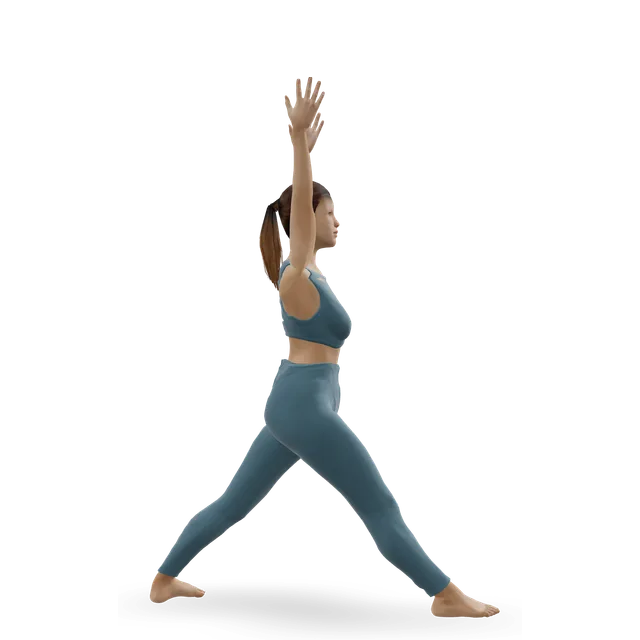
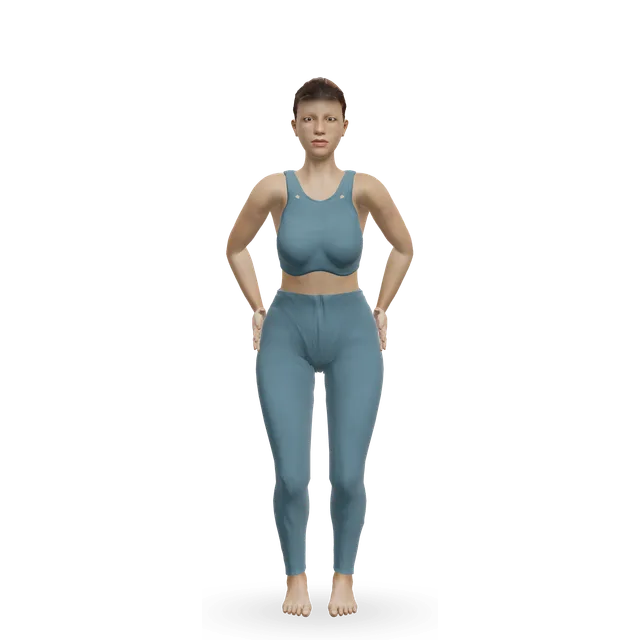
From our yoga for knee pain class, which bends the knees about a third of the way to sitting, and the later stages of our meniscus tear guide. Mountain pose: 5 slow breaths, knees soft, not locked. Chair pose: 3 holds of 3 breaths, a third of the way to sitting, knees in line with your toes. Warrior II: 3 breaths each side, short stance, front knee over the ankle and bent less than a right angle. Warrior I: 3 breaths each side, short stance, back heel allowed to lift. Tree pose: 3 breaths each side, toes of the lifted foot on the floor and a hand on a wall, never pressing the foot into the standing knee. Hip hinge fold: 5 slow folds, 3 breaths at the bottom (the move page's dose), knees soft. Sit to stand: 3 sets of 8 from a high seat, using your arms if you need, then lower and without hands. Step-up: 3 sets of 8 to 10 each leg on a low step. Single-leg stand: 3 holds of 30 seconds each leg, near a support. Turn your whole body, not the bent knee, when you change direction (our suggestion).

Floor strength and supported stretches

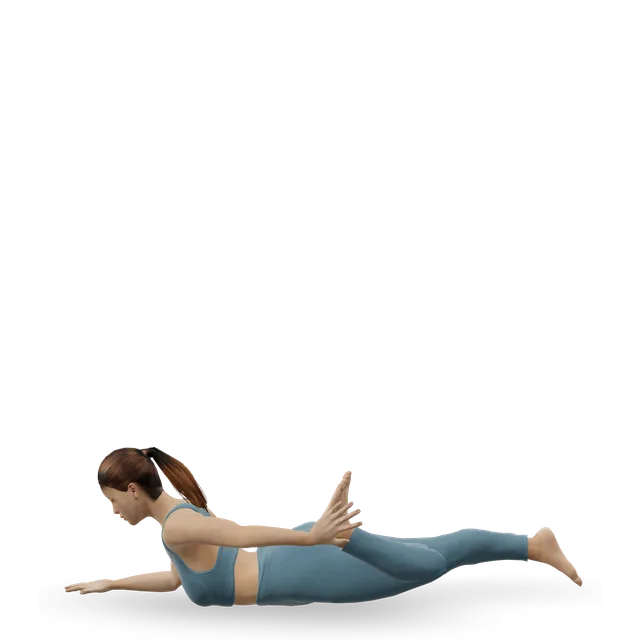
From our yoga for knee pain class and meniscus tear guide. Glute bridge: 8 slow lifts, walking your feet further away if your knees ache. Locust: 3 holds of 3 breaths, one leg at a time, then both. Side-lying leg raise: 3 sets of 12 each side. Strap hamstring stretch: 2 holds of 30 seconds each leg, other knee bent. Reclining bound angle: 2 minutes with cushions under each thigh so the knees don't hang (adapted from the move page's dose), skipping it if the inner knee aches. Lying twist: 45 seconds each side, a cushion between your knees; lying down, the twist comes through the trunk with no weight on the knee. Corpse pose: 3 minutes, a cushion under your knees.

Lotus, hero pose and kneeling

Why the knee twistsMixed evidence

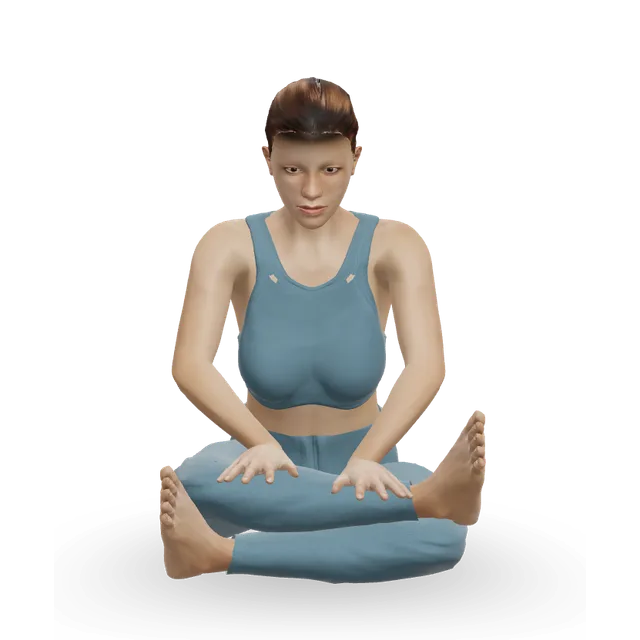
Sitting cross-legged takes the knee to about 132 to 135 degrees of bend, with about 32 degrees of inward twist at the knee. No study has measured the knee or the meniscus in full lotus. The teaching that a hip which runs out of outward turn passes the twist to the knee is a sensible inference from these angles, not a measured finding (our reading), and it is how our lotus and hero pose pages explain it.

Sources 16, 46

What the evidence showsMixed evidence

Lotus is among the poses most often named in yoga injury reports and surveys, but we found no published case of a meniscus tear in lotus, and two studies in people who sit on the floor every day found no link between lotus sitting and tears at the root of the inner meniscus, or knee osteoarthritis. So the advice to leave out lotus and hero pose while you have a tear rests on how they load the knee, not on proof of harm.

Sources 41, 42, 47, 48

Hero pose and child's pose

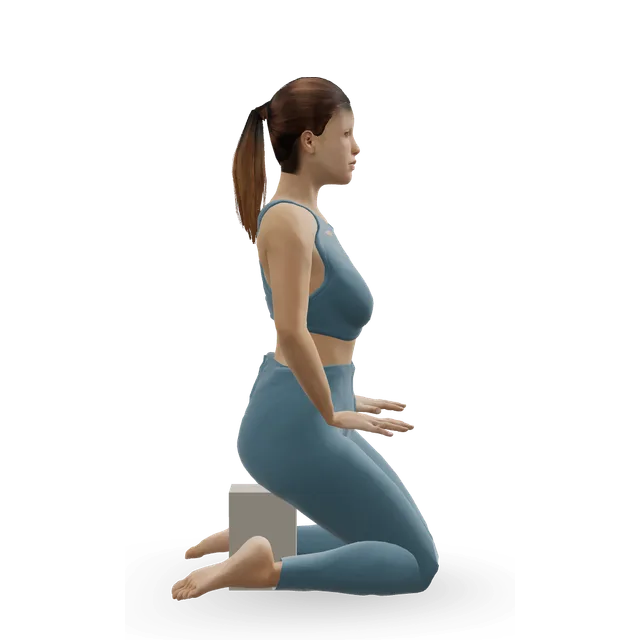
Both fold the knee fully under your weight. Our hero pose page says to sit high enough for no knee sensation, and to skip it, or clear it with a clinician first, after meniscus surgery; our child's pose page says to pad behind the knees or skip it with a knee injury. To rest, lie on your back instead, or put a thick bolster between your calves and thighs with your hips high (our suggestion).

Kneeling

Kneeling upright with the knee at a right angle, as in cat-cow, a low lunge or bird dog, is different from sitting back on your heels, which folds the knee fully. Pad the knee, keep kneeling short, and swap the pose if it hurts at the joint line (our suggestion).

Poses to avoid or change

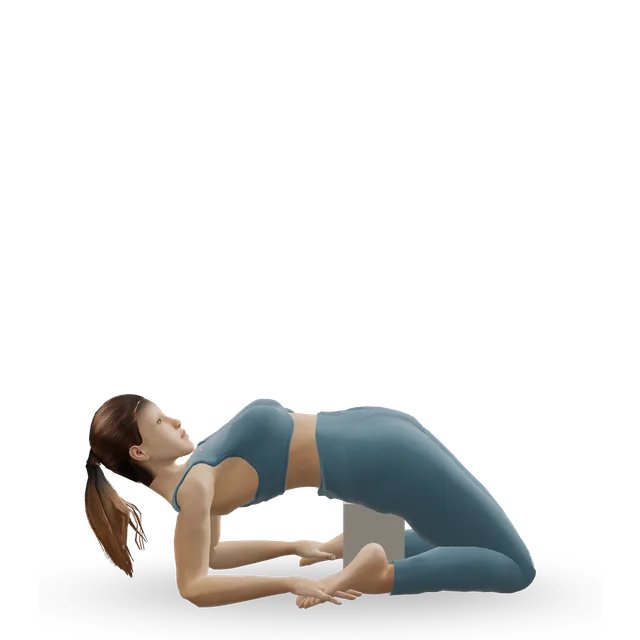
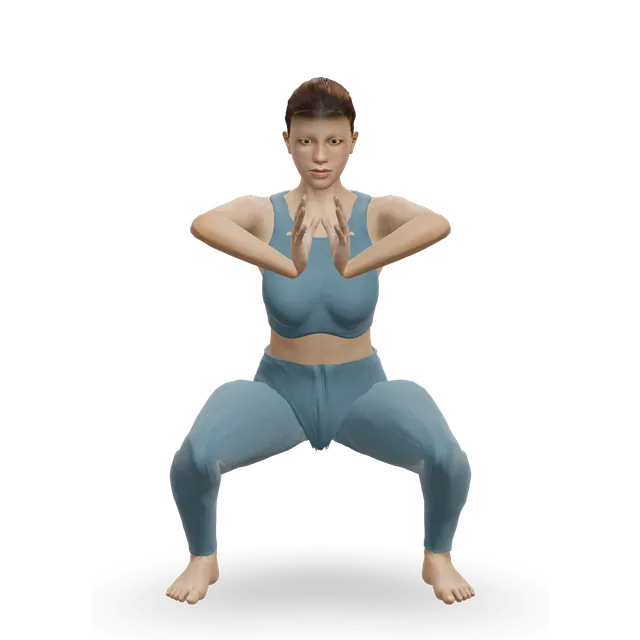
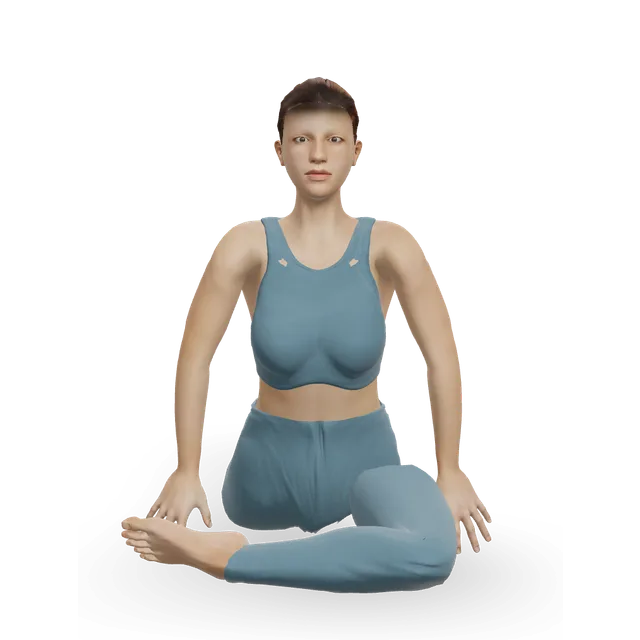
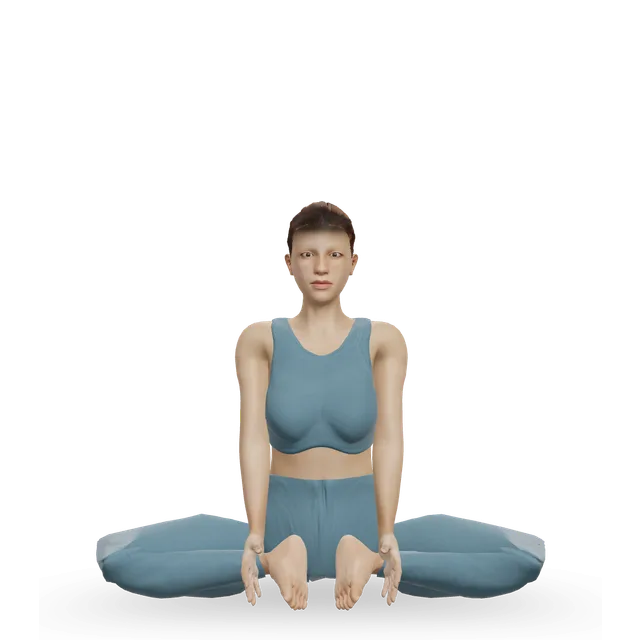
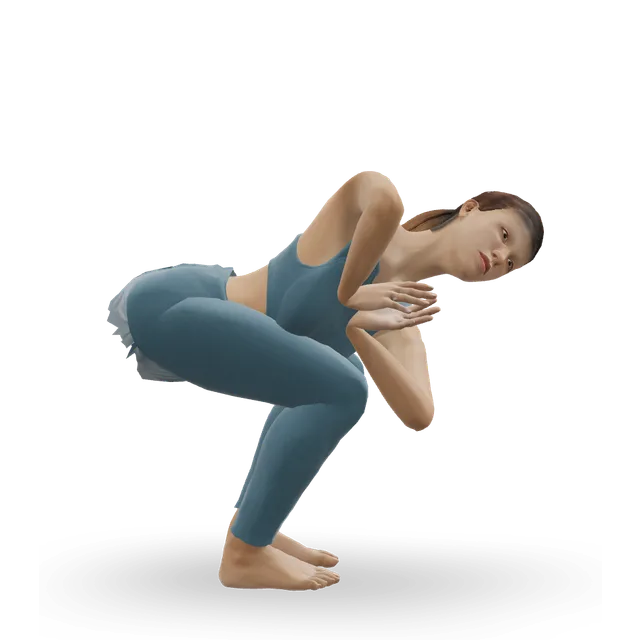
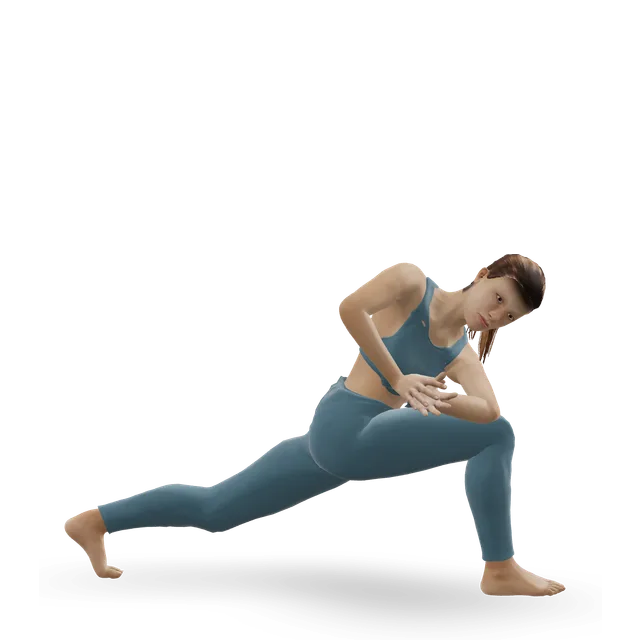
While you have a tear, and after surgery until your team allows deep bending. Lotus's page says it is not for known meniscus damage, and half lotus's says knee injuries in yoga are frequently linked to lotus positions taken before the hips rotate freely: sit in easy pose on a cushion instead. Hero and reclining hero fold the knee fully under load. Child's pose: pad behind the knees or skip it. Garland pose (a deep squat hold): stay above the depth that hurts. Pigeon, fire log and cow face twist the bent front knee if the hip runs out of turn; use the reclined figure four, where you control the depth. Bound angle: never push the knees down with your hands. Half frog: leave it with knee pain. Revolved chair and revolved side angle twist on a loaded, bent knee; in standing flows, turn the back foot before you pivot (our suggestion).

After meniscus surgery

A trim or a repair

After part of the meniscus is removed (a trim), people generally return to normal daily activities within 2 to 4 weeks, or about 3 to 6 weeks in the US surgeons' patient guide. After a repair, the stitched meniscus needs time to heal, and people are expected to return to their normal level of activity at around 6 months.

Sources 35, 17, 49

Your team's limits come firstEmerging evidence

Repair protocols vary, with no agreed best one. NHS leaflets brace the knee so it can bend only to 90 degrees for about 6 weeks and say no deep squats until at least 12 weeks; other protocols hold back deep bending for 4 months, or squatting, pivoting and twisting for at least 6. Early movement and weight-bearing haven't been shown to raise the failure rate, and a 60-person trial found free rehabilitation safe, but failure rates were about 24% to 28% across protocols in the newest review.

Sources 50, 51, 52, 53, 54, 55, 56

Where yoga fits

Our meniscus surgery guide's rule: "After a repair, your limits beat any pain rule: never push past the bend or weight your team has set, however comfortable it feels. Sharp pain on the joint line, catching or new locking is a reason to stop and contact your team, not to push through."

After a repair, deep knee bends (child's pose, hero, garland squat, lotus, deep lunges) wait for your team's go-ahead, usually 3 to 6 months. Standing poses kept above a right angle and lying strength work can come earlier, inside your team's limits (our reading of the protocols). After a trim, a gentle class can usually start once you're walking normally and the swelling has settled, if your team agrees (our suggestion).

First moves

Our meniscus surgery guide's early moves are the quad set, the straight leg raise and heel slides within your team's limit; it has the doses. Our yoga after knee replacement class, a chair-and-mat class with no kneeling, makes a good model for a first class once your team allows (our suggestion).

Classes to follow

Our yoga for knee pain class is the main one: it sits high, bends the knees only a third of the way, has no kneeling, lotus or hero pose, and its strength work matches the first stage of our meniscus tear guide. The knee strengthening, low-impact leg and balance workouts cover the later stages; after a repair, leave out the knee strengthening workout's heel-elevated deep squat and reverse Nordic until your team allows deep bending, as our meniscus surgery guide says. Chair yoga suits days when standing hurts.

Yoga for knee pain: a 25-minute knee-friendly sequence

A 25-minute knee-friendly yoga practice with no kneeling and no deep bends: shallow standing poses, hip and thigh strength on the floor, and supported stretches.

25 minBeginner15 movesFirm cushion

Knee strengthening workout: from first steps to full range

A 25-minute session for knees that don't currently hurt: thigh and hamstring strength, single-leg control, then an optional full-range block with knees over toes.

25 minBeginner14 movesA bench or box, A wall

Low-impact leg workout (no jumping)

A gentle leg strength routine with no jumping: sit-to-stands, step-ups, wall sits, bridges and calf raises.

20 minBeginner7 movesA bench or box, A step

Balance exercises routine

Balance practice in 10 minutes: tandem stance, single-leg stands, marches, heel walks, tree pose and floor transfers.

10 minBeginner7 movesA wall, A bench or box

Pilates for knee pain: a 25-minute class with no kneeling

A 25-minute Pilates class for sore knees and knee arthritis: lying and side-lying leg work, shallow squats and balance, with no kneeling at all.

25 minBeginner15 movesA bench or box, Something with weight

Chair yoga for seniors

A free 20-minute chair yoga class for older adults: slow breathing, gentle seated stretches and twists, standing poses holding the chair, and a calm finish.

20 minBeginner18 movesA bench or box, Something with weight

Yoga after a knee replacement: a 25-minute chair-and-mat class with no kneeling

A 25-minute kneel-free yoga class for after a knee replacement: seated breathing, standing poses at a chair, gentle bends lying down and a heel-supported rest.

25 minBeginner18 movesA bench or box, Something with weight

Warning signs: when to get help

These are the warning signs from our knee pain, meniscus tear and meniscus surgery guides, word for word, apart from the NHS's own advice, given in its words. This is general information, not a diagnosis. A&E means accident and emergency; in the US, call 911 for 999.

Go to A&E

Go to A&E (accident and emergency) if you've injured your knee and it has changed shape, it becomes very swollen very quickly, you felt a pop or snap, you can see bone sticking out, or it's bleeding heavily. Don't drive yourself: ask someone to take you, or call 999 if the pain means you can't move your leg to get there.

The NHS's advice for a meniscus tear also says to go to A&E if "you have any tingling or you have no feeling in your knee, leg or toes".

Sources 57, 2

Get advice from NHS 111 now

  • Get advice from NHS 111 now: you cannot move the knee or put any weight on it, or it is very painful, badly swollen or has changed shape, or it locks, gives way or clicks painfully. A pop, quick swelling and a knee that gives way point to an ACL injury: our ACL injury guide says what to do.
  • The knee is locked and you cannot fully straighten it.
  • Get advice from NHS 111 now: after a twist, your knee won't go fully straight, or something blocks the last part of straightening, even if you can still walk on it. A torn piece of meniscus caught in the joint can do this, and it needs checking promptly.
  • Get advice from NHS 111 now: a hot, red or swollen knee with sudden severe pain, a very high temperature, or feeling hot, cold or shivery. This can be a joint infection.

Sources 57, 58

Get help the same day

  • You hurt your knee and cannot take 4 steps, or you are 55 or over and have injured it: get it checked the same day for a broken bone.
  • Signs of a torn ligament: you felt or heard a pop, the whole knee swelled within a few hours, or it gives way, feels loose or bends further back than the other knee. Get it assessed promptly, the same or the next day: our ACL, PCL and outer knee ligament (LCL) guides explain what happens next.
  • Same day (urgent GP appointment or NHS 111): throbbing pain in one leg (rarely both), usually the calf or thigh; swelling in one leg (rarely both); red, blue or darkened skin; or swollen veins; or sudden worse pain and swelling around a lump at the back of the knee (a possible clot or a burst Baker's cyst).

Source 57

See a GP or physiotherapist

The NHS's advice for a meniscus tear adds seeing a GP if "your knee is stiff for more than 30 minutes after waking up".

  • Knee pain that has not improved within a few weeks of looking after it at home. Many areas offer NHS physiotherapy without a GP referral.
  • A tear after a significant twisting injury, especially in a younger person.
  • A knee that keeps giving way.
  • Numbness, tingling or weakness that travels down the leg from the back. That points to a nerve (sciatica) rather than the knee.

Sources 57, 2, 59

After meniscus surgery

Our meniscus surgery guide has the full list.

  • Leg pain or swelling with breathlessness or chest pain: call 999 or go to A&E, and do not drive yourself. It can be a blood clot that has reached the lungs.
  • After the operation: a high temperature, or feeling hot, cold or shivery; severe or increasing knee pain; smelly white, yellow or brown liquid leaking from a cut; severe or worsening swelling or redness in or around the knee; or numbness or tingling in or around it. Contact NHS 111, or the hospital where you had the operation.
  • The knee is locked and you cannot fully straighten it. After a repair, contact your surgical team the same day.
  • New catching, giving way or pain along the joint line, months after a repair: see your surgical team. A repaired meniscus can tear again.

Chest pain or fainting: call 999

Call 999 if:

  • You get sudden pain or discomfort in your chest that doesn't go away; it can feel like squeezing or pressure, burning or indigestion.
  • The pain spreads to your left or right arm, or your neck, jaw, stomach or back.
  • You have chest pain and feel sweaty, sick, light-headed or short of breath.
  • Someone faints while exercising, can't be woken within 1 minute, or has chest pain or a pounding, fluttering or irregular heartbeat.

Sources 60, 61

Unusual breathlessness

Call 999 or go to A&E (accident and emergency) straight away for severe difficulty breathing (gasping, choking or not able to get words out), a chest that feels tight or heavy, pain that spreads to your arms, back, neck and jaw, lips or skin turning very pale, blue or grey, or sudden confusion. If you're more short of breath than usual, or your heart is racing, fluttering or skipping beats, contact NHS 111.

Source 62

During yoga

A joint pain that is sharp, gets worse during a session, lingers into the next day or changes how you move is a reason to use an easier version, and to see a GP or physiotherapist if it keeps happening (the rule in our plans). Muscle soreness for a day or two after something new is normal. In a hot class, stop if you feel dizzy, sick or unwell; our hot yoga guide lists the signs of heat illness.

You can say no to any hands-on adjustment, and a teacher registered with Yoga Alliance must get your explicit consent each time.

Before you start

The NHS advises getting advice from a healthcare professional first if you have a health problem, an injury or symptoms, or have recently had a heart attack or an operation.

Myths

"A torn meniscus always needs surgery"Strong evidence

For gradual tears, exercise did as well as surgery in several trials, and surgery did no better than a sham operation. Even in younger adults, exercise first did as well as early surgery, though some later needed it. The exceptions are a knee that is truly locked and a repairable tear after an injury.

Sources 4, 6, 7, 32, 10, 35

"Clicking or catching means the tear needs removing"Emerging evidence

Removing the torn piece did no better than a sham operation for catching or occasional locking. A knee that is truly locked and won't straighten is different: see the warning signs.

Source 9

"The tear on my scan explains my pain"Strong evidence

61% of people with tears on MRI had had no knee pain, aching or stiffness in the previous month.

Sources 1, 19

"Yoga will heal a torn meniscus"Strong evidence

No trial has tested yoga for a tear, and tears in the inner part of the meniscus have a poor blood supply. What improves with exercise is pain and function, not the tear itself.

Sources 12, 17

"Never bend your knee past 90 degrees again"Emerging evidence

Deep bending puts more load on the back of the meniscus, but in healthy knees the stress stayed below damaging levels, and even after a repair, deep bending comes back after a few months. Build it back gradually under the knee pain rule.

Sources 14, 21, 52, 49

"Lotus is safe if you're flexible"Mixed evidence

Lotus is among the poses most often named in yoga injury reports, and our lotus page says it is not for known meniscus damage. Flexible knees aren't the point: the hip's outward turn is.

Sources 41, 42

"Stop all exercise until it heals"Strong evidence

The NHS advises rest for the first few days, then not to stop moving your knee completely, and the trials used about 12 weeks of progressive exercise.

Sources 2, 4

Questions people ask

Is yoga good for a meniscus tear?

It can be part of the exercise that's recommended first, if it keeps the knee out of deep, loaded bends and twists. Yoga hasn't been tested for meniscus tears; the evidence that exercise helps comes from strengthening programmes.

Can I do yoga with a torn meniscus?

Usually yes, once a doctor or physiotherapist has checked a new injury, and as long as your knee isn't locked. Choose a gentle class, tell the teacher, and use the knee pain rule: up to about 5 out of 10 during practice, and back to your usual level by the next morning.

Which yoga poses should I avoid with a meniscus tear?

Lotus and half lotus, hero and reclining hero, deep garland squats, pigeon if the front knee complains, and long kneeling, especially sitting back on your heels. Avoid twisting on a bent, loaded knee. Our own pose pages already warn against lotus with meniscus damage and hero pose after meniscus surgery.

What are the best yoga poses for a meniscus tear?

No pose is proven best. Start with straight-leg strength work such as lying leg raises and thigh squeezes, then bridges, chair pose and warrior II with the knee bent only a little, tree pose with your toes on the floor and a hand on a wall, and supported lying stretches.

Is child's pose OK with a torn meniscus?

Often not at first, because the knee folds fully under your weight. Rest on your back instead, or put a thick cushion between your calves and thighs and keep your hips high. After a repair, skip it until your team allows deep bending.

Can yoga make a meniscus tear worse?

Forcing deep, twisted knee positions could. One Chinese study found more meniscus changes on MRI in women who did yoga than in women who did other activities, but it couldn't say which poses and hasn't been repeated, and in trials yoga was about as safe as other exercise.

Can I do yoga after meniscus surgery?

Yes, when your surgical team agrees. After a trim, most people are back to normal daily activities within a few weeks; after a repair, deep bending, kneeling and pivoting usually wait 3 to 6 months, and most people return to their normal activity at about 6 months.

Is yin yoga good for a torn meniscus?

Long holds in deep knee bends and cross-legged shapes are the ones to avoid. If you enjoy yin, choose poses lying on your back and supported hip openers where the knee stays straight or only gently bent (our suggestion).

Is chair yoga good for a torn meniscus?

Yes, especially early on or with knee arthritis. Seated knee straightening, marches and standing poses holding a chair keep the knee working without kneeling or deep bends (our suggestion).

Can I do hot yoga with a torn meniscus?

The heat doesn't change the knee advice. A 26-posture hot class includes sitting back between the heels, camel and a deep child's pose, so swap or skip those, and stop for sharp or catching pain. Our hot yoga guide covers the heat itself.

Do I need surgery if my knee clicks?

Usually not: painless clicking is normal, and surgery didn't relieve catching better than a sham operation. A knee that locks and won't straighten needs checking promptly.

When should I see a doctor about a meniscus tear?

Get advice from NHS 111 now if your knee locks, gives way or clicks painfully, or won't go fully straight after a twist, and go to A&E if it became very swollen very quickly after an injury or changed shape. See a GP or physiotherapist if it hasn't improved within a few weeks of looking after it at home.

Sources

  1. Englund 2008 · Meniscus tears on knee MRI in 991 adults aged 50 to 90 (population study, N Engl J Med)
  2. NHS · Meniscus tear (knee cartilage damage)
  3. Katz 2013 · Surgery against physical therapy for a meniscal tear and osteoarthritis: METEOR, 351 people (randomised trial, N Engl J Med; read in full)
  4. Kise 2016 · Exercise therapy against keyhole surgery for degenerative meniscal tears: 140 people (randomised trial, BMJ; read in full)
  5. van de Graaf 2018 · Early surgery against physical therapy for meniscal tears without locking: ESCAPE, 321 people (randomised trial, JAMA)
  6. Sihvonen 2013 · Keyhole surgery against sham surgery for a degenerative meniscal tear: FIDELITY, 146 people (randomised trial, N Engl J Med)
  7. O'Connor 2022 · Arthroscopic surgery for degenerative knee disease, including meniscal tears (Cochrane review)
  8. Katz 2025 · Physical therapy for a meniscal tear and knee pain: TeMPO, 879 people (randomised trial, N Engl J Med; read in full)
  9. Sihvonen 2016 · Catching, locking and keyhole surgery for a degenerative meniscal tear (trial analysis, Ann Intern Med)
  10. Academy of Medical Royal Colleges · Evidence-Based Interventions: arthroscopic surgery for meniscal tears (last reviewed September 2024; read in full)
  11. Abram 2019 · Arthroscopic meniscal surgery: the British Association for Surgery of the Knee guideline (consensus statement, Bone Joint J; read in full)
  12. PubMed and Europe PMC · Searches for yoga trials in meniscus tears: 6 PubMed records, none a trial (31 October 2026)
  13. Lauche 2019 · Yoga for osteoarthritis: 9 trials, 640 people (systematic review and meta-analysis, Curr Rheumatol Rep)
  14. Yao 2008 · How the menisci move and carry load in deep knee bending: 10 knees (MRI study, J Orthop Res)
  15. Rytter 2009 · Kneeling at work and meniscal tears in floor layers (MRI study, J Rheumatol)
  16. Kapoor 2008 · Joint angles in cross-legged sitting (measurement study, J Arthroplasty)
  17. AAOS OrthoInfo · Meniscus tears (American Academy of Orthopaedic Surgeons patient page; read in full)
  18. Beals 2016 · Meniscus changes in athletes without knee symptoms (systematic review, Sports Med)
  19. Siemieniuk 2017 · Arthroscopic surgery for degenerative knee arthritis and meniscal tears (BMJ Rapid Recommendation guideline; read in full)
  20. Thompson 1991 · How the menisci move as the knee bends: 5 knees (cadaver MRI study, Am J Sports Med)
  21. Nagura 2006 · Knee joint forces in deep bending (lab study, J Appl Biomech)
  22. Baker 2002 · Sport, work activity, joint laxity and meniscal damage (case-control study, J Rheumatol)
  23. Snoeker 2013 · Risk factors for meniscal tears (systematic review and meta-analysis, JOSPT)
  24. Salem 2013 · The physical demands of hatha yoga poses in older adults (lab study, Evid Based Complement Alternat Med; read in full)
  25. Noorduyn 2022 · ESCAPE at 5 years (randomised trial follow-up, JAMA Netw Open)
  26. Solsona-Carcas 2024 · Physical therapy against surgery for degenerative meniscal tears: 10 trials (network meta-analysis, Phys Ther)
  27. Sihvonen 2018 · FIDELITY at 2 years (randomised trial follow-up, Ann Rheum Dis)
  28. Sihvonen 2020 · FIDELITY at 5 years (randomised trial follow-up, BJSM)
  29. Wijn 2023 · Keyhole surgery against non-surgical or sham treatment: data from 605 people in 4 trials (individual participant data meta-analysis, Osteoarthritis Cartilage)
  30. NICE NG226 · Osteoarthritis in over 16s: diagnosis and management (2022; read in full)
  31. Damsted 2023 · Exercise against surgery for catching and locking in young adults (trial analysis, BJSM)
  32. Skou 2022 · Early surgery or exercise and education for meniscal tears in young adults: DREAM, 121 people (randomised trial, NEJM Evid)
  33. Clausen 2023 · DREAM at 2 years: MRI and symptoms (randomised trial follow-up, BJSM)
  34. van der Graaff 2022 · Keyhole surgery against physical therapy for traumatic tears in young people: STARR, 100 people (randomised trial, BJSM)
  35. Kopf 2020 · Management of traumatic meniscus tears: the 2019 ESSKA meniscus consensus (Knee Surg Sports Traumatol Arthrosc; read in full)
  36. AAOS 2024 · Management of acute isolated meniscal pathology (clinical practice guideline, American Academy of Orthopaedic Surgeons; summary read)
  37. Lu 2024 · Yoga for knee osteoarthritis (systematic review and meta-analysis of randomised trials, PLoS One)
  38. Brenneman 2015 · A yoga strengthening programme designed to spare the knee in women with knee osteoarthritis (cohort study, PLoS One)
  39. Zhu 2012 · Yoga and meniscus changes on MRI in Chinese women: 819 women (case-control study, Chin J Traumatol)
  40. Cramer 2018 · Injuries and other adverse events with yoga: 9 observational studies (systematic review, J Sci Med Sport)
  41. Cramer 2013 · Adverse events with yoga in 76 published case reports and series (systematic review, PLoS One; read in full)
  42. Penman 2012 · Yoga in Australia: a national survey (survey, Int J Yoga; read in full)
  43. Watson 2025 · Yoga injuries in US emergency departments over 20 years (epidemiological study, J Am Acad Orthop Surg)
  44. NCCIH · Yoga: effectiveness and safety (National Center for Complementary and Integrative Health, updated August 2023; read in full)
  45. Cramer 2015 · The safety of yoga in randomised trials (systematic review and meta-analysis, Am J Epidemiol)
  46. Zhou 2013 · Leg joint movement in cross-legged sitting (lab study, Prosthet Orthot Int)
  47. Hwang 2012 · Risk factors for a tear of the root of the medial meniscus (case-control study, Am J Sports Med)
  48. Tangtrakulwanich 2006 · Floor sitting and knee osteoarthritis in Thai Buddhist monks (cross-sectional study, J Med Assoc Thai)
  49. AAOS OrthoInfo · Meniscus repair (patient page; read in full)
  50. O'Donnell 2017 · Rehabilitation after meniscal repair (systematic review, Am J Sports Med)
  51. Spang 2018 · Rehabilitation after meniscal repair (systematic review, BMJ Open Sport Exerc Med; read in full)
  52. James Paget University Hospitals NHS Foundation Trust · Meniscal body and root repair (patient information, December 2025; read in full)
  53. East Kent Hospitals University NHS Foundation Trust · Meniscal repair: aftercare advice (March 2025; read in full)
  54. Wrightington, Wigan and Leigh NHS Foundation Trust · Meniscus repair protocol (Sports Knee Clinic, undated; read in full)
  55. Lind 2013 · Free against restricted rehabilitation after meniscal repair: 60 people (randomised trial, Am J Sports Med)
  56. Bouchard 2025 · Rehabilitation protocols after meniscal repair (systematic review, Orthop J Sports Med; read in full)
  57. NHS · Knee pain
  58. NHS · Septic arthritis
  59. NHS inform · Knee problems
  60. NHS · Chest pain (past its review date: reviewed August 2023, review due August 2026)
  61. NHS · Fainting
  62. NHS · Shortness of breath

Exercise education, not a personal prescription, and clinical review of these guides is pending. If you are pregnant, have a health condition such as glaucoma, high blood pressure or osteoporosis, or have had recent surgery, check with a doctor, midwife or physiotherapist before starting, and stop for sharp or increasing pain. Health disclaimer.