Knee arthritis: a modest benefit
Across 8 trials (756 people), yoga eased knee arthritis pain and stiffness and helped people get about, compared with control groups, and a review of 14 studies agreed, on low-certainty evidence.
Yoga guide
Nearly all the research on yoga for knee pain is in knee arthritis. In trials, gentle classes with props eased pain and stiffness a little more than not exercising, and in the best trial, 12 weeks of yoga helped knee pain as much as a strengthening programme. We found no randomised yoga trial for kneecap pain, and none for a torn meniscus.
The knee is also one of the parts of the body most often injured in yoga, so how you practise matters. This guide covers what the trials found, poses that bend your knees only a little, how to protect your knees in class, yoga after a knee replacement, a 25-minute knee-friendly routine and when to get help.
Across 8 trials (756 people), yoga eased knee arthritis pain and stiffness and helped people get about, compared with control groups, and a review of 14 studies agreed, on low-certainty evidence.
In 117 adults in Australia, 12 weeks of yoga eased knee pain as much as a strengthening programme, and it was likely to be cost-effective. It didn't do better than strengthening.
Unsupervised online yoga videos gave a small gain in function that had gone by 24 weeks, while the trials with teachers did better.
The American College of Rheumatology conditionally recommends yoga for knee arthritis. NICE (the National Institute for Health and Care Excellence) recommends exercise tailored to you without naming a type, and its evidence review found no difference between types.
NCCIH (the US National Center for Complementary and Integrative Health) names the knee or lower leg as the part most often injured in yoga. In a lab study, a wide squat and an upright lunge put the least load on the inside of the knee, and the Arthritis Foundation advises people with arthritis not to bend their knees past a right angle.
Get advice from NHS 111 for a knee that is hot, red or swollen with a high temperature, or one that locks, gives way or clicks painfully. The full list is in the warning signs below.
Source 12
Every randomised yoga trial we found for knee pain was in knee osteoarthritis, the most common kind of knee arthritis, mostly in adults aged 50 to 80 and mostly in women. We found no randomised yoga trial in kneecap pain or a torn meniscus (a PubMed search, October 2026).
Yoga combines poses that strengthen and stretch the legs with breathing and relaxation. The trial authors suggest it may ease pain through strength, flexibility, less stress and better body awareness, but how it works hasn't been tested.
Kneecap (patellofemoral) pain is pain beneath or around the kneecap, "especially on climbing up and down stairs, kneeling and squatting". NHS inform says the strongest evidence is for strengthening weak or underactive muscles and stretching short or tight ones.
Source 16
Across 8 trials (756 people), yoga eased pain and stiffness and helped function compared with control groups, though results varied widely between trials, and it didn't clearly improve daily activities or quality of life. A 2026 review of 14 studies (1,183 people) found the same on low-certainty evidence, with the most pain relief from programmes of 4 or more sessions a week for at least 8 weeks. An earlier review of 9 trials rated all its evidence very low quality.
In 117 adults with knee arthritis in Tasmania (average age 62), two 1-hour supervised classes and one home session a week for 12 weeks eased pain by about 18 points out of 100, against about 17 with a strengthening programme. That isn't better, but it is within the margin the trial set for "as good as". By 24 weeks, with home practice only, knee pain, function and stiffness scores favoured yoga. Yoga was likely to be cost-effective.
Side effects possibly or probably caused by the exercise were more common with yoga (15.5% of people) than with strengthening (6.8%), including more knee pain in 6 people against 5. None were serious. The authors suggest unfamiliar poses may explain the difference.
Source 3
In 83 older adults, 8 weekly 45-minute hatha classes with home practice improved knee symptoms, anxiety and fear of falling more than aerobic and strengthening classes, and the 3 minor side effects were all in the exercise group. In 36 older women, 8 weekly classes eased pain and stiffness against a waiting list. Both were small pilot trials.
In 212 adults, 12 weeks of unsupervised online yoga videos improved function by 4 points on a 68-point scale, less than the change people notice, and didn't clearly ease walking pain. Both had faded by 24 weeks.
Source 5
In India, 250 adults who had electrotherapy and then 40 minutes a day of supervised yoga or exercise for 3 months improved more with yoga. In 75 inactive adults with arthritis, 8 weeks of yoga improved physical health, walking and mood against a waiting list. In 131 older adults who couldn't do standing exercise, chair yoga twice a week for 8 weeks eased how much pain got in the way of life, and that lasted 3 months.
Network analyses rank exercise types partly through indirect comparisons. One of 39 studies ranked yoga first for stiffness and function; one of mind-body exercise ranked Pilates and tai chi first, with yoga's effects on low-certainty evidence; and a third ranked tai chi and Wuqinxi (a Chinese exercise based on animal movements) first for pain, with yoga helping mental health. A ranking is not proof that one exercise beats another.
Its 2019 guideline with the Arthritis Foundation strongly recommends exercise and tai chi for knee arthritis, and conditionally recommends yoga, which it calls "far less well studied than tai chi". It made no recommendation on yoga for hip arthritis, "due to lack of data".
Source 6
NICE says to offer everyone with osteoarthritis "therapeutic exercise tailored to their needs (for example, local muscle strengthening, general aerobic fitness)", and to consider supervised sessions. It names no type of exercise. Its evidence review grouped the yoga trials with mind-body exercise, and the committee "noted that there did not appear to be a difference between different types of exercise".
NICE also says joint pain may increase when you start exercising, and that regular, consistent exercise still helps your joints.
The Osteoarthritis Research Society International (OARSI) makes education and structured land-based exercise the core treatments for knee osteoarthritis.
Source 25
The NHS calls exercise "one of the most important treatments for people with osteoarthritis", combining strength and general fitness. It adds that doing too much too quickly, or the wrong sort of exercise, "may damage your joints", so follow a plan from your GP or physiotherapist. Our knee arthritis guide notes that no exercise has been shown to damage the joint. The practical advice is the same either way: build up gradually.
Source 26
The Ottawa panel graded hatha yoga B for knee arthritis pain and C+ for function, from a small number of trials.
Source 27
Yoga counts as exercise for knee arthritis. It isn't better than strengthening exercise, and strength work for your thighs and hips is the backbone, so pair yoga with it.
Studio classes vary, so these are the programmes that were tested. Our workout borrows their poses and props.
Cheung's trials ran one 45 to 60-minute class a week for 8 weeks, plus 30 minutes at home 4 times a week, in small classes (9 people in the first trial) with a mat, blocks, a strap, blankets and a chair. Poses were changed to suit each person. The key poses were:
In the first trial, only a third of people did the home practice as prescribed, though most kept practising at home 20 weeks on.
Source 15
Two 1-hour classes a week, led by yoga teachers or physiotherapists in groups of 10, plus one session at home, for 12 weeks, then 3 home sessions a week. Each class opened with 10 minutes of breathing and chanting, then 40 minutes of warm-up and poses, and ended with 10 minutes of deep relaxation and meditation, with the practices "modified for the needs and limitations of each participant".
In a lab study of healthy young women, a wide squat (goddess) and a lunge with the body upright (warrior) put the least load on the inside of the knee, and a one-leg balance the most. A Canadian team built a programme from squats and lunges, bending the knees to 30 degrees at first, then 60, then 80, with the arms forward and then overhead, 3 times a week for 12 weeks.
In 45 women with knee arthritis it eased pain and built strength, with knee loads in the poses below those of walking, but 2 of the 45 developed kneecap pain. In a small trial of 31 women it did better than no exercise and as well as machine strengthening.
Unsupervised videos gave small, short-lived gains, and NICE's committee judged supervised exercise likely to help more than unsupervised exercise. The Arthritis Foundation suggests starting with a class or a private teacher who can help you change poses, and telling them about your arthritis.
Two supervised 1-hour sessions plus 1 home session a week for 12 weeks in the best trial; one class a week plus 30 minutes at home 4 times a week for 8 weeks in older adults; and three 1-hour classes a week for 12 weeks in the knee-friendly programme. Across 14 studies, 4 or more sessions a week for at least 8 weeks gave the most pain relief.
Our knee guides use this rule: rate your knee pain from 0 to 10 during and after exercise; 0 to 2 counts as safe, up to 5 as acceptable and above 5 as too much, and your knee should be back to its usual level by the next morning. In the knee-friendly yoga trial, pain was allowed to rise by no more than 2 points in a session. NICE says joint pain may rise when you start exercising with arthritis.
Two or three sessions a week of 25 to 45 minutes, for at least 8 to 12 weeks, ideally starting with a supervised class, plus strength work for your thighs and hips on 2 or 3 days. Bend a little deeper over the weeks, and with arthritis, never past a right angle.
We found no randomised yoga trial for kneecap pain, only one uncontrolled study: 24 teenagers with front-of-knee pain followed yoga videos 3 to 4 times a week for 8 weeks, flexibility first and then strength, and their knee scores improved. Strengthening and stretching have the strongest evidence, and NHS inform suggests regular breaks from the activities that bring it on. Yoga can provide stretching and some strength if you skip kneeling and deep squats while it's sore.
Yoga hasn't been tested for a torn meniscus, the cartilage cushion inside the knee. People who do yoga have more meniscus injuries than people who don't, in a review of observational studies, and meniscus tears show up among yoga injuries on scans. Avoid lotus, hero pose, deep squats and twisting on a bent knee.
Follow your physiotherapy exercises first. The NHS says "do not kneel on your new knee until your doctor says you can" and "do not sit with your legs crossed for the first 6 weeks". In a survey, 120 European knee surgeons agreed that yoga could be allowed from 6 to 12 weeks after surgery; ask your own team. One small study added yoga poses to physiotherapy, but its design was weak.
Chair yoga eased how much pain got in the way of daily life in older adults with leg arthritis who couldn't do standing exercise. In the US, people aged 65 and over had the highest rate of emergency visits for yoga injuries, so keep a chair or wall close in standing poses. Our yoga for seniors and chair yoga guides have more.
NCCIH says "the parts of the body most commonly injured are the knee or lower leg". US emergency department records of 29,590 yoga injuries put the trunk first (about 47%), so the knee is a common site rather than always the main one.
Pad your knees with a folded mat or blanket, keep kneeling short, and swap the pose if it hurts. Kneeling often aggravates kneecap pain. Come out at once if your foot or lower leg goes numb or tingles: a nerve injury causing foot drop (weakness lifting the foot) has been reported after a kneeling yoga pose. Our knee pain when kneeling guide explains why everyday kneeling hasn't been shown to damage knees.
Rising from a full squat or from kneeling put about 4,500 newtons through healthy knees in a lab study, several times body weight. The Arthritis Foundation advises people with arthritis to avoid poses that bend the knees more than 90 degrees, and adds: "Don't do anything that hurts."
A one-leg balance put the most load on the inside of the knee in the lab study, and the Arthritis Foundation advises people with arthritis to avoid poses that balance on one foot. In tree pose, keep the toes of your lifted foot on the floor and a hand on a wall, or skip it.
NCCIH advises beginners to avoid the lotus position, and lotus and half lotus caused 5.3% of injuries in an Australian survey. In hero pose, sit high on a block or leave it out, and skip it after meniscus or ligament surgery or if your kneecap hurts (the move page's caution).
The trial classes used blocks, straps, blankets and a chair. A cushion under your hips when sitting, padding under kneeling knees, a strap for hamstring stretches and a wall or chair for balance all take load off the knee (our suggestion).
Bend your knees only a little at first, about a third of the way to sitting, and keep them in line with your toes; with arthritis, never past a right angle. Start with 3 to 5 breaths in each (our editorial starting point). Tree pose is optional: keep your toes on the floor and a hand on a wall.
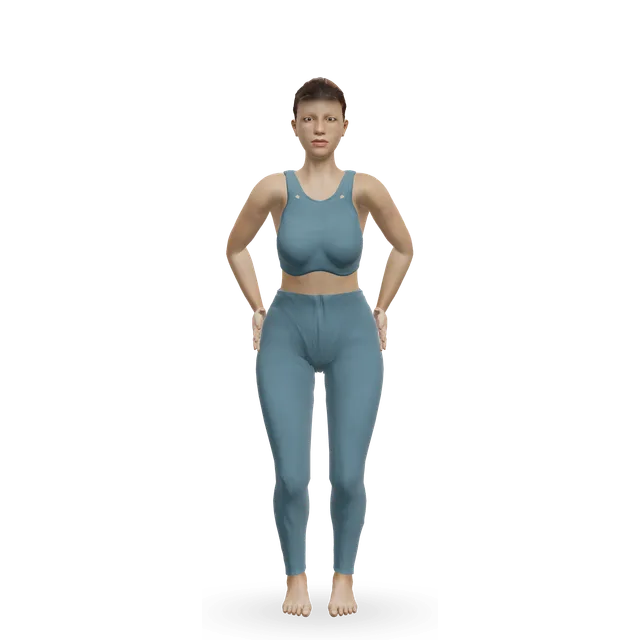
 3D demoMountain pose (Tadasana)Beginner · No equipment
 3D demoChair pose (Utkatasana)Beginner · No equipment
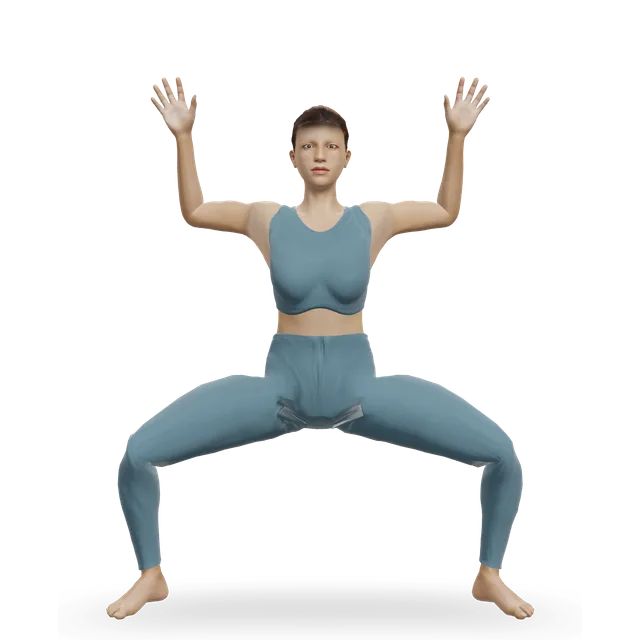 3D demoGoddess pose (Utkata Konasana)Beginner · No equipment
 3D demoWarrior II (Virabhadrasana II)Intermediate · No equipment
 3D demoWarrior I (Virabhadrasana I)Intermediate · No equipment
 3D demoHip hinge foldBeginner · No equipment
 3D demoTree pose (Vrksasana)Beginner · No equipment
These strengthen your hips and thighs with little bending under load. Sit high on a cushion in easy pose and bound angle, support your thighs in lying bound angle, and put a cushion under your knees in corpse pose.
 3D demoGlute bridgeBeginner · No equipment
 3D demoLocust pose (Salabhasana)Beginner · No equipment
 3D demoStraight-leg raiseBeginner · No equipment
 3D demoQuad set (static quads)Beginner · No equipment
 3D demoSit to stand from a chairBeginner · A bench or box
 3D demoSupine hamstring stretch with a strapBeginner · No equipment
 3D demoReclining bound angle pose (Supta Baddha Konasana)Beginner · Firm cushion
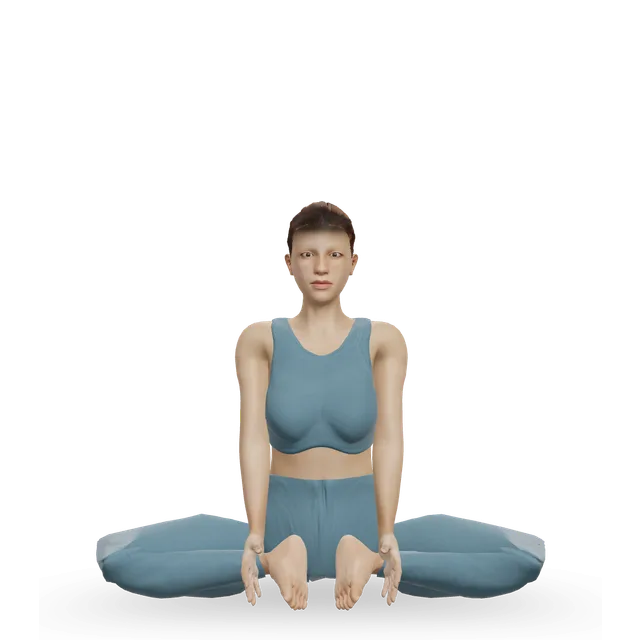 3D demoBound angle pose (Baddha Konasana)Beginner · No equipment
 3D demoSupine spinal twist (Supta Matsyendrasana)Beginner · No equipment
 3D demoEasy pose (Sukhasana)Beginner · No equipment
 3D demoSupine heel slideBeginner · No equipment
 3D demoSeated knee extension (chair)Beginner · A bench or box + Something with weight
 3D demoCorpse pose (Savasana)Beginner · No equipment
Pad your knees in child's pose, low lunge and camel, or swap child's pose for lying knees to chest. Leave out lotus, lying hero and deep squats while your knee is sore, sit high on a block in hero pose or skip it, and swap pigeon and fire log for the lying figure four if your knee complains (each move page's caution).
 3D demoChild's Pose (Balasana)Beginner · No equipment
 3D demoDouble knee-to-chest stretchBeginner · No equipment
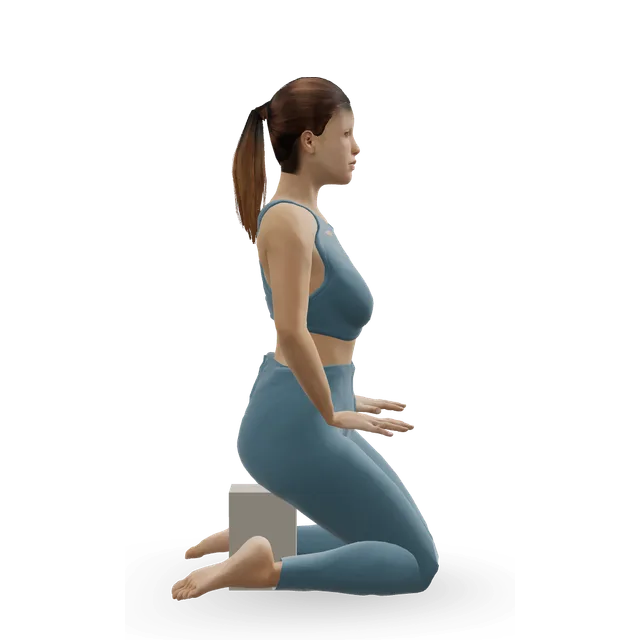 3D demoHero pose (Virasana)Intermediate · Firm cushion
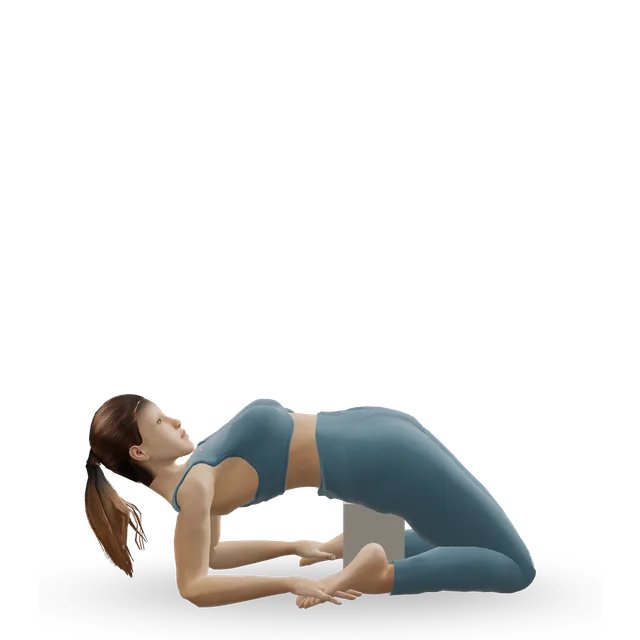 3D demoReclining hero pose (Supta Virasana)Advanced · Firm cushion
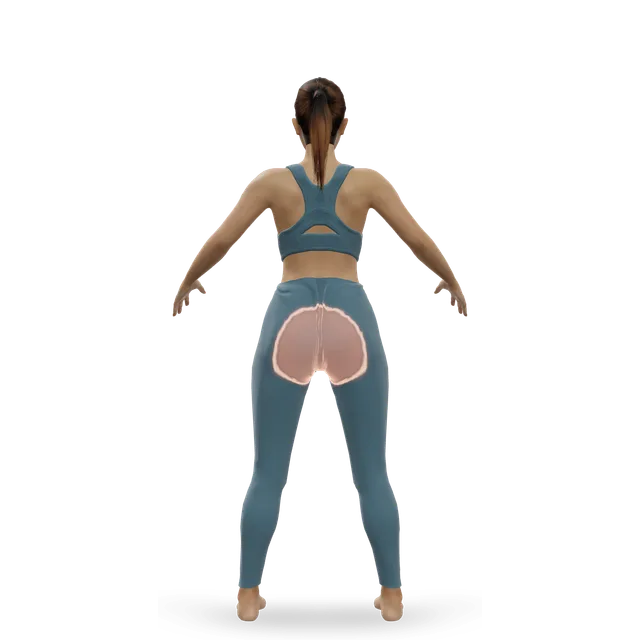 Lotus pose (Padmasana)Advanced · No equipment
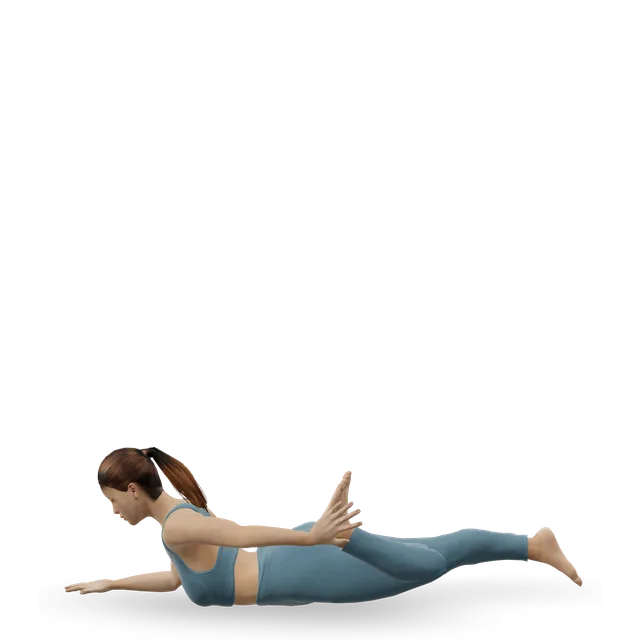 3D demoHalf frog pose (Ardha Bhekasana)Intermediate · No equipment
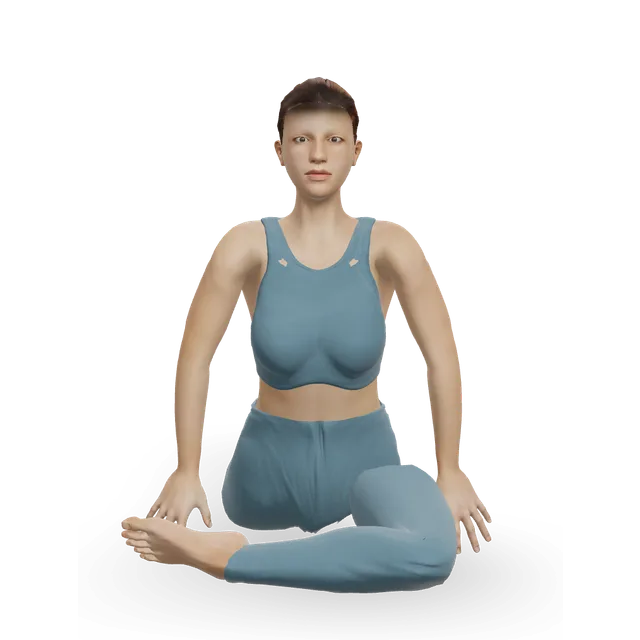 3D demoPigeon preparation (Eka Pada Rajakapotasana prep)Intermediate · No equipment
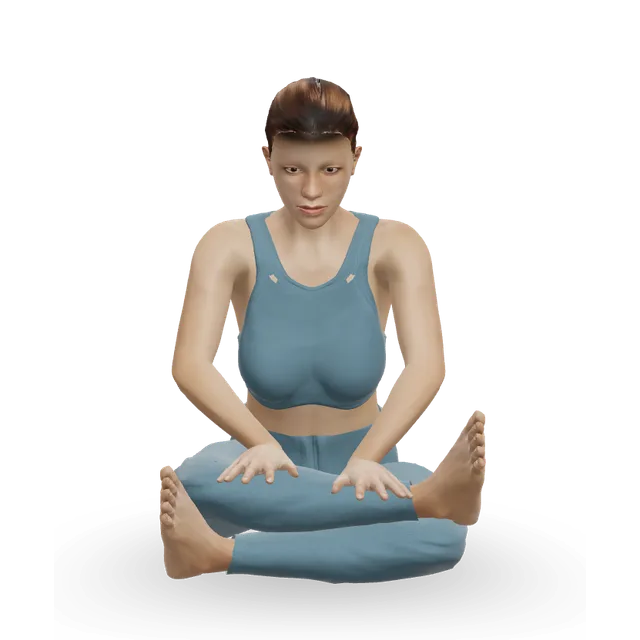 3D demoFire log pose (Agnistambhasana)Intermediate · No equipment
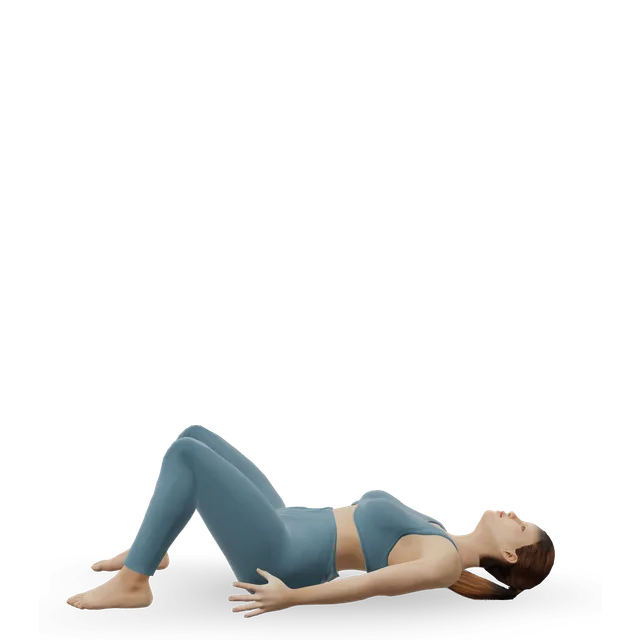 3D demoReclined figure four (eye of the needle, Sucirandhrasana)Beginner · No equipment
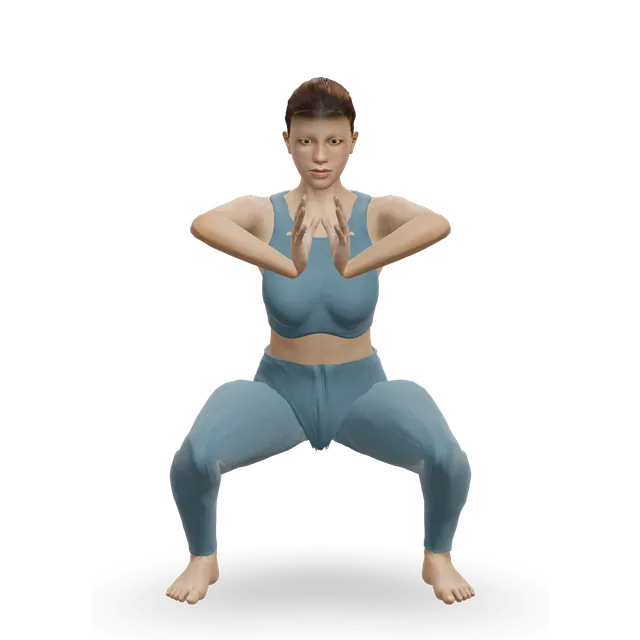 3D demoDeep squat holdIntermediate · No equipment
 3D demoLow lunge (Anjaneyasana)Beginner · No equipment
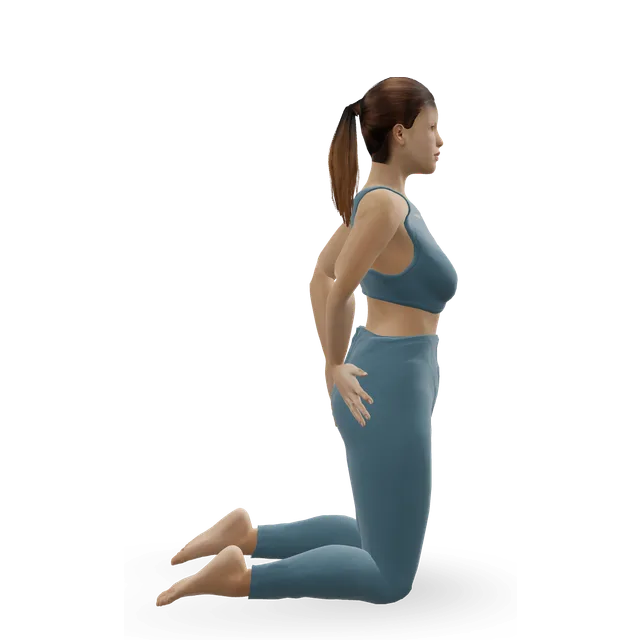 3D demoCamel pose (Ustrasana)Intermediate · No equipment
Start with the 25-minute yoga for knee pain workout on 2 or 3 days a week, and add a strength session on 2 or 3 days: the knee strengthening workout or, for arthritis, the arthritis routine. Chair yoga suits days when standing is hard.
A 25-minute knee-friendly yoga practice with no kneeling and no deep bends: shallow standing poses, hip and thigh strength on the floor, and supported stretches.
25 minBeginner15 movesFirm cushionA 25-minute session for knees that don't currently hurt: thigh and hamstring strength, single-leg control, then an optional full-range block with knees over toes.
25 minBeginner13 movesA bench or box, A wallA 30-minute joint-friendly circuit built like the GLA:D and ESCAPE-pain programmes: a gentle warm-up, chair, step and band strength moves, balance, then stretches.
30 minBeginner14 movesA bench or box, A stepA free 20-minute chair yoga class for older adults: slow breathing, gentle seated stretches and twists, standing poses holding the chair, and a calm finish.
20 minBeginner18 movesA bench or box, Something with weightA 15-minute chair yoga routine done entirely sitting: slow breathing, neck, shoulder and wrist stretches, seated twists and side bends, and a calm finish.
15 minBeginner16 movesA bench or boxA gentle leg strength routine with no jumping: sit-to-stands, step-ups, wall sits, bridges and calf raises.
20 minBeginner7 movesA bench or box, A stepThese are the same warning signs as our knee pain guides. In the US, call 911 for 999, and use your doctor's urgent line or urgent care for NHS 111.
Source 12
Source 12
Sharp, catching or giving-way pain, or new swelling, is a reason to stop and get it checked. Come out of a pose at once if your foot or lower leg goes numb or tingles in a kneeling or cross-legged pose, or if you feel a sharp pain inside the knee when twisting or rising from a deep bend (our suggestion, from case reports and injury studies).
Follow your surgical team's advice and the NHS: "do not kneel on your new knee until your doctor says you can". Our knee replacement guide lists the signs of infection or a clot that need urgent help.
Source 36
The Arthritis Foundation suggests arriving early to tell the teacher about your arthritis and ask which poses to change. Do the same for a knee replacement or a meniscus problem.
Source 31
NCCIH names the knee or lower leg as the part most often injured in yoga, and meniscus injuries are more common in people who do yoga. But in knee arthritis trials, side effects were mild and none were serious. The risk sits with deep bends, lotus and kneeling, which are easy to change.
Knee-friendly yoga programmes bent the knees to 30, then 60, then 80 degrees, and eased pain and built strength. The Arthritis Foundation's limit for people with arthritis is a right angle, not no bending at all.
In the best trial yoga matched strengthening; it didn't beat it. NICE found no clear difference between types of exercise, and one network analysis ranked Pilates and tai chi above yoga.
Unsupervised online yoga gave a small gain in function that had faded by 24 weeks. Supervised classes did better, and NICE's committee judged supervised exercise likely to help more.
The trials measured pain, stiffness and function, not joint repair. Exercise is still "one of the most important treatments" for osteoarthritis, and the NHS advises building up gradually with a plan.
Kneeling often aggravates kneecap pain, and you shouldn't kneel on a new knee until your doctor says you can. Our kneeling guide explains why everyday kneeling hasn't been shown to damage knees, so pad it, shorten it or swap the pose.
For knee arthritis, yes, modestly: across 8 trials it eased pain and stiffness and helped function compared with control groups, on low-certainty evidence. We found no randomised trials for other knee problems, such as kneecap pain or a torn meniscus.
It counts as exercise for knee arthritis: the American College of Rheumatology conditionally recommends it, and NICE recommends exercise tailored to you without favouring one type. Pair it with strength work for your thighs and hips.
No, about the same. In 117 adults, 12 weeks of yoga eased knee pain as much as a strengthening programme, and by 24 weeks some measures favoured yoga. It was also likely to be cost-effective.
Poses that bend the knee only a little or not at all: mountain, a shallow chair pose and goddess, short-stance warriors, bridge, locust, a strap hamstring stretch, a supported lying bound angle and a lying twist. These are close to the poses used in trials for knee arthritis.
Lotus, hero pose, deep squats and long kneeling, and any pose that bends the knee past a right angle if you have arthritis. Never press your foot into the side of your knee in tree pose.
Kneeling often aggravates kneecap pain, so pad it, shorten it or swap the pose while your knee is sore. After a knee replacement, don't kneel on the new knee until your doctor says you can.
Usually, later in your recovery: European knee surgeons agreed yoga could be allowed from about 6 to 12 weeks after surgery. Follow your physiotherapy exercises first, don't sit cross-legged for the first 6 weeks, and check with your team before starting.
We found no randomised trial: one small uncontrolled study in teenagers with front-of-knee pain found improvements after 8 weeks of yoga videos. Strengthening and stretching have the best evidence, so yoga can be part of that if you skip kneeling and deep squats while it's sore.
Often from deep bends, lotus or kneeling, which load the knee heavily, or from twisting on a bent knee. The knee or lower leg is among the parts most often injured in yoga, so change those poses, and get a knee that locks, gives way or swells checked.
They helped less: in 212 people, unsupervised video classes gave a small improvement in function that had gone by 24 weeks. Classes led by a teacher did better in trials, so start with a class if you can and tell the teacher about your knee.
Two or three sessions a week for at least 8 to 12 weeks is a good start; in the main trial people did two supervised classes and one home session a week. Programmes on most days of the week did best in one review.
It hasn't been tested. Meniscus injuries are more common in people who do yoga, and the moves' own cautions rule out lotus and hero pose with meniscus damage, so skip those, deep squats and twisting on a bent knee. Gentle straight-leg strength and supported poses are fine within the pain rule; see a physiotherapist for a plan.
Exercise education, not a personal prescription, and clinical review of these guides is pending. If you are pregnant, have a health condition such as glaucoma, high blood pressure or osteoporosis, or have had recent surgery, check with a doctor, midwife or physiotherapist before starting, and stop for sharp or increasing pain. Health disclaimer.