Why kneeling hurts at the front of the kneeEmerging evidence
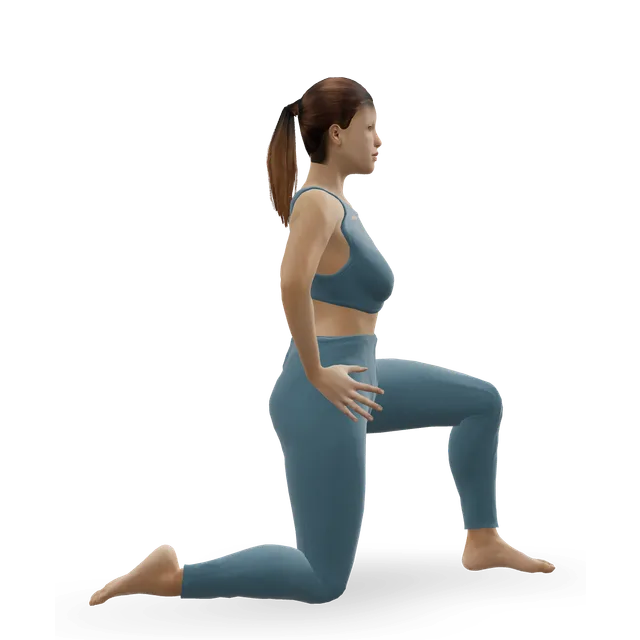
Kneeling puts your weight through the front of the knee. In a lab study of 10 people kneeling in the postures used in low mines, most of the pressure went through the tendon below the kneecap and the bump at the top of the shin, rather than through the kneecap itself. That's why problems there show up first when you kneel.
The NHS describes bursitis as warm and red, with kneeling or bending making the pain and swelling worse. NHS inform lists kneeling among the things that bring on pain around or behind the kneecap, along with stairs, squatting and sitting for a while.
Sources 1, 2, 3, 4
Bursitis: housemaid's kneeStrong evidence
Bursitis is a painful, swollen bursa, a fluid-filled sac that cushions a joint. Over the front of the kneecap it's often called housemaid's knee. The American Academy of Orthopaedic Surgeons says it's often caused by pressure from constant kneeling, and that plumbers, roofers, carpet layers, coal miners and gardeners are at greater risk. The NHS says it usually goes away in a few weeks with rest from pressure, ice and painkillers.
Some bursitis is infected, usually after germs get in through a cut, scrape or bite over the knee, and it "must be treated more urgently". Heat, redness, broken skin over the swelling or a high temperature need a same-day check. In the UK, bursitis from kneeling a lot at work is a prescribed industrial disease.
Sources 3, 5, 2, 6
Kneecap painStrong evidence
Patellofemoral pain is pain behind or around the kneecap, "especially on climbing up and down stairs, kneeling and squatting", and after sitting for a while, NHS inform says. Repeated kneeling or bending of the knee is one of the things that can contribute, along with weak buttock and thigh muscles, tight hamstrings and calves, and sudden changes in activity.
Source 4
Growing children: Osgood-Schlatter and Sinding-Larsen-JohanssonEmerging evidence
Osgood-Schlatter disease causes pain at the bump just below the kneecap during growth spurts in active children, and an NHS trust says the bump "can hurt when touched or when kneeling". The American Academy of Orthopaedic Surgeons says symptoms usually go when growth finishes, around 14 in girls and 16 in boys, and that "continued participation in activity will not cause long-term damage to the knee". At the lower tip of the kneecap, Sinding-Larsen-Johansson syndrome affects sporty children after a growth spurt, and "kneeling is painful", an NHS trust says.
Kneeling can stay uncomfortable for years. In 50 people followed up after untreated Osgood-Schlatter disease, 60% still couldn't kneel without discomfort; of 107 young men who had surgery for it, 38% had no pain kneeling about 10 years later; and in 43 people followed for a median of nearly 4 years, 60.5% still had knee pain. These are follow-ups of selected groups, so they may overstate how often it lingers.
Sources 7, 8, 9, 10, 11, 12
Kneeling at work and your kneesEmerging evidence
Everyday kneeling hasn't been shown to damage knees. What's linked with knee arthritis is kneeling or squatting at work for years: in a review of 15 studies, which pooled the 5 with enough data, the odds rose by about 26% for every 5,000 hours of kneeling, on moderate-quality evidence. A review of 80 studies found physically demanding jobs, including floor laying, linked with higher odds of knee arthritis, and an earlier review found moderate evidence for kneeling and heavy lifting. Kneeling and squatting at work were also linked with meniscus tears, on moderate to low quality evidence.
The Health and Safety Executive (HSE) lists repetitive kneeling and squatting as a cause of problems in the legs at work, including knee arthritis (floor layers and cleaners are at higher risk), bursitis and meniscus damage. The Health and Safety Executive for Northern Ireland says the risk of knee osteoarthritis is significantly increased among miners, floor layers and cleaners. In the UK, knee arthritis after 20 or more years of carpet or floor laying is a prescribed industrial disease.
Sources 13, 14, 15, 16, 17, 18, 6
When a scan helpsStrong evidence
Usually not for kneeling pain. The NHS says a GP examines the knee to check for bursitis, and may take fluid with a needle to test for infection or gout. The National Institute for Health and Care Excellence (NICE) diagnoses osteoarthritis without a scan in people aged 45 or over with typical symptoms. A knee that locks or gives way, or that swelled straight away after a twisting injury, needs checking, as the warning signs say.
Sources 3, 19, 20
How it usually goesEmerging evidence
Bursitis "should go away in a few weeks", the NHS says, and NHS inform expects a new knee problem or a flare to begin to settle within 6 weeks. Osgood-Schlatter disease usually settles when growth finishes, though for some, kneeling stays uncomfortable for years. After a knee replacement, the share of people who can kneel rises over the years. No one can promise a date.
Sources 3, 20, 7, 12, 21