Exercise after a trim helps, and supervision adds a littleEmerging evidence
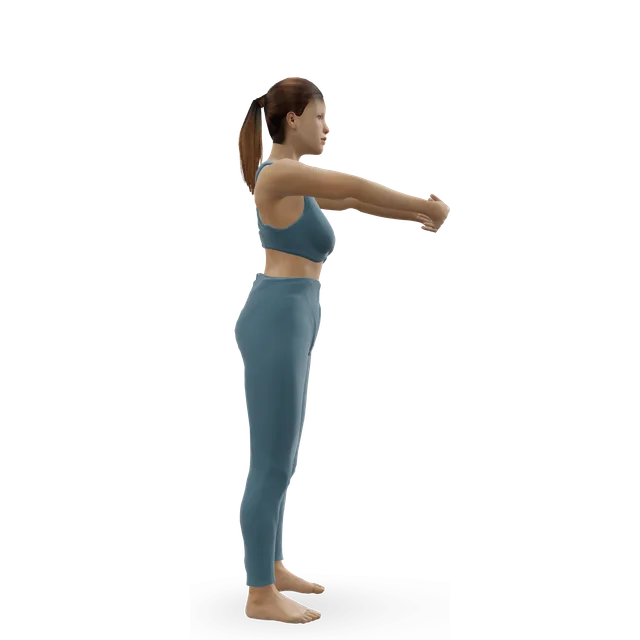
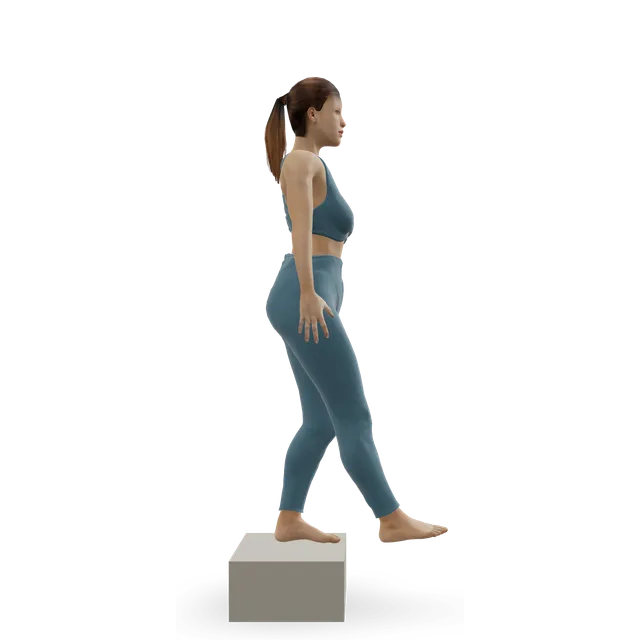
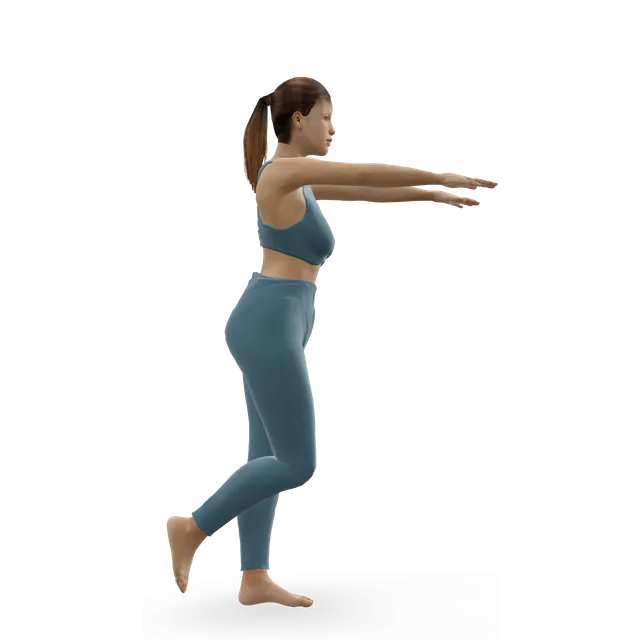
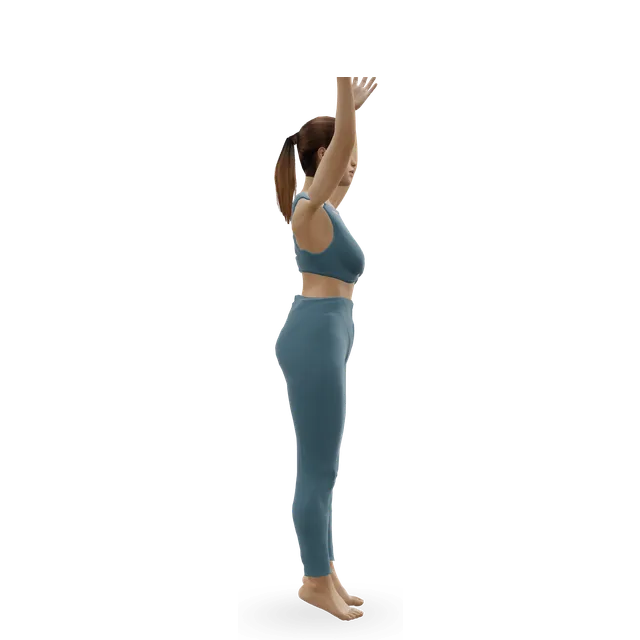
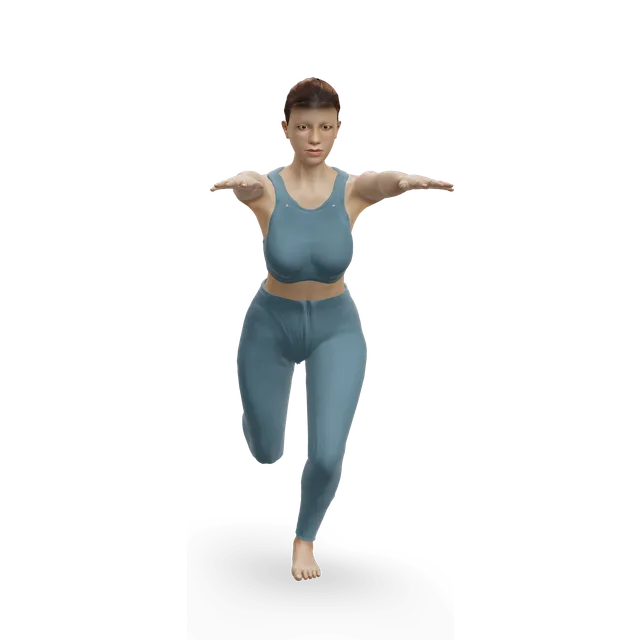
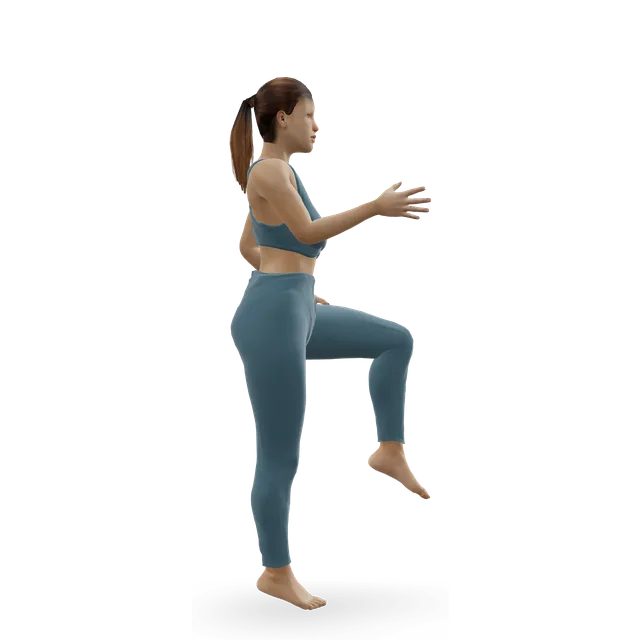
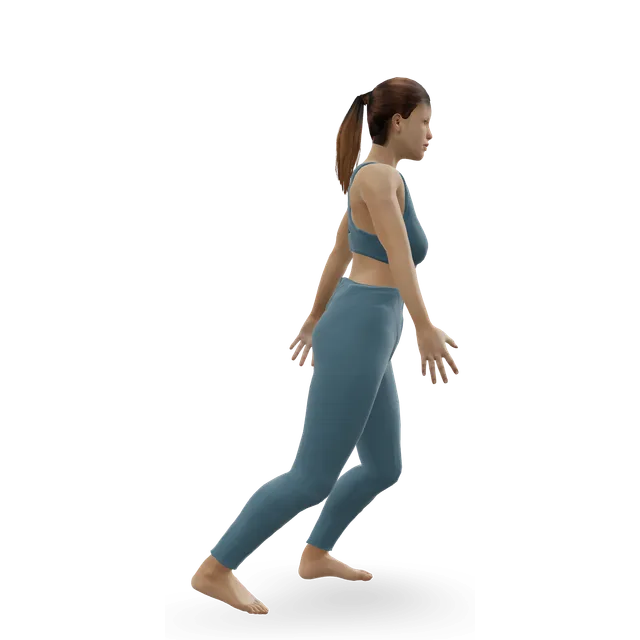
In two small trials from one research group (70 and 42 people) after a trim for a worn tear, 12 weeks of exercise therapy reduced pain and improved knee function more than no structured rehab, and in the smaller trial the gains held at 12 months. A review of 18 trials found that adding outpatient physiotherapy to a home programme improved function scores (by about 10 points) and knee bend (by about 9°), though the trials had a moderate to high risk of bias. The US physical therapy guideline found home and supervised programmes gave similar results for what patients reported, with better hop and jump results after supervision.
In practice, many NHS hospitals give a home programme after a straightforward trim, without routine physiotherapy, and refer you if you're struggling. So do the exercises, and ask for physiotherapy if you're not progressing.
Sources 19, 20, 21, 22, 14, 15
Years after a trim, exercise still paysEmerging evidence
In a small trial of people 3 to 5 years after a trim (45 randomised, 30 finished), 4 months of supervised exercise 3 times a week improved one-leg hopping and thigh strength compared with no exercise, and a second report from the same trial found a better marker of cartilage health on MRI. It's one small study, so treat it as encouraging rather than settled. The US physical therapy guideline recommends progressive knee and hip strength work and balance training after meniscus surgery.
Sources 23, 24, 22
After a repair: the evidence on early weight and movement is thinMixed evidence
How soon to load and bend the knee after a repair has been tested in only one small randomised trial. In 60 people with a tear near the outer edge, repaired on its own, 'free' rehab (no brace, bending limited to 90° and the foot only touching down for 2 weeks, then no limits) did no worse than 6 weeks in a hinged brace with the foot only touching down. The repair hadn't fully healed in 28% against 36%, a difference that could be chance, knee scores were similar at 2 years, and 11 people were lost to follow-up. Reviews of mostly small, non-randomised studies found early movement and weight weren't linked to more failures; the most common plans start movement in the first week, reach full movement at 6 weeks, and reach full weight at 4 to 6 weeks.
Complex tears may be treated more cautiously. A 2025 review of 313 people found similar failure rates with early weight (24%) and restricted plans (28%), but warned that early weight has to be balanced against the risk of failure, particularly in complex tears, and a 2026 review found more cautious approaches did better for complex tears. Root repairs usually need longer on crutches. So your team's protocol, set for your tear and your repair, comes first; this plan works inside it.
Sources 25, 26, 27, 28, 29, 30, 4
For worn tears, surgery did no better than sham surgery or exerciseStrong evidence
This is the decision our meniscus tear guide covers; here it is in brief. In the Finnish FIDELITY trial, 146 people aged 35 to 65 with a worn tear and no arthritis had either a trim or a sham operation, and the trim was no better at 12 months. At 5 years there was still no benefit, X-ray signs of arthritis had progressed in 13% more people after the trim (a difference that could be chance), and on MRI the odds of bony spurs growing were nearly 3 times higher.
In three trials comparing exercise or physiotherapy with a trim (140, 321 and 351 people, mostly in middle age), results matched from 6 months to 5 years, though 19% to 30% of the exercise groups went on to have surgery. Pooling the individual results of 605 people in four trials found surgery made a small difference to pain at 2 years (2.5 points out of 100) and none to function, and no group that benefited could be found.
Sources 31, 32, 33, 34, 35, 36, 37, 38
Younger adults: early surgery wasn't better eitherEmerging evidence
In two trials in younger people, early surgery wasn't better than exercise with the option of surgery later: in Denmark (121 people aged 18 to 40) at 12 months, and in the Netherlands (100 people aged 18 to 45 with tears from an injury) at 2 years, where knee scores were identical (78 out of 100). 26% and 41% of the exercise groups later had a trim. UK guidance still advises surgery first for a locked knee, or for a tear after an acute injury that could be repaired.
Sources 39, 40, 8, 9
Back to sport: weeks after a trim, months after a repairEmerging evidence
In a 2026 review of athletes, the average time back was 2.1 months after a trim and 5.8 months after a repair; 98% and 97% returned to sport, and 84% and 81% to their previous level. Another review found most athletes back at their previous level 7 to 9 weeks after a trim and 5.6 months after a repair on its own, and a third found 83% back after a repair, at 8.7 months on average. The AAOS reports return rates of about 91% to 95% after repairs, at about 8 months on average.
Six months was the most common point for allowing sport after a repair, usually set by time alone rather than tests. These figures come mostly from case series, so treat them as rough guides.
Sources 41, 42, 43, 4, 28
Clot prevention: usually not needed after a short trimStrong evidence
NICE says medicine to prevent clots is generally not needed after keyhole knee surgery when the anaesthetic lasts under 90 minutes and your clot risk is low, and should be considered for 14 days when it lasts longer or your risk outweighs your bleeding risk. Some UK guides use a compression stocking for 2 weeks; wear one if you were given it.
Sources 44, 1, 45