Knee osteoarthritis usually shows up from your mid-40s as pain with activity such as walking, stairs and getting out of a chair, and morning stiffness that wears off within half an hour.
Every major guideline puts exercise first, with weight loss if you carry extra. On average it improves pain and function by a modest amount, and the best programme is the one you will stick with.
Exercise is for pain that has been checked or is clearly mild and settling.
Get urgent medical help if
Leg pain or swelling with breathlessness or chest pain: call 999 or go to A&E, and do not drive yourself. It can be a blood clot that has reached the lungs.
Back or leg symptoms with numbness around the genitals or bottom, new trouble controlling your bladder or bowels, or severe or worsening weakness or numbness in both legs.
A hot, red or swollen knee with sudden severe pain, a very high temperature, or feeling hot, cold or shivery. This can be a joint infection.
You cannot move the knee or put any weight on it, or it is very painful, badly swollen or has changed shape.
You hurt your knee and cannot take 4 steps, or you are 55 or over and hurt it in a fall: get it checked the same day for a broken bone.
Throbbing pain and swelling in one calf or thigh with red or darkened skin or swollen veins, or sudden worse pain and swelling around a lump at the back of the knee (a possible clot or a burst Baker's cyst).
The knee locks, gives way or clicks painfully. Painless clicking is normal.
See a doctor or physiotherapist if
Knee pain that has not improved within a few weeks of looking after it at home. Many areas offer NHS physiotherapy without a GP referral.
Numbness, tingling or weakness that travels down the leg from the back. That points to a nerve (sciatica) rather than the knee.
Understand it
Most people do not need an X-rayStrong evidence
NICE says osteoarthritis can be diagnosed without imaging in people aged 45 or over who have activity-related joint pain and either no morning stiffness or stiffness lasting 30 minutes or less. Imaging is for when something does not fit.
Wear and tear? Walking, running and cartilageEmerging evidence
In 1,212 people aged 50 and over with knee osteoarthritis, those who walked for exercise were less likely to develop new frequent knee pain. Recreational runners had lower rates of hip and knee arthritis (3.5%) than non-runners (10.2%) or competitive runners (13.3%), though these are associations that other factors may explain.
In 9 trials, exercise that loads the knee did not seem to harm cartilage, though the evidence was low quality. Using the knee is not wearing it out.
NICE: try a gel or cream anti-inflammatory (a topical NSAID) first; paracetamol and weak opioids are not routinely offered, and glucosamine is not offered. Manual therapy only alongside exercise. No acupuncture, dry needling, TENS, ultrasound, laser or electrical muscle stimulation. Consider a walking aid. Arthroscopic washout or debridement is not offered.
OARSI also ranks topical NSAIDs highly, conditionally advises against paracetamol and strongly advises against opioids.
Braces and tape: the American College of Rheumatology strongly recommends a knee brace for selected people and conditionally recommends kinesiotape; NICE says do not offer them routinely unless the joint is unstable and exercise alone is not enough. Paracetamol: the ACR conditionally supports it; NICE and OARSI advise against routine use.
NICE: offer everyone therapeutic exercise tailored to them, such as local muscle strengthening and general aerobic fitness, and consider supervised sessions. NICE also tells people that joint pain may rise at first and that regular exercise still helps.
The ACR strongly recommends exercise, weight loss if overweight, self-management programmes, tai chi and a cane where needed, and conditionally recommends balance exercise and yoga. OARSI makes education and structured land-based exercise the core treatments.
The 2024 Cochrane review (139 trials, 12,468 people) found pain about 9 points better on a 0 to 100 scale than placebo or attention control (low certainty), and function about 11 points better (moderate certainty). Against usual care, pain was about 13 points better.
The authors judged these gains of uncertain clinical importance, because they did not clearly reach the change most people notice. They found no differences between types of exercise, and exercise may slightly increase side effects, mostly minor ones.
Thigh-focused, supervised programmes may do moreMixed evidence
An analysis of 48 trials found programmes aimed at the quadriceps, and supervised exercise at least 3 times a week, reduced pain more, and benefits were similar whatever the X-ray severity or starting pain. The 2024 Cochrane review found no link with the number of sessions, so this is not settled. Weak quadriceps are linked with developing knee arthritis, which is one reason the plan leans on them.
Denmark's GLA:D programme combines education with 12 supervised exercise sessions, twice a week for 6 weeks. In its national registry, knee pain fell by 13.8 points on a 0 to 100 scale and the gains held at 12 months, with fewer people taking painkillers. There was no comparison group, so the true effect is probably smaller.
If you carry extra weight, NICE says any loss is likely to help and 10% is likely to help more than 5%. Losing more than 5% within about 20 weeks improved disability. In the 18-month IDEA trial of 454 adults, diet plus exercise (11.4% weight loss) gave less pain and better function than diet or exercise alone.
In 100 people eligible for a knee replacement, surgery plus 12 weeks of non-surgical care beat non-surgical care alone at 12 months, but brought more serious adverse events (24 against 6). Only 26% of the non-surgical group went on to have a replacement within the year.
So exercise comes first and many people avoid or delay surgery; a replacement helps people who still struggle.
0 to 2 is safe, up to 5 is acceptableEmerging evidence
Rate your knee pain from 0 to 10 during and after exercise. In the pain-monitoring model used in knee trials, 0 to 2 counts as safe, up to 5 as acceptable and above 5 as too much. Aim for 0 to 3 most of the time.
By the next morning your knee should be back to its usual level. If it is not, drop back one step next time (fewer sets, a shallower range, a lower step), not to nothing. Over the weeks pain should hold steady or ease; that last check is our suggestion rather than a tested rule.
Some knee programmes say you should feel no pain at all. The trials allowed some, and a meta-analysis found exercising into some pain did no worse than pain-free exercise. NICE says joint pain may rise when you start exercising with arthritis, and that regular exercise still helps in the long run.
Sharp, catching or giving-way pain, or new swelling, is a reason to stop and get it checked.
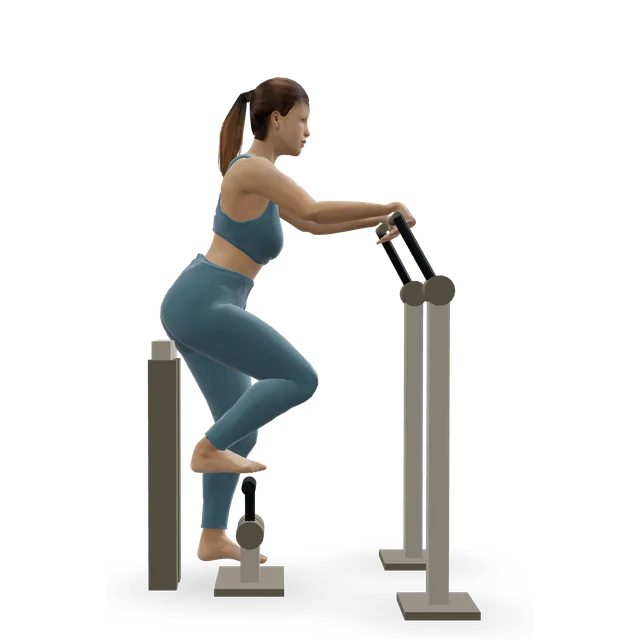
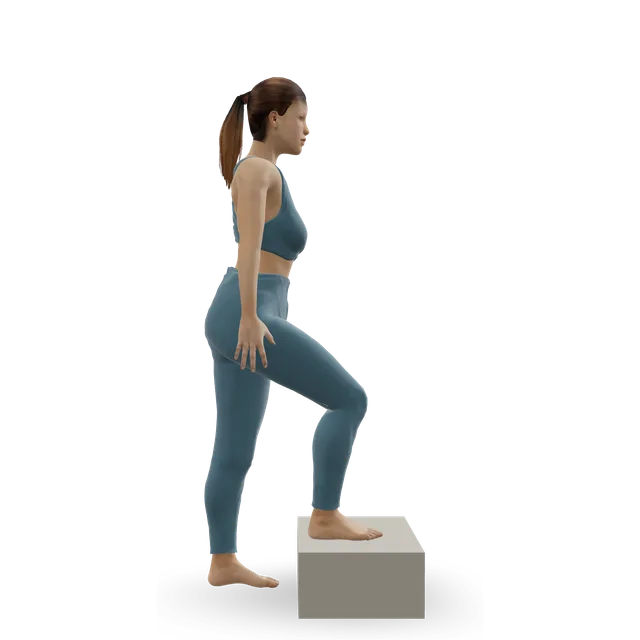
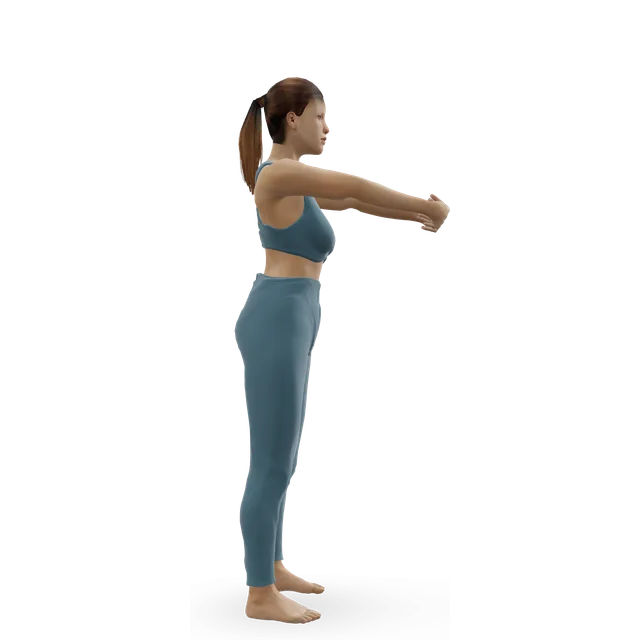
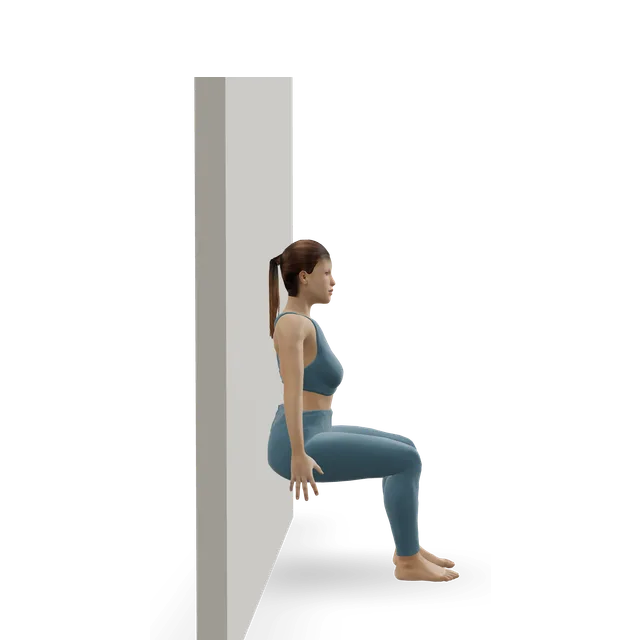
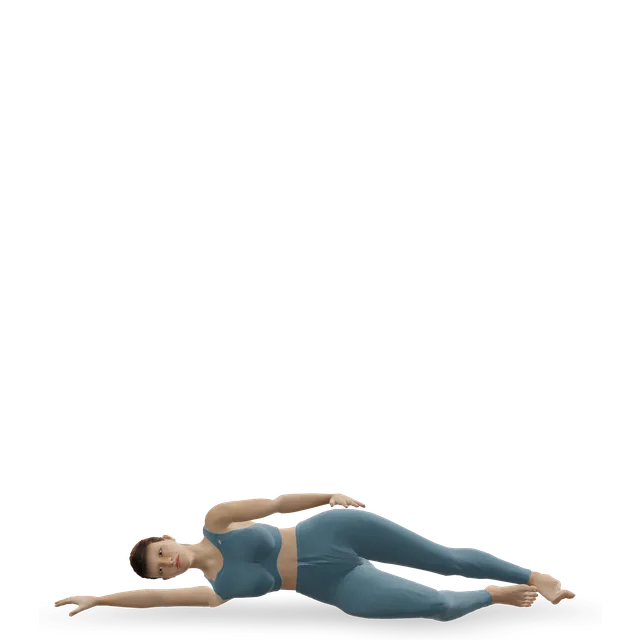
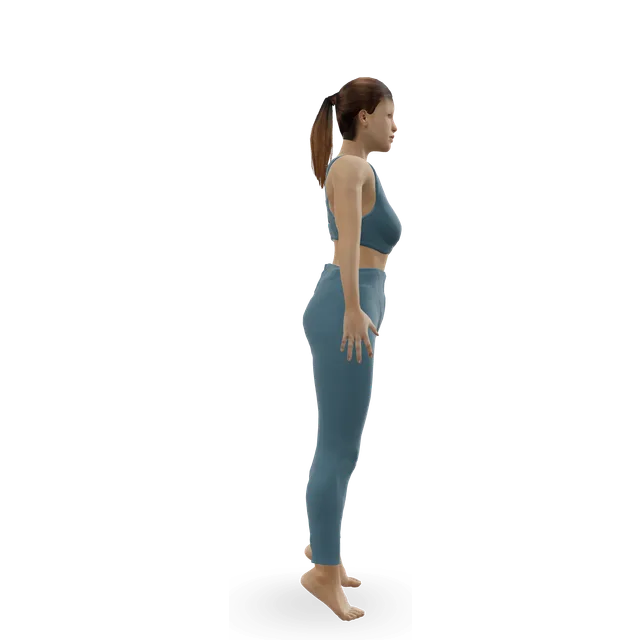
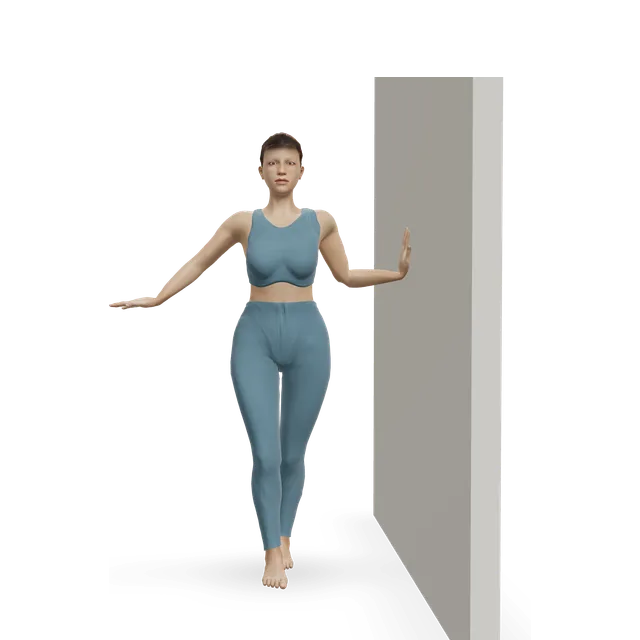
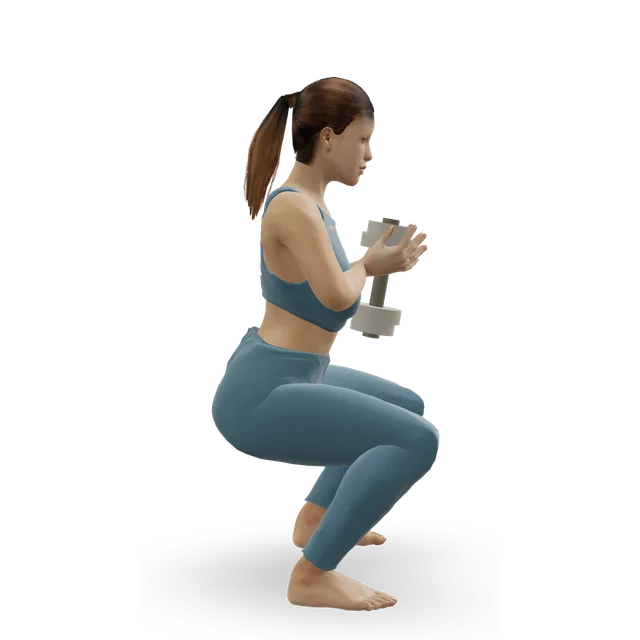
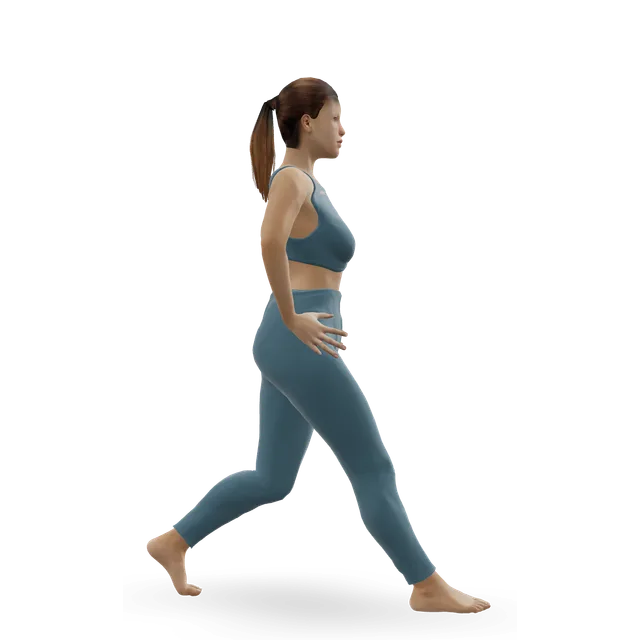
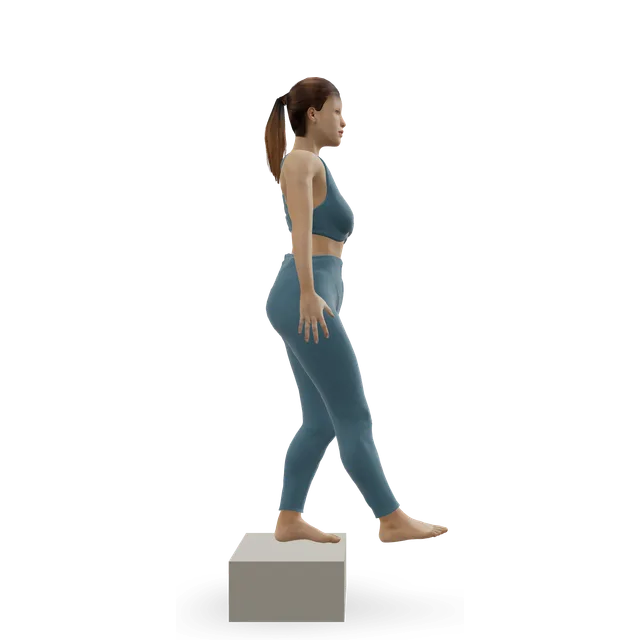
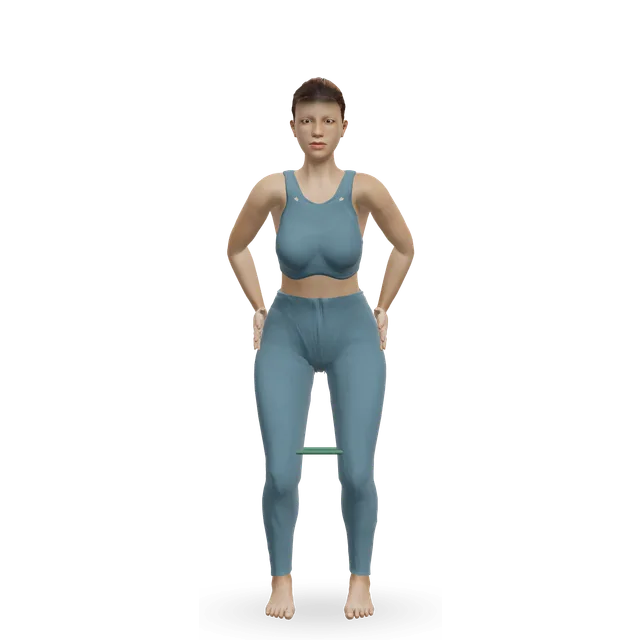
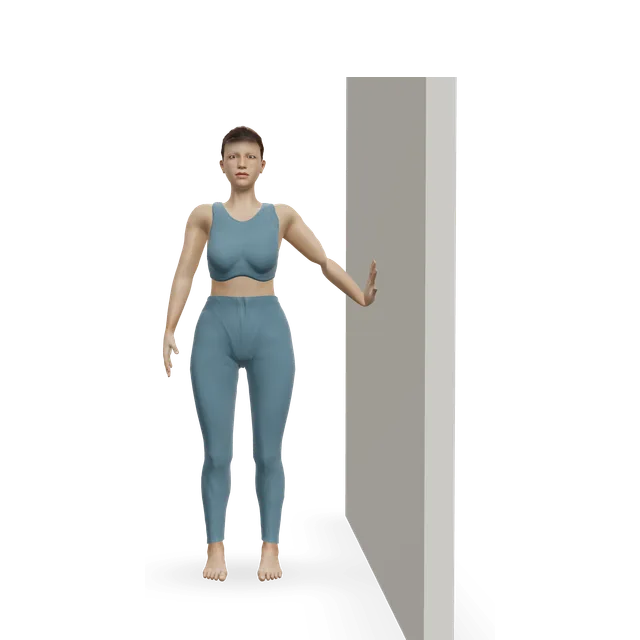
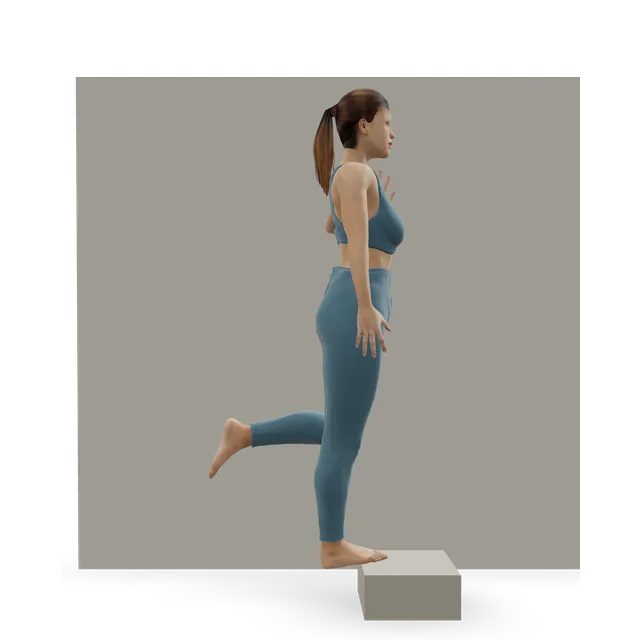
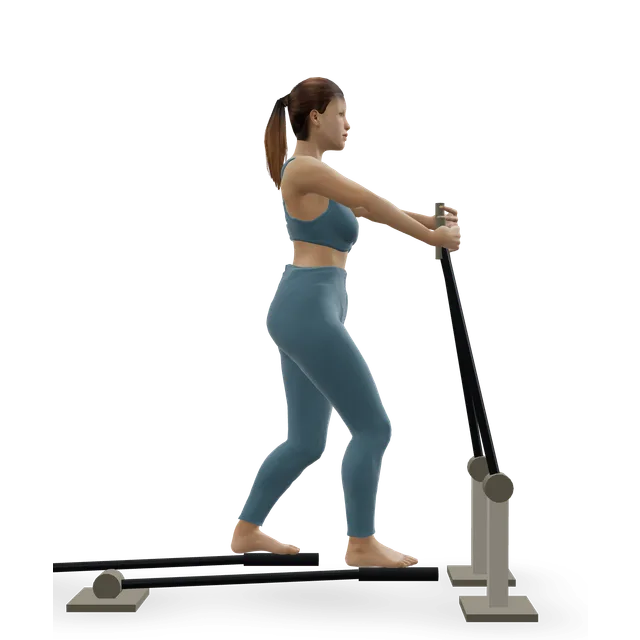
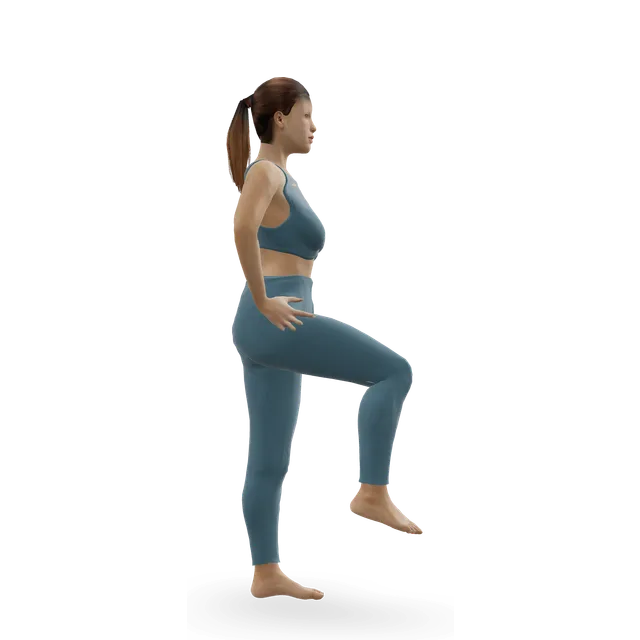
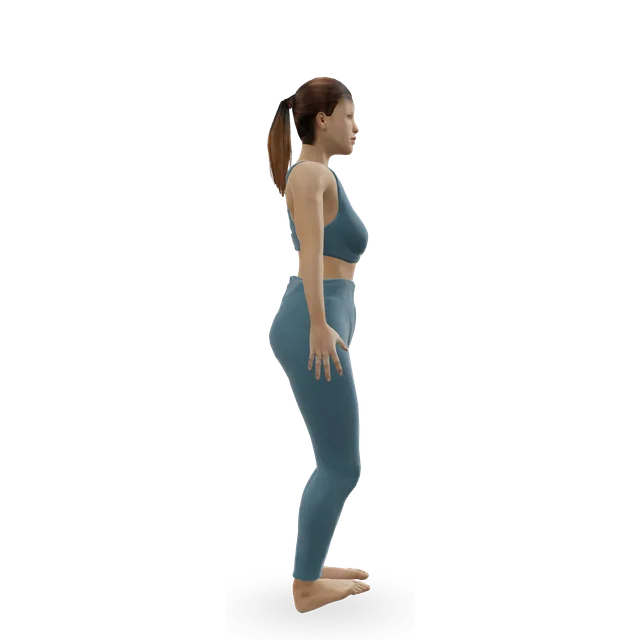
Start at the first stage. Each move opens a full guide with a 3D demo.
Stage 1
Start: get the thigh working
Weeks 1 to 2. Strength 2 or 3 days a week (the quad sets daily), with walking or cycling on most days. Doses are editorial starting points; the structure resembles GLA:D.
Move on when: Add a little load or a harder option every week or two while the knee stays within the pain rule.
Follow along: a timer, a cue and the next move, one step at a time.
What to change for now
Exercises to avoid? Let the pain rule set the depth
No exercise has been shown to damage the joint. Deep loaded squats, high-impact jumping or long downhill walks may flare some knees, so adjust the depth and volume rather than banning them.
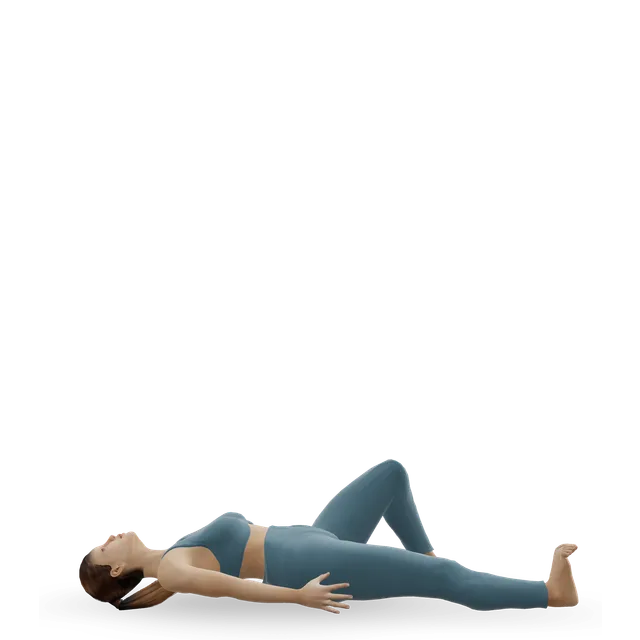
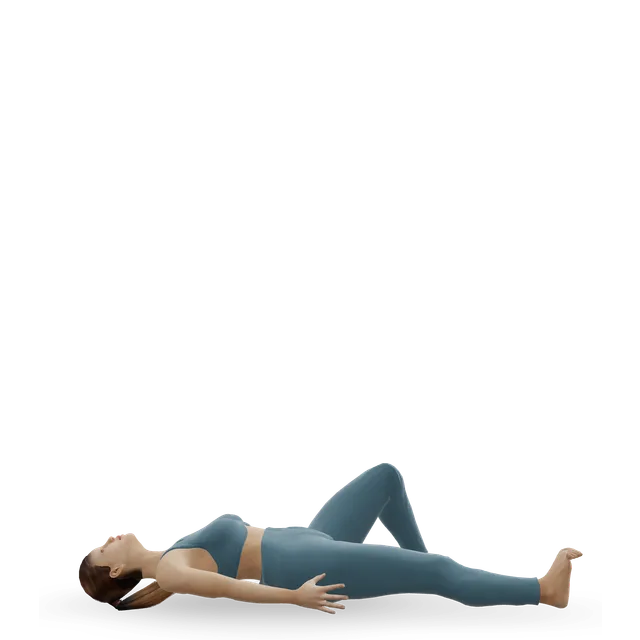
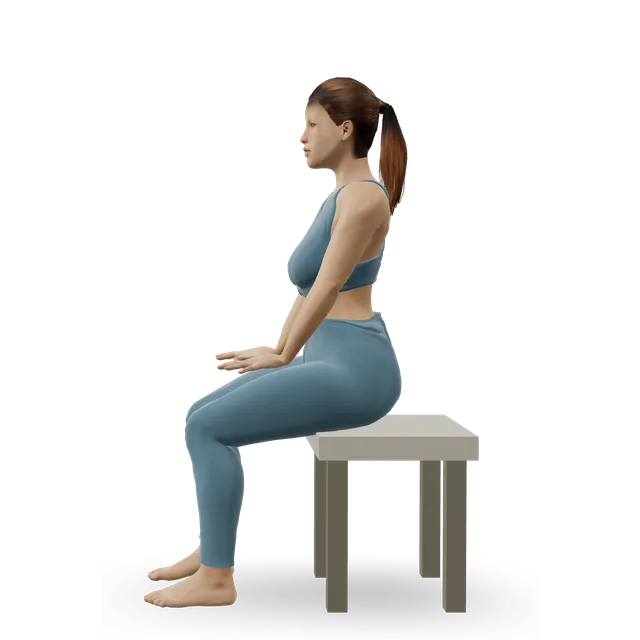
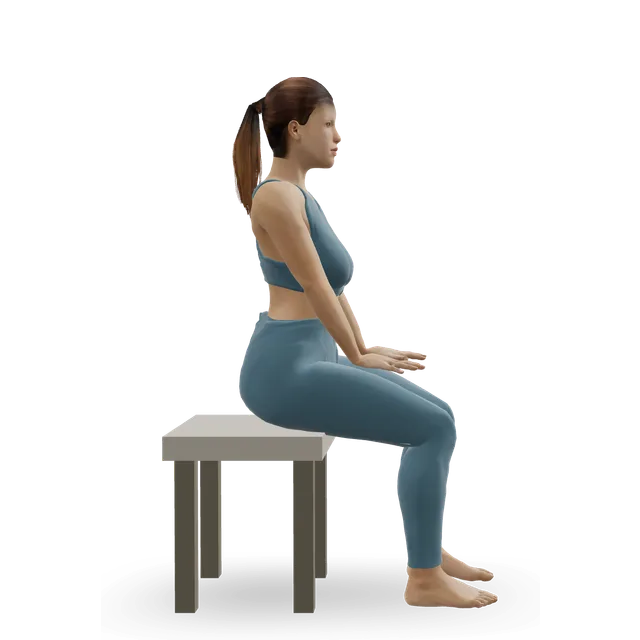
Quad sets, straight-leg raises and heel slides can all be done lying down, and the seated knee extension and sit-to-stand need only a chair. They are a good start on a bad day, not the whole plan.
Other ways in: tai chi, water and cyclingStrong evidence
The ACR strongly recommends tai chi, and OARSI supports water-based exercise for knee arthritis. Both are good alternatives if land exercise hurts too much at first; cycling is another. We have no demos for them yet.
Yes. Walkers with knee osteoarthritis were less likely to develop new frequent knee pain, and walking is the most-studied aerobic exercise in arthritis trials. Start with short walks at a comfortable pace and build the time gradually.
What exercises should I avoid with knee arthritis?
None has been shown to damage the joint. Choose by the pain rule: deep loaded squats, jumping or long downhill walks may flare some knees, so make them shallower or shorter rather than dropping them for good.
Can I do knee arthritis exercises in bed?
Quad sets, straight-leg raises and heel slides can be done lying down. They are a start, not the whole plan: standing strength work brings the bigger gains.
What are the best knee arthritis exercises for seniors?
Chair stands, seated knee extensions, step-ups, bridges and balance work, built up gradually. The same plan works at any age; start at stage 1 and use the easier option shown under each move.
Will exercise reverse knee arthritis?
There is no evidence that it rebuilds cartilage. On average it improves pain and function, and loading exercise did not appear to harm cartilage in trials.
Does running cause knee arthritis?
Recreational runners had lower rates of hip and knee arthritis than non-runners in a meta-analysis. These are associations, but they do not support the idea that running wears knees out.
Do I need a knee replacement?
Exercise comes first. In a trial of people eligible for a replacement, surgery plus exercise did better than exercise alone but brought more serious adverse events, and only about a quarter of the exercise group had surgery within the year. Talk it through with your doctor if exercise and weight loss have not helped enough.
How long before exercise helps knee arthritis?
Usually weeks. GLA:D runs for 6 weeks, and its registry found the gains held or grew at 12 months. Keep going after the first 6 weeks.
Exercise education, not a diagnosis or treatment plan. It is written from the guidelines and studies listed above; review by a clinician is pending. If your pain follows an injury, is severe, is getting worse, or comes with any warning sign listed on this page, get it assessed. Health disclaimer.