Why does my knee hurt going down stairs?
Going down loads the knee more than walking, about three and a half times body weight against about two and a half on the flat in people with knee implants, and your thigh muscle has to control the lowering. Pain around or behind the kneecap going down is usually kneecap pain; an achy, stiff knee from mid-life is often arthritis. For now, lead with the sore leg going down and use the rail.
Why does my knee hurt going up stairs?
Going up loads the knee about three times body weight and asks the thigh to straighten it against your weight. Kneecap pain and arthritis both commonly hurt going up as well as down, and pain at one point just below the kneecap is more often a tendon. Lead with the good leg going up.
Why does my knee hurt on stairs but not when walking?
Stairs load the knee more than walking on the flat, so they show up a sore knee first: in a large study, "using stairs" was the first activity to become painful as knee pain began. It's a sign to build strength, not a sign that stairs are harming your knee.
How should I go up and down stairs with knee pain?
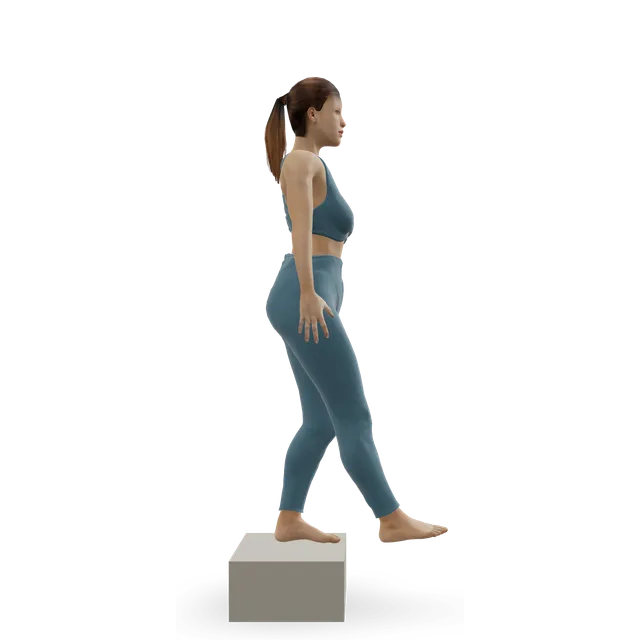
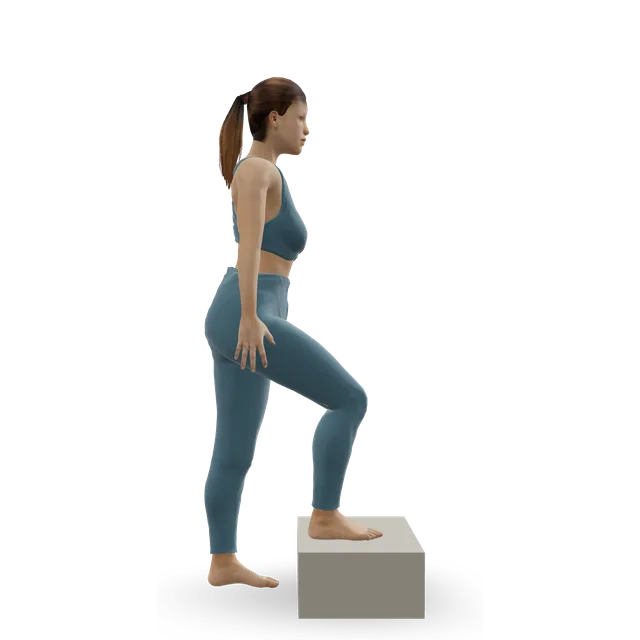
One step at a time, with the handrail: good leg first going up, sore leg first coming down, as NHS inform advises. If you use a stick, hold it in the hand opposite the sore knee, and wear flat, supportive shoes rather than slippers. Step over step comes back as the knee settles.
Are stairs bad for your knees?
Not as far as the evidence goes, though it's indirect. Climbing stairs at work wasn't linked with knee arthritis in a German study, while years of heavy kneeling, lifting and long daily walks at work were linked with it in a British one, and walking for exercise went with less new knee pain in people with arthritis. Stairs are a heavy load, which is why they hurt a sore knee and why they also build strength.
Is climbing stairs good for knee arthritis?
Using the stairs keeps the thigh working, NHS inform's knee arthritis exercises include a step-up, and exercise improves function in knee arthritis. Use the handrail and the one-at-a-time technique while it's sore, and build back to step over step.
What exercises help knee pain on stairs?
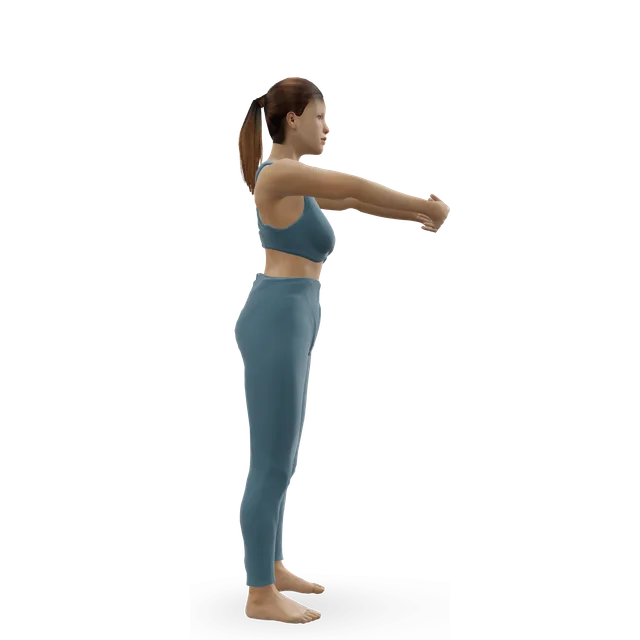
Thigh and hip strengthening: exercise improves knee arthritis function by about 11 points out of 100, and hip and knee exercises together are recommended for kneecap pain. The plan starts with NHS inform's quad sets, leg raises and chair squats, then step-ups, then step-downs, which practise the controlled lowering that going downstairs needs.
Should I wear a knee brace or sleeve for stairs?
Not as the main treatment: NICE doesn't routinely offer braces or supports for knee arthritis unless the joint is unstable and exercise isn't enough, and for kneecap pain the evidence on bracing and taping is uncertain. A rail and the strength plan do more.
Why does my knee give way going down stairs?
A feeling of the knee giving way is common with kneecap pain and arthritis, and the controlled lowering needs strong thigh muscles. A knee that actually gives way, locks, or swelled after a twist needs checking: get help from NHS 111, and hold the rail until it's been assessed.
Is pain behind the kneecap on stairs runner's knee?
Often, yes: pain around or behind the kneecap, worse on stairs, squatting, kneeling and after sitting, is kneecap (patellofemoral) pain, which our runner's knee guide covers. It happens in people who don't run too.
Do I need an X-ray or MRI for knee pain on stairs?
Usually not at first: NICE diagnoses knee arthritis from symptoms without imaging, and meniscus tears are common in knees that don't hurt. A scan is for a knee that locks, gives way or swelled after a twist, or isn't settling with a good programme; after a fall, health professionals use set rules to decide on an X-ray.
How long until stairs stop hurting?
It depends on the cause, and no one can promise a date. In one trial, most young women with kneecap pain were back to their sport without pain a year after a 12-week programme, and exercise improves function in arthritis. NHS inform suggests seeing a professional if a knee problem hasn't improved within 6 weeks.