Why does my hip hurt at night?
The commonest reasons are lying on a sore outer hip, which presses on the gluteal tendons, or lying on the other side with the top knee dropped, which squeezes them. Arthritis in the hip joint also often aches at night, at every stage. Pain that doesn't change whatever position you lie in, with a fever, weight loss or a history of cancer, is different and needs checking.
Why does my hip hurt when I lie on my side?
If it's the bony point on the outside of the hip, it's usually gluteal tendon pain, often called bursitis: lying on it presses the tendons against the bone. It's common, especially in women from mid-life, and about 15% of women aged 50 to 79 have it on one side. Lying on your back, or on the other side with a pillow between your knees, is the NHS advice.
What is the best sleeping position for hip pain?
On your back with a pillow under your knees, or on your good side with a pillow between your knees so the top leg stays level with your hip. Avoid lying on the sore side for now. From 28 weeks of pregnancy, go to sleep on your side, not your back.
Does a pillow between my knees help?
It stops the top leg dropping across your body, which squeezes the outer hip tendons, and NHS inform and an NHS hospital recommend it. One pillow may not keep the leg level, so try two. It hasn't been tested in a trial.
Is hip pain at night a sign of cancer?
Rarely. Night pain is common with arthritis and tendon pain, and on its own it's a poor warning sign. See a GP if bone pain is constant or worse at night, or comes with a lump, weight loss, a fever, tiredness or a past cancer; NICE asks GPs to offer blood tests for myeloma in people 60 and over with persistent bone pain.
Why does my hip hurt at night in menopause?
Outer hip tendon pain is commonest in women from mid-life, and NHS inform says hormone changes may play a part. In a trial in postmenopausal women, advice on avoiding squeezing positions plus exercise helped every group, and hormone therapy added benefit only in women with a BMI under 25. Decide on hormone therapy for its own reasons with your doctor.
How should I sleep with hip pain in pregnancy?
On your side, with pillows supporting your bump and between your knees. From 28 weeks, going to sleep on your back can double the risk of stillbirth, so turn back onto your side if you wake on your back. Call your midwife or GP if pelvic pain makes it hard to move around, turn over in bed or use the stairs.
Will a mattress topper help hip pain?
It hasn't been tested for hip pain. A softer surface or extra cushions under the hip may ease pressure if you can only sleep on the sore side, and a medium-firm mattress did better than a firm one for back pain. How you lie matters more than the mattress (our view).
Is it bursitis or arthritis?
Pain over the bony point on the outside of the hip, worse lying on it, on stairs and standing on one leg, points to the tendons. A deep ache in the groin or buttock, with stiffness and trouble with socks or getting out of a car, from 45, points to the joint. A GP or physiotherapist can usually tell them apart without a scan.
What exercises help hip pain at night?
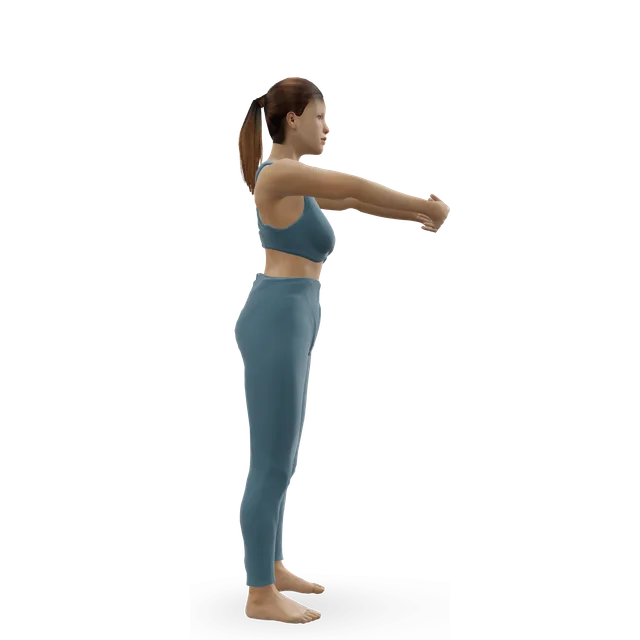
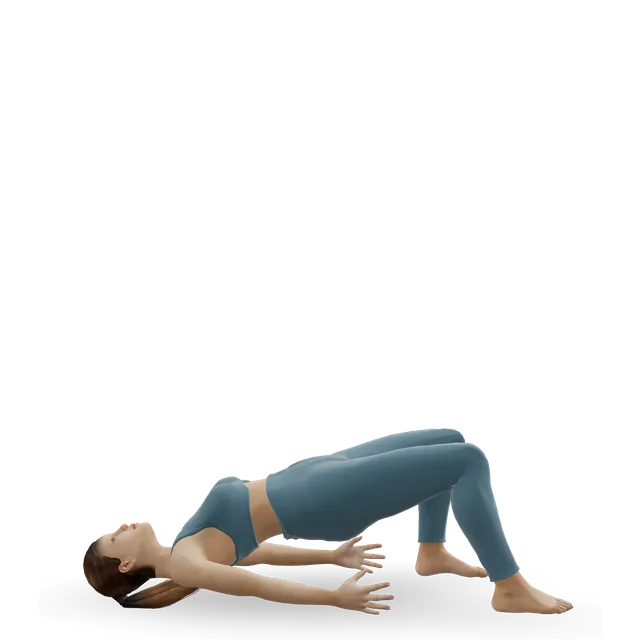
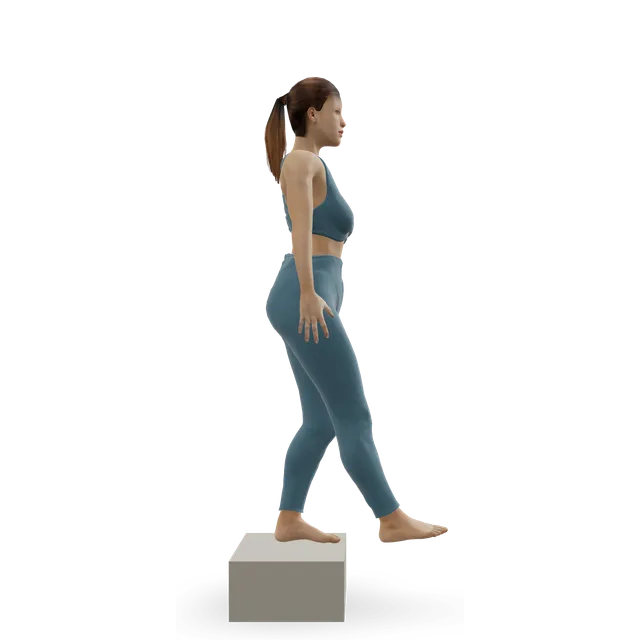
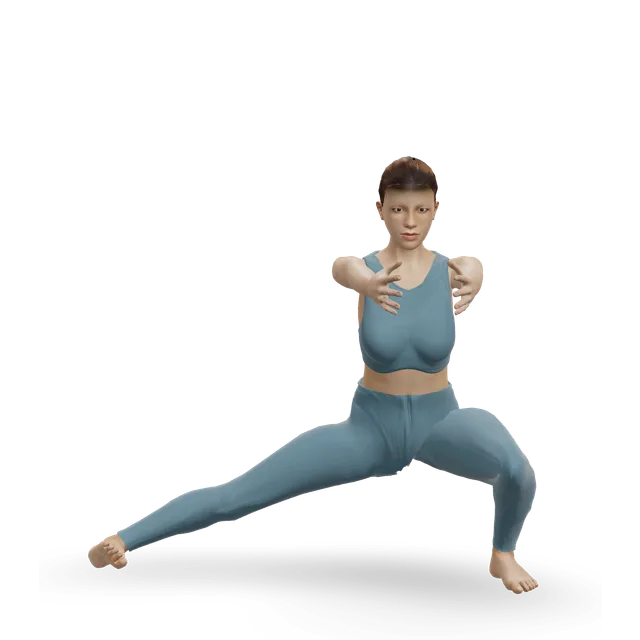
For outer hip pain, the LEAP programme of education plus exercise succeeded for 51 of 66 people at 8 weeks, against 38 of 65 after a steroid injection and 20 of 68 who waited. It starts with gentle holds and builds to single-leg strength without squeezing the tendon. For arthritis, strengthening and walking help a little and are a core treatment in NICE's guideline.
How long does outer hip pain take to go?
Often months: NHS inform says it can take 6 to 12 months of rehabilitation to settle, with flare-ups along the way, and in the LEAP trial education and exercise got more people better sooner than waiting. Talk to a professional if it isn't improving after 6 weeks. No one can promise a date.
Do I need a scan for hip pain at night?
Usually not: simple tests in the clinic identify outer hip tendon pain well, and NICE diagnoses hip arthritis without imaging from 45. A scan is for the warning signs, a possible stress fracture, or pain that isn't settling with risk factors for avascular necrosis.