Breaking up sitting: sensible guidance, weaker trial evidenceMixed evidence
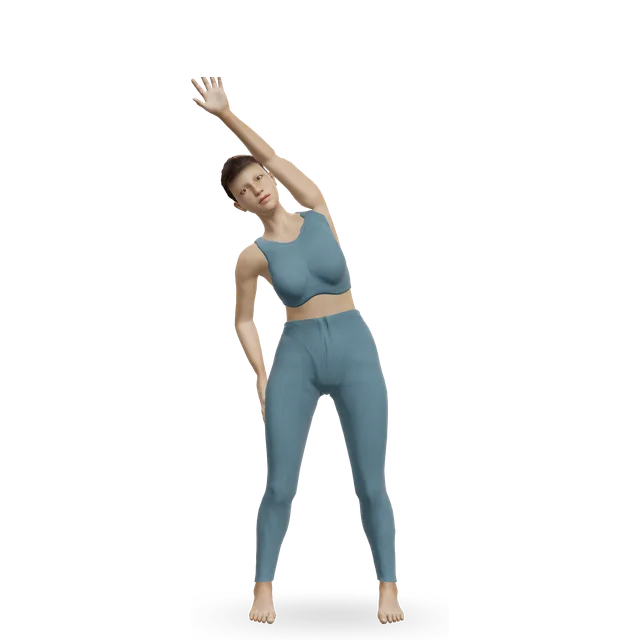
The Health and Safety Executive (HSE) says short, frequent breaks are better than long, rare ones: 5 to 10 minutes every hour is better than 20 minutes every 2 hours, ideally getting up and moving, or at least stretching and changing posture. That is a workplace standard, not a trial result. NHS inform says change positions regularly and find one that eases your pain.
A review of 11 trials found low-quality, conflicting evidence on breaks in general, but moderate-quality evidence that active breaks with a change of posture reduce pain and discomfort, without costing productivity.
Sources 26, 27, 24
Prompted breaks in office workers: big effects from one research groupEmerging evidence
Three trials in office workers at high risk of back pain in Bangkok, all from one research group, which we read as abstracts, found large effects. Prompts to take active breaks or shift posture cut new low back pain over 6 months (9% and 7% against 33%), sped recovery and cut recurrences over a year, and a seat cushion that encouraged shifting cut new back pain from 59% to 10%, though it didn't ease pain in people who already had it. The comparison groups had dummy seat pads.
A small Japanese trial of frequent stand-up breaks and brief exercise, in 29 office workers with long-lasting back pain, found no effect, though people took only 1 or 2 of the 5 planned breaks a day. Until other groups repeat the big numbers, treat them with caution.
Sources 28, 29, 30, 31
Exercise has the best evidenceStrong evidence
Across 249 trials, exercise reduced long-lasting low back pain by about 15 points out of 100 against no treatment, usual care or placebo, on moderate-certainty evidence, and no type clearly beat another. To stop it coming back, exercise with education roughly halved the chance of a new episode, while education alone, back belts and insoles didn't help. In 701 people who had recovered, a walking programme with education nearly doubled the time to the next episode (a median of 208 days against 112).
NICE says consider a group exercise programme, and the World Health Organization (WHO) recommends exercise programmes for long-lasting low back pain.
Sources 34, 35, 36, 22, 37
Exercise in office workers: one trial, from the same groupEmerging evidence
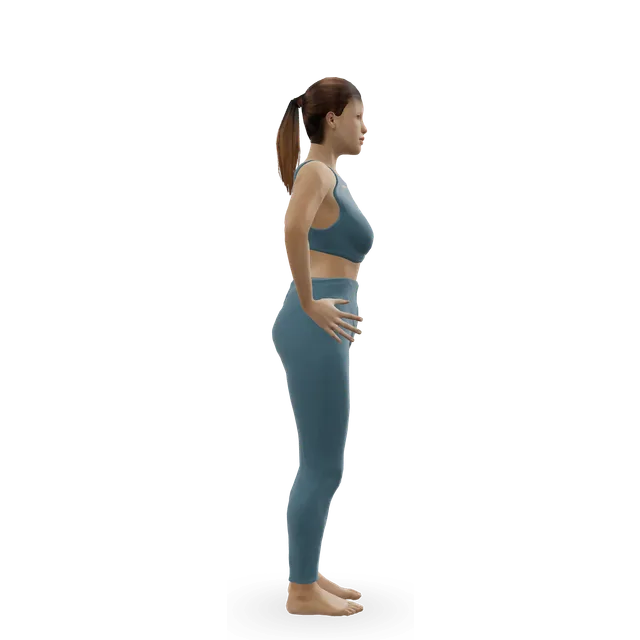
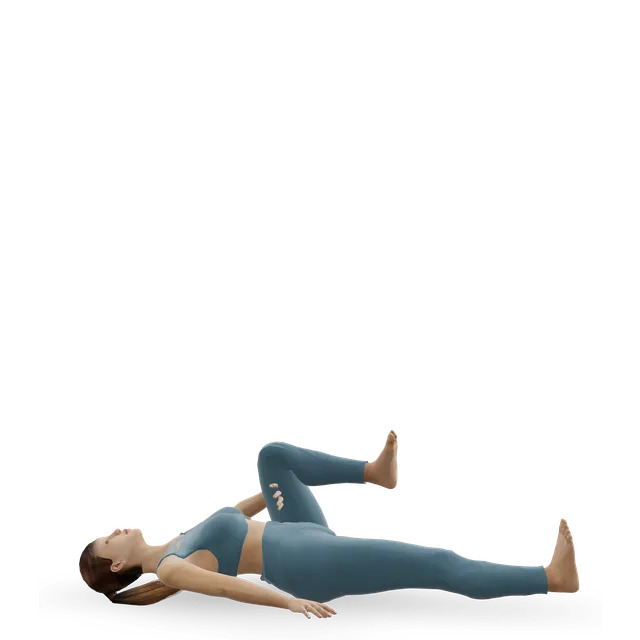
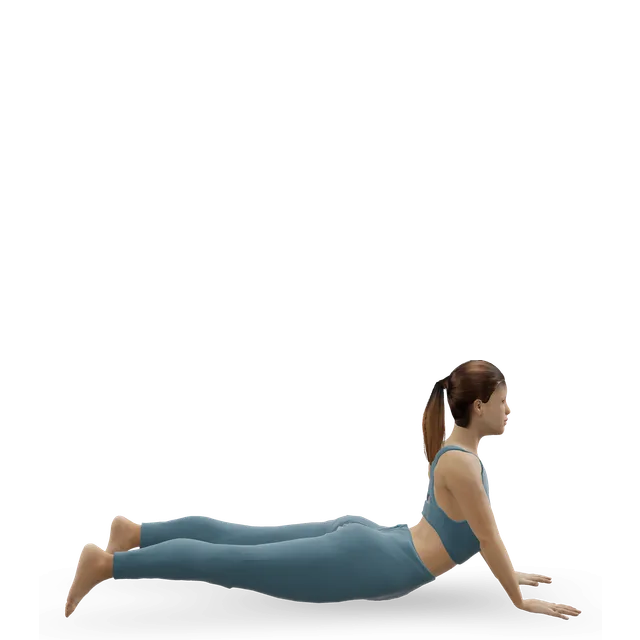
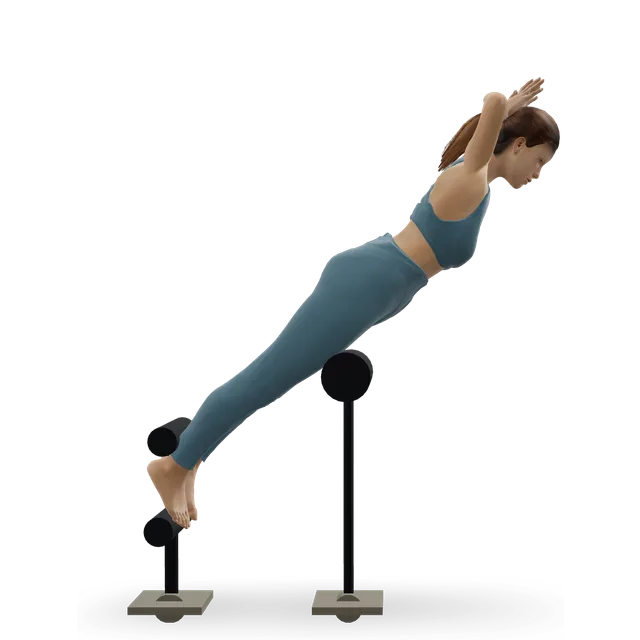
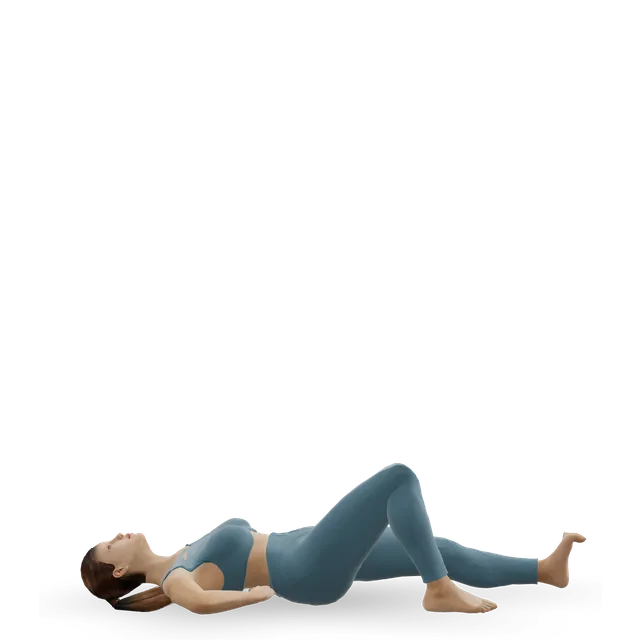
In 563 office workers with a stiff back or low trunk endurance, daily stretching plus endurance exercise twice a week cut new back pain over a year from 19.7% to 8.8%. The trial came from the same Bangkok research group as the break trials, and we read it as an abstract, which doesn't list the exercises, so our plan uses the trunk endurance moves from our back pain guide.
Source 32
Sitting time and the pain coming back: one cohortEmerging evidence
In one cohort of 250 people who had just recovered from low back pain, 69% had another episode within a year, and sitting for more than 5 hours a day was one of the things that predicted it, along with awkward postures and more than two earlier episodes. It's one study, so it can't show that cutting sitting time stops the pain coming back, but it fits with the longer studies, where sitting 3 hours or more a day went with more back-related disability, and with breaking sitting up.
Sources 33, 2
Chairs, lumbar rolls and cushions: thin evidence, for comfortMixed evidence
The direct evidence on chair supports is one trial and one lab study. In the trial, from 1991, 210 people with back pain, some with pain into the leg, who sat with a lumbar roll for 24 to 48 hours had less back and leg pain than people given a flat cushion; it didn't help people with spinal stenosis or a slipped vertebra (spondylolisthesis). In the lab study, a lumbar pillow changed the lower-back angle by about 3 degrees, and people didn't feel more comfortable.
The Cochrane review of "lumbar supports" is about braces and corsets worn on the body, not chair supports, and found they don't prevent back pain. NICE says don't offer belts or corsets, and the WHO advises against lumbar braces, belts and supports.
Sources 38, 39, 40, 22, 37
Sit-stand desks help a little; standing all day doesn'tEmerging evidence
Across 8 studies, mostly in workers without back pain, sit-stand desks reduced low back discomfort slightly, by roughly 0.3 to 0.5 points on a 10-point scale. In one small trial of 46 people with long-lasting back pain, a sit-stand desk eased pain over 3 months. But standing for long spells at a desk wasn't less painful than sitting in 3 lab studies, and standing for more than 4 hours a workday went with more low back symptoms (about a third higher odds). Exercise balls and moving seats haven't been shown to treat back pain on their own.
Sources 41, 42, 43, 44, 45