Facet joint pain in the lower back: what it is, what helps, and what injections can do
The facet joints are small pairs of joints at the back of each level of the spine. They can be a source of low back pain, and facet joint arthritis often appears on scan reports, but it is also common in people with no back pain, and no examination test or scan can show that your pain comes from these joints.
That's why facet joint pain is treated like other back pain that lasts: stay active and build strength, using the direction that feels easier as a guide for now. This guide also covers what trials found on facet injections and radiofrequency denervation, where the National Institute for Health and Care Excellence (NICE) and a 2025 international guideline disagree, and the warning signs.
Exercise is for pain that has been checked or is clearly mild and settling.
Get urgent medical help if
Call 999 or go to A&E: loss of feeling or numbness around the genitals or bottom, new trouble peeing or controlling your bladder or bowels, changes in genital sensation during sex or problems with erections or orgasm, or pain, tingling, weakness or numbness in both legs. These are signs of cauda equina syndrome, which needs treating in hospital urgently. Don't drive yourself.
Call 999 or go to A&E: back pain with chest pain, or back pain that started after a serious accident, such as a car crash.
Call 999: sudden, severe pain in the tummy or back, which can come with breathlessness, pale or grey skin, or collapse. It can be a burst abdominal aortic aneurysm, most common in men aged 65 or over and in people who smoke or used to smoke.
Same day (GP or NHS 111): back pain and you feel hot, cold, shivery or generally unwell, or severe pain that starts suddenly or is getting worse quickly.
Same day: you have or have had cancer, and new back pain that is severe and doesn't let up, is getting steadily worse, is worse at night and disturbs your sleep, is worse when you cough, sneeze or strain, or comes with tenderness over the spine. Contact your cancer team or GP urgently. With cancer, new weakness, difficulty walking, numbness or bladder or bowel problems are an emergency.
See a doctor or physiotherapist if
Back pain that hasn't improved after a few weeks of looking after it at home, stops you doing day-to-day activities, or worries you.
Unexplained weight loss, or a lump, swelling or change in the shape of your back.
Pain that doesn't improve with rest or is worse at night, or pain that is worse when you sneeze, cough or poo.
Back pain that started before 45 and has lasted more than 3 months, especially if it wakes you in the second half of the night, comes with buttock pain, eases with movement or within 48 hours of anti-inflammatories, or you have psoriasis or a parent, sibling or child with spondyloarthritis. These can point to inflammatory back pain (axial spondyloarthritis, such as ankylosing spondylitis); the National Institute for Health and Care Excellence (NICE) refers people with four or more of these features to a rheumatologist.
Unexplained back pain with muscle spasms, loss of height, or a curved spine or change in posture: a possible osteoporotic spinal fracture, more likely with older age or long-term steroid tablets.
After a facet joint injection or radiofrequency denervation: contact your GP or NHS 111 if there is warmth, redness or tenderness where the needles went in, or you feel hot and unwell. Leg weakness or numbness afterwards should settle within a few hours; if it doesn't, contact the pain clinic or NHS 111.
Understand it
What the facet joints are
Behind each pair of vertebrae sit two small facet joints, one on each side, which guide and limit twisting and sideways movement. An NHS pain clinic describes them as "small linking joints" that "usually cause no pain at all", but that can hurt "if they become inflamed or arthritic".
The idea of facet joint pain is that these joints are the main source of someone's back pain. The Chartered Society of Physiotherapy (CSP) adds a wider point: "In most cases, it is not possible to identify the exact cause of back pain", and "any kind of structural damage is rare".
Symptoms don't identify it. In 176 people with long-lasting back pain given anaesthetic injections into the facet joints, 47% got relief from a first injection but only 15% from a second, confirming one, and relief wasn't linked with any symptom or set of symptoms. The authors questioned whether a "facet syndrome" exists at all.
Examination tests don't identify it either. A review of 41 studies found none of the tests for facet joint pain informative, and an update of 62 studies, 14 of them on the facet joints, found no physical examination test that helped; only a type of nuclear bone scan shifted the odds a little. Pain clinics use anaesthetic injections called medial branch blocks as a test, but as the first study shows, a single block can mislead.
Arthritis on a scan is common without painStrong evidence
In a US community study, CT (computed tomography) scans showed facet joint arthritis in 60% of men and 67% of women, rising from about a quarter of those under 40 to 89% of those in their 60s. It was commonest low down, at the L4 and L5 level, and it wasn't linked with back pain. A review of scans of people without back pain estimated facet degeneration in about 1 in 5 people at 40 and half at 60, though few studies looked at it.
NICE says not to scan people with suspected facet joint pain as a step towards radiofrequency denervation.
If you've been told your pain is "facet joint pain" or "facet arthropathy", that is a reasonable guess about one of several possible contributors, not a test result. It doesn't change the first treatment: staying active and exercise. Some people find arching back or twisting sore and bending forward easier, and others the reverse; that's a useful temporary guide, not a diagnosis.
As with other long-lasting back pain, it tends to come and go. NICE notes that up to a third of people still have at least moderate pain a year after an episode that needed care, and that episodes often come back. Facet arthritis on scans becomes more common with age, but that doesn't mean the pain will grow with it.
Exercise first, as for other long-lasting back painStrong evidence
NICE recommends advice on self-management and staying active, and suggests considering a group exercise programme. In a Cochrane review of 249 trials in long-lasting back pain, exercise reduced pain by about 15 points out of 100 against no treatment, usual care or placebo, and in another Cochrane review "core" (motor control) exercise did no better than other exercise.
These trials were in back pain in general, because facet pain can't be confirmed without blocks, so the evidence is borrowed. The benefit is modest; choose the exercise you'll keep doing.
Exercise in facet joint arthritis: one small trialEmerging evidence
In 45 people with low back pain put down to facet joint arthritis, 6 weeks of twice-weekly exercise by video, with or without pain education, improved pain at rest and on activity and reduced disability compared with a waiting list. Pain education also changed people's beliefs about their pain. It's one small, short trial.
In the Dutch trials described below, everyone, including those who had radiofrequency denervation, got a 3-month graded exercise programme of 8 to 12 hours in all (1 to 2 sessions a week), focused on the quality of movement and on "explaining that it is safe to move while increasing the level of activity".
Facet joint steroid injections: not recommendedStrong evidence
NICE says: "Do not offer spinal injections for managing low back pain." In 97 people who had felt immediate relief from anaesthetic injected into their two lowest facet joints, steroid injections into the same joints did no better than salt water at 1 and 3 months: 42% against 33% felt markedly better at 1 month, a difference that could be chance. Only 22% and 10% still had a lasting improvement at 6 months.
A 2025 review of 81 trials found injections of steroid or anaesthetic into the spinal joints probably make little or no difference to pain compared with a sham procedure (moderate certainty).
Radiofrequency denervation uses heat to switch off the small nerves (the medial branches) that carry signals from the facet joints. NICE says to consider referral for it when non-surgical treatment hasn't worked, the pain is thought to come from structures supplied by these nerves, and localised back pain is moderate or severe (5 out of 10 or more), and to do it only after a test block has given relief.
In three Dutch trials (681 people, 251 of them in the facet joint trial, all with a positive test block), adding radiofrequency denervation to the 3-month exercise programme changed pain at 3 months by 0.18 points out of 10, against the 2 points the trial counted as worthwhile; nobody was blinded to their treatment. A Cochrane review of 23 trials found moderate-quality evidence of about 1.5 points less pain than a sham procedure in the short term, but no high-quality evidence overall. A 2025 international guideline made a strong recommendation against it, based on very low-certainty evidence of benefit.
If it's offered, ask what benefit to expect, and keep exercising either way.
What an NHS pain clinic tells people about itEmerging evidence
One NHS pain clinic's leaflet says radiofrequency treatment can last much longer than injections but "does not always work as well as we would like", and that good relief from the test block suggests, but can't guarantee, it will work. It can make the pain worse for up to a month, may cause leg weakness or numbness for a few hours, and very rarely causes temporary or permanent nerve damage. A nurse reviews the result about 3 months later.
The back pain rule, with your comfortable direction for nowEmerging evidence
Some discomfort during exercise is fine and doesn't mean damage: the Chartered Society of Physiotherapy calls "pain equals damage" a myth. Aim for no more than about 5 out of 10, settling within an hour or so and no worse the next morning. If it is worse, do less next time, not nothing. Stop or shrink any move that sends pain, pins and needles or numbness further down a leg.
If arching back or twisting is your sore direction, keep those moves small for now and favour the comfortable direction; bring them back gradually in stage 3. That's a temporary preference, not a rule for life, in line with the trial programme's message that it is safe to move while you increase your activity. The 5 out of 10 figure is editorial, matching this site's other back guides.
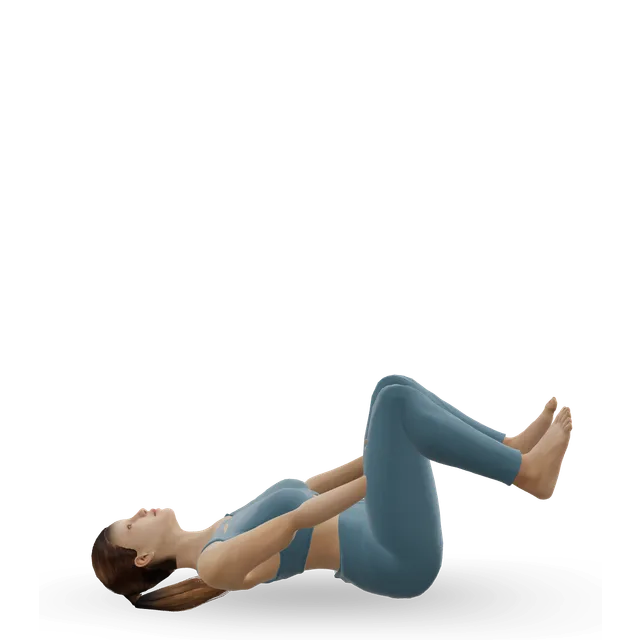
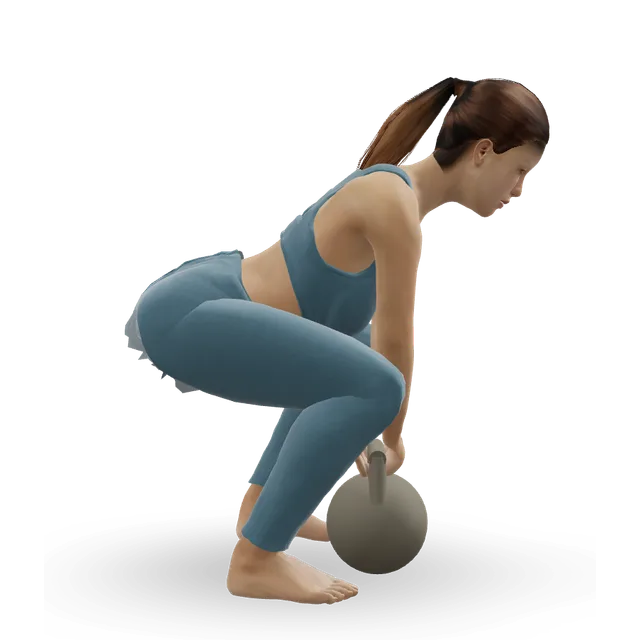
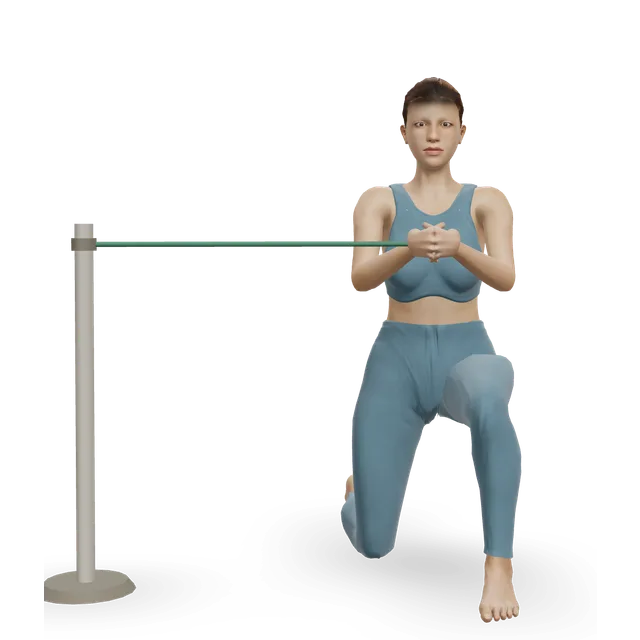
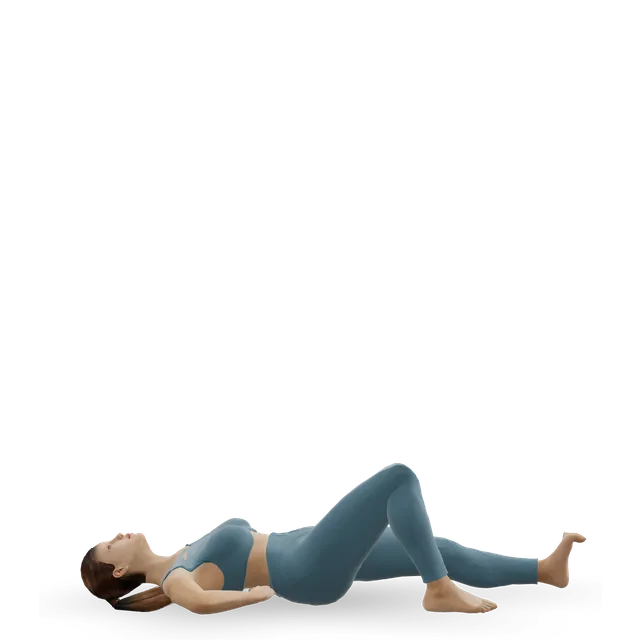
Start at the first stage. Each move opens a full guide with a 3D demo.
Stage 1
Settle: keep moving, and use the comfortable direction (weeks 0 to 2, or during a flare)
Little and often. If arching back or twisting hurts and bending forward eases it, favour the bending moves for now, and the other way round. Doses are editorial unless marked.
Move on when: You can walk for 15 to 20 minutes, and the pain settles by the next morning.
Follow along: a timer, a cue and the next move, one step at a time.
Stage 2
Build: graded strength (about weeks 2 to 12)
In the Dutch trials, everyone had a 3-month graded programme of 8 to 12 hours with a physiotherapist (1 to 2 sessions a week), focused on quality of movement and on the message that moving is safe; in a smaller trial, twice-weekly exercise by video for 6 weeks did better than a waiting list. Add two or three home sessions a week, and walking or cycling. Doses are editorial.
Move on when: Add load or range one change at a time.
Follow along: a timer, a cue and the next move, one step at a time.
What to change for now
If you're offered an injection or radiofrequency denervation
Ask what benefit to expect and for how long. NICE doesn't recommend spinal injections for low back pain, and allows radiofrequency denervation only after a positive test block when other treatment hasn't helped. In the best trials it added little or nothing to exercise, so keep exercising either way, and expect the pain clinic to review you about 3 months later.
Some people's back pain builds with standing still or sitting for long. Changing position often, walking for a few minutes or resting one foot on a low step can help (our suggestion). There's no single correct posture to hold.
It's pain thought to come from the small joints at the back of the spine, which guide and limit its movement. They can hurt when inflamed or arthritic, but most of the time they don't hurt at all.
How do I know if I have facet joint pain?
No symptom pattern, examination test or ordinary scan can tell, and facet arthritis on scans is common in people with no pain. Pain clinics use anaesthetic injections called medial branch blocks as a test, but even these can mislead: in one study, many people who got relief from a first block didn't from a second. That's why it's managed like other back pain.
What does facet joint pain feel like?
There's no typical pattern: in people tested with blocks, no feature or combination of features picked out those whose pain came from the facet joints. So the label can't be made from how the pain feels, and the plan is the same either way.
What exercises help facet joint pain?
The same as for other long-lasting back pain: walking, trunk and hip strength, and gradually bringing back the movements you've been avoiding. In a small trial in people with facet arthritis, 6 weeks of twice-weekly exercise did better than a waiting list.
What exercises should I avoid with facet joint pain?
Nothing for ever. If arching back or twisting is your sore direction, keep those moves small for now and favour the comfortable direction, then build them back up.
Do facet joint injections work?
Steroid injections into the joints did no better than salt water in a trial of 97 people, and a 2025 review of 81 trials found little or no difference from a sham. NICE says not to offer spinal injections for low back pain.
Is radiofrequency ablation (denervation) worth it?
Guidance disagrees. NICE says it can be considered after a positive test block when other treatment hasn't worked, but in the largest trials it added nothing important to an exercise programme, and a 2025 international guideline recommends against it. An NHS clinic says it doesn't always work and can make pain worse for up to a month.
Is facet joint pain arthritis?
Facet joint arthritis is very common: in a community study, 60% to 67% of adults had it on CT scans, and it wasn't linked with back pain. So arthritis on a scan doesn't prove that's where your pain comes from.
Is facet joint pain permanent?
Long-lasting back pain goes up and down, and many people improve with exercise and staying active. Facet changes on scans don't predict how your back will feel.
Is it facet joint pain or sacroiliac (SI) joint pain?
SI joint pain sits low on one side, around the dimple at the back of the pelvis, and has its own guide. The two often can't be told apart without blocks, and the first treatment is the same.
Why is my back stiff in the morning?
Many backs are stiffer first thing. If your pain started before 45, has lasted more than 3 months, wakes you in the second half of the night and eases with movement, see a GP, because it can be inflammatory back pain.
Exercise education, not a diagnosis or treatment plan. It is written from the guidelines and studies listed above; review by a clinician is pending. If your pain follows an injury, is severe, is getting worse, or comes with any warning sign listed on this page, get it assessed. Health disclaimer.