Lumbar spinal stenosis: exercises that ease leg pain when you walk
Lumbar spinal stenosis is a narrowing of the spaces in the lower spine that the nerves pass through, usually from age-related changes. The typical story is aching, cramping, heaviness or tingling in the buttocks, thighs and calves that comes on with standing and walking and eases when you sit or bend forward.
It is diagnosed mainly from that story, and it is very uncommon under 50. Exercise-based physiotherapy is a first-line treatment, and this plan leans forward: cycling, bending exercises, leg strength and walking in intervals.
Exercise is for pain that has been checked or is clearly mild and settling.
Get urgent medical help if
Call 999 or go to A&E: loss of feeling or numbness around the genitals or bottom, new trouble peeing or controlling your bladder or bowels, changes in genital sensation during sex or problems with erections or orgasm, or pain, tingling, weakness or numbness in both legs. These are signs of cauda equina syndrome, which needs treating in hospital urgently. Don't drive yourself.
Same day: leg weakness that is getting worse.
Same day (GP or NHS 111): back pain and you feel hot, cold, shivery or generally unwell, or severe pain that starts suddenly or is getting worse quickly.
Same day: you have or have had cancer, and new back pain that is severe and doesn't let up, is getting steadily worse, is worse at night and disturbs your sleep, is worse when you cough, sneeze or strain, or comes with tenderness over the spine. Contact your cancer team or GP urgently. With cancer, new weakness, difficulty walking, numbness or bladder or bowel problems are an emergency.
Call 999 or go to A&E: back pain with chest pain, or back pain that started after a serious accident, such as a car crash.
See a doctor or physiotherapist if
Leg ache when you walk that goes after a few minutes' rest: possible peripheral arterial disease (narrowed leg arteries), especially if you smoke or have diabetes.
Back pain that hasn't improved after a few weeks of looking after it at home, stops you doing day-to-day activities, or worries you.
Pain that doesn't improve with rest or is worse at night, or pain that is worse when you sneeze, cough or poo.
Unexplained back pain with muscle spasms, loss of height, or a curved spine or change in posture: a possible osteoporotic spinal fracture, more likely with older age or long-term steroid tablets.
Understand it
What it is, and how it behavesStrong evidence
About 11% of the population has the symptoms of stenosis. Leg and back symptoms are brought on by standing, walking or arching back and eased by sitting or bending forward. An NHS spinal service says scans are not usually needed unless surgery is being planned or something serious is suspected, while a US review describes imaging as confirming the diagnosis. Narrowing on a scan is common, and only some people with it get symptoms.
In people followed for up to 3 years without surgery, about a third improved, about half stayed the same and 10% to 20% got worse.
Peripheral arterial disease causes a painful ache in the legs when walking that usually goes after a few minutes' rest, and is linked to smoking and diabetes. Stenosis typically needs you to sit or bend forward for relief. The two can occur together, so get it assessed.
Both send symptoms into the legs. Stenosis is defined by when it comes on: with standing and walking, easing when you sit or bend forward, usually from 50 onwards. Sciatica is pain from an irritated nerve root, often from a disc, felt down the leg and often into the foot, and usually improves within weeks to months. They can overlap; the sciatica guide has its own plan.
Exercise-based physiotherapy is first-lineEmerging evidence
An NHS spinal service calls exercise therapy a first-line treatment and suggests an initial 12 weeks of progressive exercise, such as progressive cycling, an adjusted walking programme and a stretching routine, with swimming when pain is intense. A JAMA review lists activity modification, pain relief and physical therapy as first-line. The trial evidence behind them is moderate quality at best.
Physiotherapy matched surgery at 2 years, but many crossed overEmerging evidence
In 169 surgical candidates aged 50 and over, physical therapy twice a week for 6 weeks, built on bending-forward (lumbar flexion) exercises, conditioning on a bike or treadmill and education, gave the same 2-year physical function as decompression surgery (improvements of 19.2 and 22.4 points, a difference that could have been chance). But 57% of the physiotherapy group crossed over to surgery.
A Cochrane review has very low confidence about whether surgery or non-surgical care is better. Surgical side effects were reported in 10% to 24% of people, against none reported for non-surgical care.
Hands-on treatment plus tailored exercise helps most in the short termEmerging evidence
An updated review of 23 new trials found moderate-quality evidence that manual therapy plus exercise helps. In 259 people aged 60 and over, manual therapy plus individualised exercise improved symptoms, function and walking more in the short term than medical care or a community group exercise class; by 6 months the groups were similar, and all had improved their walking.
Supervised physiotherapy twice a week for 6 weeks (manual therapy, tailored stretching and strengthening, cycling and body-weight-supported treadmill walking) beat home exercise at 6 weeks.
Steroid injections are not recommendedStrong evidence
NICE says not to use epidural injections for neurogenic claudication (leg symptoms on walking) in people with central spinal canal stenosis. A review found epidural steroids not effective, and long-term benefit has not been established.
Walking is safe if the symptoms are acceptable, says an NHS spinal service. Walk until leg symptoms start to build, then sit or bend forward until they ease, and go again. Track your walking time and distance: that is the measure that should improve.
For the strength moves, the back pain rule applies: discomfort up to about 5 out of 10 that settles within an hour or so and is no worse the next morning is fine (an editorial figure, not one from a trial). Skip or shrink any move that brings on leg symptoms. If leg weakness is getting worse, or any warning sign appears, stop and get it checked.
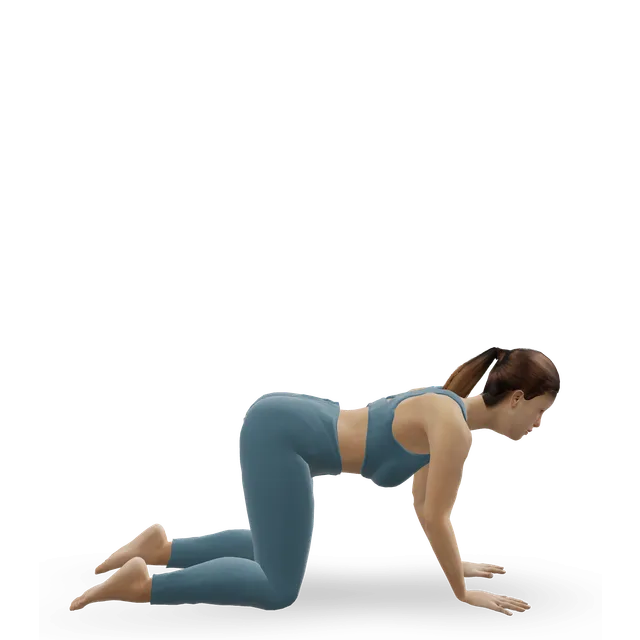
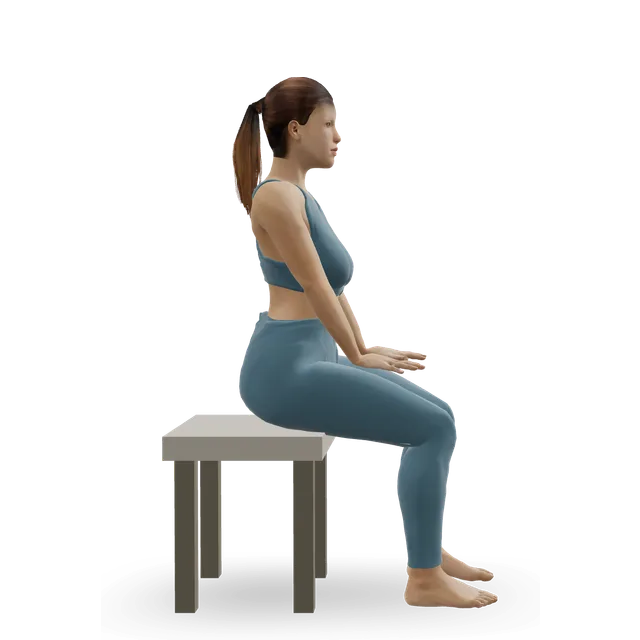
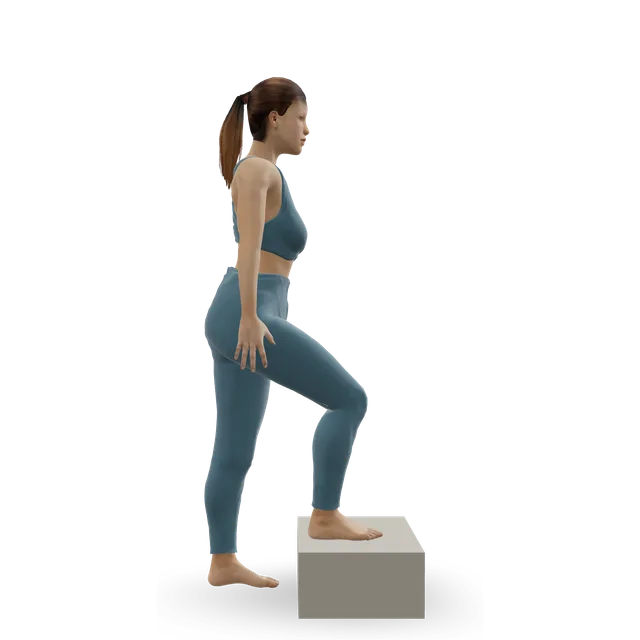
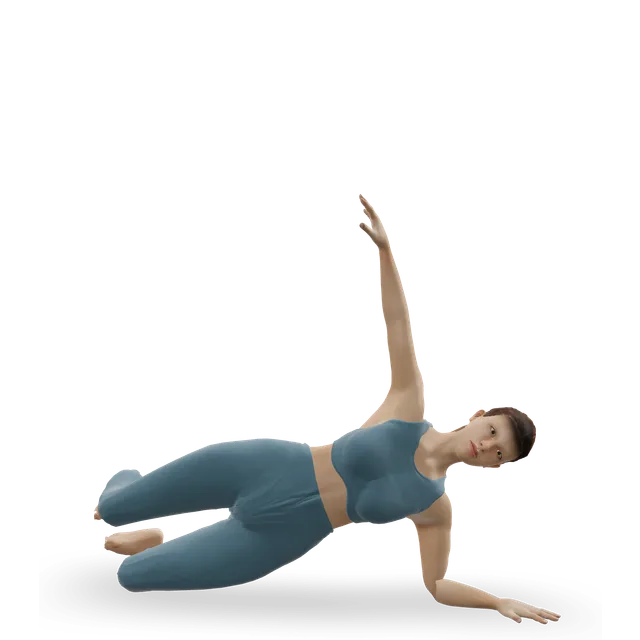
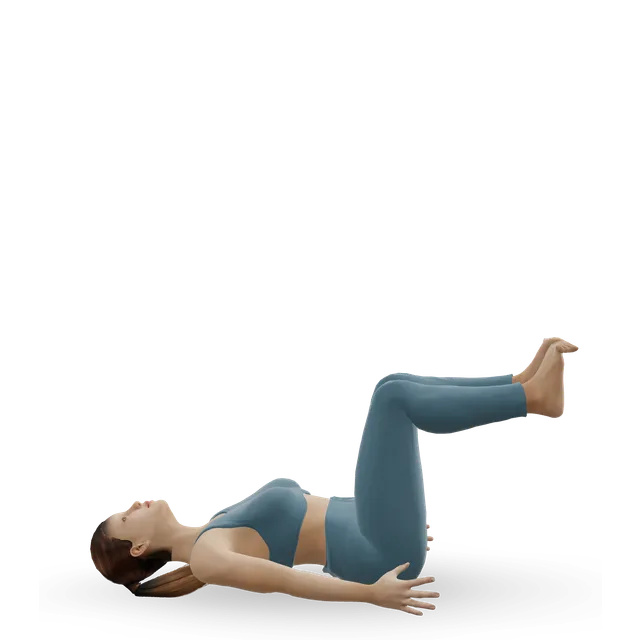
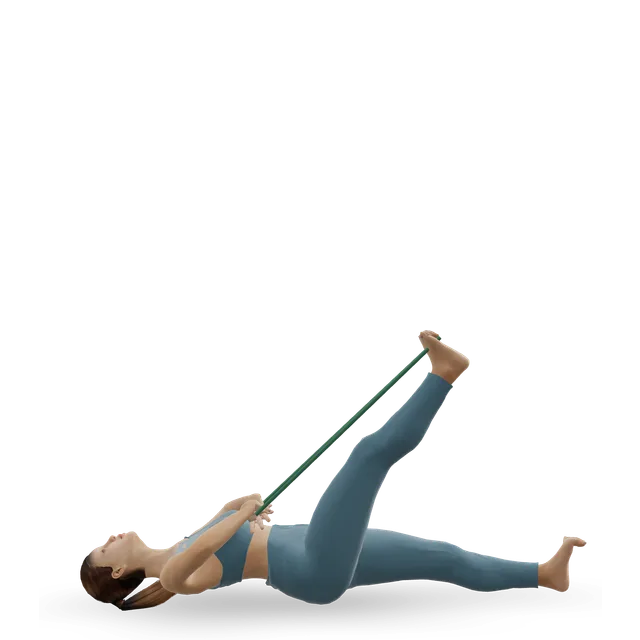
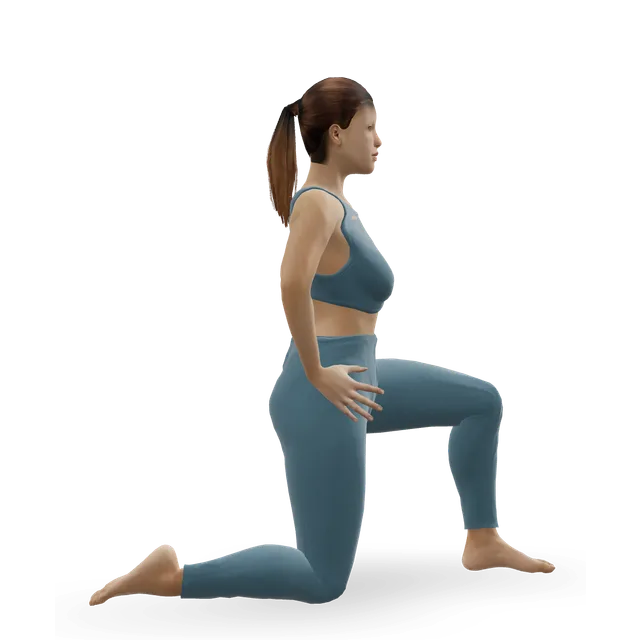
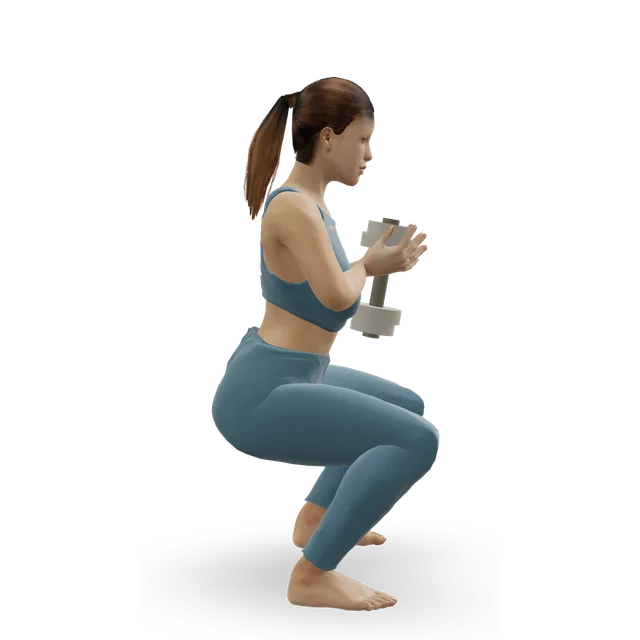
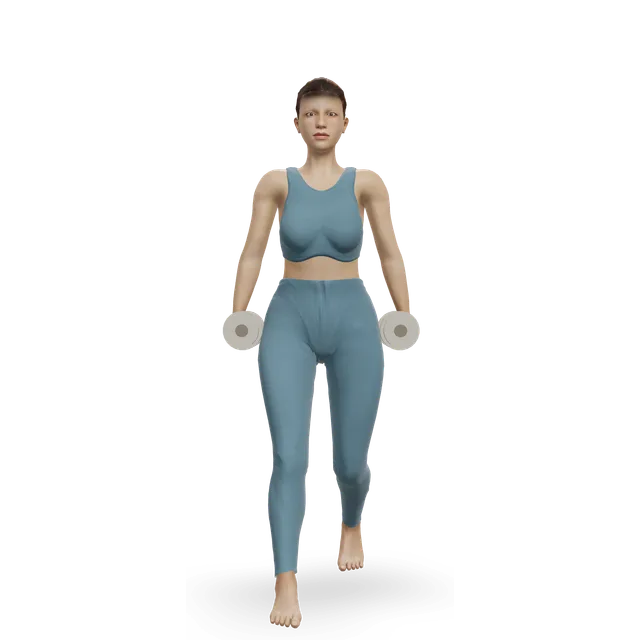
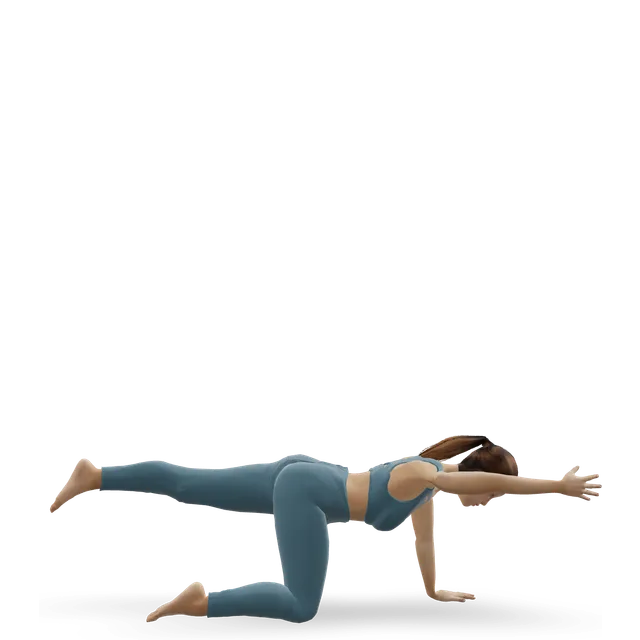
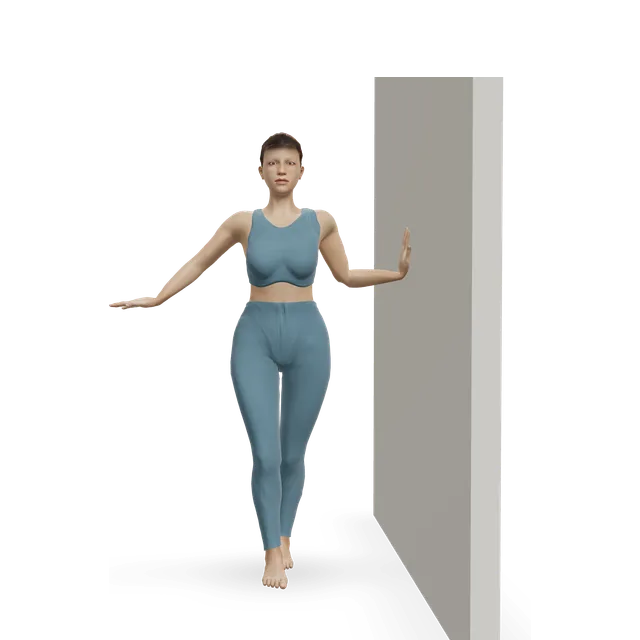
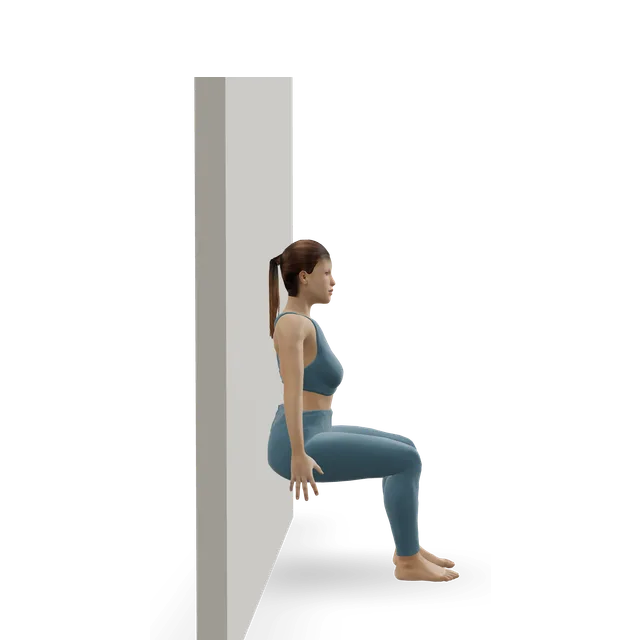
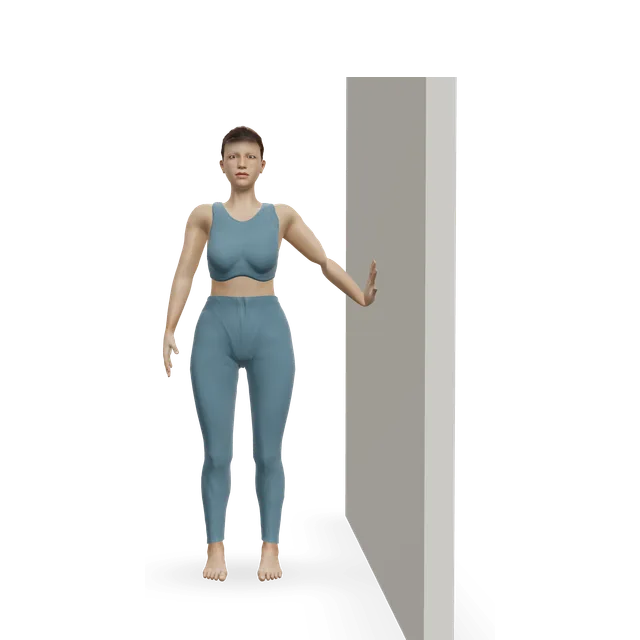
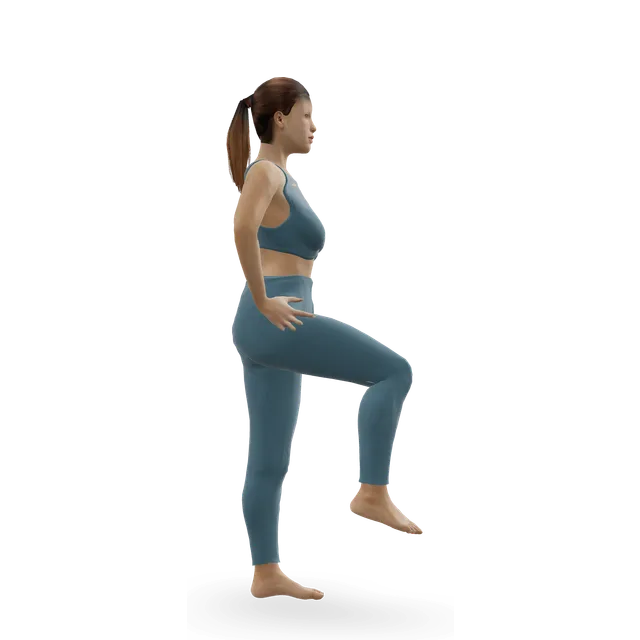
Start at the first stage. Each move opens a full guide with a 3D demo.
Stage 1
Settle: bend forward, and cycle
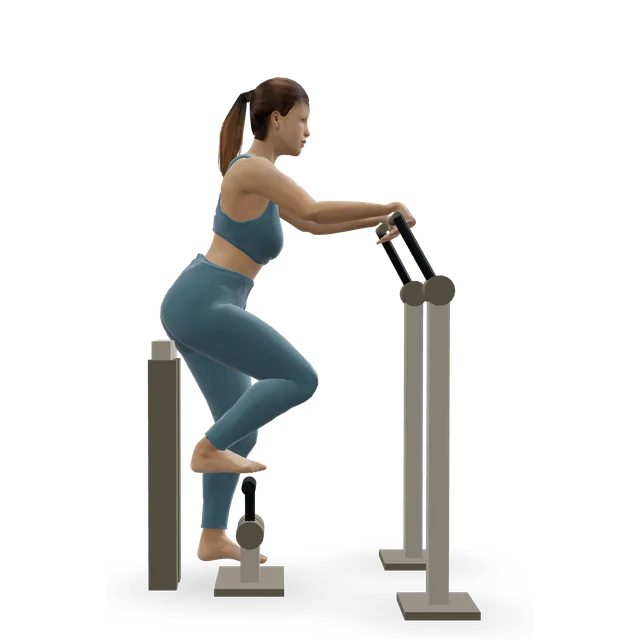
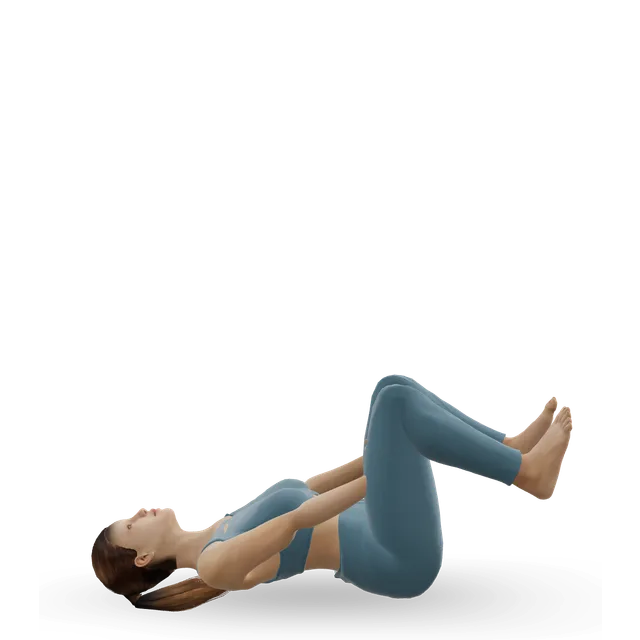
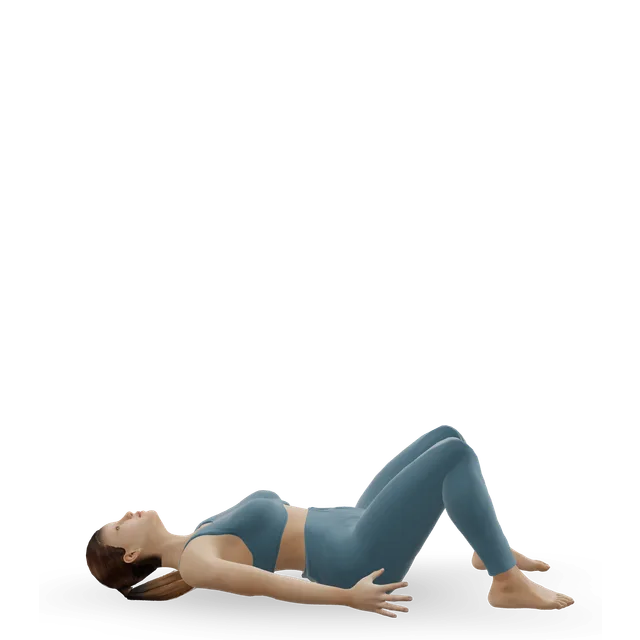
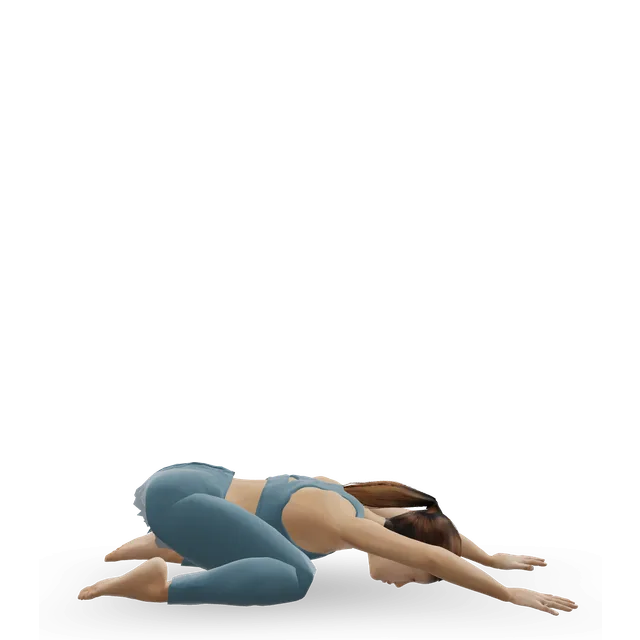
Weeks 0 to 2. Two to three sessions a week, plus cycling or interval walking on most days. Built on the bending-forward exercise and bike conditioning in the Delitto trial and the NHS service's progressive cycling; the doses are editorial starting points.
Move on when: Keep adding walking time and load gradually; the goal is walking further with fewer stops.
Follow along: a timer, a cue and the next move, one step at a time.
What to change for now
Exercises to avoid with stenosis
Arching back tends to bring stenosis symptoms on, and the physiotherapy that matched surgery in the Delitto trial taught people to avoid postures that arch the lower back. Skip arching moves if they bring on leg symptoms: sphinx, cobra, locust, superman, press-ups and back extensions. They are left out of this plan for that reason.
NICE advises against epidural injections for leg symptoms from central stenosis. Surgery can help carefully selected people who don't improve with non-surgical care; it is a shared decision, best made after a good trial of exercise. In the Delitto trial, physiotherapy matched surgery at 2 years, though many people later chose surgery.
Yes, in intervals. An NHS spinal service says walking is safe if symptoms are acceptable. Walk until symptoms start to build, sit or bend forward until they ease, then carry on. A bike is a good alternative for fitness.
Which spinal stenosis exercises should I avoid?
Arching-back moves, if they bring on leg symptoms: press-ups, cobra, locust, superman and back extensions. Arching tends to provoke stenosis symptoms, and the physiotherapy that matched surgery in one trial taught people to avoid it.
What are good spinal stenosis exercises for older people?
The trials were in people with average ages of 60 to 72. Start with an exercise bike, knees to chest and sit-to-stands from a chair, then build leg strength and balance as in the plan.
Is cycling better than walking for spinal stenosis?
Many people with stenosis can cycle further than they can walk, because you sit bent forward, and bike conditioning was part of the trial programmes. Walking further is usually the goal, though, so use both.
Will I need surgery for spinal stenosis?
Many people manage without it. In one trial of surgical candidates, physiotherapy gave the same 2-year function as surgery, though more than half of that group went on to have surgery. Without surgery, about a third of people improved over up to 3 years, about half stayed the same and 10% to 20% got worse.
Sciatica or spinal stenosis: what's the difference?
Stenosis typically brings on aching, heaviness or tingling in the buttocks and legs when you stand or walk, eased by sitting or bending forward, usually from 50 onwards. Sciatica is pain from an irritated nerve root, often from a disc, felt down the leg and often into the foot. They can overlap, so get it assessed.
Exercise education, not a diagnosis or treatment plan. It is written from the guidelines and studies listed above; review by a clinician is pending. If your pain follows an injury, is severe, is getting worse, or comes with any warning sign listed on this page, get it assessed. Health disclaimer.