Moving breaks helped in laboratory studiesEmerging evidence
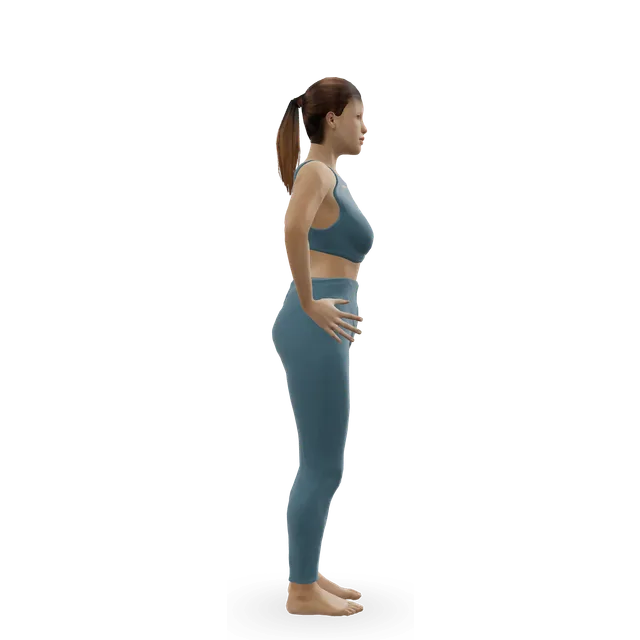
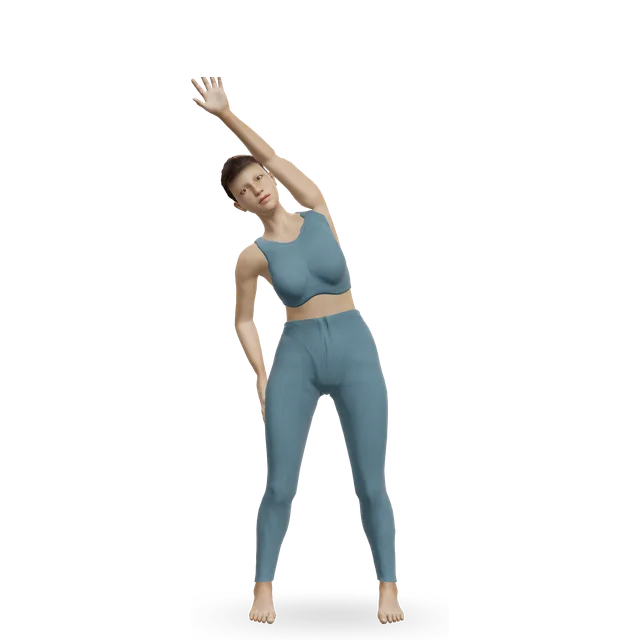
In 19 young adults standing for 2 hours, a 5-minute walk every 25 minutes cut the share who developed back pain from 58% to 26%. In 16 others, bending fully forward for 5 seconds every 15 minutes reduced back pain by about a third at 2 hours. A sit-down break of 15 minutes after 45 minutes of standing didn't give lasting relief in 20 people.
These are small studies of young adults without back pain; using these breaks for back pain at work is our extrapolation, though they cost nothing.
Sources 22, 23, 20
Mats and cushioned insoles reduce discomfortEmerging evidence
A review of 10 studies found moderate evidence that cushioned flooring and insoles reduce discomfort and tiredness in workers who stand. Over 4 hours, 3 of 4 anti-fatigue mats beat a hard floor, with no mat clearly best; differences between floors showed only after about 3 hours; in assembly workers, mats and cushioned insoles were about as good as each other and both beat a hard floor; and foam and inflatable mats eased lower-body discomfort at a standing desk. A review of standing work also lists sit-stand stations, shoes and insoles among the measures that help.
Sources 24, 25, 26, 27, 28, 29
Footrests and slopes: the studies disagreeMixed evidence
A footrest didn't reduce back discomfort over 2 hours of standing in 20 adults, nor did a footstool for 16 office workers with back pain over an hour, and a footrest movement routine added ankle and foot discomfort in 20 more. But swapping one foot onto a platform for 1 minute in every 4 prevented pain in 5 of 6 people prone to it, in a study of 12. Standing on a slope, or on a downhill surface, cut pain by more than half in people prone to it, in two small laboratory studies. Use a step or rail as one way to change position, not as a fix.
Sources 30, 31, 32, 33, 34, 35
Sit-stand desks help a little; standing all day doesn'tEmerging evidence
Sit-stand desks reduced low back discomfort slightly in mostly pain-free workers (about a third to half a point on a 10-point scale, across 8 studies). Long spells of standing at a desk weren't less painful than sitting, across 3 laboratory studies. In office workers who got back pain from standing, 12 weeks with a sit-stand desk increased how often they shifted their weight and reduced their pain. More than 4 hours a day of standing goes with back symptoms, so switching is the point.
Sources 36, 37, 38, 8
Hip and trunk exercise raised standing tolerance in small studiesEmerging evidence
In people who developed pain standing, 4 weeks of progressive exercise with weekly supervision lowered pain during 2 hours of standing (about 9 against 17 out of 100 in those who didn't exercise), and tiring the hip muscles on the outside of the hip before standing reduced pain and increased movement. These were small laboratory studies.
For back pain in general the evidence is stronger: exercise eases chronic low back pain by about 15 points out of 100, with education it roughly halves the chance of a new episode, and a walking and education programme lengthened the time to the next one.
Sources 39, 40, 41, 42, 43
Shoes, insoles and beltsStrong evidence
NICE says don't offer foot orthotics, rocker-sole shoes, belts or corsets for low back pain, and insoles and belts didn't prevent back pain in trials. EU-OSHA lists comfortable, supportive footwear with cushioned soles among the measures for standing work, and cushioned insoles helped standing comfort about as much as a mat. So: comfortable cushioned shoes, yes; prescription arch supports for back pain, no.
Sources 19, 42, 10, 27
Workplace standards: break it up and moveStrong evidence
EU-OSHA advises roughly 30% standing, 60% sitting and 10% walking or moving where possible, and sums it up as "sit when you need to, stand when you want to and move when you can". The HSE says avoid static postures for prolonged periods, set work heights to suit the task and the person, and provide seats where work can be done sitting, with footrests for people whose feet don't reach the floor. These are standards, not trial results.
Sources 10, 44, 11
PregnancyStrong evidence
The NHS advises flat shoes, putting equal weight on each leg when standing, and avoiding long spells of sitting or standing with pelvic pain. EU-OSHA says standing time each day must be limited for pregnant women, and the HSE asks employers to provide rest facilities for pregnant workers, where necessary with somewhere to lie down. Our pelvic girdle pain guide covers more.
Sources 45, 46, 10, 11