High hamstring tendinopathy (pain at the sitting bone): a staged loading plan
High (proximal) hamstring tendinopathy is a deep ache at the sitting bone, low in the buttock, where the hamstring tendons attach. It builds up gradually, often in runners, and is worse sitting, running uphill, lunging and stretching. It's a tendon problem, not a pulled hamstring or a trapped nerve.
This guide gives the warning signs, how to tell it from a strain or sciatica, how to sit, and the staged plan from the largest trial, with its pain rule. Recovery takes months: in that trial most of the improvement came by 3 months, and it kept improving to a year.
Exercise is for pain that has been checked or is clearly mild and settling.
Get urgent medical help if
Call 999 or go to A&E: leg pain with numbness around the genitals or bottom, new trouble starting or controlling peeing, not knowing when you need to poo or losing control of it, sciatica in both legs, or weakness or numbness in both legs that is severe or getting worse. These can be signs of cauda equina syndrome, which needs treating in hospital as soon as possible.
Same day: a pop near the sitting bone, a large bruise high on the back of the thigh, or you cannot put weight on the leg. The tendon may have pulled away from the bone, which needs assessing before you start these exercises.
Call 999 or go to A&E: severe pain after a fall onto your hip or bottom, or you cannot walk or put weight on the leg.
Same day (GP or NHS 111): throbbing pain and swelling in one leg, usually the calf or thigh, with red, blue or darkened skin or swollen veins. This can be a deep vein thrombosis (DVT), a blood clot in a deep vein.
See a doctor or physiotherapist if
Pain in the back of the thigh with tingling, numbness, weakness, or pain spreading below the knee: it may come from the back (sciatica).
Pain that is not improving after a few weeks, is getting worse, or is stopping your normal activities.
Bone pain that is constant or worse at night, or comes with a lump, unexplained weight loss, a fever or tiredness.
Understand it
What it isStrong evidence
The hamstring tendons attach to the sitting bone (the ischial tuberosity). Tendinopathy there causes a deep, local ache low in the buttock, worse with long or hard-surface sitting, squatting, lunging, walking uphill and running. It builds up over weeks rather than starting at one moment.
Long-distance runners, sprinters and people in sports with changes of direction get it, and so do people who don't play sport, through overload or low fitness. In the largest trial, three quarters were women, their average age was about 45, most were recreational distance runners, and they had had symptoms for about 2 years on average.
Bending the hip deeply presses the tendon against the bone. That happens when you sit, squat, lunge or kick, and in hamstring stretches. This squeezing (compression) is thought to irritate a sore tendon, which is why the plan reduces it first and brings it back gradually. It is the leading explanation rather than a proven fact.
A hamstring strain starts suddenly, during a sprint or a stretch; in elite athletes, strains reaching the tendon high up took about 10 weeks to recover rather than about 4. Sciatica usually spreads down the back of the leg into the foot, often with pins and needles, numbness or weakness, and can be worse with coughing or sneezing. Tendinopathy stays at the sitting bone and comes on with loading.
A pop near the sitting bone with a large bruise is different again: the tendon may have pulled off the bone (see the warning signs). Deep buttock pain can also come from a nerve irritated deep in the buttock (deep gluteal syndrome), or from a pinch between the thigh bone and the sitting bone that hurts with long strides (ischiofemoral impingement); our piriformis guide covers deep buttock pain.
Tendon changes are common on MRI (magnetic resonance imaging) scans in people without symptoms: in 253 people scanned for other reasons, 52% had changes on both sides, and over 90% of tendons showed signal changes in another study.
Clinicians diagnose it from the story and examination: tenderness at the sitting bone, pain when the hamstrings work against resistance, and stretch tests that proved reliable in 92 athletes.
A staged loading plan matched shockwave in the largest trialEmerging evidence
In 100 people who had had symptoms for about 2 years on average, 6 sessions of individualised physiotherapy (a staged loading programme, with about 2 hours of exercise a week) did as well as 6 sessions of shockwave therapy over a year. Both groups got the same advice.
In the exercise group, a 100-point tendon score rose from 50 to 65 at 12 weeks and 74 at a year, and 26 of 42 felt much improved or recovered at a year. There was no placebo group, so some of the improvement may come from the advice, from time or from expectation.
A 2016 review found no randomised trials of rehabilitation, and only a handful of trials have been done since. The plan on this page is the one tested in the largest of them.
A 2023 review recommends progressive loading at increasing hip bend, plus trunk and pelvis exercises, for at least 8 weeks. But the trials behind its strongest rating were in sudden hamstring strains, not tendinopathy.
In a crossover trial of 20 people, one session of holds (isometric exercise) and one of slow lifting (isotonic exercise) showed no difference in pain, strength or sitting comfort. Across other tendons, a review of 10 trials found holds no better than lifting, and responses vary from person to person. Use holds as an easy start, or for short-term relief if they help.
The trial's programme builds to heavy, slow lifting (4 to 5 sets of 6 to 8, taking 2 seconds up and 3 down) because heavier, progressive loading seems to help tendons. The support is indirect: in a trial in Achilles tendon pain, heavy slow lifting did as well as the classic lowering exercises, and a powerlifter with this problem improved within 4 weeks of a 12-week heavy slow programme (a single case).
Ease the squeeze early, then bring it backEmerging evidence
The trial's programme reduces compression at first (long or hard sitting, hamstring stretches, deep squats and lunges), then brings hip bending back step by step. Thirteen expert physiotherapists described the same approach. It hasn't been tested on its own.
Shockwave is an option, not a necessityMixed evidence
Shockwave matched the exercise programme in the largest trial and scored a little better on satisfaction at some time points. An older trial in 40 professional athletes favoured shockwave over usual care (pain fell from 7 to 2 out of 10, against 7 to 5, at 3 months), but that care included only about 3 weeks of light exercise. A review suggests shockwave as an add-on to exercise rather than on its own.
Up to 4 during, no more than 2 points worse the next dayEmerging evidence
This rule comes from the advice given to patients in the 2025 trial: keep pain at 4 out of 10 or less ("moderate discomfort") during exercise and activity, running included, with no more than a 2-point rise over your usual level in the 12 to 24 hours afterwards.
Holds may hurt a little more for the first two; if pain above 4 lasts beyond that, make the hold easier. For springy drills and sprinting, keep it to 2 or less. If pain rises by 3 or more and lasts beyond 24 hours, reduce the weight, the repetitions or the hip bend next time.
An NHS trust leaflet on managing exercise load uses a stricter rule: about 2 out of 10 during exercise, with discomfort that settles within an hour. If you prefer to be cautious, choose that one. Neither rule has been tested against the other in this tendon.
Start at the first stage. Each move opens a full guide with a 3D demo.
Stage 1
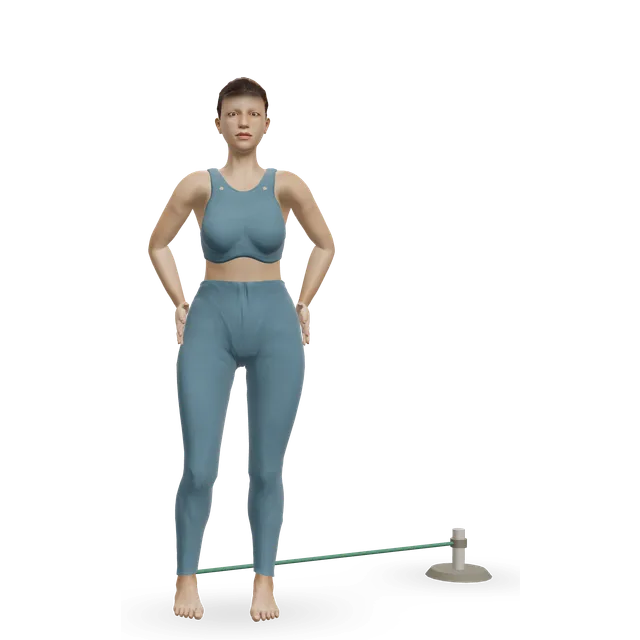
Settle: hold, don't stretch
About weeks 0 to 2. Ease the squeeze on the tendon (see what to change, below). The doses come from the trial's programme unless marked as our suggestion.
Move on when: You can hold each of 5 holds for 45 s with a steady contraction (no shaking, hips level), pain is 4 or less by the end of the second hold, and it settles within 24 hours.
Follow along: a timer, a cue and the next move, one step at a time.
Stage 2
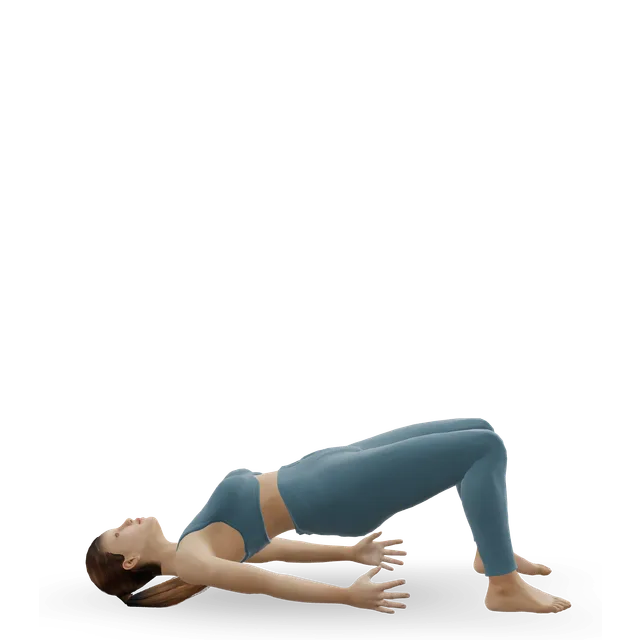
Build: slow, heavy strength with the hip straight
About weeks 2 to 8, every other day. Start lighter and build to heavy, slow sets over the weeks; the calf and glute work supports the hamstrings.
Move on when: These have felt fine for at least 2 weeks within the pain rule. Matching strength with the other leg can take 3 to 6 months or more in long-standing cases; you don't need to wait for that.
Follow along: a timer, a cue and the next move, one step at a time.
Stage 3
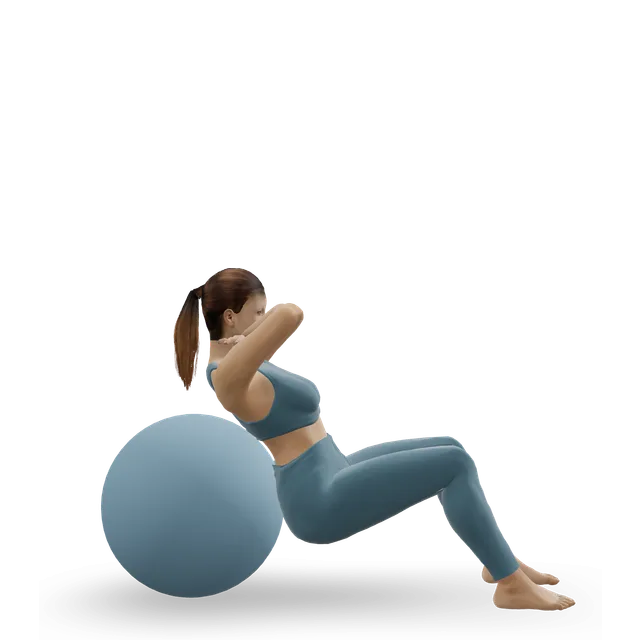
Strengthen: bring back the bend
Often from 1 to 2 months, every other day. Add hip bending gradually to rebuild tolerance to compression, and go heavier only if your sport or job needs it.
Move on when: 2 to 3 sessions at the hip bend your sport or job needs, with no lasting rise in symptoms. Then stop this stage and let normal activity carry the load.
Follow along: a timer, a cue and the next move, one step at a time.
Stage 4
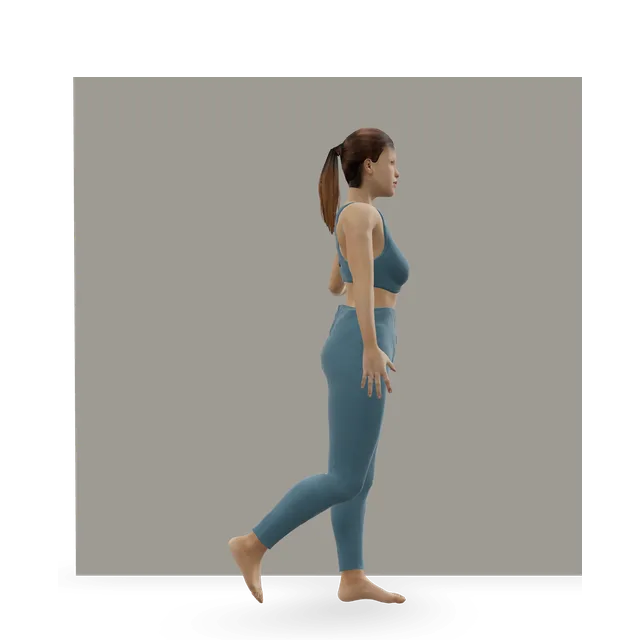
Return: running, speed and spring
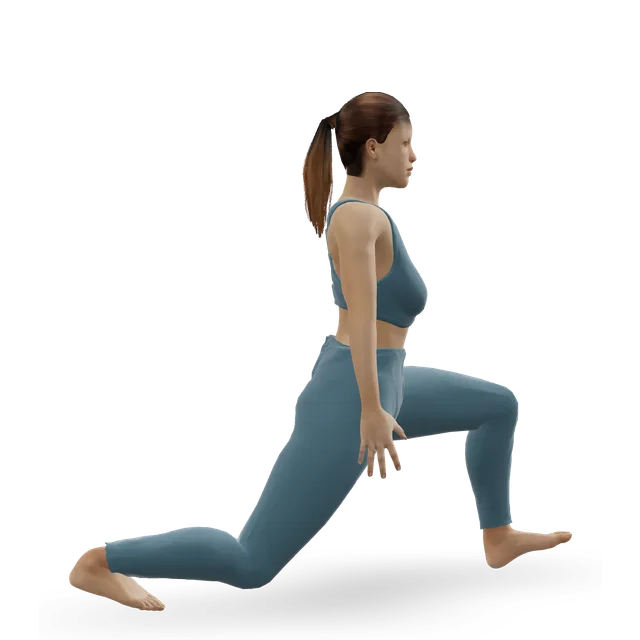
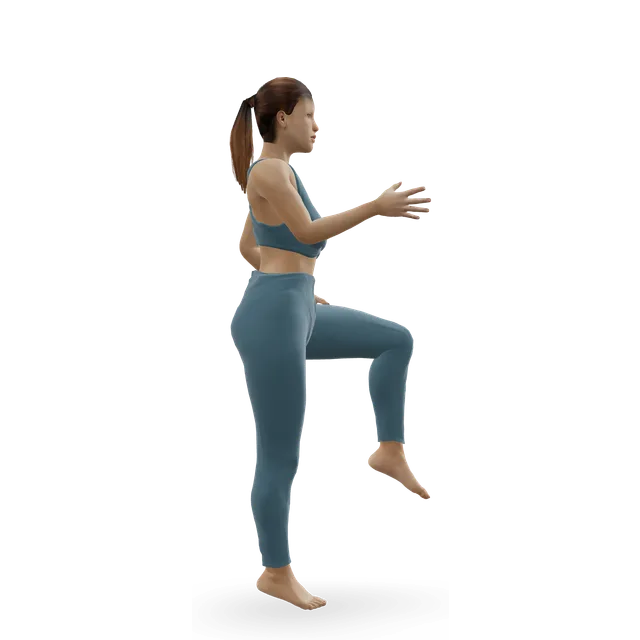
Build running before speed and hills. Split squats are for kicking, cutting and sprinting sports. Keep 2 to 3 strength exercises twice a week once you're back; the runner's warm-up suits this stage.
If you stopped: 2 min of running in 1-min bouts within a walk · Add 1 to 3 min per run; at 20 min, add distance or speed; hills later, and fast or hill runs no more than twice a week
Move on when: Running, speed and hills stay within the pain rule. Avoid sudden jumps in load and back-to-back heavy days.
Follow along: a timer, a cue and the next move, one step at a time.
What to change for now
Sitting
Use a soft or pressure-spreading cushion, avoid hard and low seats, and break up long sits (every 30 to 45 minutes is our suggestion). In the trial, sitting comfort improved on average within the first month.
Leave hamstring stretches out at first, including toe touches, strap stretches and the 90/90 stretch used for hamstring strains: they press the tendon against the bone. If a routine linked on this page includes one, skip it for now. Hip bending comes back gradually in stage 3.
In the trial, people kept running within the pain rule. Cut back speed and hills first. Swim, cycle or use a cross-trainer for fitness if running hurts too much, and watch the next-day response.
Tendon pain where the hamstrings attach to your sitting bone, felt deep in the lower buttock. It builds up gradually and is worse with sitting, running uphill, lunging and stretching.
How is it different from a hamstring strain?
A strain is a sudden injury, during a sprint or a stretch, and strains that reach the tendon high up take longer to recover. Tendinopathy creeps up over weeks and sits at the sitting bone; it needs a slower, tendon-loading plan rather than the strain plan.
Is it sciatica or my hamstring?
Sciatica usually brings pain down the back of the leg into the foot, often with tingling, numbness or weakness, and can be worse with coughing or sneezing. Pain that stays at the sitting bone and comes with sitting and hamstring use points to the tendon.
Why does it hurt to sit, and what helps?
Sitting presses the tendon against the bone. Use a soft or pressure-spreading cushion, avoid hard and low seats, and break up long sits; in the trial, sitting comfort improved on average within the first month.
Should I stretch my hamstrings?
Not for now. Stretching squeezes the tendon at the sitting bone and is a common aggravator. Holds and strength work come first, and hip bending is brought back gradually later.
Which exercises help?
A staged plan: hamstring holds, then slow, heavy hamstring strength with the hip straight, calf and glute strength, then deadlifts and lunges with gradually more hip bend. In the largest trial this did as well as shockwave over a year.
Do isometric holds help?
They can ease pain for some people and are an easy way to start, but in a small trial they were no better than slow lifting. Use them if they help.
Can I keep running?
Usually, yes, if pain stays at 4 out of 10 or less and isn't more than 2 points worse the next day. Cut back speed and hills first; if you've stopped, rebuild from 2 minutes of running within a walk.
How long does it take?
Months. In the trial, most of the improvement came by 12 weeks and it kept improving to a year. In long-standing cases, getting your strength back to match the other leg can take 3 to 6 months or more.
Does shockwave or an injection help?
Shockwave did as well as an exercise programme in a 100-person trial, and a review suggests it as an add-on rather than on its own. Injections weren't tested in the trials this guide draws on, so we can't say how well they work.
Is cycling OK?
Usually: the trial's programme lets people swap some running for swimming, cycling or a cross-trainer while it settles, watching the next-day response. If the saddle presses on the sore spot, try a softer saddle (our suggestion).
Do I need a scan, and is sit bone pain ever serious?
Usually no scan is needed, and tendon changes are common in people without pain. Get help the same day for a pop with a large bruise, and see a GP for bone pain that is constant or worse at night, or comes with weight loss.
Exercise education, not a diagnosis or treatment plan. It is written from the guidelines and studies listed above; review by a clinician is pending. If your pain follows an injury, is severe, is getting worse, or comes with any warning sign listed on this page, get it assessed. Health disclaimer.