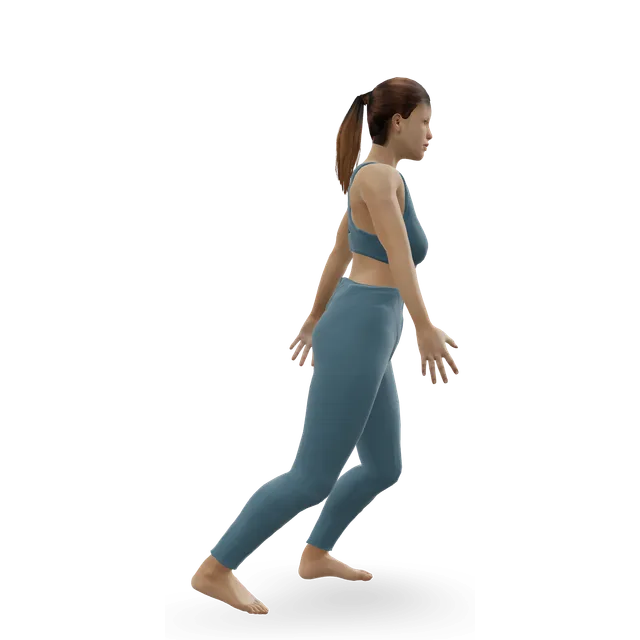
Pain guide · Knee pain

Knee pain when bending or straightening: the kneecap, the meniscus, behind the knee and what helps

Knee pain when you bend or straighten your knee, to sit, squat, kneel or get up from a chair, is common. Pain at the front is usually the kneecap joint, pain at the back is often a Baker's cyst or a tendon, and pain at the joint line with catching can be a worn or torn meniscus. Painless clicking is normal, and bending isn't bad for your knees: the plan uses it to build strength.

This guide starts with the signs that need help today, from a 999 call or accident and emergency (A&E) to National Health Service (NHS) 111 or a general practitioner (GP), including a knee that gets stuck and won't straighten. It then maps the causes by where and when in the bend it hurts, explains when a scan or keyhole surgery helps and when it doesn't, how much bend everyday life needs, and gives a three-stage plan that ends with everyday bending, kneeling and getting down to the floor.

When to get help first

Exercise is for pain that has been checked or is clearly mild and settling.

Get urgent medical help if

  • Get advice from NHS 111 now: your knee locks (it gets stuck, usually bent, and you can't straighten it), especially after a twist. A locked knee needs urgent assessment, and a torn meniscus caught in the joint (a bucket handle tear) usually needs an operation.
  • You cannot move the knee or put any weight on it, or it is very painful, badly swollen or has changed shape.
  • Same day: a pop or tearing feeling at the front of the knee after a fall, stumble, jump or landing, then you can't straighten the knee or lift the straight leg off the bed, there's a dent above or below the kneecap, or the kneecap sits higher or lower than on the other side. Go to A&E or an urgent treatment centre, or get help from NHS 111. A torn quadriceps or patellar tendon does best when it's repaired soon.
  • Your knee swelled up straight away after a twisting injury: get advice from NHS 111.
  • Get advice from NHS 111 now: a hot, red or swollen knee with sudden severe pain, a very high temperature, or feeling hot, cold or shivery. This can be a joint infection.
  • Same day: the swelling over or below the kneecap becomes hot, red or more painful, the skin over it is broken, or you have a high temperature or feel shivery, sick or unwell. Ask for an urgent GP appointment or call NHS 111: it may be infected and need antibiotics.
  • After a recent knee replacement, ask for an urgent GP appointment or call NHS 111 for redness, tenderness, swelling or pain in your knee that isn't getting better or is getting worse, a high temperature or feeling hot, cold or shivery, throbbing or cramping pain in your leg, or oozing or pus from the wound. Call 999 or go to A&E for leg pain and swelling with difficulty breathing or chest pain.
  • You hurt your knee and cannot take 4 steps, or you are 55 or over and hurt it in a fall: get it checked the same day for a broken bone.
  • The knee locks, gives way or clicks painfully. Painless clicking is normal.
  • Throbbing pain and swelling in one calf or thigh with red, blue or darkened skin or swollen veins, or sudden worse pain and swelling around a lump at the back of the knee (a possible clot or a burst Baker's cyst).
  • Leg pain or swelling with breathlessness or chest pain: call 999 or go to A&E, and do not drive yourself. It can be a blood clot that has reached the lungs.
  • Back or leg symptoms with numbness around the genitals or bottom, new trouble controlling your bladder or bowels, or severe or worsening weakness or numbness in both legs.

See a doctor or physiotherapist if

  • Knee pain that has not improved within a few weeks of looking after it at home. Many areas offer NHS physiotherapy without a GP referral.
  • Catching, locking or swelling at the joint line that hasn't settled after about 3 months of exercise and other non-surgical care: ask your GP or physiotherapist about a specialist review. A magnetic resonance imaging (MRI) scan may be considered then.
  • After a knee operation, a knee that isn't bending or straightening as much as your team expected, or is getting stiffer: tell your surgical team or physiotherapist early.
  • A lump at the back of your knee and you don't know what it is: see a GP.
  • Bursitis that hasn't improved, or is getting worse, after 1 to 2 weeks of looking after it yourself, a knee you can't move, or very severe, sharp or shooting pains: see a GP.
  • Numbness, tingling or weakness that travels down the leg from the back. That points to a nerve (sciatica) rather than the knee.
  • A child or teenager with pain at a bump just below the kneecap or at its lower tip, worse with squats, jumps and kneeling: see our Osgood-Schlatter and Sinding-Larsen-Johansson guides, and get it checked if it is getting worse.
  • Knee pain with night sweats or weight loss, night pain that stops you sleeping, a change in your walking or balance, or heaviness in your legs: see a GP. A hot, swollen knee with a high temperature is urgent (above).

Where does it hurt?

Location narrows the likely causes; it does not diagnose.

Around or behind the kneecap, worse squatting, kneeling, on stairs and after sitting with your knees bent

Kneecap (patellofemoral) pain, often called runner's knee, though it happens in people who don't run.

Read: Runner's knee →
One point at the lower tip of the kneecap, worse with deep loaded bending, jumping and landing

Patellar tendon pain (jumper's knee).

Read: Jumper's knee →
One point at the top edge of the kneecap, worse with deep squats, lunges and kneeling

Quadriceps tendon pain.

Read: Quadriceps tendinopathy →
A soft, squashy swelling on the front of the kneecap, worse kneeling or bending

Knee bursitis. If it becomes hot and red, get it checked the same day.

Read: Knee bursitis →
Either side of the tendon below the kneecap, worst at the very end of straightening

Fat pad pain.

Read: Fat pad impingement →
A tender band on the inner edge of the kneecap that clicks partway through the bend

A medial plica.

Read: Plica syndrome →
The joint line, at the bottom of a deep bend or twisting there, with catching or swelling later that day

A possible meniscus tear: get it assessed.

Read: Meniscus tear →
Stuck bent and won't straighten, or something blocks the last part of straightening

A possible locked knee: get advice from NHS 111 now, as the warning signs say.

Read: Meniscus tear →
Behind the knee with a lump, tight to bend fully

Often a Baker's cyst. One swollen, throbbing calf below it needs a same-day check for a clot.

Read: Baker's cyst →
Behind the knee, tender on a tendon, sometimes after sprinting or a sudden stretch

The hamstring or calf tendons.

Read: Hamstring strain →
Behind the knee, a squeezed feeling only at the deepest bend, with no lump, swelling or catching

Common, as our knee pain when squatting guide explains.

Read: Knee pain when squatting →
A stiff, achy knee from mid-life, hard to straighten fully and worse after rest

Knee arthritis.

Read: Knee arthritis →
After a knee replacement, the bend isn't coming back

Tell your team early; our knee replacement guide covers recovery.

Read: Knee replacement →
After anterior cruciate ligament (ACL) surgery

Your team's plan and its limits on bending come first.

Read: ACL surgery recovery →
After meniscus surgery

Your team's plan and its limits on bending come first.

Read: Meniscus surgery →
Clicks, cracks or grinds without pain

Common, and not a sign of damage on its own.

Pain mostly when you kneel

Our knee pain when kneeling guide.

Read: Knee pain when kneeling →
The inner shin below the joint, worse getting up from a chair

Pes anserine pain.

Read: Pes anserine pain →
A child or teenager with a tender bump just below the kneecap

Osgood-Schlatter disease.

Read: Osgood-Schlatter →
Pain mostly when you walk

Our knee pain when walking guide.

Read: Knee pain when walking →
A hot, red, swollen knee with a high temperature

Possibly an infection: get advice from NHS 111 now, as the warning signs say.

Understand it

Bending shows up a sore knee, mostly at the frontEmerging evidence

In people with measuring knee implants, a body-weight knee bend loaded the knee about as much as walking on the flat (253% against 261% of body weight). What changes with depth is the stress behind the kneecap: in a lab study of 10 healthy people, it was lowest in squats from straight to about 45° of bend and in seated knee extensions from 90° to 45°. Kneecap pain is typically worse squatting, kneeling, on stairs and after sitting with the knees bent, such as driving or at the cinema.

Everyday life needs a fair amount of bend: in 20 healthy adults with an average age of 67, walking and slopes needed under 90°, stairs and chairs 90° to 120°, and getting out of a bath about 135°; the authors suggested 110° as a rehabilitation goal.

Sources 1, 2, 3, 4, 5

The back of the knee, the joint line and catchingEmerging evidence

A Baker's cyst, a fluid-filled lump at the back of the knee, can cause tightness, stiffness and difficulty bending; in adults it usually comes from another knee problem such as an injury or arthritis, the NHS says. A review of pain at the back of the knee adds the hamstring and calf tendons, the popliteus (a small muscle behind the knee that hurts when you bear weight with the knee slightly bent), rarely the back of the meniscus, and blood vessel problems such as a clot.

A meniscus tear can cause pain at the joint line with catching or swelling. In middle age, tears are often worn rather than from an injury, and they are common on scans of knees that don't hurt. In a trial of people with worn tears, about half reported catching or occasional locking before treatment.

Sources 6, 7, 8, 9, 10

Arthritis, and stiffness after an injury or operationEmerging evidence

Arthritic knees can be hard to straighten, and they hurt and stiffen more after rest, the NHS says. After knee surgery, an international consensus grades stiffness by how far the knee bends (90° to 100° is mild, 70° to 89° moderate, under 70° severe) and how far short of straight it stops (5° to 10° mild, 11° to 20° moderate, over 20° severe), once other causes such as infection or something blocking the joint are ruled out.

A knee that suddenly won't straighten after a twist may be locked by a torn meniscus caught in the joint; the NHS lists being unable to straighten the knee among the signs of a torn ligament, tendon or meniscus.

Sources 11, 12, 13

Clicking without pain is normalMixed evidence

The NHS says painless clicking is normal, and Arthritis UK that it is not unusual and nothing to worry about. Across 103 studies, knee noises (crepitus) were found in about 41% of people overall, 36% of people whose knees didn't hurt and 81% of people with arthritis, and went with about 3.8 times the odds of arthritis on an X-ray, on low to very low certainty evidence. A noisy knee is common; a painful click with catching, locking or giving way is different.

Sources 13, 14, 15

When a scan helpsStrong evidence

Rarely at first. The National Institute for Health and Care Excellence (NICE) diagnoses knee arthritis without imaging, and in a population study of 991 people aged 50 to 90, meniscus tears showed on magnetic resonance imaging (MRI) in 19% to 56%, depending on age and sex; 61% of those with a tear had had no knee pain, aching or stiffness in the past month.

UK guidance says a locked knee needs urgent assessment, and that an MRI can be considered when meniscus symptoms haven't settled after 3 months of non-surgical treatment. A BMJ guideline panel's advice against keyhole surgery doesn't apply to a knee that stays locked. With a lump behind the knee, a GP may arrange an ultrasound or MRI scan.

Sources 16, 8, 17, 18, 6

How it usually goesEmerging evidence

Kneecap pain can come back and persist for years, but in one trial a 12-week programme got 85% of 40 young women back to their sport without pain a year later (there was no untreated group). With a worn meniscus tear, 12 weeks of exercise did as well as surgery at 2 years. A Baker's cyst can take a few months to a few years to get better, and often settles when its cause is treated. Full recovery from a knee replacement can take several months or longer, the NHS says. No one can promise a date.

Sources 4, 19, 9, 6, 20

What helps, and how strong the evidence is

Kneecap pain: exercise, with the hip as well as the kneeStrong evidence

International consensus statements recommend exercise to reduce kneecap pain in the short, medium and long term, and hip and knee exercises together in preference to knee exercises alone. Foot orthoses may help in the short term; taping and bracing are uncertain, and kneecap or knee mobilisations on their own aren't recommended.

Start in the ranges that load the kneecap least (squats to about 45°, seated knee extensions from 90° to 45°), then go deeper as it settles. That comes from a lab study of 10 healthy people, not a trial in people with pain.

Sources 21, 22, 4, 2

Bend and straighten every dayEmerging evidence

NHS inform's knee exercises include a heel slide (bend as far as is comfortable and hold for 2 seconds), a quad set and straightening the knee with your heel on a chair; Arthritis UK's knee exercises include pressing the back of the knee down over a rolled towel, which "helps to prevent your knee from becoming permanently bent". These are health-service and charity exercises rather than tested programmes.

After a knee replacement, the NHS says follow the exercises your physiotherapist recommends and don't sleep with a pillow under your knee. If the bend or straightening isn't coming back as your team expected, tell them early (our suggestion, built on the stiffness consensus).

Sources 23, 24, 20, 12

A worn meniscus: exercise first, not keyhole surgeryStrong evidence

In 140 adults with an average age of 49.5 and a worn inner meniscus tear, 12 weeks of supervised exercise gave no clinically relevant difference from keyhole surgery to trim the meniscus at 2 years, and more thigh strength at 3 months; 19% of the exercise group later had surgery, without extra benefit. In 146 people aged 35 to 65, the surgery did no better than a sham operation at 12 months, and it relieved catching or occasional locking no better than the sham either.

A BMJ guideline panel strongly recommends against keyhole surgery in nearly all people with degenerative knee disease, including those with catching; it doesn't apply to a knee that stays locked or to symptoms that began with a major injury and swelling. UK guidance says most people with a meniscus tear should start with non-surgical treatment, that a locked knee needs urgent assessment, that a bucket handle tear usually needs repair or removal, and that surgery for worn tears should follow the British Association for Surgery of the Knee's guideline.

Sources 9, 25, 10, 18, 17, 26

Keyhole washout for arthritis isn't offeredStrong evidence

NICE says do not offer keyhole washout or debridement (arthroscopic lavage or debridement) to people with osteoarthritis, and the BMJ guideline panel also advises against keyhole surgery for degenerative knee disease. A knee that stays locked is a different problem: it needs urgent assessment, and UK guidance says a torn meniscus caught in the joint usually needs an operation.

Sources 16, 18, 17

Getting up, getting down and kneeling: health-service adviceEmerging evidence

For getting up from a chair, the NHS says sit on the edge with your feet hip-width apart, lean slightly forward and stand up slowly using your legs, and the Chartered Society of Physiotherapy's knee exercises describe the same lean forward from the hips; an NHS trust's leaflet suggests a chair with arms and a high seat. For getting up from the floor, the NHS steps are roll onto your side, push up onto your hands and knees, crawl to something stable, put one foot flat on the floor and stand up slowly, holding on.

NHS inform says reduce kneeling while kneecap pain is sore, and after a knee replacement the NHS says don't kneel on the new knee until your doctor says you can. No trial has tested a way of bending, sitting down, getting up or kneeling for knee pain, so the written steps in this guide are health-service advice or our suggestion.

Sources 27, 28, 29, 30, 3, 20

How much pain is OK while you exercise?

0 to 2 is safe, up to 5 is acceptable, and the end of the bend is a stretch, not a pinchEmerging evidence

This guide uses the knee hub's rule. Rate your knee pain from 0 to 10 during and after exercise. In the pain-monitoring model used in knee trials, 0 to 2 counts as safe, up to 5 as acceptable and above 5 as too much. Aim for 0 to 3 most of the time.

By the next morning your knee should be back to its usual level. If it is not, drop back one step next time (fewer sets, a shallower range, a lower step), not to nothing. Over the weeks pain should hold steady or ease; that last check is our suggestion rather than a tested rule.

Some knee programmes say you should feel no pain at all. The trials allowed some, and a meta-analysis found exercising into some pain did no worse than pain-free exercise. With arthritis, NICE says joint pain may rise when you start exercising, and that regular exercise still helps in the long run.

Sharp, catching or giving-way pain, or new swelling, is a reason to stop and get it checked.

When you bend (our suggestion): a stretch or ache at the end of the bend that eases within a few minutes of straightening is fine. Bend to just short of that point in the exercises, and go a little further each week. A sharp pinch, catching that doesn't free up, a block to straightening, or swelling that is bigger the next morning are reasons to stop and get it checked. With kneecap pain, start squats at about 45° and seated knee extensions from 90° to 45°, which loaded the kneecap least in a lab study, then go deeper. Straightening exercises should feel like a firm stretch at the back of the knee, not a sharp pain; NHS inform's stretch holds build to 20 to 30 seconds.

A tendon that hurts at one point just above or below the kneecap has a stricter limit, about 3 out of 10, as our jumper's knee guide explains.

Sources 19, 31, 32, 16, 2, 23

The exercise plan: 3 stages

Start at the first stage. Each move opens a full guide with a 3D demo.

Stage 1

Settle: keep the knee bending and straightening, and wake the thigh up

About the first 2 weeks: bend and straighten the knee every day in a comfortable range, thigh work in the ranges that load the kneecap least, and the changes to sitting, getting up and bending in the written steps below. A knee that locks, or swelled after a twist, gets checked first; after surgery, your team's limits and our knee replacement, ACL surgery and meniscus surgery guides come first; with a Baker's cyst, that guide's plan.

Supine heel slide demonstrated on the 3D figure3D demoSupine heel slideBeginner · No equipment

10 slow reps each side, once or twice a day · The move page's dose, an editorial starting point. NHS inform's knee bend goes only as far as is comfortable and holds for 2 s. After surgery, stay within the range your team allows, as the move page says

Harder: Hip windshield wipers

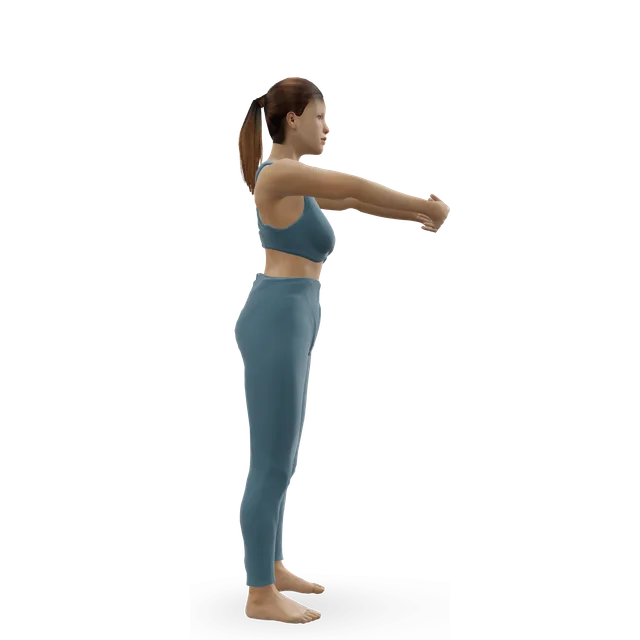
Quad set (static quads) demonstrated on the 3D figure3D demoQuad set (static quads)Beginner · No equipment

Hold 10 s: 2 to 3 at a time, building to 8, 2 to 3 times a day · NHS inform's knee exercise. It works the last part of straightening

Harder: Straight-leg raise

Straight-leg raise demonstrated on the 3D figure3D demoStraight-leg raiseBeginner · No equipment

Hold 5 s at the top: 2 to 3 at a time, building to sets of 8, up to 2 sets of 15 · NHS inform's knee exercise, with its pacing

Easier: Quad set (static quads) · Harder: Leg extension

Seated knee extension (chair) demonstrated on the 3D figure3D demoSeated knee extension (chair)Beginner · A bench or box + Something with weight

3 sets of 10 to 15 each leg, 2 to 3 days a week · The move page's dose, an editorial starting point. Work from 90° to about 45° only if the kneecap hurts, as the move page says

Easier: Quad set (static quads) · Harder: Leg extension

Stationary cycling demonstrated on the 3D figure3D demoStationary cyclingBeginner · Cardio machine

10 to 15 minutes, easy, seat high · As in our knee pain guide. A high seat keeps the bend small (our reasoning)

Easier: Recumbent exercise bike · Harder: Air bike intervals

Move on when: Daily bending stays within the pain rule, the knee straightens as fully as the other one or is getting closer, and you can sit down on and stand up from a normal chair (editorial; chairs need about 90° to 120° of bend).

Follow along: a timer, a cue and the next move, one step at a time.
Stage 2

Build: strength through more of the bend

About weeks 2 to 6, 2 or 3 days a week: thigh and hip strength through a widening range, as in the knee hub's and our runner's knee guide's second stages.

Sit to stand from a chair demonstrated on the 3D figure3D demoSit to stand from a chairBeginner · A bench or box

3 sets of 8 to 12, higher seat to start · As in our knee pain guide, with the NHS's technique

Easier: Sit to stand, pushing on the thighs · Harder: Bodyweight squat

Sit squat (partial squat) demonstrated on the 3D figure3D demoSit squat (partial squat)Beginner · No equipment

Lower until your bottom just touches a chair behind you: 2 to 3 at a time, building to sets of 8 · NHS inform's sit squat, with its pacing. To about 45° at first if the kneecap hurts

Harder: Bodyweight squat

Wall sit demonstrated on the 3D figure3D demoWall sitBeginner · A wall

4 holds of 20 to 45 s at a comfortable depth · As in our knee pain guide. Breathe normally throughout the hold and go shallower if your knees hurt in it, as the move page says

Easier: Straight-leg raise · Harder: Spanish squat (band squat hold)

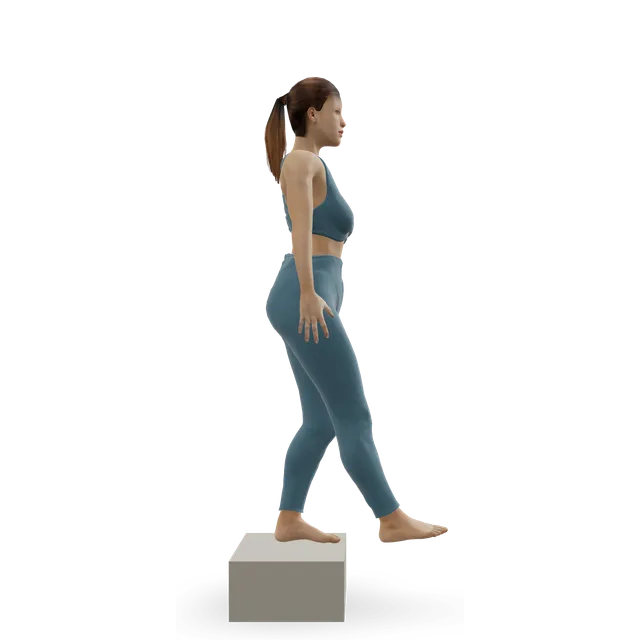
Step-up demonstrated on the 3D figure3D demoStep-upBeginner · A step

3 sets of 8 to 10 each leg, low step first · As in our knee pain guide

Easier: Low step-up · Harder: Dumbbell step-up

Clamshell demonstrated on the 3D figure3D demoClamshellBeginner · No equipment

3 sets of 12 to 15 each side · As in our runner's knee guide: hip and knee work together for kneecap pain

Easier: Supine isometric hip abduction (belt press) · Harder: Lateral band walk

Standing quad stretch demonstrated on the 3D figure3D demoStanding quad stretchBeginner · A wall

Hold 20 to 30 s, 2 to 4 times each side · The move page's dose, an editorial starting point; optional, for a knee that is stiff to bend (our suggestion). If the knee joint itself hurts, hold your trouser leg instead of the ankle and ease off the bend, as the move page says

Easier: Side-lying quad stretch with a strap · Harder: Couch stretch

Move on when: 3 sets of 10 sit-to-stands from a normal chair and 45-second wall sits stay within the pain rule, and the knee is back to usual by the next morning (editorial).

Follow along: a timer, a cue and the next move, one step at a time.
Stage 3

Deeper bends, and everyday bending comes back

From about week 6, 2 days a week and ongoing: strength in deeper bends and on one leg, and getting down to the floor and back up, while everyday bending, kneeling and squatting come back by the written steps below.

Dumbbell goblet squat demonstrated on the 3D figure3D demoDumbbell goblet squatIntermediate · A dumbbell

3 sets of 8 to 12, deeper as you can · As in our knee pain guide

Easier: Bodyweight squat · Harder: Barbell front squat

Split squat demonstrated on the 3D figure3D demoSplit squatIntermediate · No equipment

3 sets of 8 each leg, holding a support at first · As in our knee pain guide. Pad the back knee, as the move page says

Easier: Bodyweight squat · Harder: Reverse lunge

Patrick step-down demonstrated on the 3D figure3D demoPatrick step-downIntermediate · A step

3 sets of 8 to 10 each leg, from a low step · As in our knee pain guide

Easier: Bodyweight squat · Harder: Skater squat

Reverse lunge demonstrated on the 3D figure3D demoReverse lungeIntermediate · No equipment

2 to 3 sets of 8 each leg · As in our knee pain when kneeling guide. Lower the back knee under control rather than dropping onto it, as the move page says

Easier: Split squat · Harder: Split squat with dumbbells

Get up and down from the floor demonstrated on the 3D figure3D demoGet up and down from the floorBeginner · No equipment

5 to 8 slow cycles down and up, changing the leading leg · The move page's dose, an editorial starting point; a cushion under the kneeling knee is our suggestion. The first few times, practise with someone present and a sturdy chair close by, and after a knee replacement check which positions are allowed first, as the move page says

Easier: Sit to stand from a chair · Harder: Bodyweight get-up

Move on when: Our suggestion: everyday bending, kneeling and getting down to the floor stay within the pain rule, and the knee is back to usual by the next morning. Keep two strength days a week; if a big day of bending flares it, drop back a stage for a few days rather than stopping.

Follow along: a timer, a cue and the next move, one step at a time.

What to change for now

How to sit, get up and bend for now (written steps)

Our 3D figure can't show these changes. They come from NHS inform, the NHS and an NHS trust's leaflet; where a step is our suggestion, it says so. No trial has tested a way of bending, sitting or getting up for knee pain.

  • 1. Long sits: kneecap pain is often worse after sitting, so take regular breaks and reduce the time you sit still (NHS inform), and avoid sitting in one position for long (NHS inform). Straighten the knee out in front of you every 20 to 30 minutes (our suggestion).
  • 2. Getting up: sit on the edge of the chair, feet hip-width apart, lean slightly forward and stand up slowly using your legs (the NHS). A chair with arms and a higher seat makes it easier, pushing on the arms (the trust's leaflet); a firm cushion can raise a low seat while it's sore (our suggestion).
  • 3. Picking things up: bend at the hips and both knees only as far as is comfortable, keep the object close and put a hand on your thigh or a surface; or step one foot back, half-kneel on a cushion on the good knee, or use a long-handled grabber while it's sore (our suggestion).
  • 4. Kneeling: reduce the amount of kneeling while kneecap pain is sore (NHS inform). After a knee replacement, don't kneel on the new knee until your doctor says you can, and avoid bending down as much as possible (the NHS). Our knee pain when kneeling guide covers pads and building kneeling back.
  • 5. Squats and lunges in the gym: start at about 45° of bend if the front of the knee hurts, which loaded the kneecap least in a lab study; our knee pain when squatting guide covers depth and load.

Sources 3, 33, 27, 29, 20, 2

Everyday bending comes back (written steps)

No trial has tested how to bring bending back after knee pain. These steps are our suggestion, built on the NHS's advice.

  • 1. Add depth a notch at a time (a deeper squat, a lower chair, a longer kneel) while the knee is back to usual by the next morning.
  • 2. Practise getting down to the floor and back up with a sturdy chair nearby. If you ever can't get up, the NHS steps are: roll onto your side, push up onto your hands and knees, crawl to something stable, put one foot flat on the floor and stand up slowly, holding on.
  • 3. Kneeling comes back last, on a cushion or pad, a few minutes at a time.
  • 4. After surgery, if the bend or straightening isn't coming back as your team expected, tell them early.
  • 5. If it isn't improving within 6 weeks, or the knee catches or swells again and again, see a GP or physiotherapist (NHS inform; UK guidance on meniscus tears).

Sources 30, 12, 20, 34, 17

Positions to swap, and why

Habit or positionWhy it mattersInstead
Deep, loaded squats while the front of the knee hurtsStress behind the kneecap rose with depth in a lab study; it was lowest in squats to about 45°.Partial squats to a chair, deeper over the weeks.Try: Sit squat (partial squat)
Holding a deep squat, or sitting back on your heels, while it's soreDeep bends load the kneecap more, and kneecap pain is worse squatting and kneeling.A partial squat to a chair.Try: Sit squat (partial squat)
Full-range leg extensions on a machine with kneecap painThe move page says pressure behind the kneecap is highest near full extension; in a lab study, the range from 90° to 45° loaded it least.Seated knee extensions from 90° to about 45°.Try: Seated knee extension (chair)
Walking lunges early onThe move page says the forward step loads the knee more than a reverse lunge.Reverse lunges, holding a support.Try: Reverse lunge
Kneeling on a sore kneecapNHS inform says reduce the amount of kneeling, and after a knee replacement the NHS says don't kneel until your doctor says you can.Half-kneel on a cushion on the good knee, or use a grabber.
Sitting with your knees bent for hoursKneecap pain is often worse after sitting, and NHS inform says take regular breaks and reduce the time you sit still.Straighten the knee every 20 to 30 minutes, with quad sets at the desk.Try: Quad set (static quads)
Pulling your heel in hard in a quad stretch, or bouncing into a stiff bendThe move page warns that pulling the heel in hard can compress a cranky knee, and a sharp pinch or a block is a reason to stop.Heel slides to a comfortable bend, a little further each week.Try: Supine heel slide
Forcing a knee that is stuck and won't straightenA knee that stays locked needs urgent assessment.Get advice from NHS 111 now.
Getting up from a low, soft chair without using your armsThe NHS describes leaning forward from the edge of the seat, and an NHS trust's leaflet suggests a chair with arms and a high seat.A firmer, higher seat for now, and sit-to-stand practice.Try: Sit to stand from a chair
A pillow under the knee at night after a knee replacementThe NHS says don't sleep with a pillow under your knee.Lie with the knee straight, and work on straightening.Try: Quad set (static quads)
Keyhole surgery as the first step for catching or a worn meniscusExercise did as well as surgery at 2 years, and surgery relieved catching no better than a sham operation.Exercise first, as UK guidance says.Try: Step-up

Routines to follow

More moves for this area

Questions people ask

Why does my knee hurt when I bend it?

Most often the kneecap joint: an ache around or behind the kneecap that is worse squatting, kneeling, on stairs and after sitting is kneecap (patellofemoral) pain. Pain at the back can be a Baker's cyst or a tendon, pain at the joint line with catching can be the meniscus, and a stiff knee from mid-life can be arthritis.

Why does the back of my knee hurt when I bend it?

A Baker's cyst, a fluid-filled lump that can make the knee tight and hard to bend, is a common cause; in adults it usually comes with another knee problem such as an injury or arthritis. The hamstring and calf tendons, the popliteus and, rarely, the back of the meniscus can also hurt there. Sudden worse pain and swelling in the leg, or a swollen, throbbing calf, needs a same-day check for a burst cyst or a clot.

Why does my knee hurt when I straighten it?

Pain as you straighten after sitting is typical of kneecap pain, and arthritic knees can be hard to straighten. A sharp pain right at the end of straightening, either side of the tendon below the kneecap, can be the fat pad, which has its own guide. A knee that won't straighten fully after a twist may be locked and needs advice from NHS 111 now.

Is it normal for my knee to click when I bend it?

Painless clicking is normal, the NHS and Arthritis UK say; in a review, knee noises were reported by about 36% of people whose knees don't hurt, though they're more common with arthritis. Clicking that is painful, or comes with catching, locking or giving way, needs advice.

My knee catches or locks when I bend it. What should I do?

A knee that gets stuck and won't straighten needs urgent assessment, because a torn meniscus caught in the joint may need an operation. Brief catching that frees itself is common with a worn meniscus, and keyhole surgery relieved it no better than a sham operation in a trial. If it keeps happening, see a GP or physiotherapist; our meniscus tear guide covers the rest.

Why does my knee hurt when I get up from a chair?

Standing up loads the knee about as much as walking, and kneecap pain is often worse after sitting with the knees bent. Sit on the edge of the chair with your feet hip-width apart, lean slightly forward and stand up slowly using your legs; a chair with arms and a higher seat helps at first. Sit-to-stand practice is part of the plan.

Why can't I fully bend or straighten my knee?

After an injury, swelling or a torn meniscus caught in the joint can block it, and a knee that's stuck needs advice. Arthritic knees can be hard to straighten, and after surgery stiffness is graded by how far the knee bends and straightens. Bend and straighten it gently every day within the pain rule, and tell your team early if it isn't coming back after an operation.

Do I need an MRI scan for knee pain when bending?

Usually not at first. Meniscus tears show up on scans in 19% to 56% of people aged 50 to 90, mostly without symptoms, and NICE diagnoses arthritis without scans. UK guidance suggests an MRI if meniscus symptoms haven't settled after 3 months of non-surgical treatment, and urgent assessment for a locked knee.

Do I need keyhole surgery for a torn meniscus?

Usually not for a worn (degenerative) tear: 12 weeks of exercise matched keyhole surgery at 2 years, and the operation did no better than a sham operation. A BMJ guideline panel strongly recommends against keyhole surgery for nearly all degenerative knee disease. A knee that stays locked, or a tear from a big injury, is different, and UK guidance covers when surgery helps.

Should I stop squatting if my knee hurts when I bend?

Change it rather than stop: squats to about 45° load the kneecap least, so start there and go deeper over the weeks within the pain rule. In trials of long-lasting pain, exercise that allowed some pain did as well as pain-free exercise. Our knee pain when squatting guide covers the gym.

What exercises help knee pain when bending?

For kneecap pain, hip and knee exercises together are recommended over knee exercises alone, and for arthritis exercise is NICE's core treatment. Daily heel slides and quad sets keep the bend and the straightening, and the plan builds to deeper squats and getting down to the floor.

Why does my knee hurt when I bend it after a knee replacement?

Full recovery can take several months or longer, and the NHS says follow your physiotherapist's exercises, avoid bending down as much as possible, don't kneel until your doctor says you can, and don't sleep with a pillow under your knee. Tell your team early if the bend isn't coming back as expected. The warning signs on this page list the problems after a knee replacement that need an urgent GP appointment or NHS 111.

Related exercise guides

Other pain guides

Sources

  1. Kutzner 2010 · Knee loads during daily activities, measured in 5 people with instrumented knee implants (J Biomech)
  2. Powers 2014 · Kneecap joint stress in squats and seated knee extensions in 10 healthy people (lab study, J Orthop Sports Phys Ther)
  3. NHS inform · Patellofemoral pain syndrome
  4. Willy 2019 · Patellofemoral pain: clinical practice guideline (J Orthop Sports Phys Ther)
  5. Rowe 2000 · How much knee bend daily activities need, measured in 20 healthy adults (Gait Posture)
  6. NHS · Baker's cyst
  7. English 2010 · Posterior knee pain (review, Curr Rev Musculoskelet Med)
  8. Englund 2008 · Meniscus tears on MRI in 991 middle-aged and older adults (population study, N Engl J Med)
  9. Kise 2016 · Exercise vs keyhole meniscus surgery in 140 middle-aged adults, 2-year follow-up (RCT, BMJ)
  10. Sihvonen 2016 · Catching and locking after meniscus surgery or sham surgery (secondary analysis of an RCT, Ann Intern Med)
  11. NHS · Osteoarthritis: symptoms (past its review date: reviewed March 2023, review due March 2026)
  12. Kalson 2016 · International consensus on stiffness (fibrosis) after knee surgery (Bone Joint J)
  13. NHS · Knee pain
  14. Arthritis UK · Knee pain: symptoms, causes and treatment
  15. Couch 2025 · Knee noises (crepitus) across 103 studies (systematic review and meta-analysis, Br J Sports Med)
  16. NICE NG226 · Osteoarthritis in over 16s: diagnosis and management (2022)
  17. Evidence-Based Interventions programme (Academy of Medical Royal Colleges) · Arthroscopic surgery for meniscal tears (reviewed 2024)
  18. Siemieniuk 2017 · Keyhole surgery for degenerative knee disease: a BMJ Rapid Recommendation (clinical practice guideline, BMJ)
  19. Thomeé 1997 · Treating patellofemoral pain in young women with a pain-monitoring model (Phys Ther)
  20. NHS · Recovering from a knee replacement
  21. Crossley 2016 · Patellofemoral pain consensus statement, part 2: exercise, taping, bracing and foot orthoses (Br J Sports Med)
  22. Collins 2018 · Consensus statement on exercise therapy and physical interventions for patellofemoral pain (Br J Sports Med)
  23. NHS inform · Exercises for knee muscle and joint problems
  24. Arthritis UK · Exercises for the knees
  25. Sihvonen 2013 · Keyhole meniscus surgery vs sham surgery in 146 people (RCT, N Engl J Med)
  26. Abram 2019 · British Association for Surgery of the Knee meniscal surgery guideline and consensus statement (Bone Joint J)
  27. NHS · Strength exercises
  28. Chartered Society of Physiotherapy · Video exercises for knee pain (reviewed May 2020)
  29. South Tees Hospitals NHS Foundation Trust · How to use walking sticks
  30. NHS · Falls
  31. Ageberg 2010 · NEMEX-TJR neuromuscular training for severe hip or knee osteoarthritis, and its pain rule (BMC Musculoskelet Disord)
  32. Smith 2017 · Should exercises be painful in chronic musculoskeletal pain? (systematic review and meta-analysis, Br J Sports Med)
  33. NHS inform · Osteoarthritis of the knee
  34. NHS inform · Knee problems
  35. NHS · DVT (deep vein thrombosis)
  36. Chartered Society of Physiotherapy · Managing your knee pain

Exercise education, not a diagnosis or treatment plan. It is written from the guidelines and studies listed above; review by a clinician is pending. If your pain follows an injury, is severe, is getting worse, or comes with any warning sign listed on this page, get it assessed. Health disclaimer.