Lotus pose (Padmasana)
Sitting upright with each foot high on the opposite thigh, soles turned up, you let both knees settle toward the floor. All of the shape has to come from the hips: lotus needs about 115 degrees of outward rotation at each hip, and many hips stop short of that, sometimes because of their bone shape. A review of published yoga injury cases named the lotus position among the poses most often involved and advised beginners to avoid it.
Movement guide
Lotus pose (Padmasana)
Make it easier or harder
Choose a version that fits your control and comfort.
Easier option
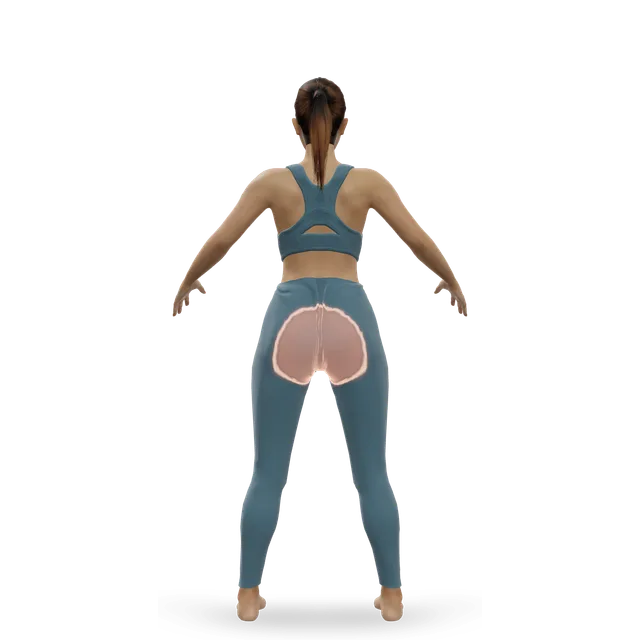 Half lotus pose (Ardha Padmasana)Advanced · Firm cushion
Suggested next step, advanced grade.
Harder option
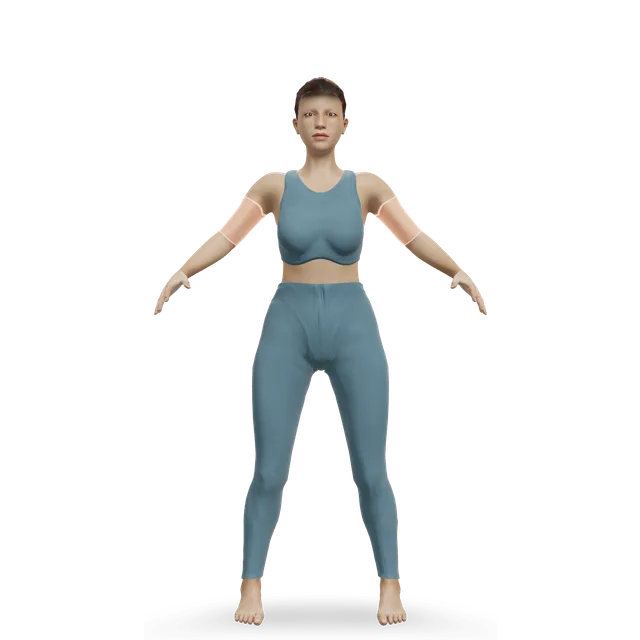 Scale pose (Tolasana)Advanced · A step
Suggested next step, advanced grade.
Source-researched guide.
How to move
- Sit with your legs straight. Bend your right knee out to the side, cradle the shin and turn the whole thigh out from the hip, then place your right foot in your left hip crease.
- Bend your left knee, turn that thigh out from the hip too, lift the shin slightly and slide your left foot over the right shin into your right hip crease.
- Settle the tops of your feet against your thighs, let your knees lower toward the floor and sit tall, on a folded blanket if your back rounds.
- To come out, lift the top foot down with your hands first, then the other, and straighten your legs. Next time, cross the other leg first.
Form cues
- Rotate from the hip, never by twisting the knee.
- Keep the ankles from rolling; reach through your feet.
- Avoid: pushing your knees down to the floor.
Practice and cautions
Once you can enter it without pain, sit 1 to 3 minutes, changing which leg crosses first each day, as Yoga Journal advises (our editorial starting point).
Long sits press each heel into the opposite thigh: case reports describe nerve damage in the thigh and foot drop after habitual sitting in lotus variations. Stand up if a leg goes numb. Never use your hands to force the second foot up, and never sit in it while a knee complains. Not for knee replacements or known meniscus damage. This is movement education, not an assessment or treatment prescription. Stop for sharp or increasing pain, dizziness, numbness or tingling; seek individual guidance for symptoms, injury or restrictions.
Sources and review status
Sources support the educational description; they do not establish that this exercise is suitable for you.
- Yoga Journal · Lotus pose (how-to: rotate from the hip, not the knee; half lotus as the easier variation; alternate the cross daily) ↗
- Yoga Journal · Protect the knees in lotus and related poses (Roger Cole: lotus needs about 115 degrees of outward hip rotation, and when the thigh stops turning, the inner knee cartilage is pinched) ↗
- Cramer 2013 · 76 published cases of harm from yoga: lotus variations among the poses most often named, with thigh nerve injuries; vertebral artery occlusion in bridge pose; peroneal nerve palsy with the kneeling vajrasana (systematic review, PLoS One) ↗
- Bosma 2014 · Severe sciatic nerve injury and foot drop in a man who habitually sat in a modified lotus, one thigh resting on the other foot's heel (case report, World J Clin Cases) ↗
No variation is labeled clinically validated.
What it works
Muscles
Main: Glutes, Hip abductors. Also: Adductors, Quads.
Anatomy: Gluteus maximus, Piriformis, Obturator internus, Gluteus medius, Gluteus minimus, Tensor fasciae latae.
Equipment
None: body weight and floor space.
Level
Advanced. See the easier and harder options above.
Guides that use it
Similar moves
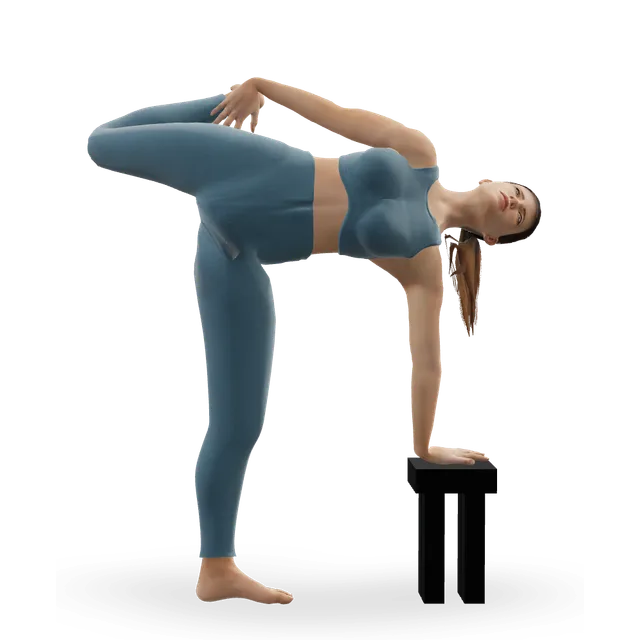 3D demoSugarcane pose (Ardha Chandra Chapasana)Advanced · A step
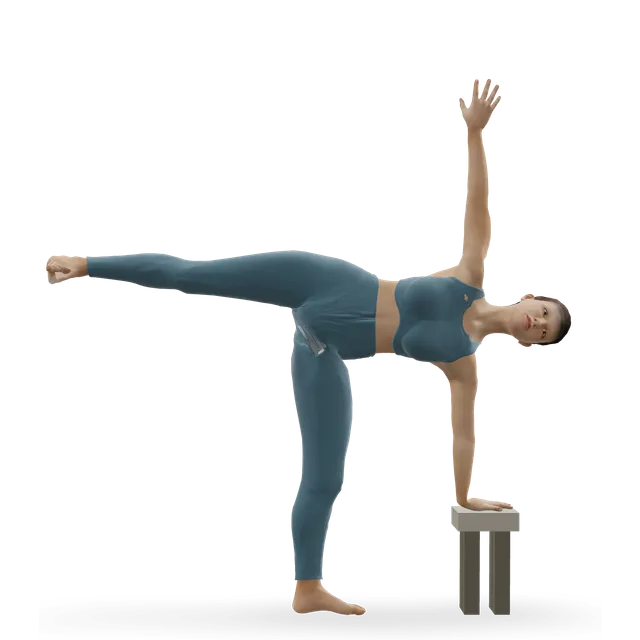 3D demoHalf moon pose (Ardha Chandrasana)Advanced · A step
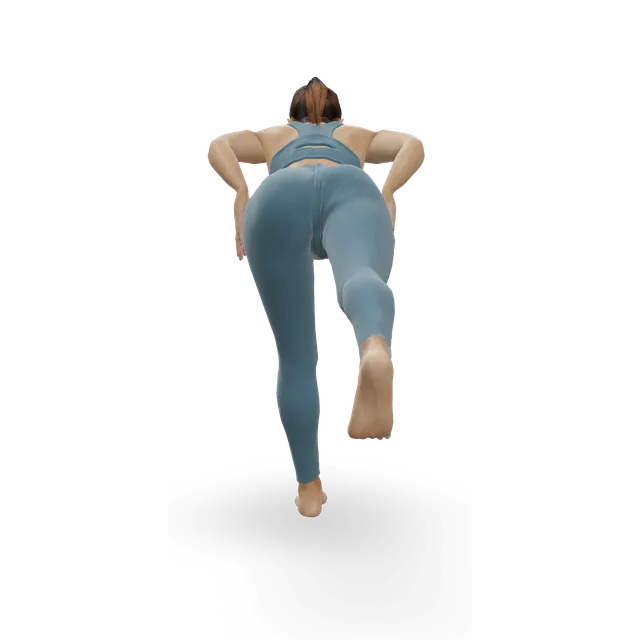 3D demoHip airplaneAdvanced · No equipment
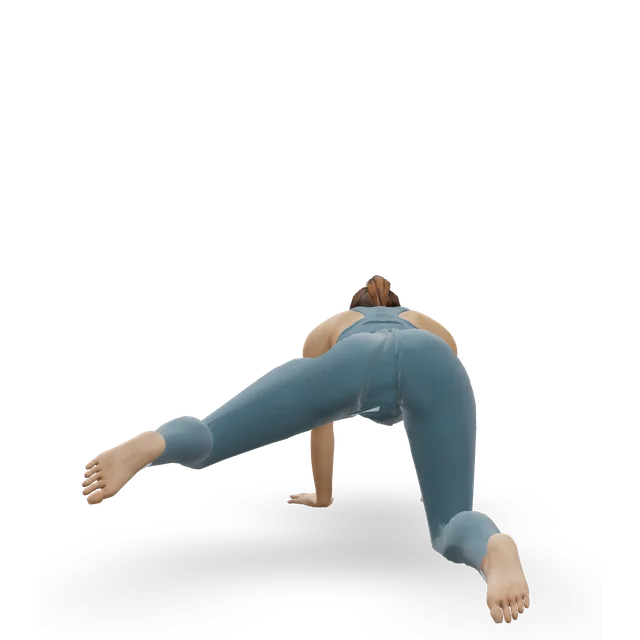 3D demoHip circles on all foursBeginner · No equipment
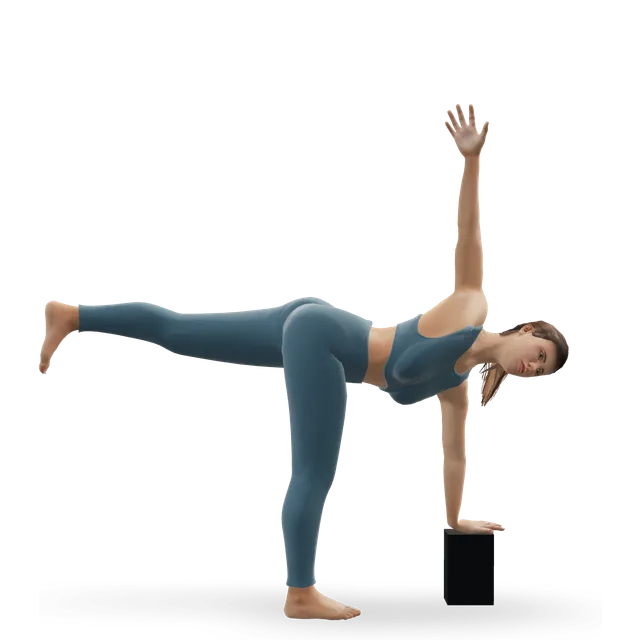 3D demoRevolved half moon pose (Parivrtta Ardha Chandrasana)Advanced · A step
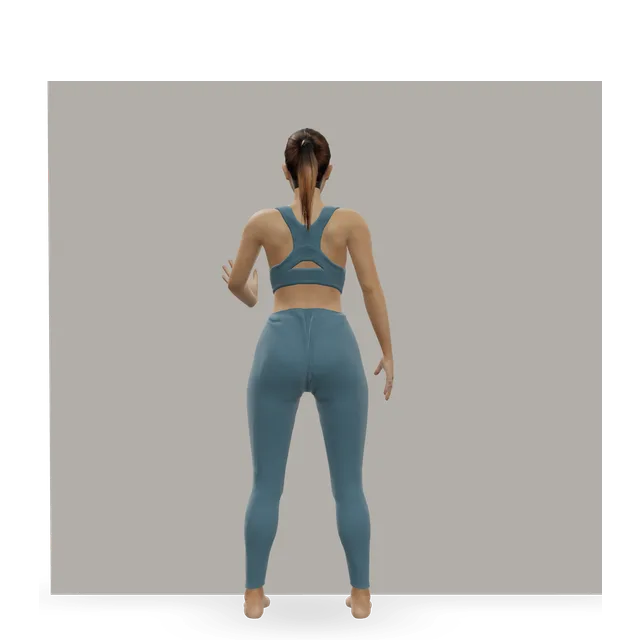 3D demoSide-stepping (sideways walking)Beginner · A wall
Browse more
Questions people ask
What muscles does the Lotus pose (Padmasana) work?
Mainly the glutes and hip abductors, with help from the adductors and quads.
What equipment do I need for the Lotus pose (Padmasana)?
No equipment: your body weight and a little floor space.
Is the Lotus pose (Padmasana) good for beginners?
It is an advanced move. Build up to it with the Half lotus pose (Ardha Padmasana) first.
What is an easier alternative to the Lotus pose (Padmasana)?
Try the Half lotus pose (Ardha Padmasana) or the Fire log pose (Agnistambhasana). It is the suggested step down from this move.
How do I make the Lotus pose (Padmasana) harder?
Progress to the Scale pose (Tolasana). Follow that guide’s technique and any stated timing.