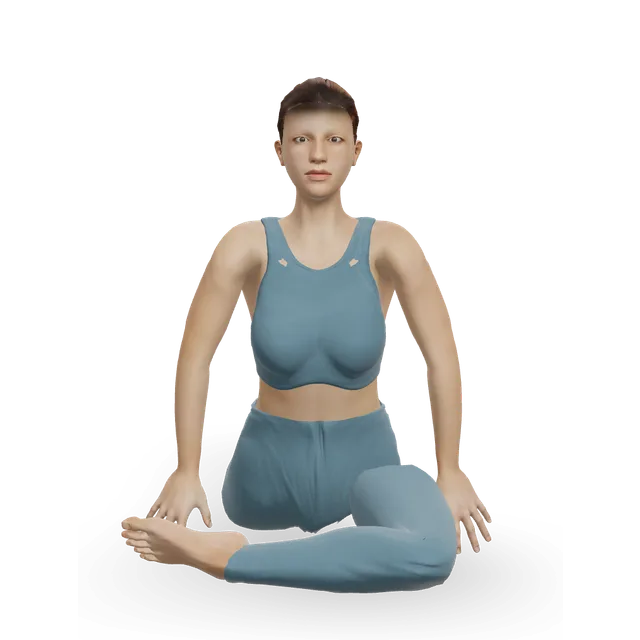
Also called deep hip rotators, deep six, internal obturator
The obturator internus is a fan-shaped muscle that lines the inside wall of the pelvis. Its tendon leaves the pelvis behind the hip, bends round the bone like a rope over a pulley, and crosses the back of the hip joint to the top of the thigh bone, where two small gemellus muscles join it.
It is one of six deep hip rotators under the gluteus maximus, with the piriformis, the two gemelli, the quadratus femoris and the obturator externus. Together they turn the thigh outward and help hold the hip in its socket. The obturator internus also has two well-known neighbours: the pelvic floor, which attaches to its covering, and the sciatic nerve, which runs across it.
Shaded: the glutes area. It marks the region, not the exact outline of the obturator internus.
Starts at (origin)
The inside of the hip bone around its large oval opening, lining the side wall of the pelvis.Inner surface of the obturator membrane and the margins of the obturator foramen (ischiopubic rami)
Attaches to (insertion)
The inner face of the bony knob at the top of the thigh, through a tendon it shares with the two gemelli. In about 1 hip in 10 its tendon joins the piriformis tendon first.Medial surface of the greater trochanter, via a tendon conjoined with the gemelli
What it does
Turns the thigh and knee outward when the hip is straight.Hip external (lateral) rotation with the hip extended
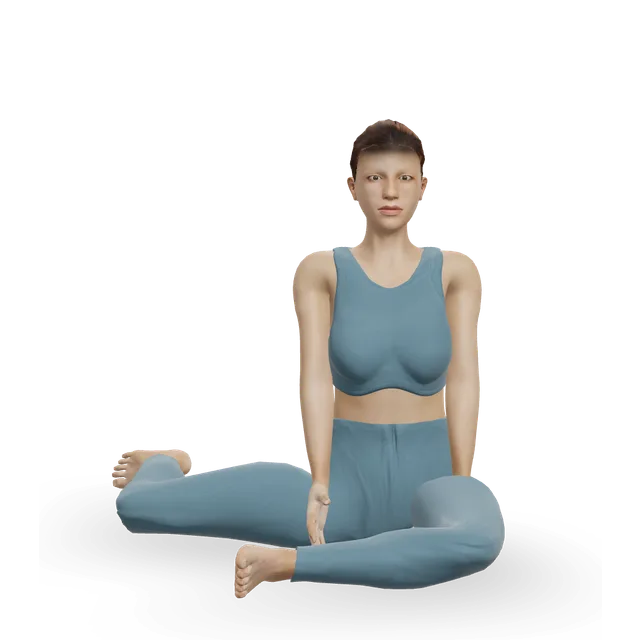
Moves the thigh out to the side when the hip is bent, as when you open your knees while sitting.Hip abduction with the hip flexed
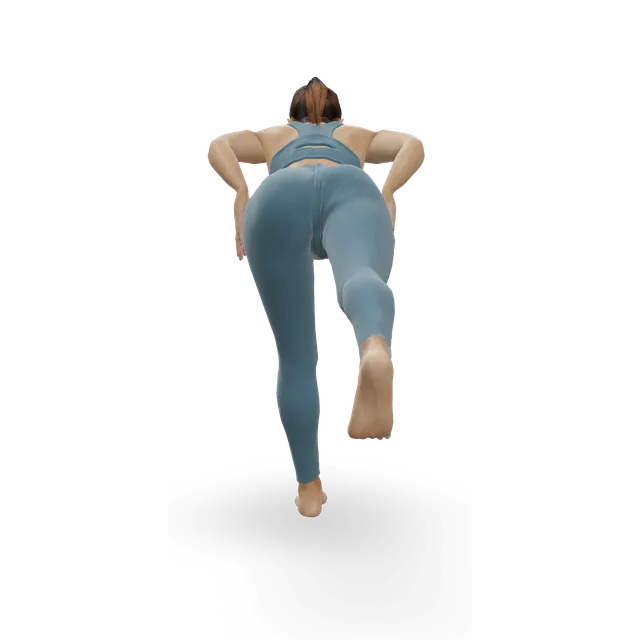
Helps straighten a bent hip, as when you rise from a deep squat. In recordings it was most active when people pushed the leg back.Assists hip extension, especially from flexion
Helps hold the ball of the thigh bone in its socket, with the other deep rotators.Dynamic stabilisation of the femoral head in the acetabulum
Nerve supply
Nerve to obturator internus, from the sacral plexus (L5 to S2; one StatPearls article gives L4 to S2). It also supplies the superior gemellus. The inferior gemellus and quadratus femoris share their own nerve (L4 to S1), and the obturator externus is supplied by the obturator nerve (L2 to L4).
Six small muscles sit under the gluteus maximus and run from the pelvis to the top of the thigh bone. All of them turn the thigh outward.
Piriformis: from the front of the sacrum, inside the pelvis, to the top of the bony knob at the top of the thigh. It has its own guide.
Superior gemellus: from a bony point on the back of the pelvis (the ischial spine) to the inner face of the bony knob, with the obturator internus.
Obturator internus: from the inside of the hip bone, round a pulley of bone behind the hip, to the inner face of the bony knob.
Inferior gemellus: from the sit bone to the inner face of the bony knob, with the obturator internus.
Quadratus femoris: from the sit bone to a ridge on the back of the top of the thigh bone.
Obturator externus: from the outside of the hip bone, round its oval opening, to a pit at the back of the top of the thigh bone. It also helps pull a bent hip inward.
Built to steady the hip, switched on by directionMixed evidence
The gemelli and obturators have short fibres, and in 10 cadaver hips their combined cross-section was larger than the gluteus minimus's: a design suited to holding a joint steady. StatPearls calls the obturator internus a postural muscle that keeps the ball of the hip in its socket.
Recordings tell a slightly different story. In the first study to record the muscle with fine-wire electrodes, in 10 people, it was most active when they pushed the hip back, then when they turned it out, then when they lifted the leg out to the side, and barely active in other directions. That questions the idea of a general stabiliser that works whatever the hip is doing.
Its neighbour the quadratus femoris has been recorded with fine-wire electrodes too. It was moderately to highly active while the foot was on the ground in walking, and very active in running, including the end of each swing as the leg slows before landing.
The obturator internus forms the side wall of the pelvis. Part of the levator ani, the main pelvic floor muscle, starts from the fibrous covering of the obturator internus, and in 23 cadavers the two muscles met along a broad strip of it.
The pudendal nerve, which serves the genitals and back passage, runs in a canal formed in the same covering.
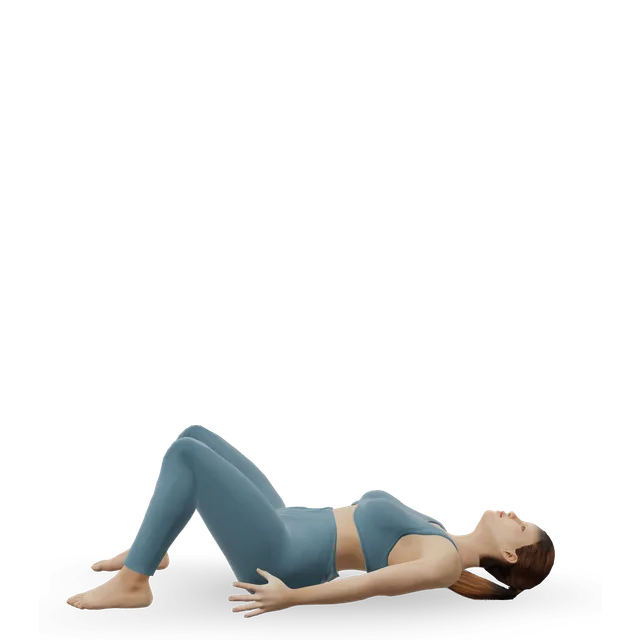
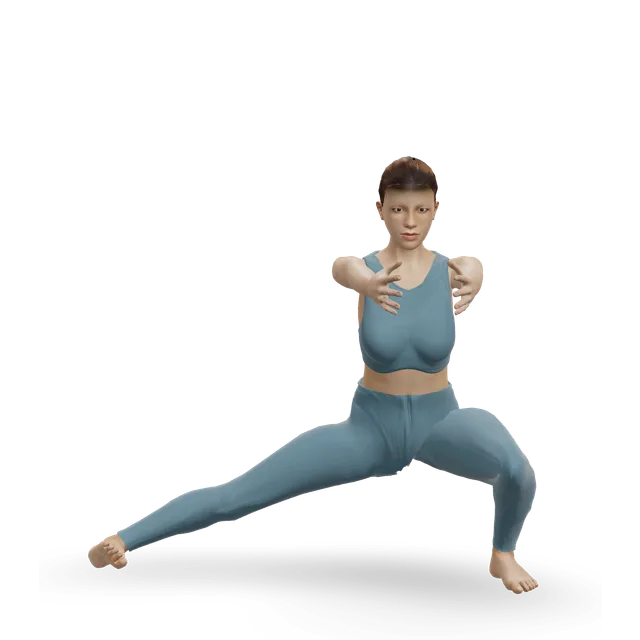
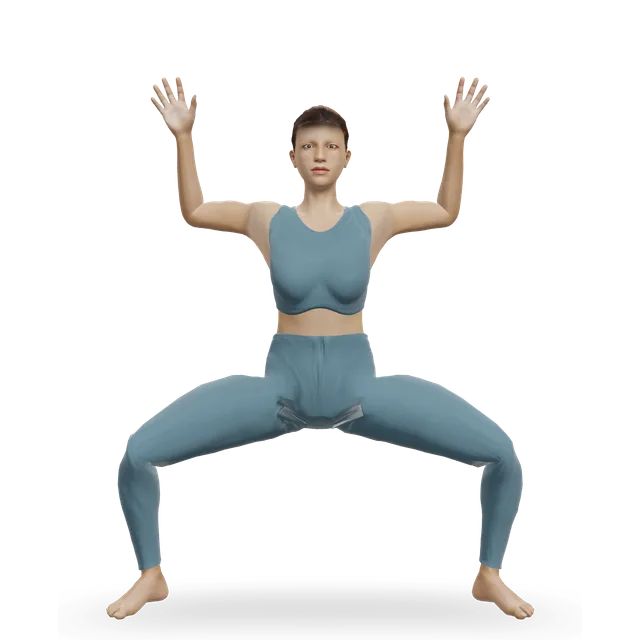
The order rests on one fine-wire electromyography (EMG) study of 10 people: the obturator internus was most active when they pushed the hip back, then when they turned it out, then when they lifted it out to the side. The first four moves use those directions, though the moves themselves were not recorded, and the clam also drew some of the most activity from its neighbour, the quadratus femoris, in a second study. The last two are chosen from the muscle's actions. EMG shows a muscle working, not that a move will make it bigger or stronger.
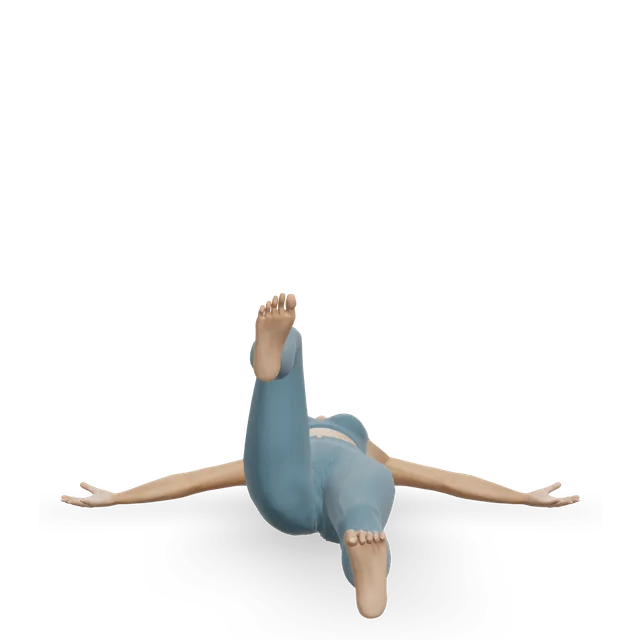
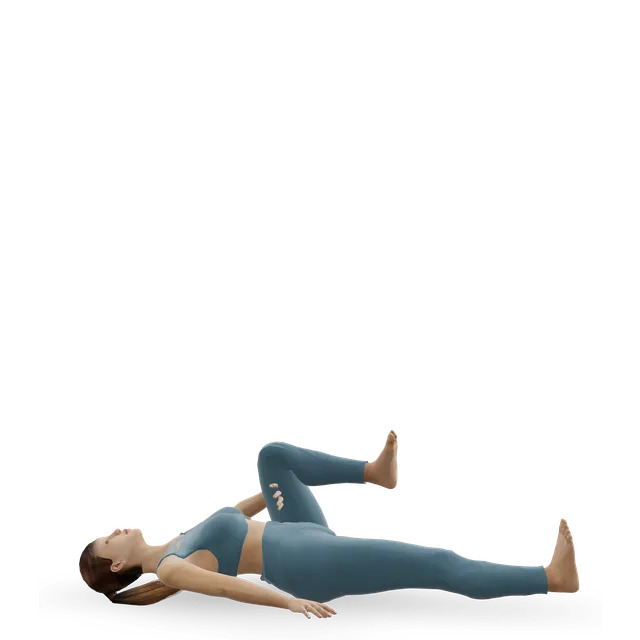
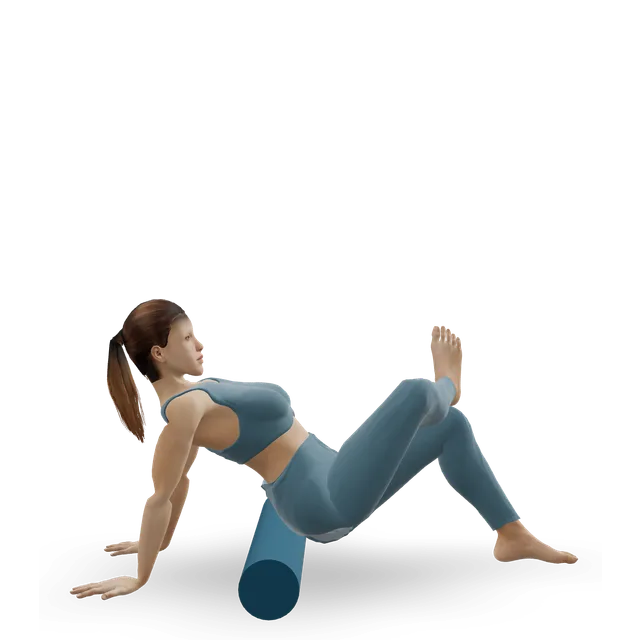
The order rests on a study of 3 cadaver hips, which is thin evidence: the obturator internus lengthened most when the hip was bent deeply and the knee taken slightly across the body, and slackened as the leg moved out to the side. That puts the knee-across-the-body stretch first; the figure four, which turns the knee out, suits the piriformis better. Rolling the buttock is for comfort only, as this muscle lies too deep to reach. Skip the knee-across stretch if the outside of your hip hurts, and stop any stretch that brings on pain or tingling down the leg.
Deep buttock pain and the sciatic nerveMixed evidence
The sciatic nerve runs over the obturator internus and the two gemelli, tied to them by connective tissue. Turning the hip inward pulls the nerve tight over the tendon, and in a few people the nerve gets pinched there. This is one form of what is now called deep gluteal syndrome: buttock pain, often worse with sitting, sometimes running down the back of the leg.
The evidence is thin. In 6 people operated on for suspected piriformis syndrome, the piriformis looked normal and a tense obturator internus was pressing on the nerve; cutting its tendon eased pain for 3 months but not clearly at 6, and in a randomised study of 12 people the pain fell clearly only by 8 years. Deep gluteal syndrome may account for 6% to 17% of people seen by specialists for sciatica, but no trial of physiotherapy for it has been found, and most sciatica comes from the spine.
Pain beside the sit bone (ischiofemoral impingement)Emerging evidence
The quadratus femoris can be squeezed between the sit bone and the thigh bone. On MRI (magnetic resonance imaging) scans, people with this had a narrower gap there: about 15 against 26 millimetres in a pooled analysis of 217 hips with it and 140 without. Pain on walking, felt beside the sit bone, is typical.
Every treatment report so far is a case series, with no comparison group. The main look-alike is a problem with the hamstring tendon at the sit bone.
Myofascial pelvic pain, pain from the muscles and connective tissue of the pelvis, affects about 14% to 23% of women, and the obturator internus is one of the muscles that can be involved. When the pudendal nerve is trapped in its canal, the obturator internus becomes tender and tight; a clinician checks it by pressing on the inner side of the sit bone. An enlarged obturator internus can itself press on the nerve.
Physiotherapy that relaxes these muscles is widely recommended, for at least 6 to 12 weeks, but good trials are lacking. Our pelvic floor muscle guide covers the floor itself.
Strains are rare and mostly affect young male athletes in kicking sports, from kicking, tackling or falling. They can come on suddenly or build up with overuse, sometimes alongside a strain of the adductor longus in the groin.
The back-of-the-hip (posterior) approach to a hip replacement cuts these short rotators, and surgeons sew them back at the end. In the studies StatPearls cites, repairing them cut dislocations from 4.5% to 0.5%, though the repaired muscles wasted more.
Strengthening your obturator internus strengthens your pelvic floorMixed evidence
The two share a fibrous wall, and stimulating that wall made the pelvic floor contract in a laboratory study. In 25 women over 55, with no comparison group, 12 weeks of hip rotation exercise raised pelvic floor squeeze pressure. But in a randomised trial of 47 women with stress leaks, adding hip exercises to pelvic floor training reduced daily leaks without making the pelvic floor any stronger.
A 2025 review calls the mechanism hypothetical. Hip exercises may be a useful extra; pelvic floor training stays the first treatment, as our pelvic floor guide explains.
The deep rotators only turn the leg outEmerging evidence
With the hip bent, the obturator internus moves the thigh out to the side, and in fine-wire recordings it was most active when people pushed the hip back. A small cadaver study suggests the group helps you rise from a bent hip.
Buttock pain that runs down the leg is the piriformisMixed evidence
The obturator internus and gemelli can also catch the sciatic nerve, and most sciatica comes from the spine, often a disc pressing on a nerve root. Pain that spreads below the knee, or comes with pins and needles, needs assessing rather than stretching.
Releasing the obturator internus fixes pelvic painMixed evidence
Physiotherapy that relaxes the obturator internus and piriformis is widely recommended for pelvic muscle pain, but good studies to confirm it works are lacking. We found no trial of rolling or pressing on the muscle with a ball.
It turns the thigh outward when the hip is straight, and moves it out to the side when the hip is bent. In the first study to record it with fine wires, it worked hardest when people pushed the hip back. With the other deep rotators it helps hold the ball of the hip in its socket.
Where is the obturator internus?
It lines the inside of the side wall of the pelvis, around the large oval opening in the hip bone. Its tendon leaves the pelvis behind the hip, turns a right angle round the bone like a rope over a pulley, and crosses the back of the hip joint to the bony knob at the top of the thigh.
What are the six deep hip rotators?
The piriformis, the superior and inferior gemellus, the obturator internus, the quadratus femoris and the obturator externus. They lie under the gluteus maximus, run from the pelvis to the top of the thigh bone, and turn the thigh outward.
Is the obturator internus part of the pelvic floor?
No, it is a hip muscle. But it forms the side wall of the pelvis, and part of the main pelvic floor muscle starts from its fibrous covering. Whether exercising one changes the other is not yet known.
Can the obturator internus cause sciatica?
Occasionally. The sciatic nerve runs across it and the gemelli, and in a few people operated on for suspected piriformis syndrome it was the obturator internus, not the piriformis, pressing on the nerve. Most sciatica, though, comes from the spine.
What does obturator internus pain feel like?
Trouble in the deep buttock tends to cause buttock pain that is worse with long sitting, sometimes with pain down the back of the leg. Pain around the genitals or back passage that is worse sitting points instead to the pudendal nerve, which runs in a canal in this muscle's covering. A clinician needs to tell these apart.
How do you stretch the obturator internus?
Draw your bent knee toward your chest and across your body. In a small study of cadaver hips it lengthened most with deep hip bending and the knee taken slightly across, and slackened as the leg moved out to the side. Stop if a stretch brings on pain or tingling down your leg.
How do you strengthen the deep hip rotators?
No study has ranked exercises for the obturator internus itself. In recordings it worked hardest when people pushed the hip back, turned it out and lifted it out to the side, so bridges, clams and side-lying leg raises use it. That shows the muscle working, not that these moves build it.
Do hip exercises help bladder leaks?
Possibly, as an extra. In a trial of 47 women with stress leaks, adding hip exercises to pelvic floor training reduced daily leaks more than pelvic floor training alone, though the pelvic floor got no stronger. Pelvic floor training stays the first treatment.
Which nerve supplies the obturator internus?
The nerve to obturator internus, from the sacral plexus, usually given as L5 to S2; one StatPearls article says L4 to S2. The same nerve supplies the superior gemellus.
Anatomy and movement education, not a diagnosis or treatment plan. If you have pain that follows an injury, is severe or getting worse, or comes with numbness, weakness or swelling, get it assessed. Health disclaimer.