Scale pose (Tolasana)
Sitting in lotus with the palms beside the hips, you press down through straight arms and lift the folded legs and seat off the floor, hanging like the pan of a scale. Unlike crow or crane there is no forward lean and no knee perch: the arms and abdominals lift you straight up. Yoga Journal does not recommend it for anyone who can't sit comfortably in lotus, offering the crossed-leg or half-lotus version, or pendant pose, instead.
Movement guide
Scale pose (Tolasana)
Make it easier or harder
Choose a version that fits your control and comfort.
Easier option
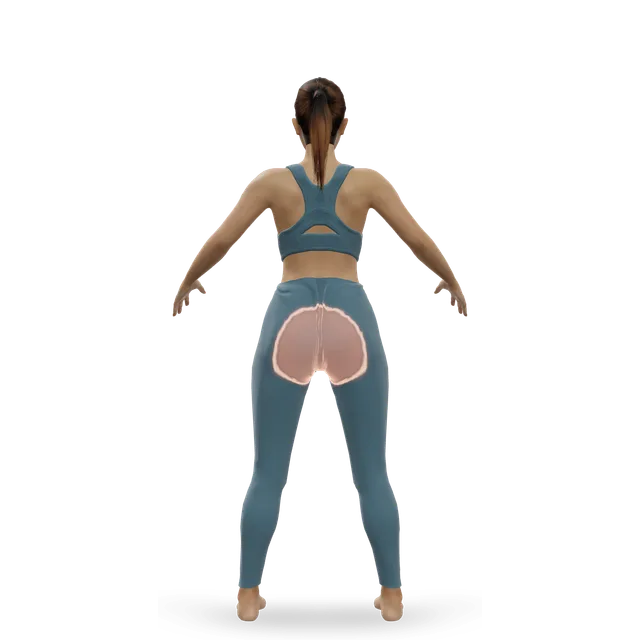 Lotus pose (Padmasana)Advanced · No equipment
Suggested next step, advanced grade.
Harder option
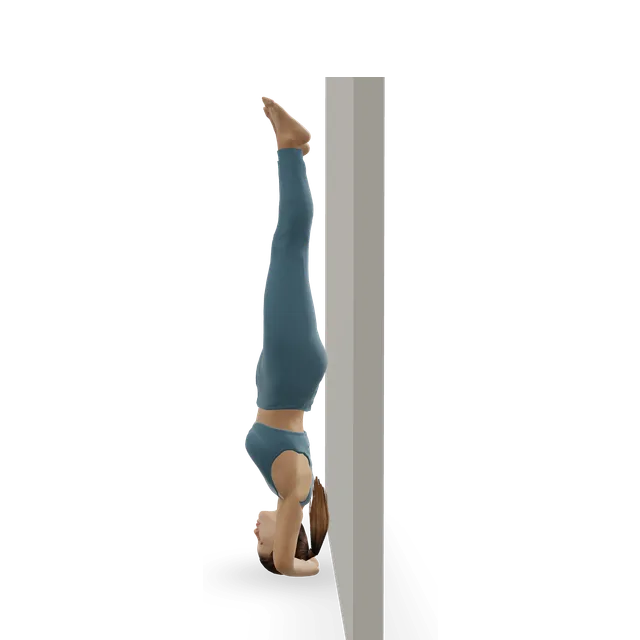 3D demoSupported headstand (Salamba Sirsasana)Expert · A wall
Similar move, expert grade.
Source-researched guide.
How to move
- Sit in lotus, or with the legs simply crossed, with a block under each hand beside the hips, palms flat and fingers pointing forward.
- Breathe out, press the hands down, straighten the arms and draw the belly and inner groins up to lift the legs and seat off the floor.
- Hold with the arms straight and the shoulders drawn down away from the ears, breathing steadily.
- Lower the seat with control, change which leg is on top and lift again.
Form cues
- Blocks under the hands give the arms more length to lift you.
- Think of drawing the knees up toward the chest, not only pushing down.
- Avoid: rocking or swinging to get off the floor.
Practice and cautions
Hold the lift 10 to 15 seconds, then lower, change which leg is on top and lift again for the same time, as Yoga Journal gives it.
A failed lift drops you only a few centimetres onto your seat; practise over a folded blanket so the landing is soft. Wrist pain is common when the hands carry your weight: in a survey of 321 adults who practise handstands, 57% reported chronic wrist pain. Your full body weight goes through extended wrists, so build up gradually and stop with any tingling or wrist pain. Never force lotus for the sake of this pose; knee or ankle pain in the fold means practise the cross legged version instead. This is movement education, not an assessment or treatment prescription. Stop for sharp or increasing pain, dizziness, numbness or tingling; seek individual guidance for symptoms, injury or restrictions.
Sources and review status
Sources support the educational description; they do not establish that this exercise is suitable for you.
- Yoga Journal · Scale pose (how-to: from lotus, lift for 10 to 15 seconds; blocks under the hands; easy seat, half lotus or pendant pose if lotus isn't comfortable) ↗
- Martonovich 2025 · 57% of 321 adults who practise handstands, about a quarter of them from yoga, reported chronic wrist pain (cross-sectional survey, J Funct Morphol Kinesiol; a sibling skill) ↗
No variation is labeled clinically validated.
What it works
Muscles
Main: Shoulders, Abs. Also: Triceps, Hip flexors, Back.
Anatomy: Deltoid, Rotator cuff, Supraspinatus, Infraspinatus, Subscapularis, Teres minor.
Equipment
A step
Level
Advanced. See the easier and harder options above.
Similar moves
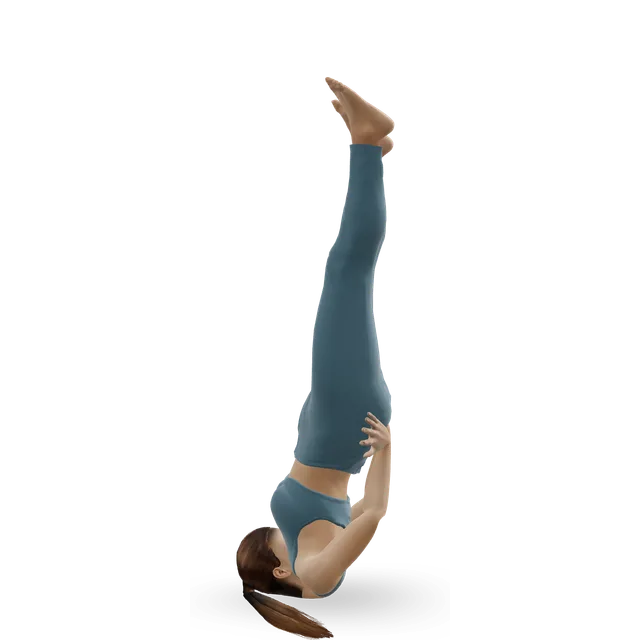 3D demoSupported shoulderstand (Salamba Sarvangasana)Advanced · No equipment
 Crane pose (Bakasana, straight arms)Advanced · No equipmentSide crow (Parsva Bakasana)Advanced · No equipment
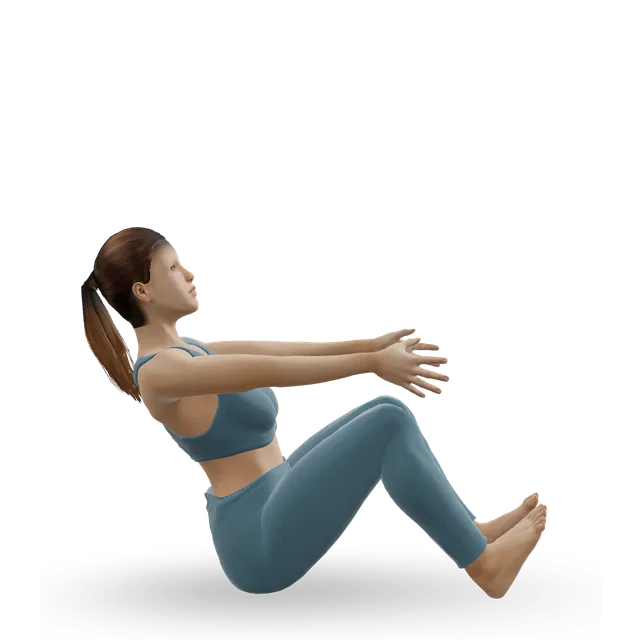 3D demoBoat pose (Navasana)Intermediate · No equipment
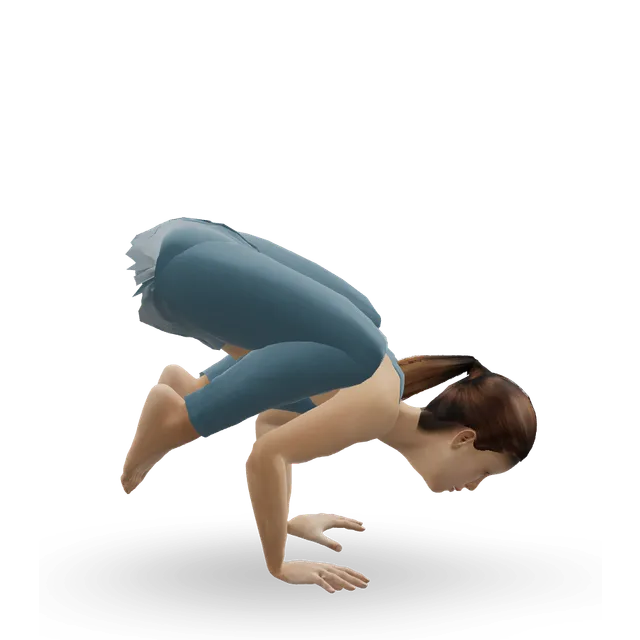 3D demoCrow pose (Bakasana)Intermediate · No equipment
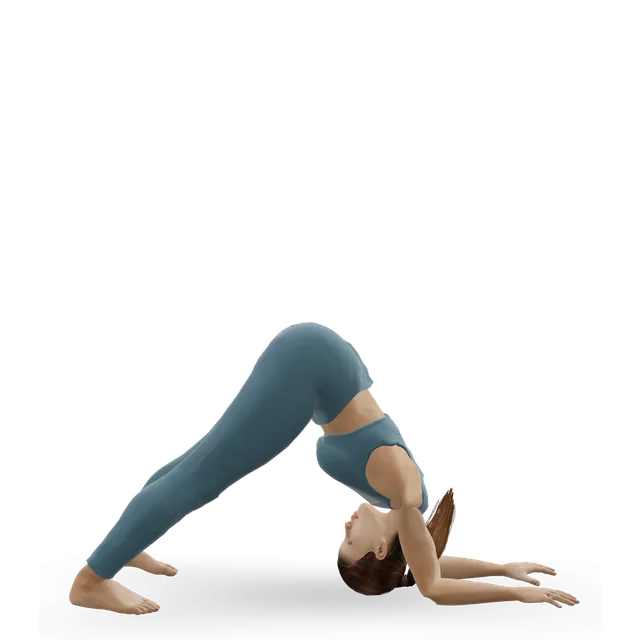 3D demoDolphin pose (Ardha Pincha Mayurasana)Intermediate · No equipment
Browse more
Questions people ask
What muscles does the Scale pose (Tolasana) work?
Mainly the shoulders and abs, with help from the triceps, hip flexors and back.
What equipment do I need for the Scale pose (Tolasana)?
A step.
Is the Scale pose (Tolasana) good for beginners?
It is an advanced move. Build up to it with the Lotus pose (Padmasana) first.
What is an easier alternative to the Scale pose (Tolasana)?
Try the Lotus pose (Padmasana) or the Easy pose (Sukhasana). It is the suggested step down from this move.
How do I make the Scale pose (Tolasana) harder?
Progress to the Supported headstand (Salamba Sirsasana) or the Eight-angle pose (Astavakrasana). Follow that guide’s technique and any stated timing.