Training guide

How to do a sled push: body angle, arms and steps, how heavy, and pushes for speed and fitness

To push a sled, you grip the uprights with long, stiff arms, lean in until your body makes one straight line from head to heels, and drive it forward with short, punchy steps, pushing the ground away behind you. Light and fast, it trains acceleration; heavy and slow, leg strength; repeated with short rests, it's hard interval work. Because the sled only resists, there's almost no lowering phase, so even hard sessions leave little soreness.

The evidence is better for speed than for anything else. In the one sled-push training trial, in schoolboys, 8 weeks of pushes beat plain sprints over 5 to 20 m, though reviews of mostly towed sleds find a sled often no better than the same sprints without one. No study has measured the energy cost of pushing a sled or tested it for knee pain.

This guide covers the technique, straight or bent arms, how heavy (set by speed rather than by the plates), how far and how often, the Hyrox sled, what to do without a sled, and the warning signs.

The short version

Lean, lock and drive

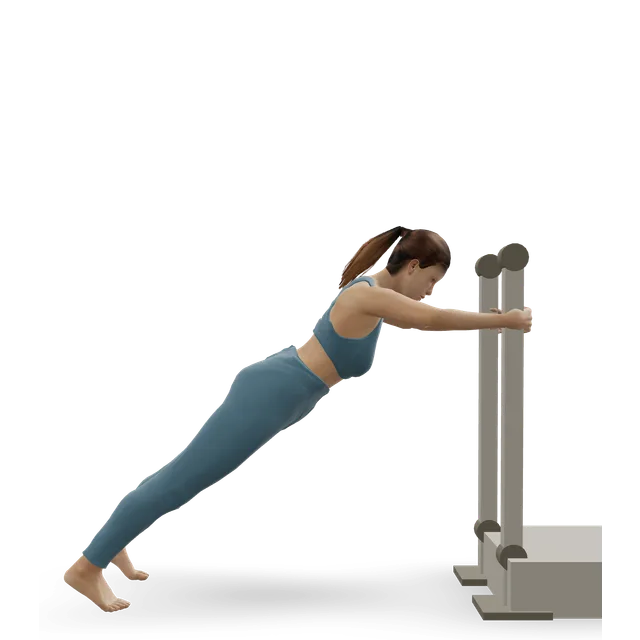
Grip the uprights with long, stiff arms, lean in until your body is one line from head to heels at roughly 45 degrees, and drive the sled with short, punchy steps on the balls of your feet. Pushing puts you further forward than pulling a sled, makes your arms push, and meets more friction.

Source 1

Legs, with little soreness

In 10 trained men, a maximal sled push worked the front and back of the thighs about as hard as a 10-rep-max squat, the calves 61% harder and the lower back far less. The sled only resists, so there's almost no lowering: after a hard session of backward drags, a blood marker of muscle damage didn't rise.

Sources 2, 3

For speed: useful, not magic

In 50 schoolboys, 8 weeks of sled-push sprints improved 5 to 20 m times more than plain sprints. Reviews, mostly of sleds towed behind, find sleds improve short acceleration but often no more than the same sprints without one, and heavier sleds helped mainly trained athletes.

Sources 4, 5, 6, 7

Set the load by speed, not kilograms

In schoolboys, the load that slowed them by a quarter ranged from 23 to 42% of their body weight. Floors differ too: by our estimate, the same sled can feel two or three times heavier on a grippy floor than a slippery one. For speed keep it fast, for strength keep your body line, for fitness keep it moving.

Sources 8, 9

How much

4 to 8 pushes of 15 to 20 m with a load you can keep moving briskly, walking back between, is the move page's editorial starting point; for speed, 4 to 6 short, fast pushes of 10 to 20 m. The sled-push trial trained twice a week for 8 weeks.

Source 4

Not only for athletes

Older adults completed a progressive session on a sled-push machine with no adverse events, and recreational Hyrox racers push a 102 kg or 152 kg race sled (including the sled) in about 2 minutes. A light sled at a brisk walk is a beginner's exercise.

Sources 10, 11, 12

What a sled push is, and what it works

The move

You push a loaded sled across turf, rubber or a track, leaning into it with your arms locked and driving with your legs. Compared with pulling a sled, pushing puts you in a more forward position, makes your arms push, and meets more friction from the sled's larger contact with the floor; research on pushing is scarcer than on pulling.

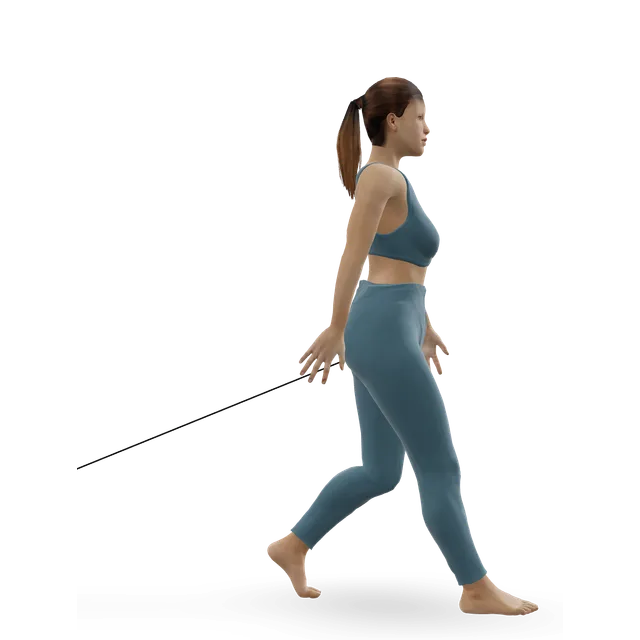
It's also called a prowler push, after one brand's sled. A sled drag or pull is different: the sled is behind you on a strap or rope, or you walk backwards facing it.

Source 1

What it works

In 10 resistance-trained men, a 20-step maximal sled push drew about as much activity from the front and back of the thigh and the deep tummy muscles as a 10-rep-max back squat, 61% more from the calves and far less from the lower back muscles (the squat drew 74.5% more). Your glutes drive your hips, and your arms and trunk brace rather than move. Muscle activity in one session shows effort, not what a muscle will build.

Source 2

Why it leaves little soreness

Soreness comes mostly from muscles lengthening under load, and a sled has almost none of that. In 11 strength-trained men, a hard session of backward drags (5 sets of two 20 m drags at 75% of body weight) raised lactate to 12.4 mmol/L and dulled jump power for up to 3 hours, but didn't raise a blood marker of muscle damage. That was a drag, not a push.

Source 3

Before you start

Comfortable brisk walking and a confident hip hinge, as the move page asks. A session of backward sled drags is a good introduction.

How people differ

The load that slowed schoolboys by a set amount varied about twofold between them. The floor matters: friction on four sports surfaces ranged from 0.21 to 0.58, and on an athletics track it changed with speed. Empty sleds differ too (the one in a 2025 study weighed 40 kg), so the same plates mean different totals. Shorter people often find the high handles with straight arms easiest, and taller people the low handles (our suggestion).

Sources 8, 9, 13, 1

How to do a sled push, step by step

From our sled push move page and its demo, which shows the tall uprights. Keeping your arms and body angle fixed through the push is our suggestion.

  1. Load the sled so you can keep it moving briskly, on a surface it slides on, and check the lane ahead is clear. Wear shoes that grip.
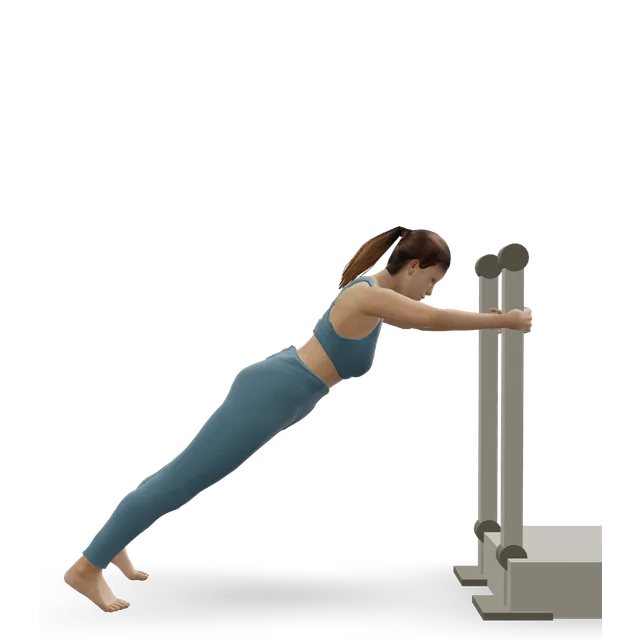
  2. Grip the tall uprights with long, stiff arms.
  3. Walk your feet back until your body makes one straight line from head to heels, at roughly 45 degrees. Don't let your hips sag or pike up.
  4. Brace, and look at the floor a few metres ahead, not at your feet.
  5. Drive one knee forward and push the ball of that foot back into the ground behind you, then the other: short, powerful steps, not long strides.
  6. Keep the same body angle and steady pressure through your hands for the whole push, and keep breathing.
  7. Push for the set distance, stop the sled, stand up and walk back to recover.

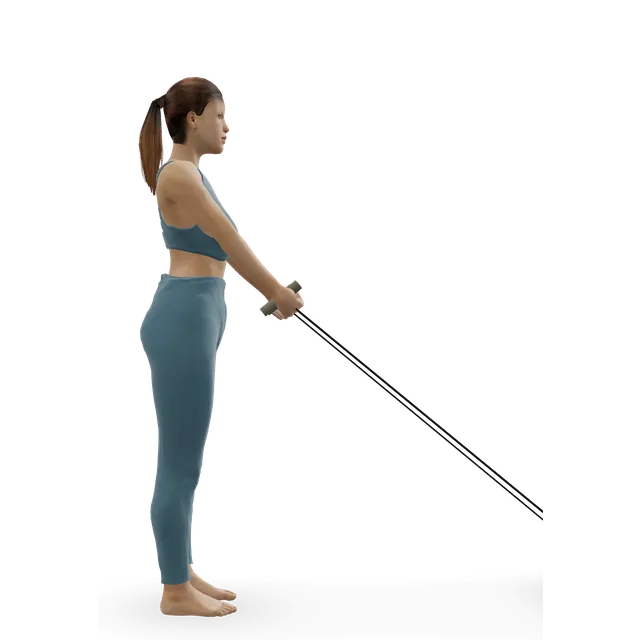
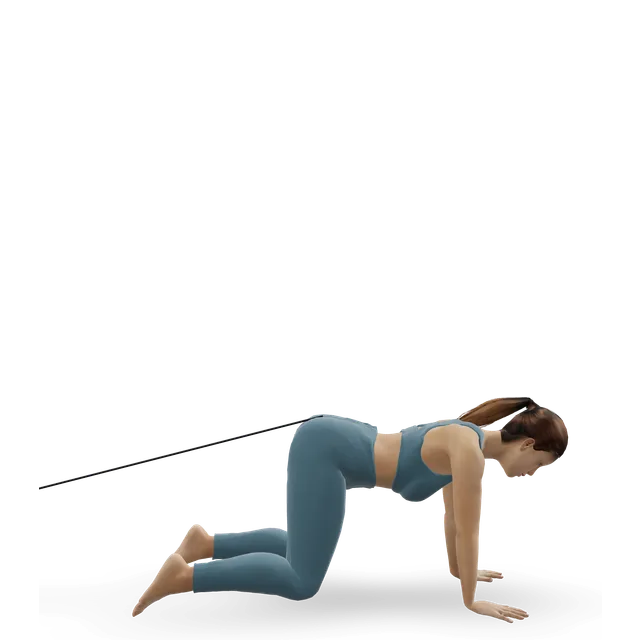
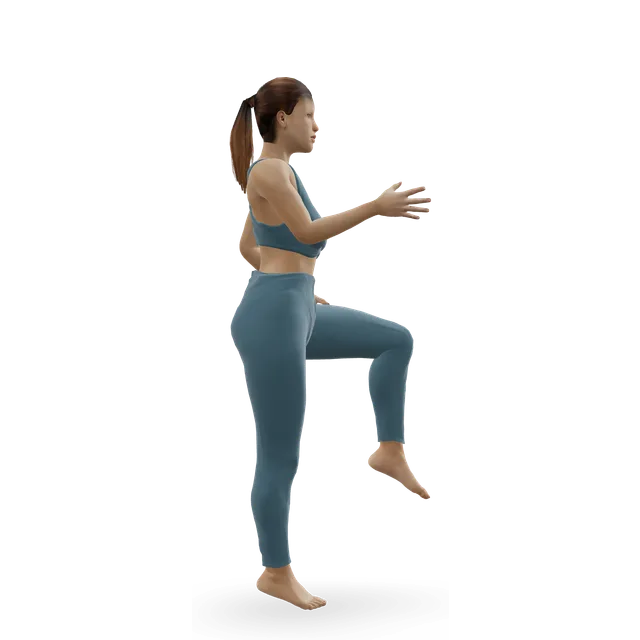
Loading the 3D figure…

Gets into position, then repeats the movement. Technical checks passed; qualified exercise review is pending.

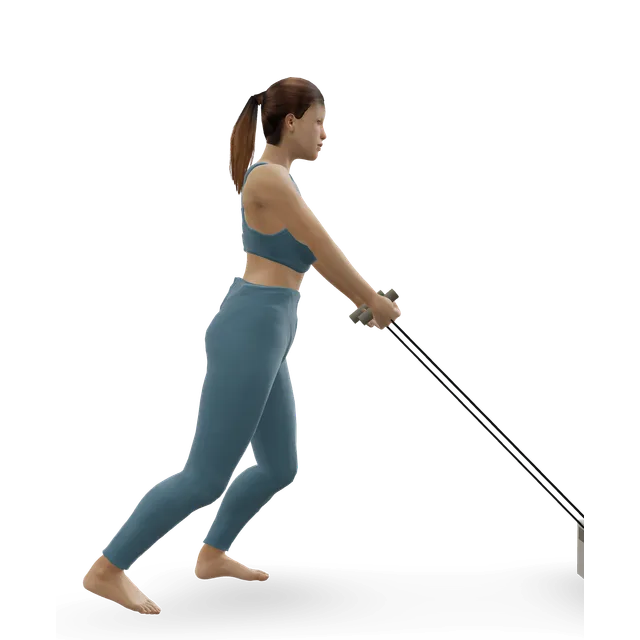
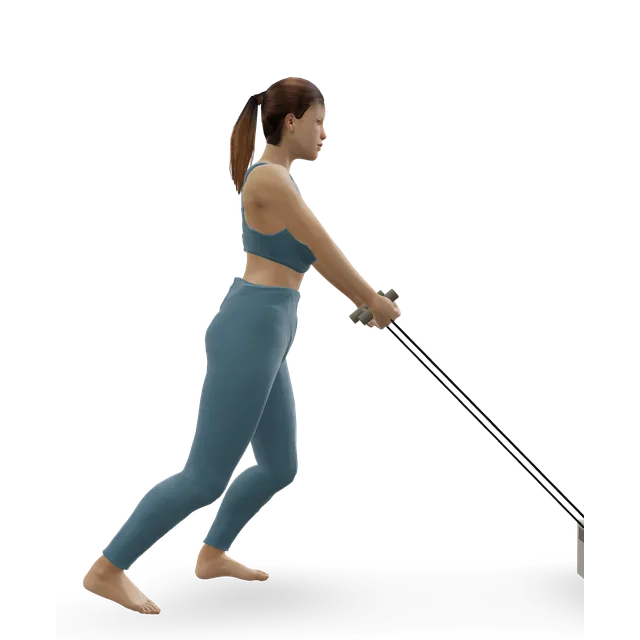
The movement on the figure: Sled push

Arms straight or bent, handles high or low

No study has compared them

We found no study of sled-push technique: body angle, arm position or handle height. What follows is coaching practice and our reading.

Straight arms on the high handles

Your leg drive passes straight into the sled, and it's the easiest way to learn. Start here.

Bent arms or the low handles

Your body sits lower, closer to a sprint start, and your chest, triceps and trunk work harder to hold the position.

Keep it fixed

Whichever you choose, keep your arms in one position through the push. Bending and straightening them as you go wastes the drive from your legs.

Common mistakes and how to fix them

Hips sagging

Your lower back arches. Brace and shorten your steps, keeping one line from head to heels, as the move page cues.

Hips piking up

You end up pushing with your arms. Drop your hips into the line and drive with your legs (our suggestion).

Long, reaching strides

You're jogging behind the sled. Take short, quick steps and push the ground back behind you.

Looking down at your feet

Look at the floor a few metres ahead, as the move page cues.

A stalled sled

If it won't move at walking pace, take weight off rather than straining against it, as the move page advises.

Holding your breath

Keep breathing. Heavy efforts against a held breath sent blood pressure to an average of 320/250 mmHg in bodybuilders.

Source 14

Slipping

Wear grippy shoes and use a clear, even lane.

How heavy

By speed

In 90 schoolboys, the sled-push load that cut their top speed by a quarter ranged from 23 to 42% of their body weight, by a half from 45 to 85%, and by three quarters from 69 to 131%. Each boy's load and speed fell on a straight line, so by our reading a few test pushes can find your own loads. These ranges come from schoolboys: adults will differ, which is why we set the load by how the sled moves.

Source 8

The floor changes the load

Friction on four sports surfaces ranged from 0.21 to 0.58 in tests with a towed sled, and on an athletics track it changed with speed. By our estimate, the same sled can feel two or three times heavier on the grippiest floor than on the slipperiest, so compare loads only on the same floor.

Sources 9, 13

For speed, strength or fitness

For speed, a load you can still move fast. For strength, a load that moves slowly while your body stays in a line. For fitness, a load you can keep moving briskly for 20 to 40 seconds. That's our editorial guidance; the move page's rule of thumb is to take weight off if the sled won't move at walking pace.

How many, and how often

For speed

4 to 6 pushes of 10 to 20 m with a light sled, walking back and resting 1 to 2 minutes between: the prowler sprint move page's editorial starting point. The sled-push trial trained twice a week for 8 weeks, so give it 6 to 8 weeks before you judge it.

Source 4

As a starting point

4 to 8 pushes of 15 to 20 m with a load you can keep moving briskly, walking back between: the sled push move page's editorial starting point.

For fitness

6 to 10 pushes of 20 to 40 seconds with 60 to 90 seconds' rest, once or twice a week as one of your hard sessions, as our high-intensity interval training (HIIT) guide counts them (our editorial starting point).

Before sprints, for athletes

In 20 rugby league players, one push at 75% of body weight made 20 m sprints 1 to 2% faster 4 to 12 minutes later; at 125% they were slower. In 16 under-18 footballers, two sets of two 15 m pushes at their body weight, the day before a match, went with faster sprints and higher jumps 24 hours later.

Sources 15, 1

Progressing

Add load, distance, pushes or speed, or cut the rest: one thing at a time (our suggestion).

No sled?

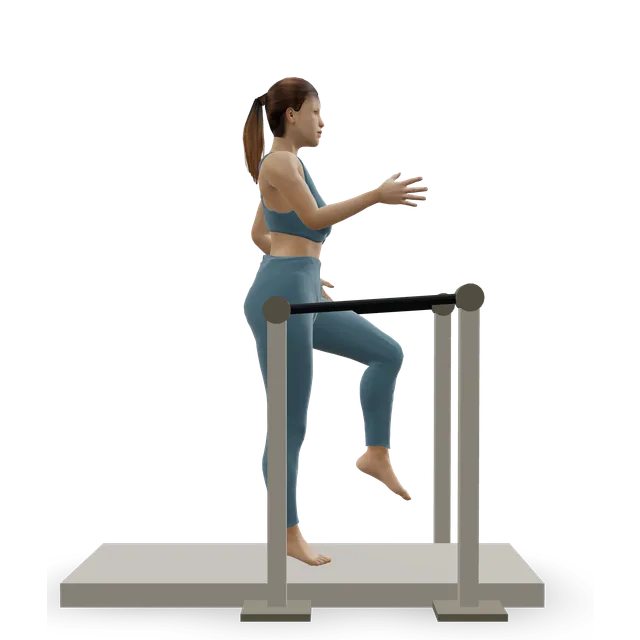
Step-ups, 2 sets of 8 to 10 each leg, as our Hyrox strength and beginner strongman workouts swap them in; or hill sprints, 6 to 8 runs of 8 to 10 seconds, walking down, as our sprint guide suggests. Some treadmills have a sled setting; we found no study of them.

Sled pushes for speed: what the evidence says

The one sled-push trialEmerging evidence

In 50 high school athletes, 8 weeks of sled-push sprints twice a week, with loads that cut their speed by a quarter, a half or three quarters, improved 5 to 20 m times in all three groups (effect sizes 0.34 to 1.16), most over the first 5 m and most in the heaviest group. Plain sprints didn't improve them significantly. It's one trial, in schoolboys.

Source 4

Reviews of sled training: mostly towed sledsMixed evidence

Across 13 studies of towed sleds, sled training improved acceleration (effect size 0.61) and full sprints (0.36) but not top speed, and controlled studies found it no better than the same training without a sled. In team-sport players (21 studies of resisted sprints) and young footballers (sleds or vests), resisted sprints were no better than plain sprints overall; towed sleds improved 5 and 10 m times but not 20 m in another review of 14 studies with a high risk of bias, and an earlier review called the advantage equivocal.

Sources 5, 6, 16, 17, 18

Heavier loads help trained athletes mostMixed evidence

Across 49 studies of 1,281 people, 90% of them men, resisted sprints beat unresisted sprints overall, but only with moderate (20 to 50% of body weight) and very heavy (80% or more) loads, mainly in trained athletes, with little gain in recreationally active people. The authors conclude that light sleds or none are probably enough for recreational players.

Source 7

The best case: the first 20 mMixed evidence

An umbrella review of 15 reviews found the most consistent benefit in acceleration over 20 m or less, mostly in young male team-sport athletes; results for top speed and sprinting mechanics were inconsistent, and the certainty of the evidence ranged from very low to high.

Source 19

A push before sprintingEmerging evidence

One push at 75% of body weight made 20 m sprints 0.95 to 1.80% faster 4 to 12 minutes later in 20 rugby league players, and heavy pushes the day before a match went with faster sprints (effect size 1.41) and higher jumps 24 hours later in 16 young footballers. These are small crossover studies.

Sources 15, 1

What else the evidence says

The legs work like a squatEmerging evidence

In 10 resistance-trained men, a maximal push matched a 10-rep-max back squat for front-thigh, back-thigh and deep tummy activity, with 61% more calf activity and far less lower-back activity. No training study has tested whether pushing builds muscle like squatting.

Source 2

Workable for older adultsEmerging evidence

In 36 healthy older adults randomised to a progressive session on a sled-push machine or to walking, everyone completed it, there were no adverse events, and a third reported minimal discomfort. Heart rate, blood pressure, lactate and effort rose with speed, and overall enjoyment was similar to walking. It was one exploratory session, on a machine rather than a free sled.

Source 10

Strongman trainingEmerging evidence

In 30 rugby players over 7 weeks, traditional strength training improved sled-push performance slightly more than strongman training did, while both improved strength, power and speed.

Source 20

In a fitness raceEmerging evidence

In a simulated Hyrox race, the sled push was the quickest station for 11 recreational racers (a median of 2.1 minutes), and running fitness, not strength, went with faster finishing times.

Source 11

What no one has tested

We found no study of sled-push technique, of pushing for knee pain or knee rehabilitation, or of the energy cost of pushing as conditioning. The advice on those points is coaching practice and our reading.

The Hyrox sled push

The station

50 m as 4 lanes of 12.5 m. In the 2026/27 singles rulebook, the sled weighs 102 kg including the sled for women, 152 kg for Women Pro and men, and 202 kg for Men Pro. The whole sled must pass the 12.5 m line before you change direction. Doubles and relay races have their own rulebooks, which we didn't check.

Source 12

Training for it

Our Hyrox strength workout uses 4 to 6 pushes of 12.5 m, building towards race weight, with step-ups if your gym has no sled; the compromised running workout pushes 25 m between runs.

Pushes, drags and rows

Each move page's editorial starting point: prowler sprints, 4 to 6 pushes of 10 to 20 m, walking back; sled pushes, 4 to 8 pushes of 15 to 20 m; backward sled drags, 4 to 6 drags of 20 to 30 m with a light to moderate load, resting 1 to 2 minutes (kind to the knees, the move page says); fast backward drags and harness drags, 4 to 6 drags of 20 m, resting 1 to 2 minutes; sled rows, 2 to 3 sets of 8 to 12; bear crawl sled drags, 4 to 6 crawls of 10 to 20 m with a light sled. Clear the lane behind you before every backward drag.

No sled? What to do instead

Step-ups, 2 sets of 8 to 10 each leg (our Hyrox strength workout); hill sprints, 6 to 8 runs of 8 to 10 seconds, walking down (our sprint guide); or accelerations of 15 m with a walk back and 1 to 2 minutes' rest (our sprint speed workout). Nothing copies the push exactly.

Moves that go with it

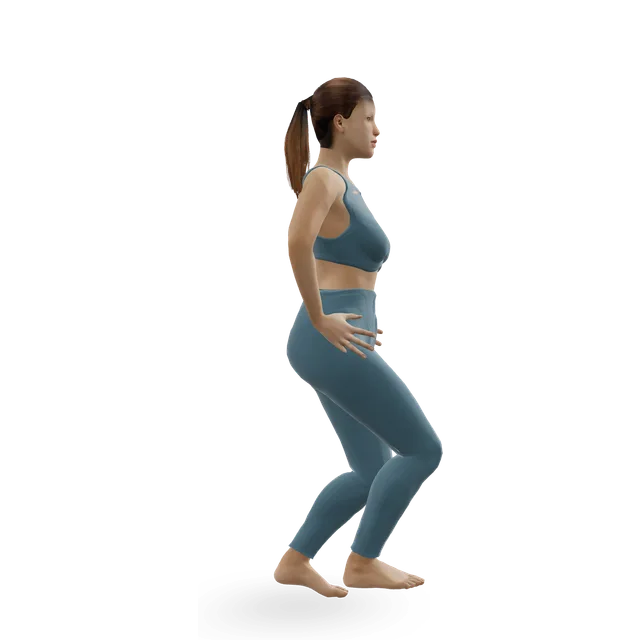
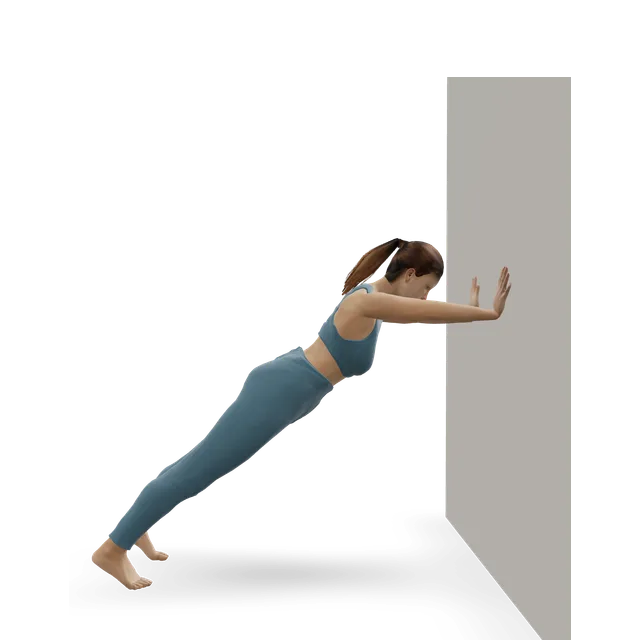
Warm up with walking lunges, 6 steps each leg, and knee-to-wall rocks, 10 each side (its move page's dose); the acceleration wall drill, 3 rounds, teaches the same lean and knee drive. Build strength with goblet squats, single-leg calf raises (2 to 3 sets of 8 to 12 each side, as our Hyrox strength workout) and farmer's carries, and finish with the hip flexor and calf stretches, 30 seconds each side.

Workouts to follow

Our sled workout has a speed track and a fitness track, then backward drags and sled rows. The Hyrox and strongman workouts use the push at race lanes or at its move page's dose, and the sprint speed workout is the plain-sprint session a sled adds to.

Sled workout: pushes, drags and rows for speed or fitness

A 40-minute sled session: short, light pushes for speed or steadier pushes for fitness, then backward drags, sled rows and an optional bear crawl drag.

40 minIntermediate13 movesCardio machine, A wall

Hyrox strength workout: legs, pulling, carries and sleds

A 50-minute strength session for Hyrox and fitness races: squats, lunges, Romanian deadlifts, sleds or step-ups, thrusters, carries, calf raises and planks.

50 minIntermediate14 movesCardio machine, A wall

Hyrox compromised running workout: runs and stations

A 60-minute fitness-race session: four 1 km runs at goal pace, each followed by stations at half race distance, from rowing and sleds to lunges and thrusters.

60 minIntermediate14 movesCardio machine, A sled

Strongman workout for beginners: deadlifts, carries, sled pushes and presses

A 60-minute strongman starter session for an ordinary gym: trap bar deadlifts, goblet squats, clean and presses, farmer's and suitcase carries and sled pushes.

60 minBeginner13 movesCardio machine, A wall

Strongman conditioning workout: sled drags, carries, clean and jerks and swings

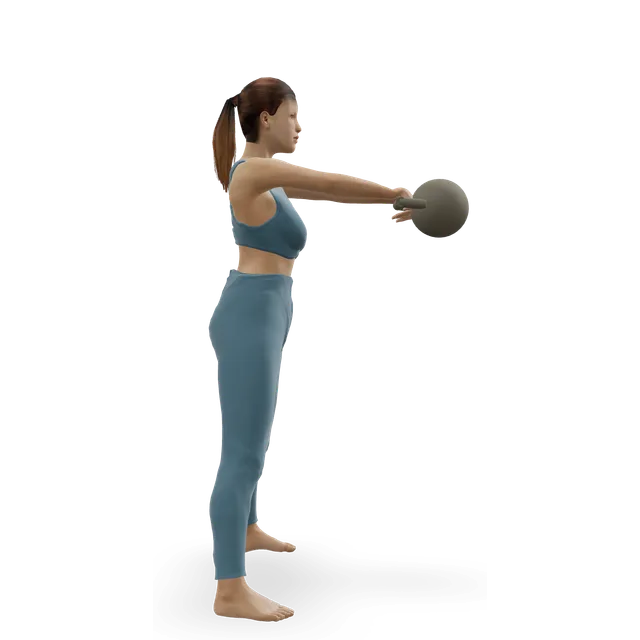
A 40-minute strongman conditioning circuit: 3 rounds of sled drags, farmer's carries, kettlebell clean and jerks and swings, each about 30 seconds of hard work.

40 minIntermediate9 movesCardio machine, A wall

Sprint speed workout: drills, accelerations and flying sprints

A 45-minute speed session: running drills, five short accelerations and three flying sprints with full rest, then Nordic curls and calf raises.

45 minIntermediate11 movesCardio machine, A wall

A plan that uses it

The Hyrox training plan uses the sled push in its strength and compromised running sessions, building towards race weight.

Who should change it

High blood pressure or heart disease

Keep breathing through every push and keep loads moderate while your blood pressure isn't controlled, as the move page advises; heavy efforts with a held breath drive blood pressure very high. With heart disease, ask your cardiac team before hard pushes. The American Heart Association calls strength training safe and effective for adults with and without heart disease.

Sources 14, 21

Sore knees

No trial has tested sled pushing for knee pain. Start light, stay a little more upright, and try backward drags, which the move page calls kind to the knees; follow our knee pain guides' pain rule (our suggestion).

Calf or Achilles trouble

The push drives through the balls of your feet. With a sore Achilles or calf, start light and short, and see our Achilles and calf pain guides (our suggestion).

Older adults

A sled-push machine session suited healthy older adults in one study. Start with a light sled at a walk, on a clear, even floor, and build up over weeks (our suggestion).

Source 10

Pregnancy

The NHS advises against starting a new vigorous activity in pregnancy, and says strength training is fine if you already do it. If you already push a sled, keep it light and steady, breathe throughout, and stop if you feel uncomfortable, too hot or unwell.

Source 22

Warning signs

Stop and get medical help

For chest pain or pressure, unusual breathlessness, dizziness or fainting, or a racing or irregular heartbeat during exercise, as our plans advise. The American Heart Association says these need immediate medical evaluation.

Source 21

Call 999 (911 in the US)

For sudden chest pain or discomfort that doesn't go away, pain that spreads to your arms, neck, jaw, stomach or back, or chest pain with sweating, feeling sick, light-headedness or breathlessness; someone who faints while exercising; palpitations that don't go away, or come with chest pain, breathlessness or feeling faint; a headache that starts suddenly and is extremely painful; or the signs of a stroke, even if they've stopped. Don't drive yourself to A&E.

Sources 23, 24, 25, 26, 27, 28

Feeling faint or sick after a hard push

Stop, sit or lie down, and breathe normally, as our breathing guide advises. If someone faints while exercising, call 999.

Source 25

Muscle breakdown after a big session

Same day (call NHS 111, or go to A&E if you feel very unwell): after a big or unusual session, such as a first sled session or many heavy pushes, muscle pain, swelling or weakness far worse than the session explains, and dark pee (red, brown, tea or cola coloured), sometimes starting hours or days later. Dark pee isn't always there, so muscles far sorer, more swollen or weaker than the session explains still need the same-day check. It can be rhabdomyolysis, a breakdown of muscle that can harm the kidneys. Call 999 for sudden, severe pain in a swollen, tight muscle, as our pain guides advise.

Sources 29, 30, 31

A snap at the back of your heel or calf

Same day: a sudden snap or pop at the back of the heel or calf, or a feeling of being kicked there, then walking flat-footed and being unable to push off or stand on tiptoe. It could be an Achilles tendon rupture: go to A&E or a minor injuries unit, or contact NHS 111, as our Achilles rupture guide says. Calf or leg pain or swelling with breathlessness or chest pain is a 999 call.

Your knees or back

Get advice from NHS 111 if your knee is very painful, you can't put weight on it, it's badly swollen or has changed shape, or it locks or gives way. Call 999 or go to A&E for back pain with pain, tingling, weakness or numbness in both legs, loss of feeling around your genitals or bottom, new trouble peeing or controlling your bladder or bowels, or changes in genital sensation during sex.

Sources 32, 33

A slip or fall

Call 999 or go to A&E if you heard a crack, or the injured part has changed shape, points at an odd angle, is numb or tingling, or has turned blue, grey or cold. Get help from NHS 111 if it's very painful, badly swollen or bruised, or you can't put weight on it.

Source 34

A hernia

See a GP if you think you have a hernia, and get help from NHS 111 for pain in or around it. Call 999 or go to A&E for a femoral hernia (a lump at the top of the thigh) with very bad tummy pain, being sick, being unable to fart or poo, a high temperature or sudden confusion.

Sources 35, 36

Check before you start

If you haven't exercised for some time or have a medical condition, speak to your GP first, as the NHS advises. Check with your GP before hard intervals if you're inactive and have heart, metabolic or kidney disease, or symptoms when you're active, as our HIIT guide says.

Source 37
Myths

"Sled pushes are only for athletes"Emerging evidence

Healthy older adults completed a progressive session on a sled-push machine with no adverse events and enjoyed it about as much as walking, and recreational racers push a race sled. A light sled at a brisk walk is a beginner's exercise.

Sources 10, 11

"Heavier is always better for speed"Mixed evidence

In schoolboys the heaviest of three loads helped most, but across 49 studies the extra benefit over plain sprints came from moderate and very heavy loads mainly in trained athletes, with light sleds or none probably enough for recreational players. In team-sport players, sleds were no better than plain sprints overall.

Sources 4, 7, 6

"Sled pushes burn a huge number of calories"

No study has measured the energy cost of pushing a sled, so any calorie figure is a guess. Hard pushes are vigorous work by how they feel, and in a simulated race the push took recreational racers about 2 minutes.

Source 11

"Pushing a sled fixes knee pain"

No trial has tested it. Sled work has almost no lowering phase, so it leaves little soreness, which is why rehabilitation gyms use it; for knee pain, follow our knee pain guides.

Source 3

"A conditioning workout only works if it leaves you exhausted"Emerging evidence

Mostly easy functional training improved strength and a benchmark workout as much as mostly hard training, and paced work kept effort well below all-out efforts for the same work. Across 137 reviews, training to momentary fatigue didn't consistently change results.

Sources 38, 39, 40

Questions people ask

What muscles does a sled push work?

Mostly your thighs, glutes and calves, with your trunk and arms bracing. In trained men, a maximal push worked the front and back of the thigh about as hard as a heavy squat, the calves harder and the lower back far less.

Is a sled push cardio or strength?

Either, depending on the load and distance. Heavy, slow pushes train leg strength, light fast ones train acceleration, and repeated moderate pushes with short rests are hard interval work.

How heavy should a sled push be?

Set it by speed, not by the plates. In schoolboys, the load that slowed them by a quarter ranged from about a quarter to two fifths of their body weight, and the same sled can feel much heavier on a grippy floor. For speed keep it moving fast; for strength, heavy but with your body still in a line; for fitness, a load you can keep moving briskly.

Should my arms be straight or bent on a sled push?

No study has compared them. Straight arms on the high handles are the easiest to learn; bent arms or the low handles put you lower and ask more of your arms and trunk. Whichever you choose, keep it the same through the push.

Does pushing a sled make you faster?

It improves short acceleration. In schoolboys, 8 weeks of sled-push sprints beat plain sprints over 5 to 20 m, but reviews of mostly towed sleds found sleds often no better than the same sprints without one, with heavier loads helping trained athletes most.

How many sled pushes should I do?

Start with 4 to 8 pushes of 15 to 20 m, walking back between. For speed, 4 to 6 short, fast pushes of 10 to 20 m with full rests, twice a week, as in the one training trial.

How many calories does a sled push burn?

No study has measured it, so calorie figures are guesses. Judge it by effort instead: if you can say only a few words without pausing for breath, it's vigorous.

Is a sled push good for bad knees?

No trial has tested sled pushing for knee pain. It has almost no lowering phase, so it leaves little soreness, and backward drags are the gentler choice for sore knees. If your knee locks, gives way or swells, get it checked.

Sled push or sled drag: which is better?

They do different jobs. The push puts you in a sprint-start lean and needs your arms to brace; backward drags work the front of your thighs with little pounding; harness drags let you run upright. Most sled sessions use more than one.

What's the sled push weight in Hyrox?

In the 2026/27 singles rulebook, 102 kg including the sled for women, 152 kg for Women Pro and men, and 202 kg for Men Pro, over 4 lanes of 12.5 m. The whole sled must cross each line before you turn it, and doubles and relay races have their own rules.

What can I do instead of a sled push?

Step-ups, 2 sets of 8 to 10 each leg, hill sprints of 8 to 10 seconds with a walk back down, or a hard uphill walk train a similar drive. Nothing quite copies the push itself.

Is a sled push safe with high blood pressure?

If your blood pressure is controlled, keep loads moderate and keep breathing through every push, because heavy efforts with a held breath send blood pressure very high. If it isn't controlled, keep to moderate effort and check with your GP first.

Sources

  1. Pino-Mulero 2025 · Heavy sled pushes the day before a match, in 16 under-18 footballers (crossover study, Biol Sport)
  2. Maddigan 2014 · Muscle activity in a maximal sled push and a back squat, in 10 resistance-trained men (EMG study, J Strength Cond Res)
  3. West 2014 · A hard backward sled drag session in 11 strength-trained men (lab study, J Strength Cond Res)
  4. Cahill 2020 · Eight weeks of sled-push sprints at three loads in 50 high school athletes (trial, Scand J Med Sci Sports)
  5. Alcaraz 2018 · Resisted sled training for sprinting: 13 studies of towed sleds (systematic review and meta-analysis, Sports Med)
  6. Ward 2024 · Resisted sprint training in team-sport players: 21 studies (systematic review and meta-analysis, Sports Med)
  7. Xu 2025 · Resisted sprint training by load: 49 studies, 1,281 people (systematic review and meta-analysis, Scand J Med Sci Sports)
  8. Cahill 2021 · The sled-push load that slows young athletes by a set amount, in 90 high school athletes (lab study, J Strength Cond Res)
  9. Linthorne 2013 · How four sports surfaces change the friction on a towed sled (lab study, Sports Biomech)
  10. Baumann 2024 · A progressive session on a sled-push machine against walking, in 36 older adults (randomised study, J Aging Phys Act)
  11. Brandt 2025 · A simulated Hyrox race in 11 recreational racers (lab and field study, Front Physiol)
  12. HYROX · Rulebook for singles, season 26/27: the sled push and wall balls (race rulebook)
  13. Cross 2017 · Sled friction on an athletics track at different speeds (lab study, J Sports Sci)
  14. MacDougall 1985 · Blood pressure during heavy lifting in 5 bodybuilders (lab study, J Appl Physiol)
  15. Seitz 2017 · One sled push before 20 m sprints, in 20 rugby league players (crossover study, J Sci Med Sport)
  16. Fernández-Galván 2022 · Vest and sled sprint training in young footballers (systematic review and meta-analysis, J Strength Cond Res)
  17. Petrakos 2016 · Resisted sled sprint training: 11 studies (systematic review, Sports Med)
  18. Salazar-Orellana 2025 · Resisted sled training in team sports: 14 studies, 344 people (systematic review and meta-analysis, J Bodyw Mov Ther)
  19. Bruno 2026 · Resisted sprint training: 15 systematic reviews (umbrella review, Sports Med)
  20. Winwood 2015 · Strongman against traditional training for 7 weeks, in 30 rugby players (randomised trial, J Strength Cond Res)
  21. Paluch 2024 · Resistance exercise training with and without cardiovascular disease: 2023 update (American Heart Association scientific statement, Circulation)
  22. NHS · Exercise in pregnancy
  23. NHS · Chest pain (past its review date: reviewed August 2023, review due August 2026)
  24. NHS · Heart attack
  25. NHS · Fainting
  26. NHS · Heart palpitations
  27. NHS · Headaches
  28. NHS · Symptoms of a stroke
  29. NHS · Blood in urine
  30. NHS · Acute kidney injury (AKI)
  31. Hopkins 2019 · Rhabdomyolysis in 11 of 523 people treated for CrossFit injuries at one hospital (case series, J Sci Med Sport)
  32. NHS · Knee pain
  33. NHS · Back pain
  34. NHS · Sprains and strains
  35. NHS · Hernia
  36. NHS · Femoral hernia
  37. NHS · Physical activity guidelines for adults aged 19 to 64
  38. Held 2024 · Mostly easy against traditional functional interval training for 6 weeks, in 30 trained athletes (randomised trial, Front Physiol)
  39. Smith 2024 · The same functional training work done for time or every minute on the minute, in 12 trained adults (crossover study, Front Physiol)
  40. Currier 2026 · Resistance training for muscle function, size and performance in healthy adults: 137 reviews (ACSM position stand, MSSE)

Exercise education, not a personal prescription, and clinical review of these guides is pending. Check with a GP before starting hard training if you have a heart condition, chest pain, dizziness or breathlessness when active, and stop for sharp or increasing pain. Health disclaimer.