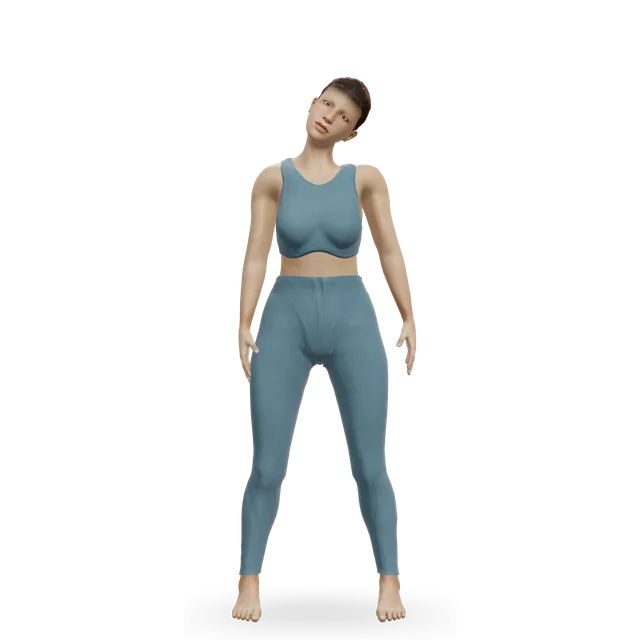
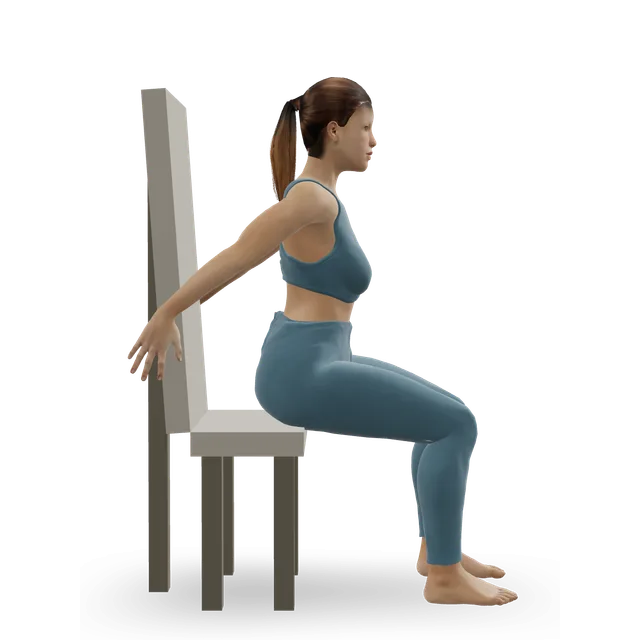
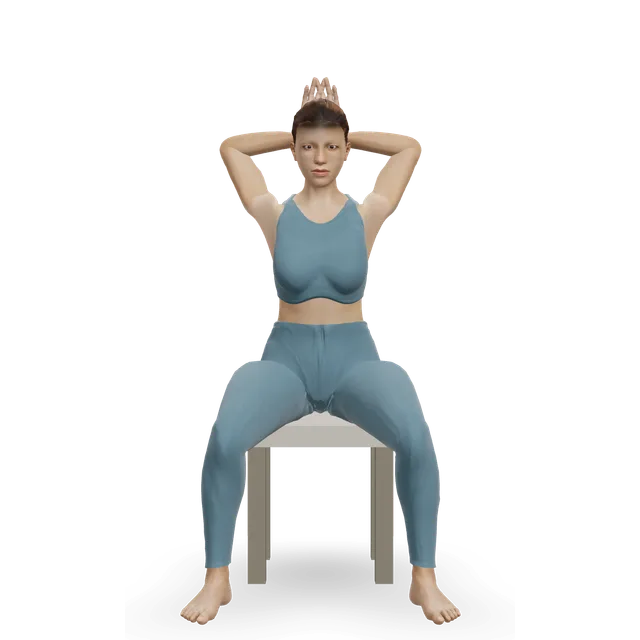
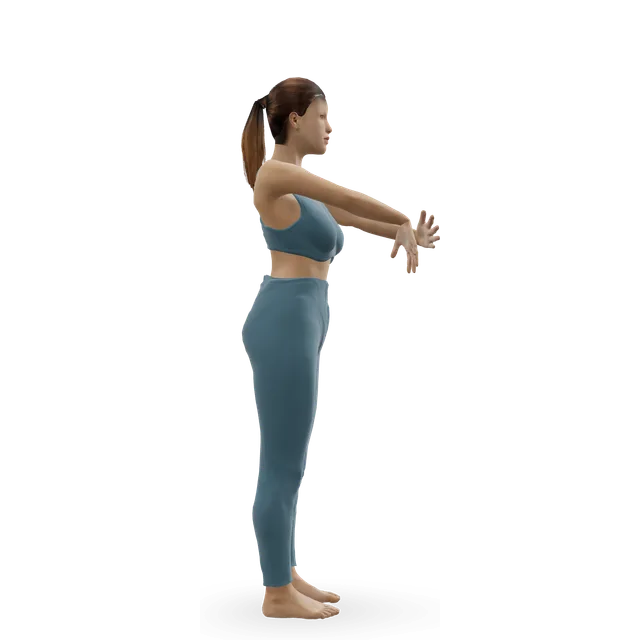
Work stress: the clearest benefitEmerging evidence
Across 6 workplace studies (266 people doing yoga, 221 without a programme), yoga lowered perceived stress by a moderate amount, with some concerns about how the studies were run. A review of 13 randomised workplace trials found the effects were mainly on stress, and none reported harms.
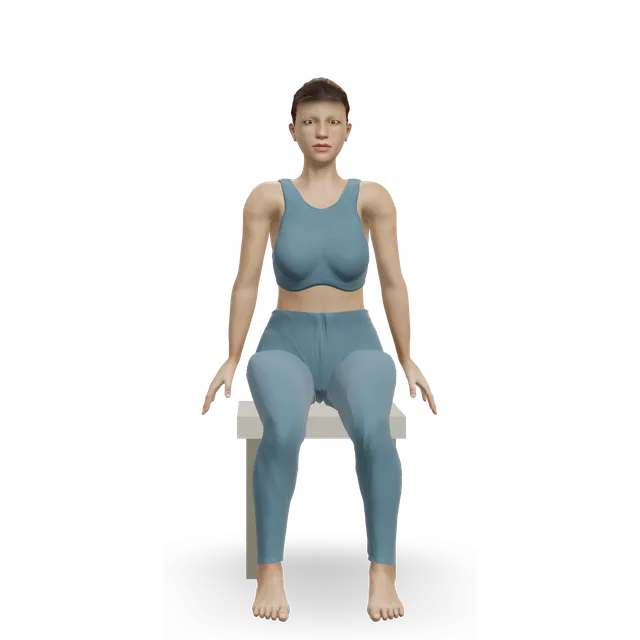
Short sessions count: in 20 office workers, 15 minutes of chair-based poses at the desk lowered stress and slowed breathing compared with normal work. In 74 staff of a British local council, 8 weekly Dru yoga classes with a home DVD lowered stress and improved wellbeing compared with no programme.
Sources 3, 19, 1, 6
Neck and shoulder aches: about as good as stretchingEmerging evidence
In 150 office workers with mild to moderate neck or shoulder pain, 4 weekly 30-minute hatha classes with practice at home did as well as a stretching class: both groups improved, and muscle aches were the commonest side effect. In 80 office workers, 4 weeks of yoga, a Thai exercise routine (Ruesi Dadton) or stretching eased pain about equally.
These are small trials, and we could read only the summaries (abstracts) of most of them, so treat the result as encouraging rather than settled.
Sources 4, 5
Back pain at work: one trialEmerging evidence
In the British council trial, 8 weeks of yoga reduced back pain on a standard back pain questionnaire compared with no programme. It's a single trial, so the size of the effect is uncertain.
Source 6
Aches everywhere at once: promising but leakyMixed evidence
In home workers, 10 minutes of yoga a day for a month eased discomfort in the eyes, neck, upper and lower back, right wrist and hips compared with their usual routine. But people were allocated almost, not fully, at random (pseudo-randomised), 36 of the 90 who started the yoga didn't finish, and the yoga group started with more neck and upper back discomfort.
In 291 computer users given an hour of yoga a day or a place on a waiting list, aches, grip and flexibility improved with yoga, but only 118 people were analysed.
Sources 2, 20
Strength has the best evidence for desk achesEmerging evidence
A review of 9 trials found "Strong evidence" for strengthening and endurance exercise in treating office workers' neck pain, though no exercise was proven to prevent it. In 198 workers with frequent neck and shoulder pain, band exercise for 2 or 12 minutes a day, 5 days a week, cut pain by 1.4 and 1.9 points out of 10 in 10 weeks. A 2026 review of 17 studies found resistance training eased office workers' neck and shoulder discomfort, with a lot of uncertainty.
The back-strengthening poses below fit here, and our sitting guide has a 2-minute band routine.
Sources 21, 22, 23
Stretching programmes help tooEmerging evidence
In 96 office workers with neck pain, neck and shoulder stretches twice a day for 4 weeks cut pain by 1.4 points more than advice on desk set-up alone. Daily stretching with endurance training twice a week cut new neck pain over a year from 26.7% to 12.1% in 567 office workers at risk. A 2025 review found less pain in 5 of 6 stretching studies (658 people).
Sources 24, 25, 26
Breaks lower blood sugar after mealsStrong evidence
Across 37 lab studies, breaking up long spells of sitting with activity lowered the rise in blood sugar and insulin after meals, more in people with a higher body weight. In 24 adults with type 2 diabetes, 3 minutes of light walking or simple standing moves (half-squats, calf raises, buttock squeezes and knee raises) every 30 minutes lowered blood sugar and insulin over 8 hours. These are short-term blood measures, not long-term health outcomes.
Sources 9, 27
Yoga breaks: one small trialEmerging evidence
In 15 healthy young adults, 3 minutes of yoga every 30 minutes through a 7.5-hour sitting day lowered blood sugar compared with sitting straight through; tai chi breaks lowered it a little, not significantly. Concentration and wellbeing didn't differ clearly between the days.
Source 10
Extra breaks alone: very uncertain for achesMixed evidence
A 2025 Cochrane review of 9 small trials (626 workers, nearly all in offices) found that extra work breaks may make little or no difference to new neck or back pain or to back discomfort, at very low certainty.
Two other strands are more hopeful: a review of office-worker trials found moderate-quality evidence that active breaks with a change of posture reduce pain and discomfort without costing productivity, and in 193 office workers at high risk, prompts to take an active break or shift position cut new neck pain over 6 months from 44% to 17%. So move often for your health, and expect less from breaks alone for aches.
Sources 28, 29, 30
Wrists: one old trial, and no prevention trialMixed evidence
In a 1998 trial of 42 people with carpal tunnel syndrome, 8 weeks of upper-body yoga twice a week improved grip and pain more than a wrist splint, though nerve tests didn't differ. In 60 computer users with arm and hand symptoms, 12 weeks of yoga with counselling eased symptoms more than counselling alone.
A Cochrane review of exercise and mobilisation for carpal tunnel syndrome (16 trials) found "limited and very low quality evidence of benefit", and the NHS says "There's a small amount of evidence to suggest hand exercises help ease the symptoms". We found no trial of yoga to prevent carpal tunnel syndrome or repetitive strain.
Sources 31, 32, 13, 33, 14
Eyes: breaks help, eye exercises don't change your sightMixed evidence
The HSE says screen work "does not cause permanent damage to eyes", but long spells can lead to tired eyes, temporary short-sightedness and headaches, and regular breaks help. In two Indian trials, 2 weeks of candle gazing (trataka) eased self-rated eye strain in IT workers compared with a waiting list, and no more than a cold eye pack; neither was blinded. Self-rated eye discomfort also fell in the computer-user yoga trial, which lost most of its participants.
A systematic review found no clear evidence that eye exercises help eye strain, short sight or sharpness of vision.
Sources 16, 34, 35, 36, 15
There's no correct posture to holdStrong evidence
The Chartered Society of Physiotherapy says "There is no perfect posture or right or wrong desk set up" and that "Your best posture is your next posture". In 686 young people, young women who sat upright at 17 had more persistent neck pain at 22 than those who slumped. Desk yoga is a way to change position often, not to hold a correct one.
Sources 37, 38
It won't undo a day of sittingEmerging evidence
In 13 groups of people followed over time, more than a million in all, the higher risk of early death linked with sitting more than 8 hours a day disappeared only in the most active quarter, who did about 60 to 75 minutes of moderate activity a day. Desk yoga is light activity, so it isn't that dose. The UK guidelines still ask for at least 150 minutes of moderate activity a week, and strength work on at least 2 days.
Sources 12, 11, 7