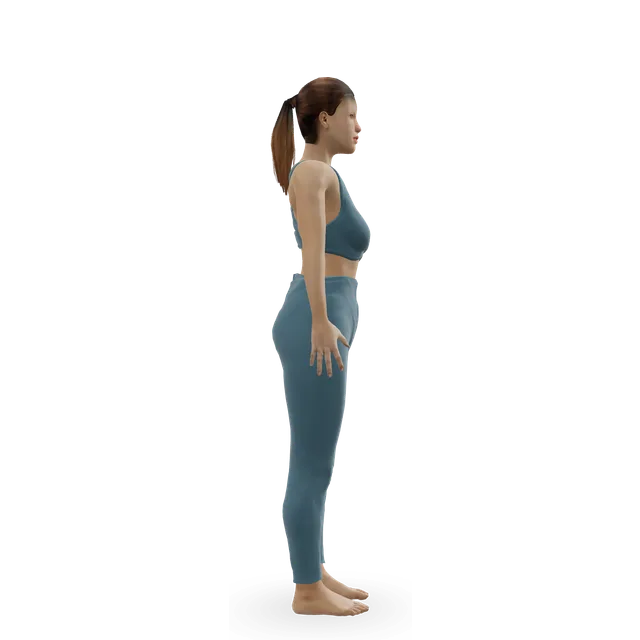
Yoga guide

Yoga for tight hamstrings: what tight means, the best poses, and how long to hold them

Tight hamstrings are mostly about how much stretch you tolerate: in stretching programmes of a few weeks, your range grows because the stretch gets easier to bear, while the muscle itself barely changes. Yoga poses that fold from the hips, such as the strap stretch, head-to-knee pose and pyramid, improve hamstring flexibility much as other stretching does.

Hold each for 30 to 60 seconds on most days, and gently: how hard people stretched made no difference to their gains, and a deep ache at the sitting bone is a reason to stop folding, not to fold harder.

This guide covers what tight means, the best poses lying down, sitting and standing, how long and how often to hold them, strength through the range, pain at the sitting bone, who should change what, and a free routine with a 3D demo of every move.

The short version

"Tight" is mostly how much stretch you tolerate

In stretching programmes of 3 to 8 weeks, people gain range mainly because they tolerate more stretch, while muscle and tendon barely change. Over months the tissue may change too: stretching researchers say intensive stretching can lower muscle stiffness, and in one study, women who had practised yoga for 6 months had less stiff hamstrings than women who hadn't, in groups that chose themselves.

Sources 1, 2, 3, 4

Yoga works much like other stretching

Small studies found more hamstring range after weeks of hatha yoga or daily seated forward folds, and a held yoga programme gained as much as a moving stretching programme. In older adults, yoga improved lower-body flexibility more than no exercise.

Sources 5, 6, 7, 8

Hold 30 to 60 seconds, on most days

In young adults, 30-second holds worked as well as 60 and better than 15, and once a day as well as three times. Over about 65, 60-second holds gained range about twice as fast. Once you're happy with your range, 2 or 3 days a week kept it in a trial.

Sources 9, 10, 11, 12

Gentle beats hanging

How hard people stretched made no difference to their gains across 189 studies. Slow stretching to the end of the range strained the hamstrings of 15 professional dancers close to the sitting bone, and they took a median of 50 weeks to get back to their old level.

Sources 13, 14, 15

Strength through the range counts

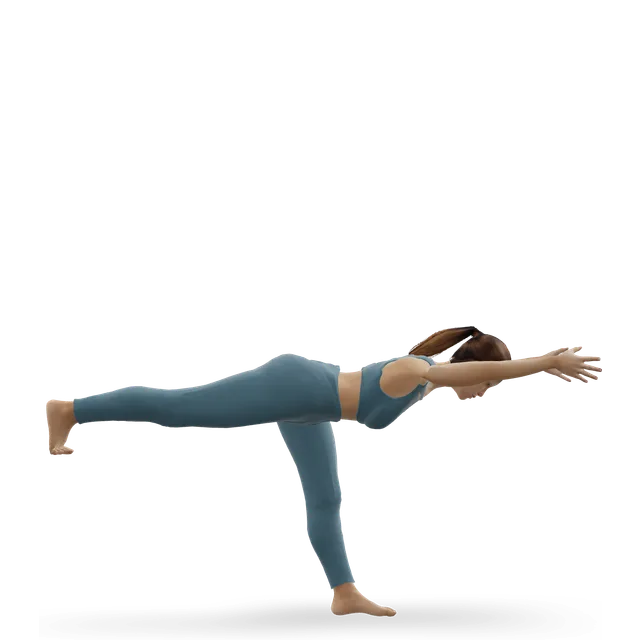
Strength training and stretching improved range by similar amounts in 11 trials, and slow-lowering hamstring exercise gained as much as stretching. Warrior III, bridges and slow hinges belong in the plan.

Sources 16, 17

Pain at the sitting bone changes the plan

A deep ache low in the buttock that is worse when you sit or fold can be high hamstring tendinopathy, and pressing the tendon with the hip bent is thought to aggravate it. Leave folds and strap stretches out for now and follow our high hamstring tendinopathy guide.

Sources 18, 19

What "tight" means

Mostly stretch toleranceStrong evidence

"Tight" is usually the point where you stop because the stretch feels too strong. In programmes of 3 to 8 weeks, people gain range mainly because they accept more stretch: across 26 studies, changes in the stiffness and structure of muscles and tendons were trivial. So hamstrings that feel tight often have more range than they let you use, and regular, gentle practice is how you reach it.

Sources 1, 2

Over months, the tissue may changeEmerging evidence

A 2025 consensus of 20 stretching researchers recommends "supervised and intensive static stretching of at least 4 min per muscle, 5 days per week, for at least 3 weeks" to lower muscle stiffness. In a comparison of 51 women who did gentle hatha yoga three times a week for 6 months with 30 women who didn't, the yoga group had less stiff hamstrings on a stiffness scan (elastography). The women chose their own groups, so this is an association, not proof that yoga caused it, and tolerance is still the main reason poses feel easier within weeks.

Sources 3, 4

The hips, the lower back and the nerves share the foldEmerging evidence

In 41 adults, a full forward bend averaged 111 degrees: about 42 from the lower back and 69 from the hips. Nerves count too: bending the spine and neck forward, as in a slumped seated fold, cut hamstring range by 8 degrees in a small lab study, with no change in the muscle's activity. If lifting your head eases the pull behind your knee, nerve tension is part of your limit.

Sources 20, 21

Sitting hasn't been shown to shorten themMixed evidence

In 508 adults, hamstring length didn't differ by work setting or lifestyle. In 1,157 Canadians aged 60 to 69, total sitting time wasn't linked with the sit-and-reach test, though men who broke up their sitting more often reached a little further. Both are snapshots at one point in time, so neither can show cause either way.

Sources 22, 23

When tight isn't tightness

A deep ache at the sitting bone can be an irritated tendon, a sudden sharp pain or pop is a strain, and burning, tingling or numbness down the leg is a nerve, not a muscle. Each needs a different plan (see the warning signs).

Sources 18, 24

What the evidence says

Yoga improves hamstring flexibility, in small studiesEmerging evidence

Twice-weekly hatha sessions for 7 weeks added about 4 degrees of hamstring range in 31 students, with no comparison group. In a 2026 trial of 150 young adults, adding 4 minutes of seated forward fold a day to a warm-up for 4 weeks improved the sit-and-reach test more than the warm-up followed by rest; we could read only its summary. Twelve weekly hatha classes with practice at home improved a sit-and-reach test compared with a waiting list in 173 adults averaging 52, and rugby players who did yoga twice a week through a season kept their hamstring flexibility while the others lost some.

In trials of older adults, yoga improved lower-body flexibility more than no exercise. Most of these studies were small and not blinded.

Sources 5, 6, 25, 26, 8

Much like other stretchingEmerging evidence

In 35 young adults, a held yoga programme and a moving stretching programme improved the sit-and-reach test by about the same amount in 6 weeks. Across 77 studies, held (static) stretching and contract-relax stretching built more lasting range than bouncing or moving stretches.

Sources 7, 14

How long to holdStrong evidence

In 57 young adults with tight hamstrings, 30-second and 60-second holds, 5 days a week for 6 weeks, gained more range than 15 seconds or none, and the same as each other. One 30-second stretch a day did as well as three. In 62 people aged 65 to 97, 60-second holds gained 2.4 degrees a week against 1.3 for 30-second holds, and kept more of it.

Sources 9, 10, 11

How much a week: a rough targetMixed evidence

Across 189 studies of 6,654 adults, gains levelled off at about 10 minutes of stretching a week per muscle, and the least flexible gained most. A review of 77 studies found no clear link between the amount of stretching and the gains, and stretching researchers recommend 2 to 3 sets a day, each held for 30 to 120 seconds, for the biggest range. Treat 10 minutes a week per leg as a rough target, not a rule.

Sources 13, 14, 3

How hard: a clear pull is enoughStrong evidence

How hard people stretched made no difference to their gains in two large reviews. Stay at a clear pull you can breathe through.

Sources 13, 14

Strength through the rangeEmerging evidence

In 11 trials (452 people), strength training improved range as much as stretching. In 69 teenage boys with tight hamstrings, 6 weeks of slow-lowering (eccentric) hamstring exercise gained 12.8 degrees, against 12.1 with static stretching. In yoga, that means poses that load the hamstrings while they lengthen: warrior III, standing hand-to-big-toe, bridges and slow hinges.

Sources 16, 17

Nerve sliders, if the pull is nervyEmerging evidence

Across 30 trials, nerve sliders improved hamstring flexibility a little more than static stretching, about 3.5 degrees on a straight leg raise, though contract-relax stretching beat them on another test, and the certainty was low. They suit you if lifting your head eases the pull behind your knee.

Sources 21, 27

Range fades if you stopEmerging evidence

In 18 students, the range gained in 6 weeks had gone 4 weeks after they stopped. After 4 weeks of daily stretching, stretching 2 or 3 days a week kept the gain in 32 adults, while stopping lost some. Across 13 studies, range stayed above where people started but slipped back from its peak.

Sources 28, 12, 29

Stretching doesn't prevent injuriesStrong evidence

Stretching doesn't reduce overall injury risk, and a 2025 consensus of stretching researchers doesn't recommend it for preventing injuries in general, as our yoga for flexibility guide says.

Source 3

How long to hold, how often, and how hard

Hold 30 to 60 seconds

Hold each pose for 30 to 60 seconds, once or twice each side. If you're over about 65, aim for the full 60 seconds, which gained range faster in older adults.

Sources 9, 10, 11

How often

Most days while you build range, then 2 or 3 days a week to keep it. Our editorial starting point, as in our flexibility guides: 2 holds of 60 seconds or 4 of 30 seconds for each leg, 5 days a week, which adds up to the 10 minutes a week per leg that one large review found was enough.

Sources 13, 12

Warm up first

Walk for a few minutes, or do cat-cow and elephant walks, before you hold a fold, as our flexibility guides suggest: stretching feels easier once you're warm.

Fold from your hips

Fold from the hips with a long spine; rounding the back stretches the back, not the hamstrings, as our hamstring flexibility routine says. It's also how to fold safely with osteoporosis.

Source 30

Expect weeks, not days

Poses usually feel easier within a few weeks, mostly from tolerance. In a 6-week trial of 69 teenage boys, stretching gained about 12 degrees of hamstring range. In small studies, the gain had gone 4 weeks after stopping, but stretching 2 or 3 days a week kept it.

Sources 28, 12, 17

How to fold from your hips

The hip hinge fold's page gives 5 slow folds with 3 breaths at the bottom. Folding from the hips with a long back is our hamstring flexibility routine's tip, and the way the UK osteoporosis consensus advises bending.

  1. Stand with your feet hip-width apart and your knees soft.
  2. Rest your hands on your thighs, on blocks or on the back of a chair.
  3. Send your hips back, as if you were closing a drawer behind you with your bottom, and let your chest come forward with your back long.
  4. Stop at a clear pull behind your thighs that you can breathe through, and stay for 3 slow breaths.
  5. Press through your feet to come up slowly, keeping your back long.
  6. If you feel a burning or tingling line behind your knee, bend your knees more.

See the movement on the 3D figure: Hip hinge fold

Warm up first

Cat-cow: 8 slow waves; the hip hinge fold: 5 slow folds, 3 breaths at the bottom; elephant walks: 20 bends (10 each leg), alternating sides, 2 rounds (the moves' pages). If you feel a hot or tingling line down the back of a leg, bend your knees more.

Lying down, back supported (start here)

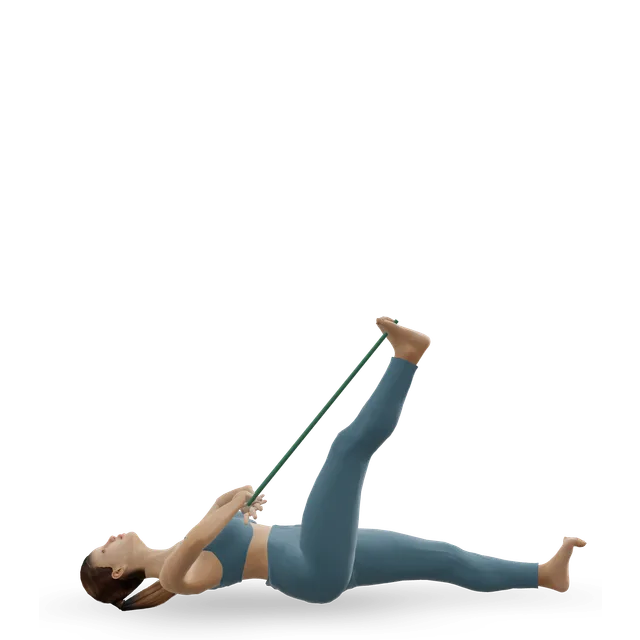
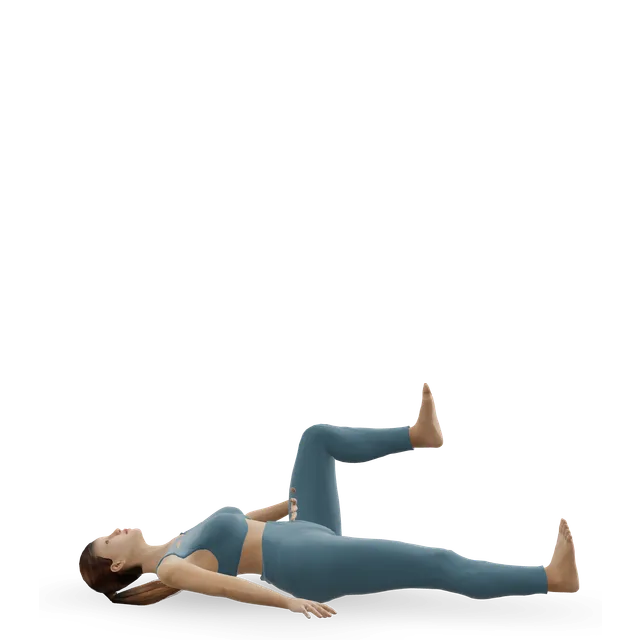
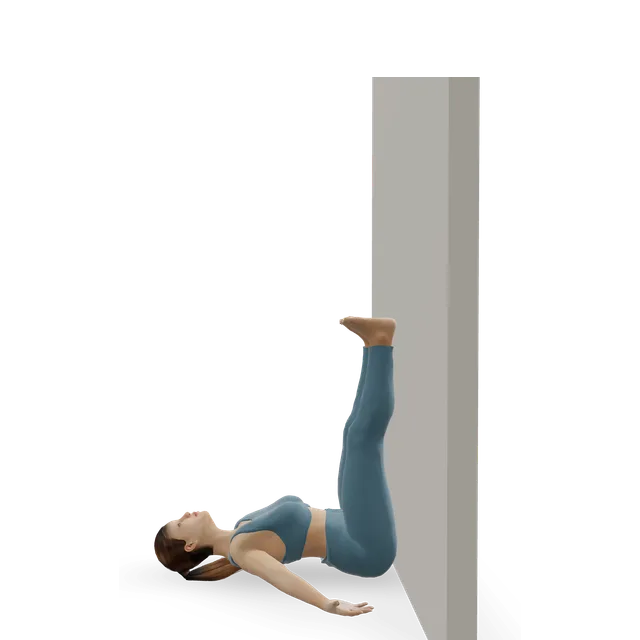
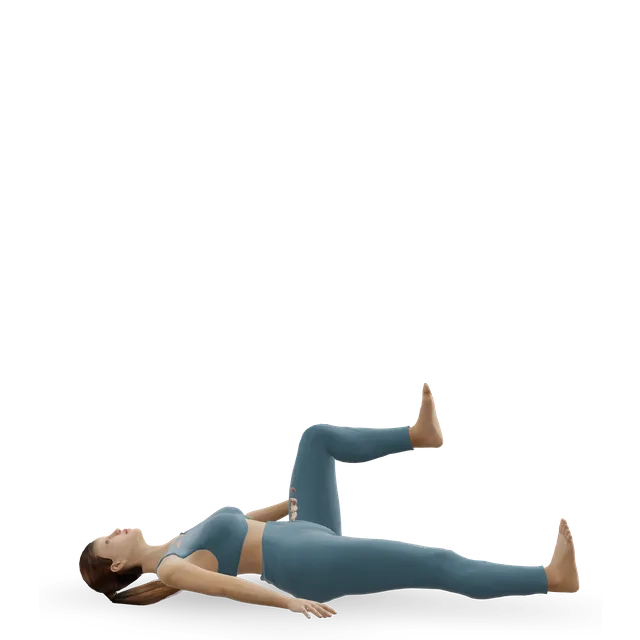
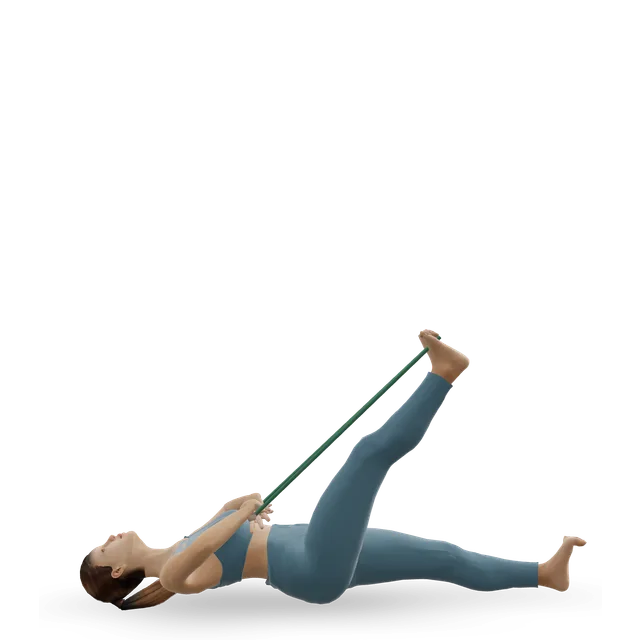
The strap stretch: 45 seconds each side, and contract-relax: 3 rounds each side (our hamstring flexibility routine); hold 60 seconds if you're over about 65. The 90/90 hamstring stretch: 3 sets of 12 slow straightenings each leg, stopping just before pain, once a day (the move page). Legs up the wall: 2 to 5 minutes, as a gentle stretch and a rest (our editorial starting point). Leave the strap stretch and the 90/90 stretch out if you have pain at the sitting bone.

Sitting

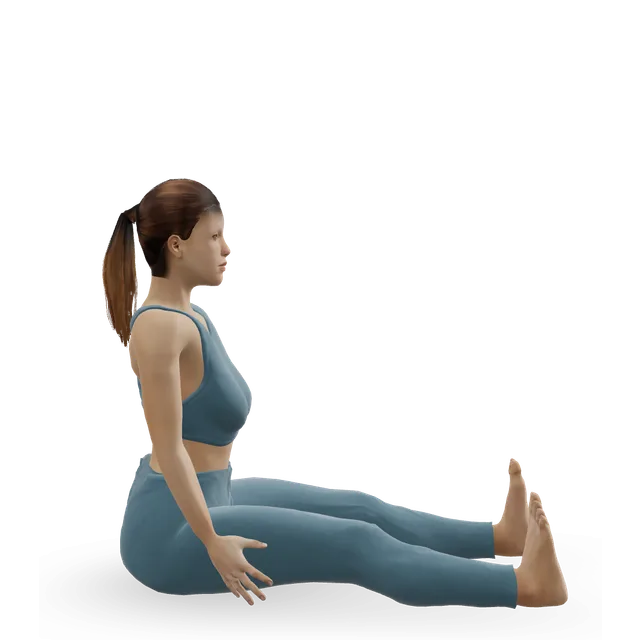
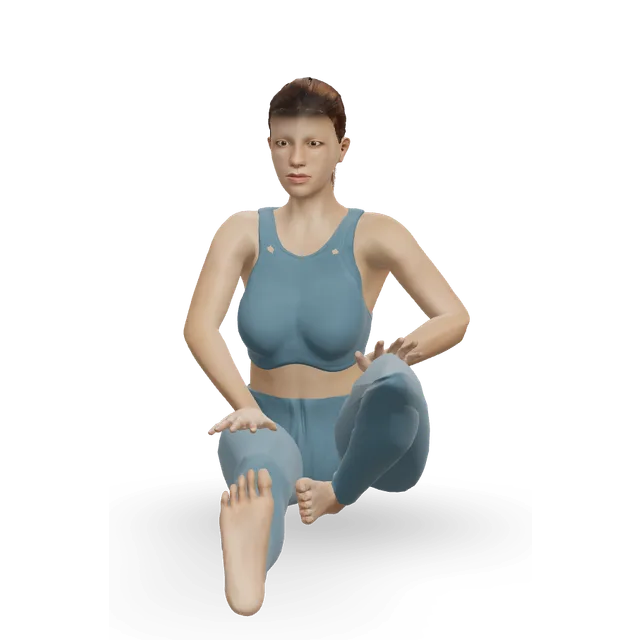
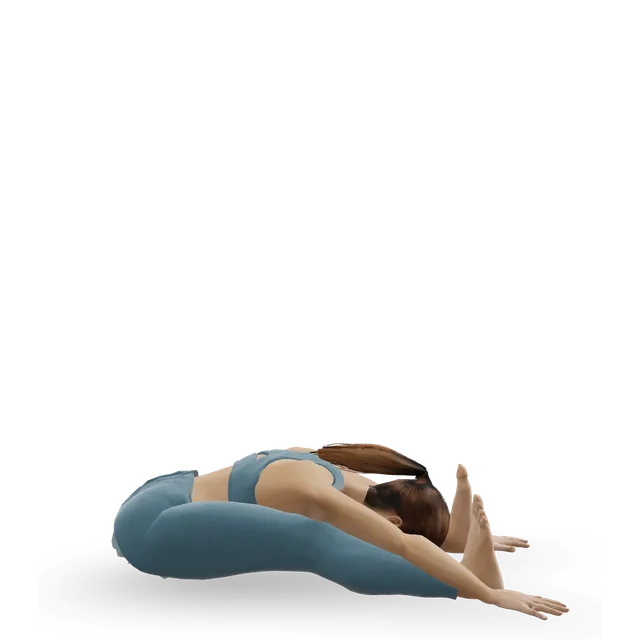
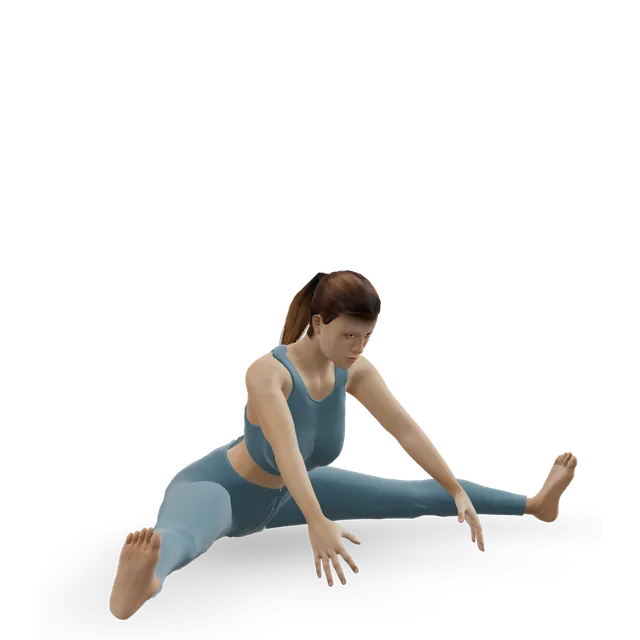
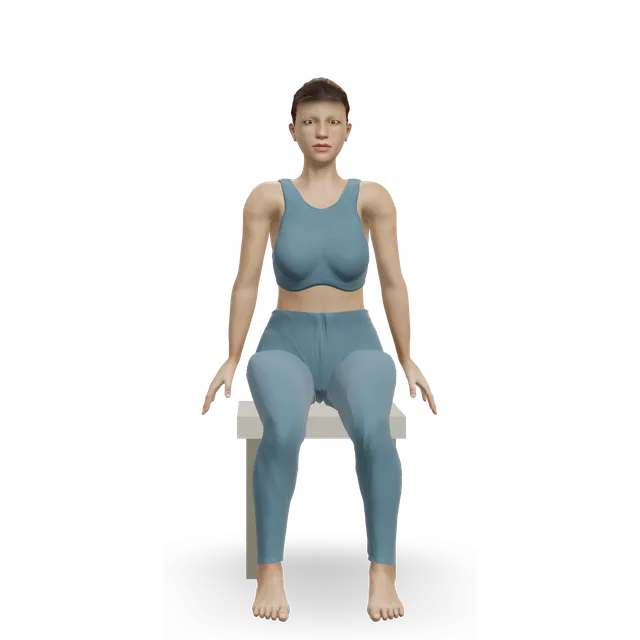
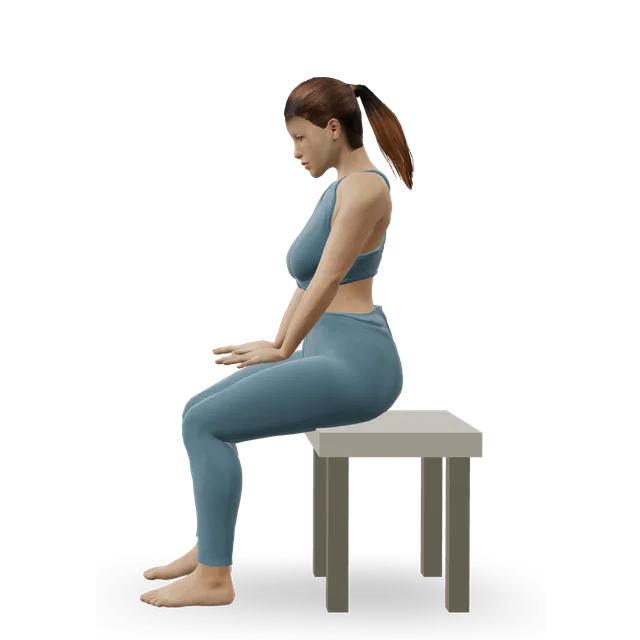
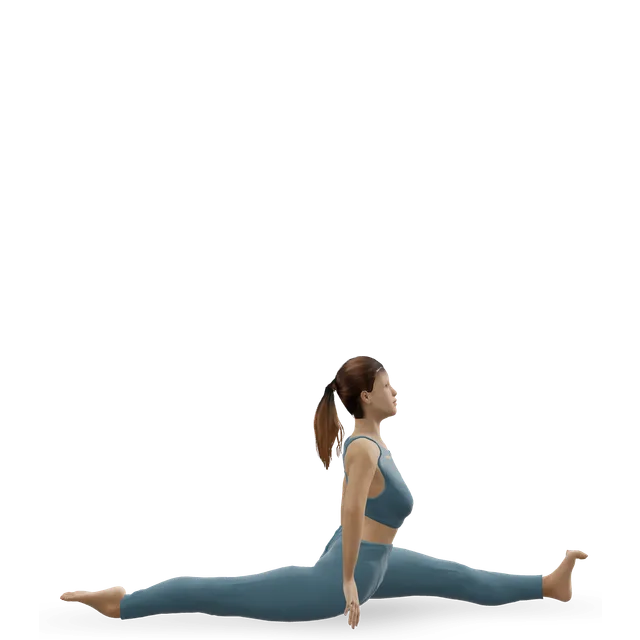
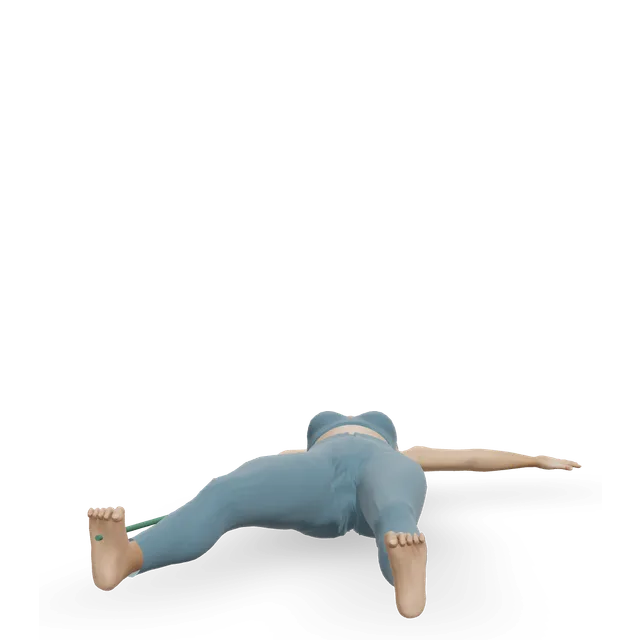
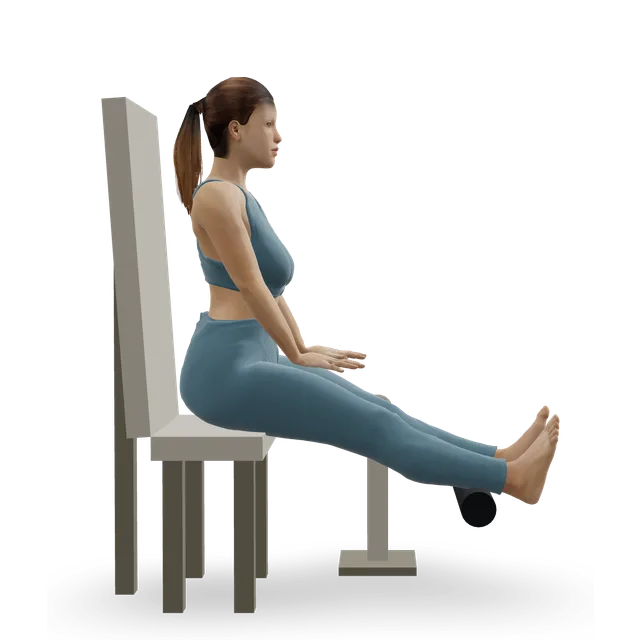
Staff pose: 3 holds of 30 seconds, sitting on a folded blanket (our editorial starting point). Head-to-knee pose: 45 seconds each side, and the seated forward fold: 60 seconds (our hamstring flexibility routine). The wide-angle seated fold: 30 to 60 seconds (our editorial starting point). If you can't sit on the floor, the chair leg extension and sweep: 5 to 10 slow lifts and sweeps each leg (the move page). Sit on a folded blanket if your lower back rounds, and fold from your hips.

Standing

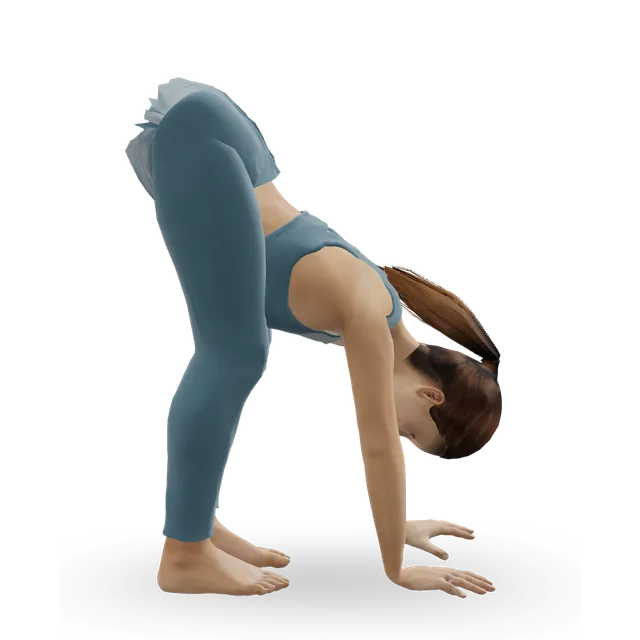
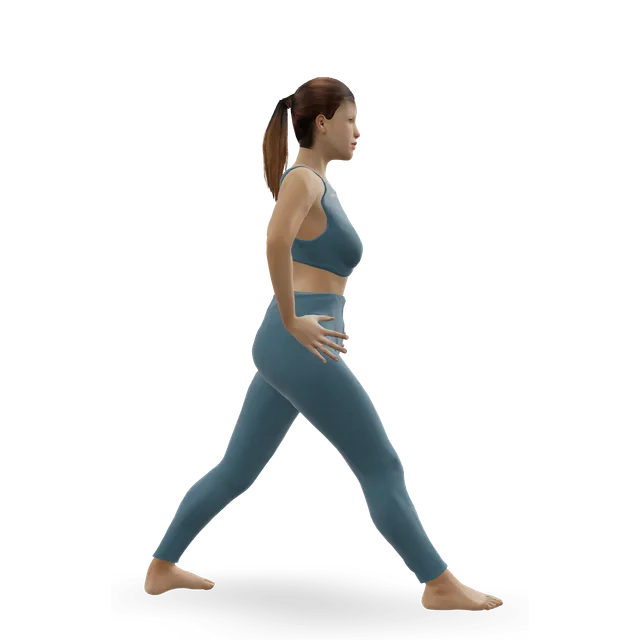
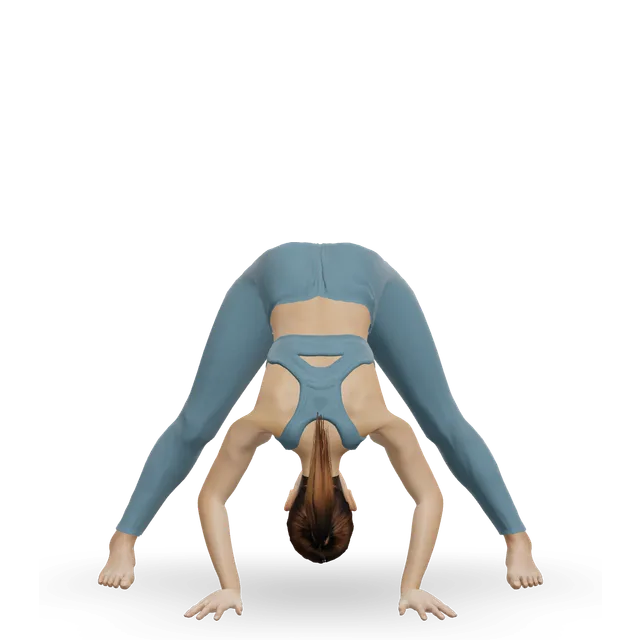
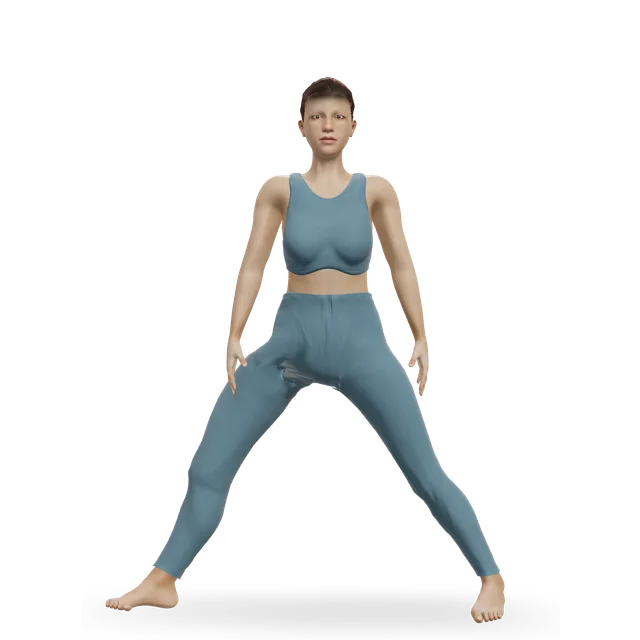
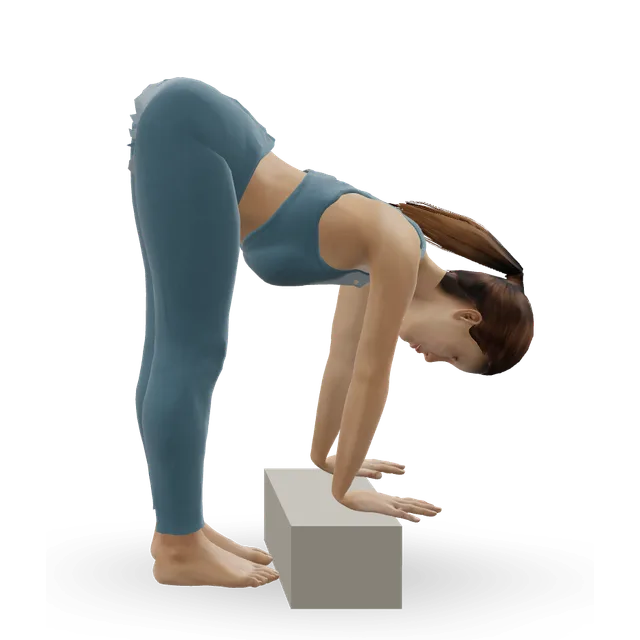
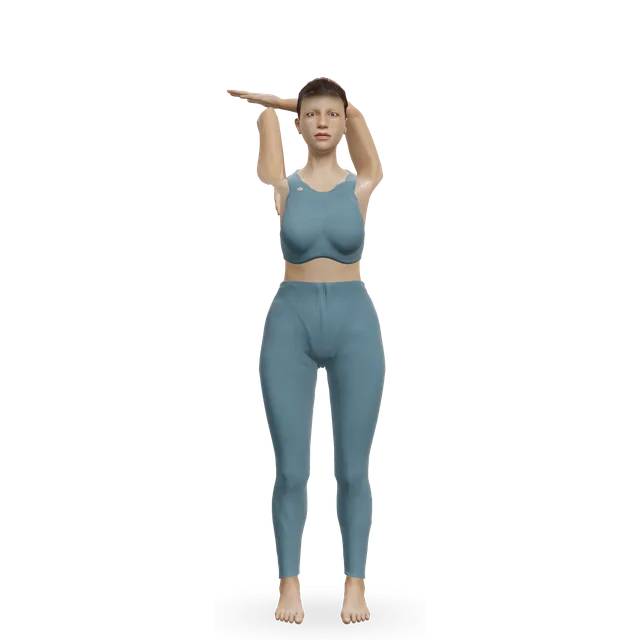
Pyramid: 30 seconds each side, hands on blocks, and downward dog: 5 slow breaths, knees bent generously (our hamstring flexibility routine). The wide-legged forward fold: 30 to 60 seconds, hands on blocks or a chair seat, and triangle: 3 to 5 breaths each side, a hand on a block or your shin (our editorial starting points). The standing toe touch: hold 30 seconds, 1 to 3 times, at least 5 days a week (the move page), but not with osteoporosis: use the hip hinge fold instead.

Strength through the range

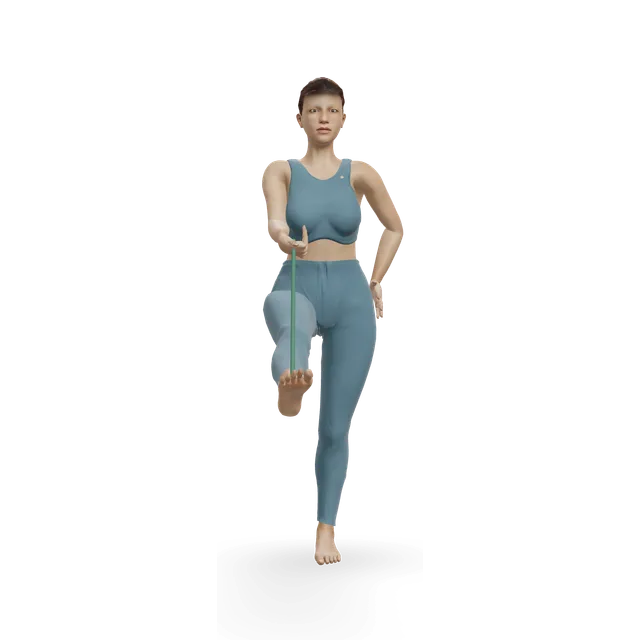
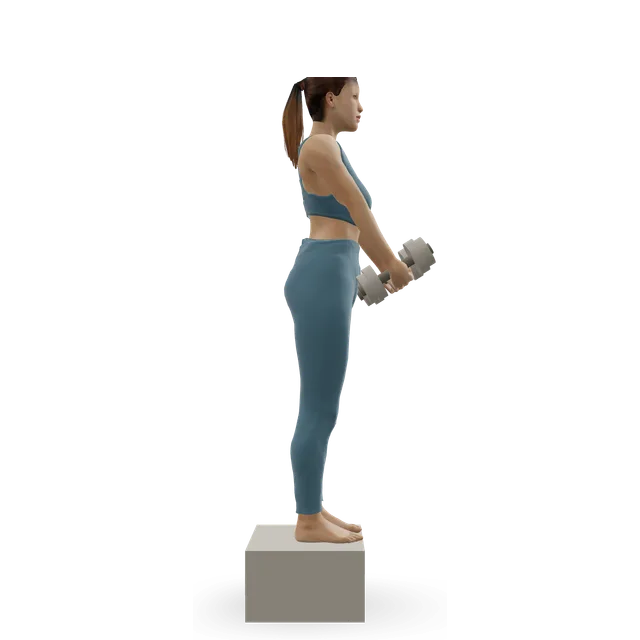
Warrior III: 3 to 5 breaths each side, hands on a wall at hip height (our yoga for core class). Standing hand-to-big-toe: 3 breaths each side, with a strap or a bent knee and a hand on a counter (our editorial starting point). Bridges: 8 to 10 slow lifts (our yoga for posture class). Hip hinge practice: 2 sets of 8, shallow (our high hamstring tendinopathy guide). Romanian deadlifts: 2 to 3 sets of 8, lowering for about 3 seconds, twice a week (our touch your toes guide). Single-leg Romanian deadlifts: 2 sets of 6 each side, fingertips on a wall (our editorial starting point).

If the pull feels nervy

The seated slider: 10 slow repetitions, 2 to 3 times a day (the move page, an NHS service's dose); the lying slider: 10 with a 1-second pause, 2 to 3 times a day (the move page). Use them if lifting your head eases the pull behind your knee. They should never hurt.

Poses to change or leave out

Jefferson curls round the spine under load: leave them out with osteoporosis, and fold from your hips instead. Standing splits drop your head below your heart: keep them brief, or skip them, with glaucoma or high blood pressure that isn't under control, as with downward dog and wide-legged folds. The front splits take the hamstrings to the very end of their range: not a goal for beginners or very flexible joints.

Pain at the sitting bone ("yoga butt")

What it isEmerging evidence

The hamstrings share an attachment on the sitting bone. A deep ache low in the buttock, right at that bone, that is worse when you sit or fold, can be high (proximal) hamstring tendinopathy: an irritated tendon. Pressing the tendon against the bone with the hip bent, as in sitting and in forward folds, is thought to aggravate it. Our pyramid pose page calls the area "A common spot for irritation of the hamstring tendon near the sitting bone".

Sources 18, 19

What to do

Leave the folds, the strap stretch and the 90/90 stretch out for now, and follow the staged plan in our high hamstring tendinopathy guide, which starts with gentle strengthening. That guide says: "Leave hamstring stretches out at first, including toe touches, strap stretches and the 90/90 stretch used for hamstring strains: they press the tendon against the bone."

Slow stretching can strain the hamstring hereEmerging evidence

In 15 professional dancers who strained a hamstring in slow stretching movements, with the hip bent and the knee straight, every injury was close to the sitting bone, and they took a median of 50 weeks to get back to their old level, against 16 weeks for 18 sprinters. These were elite dancers, not yoga classes, but it's a reason to stretch to a clear pull, not to the end of your range.

Sources 31, 15

No study of hamstring injuries in yogaMixed evidence

We found no study of hamstring injuries in yoga. Sprains and strains are the commonest yoga injuries overall, in the summary from the US National Center for Complementary and Integrative Health (NCCIH) and in 20 years of US emergency department records.

Sources 32, 33, 34

Hamstrings and back pain: a weak link

Not a proven causeMixed evidence

Across 12 cohort studies (5,459 people), restricted hamstring range went with a slightly higher risk of developing low back pain later. But a review of 17 studies couldn't tell whether people with back pain have tighter hamstrings (very low certainty), sit-and-reach scores didn't predict back pain over about 6 years in 2,747 adults, and people with and without a history of back pain bent forward the same total amount, in a different pattern.

Stretch your hamstrings because it feels good and helps you fold; don't expect it to fix your back. Our yoga for back pain guide covers what helps.

Sources 35, 36, 37, 20

Who should change what

Osteoporosis or a past spinal fracture

Fold from your hips with a long back, and leave out deep rounding, toe touches and Jefferson curls. The UK osteoporosis consensus says movements with "sustained, repeated or end-range flexion should be modified or avoided", and links fractures with "some yoga positions involving extreme spinal flexion".

Source 30

Glaucoma, or high blood pressure that isn't under control

Eye pressure rose within a minute in downward dog and a standing forward fold in a lab study. Favour the strap stretch lying down and folds with your head level, and keep head-down poses brief.

Source 38

Pregnancy

In later pregnancy, the NHS advises against lying flat on your back for more than a few minutes, so do the strap stretch sitting or standing. Keep folds gentle as your bump grows.

Source 39

Very flexible joints

If you're hypermobile, more range isn't the goal. The NHS advice is "do not overextend your joints just because you can": spend more of your practice on strength through the range.

Source 40

After a hip replacement

Check deep hip bending with your surgical team first, as each move's page advises, especially in the early months.

Pain at the sitting bone

No folds or strap stretches for now: use the staged plan in our high hamstring tendinopathy guide.

Source 18

Routines to follow

Start with our 12-minute hamstring flexibility routine on most days while you build range, then 2 or 3 days a week to keep it (our editorial starting point). The touch your toes routine adds nerve sliders and Romanian deadlifts, and the hamstring workout is for strength.

Hamstring flexibility routine

A 12-minute routine to loosen tight hamstrings with strap stretches, PNF, folds and hinges.

12 minBeginner7 movesNo equipment

Touch your toes routine

A 12-minute routine to bring your fingertips to your toes: test, nerve glide, hamstring and calf stretches, a slow hinge for strength at length, then retest.

12 minBeginner7 movesA bench or box, A wall

Yoga for flexibility: a 25-minute full-body hold sequence

A 25-minute yoga sequence for the hamstrings, hips, inner thighs, spine and shoulders, holding each pose for 30 to 60 seconds, as in the stretching trials.

25 minBeginner12 movesNo equipment

Strap stretching routine: assisted stretching on your own

A 20-minute strap routine for the hips and legs: long holds and contract-relax stretches, the do-it-yourself version of assisted stretching.

20 minBeginner9 movesOther / check instructions

Yoga for runners: 20 minutes after a run or on a rest day

A 20-minute yoga cool-down for runners: calves, hip flexors, hamstrings and glutes, one balance pose and a rest, after an easy run or on a rest day.

20 minBeginner11 movesA wall

Full-body stretch routine

A 15-minute head-to-toe stretch for the neck, shoulders, back, hips, hamstrings and calves.

15 minBeginner11 movesA wall

Hamstring workout: Romanian deadlifts, curls and Nordics

A 35-minute gym hamstring workout: Romanian deadlifts for the hip, seated leg curls for the knee, single-leg Romanian deadlifts, then Nordic curls when ready.

35 minIntermediate7 movesA dumbbell, Strength machine

Warning signs: when to get help

These are the warning signs from our flexibility guides and our hamstring guides. A&E means accident and emergency. In the US, call 911 for 999, and use your doctor's urgent line or urgent care for NHS 111.

Call 999 or go to A&E

If you have back pain and:

  • pain, tingling, weakness or numbness in both legs
  • a loss of feeling around your genitals or anus
  • changes in your bladder or bowels, such as difficulty peeing, or peeing or pooing yourself
  • changes in how your penis or vagina feels during sex, not being able to get or keep an erection, or not being able to orgasm
  • chest pain
  • pain that started after a serious accident, such as a car accident

Source 41

Get help from NHS 111

Stop if you feel a sudden sharp pain, a snap or a pop at the back of the thigh during a stretch: it may be a hamstring strain. Get help from NHS 111 if it's very painful or getting worse, there's a lot of swelling or bruising, it hurts to walk or stand on the leg, or the leg feels very stiff. Our hamstring strain guide has more.

Source 24

Get help the same day

Ask for an urgent GP appointment or contact NHS 111 if you have back pain and you feel hot, cold, shivery or generally unwell, or the pain is severe, started suddenly or is getting worse quickly.

Source 41

See a GP or physiotherapist

In many areas you can refer yourself to NHS physiotherapy without seeing a GP.

  • Pain in the back of the thigh with tingling, numbness or weakness, or pain spreading below the knee: it may come from your back, as our sciatica guide explains.
  • A deep ache at the sitting bone that keeps coming back when you sit or fold.
  • Back pain that hasn't improved after a few weeks of looking after it at home, or stops your day-to-day activities.
  • You think you or your child have joint hypermobility syndrome, for example joints that keep dislocating, ongoing joint or muscle pain and stiffness, repeated sprains and strains, tiredness even after rest, poor balance, or thin, stretchy skin.

Sources 41, 40

During practice

Burning, tingling, numbness or pins and needles down a leg usually means a nerve is under tension, so ease off to a position without it. Come up slowly from forward folds and head-down positions, and keep them brief if you have glaucoma or high blood pressure that isn't under control.

Myths

"Tight hamstrings cause back pain"Mixed evidence

The link is weak. Restricted hamstring range went with a slightly higher risk of later back pain across cohort studies, a review couldn't tell whether people with back pain have tighter hamstrings, and sit-and-reach scores didn't predict back pain over about 6 years in 2,747 adults.

Sources 35, 36, 37

"Sitting all day shortens your hamstrings"Mixed evidence

Not shown. In 508 adults, hamstring length didn't differ by work setting or lifestyle, and in Canadians aged 60 to 69, total sitting time wasn't linked with the sit-and-reach test. Both are snapshots, so neither can show cause either way.

Sources 22, 23

"Hang in a deep fold: harder is faster"Strong evidence

How hard people stretched made no difference to their gains in two large reviews. Slow stretching to the end of the range strained 15 professional dancers' hamstrings close to the sitting bone, and they took a median of 50 weeks to get back. A clear pull you can breathe through is enough.

Sources 13, 14, 15

"A few weeks of stretching makes your hamstrings longer"Emerging evidence

In programmes of 3 to 8 weeks, the extra range comes mostly from tolerating more stretch, and muscle and tendon barely change. Over months it may differ: intensive stretching can lower muscle stiffness, and women who had done yoga for 6 months had less stiff hamstrings, in groups that chose themselves.

Sources 1, 2, 3, 4

"If you can't touch your toes, your hamstrings are short"Emerging evidence

Often part of it, but a full forward bend came about 42 degrees from the lower back and 69 from the hips, and bending the neck and spine forward cut hamstring range by 8 degrees with no change in the muscle: the nerves count too.

Sources 20, 21

"Stretching your hamstrings prevents injury"Strong evidence

Stretching doesn't reduce overall injury risk, and a 2025 consensus of stretching researchers doesn't recommend it for preventing injuries in general.

Source 3

"Once you're flexible, you stay flexible"Emerging evidence

Range gained over 6 weeks had gone 4 weeks after stopping in one study, and across 13 studies it slipped back from its peak; stretching 2 or 3 days a week kept it in a trial.

Sources 28, 12, 29

"The more flexible, the better"Strong evidence

With hypermobile joints, the NHS says "do not overextend your joints just because you can". Build strength and control instead.

Source 40

Questions people ask

Why are my hamstrings so tight?

Mostly it's how much stretch you tolerate: in programmes of 3 to 8 weeks, range grows because people accept more stretch, while the muscle barely changes. The nerves at the back of the leg play a part too, and so do your lower back and hips. Sitting hasn't been shown to shorten them.

Is yoga good for tight hamstrings?

Yes, much as other stretching is. Small studies found more hamstring range after weeks of hatha yoga or daily seated forward folds, and similar gains to a moving stretching programme. In older adults, yoga improved lower-body flexibility more than no exercise.

Which yoga poses stretch the hamstrings?

The strap stretch lying down, head-to-knee pose, pyramid, the seated forward fold, downward dog and triangle all work the backs of the thighs. Warrior III, bridges and slow hinges strengthen them through their range, which builds range too. Start with the strap stretch, which keeps your back supported and the depth under control.

How long should I hold a hamstring stretch?

About 30 to 60 seconds. In young adults, 30 seconds worked as well as 60 and better than 15, and once a day worked as well as three times. If you're over about 65, aim for 60 seconds, which gained range faster in older adults.

How long does it take to loosen tight hamstrings?

Weeks rather than days. Poses usually feel easier within a few weeks, and in a 6-week trial of 69 teenage boys, stretching gained about 12 degrees of hamstring range. One large analysis found gains levelled off at about 10 minutes of stretching a week per muscle, though another review found no clear dose effect.

Should I stretch my hamstrings every day?

Most days works well while you're building range. To keep it, 2 or 3 days a week was enough in one trial, and if you stop altogether, the range slips back within weeks.

Do tight hamstrings cause lower back pain?

Not clearly. Restricted hamstring range went with only a slightly higher risk of later back pain, a review couldn't tell whether people with back pain have tighter hamstrings, and sit-and-reach scores didn't predict back pain in 2,747 adults.

Why do I feel the pull behind my knee?

It may be the nerves at the back of the leg as much as the muscle: if lifting your head eases the pull, nerve tension is part of it. Bend your knees more, or try a nerve slider, which gained a little more range than static stretching in trials of low certainty. Burning, tingling or numbness down the leg means ease off.

Why does the top of my hamstring hurt after yoga?

A deep ache at the sitting bone that is worse when you sit or fold can be high hamstring tendinopathy, and pressing the tendon with the hip bent, as in folds and sitting, is thought to aggravate it. Leave folds and strap stretches out for now and see our high hamstring tendinopathy guide. A sudden sharp pain or pop at the back of the thigh is a strain: contact NHS 111 if it's very painful or getting worse, or it hurts to walk.

Is it safe to fold forward with osteoporosis, glaucoma or in pregnancy?

With osteoporosis, bend from your hips with a long back rather than rounding deeply. With glaucoma or high blood pressure that isn't under control, keep head-down poses brief or use the strap stretch lying down. In later pregnancy, avoid lying flat on your back for more than a few minutes, so do the strap stretch sitting or standing.

Does yoga prevent hamstring injuries?

We found no study of hamstring injuries in yoga, and stretching doesn't reduce overall injury risk. Sprains and strains are the commonest yoga injuries, so stretch gently and build strength as well.


Sources

  1. Weppler 2010 · Does stretching lengthen muscle or change sensation? (review, Phys Ther)
  2. Freitas 2018 · Can long-term stretching change muscles and tendons? 26 studies (systematic review and meta-analysis, Scand J Med Sci Sports)
  3. Warneke 2025 · Practical recommendations on stretching: a consensus of 20 research experts (Delphi study, J Sport Health Sci)
  4. Liu 2026 · Hamstring and trapezius stiffness in 51 women who did yoga for 6 months and 30 who didn't (comparison of self-selected groups, Front Physiol)
  5. LaSala 2021 · 7 weeks of hatha yoga and hamstring flexibility: 31 students (study with no comparison group, J Bodyw Mov Ther)
  6. Thapa 2026 · 4 weeks of daily seated forward fold practice: 150 young adults (randomised trial, Adv Mind Body Med)
  7. Chapman-Lopez 2023 · Yoga or a dynamic stretching workout: 35 young adults (trial, J Strength Cond Res)
  8. Sivaramakrishnan 2019 · Yoga against active and inactive comparison groups for physical function and quality of life in older adults: 22 trials (systematic review and meta-analysis, IJBNPA)
  9. Bandy 1994 · How long to hold a hamstring stretch: 57 young adults (randomised trial, Phys Ther)
  10. Bandy 1997 · How long and how often to stretch the hamstrings: 93 adults (randomised trial, Phys Ther)
  11. Feland 2001 · How long to hold a hamstring stretch at 65 and over: 62 people (randomised trial, Phys Ther)
  12. Rancour 2009 · Keeping flexibility by stretching 2 or 3 days a week: 32 adults (randomised trial, J Strength Cond Res)
  13. Ingram 2025 · The dose of static stretching for flexibility: 189 studies (systematic review and meta-regression, Sports Med)
  14. Konrad 2024 · Long-term stretching and range of motion: 77 studies (systematic review and meta-analysis, J Sport Health Sci)
  15. Askling 2007 · Hamstring strains during slow stretching: 15 professional dancers (case series, Am J Sports Med)
  16. Afonso 2021 · Strength training or stretching for range of motion: 11 trials (systematic review and meta-analysis, Healthcare)
  17. Nelson 2004 · Slow-lowering (eccentric) training or static stretching for hamstring flexibility: 69 high school boys (randomised trial, J Athl Train)
  18. Goom 2016 · Proximal hamstring tendinopathy: assessment and management (review, J Orthop Sports Phys Ther)
  19. Cook 2012 · Is compressive load a factor in tendinopathy? (review, BJSM)
  20. Esola 1996 · How the lower back and hips share a forward bend: 41 adults (lab study, Spine)
  21. McHugh 2012 · Nerve tension and hamstring flexibility: 8 people (lab study, Scand J Med Sci Sports)
  22. Arab 2014 · Lifestyle, work setting and hamstring length: 508 adults (cross-sectional study, J Back Musculoskelet Rehabil)
  23. Dogra 2017 · Sitting time and fitness: 1,157 Canadians aged 60 to 69 (cross-sectional study, Health Rep)
  24. NHS · Hamstring injury (last reviewed July 2025)
  25. Lau 2015 · 12 weeks of hatha yoga and fitness, strength and flexibility in 173 Hong Kong adults (controlled trial, Evid Based Complement Alternat Med)
  26. Raj 2021 · Yoga and hamstring flexibility through a season: 31 rugby players (controlled study, Int J Yoga)
  27. Bertacchini 2026 · Nerve gliding (neurodynamic) treatment for hamstring flexibility: 30 trials (systematic review and meta-analysis, J Back Musculoskelet Rehabil)
  28. Willy 2001 · Stopping and restarting hamstring stretching: 18 students (trial, J Orthop Sports Phys Ther)
  29. Konrad 2025 · Range of motion after people stop stretching: 13 studies (systematic review and meta-analysis, Sports Med Open)
  30. Brooke-Wavell 2022 · Strong, steady and straight: UK consensus on physical activity and exercise for osteoporosis (BJSM)
  31. Askling 2006 · Hamstring strains from sprinting and from slow stretching: 18 sprinters and 15 dancers (cohort study, BJSM)
  32. Europe PMC · Search for hamstring injuries in yoga: 0 records (25 October 2026)
  33. NCCIH 2023 · Yoga: effectiveness and safety (US National Center for Complementary and Integrative Health)
  34. Watson 2025 · Yoga injuries in US emergency departments over 20 years (epidemiological study, J Am Acad Orthop Surg)
  35. Sadler 2017 · Back and hamstring flexibility and later low back pain: 12 cohort studies (systematic review, BMC Musculoskelet Disord)
  36. Hori 2021 · Hamstring flexibility in people with and without low back pain: 17 studies (systematic review and meta-analysis, Physiother Theory Pract)
  37. Jackson 1998 · Sit-up and sit-and-reach tests and later low back pain: 2,747 adults (cohort study, J Orthop Sports Phys Ther)
  38. Jasien 2015 · Eye pressure in four head-down yoga positions, with and without glaucoma (lab study, PLoS One)
  39. NHS · Exercise in pregnancy (last reviewed September 2026)
  40. NHS · Joint hypermobility syndrome (past its review date: reviewed August 2023, review due August 2026)
  41. NHS · Back pain (last reviewed March 2026)

Exercise education, not a personal prescription, and clinical review of these guides is pending. If you are pregnant, have a health condition such as glaucoma, high blood pressure or osteoporosis, or have had recent surgery, check with a doctor, midwife or physiotherapist before starting, and stop for sharp or increasing pain. Health disclaimer.