3D demo
Standing toe touch (forward hang)
Stretching · Hamstrings, Calves, Back
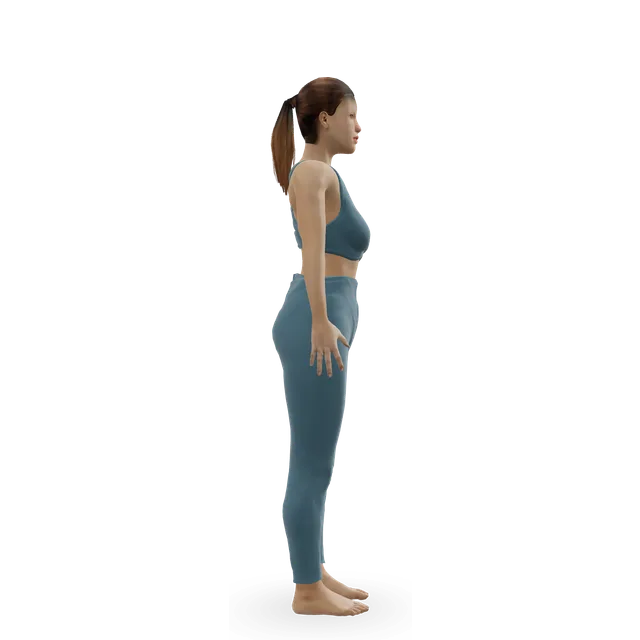
Loading the 3D figure…
The figure repeats the movement from its starting position. Drag to turn it; the arrows open the demos either side.
Standing with space around you, you bend forward from your hips with your legs straight and let your trunk, arms and head hang toward your toes, then roll back up. Unlike ACE's seated toe touch, which keeps a flat back, the back rounds here as you relax. Hang still rather than bouncing, which a stretching commentary says is no longer recommended.
Movement guide
Standing toe touch (forward hang)
Make it easier or harder
Choose a version that fits your control and comfort.
Easier option
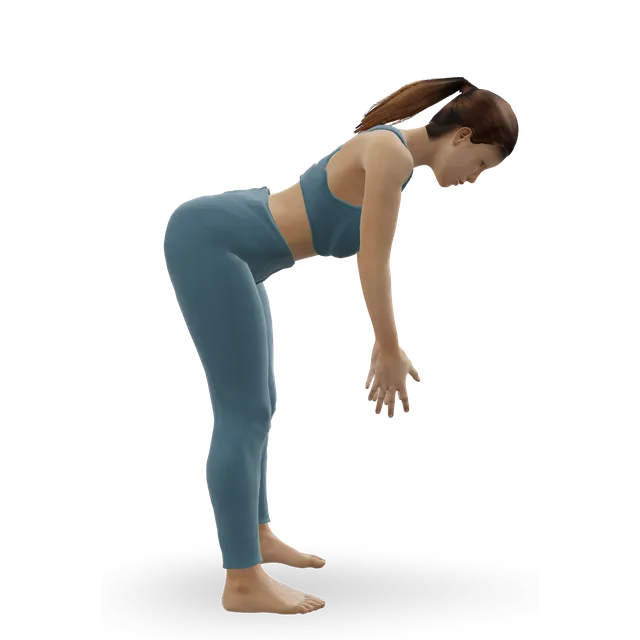 3D demoHip hinge foldBeginner · No equipment
Suggested next step, beginner grade.
Harder option
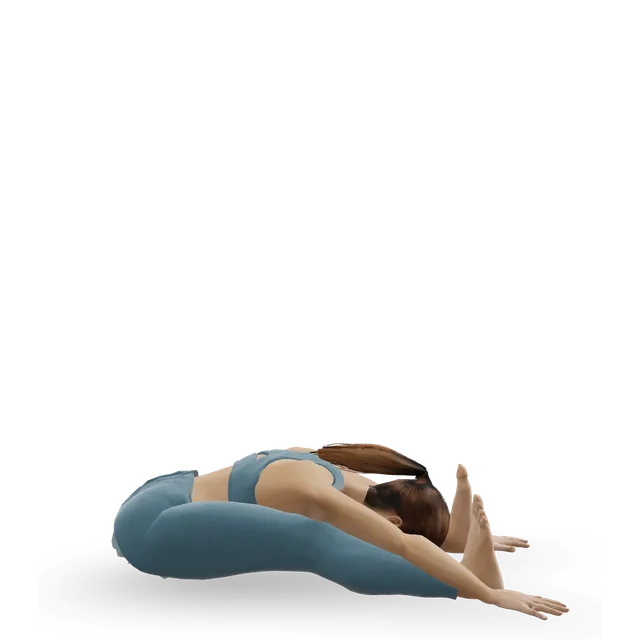 3D demoSeated forward fold (Paschimottanasana)Intermediate · No equipment
Similar move, intermediate grade.
Source-researched guide.
Form cues
- Let your arms and head hang heavy.
- Soften your knees if the backs of your legs pull hard.
- Avoid: bouncing to reach further.
Practice and cautions
Hold 30 seconds, 1 to 3 times, at least 5 days a week. In a trial, one 30-second hold a day gained as much hamstring range over 6 weeks as 60-second holds or three holds a day.
Roll up slowly, as coming up from a head-down position can make you light-headed. With glaucoma, ask your eye doctor first: eye pressure rises within a minute in a standing forward fold. Leave it out if bending forward sends pain down a leg. With osteoporosis, a UK consensus advises modifying or avoiding repeated or end-range rounding of the spine: choose a dead bug, bird dog or plank instead. With proliferative or severe non-proliferative diabetic retinopathy, or after recent eye laser treatment or surgery, leave out head-down positions until your eye team says they are safe. With vertigo or BPPV, head-down positions, lying back quickly and tipping your head back can bring on a spin: move into and out of them slowly, sit up slowly, and leave them out during a bad spell. This is movement education, not an assessment or treatment prescription. Stop for sharp or increasing pain, dizziness, numbness or tingling; seek individual guidance for symptoms, injury or restrictions.
Sources and review status
Sources support the educational description; they do not establish that this exercise is suitable for you.
- ACE · Seated toe touches (beginner; both legs long, a flat-back hinge from the hips, no bouncing) ↗
- Page 2012 · Current concepts in muscle stretching: active stretching moves a limb through its range; bouncing (ballistic) stretching is no longer recommended (clinical commentary, IJSPT) ↗
- Bandy 1997 · Hamstring stretches held 30 seconds once a day gained as much range as 60 seconds or three times a day (RCT of 93 adults, Physical Therapy) ↗
- Free Exercise DB · community text ↗
Unlicense · Free Exercise DB contributors; derived from wrkout/exercises.json. Text import; no photographs or media. · Revision f00c92c7dcf1216a928a52c3706c7ce8e2f71ed5
No variation is labeled clinically validated.
What it works
Equipment
None: body weight and floor space.
Level
Beginner. See the easier and harder options above.
Workouts that use it
Guides that use it
Similar moves
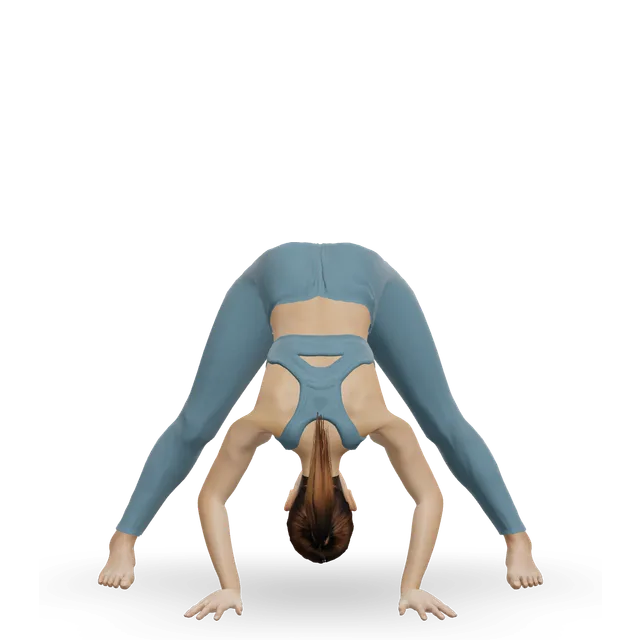 3D demoWide-legged standing forward fold (Prasarita Padottanasana)Beginner · No equipment
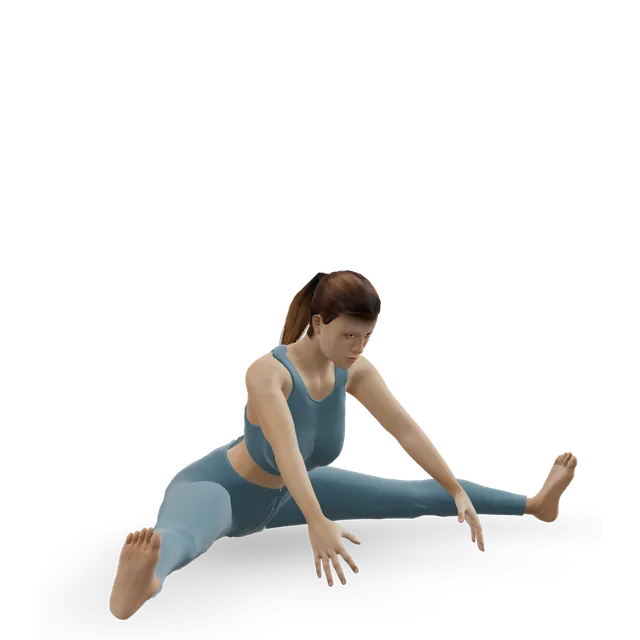 3D demoWide-angle seated forward fold (Upavistha Konasana)Intermediate · No equipment
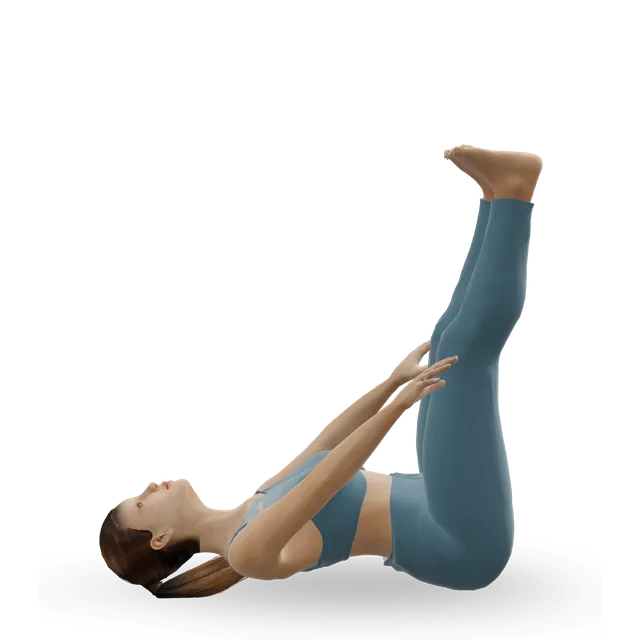 3D demoVertical toe touchIntermediate · No equipment
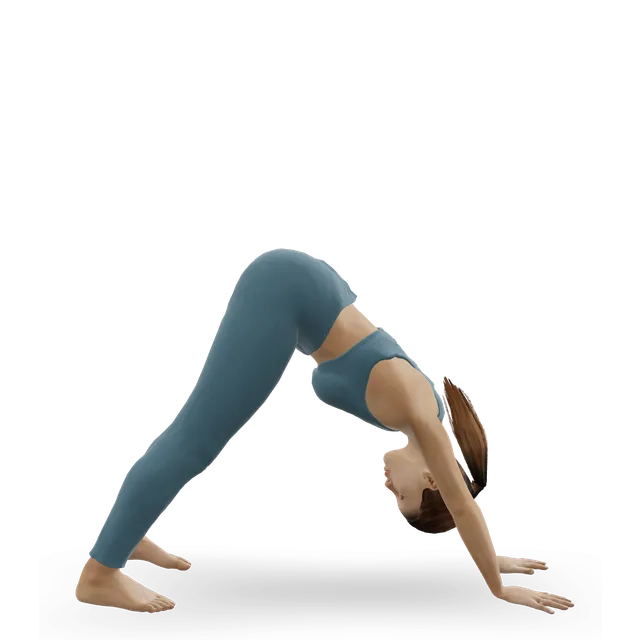 3D demoDownward-facing dog (Adho Mukha Svanasana)Beginner · No equipment
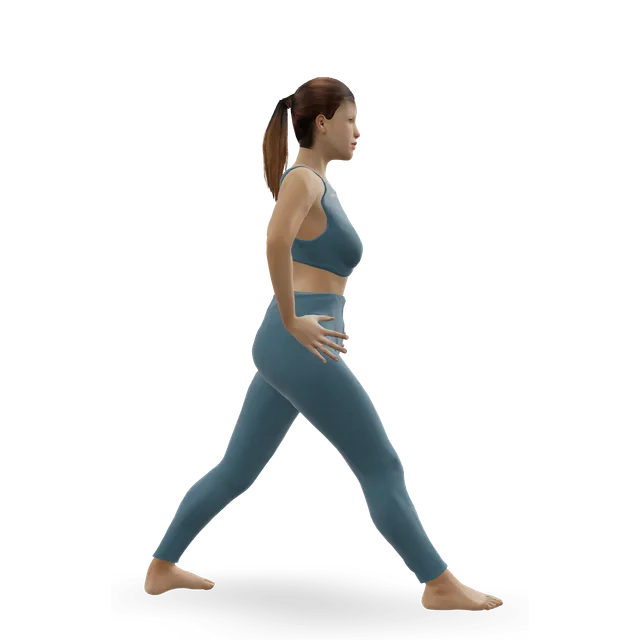 3D demoPyramid pose (Parsvottanasana)Intermediate · No equipment
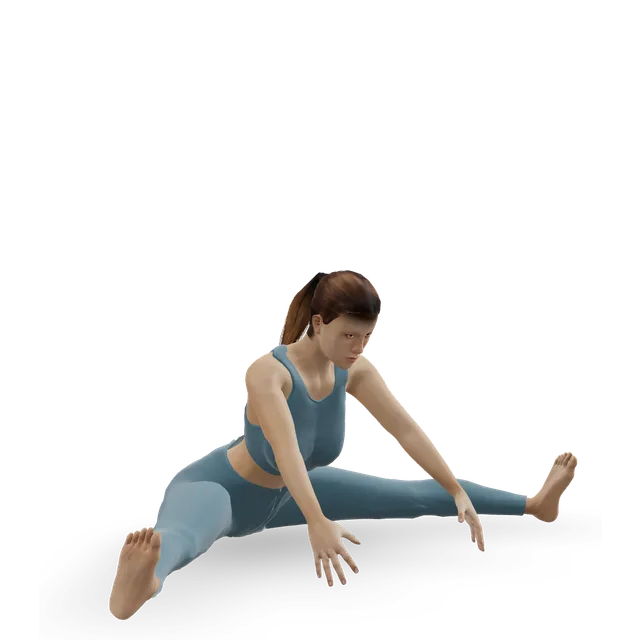 3D demoSeated straddle stretchBeginner · No equipment
Browse more
Questions people ask
What muscles does the Standing toe touch (forward hang) work?
Mainly the hamstrings, with help from the calves and back.
What equipment do I need for the Standing toe touch (forward hang)?
No equipment: your body weight and a little floor space.
Is the Standing toe touch (forward hang) good for beginners?
It is graded beginner, so it suits most people starting out. When it feels easy, try the Seated forward fold (Paschimottanasana).
What is an easier alternative to the Standing toe touch (forward hang)?
Try the Hip hinge fold or the Supine hamstring stretch with a strap. It is the suggested step down from this move.
How do I make the Standing toe touch (forward hang) harder?
Progress to the Seated forward fold (Paschimottanasana) or the Flying sword (elastic forward swing). Follow that guide’s technique and any stated timing.