Training guide

How to do inchworms: walking the hands out and back, the hamstrings, the warm-up and easier versions

An inchworm takes you from standing to a plank and back: fold forward from your hips, put your hands on the floor, walk them out until your body is straight, then walk them back, or walk your feet up to your hands to travel forward. It moves the backs of your legs through their range and asks your shoulders and trunk to hold a plank while one hand at a time leaves the floor.

It's a warm-up move more than a strength builder. Moving stretches like it slightly help performance when done just before exercise, but the extra range fades within about half an hour, and stretching on its own doesn't prevent injuries. No study has measured the inchworm itself.

This guide covers both versions step by step with 3D demos, what to do with tight hamstrings, sore wrists and head-down positions, easier and harder versions, and how many to do.

The short version

Fold, walk out, walk back

From standing, fold forward from your hips with soft knees, put your hands on the floor and walk them out to a straight high plank, then walk them back and roll up. The American Council on Exercise (ACE) adds a push-up and travels 9 to 13 metres, and rates that version advanced.

Source 1

A warm-up move

Moving stretches done within minutes of exercise slightly help performance, while long static holds slightly hinder it, and any warm-up activity loosens you about as much as stretching does. By our reading, inchworms earn their place because they move several joints at once and lead into planks and push-ups.

Sources 2, 3

Tight hamstrings: bend your knees

Bend them as much as your hamstrings need. The stretch from a warm-up is short-lived: for lasting range, regular static stretching does more than moving stretches.

Sources 4, 5

Not injury prevention on its own

Stretching programmes didn't lower sports injuries across 25 trials, while strength training did, and structured warm-ups with strength, balance and jumping drills, such as the FIFA 11+, cut injuries in team sports.

Sources 6, 7

Wrists and head-down

The high plank bends your wrists back: use fists, push-up handles or a bench if they complain. The fold puts your head down, which raised eye pressure within a minute in a small study, so keep it brief with glaucoma and come up slowly.

Sources 8, 9

How many

4 to 6, or a few metres, in a warm-up (our move page's editorial starting point); our workouts use 4 or 5. As a strength move, 2 or 3 sets of 5 to 8, stopping with 2 or 3 reps to spare (our editorial starting point). ACE's travelling version covers 9 to 13 metres.

Source 1

What an inchworm is, and what it works

Two versions

The inchworm walkout walks your hands out to a plank and back, and stays in one place. The travelling inchworm walks your feet up to your hands instead, so you move forward. Both have 3D demos below.

Walkouts, hand walkouts and plank walkouts

These names usually mean the walkout. Some classes walk the hands well past the shoulders into a long plank, which is much harder: in a lab study of 14 men, a walkout from a push-up position challenged the tummy muscles substantially.

Source 10

Not the plank walk-up

Our plank walk-up moves between a forearm plank and a high plank (an up-down), not from standing; it isn't an inchworm.

What it works

Your shoulders, chest and trunk hold a plank while one hand at a time leaves the floor, and the backs of your legs (hamstrings and calves) move through their range as you fold. It keeps useful mobility more than it builds strength, as our move page says, and it ends in the plank and push-up position, so it leads naturally into them.

What you need first

A steady high plank, as our move pages say; wrists that are comfortable taking your weight; and no dizziness when you stand up after bending (our suggestion).

How people differ

Long legs or tight hamstrings make the fold harder: bend your knees as much as you need. Short arms or a long trunk make the walk out longer, so take smaller hand steps, as ACE advises: it suggests steps of 6 to 12 inches.

Source 1

How to do an inchworm walkout, step by step

From our inchworm walkout and travelling inchworm move pages and ACE's inchworms page (hinge, small hand steps, a flat back). The pause and the breathing cue are editorial.

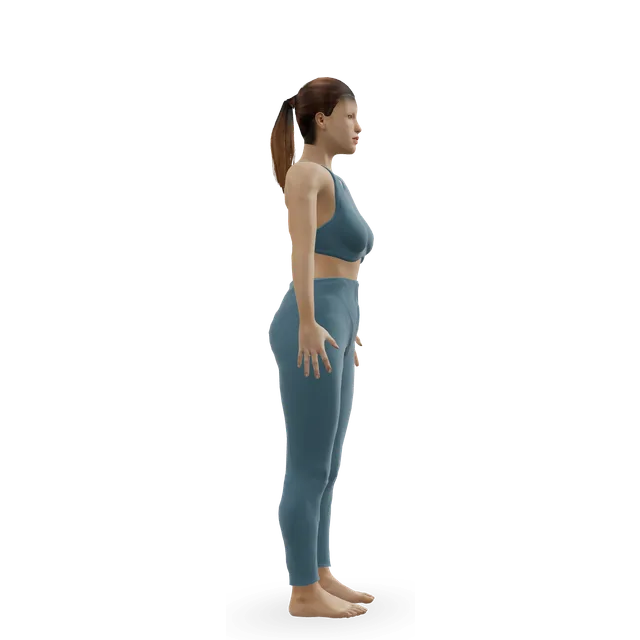
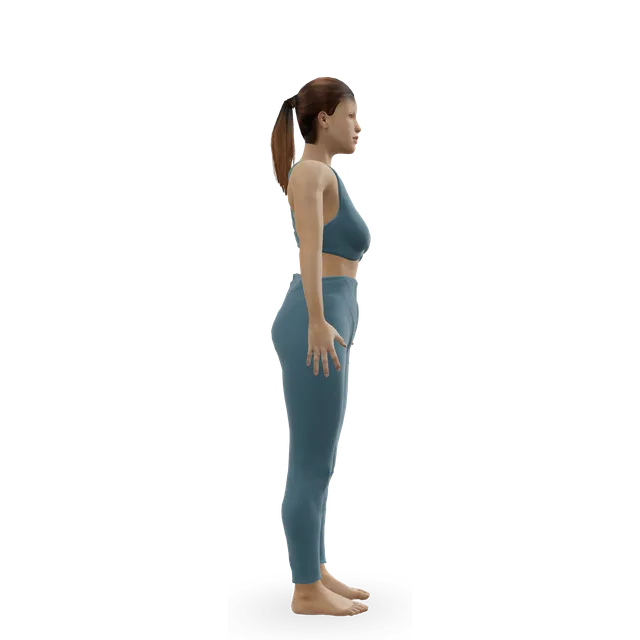
  1. Stand with your feet about hip-width apart, knees soft.
  2. Hinge forward from your hips with a long back, bending your knees as much as you need, until your palms are on the floor just in front of your feet.
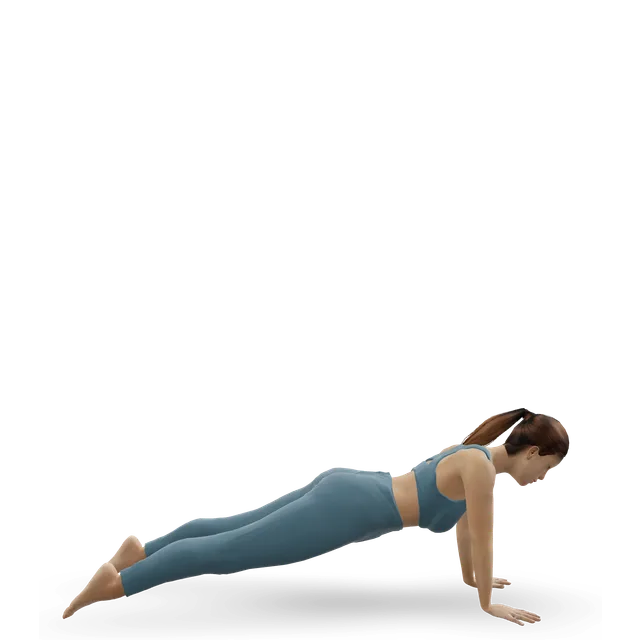
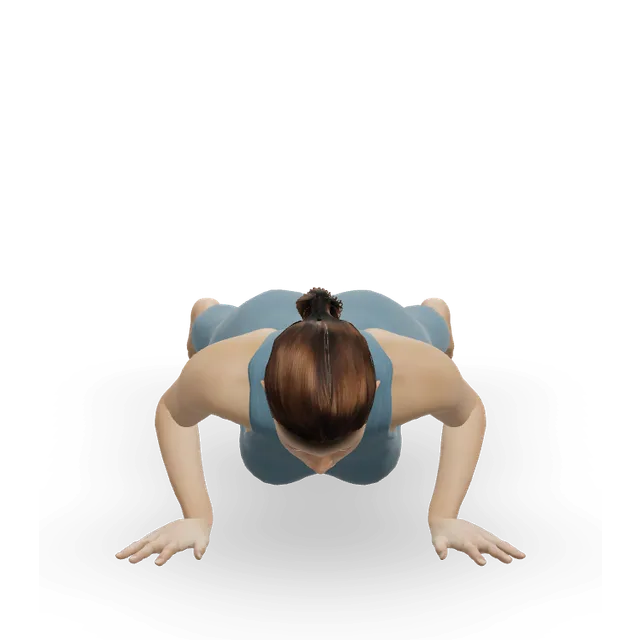
  3. Walk your hands forward one at a time in small steps until your body is in a straight line from head to heels, hands under your shoulders.
  4. Pause for a breath in the plank without letting your hips sag or pike.
  5. Walk your hands back towards your feet the same way, then roll or hinge up to standing slowly.
  6. Breathe steadily throughout, and come up slowly if you feel light-headed.

Loading the 3D figure…

Gets into position, then repeats the movement. Technical checks passed; qualified exercise review is pending.

The movement on the figure: Inchworm walkout

The travelling inchworm

From our travelling inchworm move page: 4 to 6 repetitions, or a few metres, as part of a warm-up (its editorial starting point). ACE's version adds one push-up in the plank each time and travels 9 to 13 metres; it rates that version advanced.

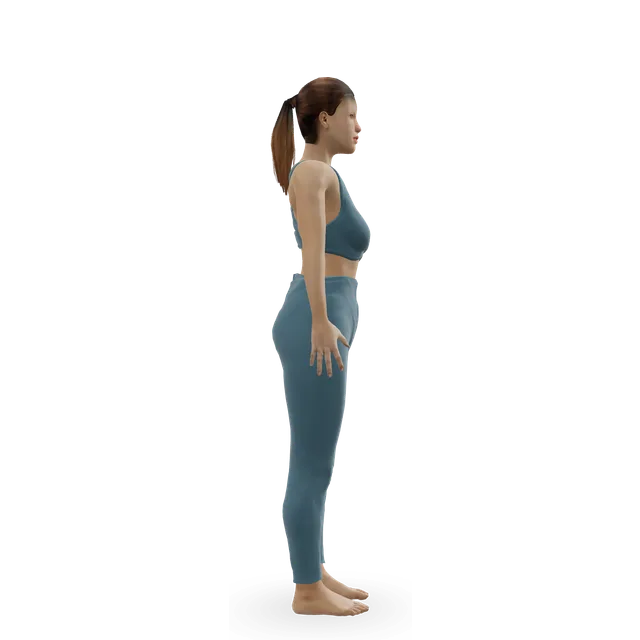
  1. Stand with your feet close together and fold forward from your hips, legs straight but not locked, until your hands are on the floor in front of you. Bend your knees if your hamstrings pull.
  2. Walk your hands forward one at a time until your body is in a straight push-up position.
  3. Keeping your hands still, walk your feet towards them in short steps, legs as straight as you can manage.
  4. When your feet are near your hands, walk your hands out again and keep travelling.

Loading the 3D figure…

Gets into position, then repeats the movement. Technical checks passed; qualified exercise review is pending.

The movement on the figure: Travelling inchworm

What the evidence says

No study of the inchworm itself

We found no study of the standing inchworm's muscle activity, energy cost, effect on hamstring range or injuries. The evidence below is about warm-ups and stretching in general, and one lab study of a long walkout.

A long walkout works the tummy hardEmerging evidence

In 14 men, a walkout from a push-up position, walking the hands well out past the shoulders, challenged the tummy muscles substantially, as did the body saw and the hanging leg raise. The standard inchworm, with your hands under your shoulders, asks less (our reading).

Source 10

Moving stretches before exerciseStrong evidence

In studies testing performance within 3 to 5 minutes, moving (dynamic) stretching improved it by about 1.3% on average, while static stretching reduced it by about 3.7%: about 4.6% with holds of 60 seconds or more per muscle and about 1% with shorter holds, and no clear loss when dynamic activity followed. The extra range usually lasted under 30 minutes.

Source 2

Dynamic warm-ups beat static-stretching warm-upsEmerging evidence

A 10-minute dynamic warm-up beat a static-stretching warm-up and no warm-up on power and agility tests in 30 young military cadets, and in 60 children, dynamic warm-ups beat static stretching for jumping and shuttle runs, with no difference in a sit-and-reach test.

Sources 11, 12

Any warm-up loosens youEmerging evidence

Across 38 studies of 1,134 people, stretching and foam rolling gave no better short-term range or stiffness than other warm-up activities (low to moderate certainty).

Source 3

What stretching can and can't doEmerging evidence

Twenty stretching researchers agreed that stretching improves range of motion and lowers stiffness, but isn't an all-round injury prevention strategy and doesn't improve posture or recovery.

Source 13

Stretching doesn't prevent injuries; strength training doesStrong evidence

Across 25 trials of 26,610 people, stretching programmes didn't prevent sports injuries, while strength training cut them to under a third, balance training by about 45% and programmes combining several types by about a third.

Source 6

Warm-ups that do prevent injuriesEmerging evidence

A structured warm-up with running, strength, balance and jumping drills, the FIFA 11+, cut injuries overall by about a third over a season in 1,892 girls aged 13 to 17 playing football. No study has tested the inchworm for injury prevention.

Source 7

Inchworms in your warm-up

Where they fit

After a few minutes of easy movement, such as marching or step jacks, and before the main session. Our dynamic warm-up uses 4 walkouts after leg swings; our warm-up guide covers the rest.

Why they're there

They move your hips, hamstrings, shoulders and trunk in one go and end in the plank and push-up position, so they lead into planks, push-ups and burpees. That's the reason to use them, not because a warm-up must include stretching (our reading).

Stretching isn't required

Any warm-up activity loosens you about as much as stretching, and short static stretches cost little; long holds of 60 seconds or more per muscle can slightly reduce performance straight afterwards.

Sources 3, 2

For team sports

Use a structured warm-up with strength, balance and landing drills, such as our knee control or FIFA 11+ warm-ups. Inchworms don't replace them.

Source 7

Stop if it hurts

The NHS's warm-up advice is to stop the exercise straight away if you feel any pain or become unwell, and to get help from NHS 111 if you're concerned about any symptoms or they don't go away. It also suggests getting advice from a GP or other health professional first if you have a health problem or an injury, or you're pregnant or have recently given birth.

Source 14

Tight hamstrings

Bend your knees

Bend them as much as your hamstrings need, as our move pages and dynamic warm-up say: your hips, shoulders and trunk still do their job. If your hands can't reach the floor, put them on a step or bench.

A short-lived stretch

The extra range from a warm-up usually lasts under 30 minutes.

Source 2

Regular stretching raises rangeStrong evidence

Across 77 studies, stretching over weeks raised range of motion moderately, more with static and contract-relax stretching (PNF: proprioceptive neuromuscular facilitation) than with moving stretches.

Source 4

For the hamstringsEmerging evidence

One bout of moving or static stretching gave similar short-term gains in hamstring range, but repeated static stretching gave more lasting range. Our touch-your-toes guide has a plan: a 30-second hold, 1 to 3 times, at least 5 days a week (the dose on our standing toe touch and lying hamstring stretch move pages).

Source 5

Pain down a leg

If folding forward sends pain, tingling or numbness down a leg, leave the fold out and follow our back pain guides.

Wrists, eyes and head-down positions

WristsEmerging evidence

The high plank bends your wrists back, which raised pressure in part of the wrist joint in a lab study of 8 donated wrists, compared with a straight-wrist knuckle position. Make fists, use push-up handles, shorten the walk or put your hands on a bench, as our mountain climber guide advises, and warm up with wrist rocks.

Source 8

Head-down and your eyesEmerging evidence

Eye pressure rose within a minute in head-down yoga poses, including a standing forward fold and a downward dog, and was back to normal within 2 minutes of sitting up, in 10 people with glaucoma and 10 without. With glaucoma, keep the fold brief or start from a bench, and ask your eye team first if your glaucoma is advanced or you've had eye surgery, as our move pages say.

Source 9

Diabetic eye disease

With proliferative or severe non-proliferative diabetic retinopathy, or after recent eye laser treatment or surgery, leave out head-down positions until your eye team says they're safe, as our move pages say.

Light-headedness and blood pressure

Come up slowly, and sit down if you feel faint or dizzy. With high blood pressure that isn't controlled, keep head-down positions brief, as our downward dog move page says.

Easier and harder: from the hip hinge to the spider crawl

In order: hip hinge folds, 5 slow folds with 3 breaths at the bottom (the move page's dose), to learn the fold; knee planks, 20 seconds (our beginner bodyweight workout), then high planks, 3 holds of 15 to 30 seconds (the move page's dose), to build the hold; the inchworm from a bench, walking your hands out along a bench into an incline plank set up as for the incline push-up, 4 to 6 walkouts (our editorial starting point); the walkout to your knees, ending in the knee push-up position; the inchworm walkout, 4 or 5 in a warm-up (our workouts) or 2 or 3 sets of 5 to 8 as a strength move (our editorial starting point); a walkout with one push-up each time, from your knees or toes, 4 to 6 reps (our editorial starting point, after ACE); the travelling inchworm, 4 to 6 or a few metres (the move page's dose); and from the plank, a downward dog for 5 breaths (the cool-down in our high-intensity interval training, or HIIT, workout at home), the world's greatest stretch, 4 slow reps each side (the move page's dose), or spider crawls, 2 to 3 sets of 4 to 6 knee drives each side (the move page's dose).

Other versions, with no demo of their own

The long walkout

Walking your hands well past your shoulders makes it much harder for your tummy and shoulders, as a lab study of the walkout from a push-up position found. Build up to it from the standard walkout.

Source 10

Shoulder taps

In the plank, tap each hand to the opposite shoulder before you walk back, keeping your hips still: harder for your trunk.

Inchworm to a pike push-up

From the plank, walk your feet in a little with your hips high and bend your elbows to lower your head towards the floor: a shoulder press with your body weight. It's another head-down position, so take the same care with your eyes.

Common mistakes

Forcing straight knees

Bend your knees as much as your hamstrings need, as our move page says.

Hips sagging or hiking in the plank

Keep one line from head to heels. ACE warns against letting your lower back sag or your hips hike.

Source 1

Big hand steps

Smaller steps help you keep your position, and reaching too far forward with your arms puts unnecessary stress on your shoulders, ACE says.

Source 1

Hips swaying as each hand lifts

Keep your hips still as each hand leaves the floor, as our walkout move page cues.

Rushing up

Come up slowly, especially if you feel light-headed, as our travelling inchworm move page says.

Rounding hard with osteoporosis

UK guidance for osteoporosis advises changing or avoiding forward bending that is sustained, repeated or taken as far as it goes. Hinge with a long back and bent knees, and stop when your back starts to round, as our hip hinge fold move page says, or start from a bench.

Source 15

How many, and how often

In a warm-up

4 to 6, or a few metres (the travelling inchworm move page's editorial starting point). Our dynamic warm-up, HIIT and Tabata workouts use 4 walkouts, and the full-body bodyweight workout 5.

As a strength move

2 or 3 sets of 5 to 8, stopping with 2 or 3 reps to spare, or 3 or 4 in your first two weeks (our editorial starting point, in line with our plans).

ACE's travelling version

About 9 to 13 metres, with a push-up each time: a version ACE rates advanced.

Source 1

How often

Before most sessions, as part of your warm-up (our suggestion).

Progressing

Walk further out, then add a push-up, then travel: one change at a time (our suggestion).

Calories

Not many on their own: the Compendium of Physical Activities rates light or moderate calisthenics at about 3.5 METs (multiples of your resting energy use) and mild stretching at 2.3. Their value is getting you moving and ready for the rest of the session.

Source 16

Moves that go with it

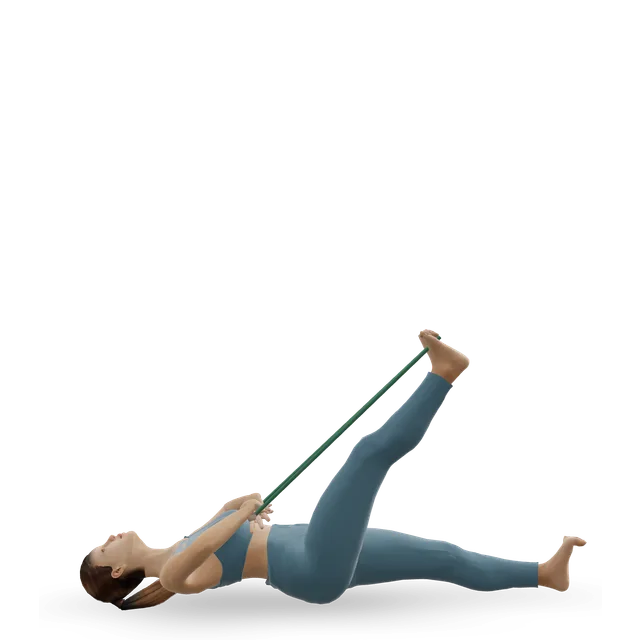
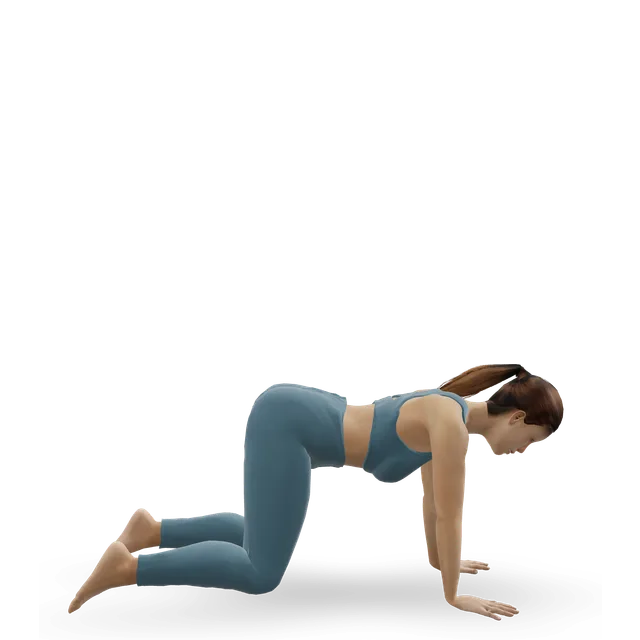
For lasting hamstring range, a standing toe touch or the lying hamstring stretch with a strap, held 30 seconds, 1 to 3 times, at least 5 days a week (the move pages' dose); front-to-back leg swings, 2 to 3 sets of 10 to 15 each leg, as a moving hamstring stretch before exercise (the move page's dose); and quadruped wrist rocks, 10 in each hand position (our wrist and forearm routine), before the plank.

Workouts to follow

Our dynamic warm-up uses 4 walkouts after leg swings, bending your knees if your hamstrings pull; the HIIT, Tabata and teenagers' strength workouts use 4 in the warm-up and the full-body bodyweight workout 5; and the animal moves workout for kids has 4 inchworms.

Plans that use them

These plans include the full-body bodyweight workout or the strength workout for teenagers, with inchworm walkouts in the warm-up.

Who should change it

Osteoporosis

Hinge with a long back and bent knees, stop when your back starts to round, or start from a bench: UK guidance advises changing or avoiding forward bending that is sustained, repeated or taken as far as it goes.

Source 15

Pregnancy and after a birth

In pregnancy, ask your midwife about plank positions as your bump grows, as our mountain climber guide suggests. After a birth, the NHS advises avoiding planks to start with, so the plank part waits too.

Source 17

Glaucoma, diabetic eye disease or high blood pressure

Keep the head-down part brief or start from a bench, and follow the eye notes above.

Heart conditions

Our high plank move page advises asking your cardiac team before long holds with heart disease, and avoiding planks with heart failure.

Sore wrists

Use fists, push-up handles or a bench, or shorten the walk, and see the warning signs below.

Back pain

If folding forward sends pain down a leg, leave the fold out: start from a bench, or skip inchworms for now.

Warning signs

Stop and get medical help

If you get chest pain or pressure, feel faint or dizzy, are unusually breathless, or your heart races or beats irregularly during exercise, as our plans advise. The American Heart Association says these need immediate medical evaluation.

Source 18

Call 999 (911 in the US)

For chest pain that doesn't go away, feels tight or like squeezing, or spreads to your arms, neck, jaw, stomach or back, or comes with sweating, feeling sick, light-headedness or breathlessness; severe difficulty breathing; someone who faints while exercising; palpitations that don't go away, or come with chest pain, shortness of breath or feeling faint; or a headache that starts suddenly and is extremely painful. Don't drive yourself to A&E.

Sources 19, 20, 21, 22, 23, 24, 25

Check before you start

If you haven't exercised for some time or have a medical condition, speak to your GP first, as the NHS advises. Get advice before hard exercise if your blood pressure is uncontrolled, or you have heart disease or chest pain when you're active, a pacemaker or defibrillator, diabetic eye disease, glaucoma, a hernia, recent eye or tummy surgery, or you're pregnant, as our breathing guide lists.

Source 26

After a faint, or dizziness that keeps coming back

See a GP after any faint, and for dizziness that won't go away or keeps coming back.

Sources 22, 27

Sudden eye symptoms

Call 999 or go to A&E if glaucoma symptoms come on suddenly, such as intense eye pain, a red eye, tenderness around the eyes, rainbow-coloured circles around bright lights, blurred vision, feeling or being sick, or a headache.

Source 28

Your wrist

Contact NHS 111 for severe wrist pain, a snap, grinding or popping noise at the time of an injury, a wrist you can't move or hold things with, or one that has changed shape or colour. See a GP if wrist pain stops your normal activities, is getting worse or keeps coming back, hasn't improved after 2 weeks, or comes with tingling or loss of feeling.

Source 29

A sudden pain at the back of the thigh

A sharp pain at the back of your thigh during the fold may be a hamstring strain: stop, and follow our hamstring strain guide. Get help from NHS 111 if it's very painful, there's a lot of swelling or bruising, or you can't walk more than a few steps.

Source 30

Back pain with these signs

Call 999 or go to A&E for back pain with pain, tingling, weakness or numbness in both legs, loss of feeling around your genitals or bottom, or new trouble peeing, or peeing or pooing yourself.

Source 31

Myths

"You must stretch before you exercise"Emerging evidence

Any warm-up activity loosens you about as much as stretching. Short static stretches cost little, long ones of 60 seconds or more per muscle slightly reduce performance straight afterwards, and moving stretches slightly help. A few inchworms make a good moving warm-up, but stretching isn't required.

Sources 3, 2

"Inchworms prevent injuries"Strong evidence

Stretching programmes didn't prevent sports injuries across 25 trials; structured warm-ups with strength, balance and landing drills do in team sports. No study has tested the inchworm.

Sources 6, 7

"Inchworms will make you flexible"Strong evidence

The extra range from a warm-up usually lasts under 30 minutes. Lasting range comes from regular stretching, more with static or contract-relax holds.

Sources 2, 4, 5

"Keep your legs straight or it doesn't count"

Bend your knees as much as your hamstrings need, as our move pages say; your hips, shoulders and trunk still do their job.

"A workout only counts if you're out of breath"Strong evidence

Moderate activity, where you can talk but not sing, counts towards the NHS's 150 minutes a week; the World Health Organization says some activity is better than none; and short bouts count. A gentle warm-up with a few inchworms is part of that.

Sources 26, 32, 33

Questions people ask

How do you do an inchworm?

Stand, fold forward from your hips with soft knees and put your hands on the floor. Walk your hands out to a straight high plank, pause, then walk them back and roll up, or walk your feet up to your hands to travel forward. The version that walks the hands back is also called a walkout or hand walkout.

What does the inchworm exercise work?

Your shoulders and trunk hold the plank while one hand at a time leaves the floor, and your hamstrings and calves move through their range as you fold. It's mainly a warm-up and mobility move; walking the hands well out past your shoulders works the tummy much harder.

Is the inchworm a stretch or a strength exercise?

A bit of both: a moving stretch for the backs of your legs and a plank for your shoulders and trunk. Moving stretches like it suit a warm-up, where they slightly help performance.

How many inchworms should I do?

4 to 6, or a few metres, in a warm-up. As a strength move, 2 or 3 sets of 5 to 8 with a couple of reps to spare. These are starting points, not tested doses.

My hamstrings are too tight to reach the floor. What should I do?

Bend your knees as much as you need, or put your hands on a step or bench. For lasting flexibility, regular static stretches do more than moving ones; our touch-your-toes guide has a plan.

Do inchworms prevent injuries?

Not on their own. Stretching programmes didn't prevent sports injuries across 25 trials, while strength training did, and warm-ups with strength, balance and landing drills prevent injuries in team sports.

Do I need to stretch before a workout?

No. Any warm-up activity loosens you about as much as stretching, and a few minutes of easy movement plus moving stretches like inchworms are enough. Long static holds can slightly reduce performance straight after.

Why do inchworms hurt my wrists?

The high plank bends your wrists back, which raised pressure in part of the wrist joint in a lab study. Make fists, use push-up handles, shorten the walk or use a bench, and see a GP if wrist pain hasn't improved after 2 weeks.

Can I do inchworms with glaucoma or high blood pressure?

Keep the head-down part brief: eye pressure rose within a minute in head-down yoga poses and settled within 2 minutes of sitting up. If your glaucoma is advanced or you've had eye surgery, ask your eye team first. With high blood pressure that isn't controlled, keep head-down positions brief too.

Inchworm or bear crawl?

Both use your shoulders and trunk on all fours. The inchworm adds a hamstring stretch and holds a plank; the bear crawl keeps your knees hovering and travels on hands and feet. Our bear crawl guide covers it.

How do I make inchworms harder?

Walk your hands further out past your shoulders, add a push-up in the plank, or travel by walking your feet up to your hands. Spider crawls or the world's greatest stretch from the plank add more.

Do inchworms burn many calories?

Not many on their own: the Compendium rates light or moderate calisthenics at about 3.5 METs, a few times your resting energy use. Their value is getting you moving and ready for the rest of the session.

Sources

  1. ACE · Inchworms (exercise library, rated advanced)
  2. Behm 2016 · Acute effects of muscle stretching on performance, range of motion and injury (systematic review, Appl Physiol Nutr Metab)
  3. Warneke 2024 · Foam rolling and stretching are no better than other warm-ups for acute flexibility: 38 studies (meta-analysis, J Sport Health Sci)
  4. Konrad 2024 · Long-term stretching and range of motion: 77 studies (systematic review and meta-analysis, J Sport Health Sci)
  5. Cai 2023 · Dynamic and static stretching for hamstring flexibility: 27 trials (systematic review and meta-analysis, Heliyon)
  6. Lauersen 2014 · Exercise to prevent sports injuries: 25 trials, 26,610 people (systematic review and meta-analysis, Br J Sports Med)
  7. Soligard 2008 · The FIFA 11+ warm-up and injuries in 1,892 young female footballers (cluster randomised trial, BMJ)
  8. Daly 2018 · Wrist joint pressures in two push-up positions, in 8 donated wrists (lab study, J Hand Surg Am)
  9. Jasien 2015 · Eye pressure in four head-down yoga poses, in 20 people with and without glaucoma (lab study, PLoS One)
  10. McGill 2015 · Muscle activity and spine load in the body saw, hanging leg raise and walkout from a push-up, in 14 men (lab study, J Sports Sci)
  11. McMillian 2006 · A dynamic or a static-stretching warm-up before power and agility tests, in 30 cadets (crossover study, J Strength Cond Res)
  12. Faigenbaum 2005 · Static stretching or dynamic warm-ups before fitness tests, in 60 children (crossover study, J Strength Cond Res)
  13. Warneke 2025 · Practical recommendations on stretching: a consensus of 20 research experts (Delphi study, J Sport Health Sci)
  14. NHS · How to warm up before exercising
  15. Brooke-Wavell 2022 · Strong, steady and straight: UK consensus statement on physical activity and exercise for osteoporosis (consensus statement, Br J Sports Med)
  16. Compendium of Physical Activities 2024 · Conditioning exercise: MET values (adult compendium)
  17. NHS · Your post-pregnancy body
  18. Paluch 2024 · Resistance exercise training with and without cardiovascular disease: 2023 update (American Heart Association scientific statement, Circulation)
  19. NHS · Chest pain (past its review date: reviewed August 2023, review due August 2026)
  20. NHS · Heart attack
  21. NHS · Shortness of breath
  22. NHS · Fainting
  23. NHS · Heart palpitations
  24. NHS · Headaches
  25. NHS · Subarachnoid haemorrhage
  26. NHS · Physical activity guidelines for adults aged 19 to 64
  27. NHS · Dizziness (past its review date: reviewed April 2023, review due April 2026)
  28. NHS · Glaucoma
  29. NHS · Wrist pain
  30. NHS · Sprains and strains
  31. NHS · Back pain
  32. Bull 2020 · World Health Organization 2020 guidelines on physical activity and sedentary behaviour (guideline, Br J Sports Med)
  33. Jakicic 2019 · Bout duration of physical activity and health: 29 studies (systematic review, Med Sci Sports Exerc)

Exercise education, not a personal prescription, and clinical review of these guides is pending. Check with a GP before starting hard training if you have a heart condition, chest pain, dizziness or breathlessness when active, and stop for sharp or increasing pain. Health disclaimer.