The move
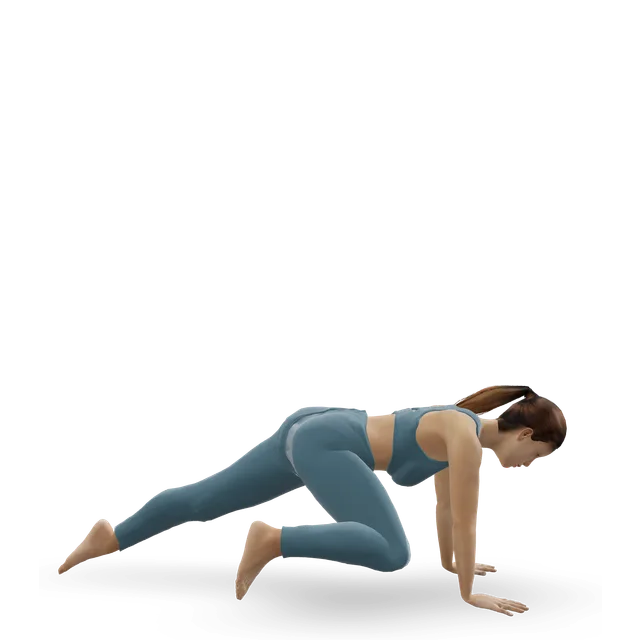
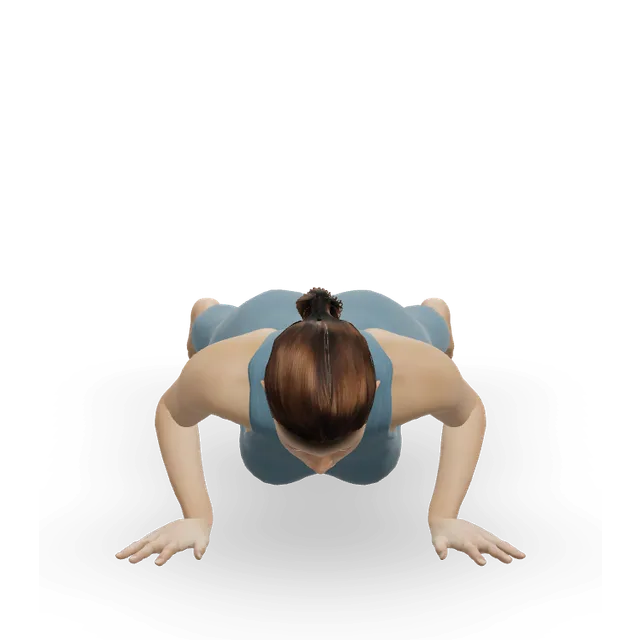
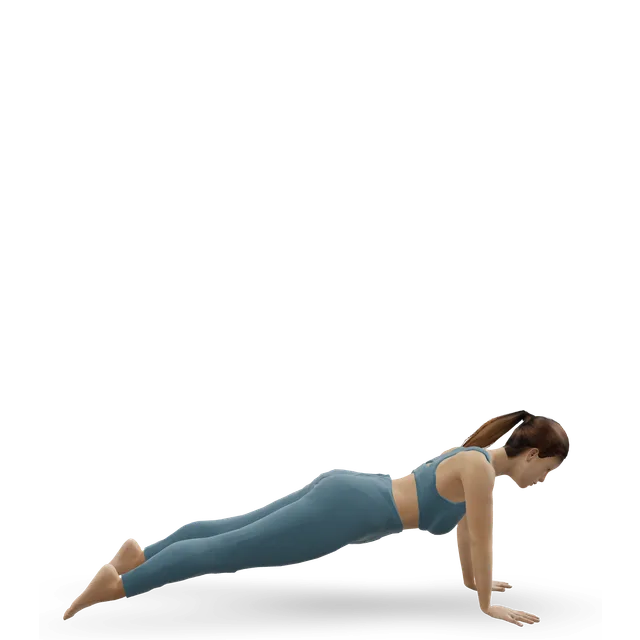
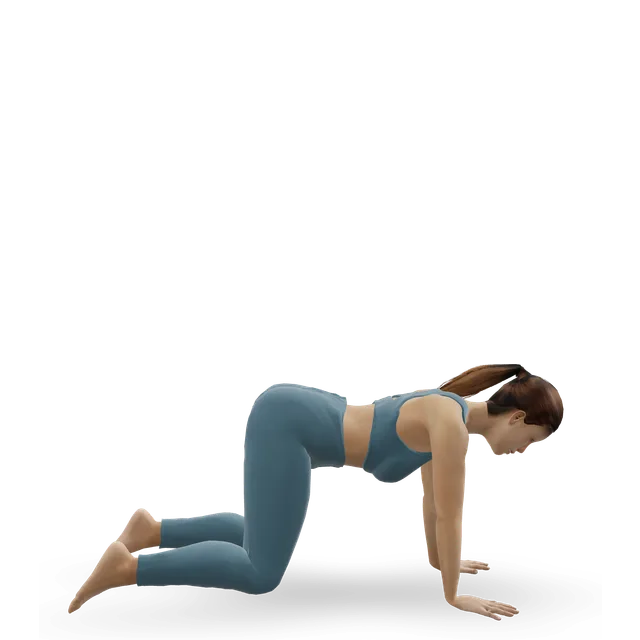
From a high plank, hands under your shoulders and body in one line, drive one knee towards your chest, then switch, keeping your hips level and your shoulders over your hands.
Source 1
Training guide
Mountain climbers are knee drives from a high plank: hands under your shoulders, body in a line, one knee then the other towards your chest. Done fast, they're hard interval cardio, costing about as much energy as jump squats in one small study. Done slowly, they're plank work with moving legs: that framing is ours, as no study has compared the two speeds.
This guide covers the steps, the mistakes that turn them into a wrist and lower-back exercise, easier and harder versions from hands on a bench to burpees, how to use them in high-intensity interval training (HIIT), what they do and don't train, and who should modify them.
From a high plank, hands under your shoulders and body in one line, drive one knee towards your chest, then switch, keeping your hips level and your shoulders over your hands.
Source 1
In one small study of 12 active men going all out for 30 seconds, mountain climbers averaged about 10 METs (metabolic equivalents: multiples of your resting energy use), between jumping jacks and burpees. The Compendium of Physical Activities rates vigorous intervals with mountain climbers at 11 METs.
Fast, they're interval cardio, as in that study. Slow and controlled, they're plank work with moving legs: that's our framing, as no study has compared fast and slow mountain climbers.
Source 2
In a small trial, 4 weeks of 8 bursts of 20 seconds of one move (burpees, jumping jacks, mountain climbers or squat thrusts) raised peak oxygen uptake by about 8% in young women, as much as treadmill training. Treat hard sessions like any HIIT: once or twice a week for most people.
Source 4
To make them easier, put your hands on a bench or step, as the American Council on Exercise (ACE) suggests if your hips are stiff, or step your feet in slowly. Harder: cross-body knees, spider crawls, plank jump-ins and burpees.
Source 1
A bent-back wrist raised pressure in part of the wrist joint in a lab study. Use push-up handles, dumbbells or fists, or raise your hands on a bench, which takes weight off them.
From our mountain climbers page and ACE's guide, which places the hands slightly in front of the shoulders. Bracing and the breathing cue are our suggestions.
Loading the 3D figure…
The movement on the figure: Mountain climbers
Learn the plank first, then mountain climbers with your hands on a bench or step; the march and step jack are swaps that keep you off the floor.
Spider crawls bring each knee outside the elbow, plank jump-ins move both feet together, bear crawls travel, and burpees add a jump.
Our mountain climbers page names hips piking up or sagging as the common faults. Slow down until your hips stay level, as it cues.
Keep your shoulders over your hands, as our mountain climbers page cues, so the plank stays solid.
A sagging back shifts the strain to your lower back. Brace your trunk, or slow down.
A bent-back wrist raised pressure in part of the wrist joint in a lab study. Use handles, dumbbells or fists, or a bench.
Source 5
Breathe steadily through the set (our suggestion).
Our suggestion: go only as fast as you can keep your hips level.
In 12 active men doing five 30-second all-out efforts of each exercise, with 30 seconds' rest, mountain climbers averaged 9.9 METs, about 12.5 calories a minute and 34.6 mL/kg/min of oxygen: more than jumping jacks (7.8 METs), about the same as squat jumps (10.3) and less than burpees (11.5). They came third in the session, after jumping jacks and burpees, so by our reading some tiredness may have carried over. The Compendium rates vigorous intervals with mountain climbers at 11 METs.
In a trial of 22 young women, the 7 who did 4 weeks of 8 bursts of 20 seconds with 10 seconds' rest, 4 days a week, using burpees, jumping jacks, mountain climbers or squat thrusts, raised their peak oxygen uptake by about 8%, as much as the 7 who trained on a treadmill (7%), and improved muscular endurance. Mountain climbers were one move of several, and the trial was small.
Source 4
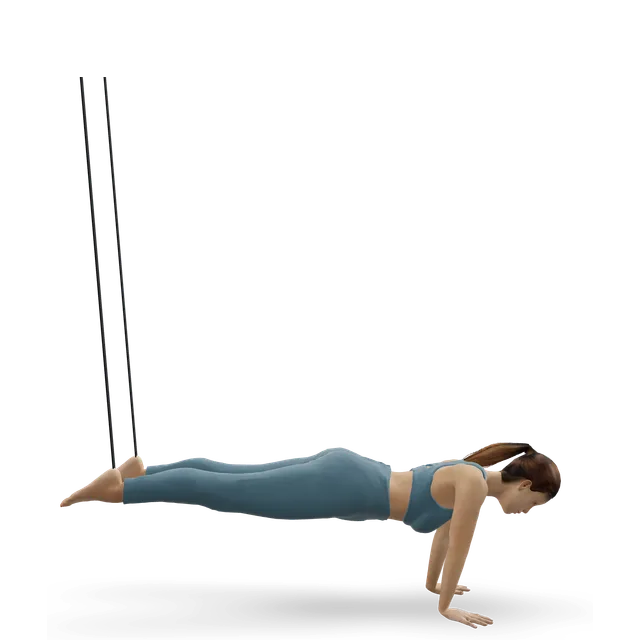
No lab study we found has measured muscle activity in the floor mountain climber. In 17 active men, a suspended knee tuck, a similar knee drive with the feet in straps, drew about half of maximal activity from the lower tummy muscles: a hint, not a measurement of mountain climbers.
Source 7
In 8 donated wrists, a push-up position with the wrist bent back raised pressure in part of the wrist joint, compared with a straight-wrist knuckle position. In 23 adults, push-ups with the hands raised on a box put less force through the hands than on the floor; by our inference, the same is likely for mountain climbers.
20 to 40 seconds on with 10 to 20 seconds off, as in our Tabata, HIIT and circuit workouts. Keep hard sessions to once or twice a week for most people, up to three, as our HIIT guide says.
Our editorial starting point: 2 or 3 sets of 8 to 12 knee drives each side, pausing for a moment with the knee in.
Our editorial starting point: hands on a bench, stepping your feet in slowly, 3 sets of 20 to 30 seconds. Swap to a fast standing march if your wrists or shoulders object.
Vigorous intervals with mountain climbers are rated at 11 METs, which by our rough arithmetic is about 13 calories a minute of actual work for a 70 kg person; the lab study measured about 12.5 in men averaging 73 kg. Our calories burned calculator does the sum for your weight and time.
Our suggestion: count clean reps in 30 seconds at a pace you can hold for the whole set, then move from the bench to the floor, and from slow to fast.
Your arms and shoulders hold a high plank while your trunk stops your hips sagging or twisting, and the muscles at the front of your hips drive your knees in. That's our description of the move: no study has measured muscle activity in the floor version.
No exercise burns fat from one place: 6 weeks of tummy exercises didn't reduce belly fat in 24 adults. Overall activity and eating habits matter most.
Source 8
Our suggestion: for trunk strength, the harder plank versions in our plank guide, the dead bug and the bird dog are a better fit.
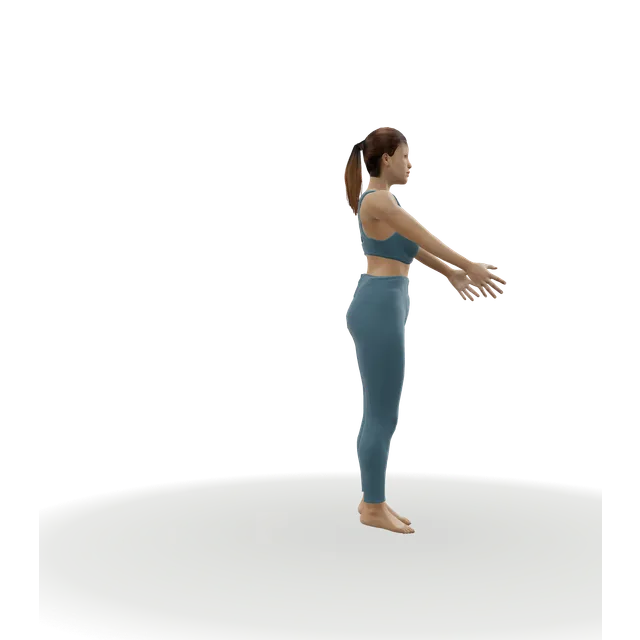
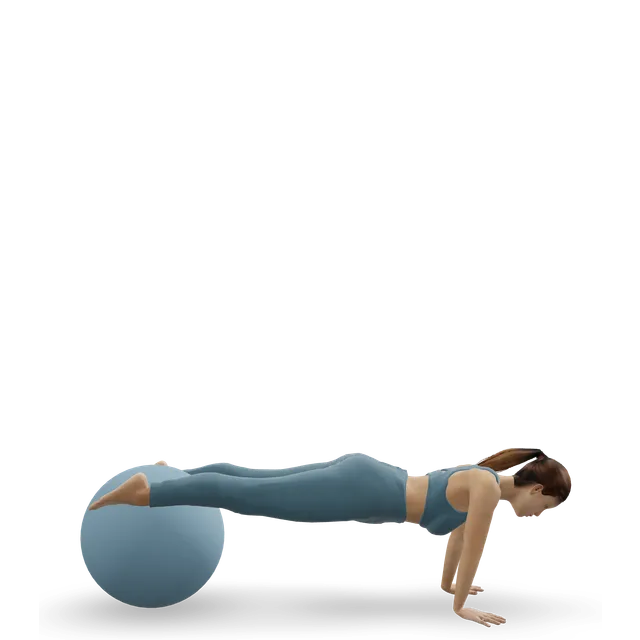
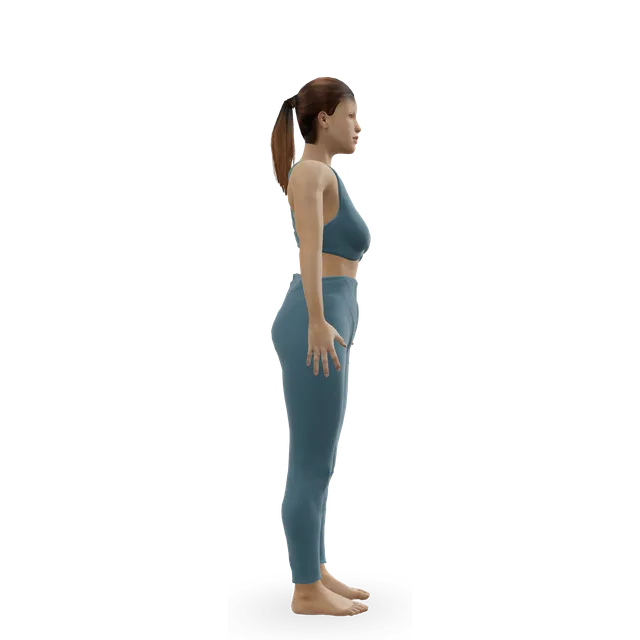
Gentler core moves (the dead bug and bird dog), and two harder knee tucks with your feet on a ball or in straps.
Use push-up handles, dumbbells or fists to keep your wrists straighter, or put your hands on a bench, which takes weight off them. Our wrist pain with push-ups guide has more.
Our suggestion: if your shoulders ache, raise your hands on a bench and slow down.
The British Heart Foundation advises avoiding exercises that use your whole body as a weight, such as press-ups and planks, and holding your breath.
Source 9
The NHS advises avoiding sit-ups, planks and high-impact exercise to start with. Our postpartum guide has a plan.
Source 10
The NHS advises against starting a new vigorous activity in pregnancy. If you already do mountain climbers, our suggestion, as in our plank guide, is to ask your midwife about plank positions as your bump grows.
Source 11
The European Society of Cardiology advises caution with high-intensity exercise while blood pressure is uncontrolled, and treats resting readings above 200/110 as a reason to get medical advice before exercising.
Source 12
If a racing heart or fast breathing tends to set off panic, build up over several sessions: these feelings are normal with hard effort and settle as you recover, as our mountain climbers page says.
The Tabata workout uses 20 seconds on and 10 off, the HIIT and circuit workouts 40 on and 20 off; the full-body bodyweight workout ends with them, and the ab workout uses 30-second sets.
Three 4-minute blocks of 20 seconds hard and 10 seconds easy, with bodyweight moves and a minute between: the timing of the Tabata study, at home.
22 minIntermediate10 movesA wallA 20-minute no-equipment HIIT workout: jumping jacks, jump squats, mountain climbers, burpees, skips and bear crawls.
20 minIntermediate10 movesNo equipmentA full-body circuit of 8 stations: dumbbell squats, push-ups, rows, lunges, deadlifts and cardio moves, 40 seconds each, for 2 or 3 rounds.
35 minBeginner14 movesA dumbbell, A bench or boxAn intermediate no-equipment workout: push-ups, split squats, single-leg bridges, pike push-ups and core work.
30 minIntermediate11 movesNo equipmentAn intermediate ab workout with no equipment: planks, side planks, reverse crunches, hollow holds and mountain climbers.
20 minIntermediate7 movesNo equipmentOur suggestion: mountain climbers fit the Saturday interval slot in the 7-day plan and the plan for women. In the calisthenics plan, Wednesday's full-body bodyweight workout finishes with them.
A full week that mixes intensities: three strength days, two cardio days, a mobility day and an easy day, never seven hard days.
3 training days45 minBeginner3 days a weekA weekly workout plan for women: three strength days, cardio and pelvic floor training, with the evidence on periods, pregnancy and menopause.
3 training days45 minBeginner3 days a weekA 12-week calisthenics plan for beginners: three bodyweight sessions a week with push-up, pull-up, squat and dip ladders, and a bar if you have one.
3 training days40 minBeginnerChest pain that doesn't go away, spreads to your arm, neck, jaw, stomach or back, or comes with sweating, feeling sick, light-headedness or breathlessness. Someone who faints while exercising.
A pounding, fluttering or irregular heartbeat that doesn't go away, or comes with chest pain, shortness of breath or feeling faint.
Source 15
Severe wrist pain, a snap, grinding or popping noise when it happened, a wrist you can't move or hold things with, one that has changed shape or colour, or lost feeling in your hand.
Source 16
Wrist pain that stops you doing normal activities, is getting worse or keeps coming back, hasn't improved after 2 weeks of looking after it yourself, or comes with tingling or loss of feeling.
Source 16
Dark, red or cola-coloured urine after an unusually hard session needs medical advice the same day, as our HIIT guide explains.
No exercise burns fat from one place, and no study has measured which tummy muscles the floor version works most.
No trial compares fast and slow mountain climbers. Our suggestion: go only as fast as you can keep your hips level, and slow down if they bounce or pike.
They're mainly interval cardio with a plank to hold: the trial that used them improved fitness and muscular endurance.
They put your weight through your wrists and shoulders. The British Heart Foundation advises against planks with heart failure, and the NHS against planks and high-impact exercise in the early weeks after birth.
Start in a high plank with your hands under your shoulders and your body in a straight line. Drive one knee towards your chest, then switch legs, keeping your hips level and your shoulders over your hands.
They combine a high plank, which works your shoulders, arms and trunk, with fast knee drives from the muscles at the front of your hips and your tummy. No study has measured muscle activity in the floor version, so lists of muscles worked are best estimates.
Mostly cardio: all out, they cost about 10 METs, between jumping jacks and burpees, in one small study. In a small trial, short 20-second bursts including them improved fitness and muscular endurance. For trunk strength, use planks and their harder versions.
About 12 to 13 calories a minute of hard work for a 70 to 75 kg person. A minute of intervals burns little on its own; it adds up across a session.
They work your trunk, but no exercise burns fat from one spot. Belly fat comes off with overall activity and eating habits.
In intervals, 20 to 40 seconds on with 10 to 20 off, as in our Tabata, HIIT and circuit workouts, with hard sessions once or twice a week. For trunk control, our suggestion is 2 or 3 slow sets of 8 to 12 knee drives each side.
Slow ones are plank work with moving legs; fast ones are intervals. No trial compares them, so our suggestion is to use slow ones to learn the position and fast ones once your hips stay level.
Put your hands on a bench or sturdy step, step your feet in slowly instead of running, or swap to a fast standing march. Build up to the floor version over weeks.
A high plank bends your wrists right back, which raises pressure in part of the joint. Use push-up handles, dumbbells or fists, put your hands on a bench, or rest your wrists for a while; see our wrist pain guide if it lasts more than 2 weeks.
Don't start them new in pregnancy; if you already do them, ask your midwife about plank positions as your bump grows. After birth, the NHS advises avoiding planks and high-impact exercise to start with, and our postpartum guide has a plan.
With heart failure, the British Heart Foundation advises avoiding planks. With heart disease, ask your cardiac team about hard intervals. With high blood pressure that isn't controlled, keep to moderate effort until it is.
Exercise education, not a personal prescription, and clinical review of these guides is pending. Check with a GP before starting hard training if you have a heart condition, chest pain, dizziness or breathlessness when active, and stop for sharp or increasing pain. Health disclaimer.